
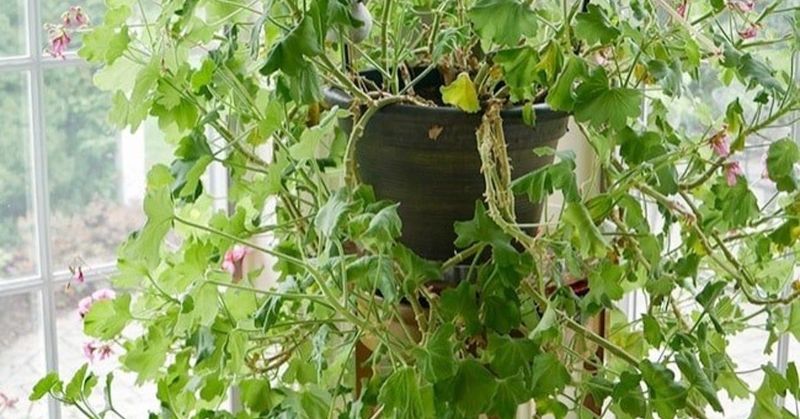
You planted a geranium full of promise, and now it just keeps pushing out more leaves while the flowers stay stubbornly absent. That leafy, leggy look is one of the most common complaints home gardeners have about these popular summer plants. The good news is that a simple habit called pinching can encourage your plant to branch out and build more flowering stems, though it works best alongside a few other fixes. Read on to find out exactly what to do and what else might be holding your plant back.
The “geranium” with leaves but few flowers is usually a leggy pelargonium
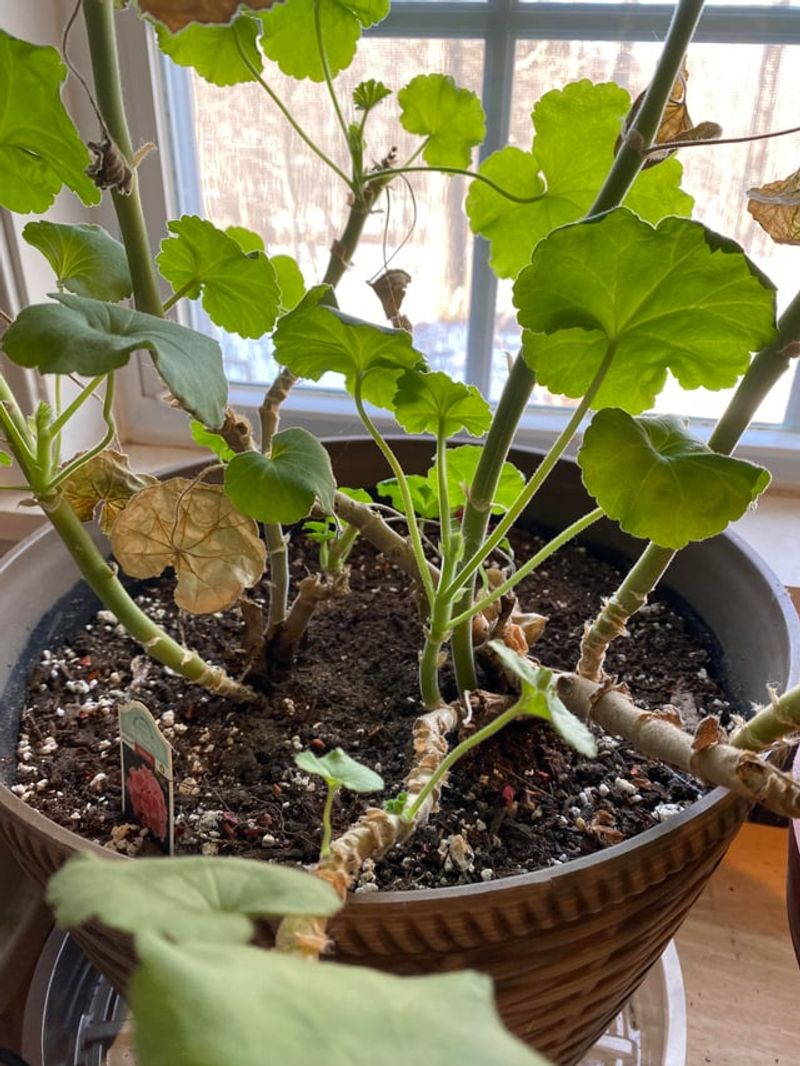
Most plants sold at US garden centers under the label “geranium” are actually Pelargonium, a genus native to South Africa that includes zonal, ivy-leaved, scented, and regal types. True hardy geraniums belong to a separate genus, Geranium, and behave quite differently in the garden. NC State Extension draws a clear line between the two, and the care advice in this article applies to the pelargoniums you typically find in pots and bedding displays.
When a pelargonium runs long and leafy without producing many flowers, the pattern usually has more than one cause. Stems stretch toward whatever light is available, leaves multiply, and flower buds either fail to form or drop before they open. That combination of abundant foliage and weak flowering is sometimes called legginess, and it can develop gradually over a single season or appear in a plant that was recently moved indoors and back out again.
Rather than assuming the fix is always the same, UC IPM guidance on pelargoniums points to several overlapping factors: light quality, watering habits, feeding, cultivar traits, and even disease. Pinching is a practical first step, but the sections ahead will help you read your plant’s other signals before you reach for the pruners.
Pinch the soft growing tips to encourage side shoots
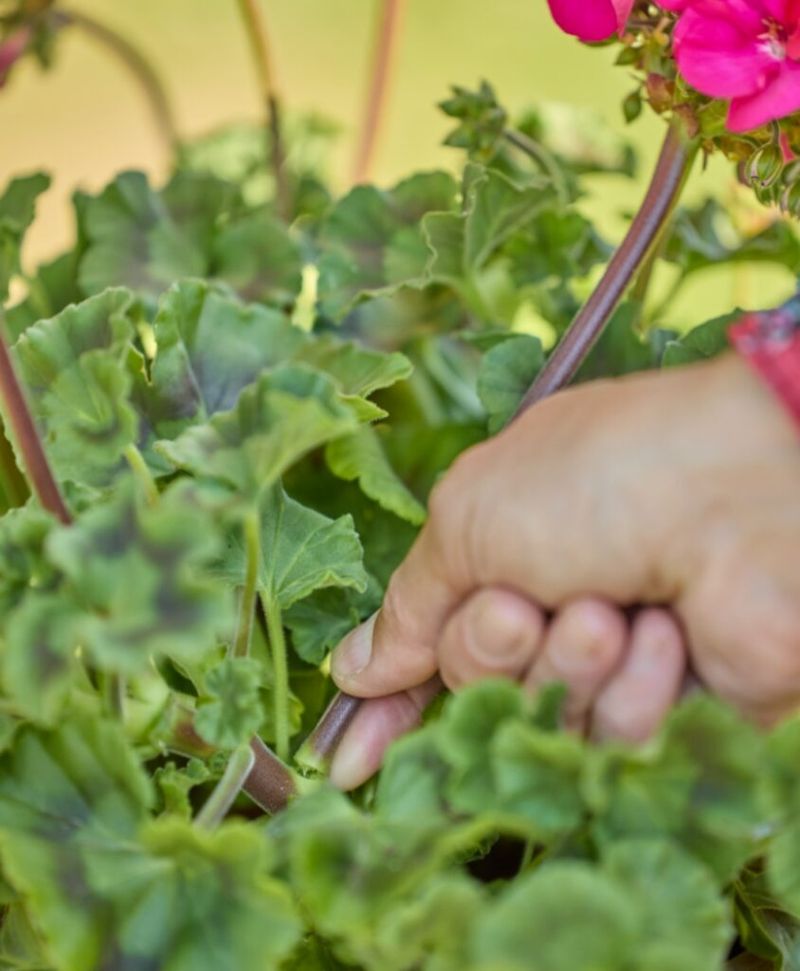
The central action this article recommends is a light tip pinch: removing the soft, actively growing end of a long shoot using clean fingers or sharp, clean pruners. You aim just above a leaf node, taking only the tender tip rather than a long section of stem. RHS pelargonium growing guidance recommends doing this in spring or early summer, when the plant is putting on new growth and has the energy to respond well.
Removing the tip interrupts the plant’s tendency to push all its energy into one long shoot. Side buds that were previously dormant or slow to develop begin to grow, and over several weeks the plant builds a fuller, more branched framework. Each new branch becomes a potential flowering stem, so a well-pinched plant can eventually carry more blooms than an unpinched one that has simply stretched upward.
A few things to keep in mind: you are making a small, precise cut, not a dramatic haircut. Take only the very tip, leaving most of the stem and all the healthy leaves intact. The plant will not flower immediately after pinching because it needs time to grow those side shoots first. Think of it as setting the stage rather than flipping a switch.
If you pinch several stems at once, expect a brief pause in flowering while the new branches develop, then watch for fresh growth to emerge from the sides of each treated shoot within a couple of weeks.
Keep a light pinch separate from a hard seasonal prune
One mistake gardeners sometimes make after reading about pinching is going too far. Removing just the soft tip is a very different action from cutting a stem back by half or more, and the two approaches have different effects and different timing. A light spring or early-summer pinch encourages the plant to branch while it is actively growing and has plenty of leaves to fuel new development. A harder cutback, which removes a significant portion of stem length, is more commonly used for overwintered plants or severely leggy specimens that need a structural reset.
Chicago Botanic Garden guidance on overwintering geraniums and WSU Extension’s pelargonium fact sheet both address harder seasonal pruning in the context of plants coming out of winter storage, where the goal is to remove dead or weakened wood and stimulate fresh growth from lower on the stem. That situation calls for more aggressive cutting than a plant in active summer growth needs.
Healthy leaves are not optional extras you can remove to force flowering. Foliage is where the plant makes the energy it needs to grow new shoots and produce buds. Stripping a plant bare, or cutting back so hard that few leaves remain, reduces its ability to recover and can delay flowering significantly. The RHS guidance is clear that a tip pinch should leave the plant’s foliage largely intact.
If your plant is already stressed or sitting in low light, a conservative pinch is safer than a hard cut.
Insufficient light can leave new growth leggy and flowerless
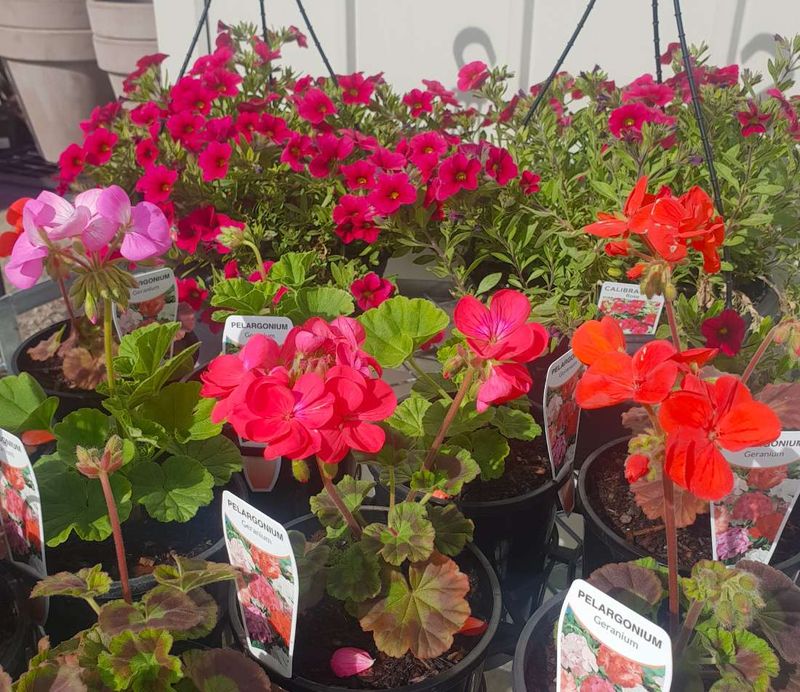
Pinching encourages better branching, but if the plant does not have enough light, those new branches will stretch and stay flowerless just like the ones before them. Light is one of the most consistent factors in whether a pelargonium produces blooms. Iowa State Extension recommends at least six hours of direct sun for optimum flowering, while Clemson Extension’s geranium factsheet suggests at least four hours and notes that some plants benefit from midday shade in very hot climates.
A practical range to aim for is roughly four to six or more hours of direct sunlight per day, adjusted for your local summer temperatures. In most US temperate gardens that means a south- or east-facing spot, or a container moved out of a shaded corner. When a pelargonium sits in too much shade, the stems elongate as the plant reaches for light, leaves stay large and dark green, and flower buds either fail to form or remain weak. That stretched appearance is the plant doing exactly what it evolved to do in low light, which is grow toward a brighter spot.
Heat adds a layer of nuance. NC State Extension notes that very high temperatures can reduce flowering even in bright locations, and intense afternoon sun in hot summers can scorch foliage. Moving a container to a spot with morning sun and some afternoon shade is often a better solution than full afternoon exposure in midsummer heat. Light matters, but it works together with temperature and other conditions rather than overriding them entirely.
Correct overwatering and excess nitrogen for different reasons
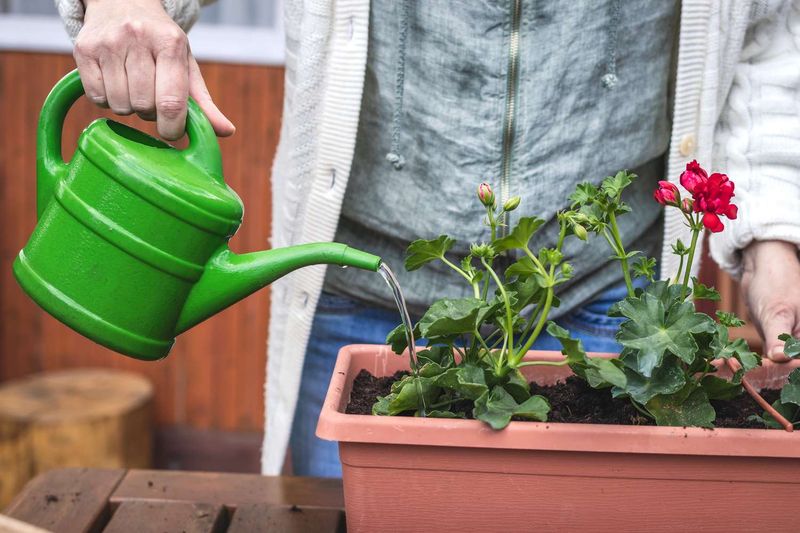
Watering problems and feeding problems are often lumped together as causes of leafy, flowerless growth, but they damage a plant through completely different pathways and need to be addressed separately. Getting the distinction right helps you avoid overcorrecting in the wrong direction.
Excess nitrogen is the feeding issue most likely to push a pelargonium toward lush foliage at the expense of flowers. Nitrogen fuels leafy, vegetative growth, and when it is oversupplied, the plant may keep producing leaves and stems rather than shifting energy toward reproduction. UC IPM’s overview of nitrogen excess describes how surplus nitrogen can disrupt the plant’s normal growth balance. For container pelargoniums, University of Minnesota Extension recommends feeding with a diluted, water-soluble fertilizer about every three weeks during active growth, and Clemson Extension suggests every four to six weeks outdoors.
Follow the product label and reduce feeding in low-light or winter conditions when growth slows.
You may have seen high-phosphorus “bloom booster” fertilizers marketed as a solution for flowerless plants. NDSU Extension explains that high-phosphorus fertilizers do not reliably increase flower numbers, and UMass Extension notes that many soils already contain adequate phosphorus. A balanced fertilizer used at the recommended rate is a safer and more evidence-backed approach.
Overwatering is a separate problem that harms root health rather than simply promoting extra leaves. Waterlogged soil deprives roots of oxygen, which can lead to root rot, stem rot, and conditions that favor disease. Use a well-draining potting mix for containers, let the soil dry out somewhat between waterings without letting the plant repeatedly wilt, and never leave a container sitting in standing water. Avoid routinely wetting the foliage.
If a plant is dry and wilted, water it thoroughly before applying any fertilizer so that salts do not contact dehydrated roots.
Deadhead spent blooms and investigate warning signs
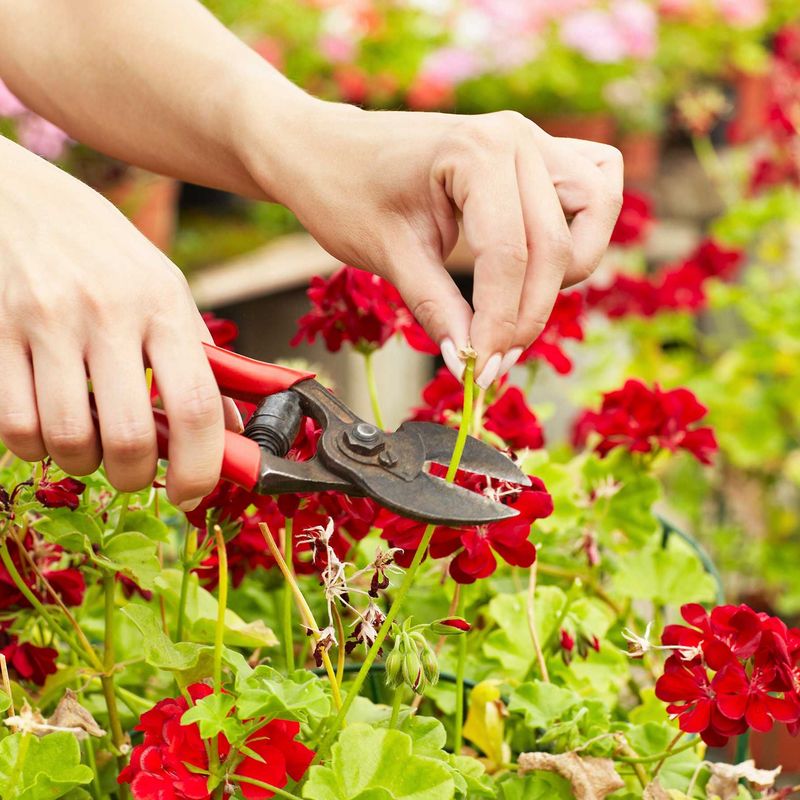
Once flowers do appear, removing them after they fade is one of the most reliable ways to keep more coming. Deadheading means pulling or cutting off the entire spent flower head along with its stalk, not just the individual petals. Clemson Extension and Iowa State Extension’s annual geranium guide both recommend regular deadheading to maintain continued flowering, partly because it reduces the plant’s drive to set seed and partly because it removes decaying material that can attract disease. University of Florida IFAS guidance also supports removing old flower stalks as part of routine maintenance.
Deadheading and pinching are not the same action. Pinching targets the active growing tip of a vegetative shoot to promote branching. Deadheading targets a finished flower and its stalk to encourage the plant to form new buds. Both are useful, but they happen at different stages of the plant’s growth cycle and serve different purposes.
Some symptoms point to problems that neither pinching nor deadheading can fix. Brown or black stem lesions, sudden wilt, water-soaked leaf spots, flower heads that rot before opening, a gray fuzzy coating on leaves or stems, or buds that consistently fail to develop may indicate bacterial blight, Botrytis gray mold, root rot, or stem rot. UC IPM’s floriculture disease guide and University of Illinois Extension’s report on geranium diseases describe these conditions in detail. If you see any of these signs, investigate the cause before pruning, because cutting into diseased tissue can spread the problem.
University of Minnesota’s geranium diagnostic tool can help you match visible symptoms to likely causes. Cultivar type and seasonal stage also matter: regal pelargoniums, for example, have different temperature preferences from common zonal types, and a plant that has just been pinched or moved may need several weeks before flowering resumes.
Give new branches time to become flowering stems
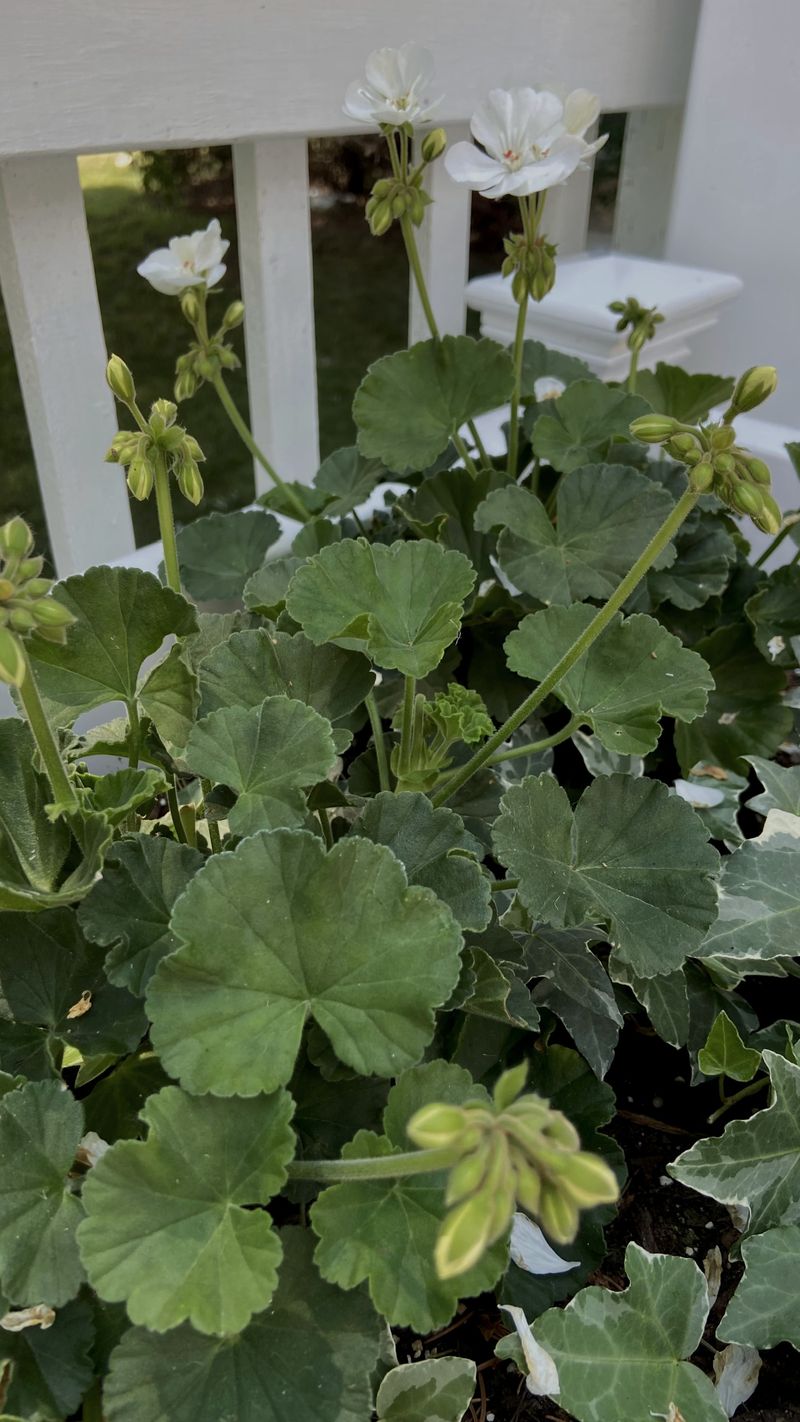
Pulling a leafy pelargonium back toward flowering is a process measured in weeks, not days. The practical sequence runs like this: pinch the soft tips of long shoots in spring or early summer, move the plant to a spot with four to six or more hours of direct sun, let the soil dry somewhat between waterings without repeated wilting, feed at a moderate rate during active growth, and remove spent flower heads as they fade. RHS pelargonium guidance supports pinching as a way to encourage branching and greater flowering potential rather than as an immediate bloom trigger.
Realistic expectations matter here. A recently pinched plant will direct energy into side shoot development before it can produce new flower buds, so a brief pause in flowering is normal. Iowa State Extension notes that consistent good conditions are what sustain flowering through the season. If the plant is still declining or not responding after several weeks, go back and reassess: check light levels, look for signs of root rot or disease, consider whether the cultivar has specific seasonal preferences, and rule out pest or environmental stress before pinching again.
A pelargonium that finally branches well and catches enough sun tends to reward patience with a long flush of color. The goal of all this care is not a single dramatic moment but a plant that keeps producing for the rest of the growing season. UC IPM reminds us that consistent growing conditions matter more than any single intervention.