
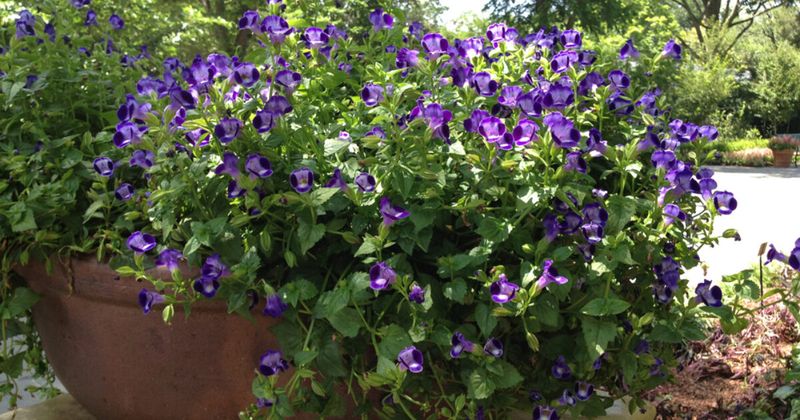
That shaded corner of your yard where nothing seems to grow might finally have a solution. Wishbone flower, known botanically as Torenia fournieri, is a compact warm-season annual that produces colorful blooms for months in filtered or dappled light, making it a genuine option for shaded Texas beds, containers, and porch edges.
It handles the heat and humidity that knock out so many other flowering plants, but it works best where some ambient or reflected light reaches the soil, not in a completely lightless spot. If your problem corner gets morning sun, open sky overhead, or light filtered through tree branches, wishbone flower is worth a close look.
Wishbone flower suits a shaded Texas planting
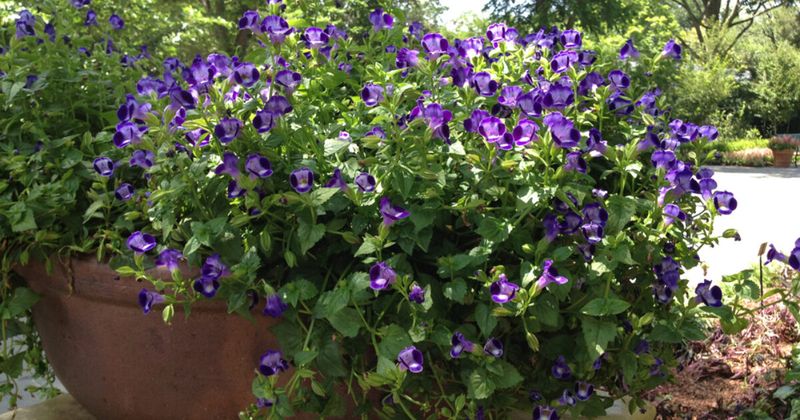
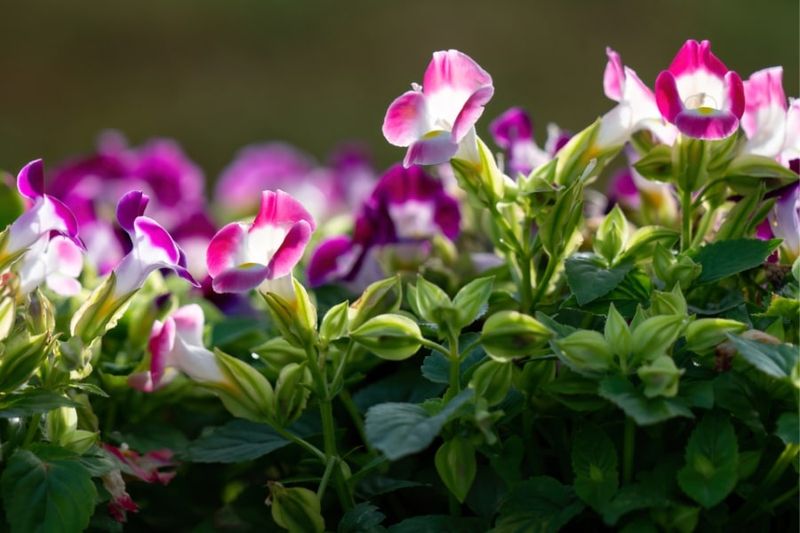
Wishbone flower earns its common name from the stamens inside each tubular bloom, which curve toward each other in a shape that resembles a wishbone. NC State Extension’s plant profile describes flowers that come in blue, purple, pink, and white, often with contrasting markings at the throat, giving each bloom a layered, almost pansy-like appearance.
That ornamental detail, combined with a tidy mounding form, makes it a standout in shaded planting areas where color is usually hard to find.
For Texas gardeners, the practical appeal runs deeper than looks. Standard compact forms typically reach about 6 to 18 inches tall and fit naturally at a bed edge, along a shaded path, or in a container on a north-facing porch.
Clemson Extension notes that compact types can bloom continuously from spring through fall without requiring deadheading, which matters when a gardener wants color without constant upkeep.
The plant performs in partial shade and tolerates deeper shade better than many flowering annuals, but it is not a plant for total darkness. Sites that receive bright filtered light through a tree canopy, open sky from one direction, or morning sun before noon tend to produce heavier flowering than completely sunless corners.
UF/IFAS reports that newer torenia varieties tolerate heat and humidity and bloom for months, making them a realistic warm-season option for the humid eastern half of Texas and the Gulf Coast region where summer conditions punish most other shade bloomers.
Find the light threshold that supports flowers
Light is the single biggest variable between a wishbone flower that blooms generously and one that simply survives. Full shade, as most extension sources use the term, means little or no direct sun, but it still implies some ambient or reflected light reaching the plants.
A site under a dense evergreen canopy or tucked against a north-facing wall between two structures can fall below that threshold, producing foliage but few flowers.
Clemson Extension recommends partial shade as the sweet spot for torenia, while NC State’s profile confirms the plant can handle full shade conditions. The practical distinction is that “can handle” and “will flower heavily” are not the same thing.
Dappled light through a deciduous canopy, morning sun before 10 a.m., reflected light off a light-colored wall or fence, or an open sky overhead even without direct rays all raise the effective light level enough to support better flowering.
A simple way to evaluate your proposed site: stand in the spot at midday and look up. If you can see open sky, even in patches, the ambient light level is likely workable.
If the canopy is solid and no reflected light reaches the ground from nearby surfaces, expect slower growth and fewer blooms. UF/IFAS shrub notes place torenia in partial shade to shade, which aligns with the idea that some light, even indirect, is part of the plant’s performance equation.
Moving a container a few feet toward an opening in the canopy can make a measurable difference in flower count by midsummer.
Match the plant form to the space
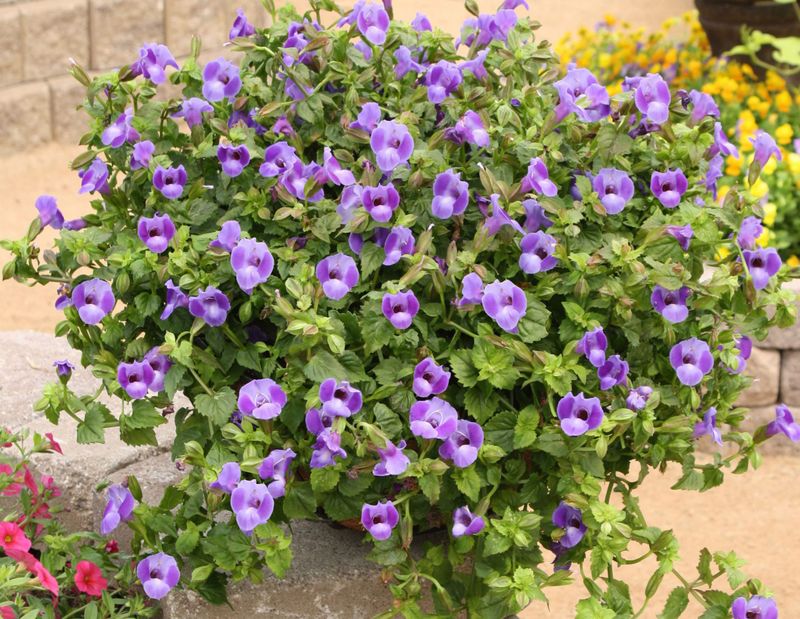
Picking the right torenia form for the right spot saves a lot of mid-season frustration. Standard compact types, which generally top out around 6 to 18 inches, work well planted in groups at a bed edge, tucked along a shaded walkway, or massed under a large tree where their tidy mounds create a continuous band of color.
NC State Extension and Clemson Extension both describe these compact forms as appropriate for beds and borders, and their self-cleaning habit means the display stays tidy without weekly grooming.
Trailing forms offer a different design option. The Summer Wave series is a documented trailing torenia that spreads considerably beyond what compact types cover, making it well suited to the front of a raised bed, a window box, or a hanging basket where stems can cascade over the edge.
Oklahoma State Extension’s Summer Wave profile describes this series as a trailing type with strong performance in heat and humidity. That trailing habit is specific to the Summer Wave series and should not be assumed for every torenia variety on the retail shelf.
Cultivar selection also affects heat performance. UF/IFAS notes that older torenia varieties did not always perform reliably in Florida’s heat and rain, while newer selections were bred specifically for those conditions.
Texas gardeners shopping at a local nursery should ask about the series by name and look for varieties described as heat- and humidity-tolerant rather than assuming any torenia label will deliver the same warm-season staying power. A plant chosen for the right form and the right conditions has a much better chance of carrying color from late spring into fall.
Build a moist but well-drained root zone
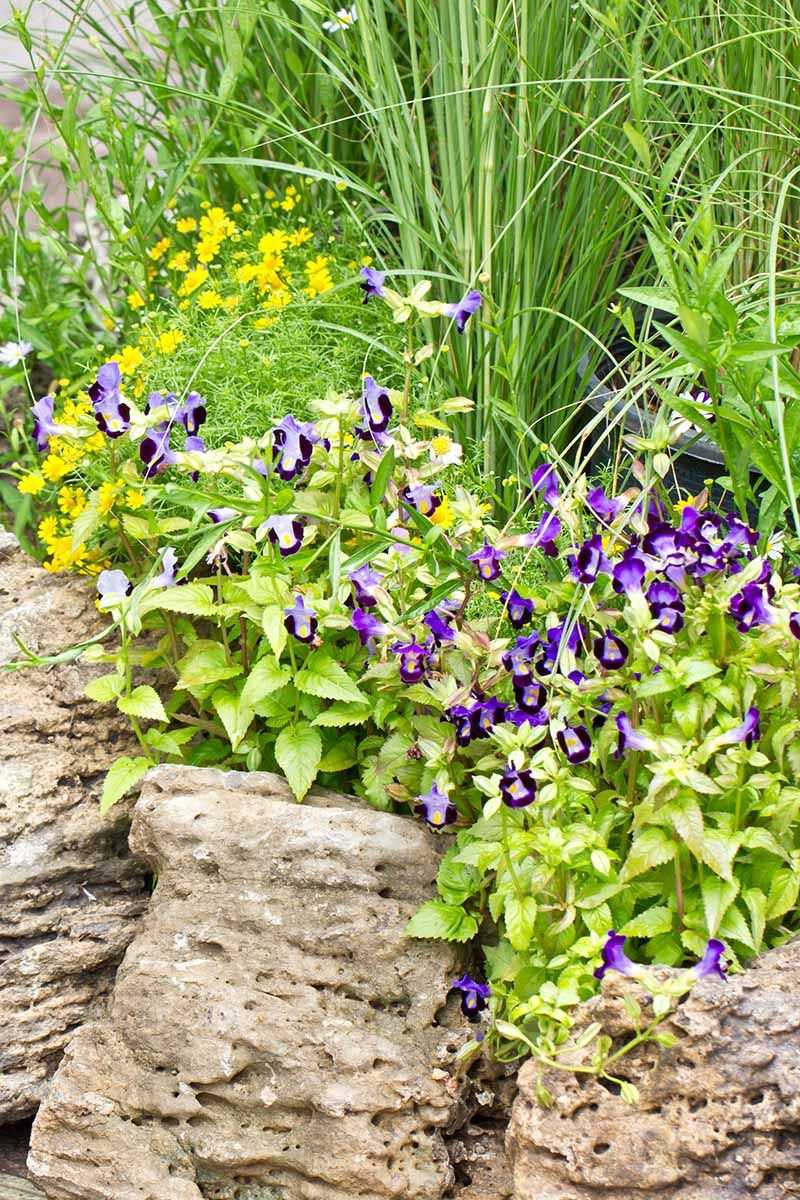
Soil preparation is where many shade-garden plantings succeed or quietly fail. Torenia wants fertile, moisture-retentive soil that still drains reliably between waterings.
That combination, rich enough to hold moisture but open enough to let excess water escape, is worth some effort at planting time. Working compost into a bed before planting improves both moisture retention and drainage in most Texas soils, whether the starting point is the heavy clay common in Houston and Dallas or the thin, sandy soil found in parts of East Texas.
UF/IFAS specifically warns against allowing torenia to sit in standing water. Waterlogged roots reduce flowering and can cause plant decline even in a shaded spot where the surface stays cool.
For containers, choose a mix designed for good drainage and make sure every pot has working drainage holes. Oklahoma State’s Summer Wave profile recommends consistent moisture and good drainage as paired requirements, not alternatives.
Mulch is a practical ally in a Texas shade bed. Texas A&M’s mulching guide explains that a 2- to 4-inch layer of organic mulch moderates soil temperature, slows moisture loss between waterings, and gradually improves soil structure as it breaks down.
Those benefits matter most during the hottest months when surface soil can dry out quickly even under a tree canopy.
That canopy is also where a hidden water problem can appear. Iowa State Extension’s shade garden guidance points out that established tree roots compete aggressively for soil moisture, meaning a shaded bed can be surprisingly dry even after rainfall.
Check the soil a few inches below the surface rather than relying on surface appearance, and plan on supplemental irrigation during dry stretches regardless of how much shade the spot receives. NC State also reinforces the need for regular moisture, especially during establishment and hot weather.
Plant it as a warm-season annual in Texas
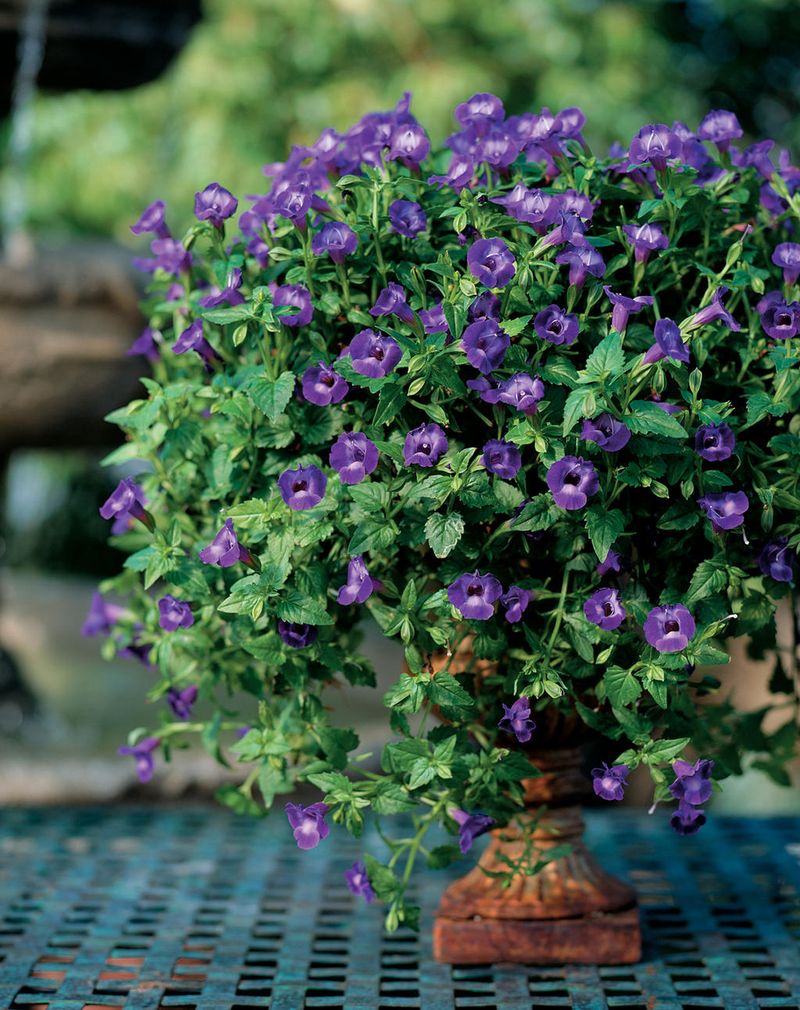
Timing a torenia planting in Texas comes down to one non-negotiable rule: wait until the danger of killing frost has passed and the soil has warmed enough to support a warm-season plant. Texas A&M AgriLife’s seasonal color guidance advises against rushing warm-season annuals into cold soil, and torenia is no exception.
Planting too early into chilly ground slows establishment and can weaken plants before summer heat arrives.
The right window varies considerably across the state. Gardeners along the Gulf Coast and in South Texas typically plant earlier in spring than those in Dallas-Fort Worth or the Hill Country, where a late cold snap can arrive well into March or even April.
East Texas generally falls between those extremes in timing but shares the Gulf Coast’s high humidity, which torenia handles better than many alternatives. The Texas Panhandle, with its later last-frost dates and drier conditions, sits at the more cautious end of the planting calendar.
Texas A&M’s Austin-area plant list includes torenia among annuals suited to partial sun and shade, and a Harris County AgriLife shade-gardening guide recommends wishbone flower for late-spring-to-fall color in fertile, moist soil. Both sources frame it as a seasonal annual, not a plant that comes back reliably after a freeze.
Most Texas gardeners should plan to replant torenia each season. UF/IFAS lists torenia as capable of overwintering only in USDA Zones 10 and 11, which covers the southernmost tip of Texas near the Rio Grande Valley but not most of the state.
Everywhere else, a hard freeze ends the season, and the display starts fresh the following spring.
Use simple care to extend the flowering season
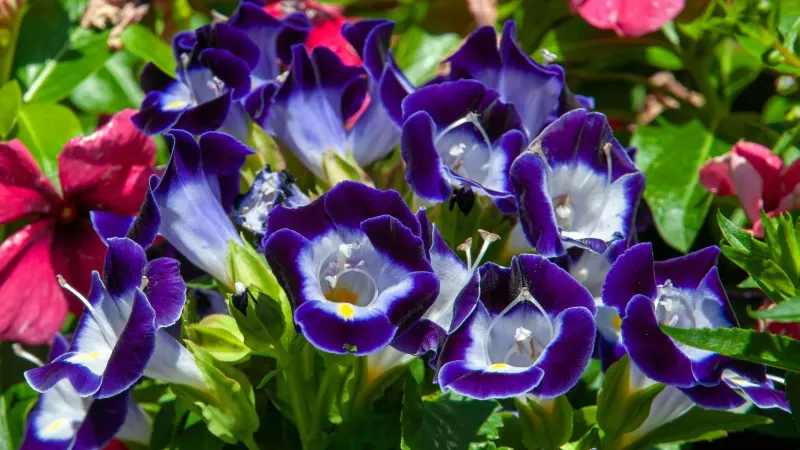
One of torenia’s most practical qualities is that it does not demand constant attention to keep blooming. Many cultivars are self-cleaning, meaning spent flowers drop on their own without leaving behind dead heads that need removing.
Clemson Extension confirms that deadheading is generally not required, which makes torenia a lower-maintenance choice compared to annuals that stall or look ragged without regular grooming.
Pinching is optional but useful. Removing the growing tips of young plants encourages branching, which produces a fuller, bushier shape with more flowering stems over the course of the season.
This is worth doing once or twice early in the season, especially for compact forms planted in a bed where a dense, tidy mound is the goal. NC State’s profile supports pinching as a technique for promoting a bushier habit.
Fertilizing on a regular schedule helps sustain growth and flowering through a long Texas summer. Follow the product label for application rates and timing, since over-fertilizing with nitrogen can push leafy growth at the expense of flowers.
A balanced slow-release fertilizer worked into the soil at planting, supplemented with a diluted liquid feed every few weeks during peak growth, covers most situations. UF/IFAS notes that regular fertilizing supports the sustained performance newer varieties are capable of delivering.
Several conditions can slow or reduce flowering even in a well-placed plant. Insufficient light is the most common culprit in a shade garden: a spot that seemed bright in spring may darken as deciduous trees leaf out fully by June.
Drought stress causes visible wilting and can interrupt the bloom cycle, while waterlogged soil creates a different but equally damaging problem at the root zone. Reflected heat from a nearby wall or paved surface can also stress plants that are otherwise in shade.
Checking soil moisture regularly and adjusting irrigation based on actual conditions, rather than a fixed schedule, is the most reliable way to keep the season going. Oklahoma State’s Summer Wave notes reinforce consistent moisture as a key factor in sustained performance.
Avoid the site conditions that defeat the promise
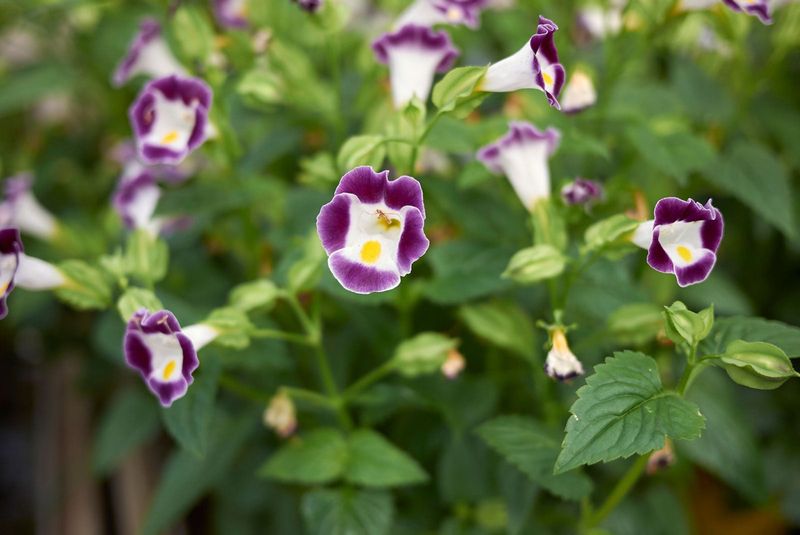
A shaded corner with ambient or filtered light is a very different growing environment from a completely sunless, dry, root-choked spot. Reframing the planting site honestly before buying plants saves time and money.
Torenia performs well in filtered or dappled shade, under an open but shaded porch, or along a bed edge that catches morning light. A corner hemmed in by walls on three sides with no sky exposure and compacted, root-filled soil is a different problem that no annual resolves easily.
Tree-root competition deserves special attention. As noted in the soil section, established trees pull moisture from a wide root zone, and the surface under a dense canopy can be surprisingly dry even after rain.
Iowa State Extension’s shade planting guide highlights root competition as a key reason understory plants fail, and supplemental irrigation plus mulch are the practical responses when tree roots are a factor.
Reflected heat is another site condition worth checking before planting. A spot that is technically shaded may still receive radiant heat from a south-facing brick wall, a concrete patio, or a dark fence nearby.
Torenia is not heat-proof, and that kind of indirect heat stress can reduce flowering even when direct sun is absent. UF/IFAS notes that torenia needs consistent moisture and partial shade together, not just one or the other.
One product confusion worth clearing up: SunPatiens are a separate hybrid group developed for more sun exposure and are specifically reported to perform poorly in full shade. NC State’s SunPatiens profile makes that distinction clear.
Torenia and SunPatiens are different plants with different light requirements, and their performance claims should not be mixed. If a label at the nursery says SunPatiens, it belongs in a sunnier spot, not a shaded corner where torenia would be the better fit.
NC State’s torenia profile covers the correct light range for wishbone flower.
Choose wishbone flower for months of seasonal color
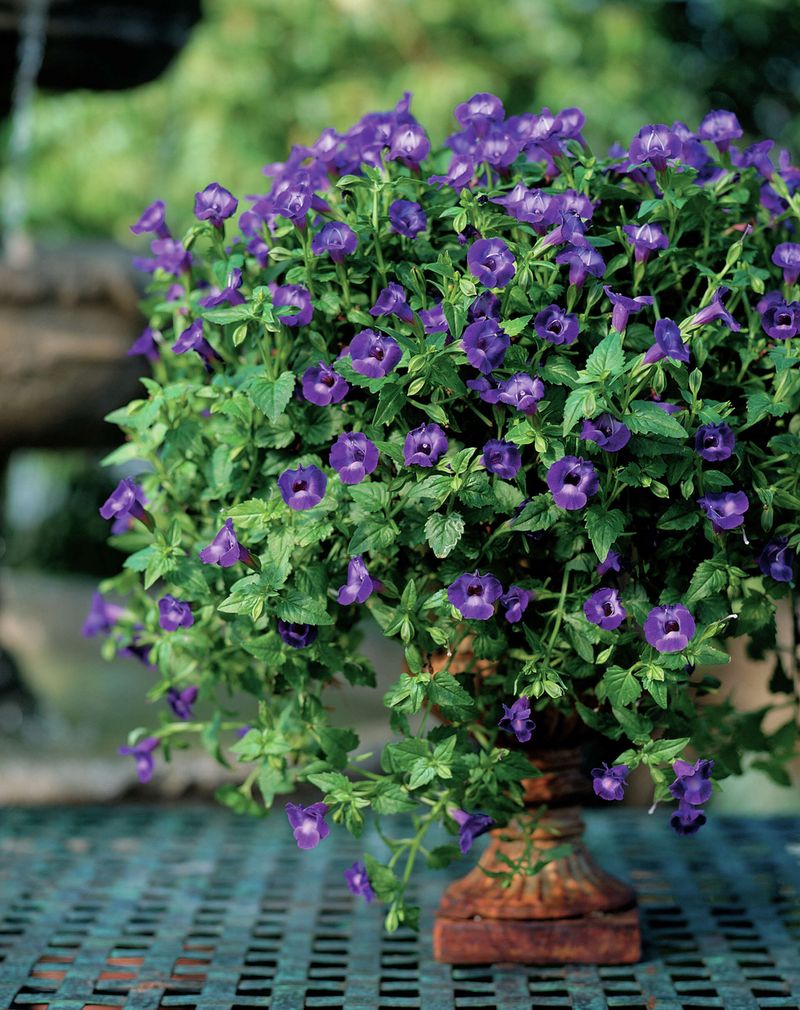
Torenia earns its place in a Texas shade garden when the site actually delivers what the plant needs: ambient or filtered light, moisture-retentive but well-drained soil, and consistent watering through the warm season. Clemson Extension’s wishbone flower page and UF/IFAS both describe months of color under those conditions, which is a realistic and achievable goal for most Texas gardeners planting after the last frost.
Compact forms work well massed at a shaded bed edge or tucked along a path where their tidy mounds fill space without crowding. Trailing forms, particularly the Summer Wave series, add cascading color to containers, window boxes, and hanging baskets on a covered porch or under a tree.
NC State’s profile confirms both uses as appropriate to the plant’s habit and scale.
The honest expectation is a long warm-season display, not a guaranteed bloom in every dark corner of the yard. Give wishbone flower a site with some light, decent soil, and regular moisture, and it will reward that preparation with color from late spring through fall.
Few warm-season annuals offer that kind of staying power in the shade.