
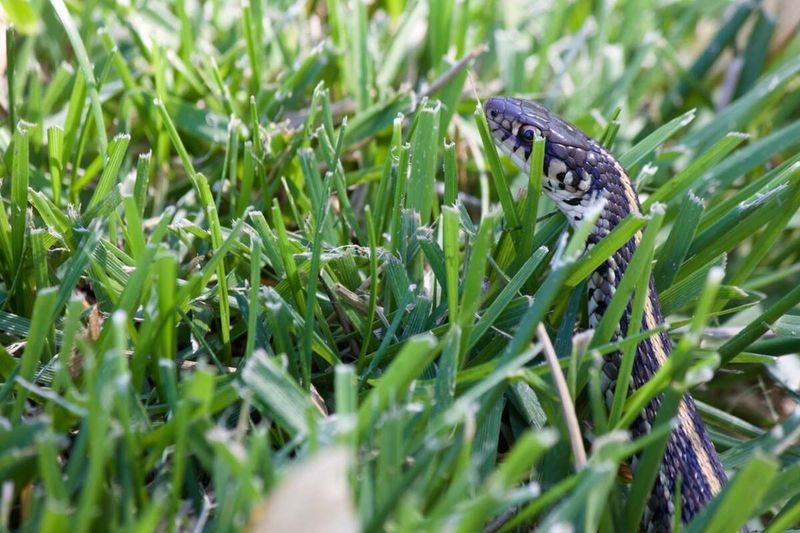
Finding a snake in the yard can send your heart racing, but one sighting rarely tells the whole story. Yards across Florida, Texas, and the broader South can offer food, shelter, and moisture that make snakes more likely to pass through or linger.
Knowing which clues actually matter helps you respond calmly, reduce the conditions snakes find useful, and stay safe without turning a wildlife encounter into a dangerous situation.
A clue shows presence, not necessarily a resident snake
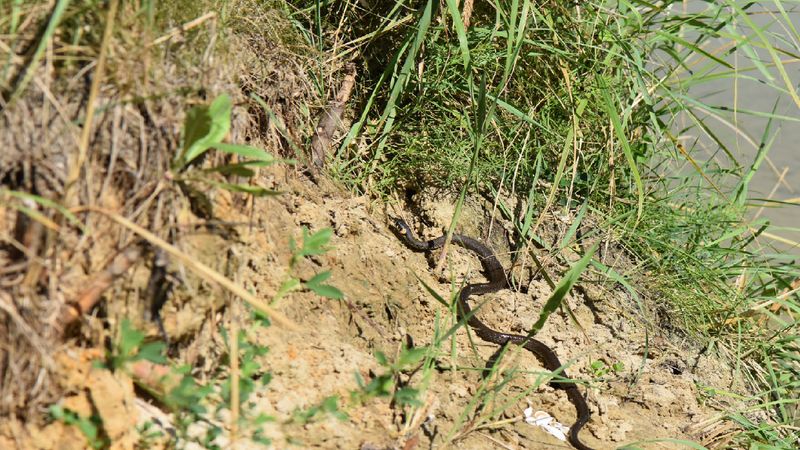
Spotting a snake or finding a shed skin can feel alarming, but a single clue does not mean snakes have settled into your yard. UF/IFAS guidance on residential snake encounters makes clear that a snake may simply be passing through an area if food and shelter are limited there.
One sighting reflects one moment in time, not proof of an established population.
The clues that carry more weight are repeated ones. Multiple sightings in the same corner of the yard, fresh shed skins found more than once in the same sheltered spot, and recurring traces near obvious prey activity or dense cover together suggest a property is being used regularly.
Even then, that pattern points to suitable habitat, not a snake colony.
Think of the signs your yard can show as a habitat checklist rather than a verdict. Penn State Extension’s snake guide frames visible clues the same way: they document that a snake was present, and repeated, converging clues suggest the area offers something worth returning to.
That framing keeps your response proportionate and practical.
Inspect for traces without disturbing hiding places
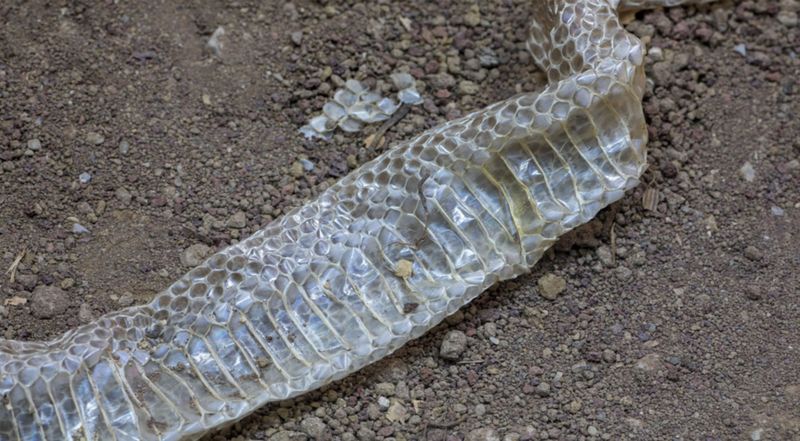
Shed skin is probably the most common physical trace homeowners find. According to Penn State Extension, a shed skin usually means a snake was in the vicinity at some point, but the animal may have moved on well before you found it.
Skins can persist for weeks in sheltered spots, so a find under a board or behind a stack of pots does not tell you the snake is still nearby.
Subtle trails are another clue worth knowing. In dusty sheds, outbuildings, or crawl spaces, a snake moving through undisturbed grime or across a spider web leaves a smooth, winding impression.
Washington Department of Fish and Wildlife’s coexistence guide lists these trails alongside shed skins as signs that snakes have used an enclosed space. Outdoors, trails in loose soil can appear after rain softens the ground.
Snake droppings are less often found outside, but they can show up as dark, paste-like material with a white chalky tip caused by uric acid. None of these clues should prompt you to poke around in the area to look for more.
Observe from a comfortable distance, note what you found and where, and never put your hands into a pile, gap, burrow, or any space you cannot see into fully.
Prey and cover can make a yard suitable habitat
Snakes follow food, and the most common prey around Southern yards includes rodents, frogs, lizards, and insects. When a yard offers several of those food sources close together, it becomes a productive foraging area.
UF/IFAS residential snake guidance identifies prey availability as one of the primary reasons snakes appear near homes, alongside cover and moisture.
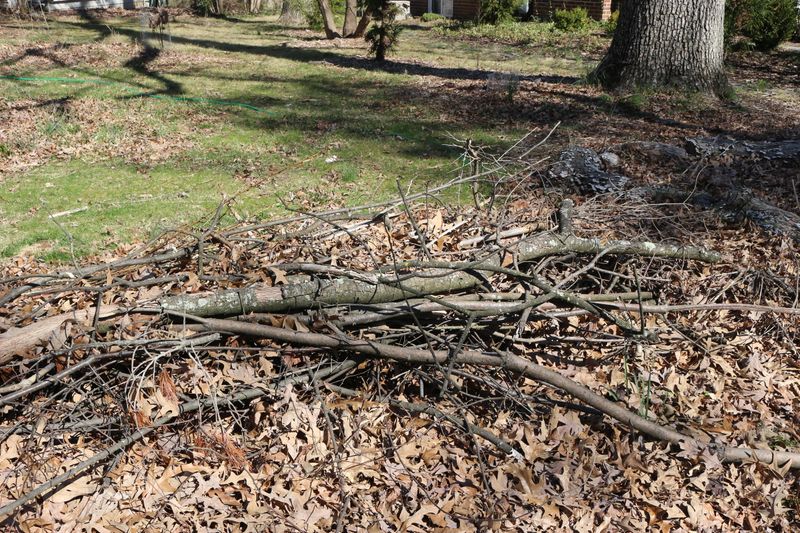
Cover matters just as much as prey. Tall grass, dense groundcover, brush piles, loose rocks, boards, tarps, leaf piles, and firewood stored directly on the ground all create the cool, dark spaces snakes use for rest, thermoregulation, and ambushing prey.
UF/IFAS guidance on coexisting with venomous snakes recommends keeping vegetation managed near homes, paths, and play areas to maintain sightlines and reduce concealment opportunities close to the house.
Indirect attractants also play a role. Spilled birdseed and outdoor pet food draw rodents, which in turn draw the snakes that eat them.
Standing water from leaky irrigation or dripping hoses supports frogs, insects, and other prey that water-associated snakes pursue.
Brush piles, ponds, native plantings, and leaf litter are not automatically problems. Many support beneficial wildlife and biodiversity.
The practical move is to separate those habitat features from the areas directly around your home, doors, play areas, and high-traffic paths rather than clearing the whole yard of natural cover.
Check structures for openings snakes can use

When snake sightings happen repeatedly near a house, garage, or outbuilding, the next logical step is a careful inspection of the structure itself. Snakes are remarkably slender and can enter through openings that most homeowners would overlook.
Mississippi State Extension’s guide to reducing snake problems recommends sealing any opening larger than one-quarter inch to limit indoor access.
The places worth checking include the gap beneath exterior doors and garage doors, foundation cracks and weep holes, window screens with tears or missing sections, and any point where plumbing pipes, electrical conduit, or HVAC lines pass through a wall. Crawl space vents with damaged screens and gaps in shed walls or floors are also worth examining.
Wildlife coexistence guidance points out that the repair material matters as much as finding the gap. Metal mesh, hardware cloth, door sweeps, and caulk each suit different types of openings.
A foam sealant alone may not hold up against persistent pressure or weathering in warm, humid Southern climates.
Sealing entry points around a structure is a reasonable and effective step, but it is different from trying to make an entire property snake-proof. The goal is to close the specific gaps that allow snakes to move from the yard into living spaces, garages, and storage areas where encounters become more complicated and potentially more dangerous.
Reduce the conditions that bring snakes close
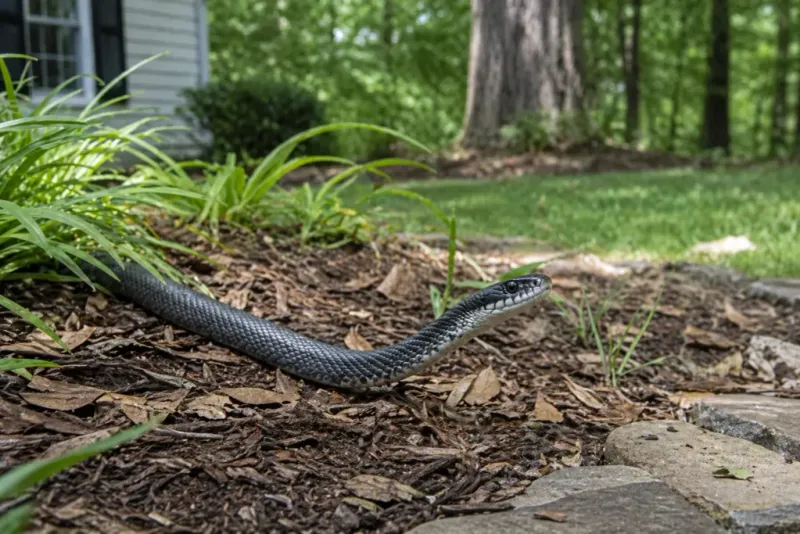
Cutting down on what snakes find useful near your home is the most durable way to reduce encounters. Start with food-chain management: store birdseed and outdoor pet food in sealed, rodent-resistant containers, clean up spilled seed promptly, bring pet bowls inside at night, and address any active rodent activity around the property.
Fewer rodents means fewer reasons for snakes to patrol that part of the yard.
Vegetation and clutter management comes next. Mow grass regularly near the house, along walkways, and around play areas so snakes moving through have less cover and you have better sightlines.
UF/IFAS residential snake guidance recommends relocating boards, tarps, sheet metal, and loose rocks away from the home and stacking firewood on an elevated rack rather than directly on the ground. Different sources suggest anywhere from twelve to eighteen inches of clearance, but the consistent point is that ground contact creates prime hiding spots.
Moisture control is worth attention too. Fix leaky irrigation lines, dripping outdoor faucets, and drainage problems that leave standing water near the house.
UF/IFAS venomous snake coexistence guidance notes that excess moisture supports the prey species, especially frogs and insects, that water-associated snakes follow.
For features like ponds, brush piles, rock gardens, and native plantings, the recommendation is placement rather than removal. Position those habitat elements away from doors, windows, children’s play areas, and the paths your family uses daily.
These steps may lower the chance of close encounters, but no yard modification can guarantee a snake will never appear.
Respond to an outdoor snake by giving it space
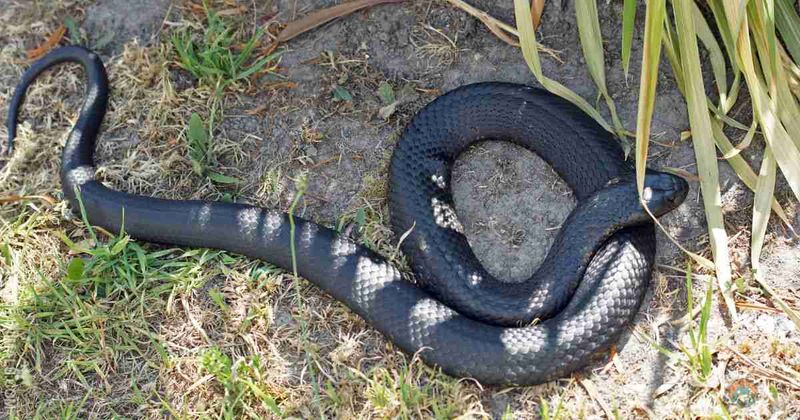
Seeing a snake in the yard calls for a calm, measured response, not a chase. Keep children and pets at a safe distance, resist the urge to corner the animal, and give it a clear, unobstructed path to move away on its own.
CDC guidance on venomous snake safety emphasizes that most snakes prefer to avoid people and will retreat when given the chance. Bites most often happen when a snake is stepped on accidentally, cornered, handled, or deliberately harassed.
A photograph taken from a comfortable distance, without approaching the animal, can help with later identification. Send the image to your state wildlife agency, a local university extension service, or a regional snake identification resource.
Do not use the photo attempt as a reason to get closer.
Trying to identify an unknown snake by its head shape, pupil shape, body thickness, whether it flattens its head, or whether it rattles its tail is not a reliable method. Texas Parks and Wildlife explicitly cautions that popular visual rules like triangular heads or vertical pupils are not dependable on their own.
Some harmless species mimic those features when threatened, and some venomous snakes may not rattle or display obvious warning signals at all.
UF/IFAS residential snake guidance reinforces this: do not attempt to pick up, capture, or kill an unknown snake outdoors. Attempting to handle or kill a snake is one of the most common circumstances in which bites occur.
Use protective habits and professional help when needed
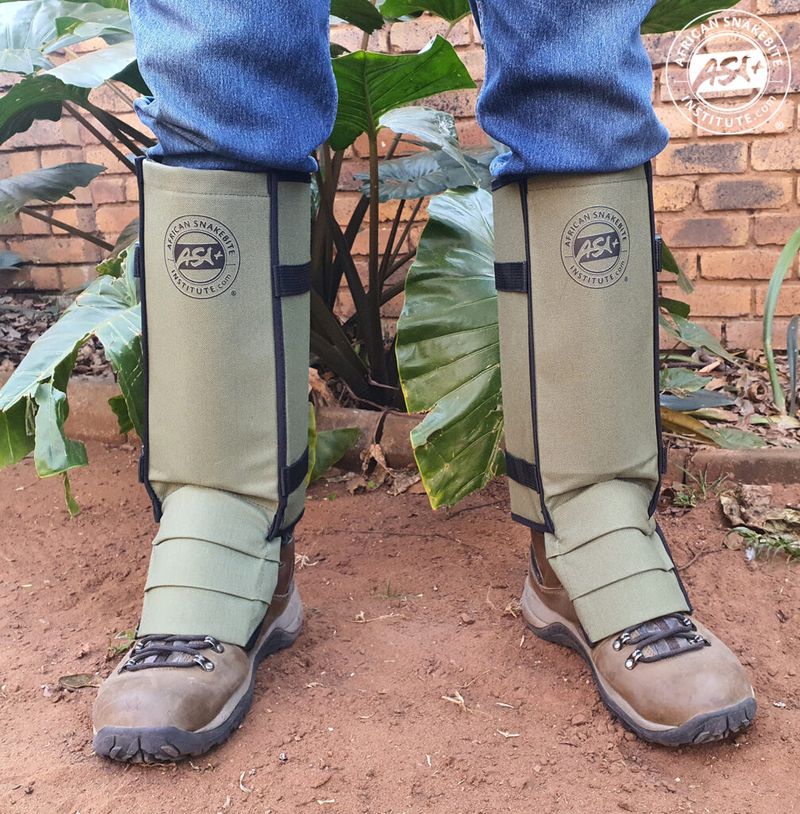
Yard work around the types of cover snakes use calls for a few consistent habits. Wear tall boots and thick gloves whenever you are moving leaf piles, brush, logs, rock piles, or stored lumber, especially in Florida, Texas, and other Southern states where venomous species are present.
UF/IFAS guidance on managing conflicts with snakes specifically recommends using a tool such as a rake or shovel to move material rather than reaching in with bare hands, and keeping hands out of any gap, burrow, or space you cannot see into.
Make noise as you work. Snakes often move away from vibration and disturbance before you ever see them.
Stomping your feet near a brush pile before disturbing it gives any snake present a chance to leave. Wearing long pants adds another layer of protection for lower legs that boots may not fully cover.
A snake inside a house, garage, attic, crawl space, or inaccessible outbuilding is a different situation from one crossing an open yard. Close interior doors to contain the animal to one room, keep people and pets away, and contact a qualified wildlife removal professional or your local animal control agency.
Attempting to catch or corner an unknown snake indoors increases bite risk considerably, particularly if the species is unidentified or potentially venomous.
If a bite does occur, seek emergency medical care immediately. Do not cut the wound, try to suck out venom, apply ice, use a tourniquet, or attempt to capture the snake.
CDC snake bite guidance is clear that identification should never delay treatment. A photo taken earlier from a safe distance may be useful to medical staff, but getting to the emergency room is always the first priority.
Choose habitat management over myths and extermination
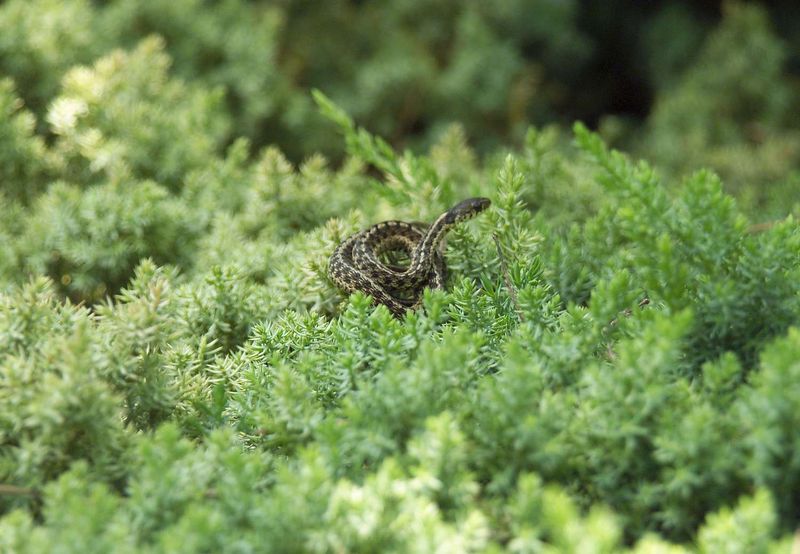
One sighting or one shed skin calls for observation and ordinary yard maintenance, not an emergency response. When multiple clues cluster together, such as repeated sightings in the same spot, fresh shed skins, prey activity, dense cover, and nearby structural gaps, a more deliberate yard and structure audit makes sense.
That audit is about reducing favorable conditions, not declaring war on every snake that crosses the property.
Common remedies people reach for first are not reliable solutions. UF/IFAS residential snake guidance states flatly that advertised snake repellents do not work, and Mississippi State Extension’s testing of common remedies found that substances like mothballs, sulfur, and lime failed to repel snakes in controlled conditions.
Mothballs also pose toxic exposure risks to people and pets and should not be scattered outdoors as a yard treatment.
Mowing alone will not remove snakes from suitable surrounding habitat, as Texas Parks and Wildlife notes. It improves sightlines and reduces cover near the house, which is genuinely useful, but snakes in adjacent areas will still move through when prey or warmth draws them.
Habitat management works gradually, not overnight.
Many snakes that visit Southern yards are nonvenomous species that consume rodents, insects, frogs, or other snakes. Acknowledging that ecological role does not mean every snake near a doorstep is welcome or safe to approach.
Unknown snakes deserve distance, and uncertain situations deserve professional help.