
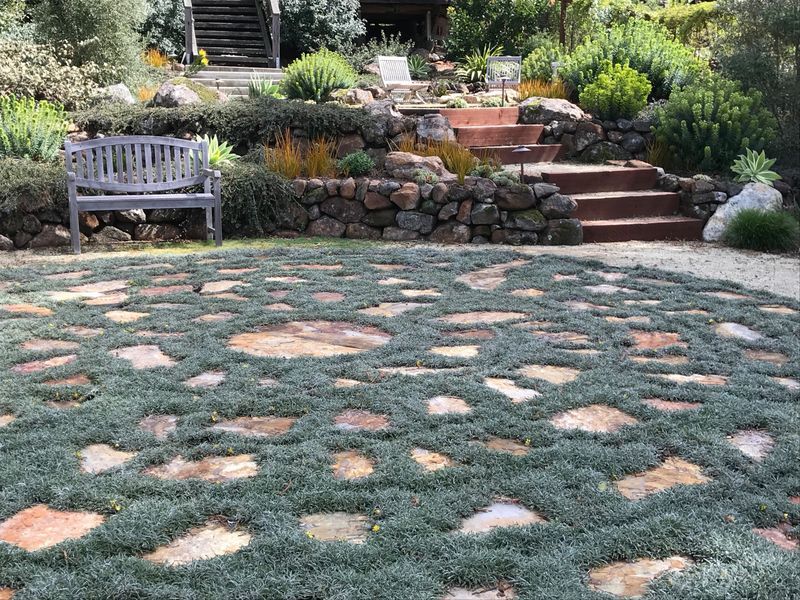
A thirsty green lawn can drink more water in a California summer than almost anything else in your yard. The good news is you can cover the exact same space with low, spreading plants that shrug off the long dry season and barely ask for a sip.
Many of these groundcovers even feed bees and stay soft enough to walk on. Here are seven tough, water-smart choices that give you a full green carpet without the giant water bill.
1. Carex pansa (California Meadow Sedge)
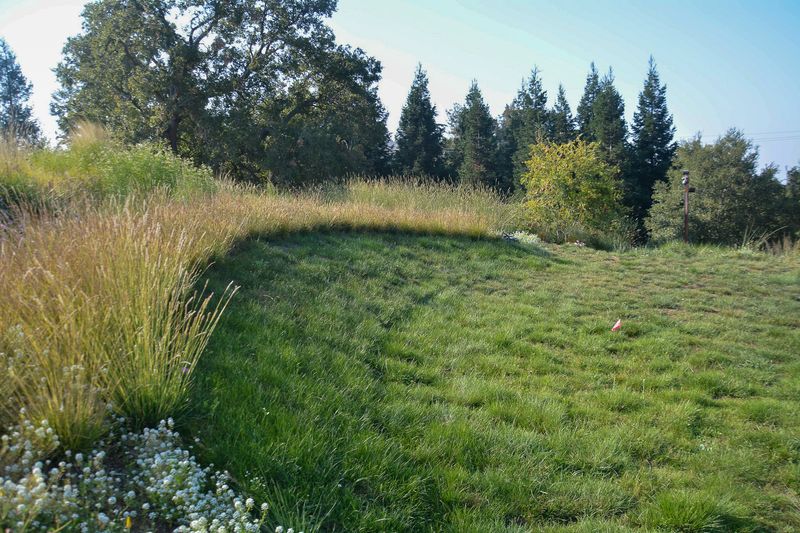
If you miss the look of a real lawn but not the watering, California meadow sedge comes surprisingly close. Its fine, flowing blades create a soft green carpet that can be left shaggy for a meadow feel or mowed a few times a year for a tidier look.
Once its roots settle in, this native sedge gets by on far less summer water than fescue or Bermuda. In many inland gardens it needs only a deep soak every week or two through the dry months, and even less near the coast.
It handles light foot traffic, so kids and dogs can still cross it. Fun bonus: because it spreads by underground runners, a patchy area tends to knit itself back together over time.
For homeowners who want the classic lawn silhouette on a water diet, this one is hard to beat.
2. Yarrow (Achillea millefolium)
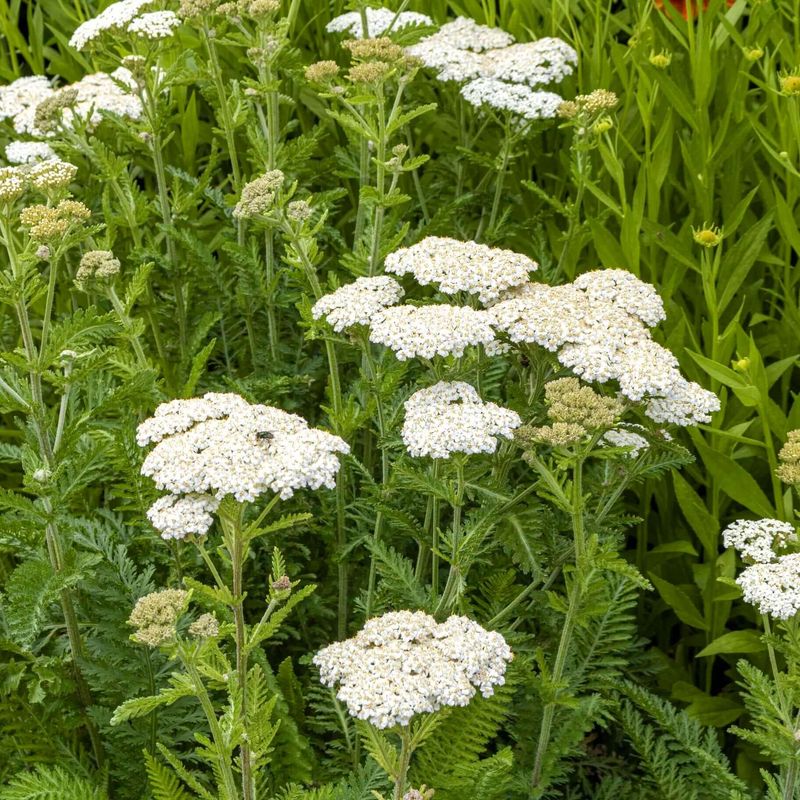
Yarrow pulls double duty as a walkable groundcover and a pollinator magnet. Its ferny, feathery leaves form a soft green mat that can be mowed low like turf or allowed to bloom with flat clusters of white or pastel flowers.
Native yarrow is famously tough once established, taking full sun and rocky, poor soil without complaint. Through a California summer it can hold its color on occasional deep watering, making it a favorite for replacing thirsty patches of lawn.
Bees, hoverflies, and tiny beneficial wasps love the flowers, so leaving a few sections unmowed turns your yard into a working habitat. Did you know yarrow has been used for centuries in gardens and folk remedies?
For anyone worried they might be starving local pollinators, this plant quietly fixes that while cutting your water use.
3. Creeping Thyme (Thymus serpyllum)
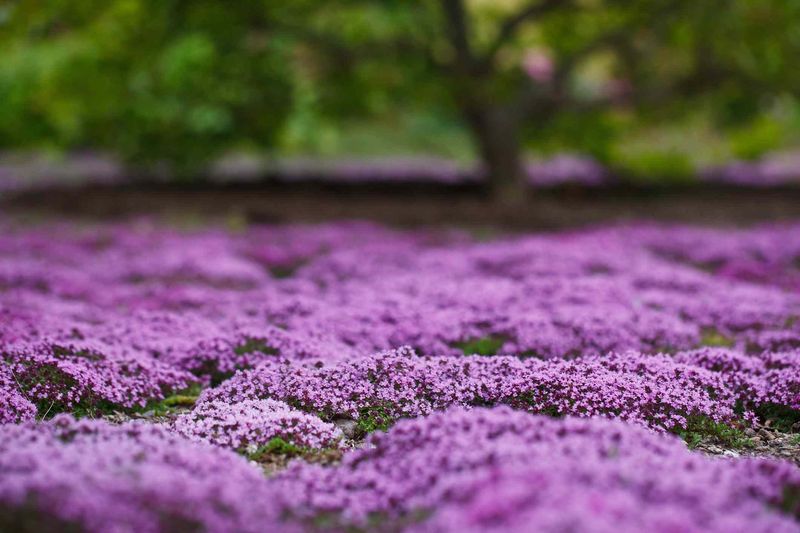
Step on creeping thyme and it releases a warm, herbal scent that makes garden chores a little nicer. That fragrance is part of the charm, but its real magic is how tightly it hugs the ground and smothers weeds.
In summer it bursts into a haze of tiny pink or purple flowers that bees can’t resist. The mat stays only an inch or two tall, so it works beautifully between pavers, along paths, or across small sunny areas that used to be lawn.
Thyme wants sharp drainage and full sun, and once rooted it drinks very little through the dry season. It doesn’t love heavy daily traffic, so pair it with stepping stones for the busiest routes.
A little goes a long way, and the bloom show alone earns its spot.
4. Dymondia margaretae (Silver Carpet)
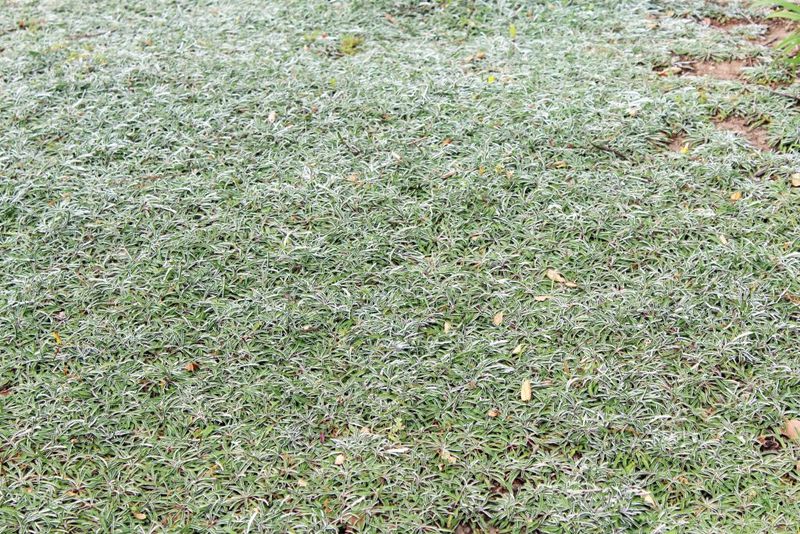
For the flattest, tidiest carpet on this list, silver carpet is the quiet overachiever. It grows just an inch high with narrow gray-green leaves that show a silvery underside, giving beds a cool, calm shimmer.
Because it hugs the soil so tightly, it fills the gaps between flagstones like living grout and can take moderate foot traffic. Small yellow daisy-like flowers pop up in the warm months as a subtle bonus.
Silver carpet is famously drought-tolerant once established and thrives in the mild coastal and inland-valley zones of California. It prefers good drainage and full to part sun.
If you want a manicured, low-maintenance look that never needs mowing and barely needs water, this is the one to try.
5. Kurapia (Lippia nodiflora)
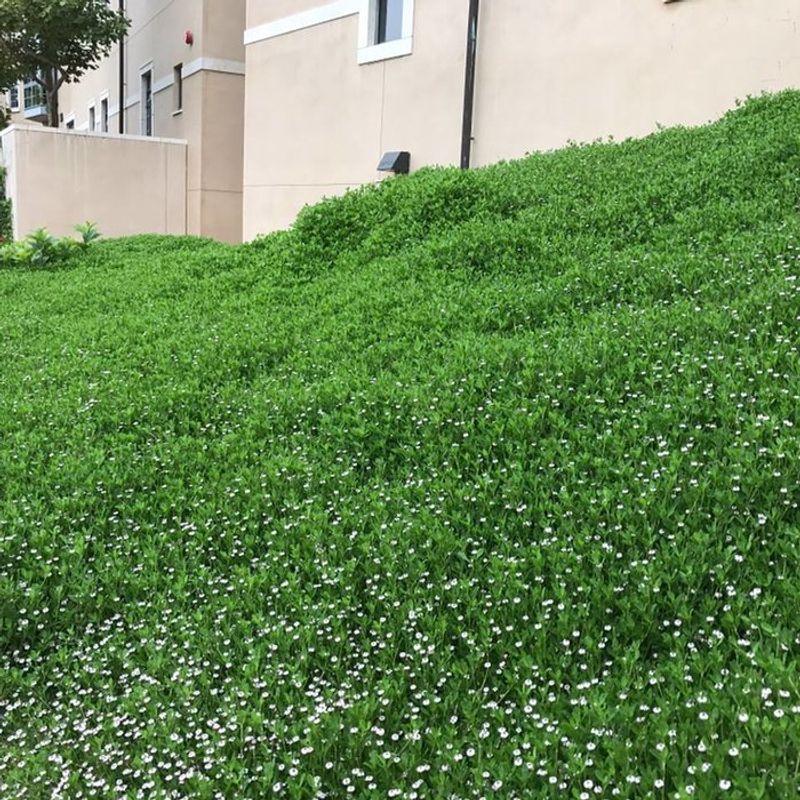
Kurapia has become a go-to for California homeowners who want turf-like coverage on a serious water budget. It spreads fast into a dense, low green mat dotted with small white flowers that pollinators adore.
Studies and landscape trials have shown it can use a fraction of the water a conventional lawn needs while still holding up to regular foot traffic. Deep roots help it stay green through the long dry stretch with only occasional irrigation.
Because it fills in so quickly, it also crowds out many weeds without chemicals. Some gardeners mow it lightly to keep the flowers down if bees near play areas are a concern.
For a true lawn substitute you can actually run around on, Kurapia is one of the strongest picks.
6. Woolly Thyme and Elfin Thyme Blends
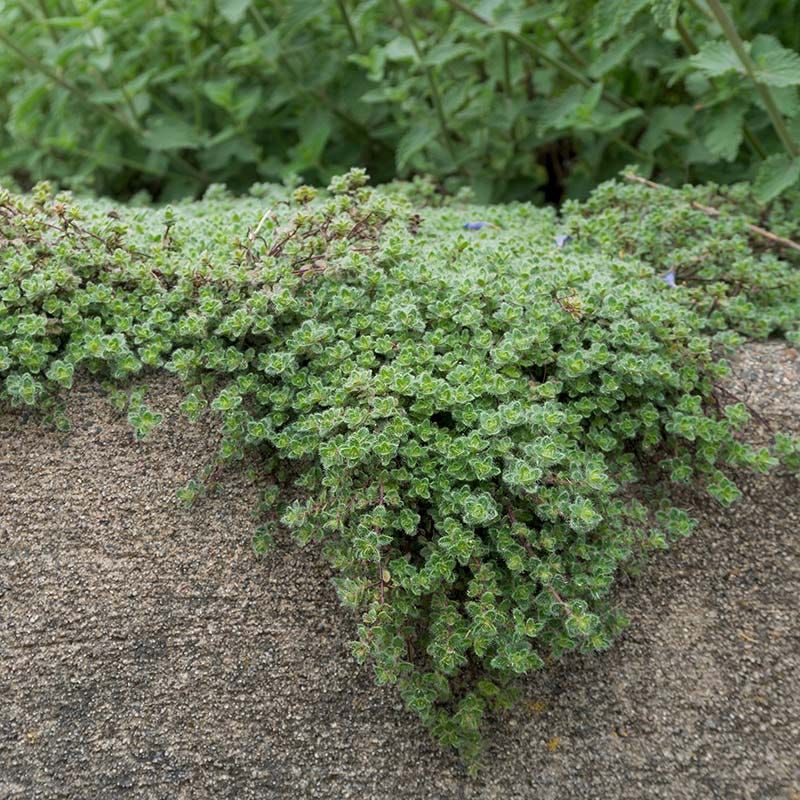
There’s something irresistible about a groundcover you want to reach down and touch, and woolly thyme delivers with its fuzzy, silvery leaves. Blended with tiny elfin thyme, it creates a plush, uneven carpet that looks great tumbling over rocks and slopes.
These low thymes cover ground on very little summer water once their roots take hold, making them handy for hot, sunny spots where lawn always struggled. They stay short enough that mowing is unnecessary.
They shine as a filler around boulders, on gentle hillsides, and in the seams of a patio. Give them fast-draining soil and plenty of sun, and they’ll knit into a soft mat with only light traffic.
Think of them as the cozy, textural cousin of standard creeping thyme.
7. Native Sedge and Fescue Meadow Mix
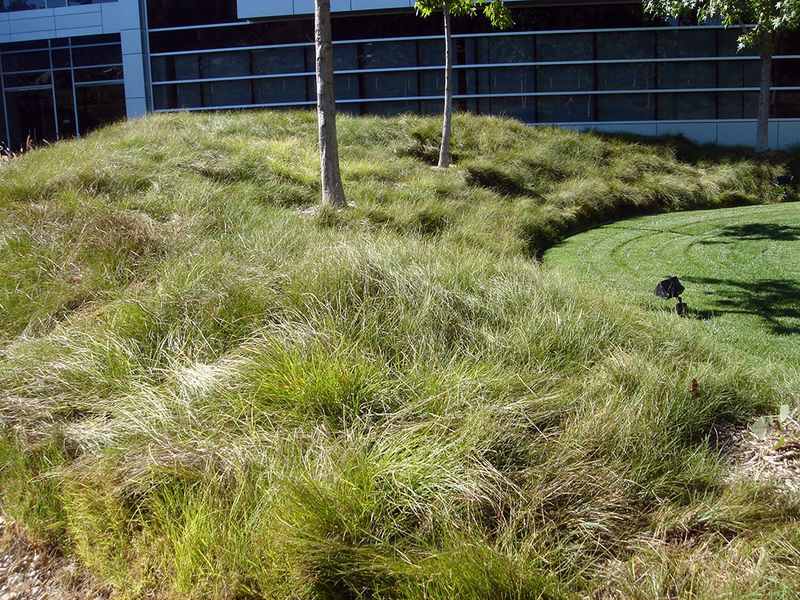
Sometimes the best lawn replacement isn’t one plant but a blend that behaves like a wild meadow. Mixing native sedges with clumping fescues such as California fescue gives you a soft, flowing groundcover with real ecological punch.
The varied roots pull moisture from different soil depths, so the whole planting rides out the dry summer on infrequent deep watering. Left long, it sways in the breeze; trimmed a couple times a year, it reads as a relaxed, low meadow lawn.
A meadow mix supports far more insect and bird life than a single-species turf, which helps if you’ve worried your yard was a dead zone for local wildlife. It suits larger open areas and gentle slopes especially well.
Plant it once, water it wisely, and let a living California landscape take over where thirsty grass used to be.