
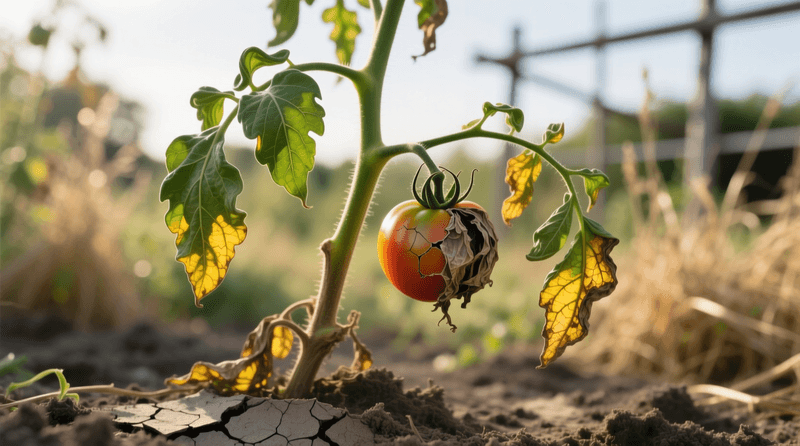
Walking out to your tomato garden on a blazing August afternoon and finding drooping, limp vines can send a gardener straight into panic mode. The worry deepens when you press your hand into the soil and it feels damp — so why are the plants wilting?
The answer is rarely as simple as “water more,” and reacting too quickly can actually make things worse. Understanding what is really happening in your tomato’s root zone is the first step toward keeping your plants alive and productive through the rest of the summer.
Afternoon wilt does not identify the cause
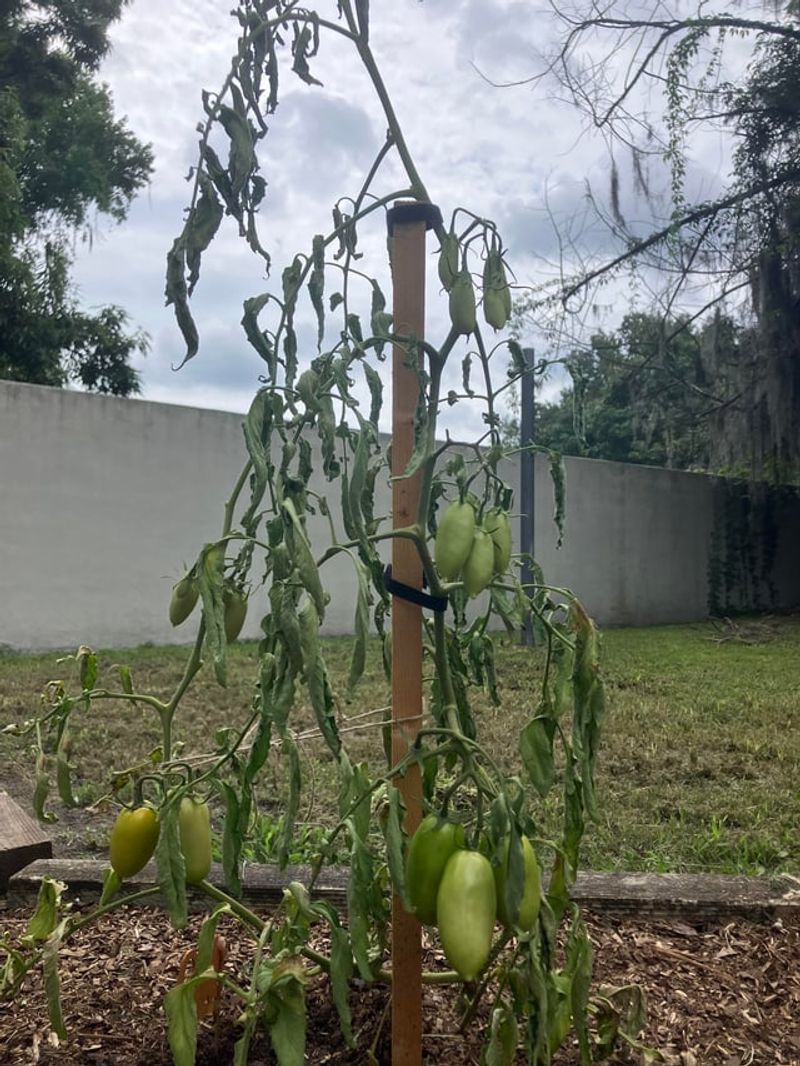
Tomato leaves can droop and curl during the hottest part of the afternoon even when the root zone has plenty of moisture. The reason is straightforward: on a scorching summer day, leaves lose water through transpiration faster than the roots can pull it up from the soil.
The result looks alarming, but the plant may be doing exactly what a healthy tomato does when temperatures spike.
The most useful thing to do when you spot afternoon wilt is to go back outside as the sun drops and evening temperatures begin to fall. UGA Cooperative Extension guidance on vegetable garden water conservation notes that tomatoes may wilt during hot afternoons and recover on their own as conditions cool.
If the vines perk back up by early evening or the following morning, that recovery pattern supports a temporary heat response rather than a serious water deficit or disease problem.
Overnight recovery is reassuring, but it does not mean every case of afternoon wilt can be dismissed. A plant that is still drooping the next morning, declining progressively over several days, or failing to bounce back despite seemingly adequate moisture needs a closer look.
Resetting that expectation before troubleshooting watering habits keeps you from chasing the wrong problem and helps you recognize when something more serious may be developing.
Wet-looking soil can mislead you
A damp soil surface after a recent watering can create a false sense of security. When you apply water quickly or lightly, moisture may soak only the top inch or two while the soil several inches down remains completely dry.
Tomato roots on an established plant extend well below that shallow wet layer, so the roots that matter most may still be thirsting even when the surface feels cool and moist to the touch.
The opposite problem is just as real and just as easy to misread. Penn State Extension’s guidance on summer watering points out that persistently saturated soil deprives roots of the oxygen they need to function.
When roots sit in waterlogged conditions long enough, they lose their ability to absorb water even though the soil around them is soaking wet. The plant wilts, the gardener sees wet soil, and the natural impulse is to water more — which only deepens the problem.
Oklahoma State Extension tomato guidance reinforces that both drought stress and excessive moisture can produce wilting, making the surface appearance alone an unreliable guide. Shallow dryness and waterlogging are competing possibilities that look nearly identical from above, which is exactly why inspecting deeper soil before reaching for the hose is the more reliable first move.
Inspect the root zone before watering
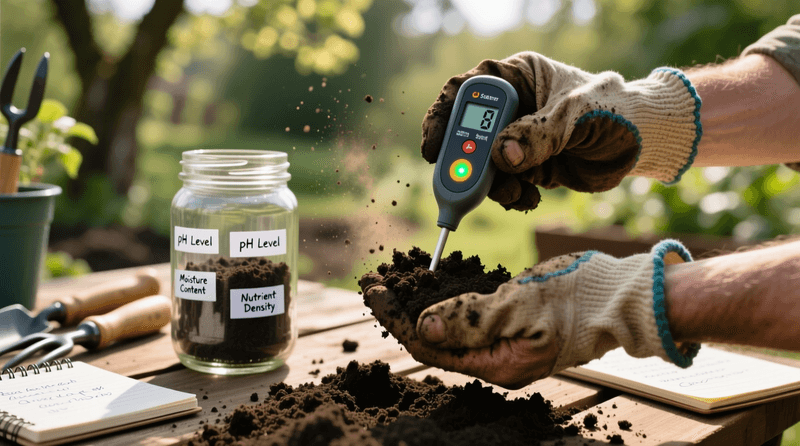
Rather than guessing from the surface, push a finger, trowel, or soil probe into the ground near your tomato plant. Aim for a spot a few inches away from the stem to avoid disturbing the crown, and go down at least four to six inches.
Texas A&M AgriLife Extension’s guide to determining when to water recommends exactly this kind of hands-on soil check rather than relying on surface appearance or a fixed calendar schedule.
What you find at that depth tells you what to do next. Soil that feels dry and crumbles apart supports a slow, thorough watering.
Soil that feels moist and holds together lightly means the root zone still has adequate water, and the afternoon wilt you observed is more likely a temporary heat response. Soil that feels soggy or smells sour is a warning that drainage or root health may be the real issue rather than a shortage of water.
Sandy soils drain quickly and may dry out faster than you expect between waterings, while heavy clay holds moisture longer and can stay saturated after rain. Raised beds, mulched beds, and recently rained-on gardens all behave differently.
Texas A&M’s Earth-Kind water efficiency resource emphasizes reading your specific site rather than following a rigid watering routine, because soil type, mulch cover, plant size, and recent rainfall all change how quickly moisture depletes at root depth.
Use conditional deep watering for in-ground vines
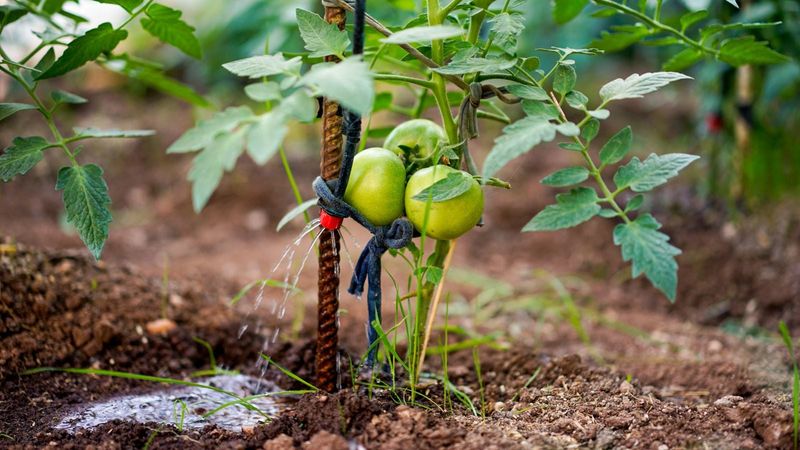
When that deeper soil check confirms the root zone is genuinely dry, the correction is to water slowly at the soil line rather than applying a quick overhead sprinkle. Slow watering allows moisture to move downward and reach the area where established roots are actually growing, rather than running off or pooling at the surface.
A brief daily sprinkle can keep the top inch damp while leaving the real root zone just as dry as before.
UGA’s vegetable garden water conservation publication suggests that established tomatoes generally benefit from a thorough soaking rather than frequent shallow applications. As a rough general target for in-ground plants on average garden soil, wetting the soil to about six to eight inches gives established roots access to a meaningful moisture reserve.
That depth may need adjustment based on your soil type, mulch, plant size, and how much rain has fallen recently.
Georgia Homegrown Tomatoes guidance from UGA offers one to two inches of water per week as a broad starting range, not a fixed prescription. Actual needs vary considerably across Southern gardens.
Morning is a practical time to water because soil temperatures are lower and foliage has time to dry before nightfall. Drip irrigation and soaker hoses deliver water directly to the root zone while keeping leaves dry, which UGA’s home vegetable garden disease management guide identifies as a useful way to reduce conditions that favor foliar disease problems.
Adjust the plan for container tomatoes
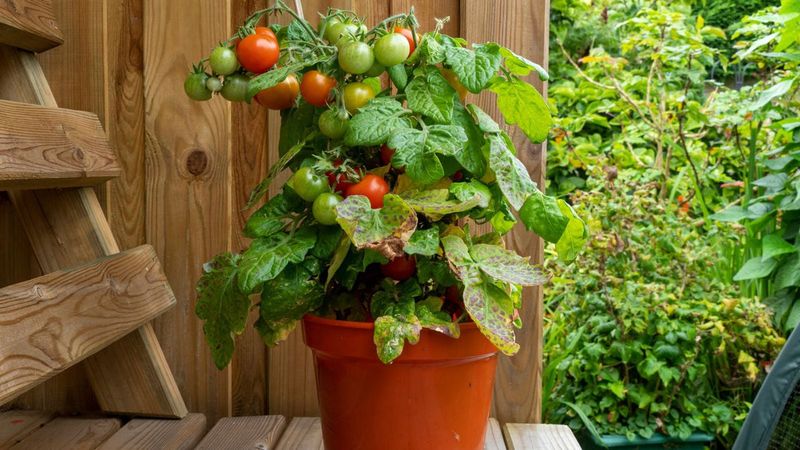
Container tomatoes operate under completely different rules than in-ground plants, and applying an in-ground watering schedule to a potted vine is a common source of trouble. A container holds a fixed, limited volume of potting mix, and that mix can dry out far faster than garden soil during late-summer heat.
University of Minnesota Extension’s heat-gardening guidance notes that containers may need daily watering during hot weather and sometimes more frequent attention during a heat wave.
That said, daily watering should never be automatic. Before adding water, push a finger an inch or two into the potting mix.
If it still feels moist, hold off. Penn State Extension’s container vegetable gardening guide lists drainage as one of the four essential elements of success, and a container without adequate drainage holes will waterlog the root zone just as surely as poorly draining garden soil.
The goal is consistently moist potting mix, not a soggy one.
Afternoon shade is another practical option specifically for containers and for plants with small or limited root systems. Moving a container to a spot that catches morning sun but avoids the harshest midday and afternoon heat can noticeably reduce moisture demand and slow wilting on the hottest days.
In-ground plants cannot be relocated, but a temporary shade cloth can offer similar protection during extreme heat stretches.
Keep moisture more consistent with mulch
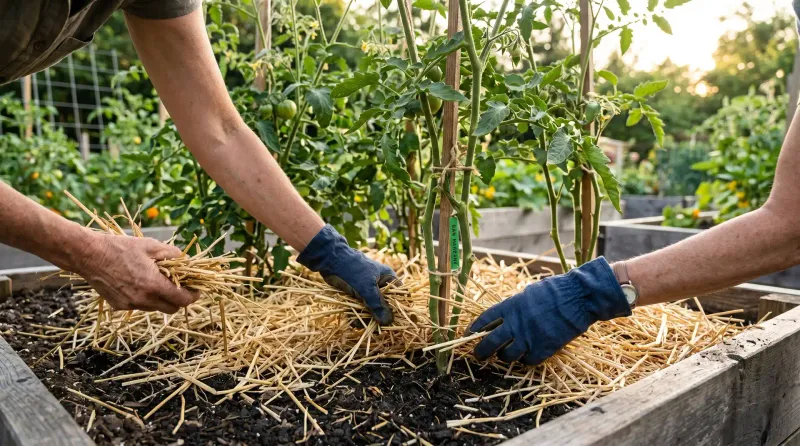
One of the most reliable ways to reduce sharp swings in root-zone moisture is to lay two to three inches of mulch over the soil around your tomato plants. Clean straw, chopped leaves, or a suitable compost-based material all work well.
UGA’s Georgia Homegrown Tomatoes bulletin consistently recommends mulching as a standard practice, citing its ability to reduce evaporation and moderate soil temperature during hot weather.
Keep the mulch pulled back slightly from the stem itself. Packing mulch tightly against the crown can trap moisture against the stem and create conditions favorable to rot and disease.
UGA Camden Extension’s tomato care article warns that excessive moisture held close to the stem is one of the ways well-intentioned gardeners inadvertently damage their plants.
Uneven water availability across the season is closely linked to two frustrating fruit problems: blossom-end rot and fruit cracking. When moisture fluctuates dramatically between dry spells and heavy watering, the plant’s ability to move calcium into developing fruit is disrupted.
Oklahoma State Extension’s home garden tomato fact sheet makes clear that the underlying fix is more consistent root-zone moisture, not automatically adding calcium supplements. Mulch helps by smoothing out those fluctuations between waterings, keeping conditions more stable for both roots and developing fruit.
Look for signs that point beyond irrigation
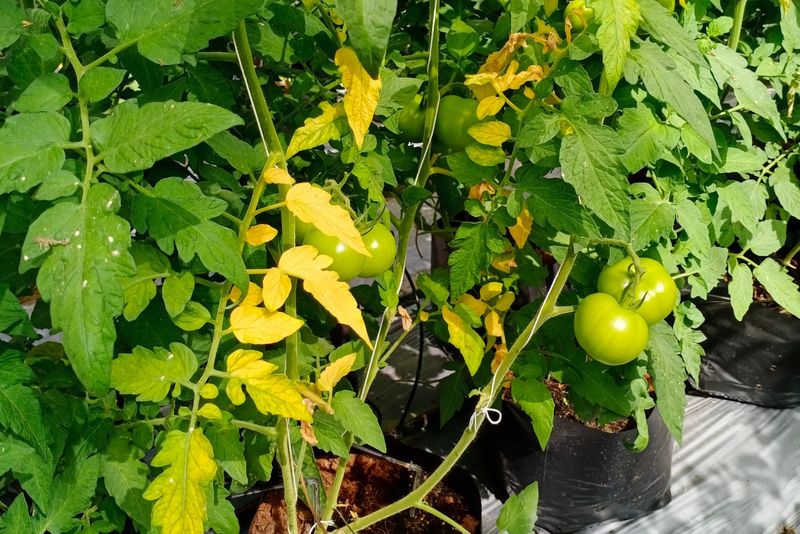
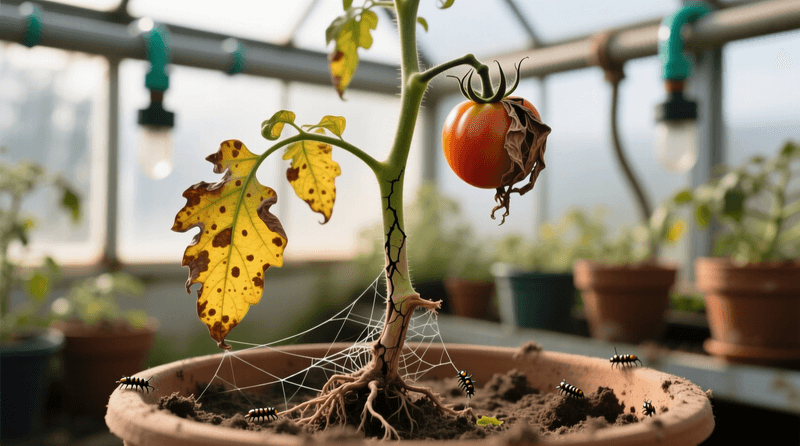
Not every afternoon wilt has a watering explanation. When a tomato vine stays droopy the following morning, shows progressive decline over several days, develops yellowing on lower leaves, or displays symptoms on only one side of the plant, the problem likely goes beyond the root zone being too dry or too wet.
These patterns call for a closer investigation rather than another adjustment to the irrigation schedule.
Fusarium and Verticillium wilt are two fungal diseases that can mimic heat stress in the early stages. Both may begin with midday drooping and apparent nighttime recovery, but they tend to worsen steadily.
University of Maryland Extension’s Fusarium wilt resource describes lower-leaf yellowing and one-sided symptoms as characteristic warning signs, while University of Minnesota Extension’s Fusarium wilt page notes that brown discoloration inside a cut stem can be a clue, though discoloration alone is not a definitive diagnosis without considering the full symptom picture.
Plants growing in poorly drained soil or areas that stay wet after rain are at higher risk for Phytophthora root rot, a water mold that can cause rapid wilting and collapse during hot weather even when the soil appears saturated. UC IPM’s Phytophthora root rot guide explains that wet, warm conditions favor this pathogen.
Root-knot nematodes, physical root damage from cultivation, and crown injury can produce similar symptoms as well. The University of Minnesota tomato diagnosis tool and Utah State Extension’s wilt disease guide are both practical starting points when the symptom pattern remains unclear.
For anything that keeps worsening without an obvious cause, a county Extension office or plant diagnostic clinic can provide a more reliable assessment than a visual check alone.
Make the moisture check your late-summer habit
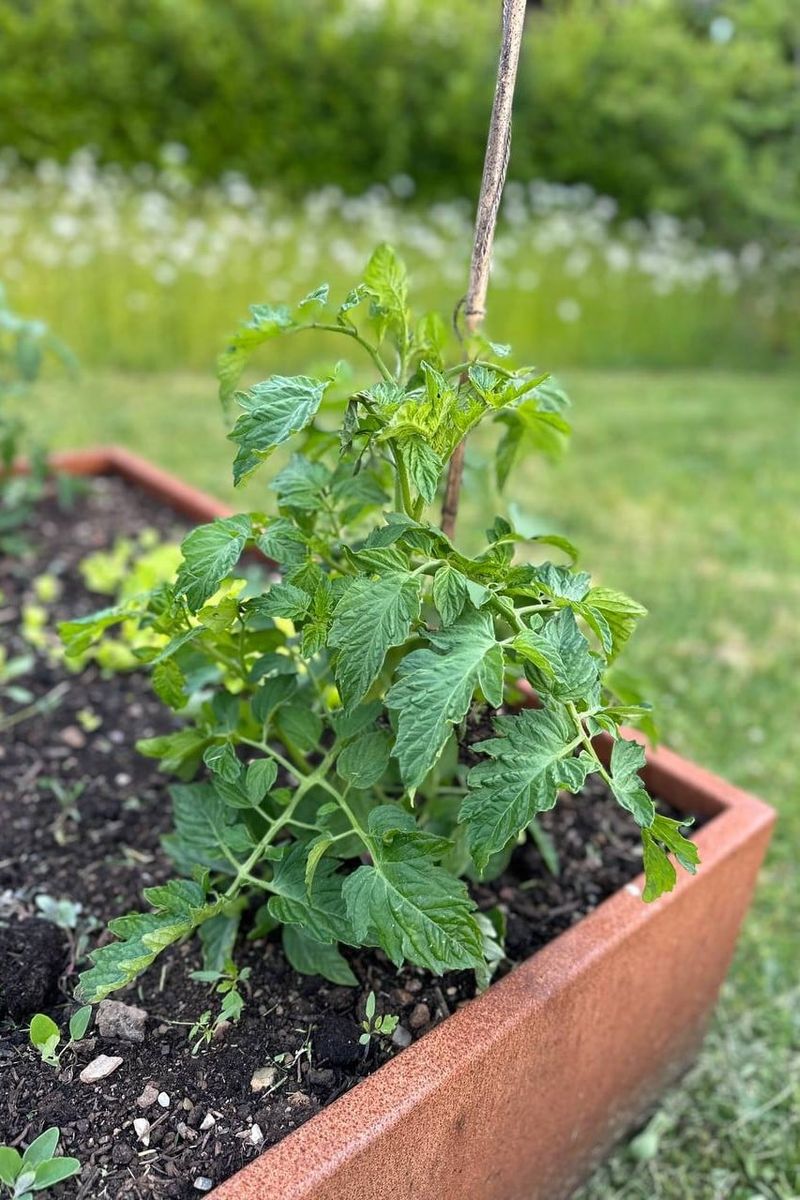
When afternoon wilt appears, the most useful first move is to go back to basics: push a finger or trowel several inches into the soil near the plant before reaching for the hose. Texas A&M AgriLife Extension’s soil-check watering guide makes this the foundation of any sound watering decision.
If the root zone is dry, water slowly and deeply. If it is adequately moist or saturated, hold off and monitor.
Avoid reflexive afternoon sprinkling as a default response to drooping leaves. Watering at the wrong time or in the wrong amount can compound the problem rather than solve it.
Any plant that does not recover overnight, declines over multiple days, or shows other warning signs deserves a closer look before the problem is attributed to watering alone.
UGA Extension’s water conservation guidance reinforces that consistent, available moisture matters far more than keeping the soil surface perpetually wet. A steady root zone beats a damp surface every time.