
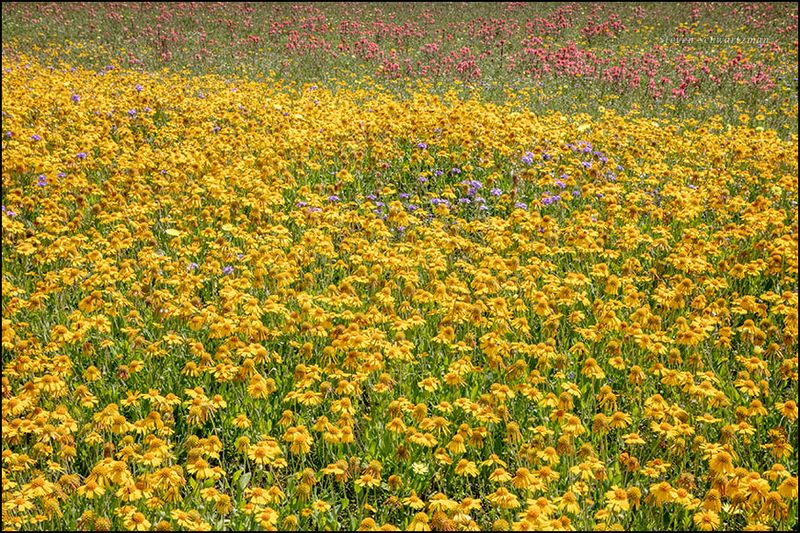
Rocky caliche banks are some of the toughest spots in a Texas yard, where thin soil bakes in full sun and most plants give up before they get started. Huisache daisy, a cheerful yellow native wildflower, is a strong candidate for exactly that kind of site, covering open, well-drained ground with a dense spring bloom that stops people in their tracks.
Getting it right takes a little know-how about timing, soil, and what this plant can and cannot do. This guide walks through everything a Texas gardener needs to put that gold display to work.
Huisache daisy is a strong Texas match for the gold-display premise
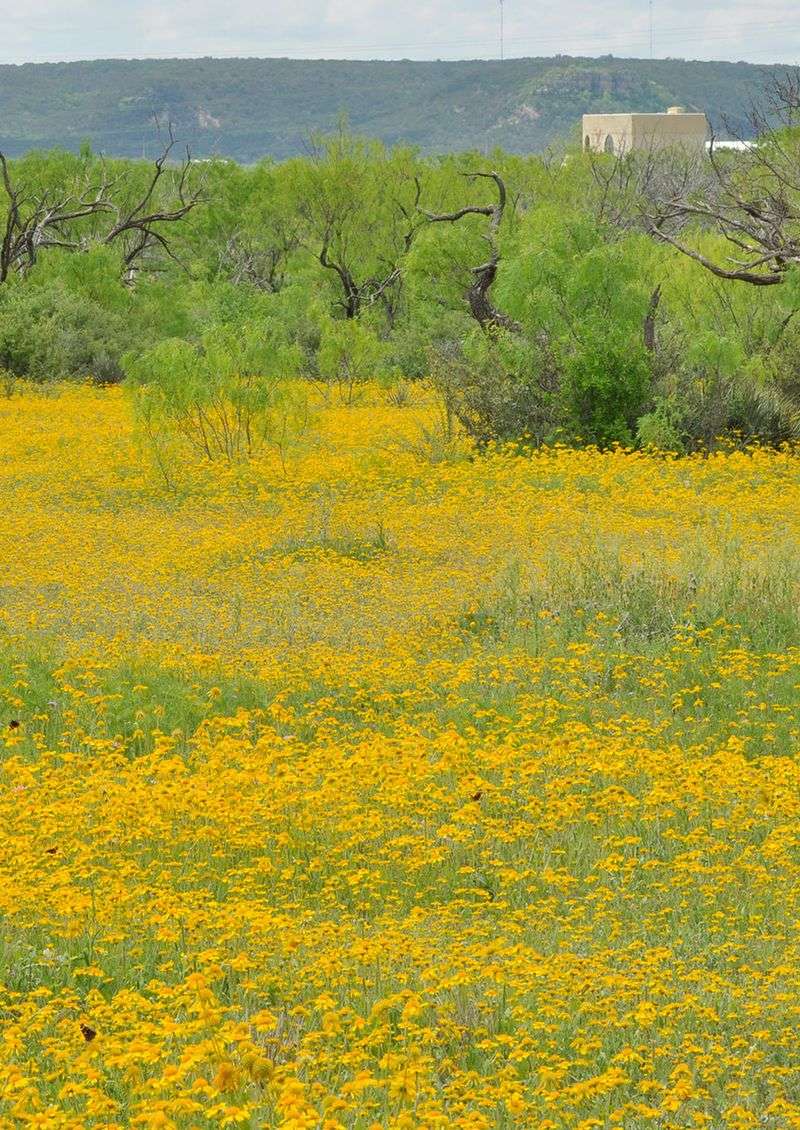
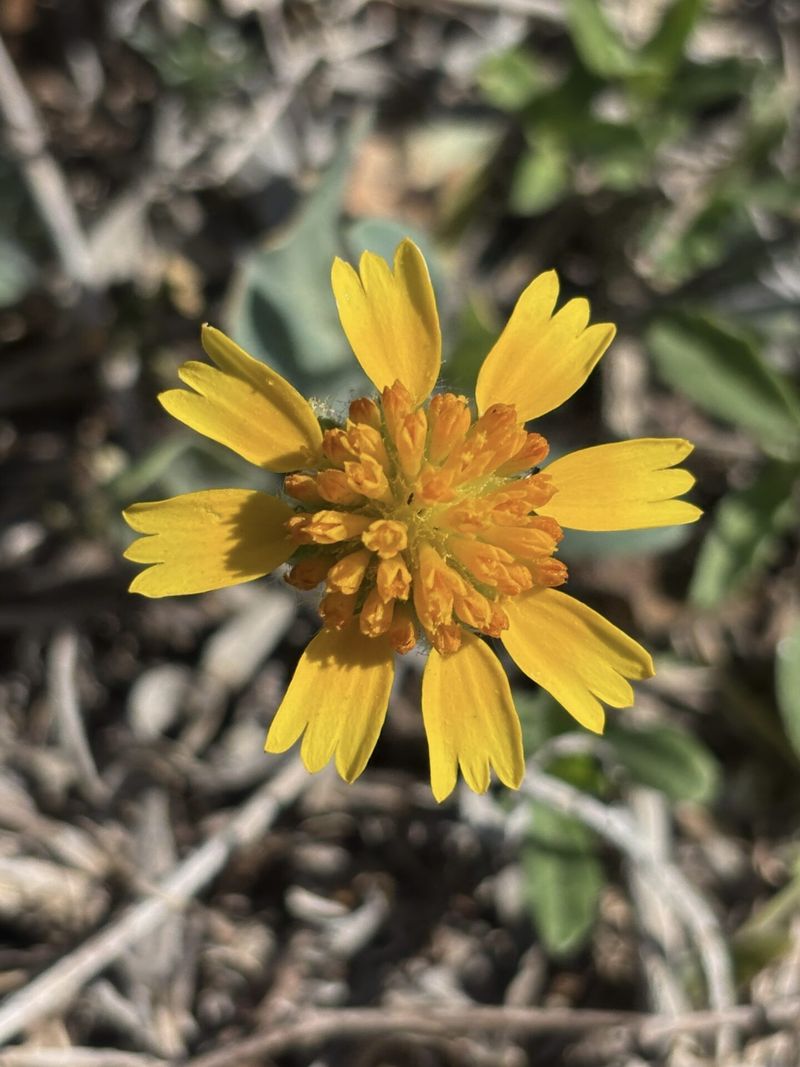
Yellow, fragrant, and wiry enough to thrive where most garden plants quit, huisache daisy carries the scientific name Amblyolepis setigera and answers to several common names: butterfly daisy, honey daisy, and huisache daisy. The Native Plant Society of Texas profile classifies it as a Texas-native annual herb in the aster family, which means it completes its entire life cycle in a single growing season and relies on reseeding to return the following year.
Mature plants typically reach 6 to 18 inches tall. The stems branch freely, feel rough or hairy to the touch, and carry a noticeable pleasant fragrance.
Each flower is a bright yellow daisy-like bloom roughly 1 to 2 inches across, and when dozens of plants establish side by side on an open slope, the combined effect is striking.
Two name-related mix-ups come up often enough to address directly. First, huisache daisy is a separate plant from Engelmann’s daisy (Engelmannia peristenia), a perennial species sometimes confused with it at garden centers and on roadsides.
Engelmann’s daisy has a longer bloom window and a different growth form, so confirming the label before purchasing seed matters. Second, the daisy’s common name comes from its frequent association with huisache thickets in the Texas landscape, but huisache itself is the thorny woody shrub or small tree Vachellia farnesiana, a completely different plant documented by Texas A&M Natural Resources.
The daisy is an herbaceous wildflower with no thorns and no woody structure.
Calling huisache daisy the single best plant for every rocky Texas site would overstate the case. It is, however, a well-documented and strong editorial match for the gold-display premise described here, especially on the dry, open, well-drained Texas sites where it has been recorded forming large spring colonies.
A thin, well-drained caliche site can give it an opening
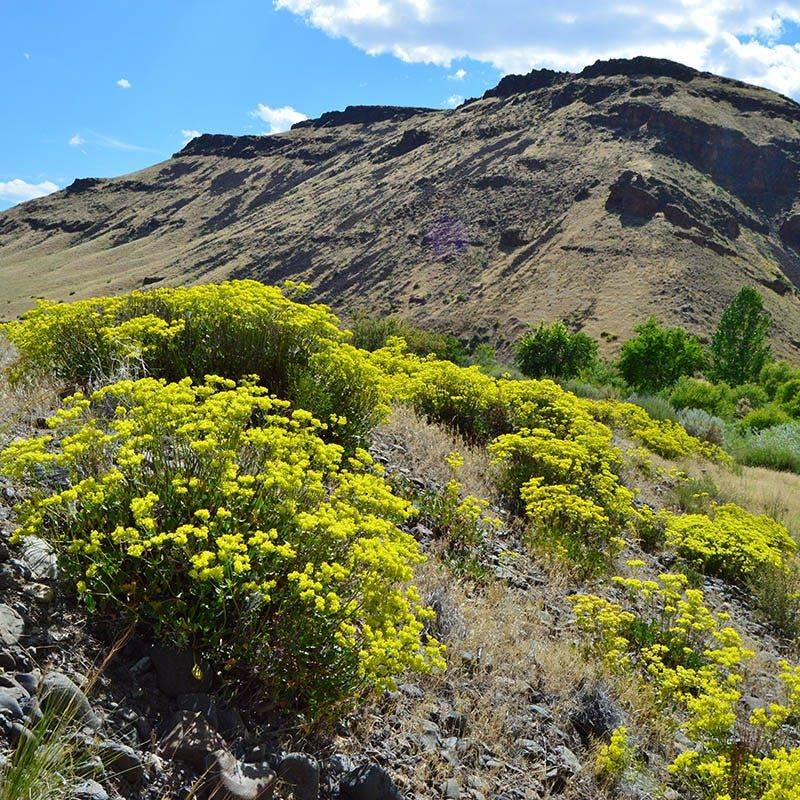
Not every difficult-looking slope is a good candidate for huisache daisy, and making that distinction before buying seed saves time and frustration. The plant’s documented habitat points to specific conditions: full sun, dry to moderately moist soil that drains freely, and substrates that include sandy, loamy, caliche, or other dry calcareous ground.
The Native Plant Society of Texas and Native American Seed both place it on open hillsides, roadsides, prairies, and brushy areas fitting that profile across several Texas ecoregions.
The word “caliche” covers a wide range of conditions, and that range matters. A thin, rocky caliche layer with some usable soil above it and water moving freely through it after rain is a reasonable planting site.
Deep, impermeable caliche that sheds water without absorbing it, or compacted construction fill that was graded and packed hard during building, is a different situation entirely. Huisache daisy needs enough workable soil for roots to anchor, enough pore space for drainage, and enough surface contact for seed to germinate.
Saline soil and waterlogged ground are also outside the plant’s documented tolerance. Spots that pond after rain, areas fed by concentrated runoff from rooftops or paved surfaces, and banks where water channels along a defined path are not suitable without first addressing the drainage problem.
Bare bedrock, similarly, offers no rooting medium regardless of how well it drains.
A practical suitability check before sowing involves three questions. Does the site receive full sun for most of the day?
Does water move through or off the soil within an hour or two of a typical rain? Is there at least a few inches of gritty, open, non-compacted soil present?
Affirmative answers suggest the site is worth trying. The Texas Parks and Wildlife Wildscapes Plant List confirms that dry, well-drained, calcareous sites are where this plant earns its place.
A site that fails one or more of those checks may need site preparation or a different plant strategy before huisache daisy can establish.
The main payoff is a spring blanket of yellow
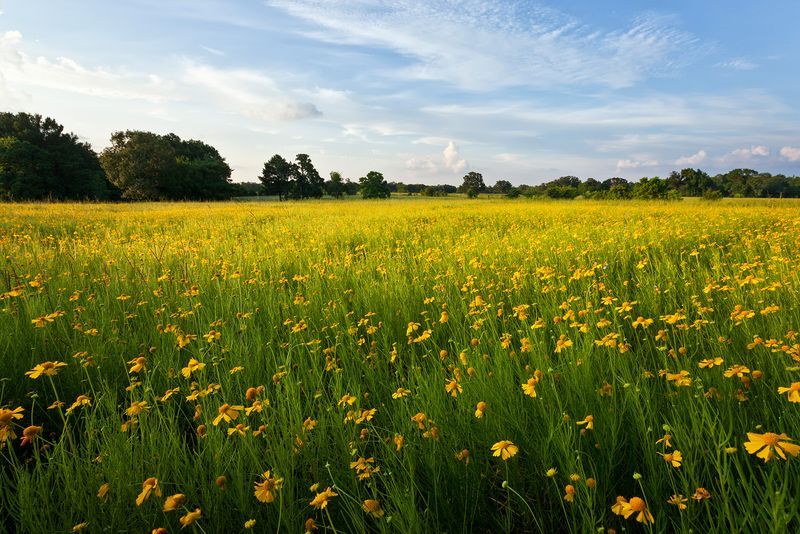
On a well-suited site, huisache daisy does not perform quietly. Garden Style San Antonio describes the plant growing in thick stands and forming a solid blanket of gold, and that language matches what happens when a mass planting establishes across an open slope or meadow edge.
The University of Texas Wildflowers of Texas database documents large and even “huge” spring colonies across multiple Texas regions, which gives the blanket-of-gold description real weight.
The bloom period runs primarily from late winter through early summer, with most references placing peak flowering between March and June depending on location and year. Some sources extend the window into July, and Native American Seed notes a bloom period of February through June for the plant across its Texas range.
What the evidence does not support is a promise of dependable, showy color through the hottest weeks of a Texas summer. Readers hoping for a gold slope in August should plan for that gap and consider pairing huisache daisy with other native species that carry color later in the season.
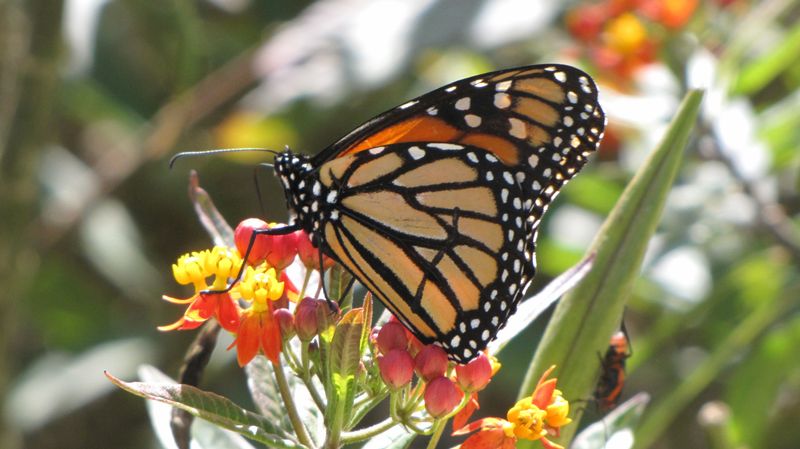
The flowers bring more than color. Bees and butterflies work huisache daisy blooms actively, and Native American Seed’s pollinator reference highlights its value for butterflies specifically.
The nectar-rich flowers also attract other nectar-feeding insects during the spring flight season, making a massed planting a useful addition to any yard where pollinator habitat is a goal. The TPWD Native Pollinator Management guide recognizes the value of native annuals like huisache daisy in supporting pollinator communities across Texas landscapes.
The best mental model for this plant is a spectacular seasonal event rather than a permanent fixture. A sunny, dry, open site that suits it will reward the gardener with weeks of vivid yellow spring color and a steady stream of pollinators, then go quiet as summer heat peaks.
Sow the seed shallowly in the fall window
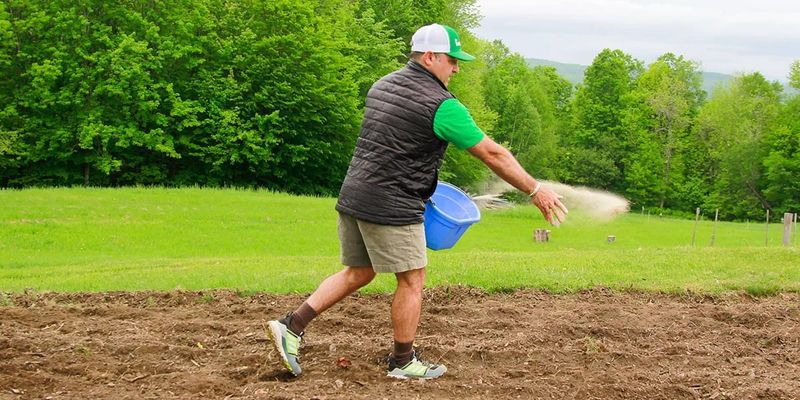
Getting huisache daisy established from seed is straightforward when the timing and technique match the plant’s biology. Start with a relatively firm, open seedbed.
Loose, fluffy soil tends to bury seed too deeply during the first rain, and deep burial cuts germination rates sharply. Rake or drag the surface to break up large clods and remove debris, but avoid tilling the site so deeply that the soil becomes a soft, airy mix.
Seed placement is critical. The Native Plant Society of Texas recommends pressing seed lightly onto the soil surface rather than burying it, because the seed needs light contact with the soil and benefits from light exposure during germination.
A light tamping or rolling after broadcast sowing achieves good seed-to-soil contact without covering the seed too deeply. Avoid raking seed in.
Fall is the recommended sowing window for Texas native wildflowers, and huisache daisy follows that pattern with a specific timing note: sow after the first frost but before the ground freezes. This allows natural winter weathering, sometimes called cold stratification, to condition the seed and prime it for spring germination.
NPSOT’s native seed sowing guidance reinforces fall sowing as the safest general approach for many Texas natives. Keep in mind that “before the ground freezes” is almost never a concern in South Texas, while gardeners in the Panhandle or Hill Country may need to watch the calendar more carefully.
Source selection matters as much as technique. Purchase seed from a reputable native-seed supplier that offers regionally appropriate Texas provenance.
Native American Seed is one well-known Texas-based source with documented huisache daisy availability. Collecting seed from roadside plants may seem convenient, but roadside collection raises questions about land ownership, local ordinances, and seed provenance.
A labeled, commercially sourced seed lot removes all three concerns and gives the planting a clean start.
Plan the planting as a massed wildflower bed or slope treatment rather than a plug-grown substitute for lawn. Huisache daisy performs at its best when allowed to establish across a broad, open area where it can form the dense colonies that create the gold-blanket effect.
Protect seedlings before relying on drought tolerance
Drought tolerance is a mature-plant trait, not a seedling guarantee. Newly sown huisache daisy beds need consistent moisture from the moment seed hits the soil until seedlings are rooted and standing on their own.
Native American Seed’s watering guidelines are clear that germinating seed and young transplants require adequate soil moisture, even for species that will later thrive with minimal irrigation. A seedbed that dries out completely before germination is complete will produce a thin, patchy stand at best.
In practical terms, check the seedbed moisture every few days after fall sowing. If winter rainfall is below normal in your area, light supplemental watering keeps the seedbed from cracking.
Once seedlings emerge and begin to develop their second and third sets of leaves, reduce supplemental water gradually and let the plants adjust to ambient conditions. The NPSOT profile associates established huisache daisy with dry, low-water conditions, and mature plants in suitable soil may need little or no supplemental irrigation through the bloom period.
Rainfall, soil depth, slope aspect, and summer heat all interact to determine how well a planting performs from year to year. A shallow soil over caliche on a south-facing slope in July behaves very differently from the same species on a deeper loamy flat.
Expect some year-to-year variation even on a site that looked ideal at planting time.
Natural reseeding is possible and desirable if a returning display is the goal, but it is not guaranteed. Allow flowers to finish blooming fully and let seed heads mature on the plant before any mowing or clearing.
Native American Seed notes that seed matures in late spring following the bloom flush. Collecting some of that seed for storage or redistribution gives the gardener a backup supply if reseeding from dropped seed is spotty.
Disturbance, competing vegetation, and dry winters can all reduce the density of a returning stand, so treating each season’s display as a pleasant variable outcome rather than a fixed promise keeps expectations realistic.
Seasonal flower cover cannot stabilize every slope
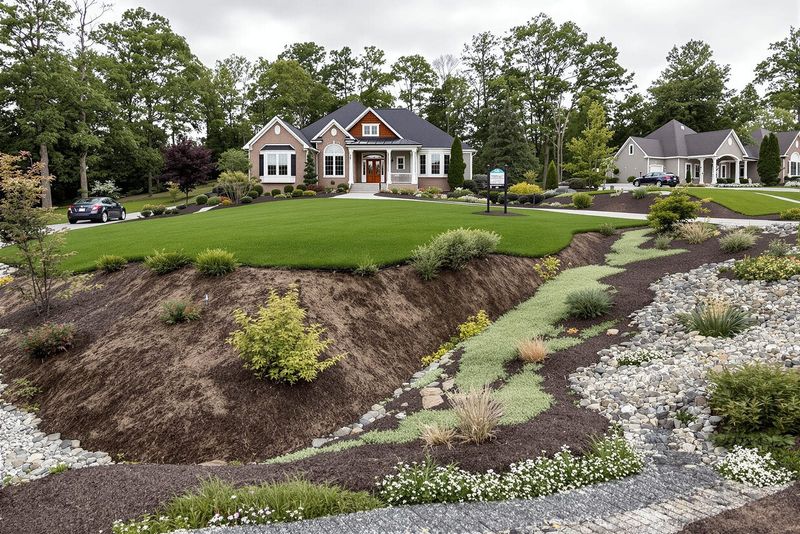
A spring blanket of yellow flowers makes a rough bank look intentional and alive, and that is a real garden benefit worth pursuing on the right site. What seasonal flower cover cannot do, on its own, is hold a steep or actively eroding slope against concentrated stormwater, undercutting, or ongoing soil movement.
Huisache daisy is an annual with a relatively shallow root system compared to the deep-rooted grasses and woody plants that provide mechanical soil anchoring on serious slopes.
TxDOT’s erosion prevention methods guidance recommends vegetation with deep and strong root systems for slope protection, and engineering controls such as drainage structures, erosion blankets, grading, and professional assessment for banks receiving concentrated runoff or showing active failure. TxDOT’s severe erosion prevention guidance reinforces that point for steep earth slopes where surface instability is already visible.
Warning signs that a bank needs more than wildflowers include visible rills or channels cut by flowing water, soil undercutting at the base of the slope, bare patches that re-appear after rain even when vegetation was present, and any slope where water arrives from uphill as concentrated sheet flow rather than dispersed rainfall. TxDOT’s steep-slope vegetation guidance also notes that steep vegetated slopes carry their own maintenance risks, which is a further reason to address structural issues separately from the planting plan.
Addressing those structural problems may involve redirecting roof or pavement runoff away from the slope, installing a French drain or swale uphill of the bank, seeding deep-rooted native grasses alongside or instead of annual wildflowers, using erosion-control blankets to hold seed in place on bare ground, or consulting a landscape professional or civil engineer for slopes that show clear signs of movement. Huisache daisy can be part of a thoughtful planting plan on a stable, well-drained bank, but it works best as a seasonal color layer on top of a slope that is already structurally sound, not as the sole solution to a slope that is actively losing ground.
Choose it for a seasonal Texas transformation
Huisache daisy earns its place on a sunny, open, dry, and well-drained Texas site where the goal is a vivid spring wildflower mass. It is not the right choice for a bank that holds water, a shaded corner, or a slope actively losing soil to runoff.
But on the kind of thin, gritty, calcareous ground that defeats most garden plants, it can fill the space with weeks of bright yellow blooms and a steady parade of bees and butterflies from late winter through early summer.
The preparation sequence is short: confirm good drainage and full sun, clear competing vegetation, firm the seedbed, broadcast seed after the first fall frost, press it lightly onto the surface, and keep the seedbed moist through germination and early establishment. NPSOT and Native American Seed both support that approach, and Garden Style San Antonio documents the thick, blanket-forming colonies that reward gardeners who follow it on suitable ground.
Leave seed heads to mature if a returning stand is the goal, and treat each spring’s display as a variable but potentially spectacular seasonal event.
A difficult-looking but well-drained caliche bank and an unstable, eroding slope are two different problems. Huisache daisy solves the first beautifully.
The second needs an erosion-control plan before any wildflower seed goes in the ground. Get the site right, and few Texas natives will repay the effort with a more honest, sun-soaked splash of gold.