
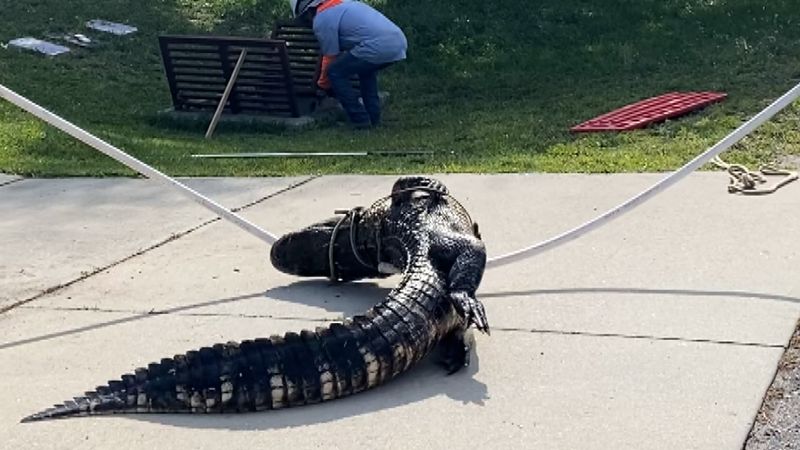
Storm cleanup can make your yard look busy in more ways than one. As branches move, water drains, and hidden corners open up, Florida wildlife often shifts closer to homes.
Knowing which animals may appear helps you protect your family, your pets, and your garden without panic. Here are the creatures most likely to show up and what to do when they do.
1. Cane Toads
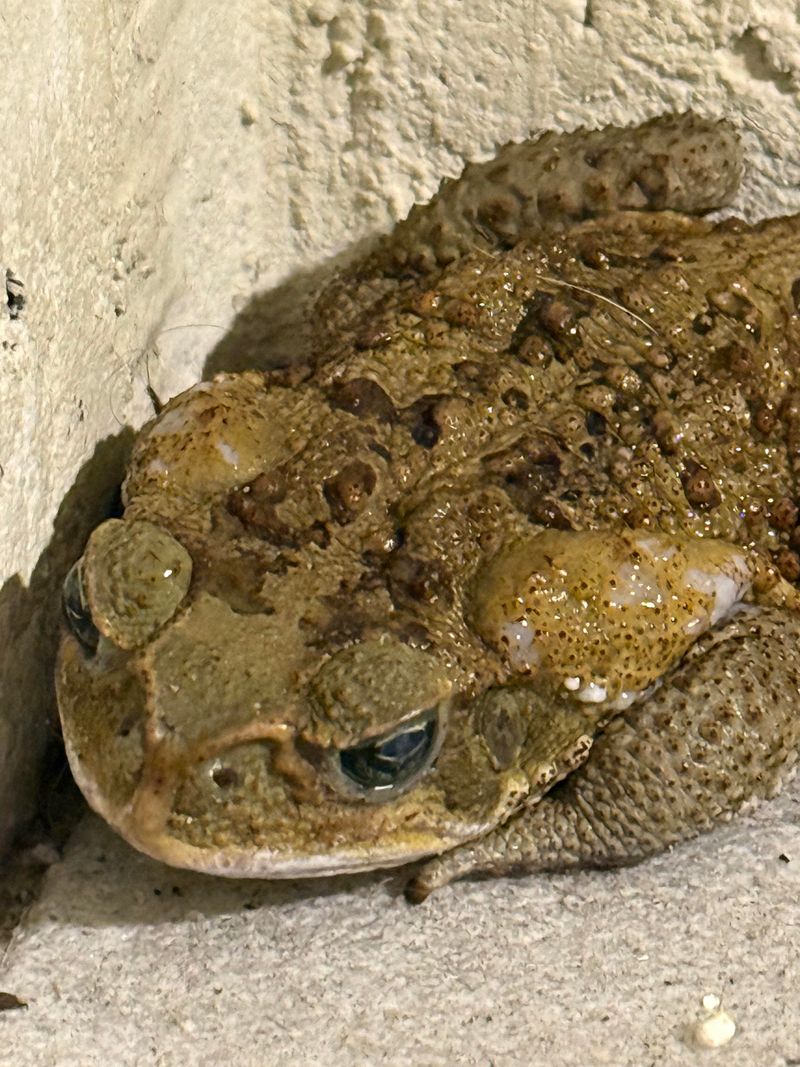
A chunky toad on the patio after a storm might look harmless, but cane toads deserve quick attention, especially if you have dogs. They often come out after heavy rain, when insects are active and low spots in the yard hold water.
Cane toads are different from Florida native toads because they can release a strong toxin from glands behind their eyes. Curious pets may mouth or lick them, which can become an emergency fast.
If you see a large toad near pet bowls, porch lights, or garage doors, move pets inside before doing anything else.
For cleanup, wear gloves and avoid handling any toad barehanded. Drain standing water where you can, empty saucers under pots, and keep pet food indoors because bugs drawn to leftovers can also draw toads.
UF-IFAS resources can help homeowners compare cane toads with native southern toads, which are smaller and less risky.
Gardeners can also reduce nighttime toad traffic by turning off unnecessary outdoor lights during peak insect activity. A tidy entry, dry containers, and a pet check before bedtime go a long way after a storm.
2. Snakes
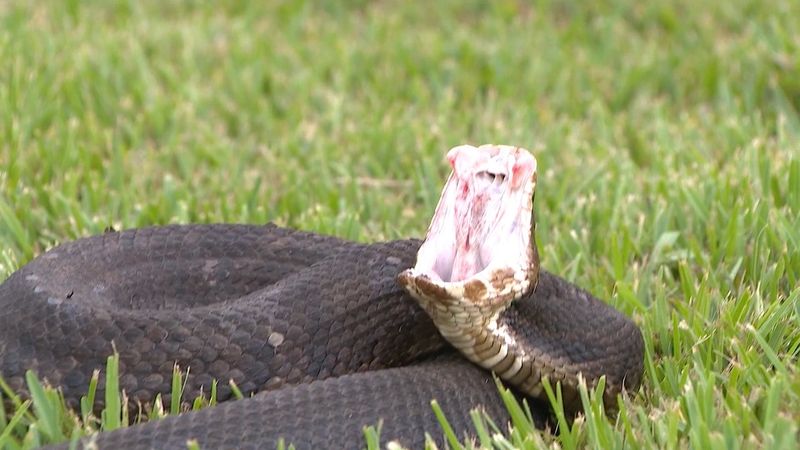
Few things speed up a cleanup day like spotting a snake under a palm frond. In Florida, storms can push snakes from flooded burrows, dense beds, and brush piles into more open parts of the yard.
Most snakes homeowners see are not venomous, and many help by eating rodents, frogs, and insects. Black racers, rat snakes, and garter snakes may show up around stacked limbs or shed corners because those spots hide prey.
Venomous species can also be present, so guessing from a distance is safer than getting close for a better look.
Use a rake or long-handled tool to lift debris, not your hands. Wear boots and gloves, and never reach blindly into leaf piles, overturned pots, or storm-damaged skirting.
If a snake is in the garage or near a doorway, give it a clear escape path and call a licensed wildlife professional if it will not leave.
Cleanup choices matter. Keep brush piles away from the house, seal gaps around sheds, and mow tall grass once conditions are safe.
A snake moving through the yard is usually not looking for trouble, but a surprised snake at close range is the situation to avoid.
3. Fire Ants
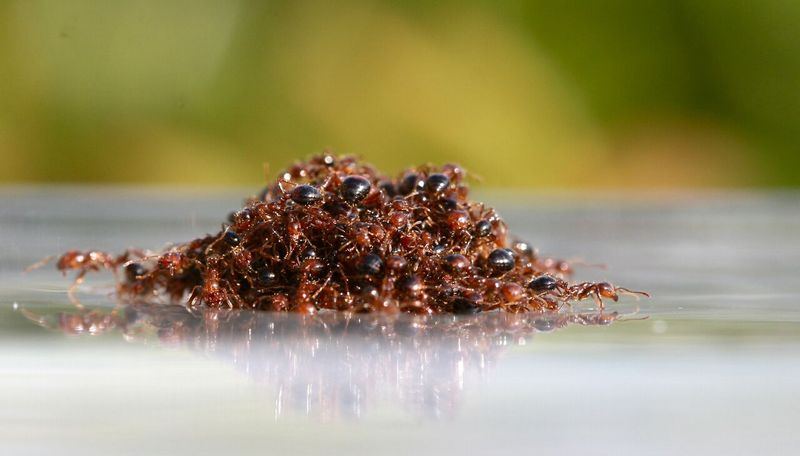
After flooding, fire ants can turn into a moving problem instead of a mound problem. Colonies may form floating rafts on water, then settle into lawns, mulch beds, raised planters, or cracks near sidewalks as water drops.
Red imported fire ants are especially frustrating because they can sting in groups. A storm cleanup worker may brush against a hidden cluster while dragging branches or stepping through soggy turf.
Kids and pets are also at risk when ants relocate near play areas, patios, or door thresholds.
Do not kick, spray, or swat floating ant masses. Give them space and wear closed-toe shoes, socks, and gloves when clearing wet debris.
Once the yard dries enough, inspect edges of driveways, garden borders, and electrical boxes where colonies may rebuild.
Florida homeowners should use baits or treatments labeled for fire ants and follow directions closely, especially around vegetable gardens and waterways. In heavy infestations, a two-step approach often works better than chasing one mound at a time.
The practical goal is simple: spot them before a hand, ankle, or dog paw finds them first.
4. Raccoons
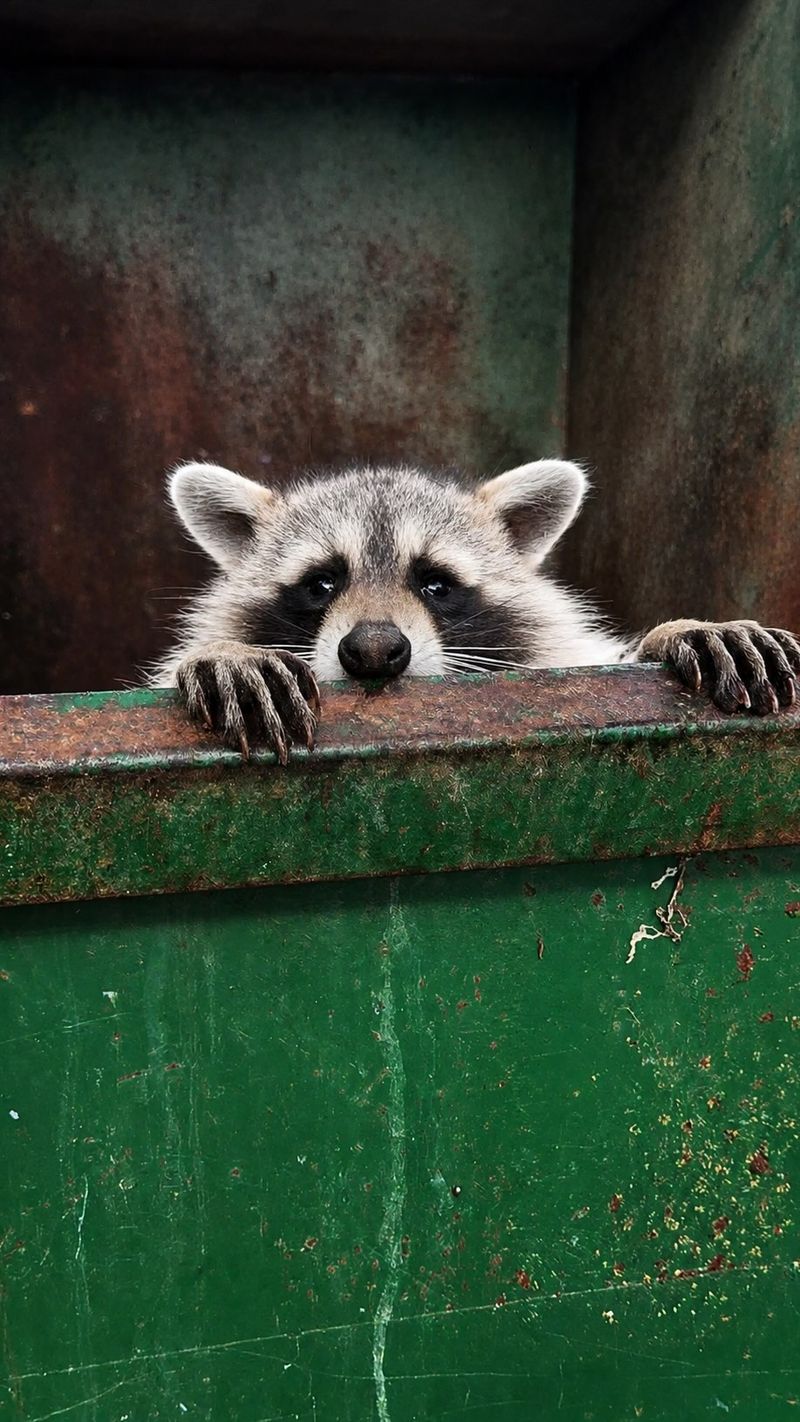
Trash day after a storm can feel like a buffet night for raccoons. Broken bins, food scraps from spoiled refrigerators, and piles of wet debris can bring them closer to porches and side yards than usual.
Raccoons are clever, strong, and very good at remembering easy meals. After cleanup starts, they may investigate open garages, damaged soffits, loose crawl-space covers, or compost areas.
Unlike a passing bird or frog, a raccoon may decide your home offers both food and shelter if access stays open.
Secure garbage in cans with tight lids, and move storm spoiled food to the curb only as local pickup rules allow. Do not leave pet food outside overnight, even for one evening.
If you notice raccoon tracks near an attic opening or hear movement above the ceiling, avoid sealing the gap until you know no animals are trapped inside.
Raccoons can carry diseases and may bite if cornered, so admire their problem-solving skills from a distance. A motion light, cleaned-up food sources, and quick repairs to entry points can make your yard less rewarding without harming the animal.
5. Opossums
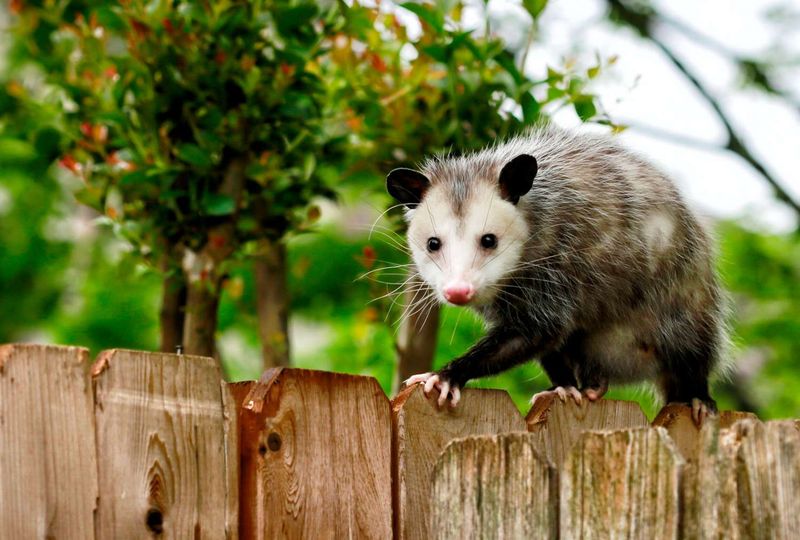
A pale face waddling along the fence line at night can be startling, but the visitor may be one of the least dramatic animals in the cleanup zone. Virginia opossums often patrol yards after storms because soggy leaves and disturbed soil expose insects, worms, and other small food sources.
Opossums are different from raccoons because they are usually less interested in breaking into spaces and more interested in scavenging what the storm uncovered. They may check compost, fallen fruit, overturned planters, or damp mulch.
Their famous defense, playing dead, is not an act they can perform on command but an automatic stress response.
Give opossums room and do not try to pick them up. If one is in a trash can or garage, open an exit and step away.
Secure food scraps, harvest fallen citrus or mangoes quickly, and keep brush piles from becoming long-term hiding places near the house.
For gardeners, an opossum passing through is often more useful than harmful. It may eat beetles, snails, and carrion while leaving most plants alone.
The key is making sure your cleanup does not accidentally trap one under tarps, fencing, or stacked debris.
6. Mosquitoes
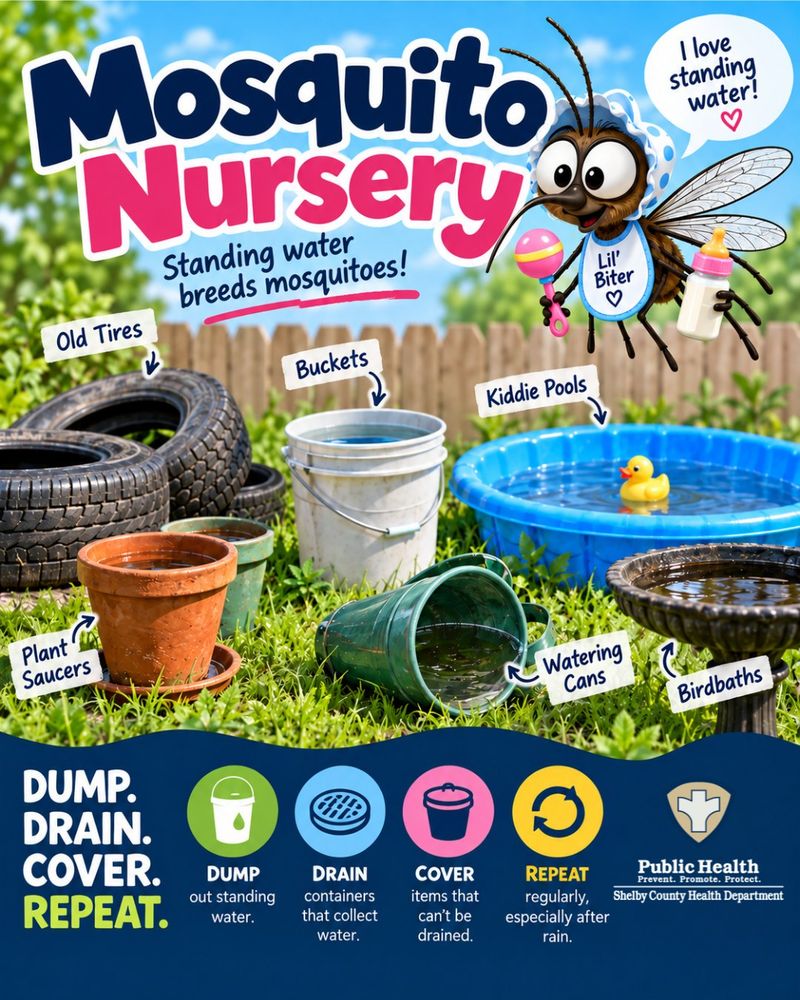
The smallest animals after a storm can become the biggest backyard nuisance. Mosquitoes take advantage of tiny pockets of water, and Florida yards can supply plenty of them after wind and rain scatter containers everywhere.
A bottle cap, clogged gutter, bromeliad cup, tarp fold, wheelbarrow, birdbath, or saucer under a hibiscus pot can hold enough water for larvae. Cleanup often creates new mosquito spots when piles are covered with plastic or empty containers are stacked upside down but not fully drained.
Warm weather speeds the problem along.
Walk the yard with a bucket and dump anything holding water. Refresh birdbaths often, unclog gutters when it is safe, and store pots, buckets, and garden trays where they cannot collect rain.
For water features that cannot be emptied, use mosquito control products labeled for that purpose and safe for the setting.
Native plants and wildlife-friendly yards can still be tidy enough to reduce mosquitoes. Bats, dragonflies, frogs, and birds may eat some, but they will not replace basic water control.
In a Florida storm week, the best mosquito plan is a ten-minute drain check repeated often.
7. Tree Frogs
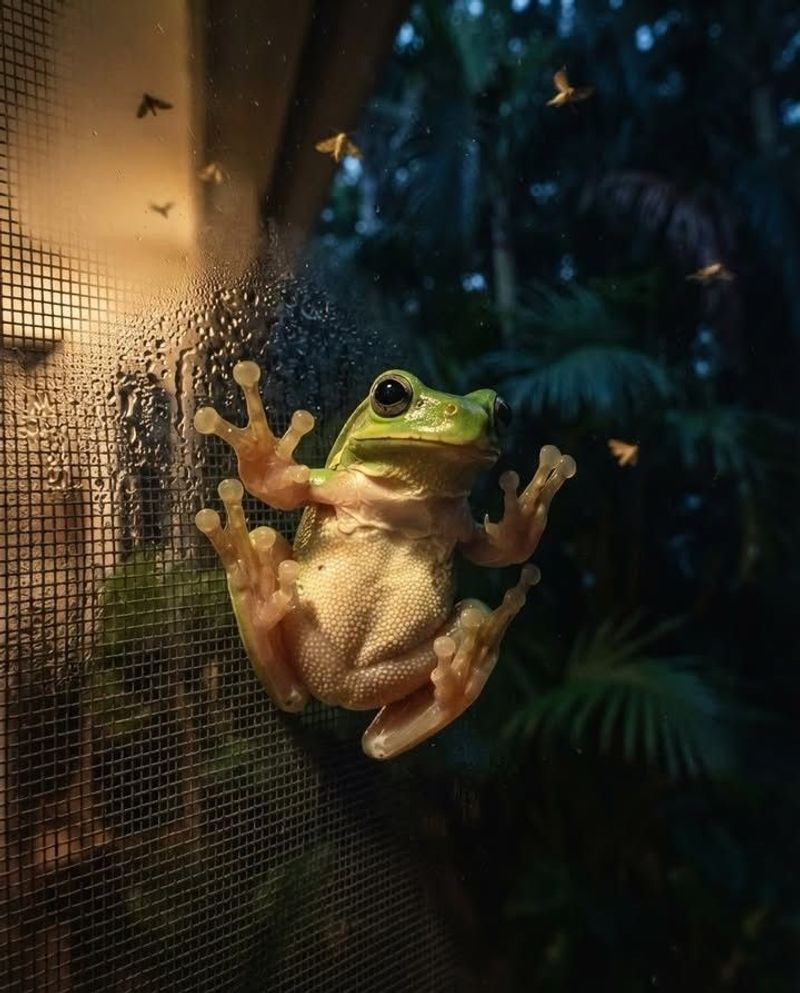
That tiny squeak from the porch light may be a tree frog celebrating the damp weather. Florida storms bring frogs out in force because moisture helps them move safely, call for mates, and hunt insects.
Green tree frogs, squirrel tree frogs, and Cuban tree frogs may appear on windows, siding, patio furniture, and potted plants. The Cuban tree frog is the one homeowners should learn to recognize because it is invasive and can outcompete native frogs.
It is often larger, with big toe pads and variable coloring.
Frogs are sensitive to chemicals, so avoid spraying pesticides broadly during cleanup if you can use targeted methods instead. Check folded tarps, stacked pots, and cushions before moving them because frogs tuck into damp, shaded spaces during the day.
If you handle any frog, wet your hands first or use gloves, then wash up afterward.
Native frogs can be welcome pest hunters in a Florida garden. A few sheltered plants, pesticide restraint, and shallow wildlife-friendly water features can support them.
At the same time, identifying invasive Cuban tree frogs helps protect the smaller native voices that make rainy nights feel alive.
8. Armadillos
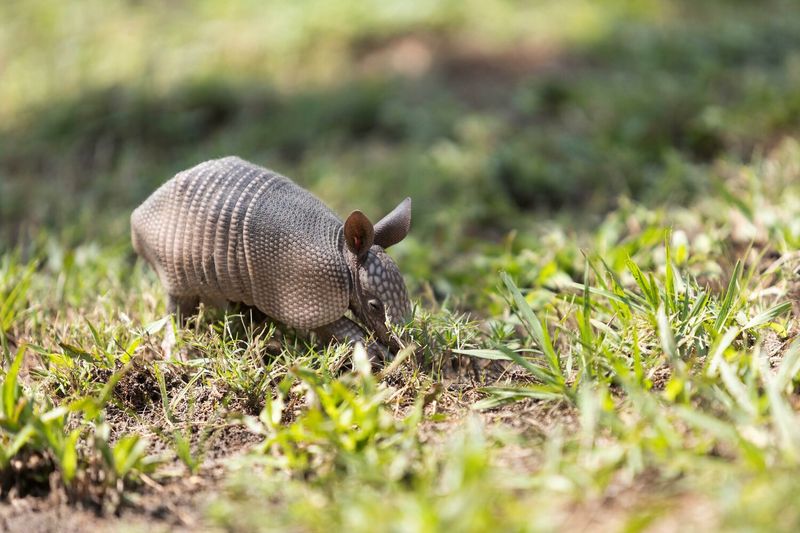
Fresh cone-shaped holes in a soft lawn can make a homeowner think the yard was vandalized overnight. Often, the culprit is a nine-banded armadillo taking advantage of rain-softened Florida soil.
Armadillos root for grubs, beetles, worms, and other invertebrates. After a storm, sandy soil loosens, mulch shifts, and insects move closer to the surface, which makes digging easier.
Unlike a raccoon, an armadillo usually is not after your garbage. It is following its nose through the lawn and beds.
Start by removing storm debris that creates dark, quiet travel lanes along fences and foundation beds. Repair low spots under gates, and use temporary fencing around freshly repaired beds or new sod.
Reducing heavy grub problems can also make a lawn less attractive, though treatment should match the actual pest and follow label directions.
Do not try to grab or corner an armadillo. They can jump suddenly when startled, and wild animals may carry health risks.
In many yards, damage fades once the soil dries and cleanup piles disappear. If digging becomes constant, a local wildlife professional can help with legal, humane options.
9. Alligators
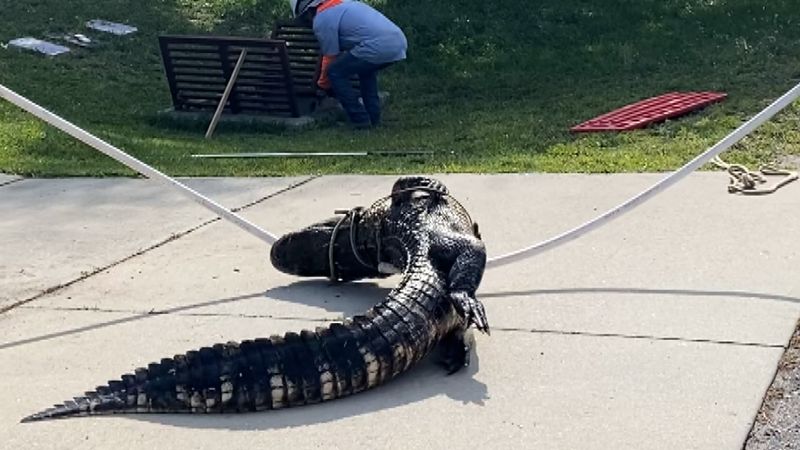
Floodwater can erase the usual boundaries between ponds, ditches, canals, and yards. In parts of Florida, that means an alligator may turn up somewhere that looked like ordinary lawn a day earlier.
Alligators move through connected water, especially after heavy rain raises levels. A roadside ditch, retention pond, flooded swale, or backyard canal can become a temporary travel route.
What makes alligators different from most cleanup visitors is the safety distance they require. Curiosity, photos, or feeding can create a dangerous situation.
Keep children and pets away from floodwater and pond edges, even if the water looks shallow. Never feed an alligator, and do not toss fish scraps near shorelines.
If one appears in a pool, garage, driveway, or yard where it cannot safely move on, contact the Florida Fish and Wildlife Conservation Commission nuisance alligator program or local authorities.
Garden cleanup near water should wait until visibility is good and conditions are stable. Wear sturdy shoes, scan banks before approaching, and avoid working at the edge at dawn or dusk.
Respecting alligator space is not fearfulness. It is part of living wisely in Florida habitat.
10. Rodents
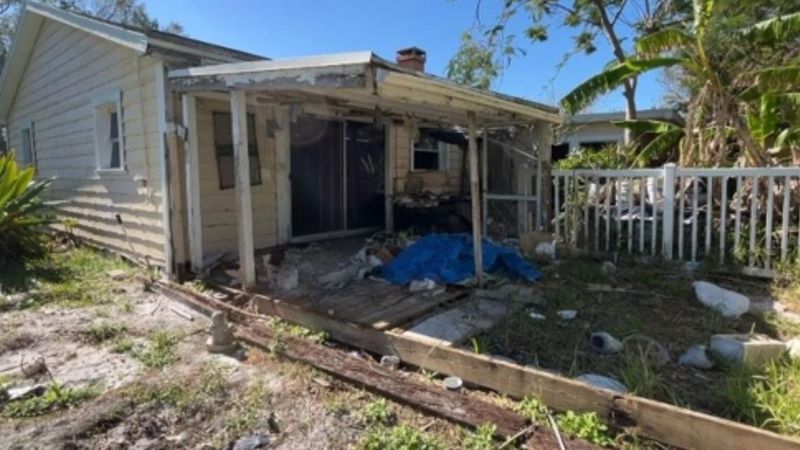
When the shed gets soaked and the fence line fills with branches, rats and mice start looking for drier, safer places. Storm cleanup can reveal them, but it can also accidentally invite them closer if debris stays piled against the house.
Roof rats are common in many Florida communities, especially where palms, fruit trees, dense vines, and older structures provide cover. They may move from flooded burrows, damaged vegetation, or disturbed nests into garages, attics, outdoor kitchens, or storage rooms.
Their difference from many other storm visitors is that they can settle in quickly if food and entry points line up.
Pick up fallen fruit, bag food waste securely, and move seed, fertilizer, and pet food into sealed containers. Keep limbs and stacked materials away from walls, and trim branches that touch the roof when it is safe to do so.
Check for gaps around pipes, vents, garage door seals, and soffits.
A snap trap plan may help indoors, but outdoor poison can create risks for pets and wildlife that eat poisoned rodents. If signs continue, droppings, gnaw marks, greasy rub marks, or attic sounds, call a pest professional.
The fastest win is denying rodents the easy triangle of shelter, food, and access.