
Mosquitoes can make a Florida yard feel unusable right when you want to be outside. Dragonflies help because they eat mosquitoes and other small flying insects, especially around water.
The trick is to build a yard that gives dragonflies places to perch, hunt, and lay eggs. These seven plants can help turn a patio, pond edge, or damp corner into a more dragonfly-friendly spot.
1. Pickerelweed
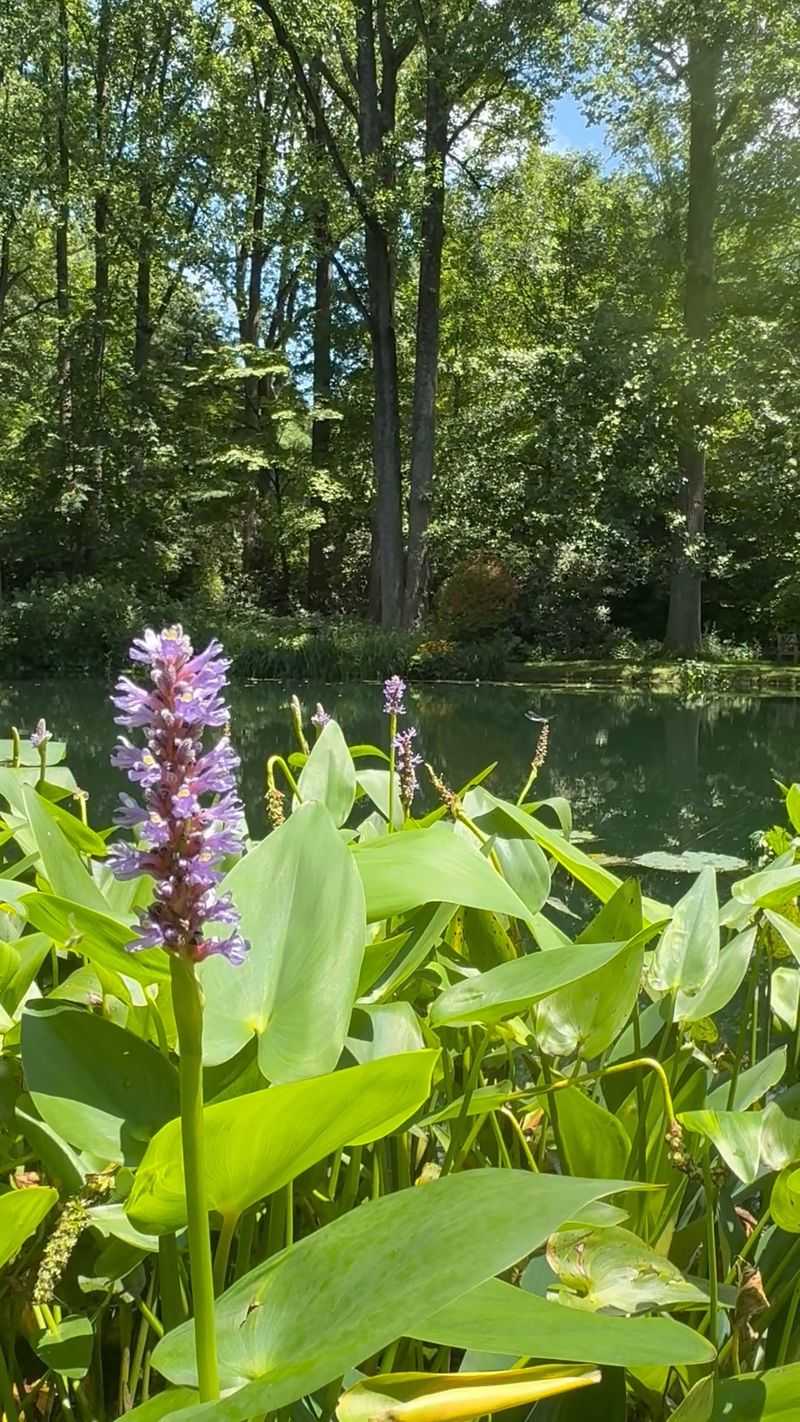
A purple spike rising from a pond edge is more than a pretty detail. Pickerelweed gives dragonflies exactly the kind of waterside structure they use for resting, scanning, and hunting.
This Florida native grows well in shallow water or consistently wet soil, which makes it useful around small wildlife ponds, rain gardens, ditches, and low spots that stay damp after summer storms. Its upright stems offer landing pads above the water, while the plant’s roots help soften pond edges and give aquatic life more cover.
For mosquito control, the real win is habitat support rather than a magic repellent effect. Dragonflies spend part of their lives as aquatic nymphs, so a yard with clean, plant-filled water is far more useful than a bare birdbath or neglected bucket.
Plant pickerelweed where it can sit in a few inches of water, and avoid using mosquito dunks or sprays carelessly if you are trying to support dragonflies and other beneficial insects. In a sunny Florida yard, it brings color, structure, and wildlife value in one tidy package.
2. Duck Potato
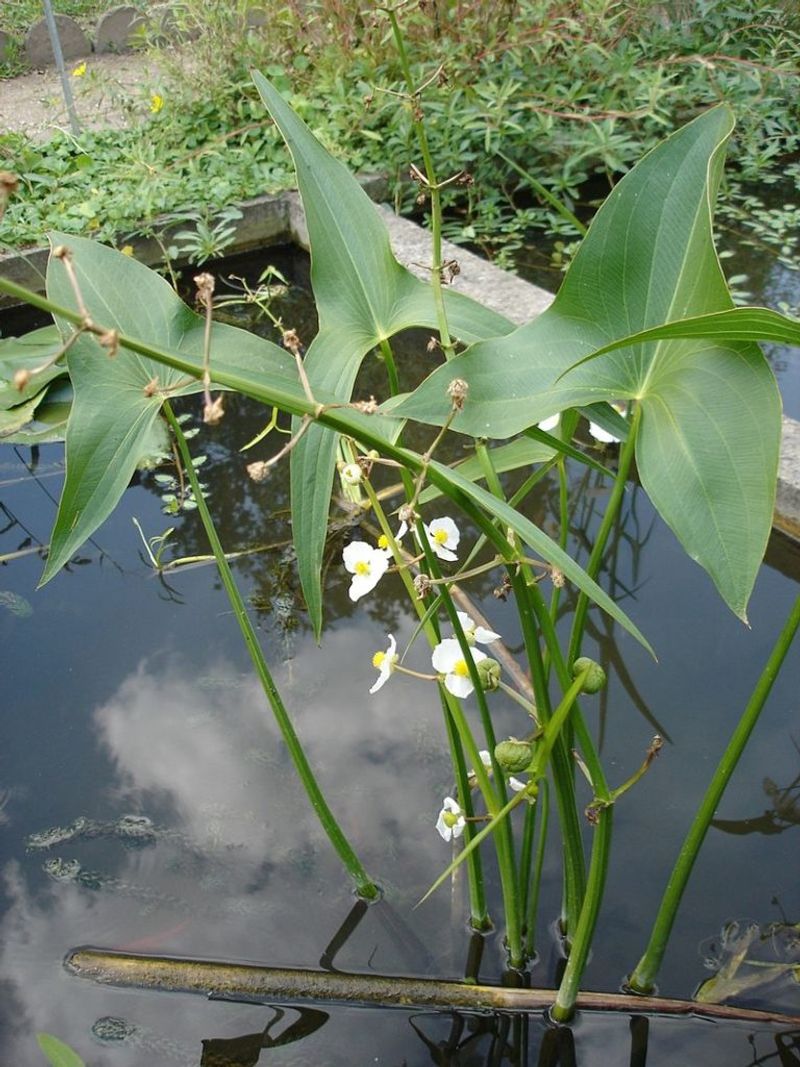
In a soggy corner that frustrates mowing, duck potato can feel like a problem solver wearing a wildflower disguise. Its arrow-shaped leaves stand above shallow water, giving dragonflies strong vertical perches where they can pause between feeding flights.
Also called wapato, this native aquatic plant fits best in pond margins, swales, rain gardens, and wetland-style beds. It can handle the kind of saturated soil that many common landscape plants hate, which is a big advantage in Florida yards that flood briefly during heavy rain.
Dragonflies are drawn to yards that offer hunting lanes and safe water habitat. Duck potato helps by adding cover and texture along the waterline, where dragonfly nymphs and other aquatic creatures can live among stems instead of being exposed in open water.
Give it full sun to part sun and room to spread. In a neat suburban yard, it works best where you can define the planting area with stones, a pond liner edge, or a low border so it looks intentional instead of weedy.
3. Swamp Milkweed
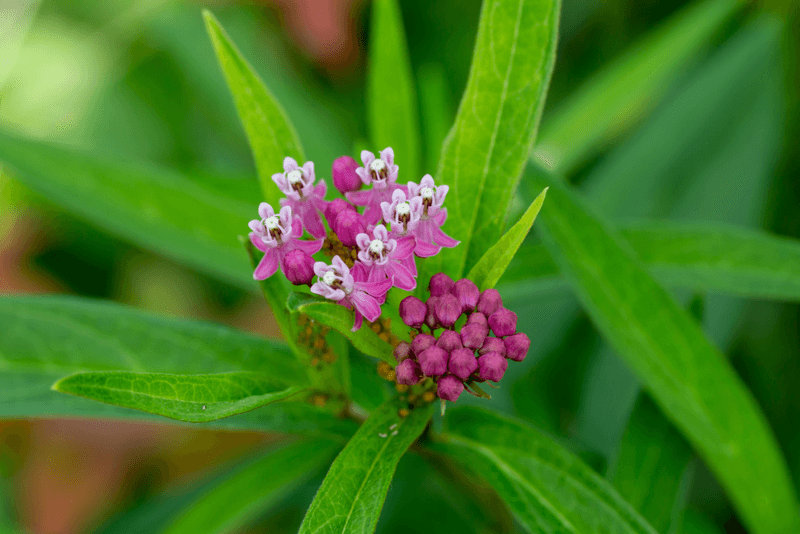
Pink blooms in a damp garden bed can pull double duty, feeding pollinators while adding the kind of life and movement that makes a yard feel awake. Swamp milkweed is best known for supporting monarch butterflies, but it also belongs in dragonfly-friendly planting plans.
Unlike tropical milkweed, which Florida gardeners are often advised to manage carefully because of monarch disease concerns, swamp milkweed is a native choice for moist sites. It likes rain gardens, pond edges, and low beds that do not dry out too quickly.
Dragonflies do not use milkweed as a host plant the way monarchs do, but the plant still helps the bigger backyard system. Its flowers bring small insects, its stems create perching spots, and its preference for moist ground makes it a good companion near the water features where dragonflies breed.
In Florida’s sandy soil, swamp milkweed usually needs more moisture than a dry mailbox bed can provide. Place it where roof runoff, a rain chain, or a shallow depression keeps the soil evenly damp, then let the flowers bring color while the dragonflies patrol overhead.
4. Blue Flag Iris
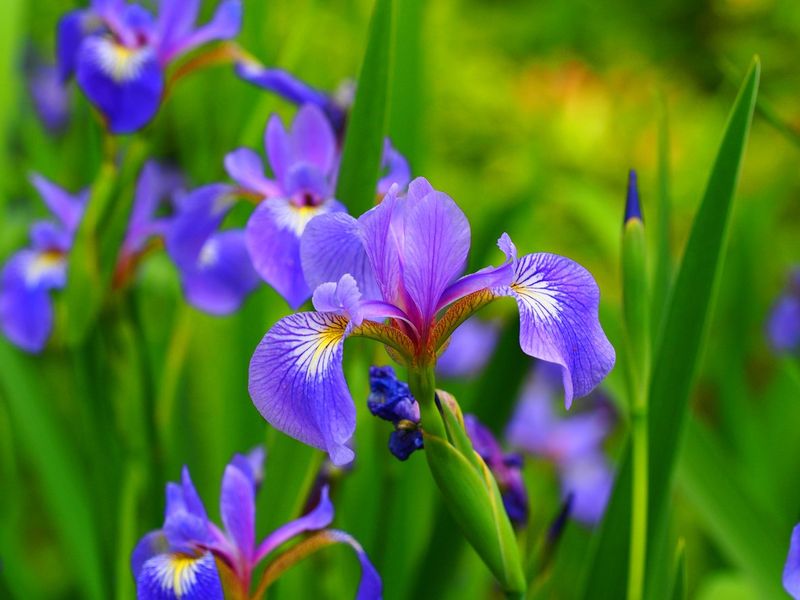
There is something almost architectural about blue flag iris. The sword-like leaves rise cleanly from wet ground, giving dragonflies slim lookout posts without making the garden look messy.
Native blue flag irises are a smart choice for Florida gardeners who want a more polished pond edge or rain garden. They bring spring color, handle damp soil, and look attractive even when they are not blooming because the foliage adds strong vertical lines.
For dragonflies, the value is partly about height and placement. Adults often rest on upright leaves and stems while watching for mosquitoes, gnats, and other small flying insects, especially near sunny water.
Use blue flag iris along pond shelves, wet swales, or low borders that collect runoff after storms. If your soil is extremely sandy and dry, it will not be happy without extra moisture, so save it for places where water naturally lingers.
A small clump can look refined near a patio water garden, while a larger planting can make a drainage area feel designed. That makes it one of the easiest wet-site plants to blend into a cared-for Florida landscape.
5. Soft Rush
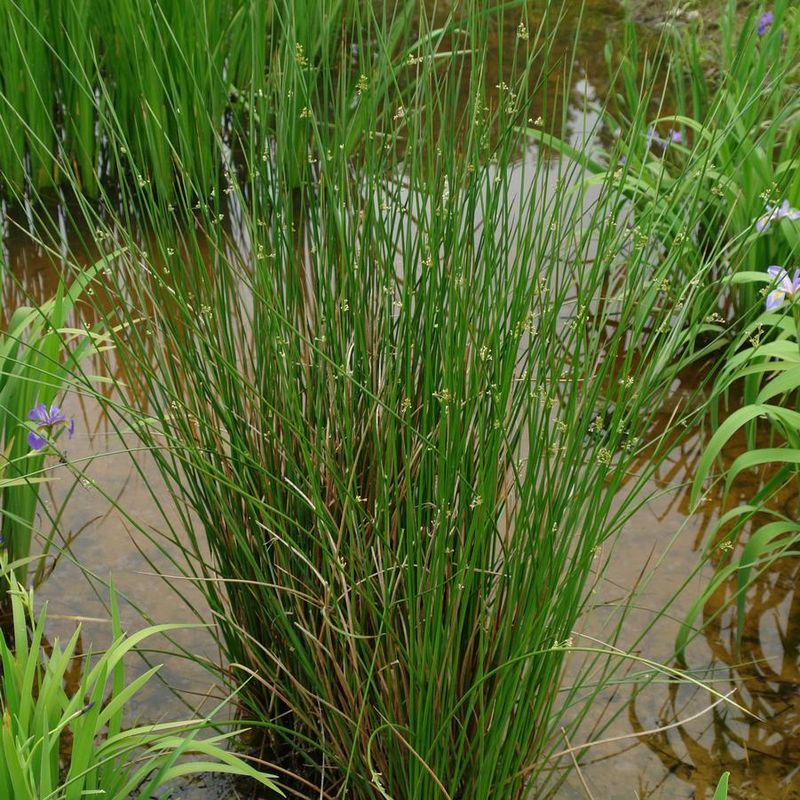
Soft rush may not shout for attention, but dragonflies seem to appreciate a good stakeout spot. Its narrow, upright stems work like natural antennae around ponds, rain gardens, and wet ditches.
This native rush is useful where homeowners want structure without large flowers. It tolerates wet feet, periodic flooding, and the messy middle ground between land and water, which is exactly where many Florida yards struggle after heavy rain.
Because soft rush grows in clumps, it can help stabilize edges and make a water feature feel less bare. Dragonflies use the stems for perching, and the dense base adds cover for tiny aquatic and semi-aquatic creatures that support a healthier backyard food web.
Try it in groups rather than as a single lonely plant. A cluster of three to seven plants near a pond, rain garden, or low corner creates a more useful habitat patch and looks better from a distance.
Maintenance is simple. Cut back old stems when they brown, keep aggressive weeds from crowding the clump, and let this quiet plant do the background work that makes dragonfly habitat stronger.
6. Lizard’s Tail
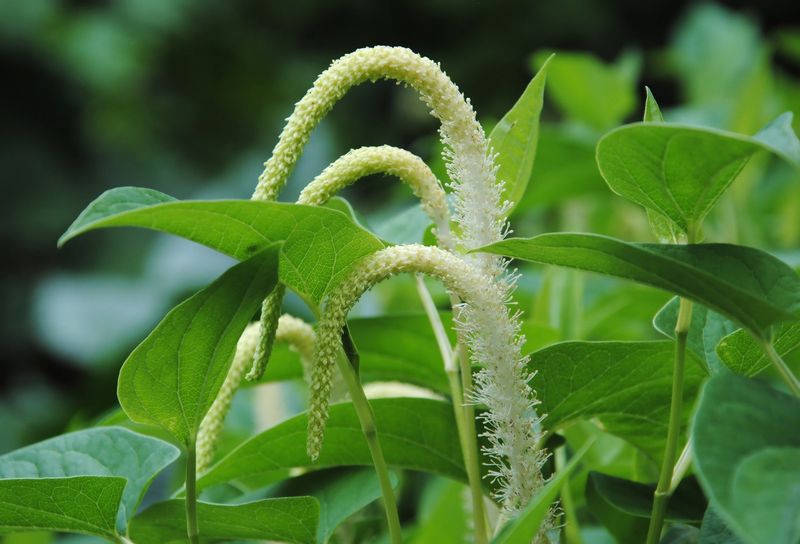
A shady wet spot under palms or oaks does not have to stay bare. Lizard’s tail brings heart-shaped leaves and curved white flower spikes to places where many sunny pond plants would sulk.
This Florida native is especially handy for the softer, quieter side of a water garden. It grows in moist to wet soil and can handle partial shade, making it useful near tree-lined ponds, drainage areas, and backyard wetland patches.
Dragonflies usually hunt in sunny openings, but they also use nearby vegetation for resting and shelter. Lizard’s tail adds cover at the water’s edge, helping create a layered habitat instead of a harsh line between lawn and pond.
Its unusual flowers are a bonus. The name comes from the tail-like bloom spike, which gives the plant a little personality without needing constant care.
In a Florida yard, give it room where the soil stays damp and leaf litter can naturally enrich the area. It is not the plant for a dry, baking-hot strip by the driveway, but in a moist, partly shaded corner, it can make a dragonfly-friendly zone feel lush and established.
7. Buttonbush
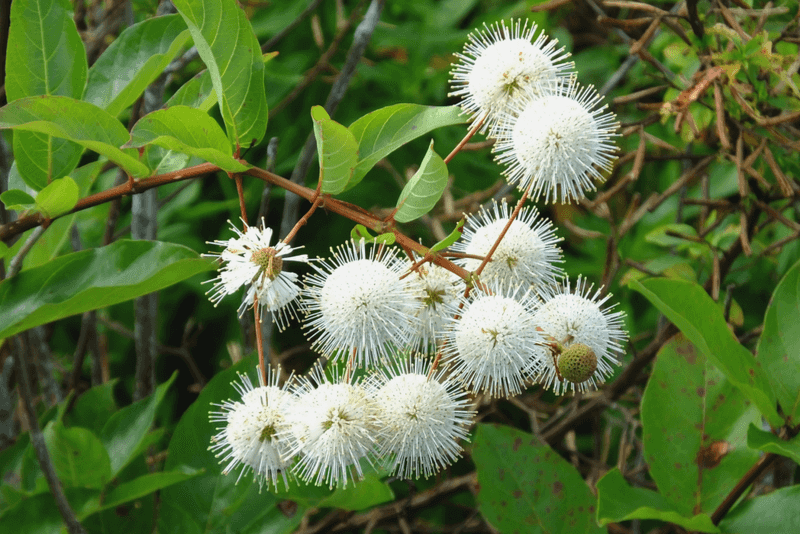
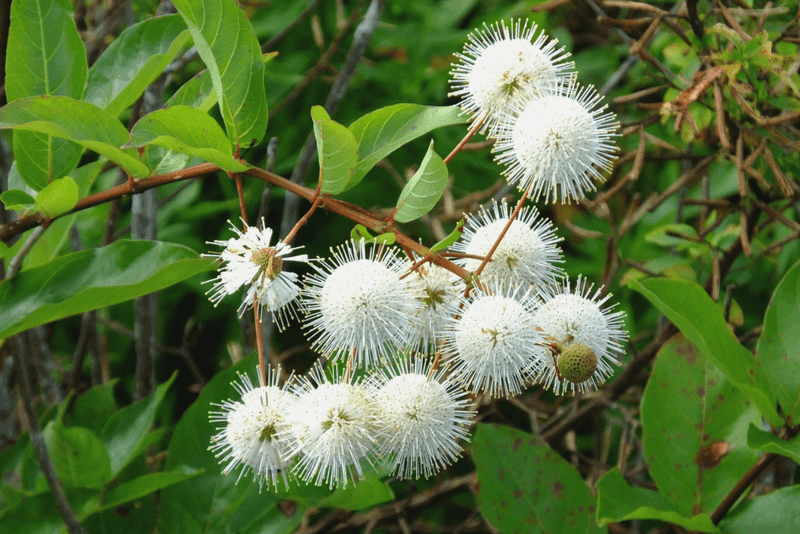
Round white blooms that look like tiny pincushions make buttonbush easy to remember. For a dragonfly-friendly yard, its bigger gift is height, because it gives flying insects a shrub-level perch near damp ground or water.
Buttonbush is a native shrub that thrives in moist soil and can handle periodic flooding. That makes it a strong fit for pond edges, retention-area borders, rain gardens, and the low back corner of a Florida yard where turf grass keeps failing.
Dragonflies often patrol open sunny areas, then land on nearby twigs or stems to rest and watch for prey. Buttonbush provides that raised lookout while also feeding pollinators with nectar-rich flowers.
Because it can become a sizable shrub, place it where it will not block a walkway or crowd a small patio. Pruning can keep it tidier, but it looks most natural when allowed to form a rounded, wildlife-friendly shape.
Homeowners who want fewer mosquitoes should still remove standing water from buckets, saucers, and clogged gutters. Pair that basic cleanup with a planted pond edge or rain garden, and buttonbush becomes part of a more balanced yard where dragonflies have a reason to stay.