
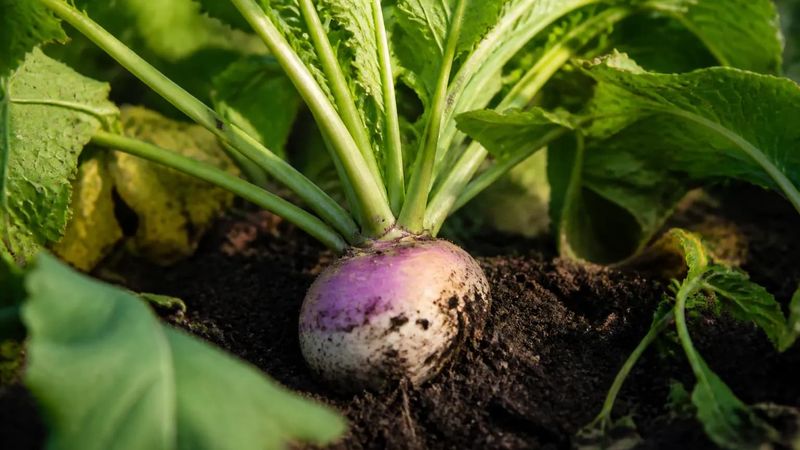
Late September is not the obvious time to start seeds, but one cool-season vegetable still has a real shot at producing usable food before winter in parts of North Carolina. Turnips, grown for their leafy tops or small roots, are built for exactly this kind of weather.
The catch is that the opportunity is narrower than it sounds, and where you live in the state matters more than anything else.
Turnips Offer a Narrow Late-Season Opportunity
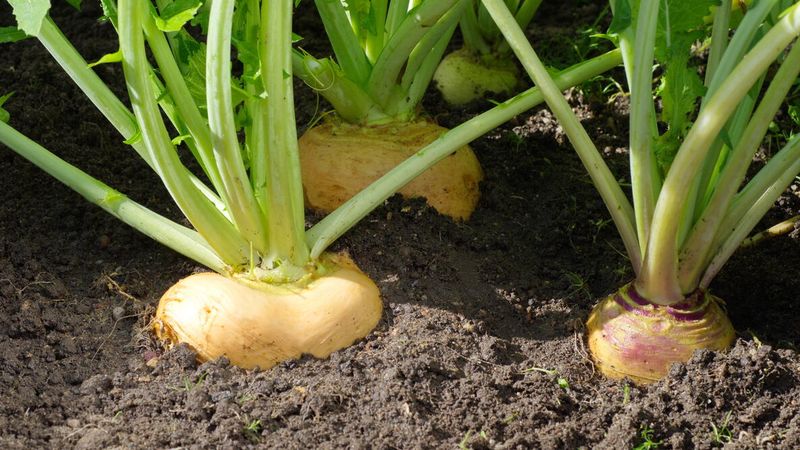
Cool-season crops have a built-in advantage in late September: they actually want the weather that is coming. Turnips fit that description well.
They germinate quickly in warm late-summer soil, push leafy growth as temperatures moderate, and tolerate the kind of light cold that would end a tomato plant’s season outright. That cold-tolerance is why turnips show up on NC State’s list of cold-hardy vegetables that can grow through chilly fall conditions and, in some locations, persist into winter.
The opportunity is real, but it is narrower than a headline like “sow now for a fall harvest” implies. Turnip greens can be ready to pick in as little as four to six weeks from germination, making them a genuinely achievable target from a late-September sowing.
Roots are a different story: they typically need roughly 60 to 80 days to reach a usable size, and that development slows as temperatures drop through October and November.
Choosing a variety matters from the start. Some turnips are bred primarily for leafy tops, others for dual-purpose use, and a few are root-focused.
If the goal is to get something edible before cold shuts the garden down, a greens-type or early-maturing variety gives the best odds. A root-focused variety planted on September 28 is a longer shot, particularly outside the eastern part of the state.
Turnips are seasonally suited to this planting window in a way that warm-season crops simply are not. That does not mean they will thrive everywhere in North Carolina right now or that every gardener will walk away with a satisfying harvest.
Region, local frost timing, cultivar choice, and how the planting is managed all shape the result. The sections that follow work through each of those factors so readers can decide whether sowing now is worth the effort in their specific location.
Your North Carolina Region Determines the Odds
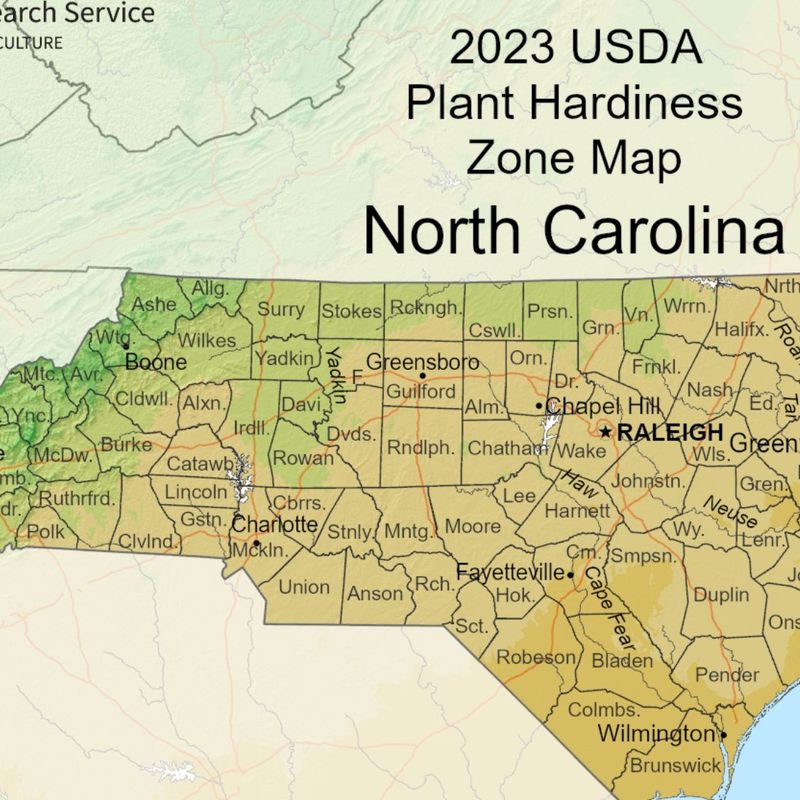
North Carolina spans a wide range of climates, and a planting date that works on the coast can be genuinely too late in the mountains. Any honest answer about sowing turnips on September 28 has to start with where you are gardening.
The Coastal Plain, which includes cities like Wilmington and the broad eastern flatlands, holds the best odds for a late-September turnip sowing. National Weather Service freeze data for Wilmington puts the average first fall freeze around November 18, which gives a September 28 sowing roughly seven weeks before a typical hard freeze arrives.
That window is tight for roots but workable for greens, especially with an early-maturing cultivar. Local microclimates and year-to-year variation mean the actual freeze date can shift by two weeks or more in either direction, so even eastern gardeners should check their specific location rather than assume the regional average applies to their yard.
Piedmont gardeners face a harder calculation. NC State extension guidance identifies mid-September as the rough Piedmont cutoff for dependable unprotected quick-crop planting, which means September 28 is already past that window.
A greens harvest is still possible, but it should be treated as a late experiment rather than a reliable outcome. Row cover or frost cloth can extend the practical window and improve the odds, but they do not transform a marginal planting date into a sure thing.
Mountain gardeners in the western part of the state generally face the earliest freezes and the shortest fall windows. Many mountain locations see first frosts in October, which leaves very little time for even a greens crop from seed.
Gardeners in higher elevations should compare their local first-frost date with the variety’s days-to-maturity before committing to a sowing. The NC State Climate Office Freeze Date Explorer is a practical tool for pulling up location-specific freeze timing rather than relying on regional averages.
Every region benefits from the same basic check: count forward from the sowing date using the seed packet’s days-to-maturity, then compare that date with your expected first hard freeze. If the numbers leave a reasonable buffer, the planting is worth trying.
If they do not, protection becomes essential, or the sowing should be skipped.
Plan for Greens Before You Count on Roots
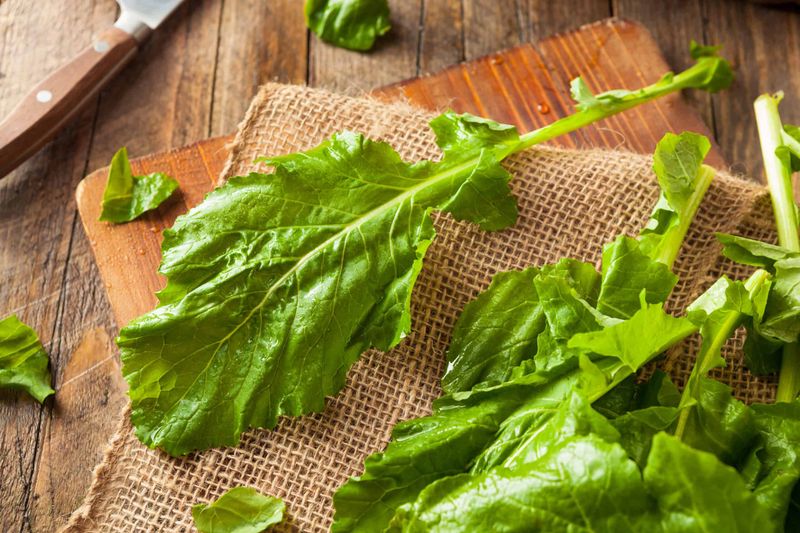
Getting the harvest goal straight before seeds go in the ground saves a lot of frustration. A September 28 sowing is most likely to produce a usable crop of young greens, and gardeners who plan around that outcome will be more satisfied than those who expect a bin full of mature roots.
NC State recommends harvesting turnip tops when leaves reach about 3 to 5 inches long, which can happen within a few weeks of germination under decent growing conditions. Roots, by contrast, are ready when they reach roughly 2 to 3 inches in diameter, and that development takes considerably longer.
Pulling roots before heavy fall frosts arrive is the standard advice, which means the window for root production is constrained by both maturity time and weather.
The roughly 60-to-80-day timeline for turnip roots, cited by Utah State University Extension, is an estimate under reasonable growing conditions. In practice, cooler October and November temperatures slow cell division and root expansion, which means a late-sown crop may need more calendar time than the packet suggests.
Gardeners in the Coastal Plain with a late first-frost date and an early-maturing cultivar have the best realistic shot at small roots. Piedmont and mountain gardeners should treat roots as a bonus rather than a baseline expectation.
Variety selection ties directly to harvest goals. Greens-focused cultivars like Seven Top produce abundant leafy tops but minimal roots, making them a natural fit for a late sowing aimed at quick production.
Dual-purpose varieties like Purple Top White Globe can supply both greens and roots, but they need more time. If the seed packet shows a days-to-maturity figure below 50 days, that variety is a better candidate for a late-September planting than one rated at 65 or 70 days.
Reading the packet before buying is the single most useful step a gardener can take when making a late-season decision.
Give Seeds a Moist, Loose Start
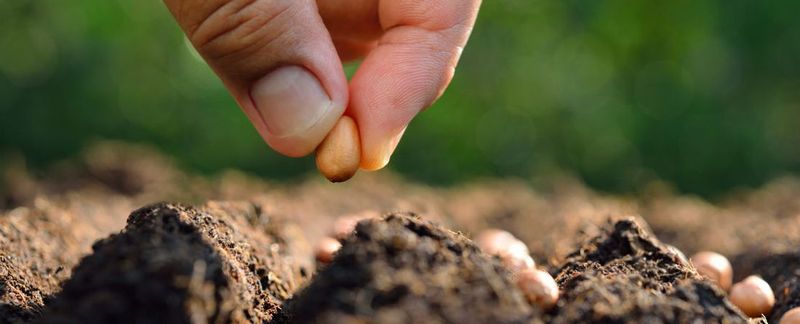
A late sowing has no margin for a slow start, so bed preparation and watering habits matter more than they would in August. Turnips germinate best in loose, well-drained soil that warms quickly and holds moisture without becoming waterlogged.
Heavy clay that crusts after rain can block emergence and produce misshapen roots even when the seeds themselves are fine.
Work the bed to a depth of at least six to eight inches and break up any clods before sowing. Utah State University Extension recommends sowing seeds about one-quarter inch deep and spacing rows roughly 12 to 18 inches apart.
Those figures apply well to North Carolina conditions, though the row spacing can be tightened if the gardener is working a narrow raised bed. Sow seeds a bit thickly along the row and plan to thin once seedlings are established, rather than trying to place individual seeds precisely.
Thinning decisions should follow the harvest goal. Plants grown primarily for greens can stay closer together, around 2 to 3 inches apart, because competition matters less when the crop is leaves rather than swelling roots.
Plants intended to form roots need more room, roughly 3 to 4 inches between them, so each plant has space to develop a usable bulb. Crowded root crops tend to stay small or grow misshapen, which is a particular problem when growing time is already short.
Consistent moisture is the most important management task during germination and the first two weeks of growth. University of Georgia Extension’s fall vegetable guidance underscores that uneven moisture during establishment leads to poor emergence, bitterness, cracking, and woody roots.
Late September in North Carolina can still bring dry spells between rain events, so plan to water the seedbed every day or two if natural rainfall is not keeping it consistently damp. Once plants are two to three inches tall and roots are anchored, they become more tolerant of brief dry periods, but the first two weeks are critical for a late crop trying to establish before the weather turns.
Use Protection to Extend the Window
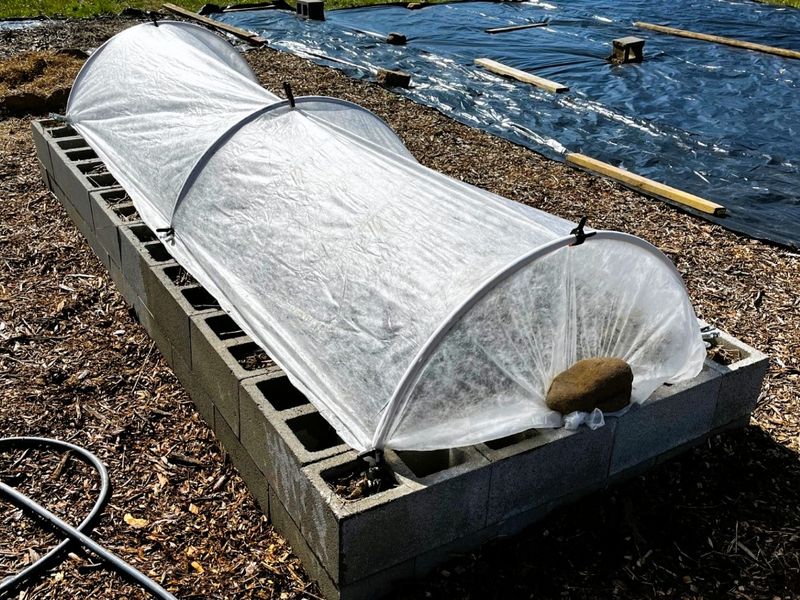
Row cover changes the math for a late sowing. A single layer of lightweight frost cloth can raise the temperature under the fabric by four to six degrees on a still night, which may be enough to keep young turnip seedlings growing through a light freeze that would otherwise set them back.
For Piedmont gardeners who are already past the ordinary recommended window, frost cloth is less of an optional upgrade and more of a basic requirement if the planting has any chance of producing edible greens.
NC State’s home vegetable gardening reference specifically recommends frost cloth, cold frames, and similar season-extension tools for fall and winter crops. These tools work best when they go on before a freeze rather than after the damage is done, so monitoring the local forecast is a habit worth building from the day the seeds go in.
A cold frame or low hoop tunnel with heavier fabric provides more protection than a single layer of row cover and can keep small plants growing through temperatures that would otherwise stall development.
Protection extends the window but does not change the underlying biology. Turnips under row cover still grow more slowly in October than they did in September, because shorter days and cooler soil temperatures reduce the pace of development.
The seed packet’s maturity estimate is a useful planning tool, but treat it as a reasonable estimate rather than a fixed schedule. A variety rated at 45 days may take 55 or 60 days when established late in the season under cool conditions.
Cold-tolerant does not mean cold-proof. Young turnip seedlings with minimal root development are more vulnerable to hard freezes than established plants, and prolonged exposure to temperatures well below freezing, especially with wind, can damage or kill even a cold-hardy crop.
The practical approach is to use protection proactively, keep the seedbed moist, and use the NC State Freeze Date Explorer to understand when the first hard freeze is likely so protection is ready before it arrives.
Harvest Young Leaves Before Cold Stalls Growth
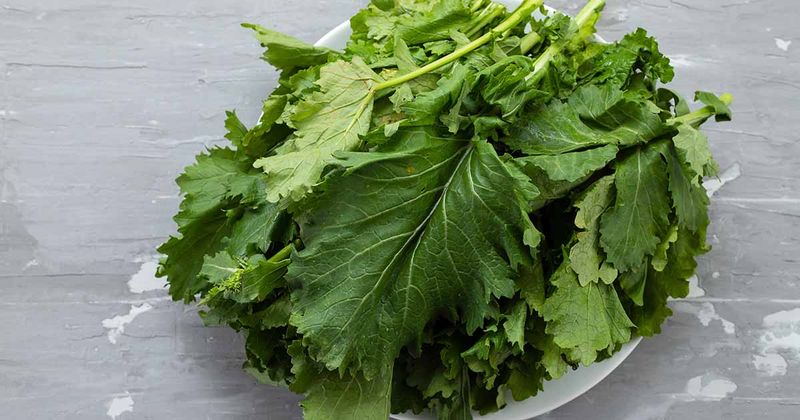
Young greens are the most dependable payoff from a late-September turnip sowing, and picking them at the right moment keeps the plant productive longer. Once leaves reach 3 to 5 inches, they are ready to harvest.
Cutting outer leaves and leaving the center growth intact encourages the plant to keep producing, which can extend the harvest over several weeks if temperatures cooperate.
Gardeners who also want roots should hold off on heavy leaf harvesting from plants that are forming bulbs. Removing too much foliage slows root development because the leaves drive photosynthesis.
A practical approach is to designate some plants as greens producers and let others grow with minimal leaf cutting, then pull the root plants when the bulbs reach roughly 2 to 3 inches in diameter, as NC State guidance recommends. Do not leave mature roots in the ground through repeated hard freezes, because severe or prolonged freezing can damage texture and quality even in a cold-tolerant crop.
Cool fall temperatures can improve the flavor of turnip roots. Utah State University Extension notes that low temperatures may enhance root sweetness, while heat, drought, or water stress tends to produce bitterness or off flavors.
That said, cultivar, maturity stage, and the severity of cold exposure all affect the final taste. A light frost on a nearly mature root is different from a hard freeze on an immature one, and the outcome varies accordingly.
Pest pressure eases in fall but does not disappear entirely. Flea beetles are a common early-season problem for brassicas, leaving small round holes in leaves.
Aphids can cluster on the undersides of leaves as temperatures moderate, and imported cabbage worm caterpillars may still be active in October. The NC State Southeastern U.S.
Vegetable Crop Handbook advises frequent scouting and notes that low caterpillar levels may be tolerable early in the season, with softer options like Bacillus thuringiensis (Bt) appropriate when treatment is needed. Any pesticide applied to edible crops should be used strictly according to the product label, including preharvest interval requirements and crop registration for North Carolina.
Treat This as a Regional Greens Experiment
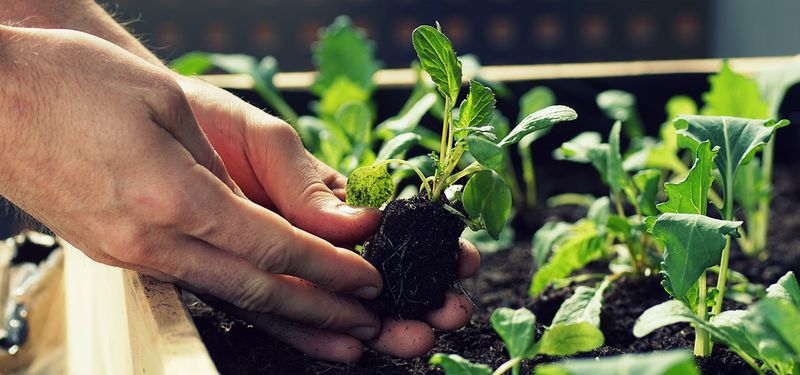
The honest bottom line looks different depending on where in North Carolina you garden. Coastal Plain gardeners have the best odds of getting something useful from a September 28 sowing.
Check your local first-frost date using the NC State Freeze Date Explorer, choose an early-maturing variety, keep the seedbed moist, and plan around a greens harvest first. Small roots are possible in favorable eastern locations, but they are a bonus rather than a certainty.
Piedmont gardeners should go in with realistic expectations. September 28 is past the ordinary recommended window for dependable unprotected sowing, so row cover is not optional here.
Treat the planting as a late greens experiment and celebrate any roots that form rather than counting on them. NC State’s vegetable gardening guidance supports season extension tools as a way to push the window, but they shift the odds rather than guarantee results.
Mountain gardeners should run the numbers before putting seeds in the ground. Compare your local frost date with the variety’s days-to-maturity and decide whether the math works.
If it does not, skipping an unprotected sowing is the sensible call. The real payoff across all three regions is the same: fresh late-season greens from a crop that fits the weather, grown at a time of year when most of the garden has already shut down.