
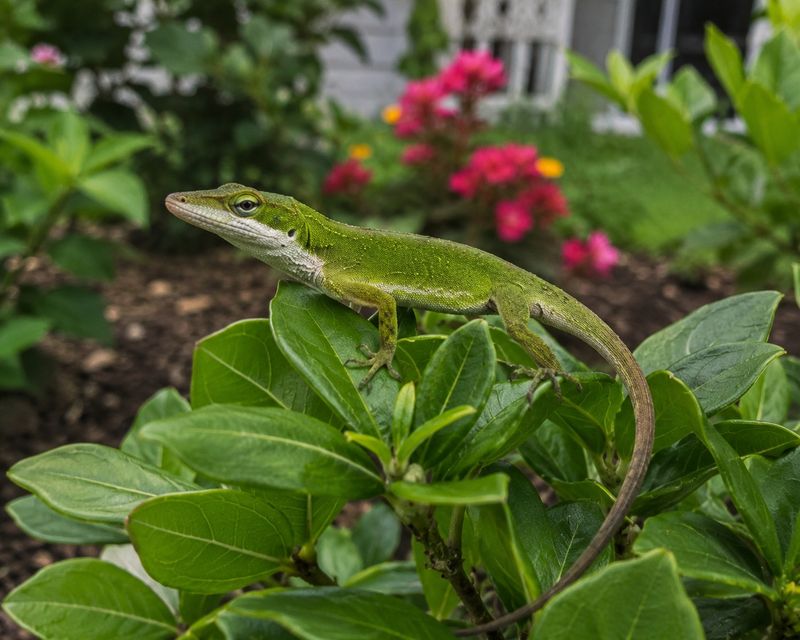
You step onto the porch and spot a small lizard on the railing, then another on the fence. Summer in North Carolina can make green anoles feel like they are everywhere.
Before you decide what that means, it helps to know how these lizards live and why they are easier to notice in warm months. Here is what the sightings can and cannot tell you.
More sightings do not prove a yard changed
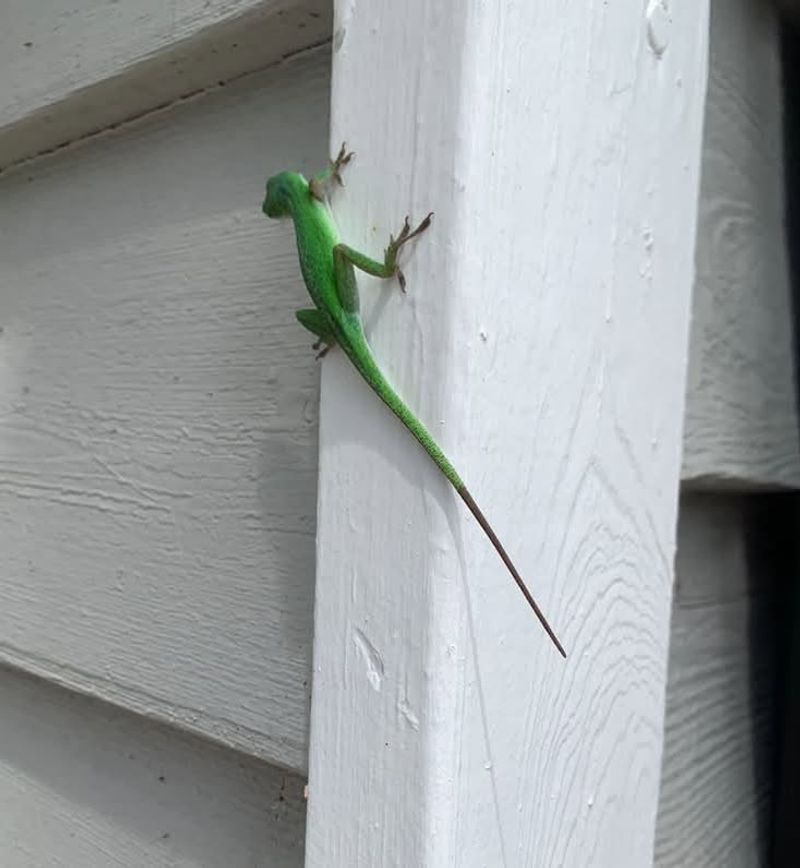
Seeing several green anoles in one week feels like news. It is easy to read it as a sign that your yard is thriving or that the bugs are on the run.
Sightings alone cannot tell you either of those things.
What a cluster of sightings can suggest is simple: anoles are active near you and you are noticing them. North Carolina’s reptile account for the green anole describes seasonal breeding and showy male behavior, both of which can change how many lizards catch your eye.
Nobody has counted the lizards in your yard, so there is no way to say the population grew.
Think of it like birdwatching. A day with many cardinals at the feeder does not prove there are more cardinals in the county.
It may only mean they were out and in view.
The rest of this article separates what sightings can suggest from what they cannot prove. It also covers practical steps for habitat, pests, and safe viewing.
Why anoles may be easier to spot in summer
Timing matters with these lizards. Green anoles breed mainly from spring through late summer, and NC Wildlife Commission information on the species notes that eggs hatch after about five to seven weeks.
That means tiny young anoles can start turning up as the season rolls on.
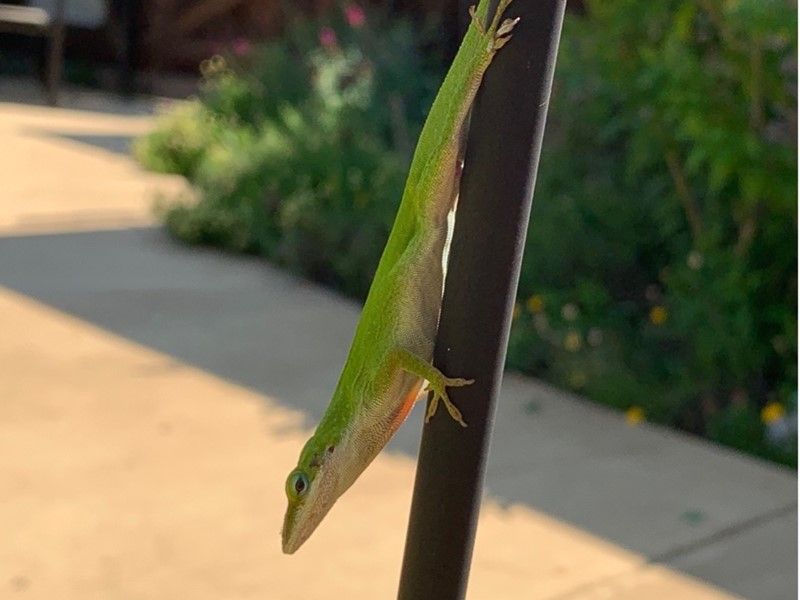
Males add to the effect. During the breeding season they defend territory with displays, bobbing their heads and flaring a pink throat fan.
A lizard doing push-ups on a fence post is hard to miss.
Females and juveniles are a different story. They are smaller, quieter, and better at staying out of sight, so you may walk past many without knowing it.
The state reptile species account supports this picture of seasonal and behavioral differences.
All of this can make anoles seem to appear out of nowhere. Still, these patterns are general.
They do not explain why your yard seems busier this summer than last, and no source can answer that for a single property.
A native lizard found across North Carolina
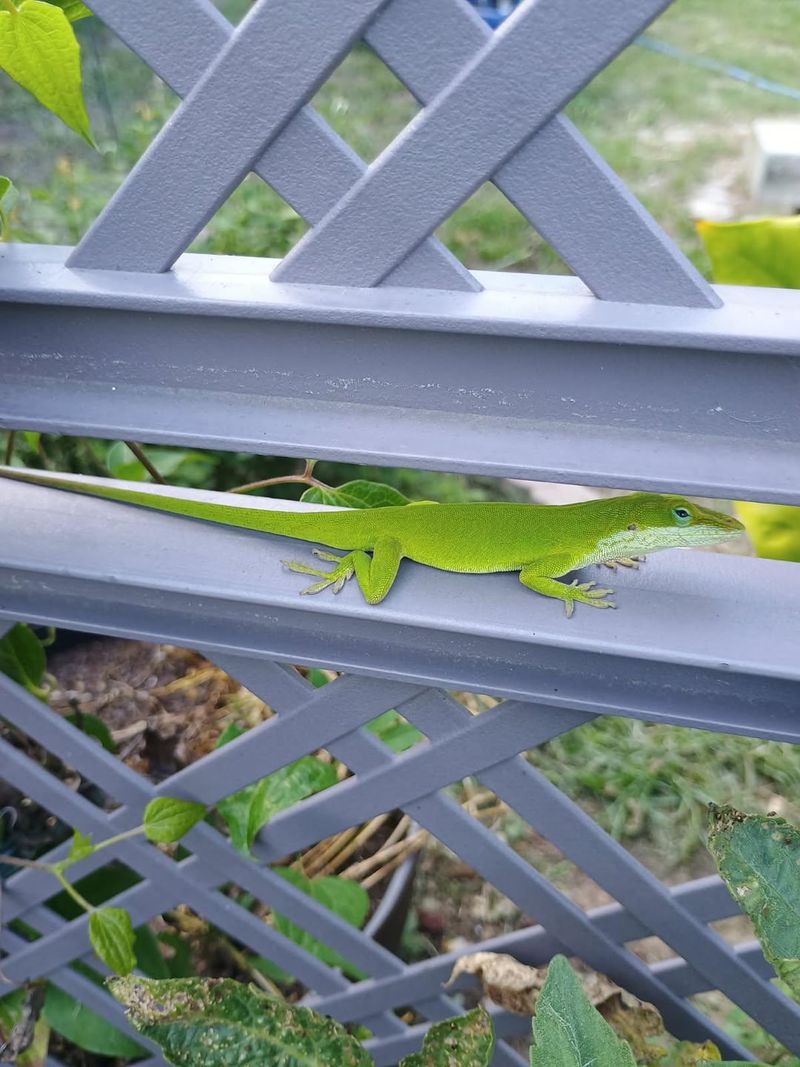
Green anoles belong here. They are native to North Carolina, and the state’s reptile account records them from the low mountains all the way to the barrier islands.
That wide range does not mean they are equally common everywhere. NC Wildlife describes them as especially prevalent in urban and suburban settings in the Coastal Plain and southern Piedmont.
If you garden near the coast or in the southern Piedmont, seeing anoles around houses and fences fits that description. If you live higher up in the mountains, they may be less frequent, and a sighting there could feel like a rare treat.
Anoles eat small prey, but sightings do not measure pest control
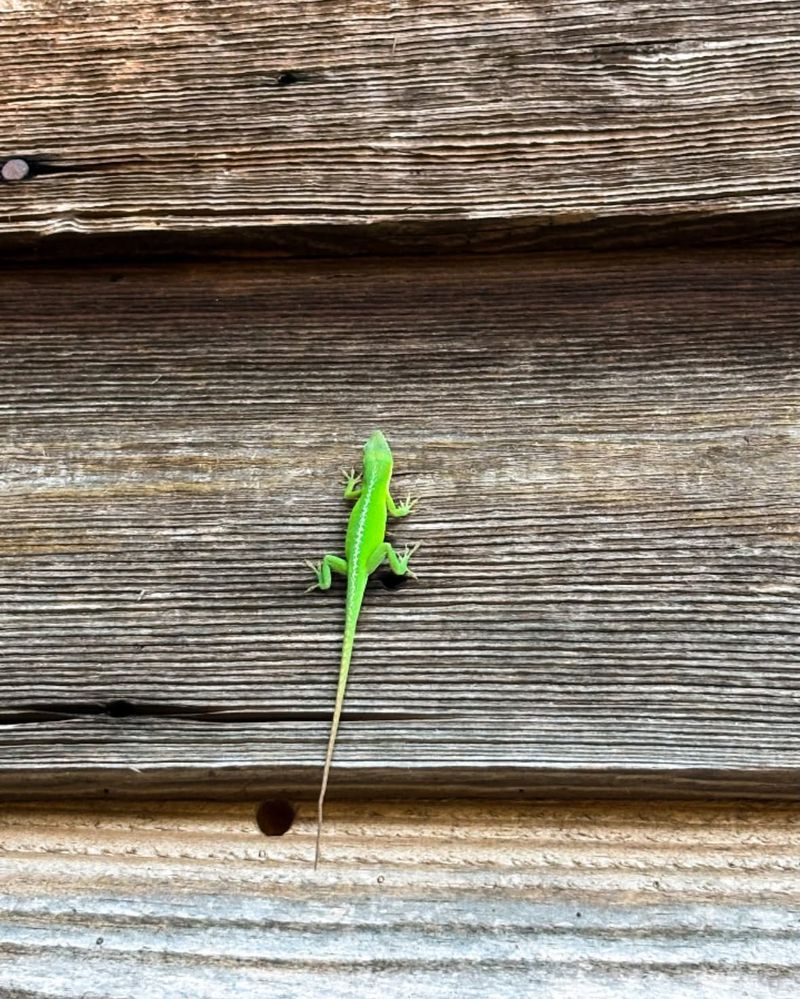
Green anoles are small hunters. According to NC Wildlife, they eat small arthropods such as flies, beetles, moths, ants, and other insects.
So an anole on your fence tells you there is likely some prey nearby and a perch to hunt from. It does not tell you that pest numbers have dropped.
Your household pests could be the same, higher, or lower, and the lizard cannot show which.
You may come across a study of Anolis lizards eating coffee berry borers. That peer-reviewed research looked at a specific coffee pest in tropical farming systems.
It does not show that green anoles reduce mosquitoes, ticks, or garden pests in North Carolina yards.
Enjoy anoles as part of the local food web. Just do not count on them to handle a pest problem for you.
Create useful habitat without expecting a guarantee
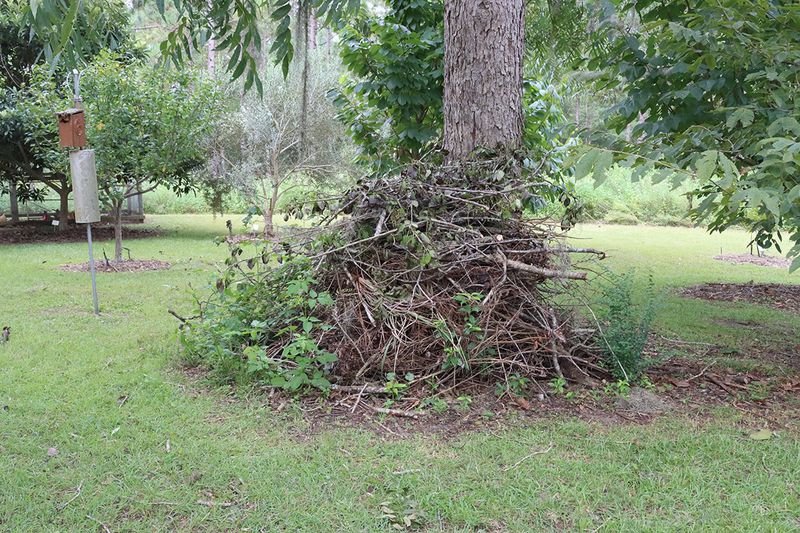
Anoles are climbers. The state species account places them on shrubs, trees, woody vines, fences, and buildings.
Keeping some of those surfaces in your yard gives them places to perch, bask, and hide.
NC State Extension’s backyard guidance recommends native plants and features like logs, brush piles, and rocks for reptiles and amphibians. A tidy corner left a little wild is an easy weekend project.
Treat this as general wildlife advice. Adding cover may help, but it cannot promise that anoles will move into your particular yard.
Food matters too. The same Extension guidance notes that insecticides can cut down the food supply for reptiles and amphibians, so spraying more than needed may leave less for wildlife to eat.
Address pest problems with targeted methods

Supporting wildlife and handling pests are two separate jobs. If something is chewing your plants or biting your family, deal with it directly rather than waiting on lizards.
Start by identifying the pest. NC State Extension’s integrated pest management guidance suggests considering nonchemical controls before any chemical treatment.
Hand-picking, removing infested plant parts, and fixing growing conditions are examples.
If a chemical is truly needed, use it only as needed, in the smallest necessary amount, and follow the label exactly.
For mosquitoes, use mosquito-specific steps. Extension’s backyard guidance describes Bt-israelensis products for standing water and notes that dragonflies prey on mosquitoes.
It does not show that anoles control them, so dump standing water and treat what you cannot empty.
Observe anoles without handling them
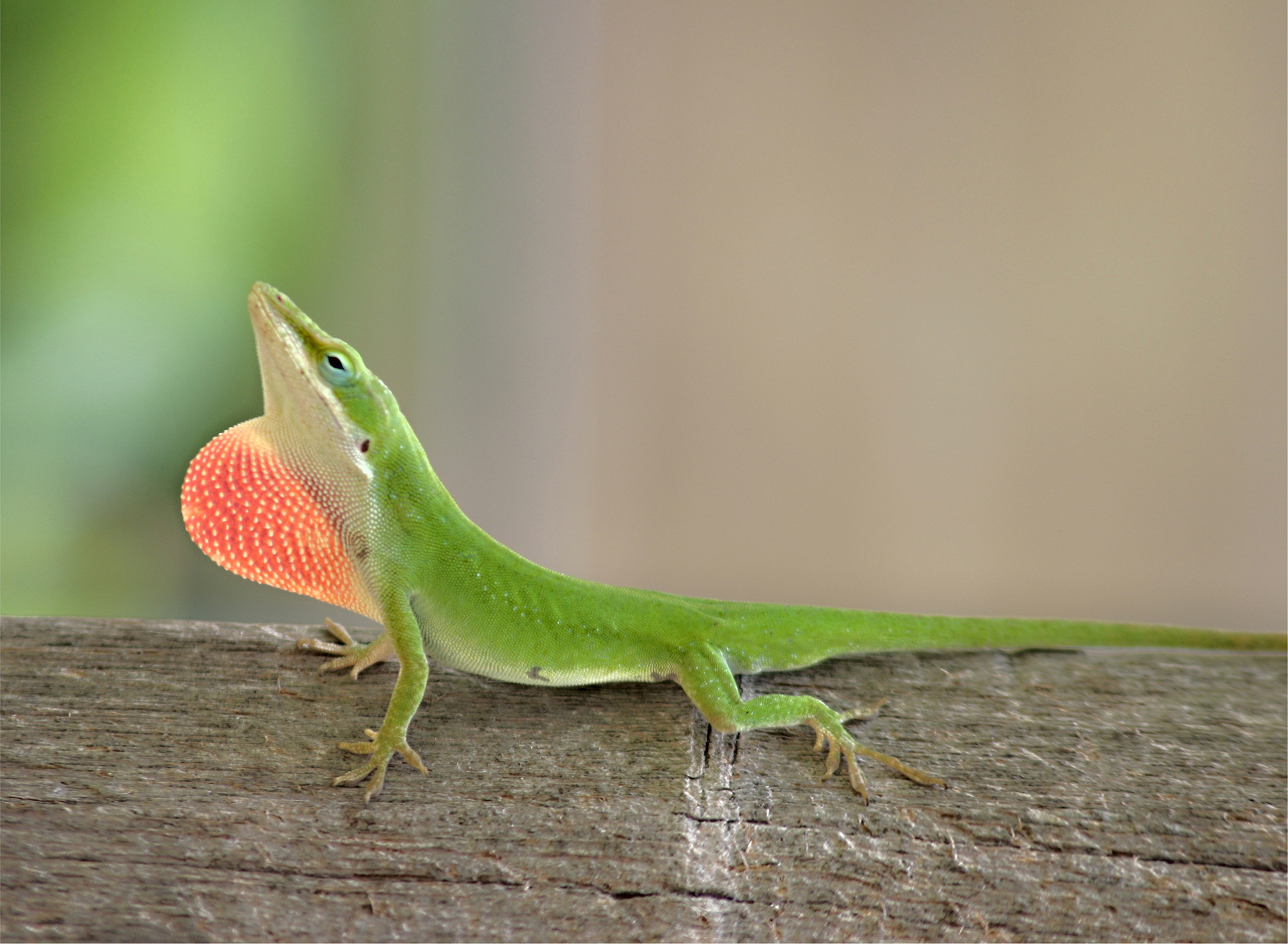
The best way to enjoy an anole is from a few feet away. North Carolina’s reptile resource advises landowners to leave reptiles on their property undisturbed, so skip catching or moving them.
Color can fool you. Green anoles can look brown, and a brown lizard is not automatically a brown anole.
The state species account says the introduced brown anole has no green phase and shows a netlike pattern of pale and dark spots and lines that green anoles lack. After a quick glimpse, you may simply not be able to tell.
If anyone does touch a reptile, wash hands afterward. CDC guidance also says children younger than five should avoid reptiles and their environments because of Salmonella risk.
A quiet look is plenty. The lizard on your railing is doing just fine without help.