
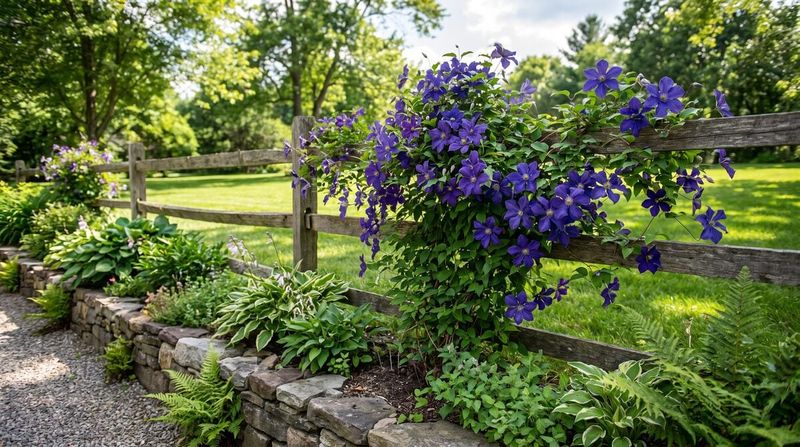
Your clematis climbed the trellis, covered the mailbox post, and gave you almost no flowers. Now fall cleanup is here, and the shears are calling.
Before you cut, one quick check could protect next year’s blooms. A little detective work now can save you from trimming off the very stems that hold next spring’s buds.
Could a fall cut remove next year’s flowers?
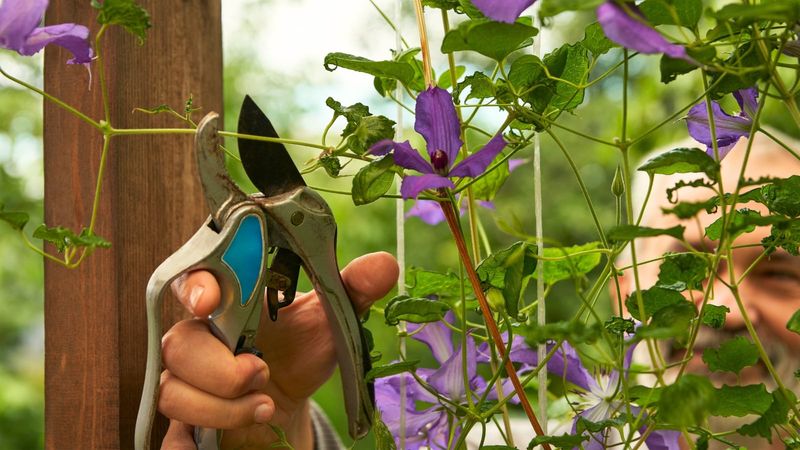
Hold off on any hard cut if you do not know which clematis you have. Some types carry their flower buds on older stems, so a big fall trim can remove next season’s flower-bearing growth before it ever has a chance to open.
That is different from this year’s poor show. A fall cut cannot bring back flowers that never came.
It can only shape what happens next year, and for some vines it may make things worse.
Clemson Extension guidance separates clematis into groups with different pruning times. Groups 1 and 2 can flower on older growth, while Group 3 flowers on the current season’s growth.
The Royal Horticultural Society’s pruning guide describes the same basic split, though its calendar is written for the UK.
So the safest fall move is simple. Do not cut every clematis back just because the vine looks tired, and do not assume that pruning alone will fix a bloomless year.
Spend a few minutes identifying the plant first.
Start with the plant tag or cultivar name
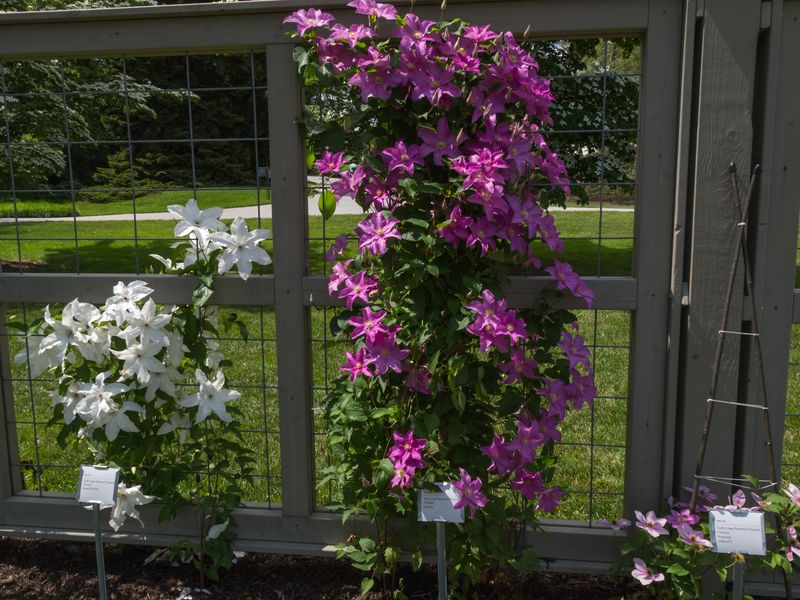
Your first clue is often hiding near the base of the plant. Look for the original nursery tag, a garden journal note, or a receipt with the cultivar name.
Once you have the name, a quick search will usually show its pruning group.
Tags fade and get lost, so check under the mulch and along the stakes. If you bought the vine from a local nursery, a call or a photo of the receipt may fill in the blank.
No name at all? Write down when the vine flowers next year, and skip any major cut until you know more.
Clemson suggests watching an unknown clematis for a year before deciding how to prune it, and University of Illinois Extension also stresses knowing your variety.
Bloom timing is a helpful note, but it does not always settle the question. A vine that flowers lightly or at odd times can be hard to read, so treat your notes as a clue and not as proof.
The groups differ in which stems carry flowers
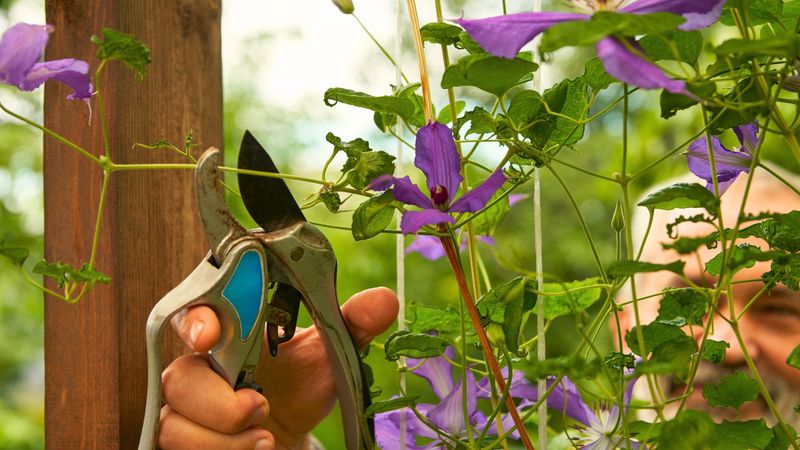
Pruning rules make sense once you see where the flowers come from. The groups are really about the age of the stems that hold the buds.
Group 1 clematis flower in spring on last year’s stems. Group 2 types bloom mainly on last year’s growth and may flower again on new growth.
Group 3 types flower on the current season’s growth, which grows fresh each year.
Iowa State University Extension explains clematis pruning around this same idea. Cut a stem that carries buds, and you cut away the flowers it would have made.
Think of an example. A Group 1 vine trimmed hard in October has lost most of the stems that would have flowered in spring.
A Group 3 vine cut in the same month has lost only growth that was going to be replaced anyway. That is why the group matters more than the date on the calendar.
Prune by group, not by the fall calendar
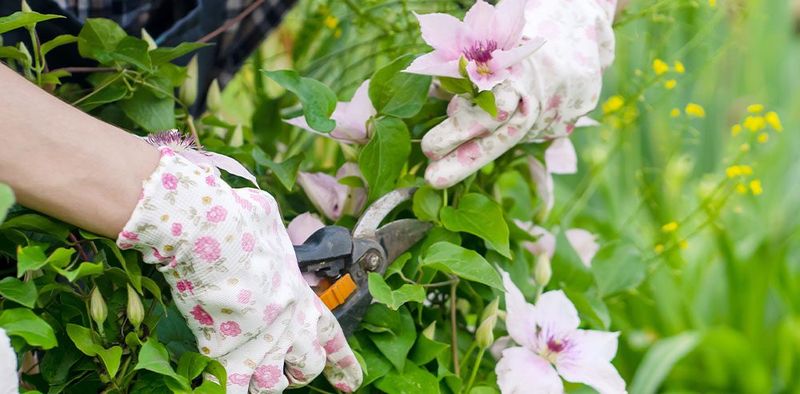
Once you know the group, the plan gets easier. Group 1 vines generally need pruning only as needed, and right after they flower.
Group 2 vines usually get a light trim at the right time, and Group 3 vines are cut back in late winter or early spring in the cited guidance.
Timing varies by place. Clemson’s recommendations for South Carolina call for pruning Group 1 after flowering, no later than the end of July, and trimming Groups 2 and 3 in February or March.
Those dates are for South Carolina, not a calendar for all of Florida, Texas, or the rest of the South.
Heights differ too. Clemson gives 2 to 3 feet for Group 3, while other sources give shorter cuts, so no single height fits every cultivar or climate.
If your local extension office offers a clematis calendar, use it for your area. Pruning matters, but it is a tool for shaping the vine, not a guarantee of flowers.
A leafy vine can miss flowers for other reasons
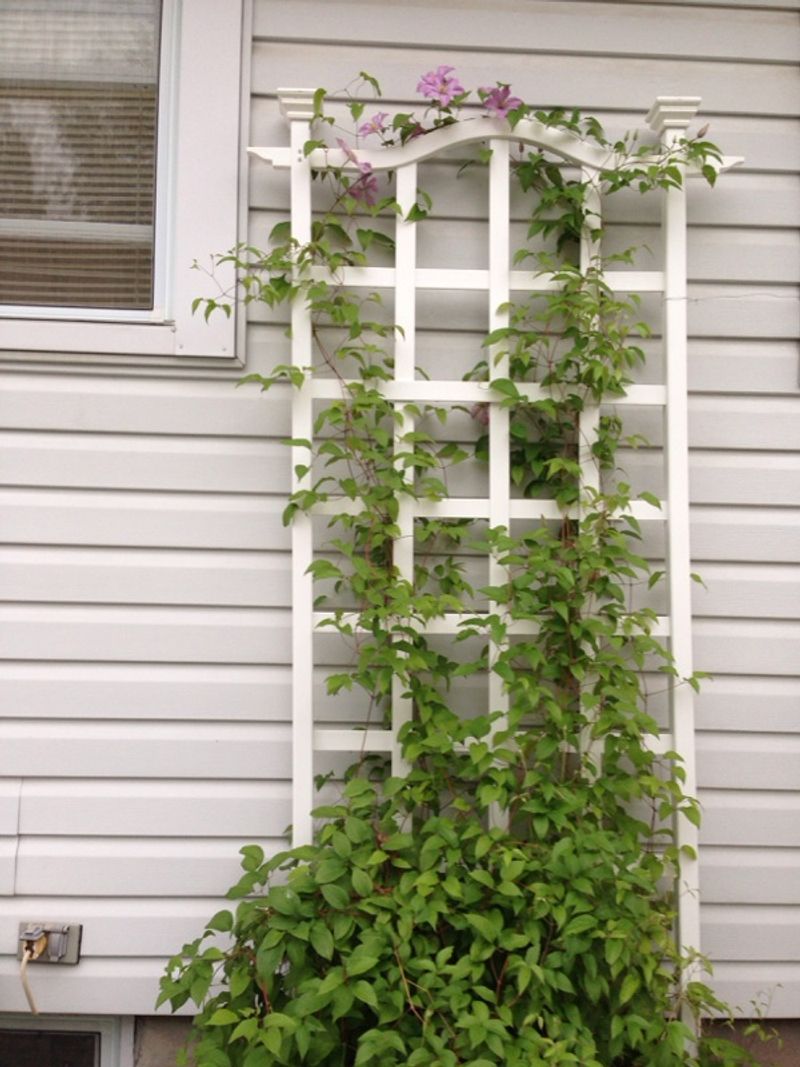
Lots of leaves and no flowers does not prove a pruning mistake. Several other problems can look the same, and checking them keeps you from blaming the shears for something else.
Iowa State University Extension lists inadequate light, excess nitrogen, winter damage, and plant immaturity among the reasons clematis may not bloom. Most clematis prefer at least six hours of direct sun.
A vine in deep shade may stretch and leaf out while skipping flowers.
Nitrogen is another suspect. Heavy lawn fertilizer near the roots can push green growth at the expense of buds.
Age matters as well. A young plant can take up to three years to establish enough to bloom, so a new vine may just need time.
Winter damage is worth considering only where it fits your climate. The Iowa advice was written for Iowa, so do not treat it as a rule for Florida, Texas, or the wider South.
Walk through light, feeding, and age before deciding what went wrong.
Make the fall check before you reach for the shears
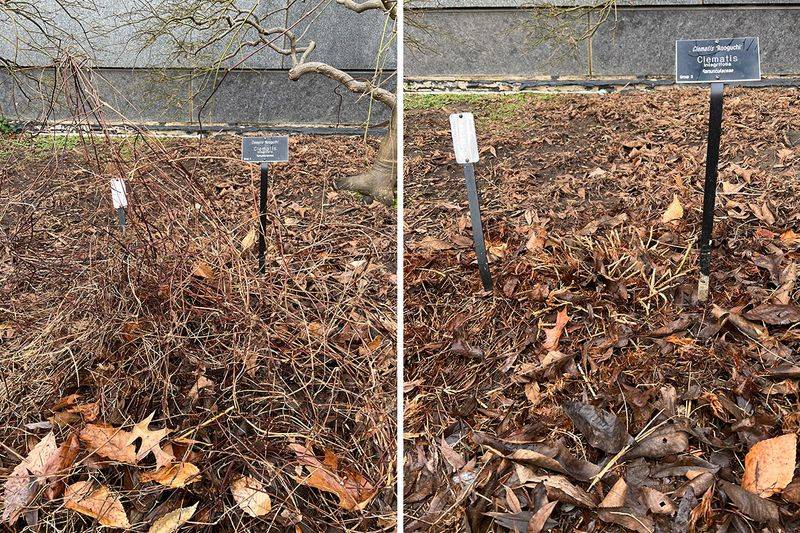
Start with the plant tag or cultivar name. Then look up its pruning group and match your plan to it, using Clemson’s clematis factsheet or your local extension office as a guide.
If the vine is still a mystery, leave the major cut for later. That pause may protect older stems that carry next year’s flowers.
Shears can wait a few weeks, but a cut stem cannot be put back.