
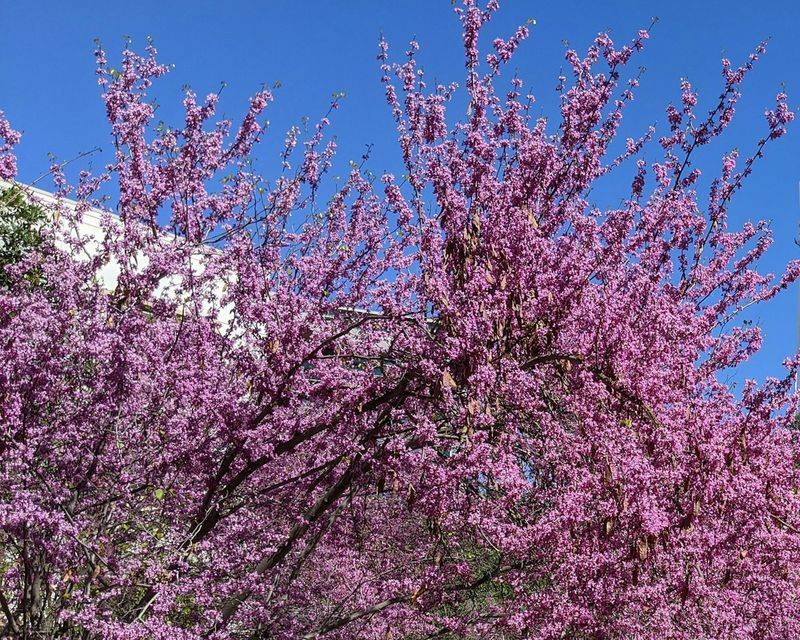
Planting a tree near your house in fire country can feel risky, but the right tree can actually be a smart choice. Some trees hold lots of water in their leaves, drop little dry litter, and burn far less easily than pine or juniper.
Fall is the best time to plant in California, because winter rains do much of the watering while roots settle in. Here are ten trees homeowners are choosing for the spaces closest to their homes, plus how to place them wisely.
1. Toyon
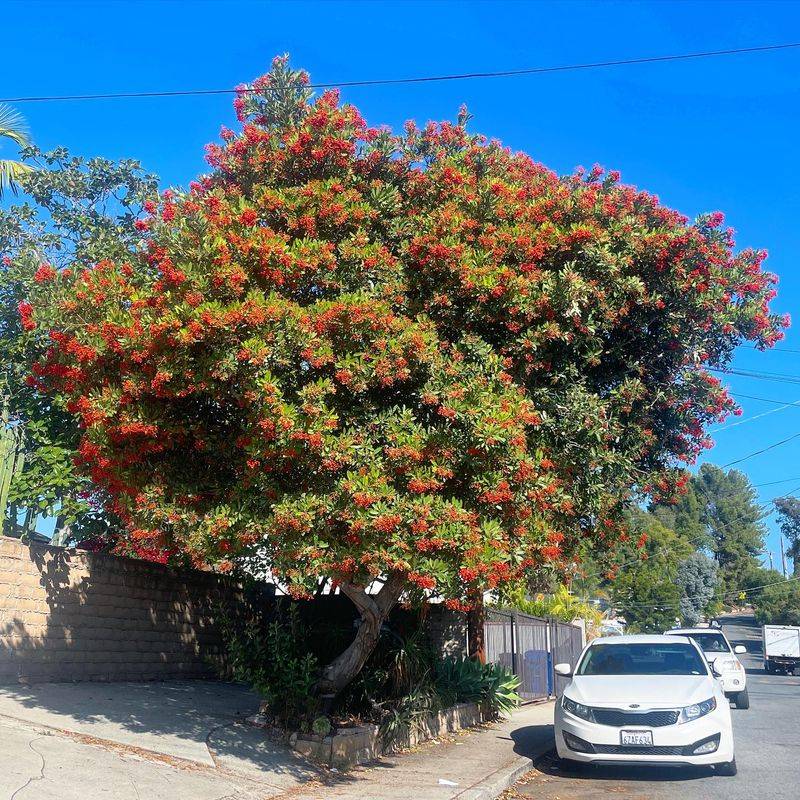
Hollywood was named for it, or so the story goes. Toyon, also called California holly, is a native shrub that can be trained into a small multi-trunk tree, and its glossy leaves stay fairly moist through summer when given occasional water.
Fire agencies and native plant groups often list it among the better choices near homes, since its leaves can resist ignition better than resinous plants. It still burns if neglected, so keep dead wood pruned out and limbs lifted off the ground.
The bonus is wildlife. Winter berries feed robins, mockingbirds, and cedar waxwings, and summer flowers pull in native bees.
Plant it 10 to 15 feet from walls, and fall rains will help it root fast.
2. Western Redbud
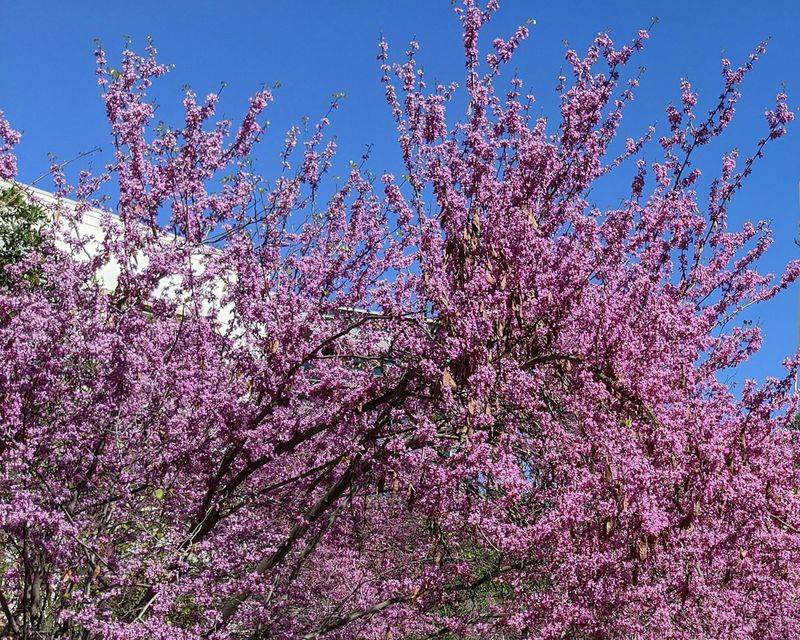
Picture magenta blossoms covering bare branches in March, right outside your kitchen window. Western redbud delivers that show, then fills out with heart-shaped leaves that hold moisture well.
It is deciduous, which means you will rake leaves in late fall. Clear them before fire season returns and the tree keeps a light fuel load, with no flammable oils or peeling bark.
Redbud stays small, usually 10 to 20 feet, making it a good fit for tighter suburban lots. Once established, it needs only deep water every few weeks in summer, and native bees love its early flowers.
3. Strawberry Tree
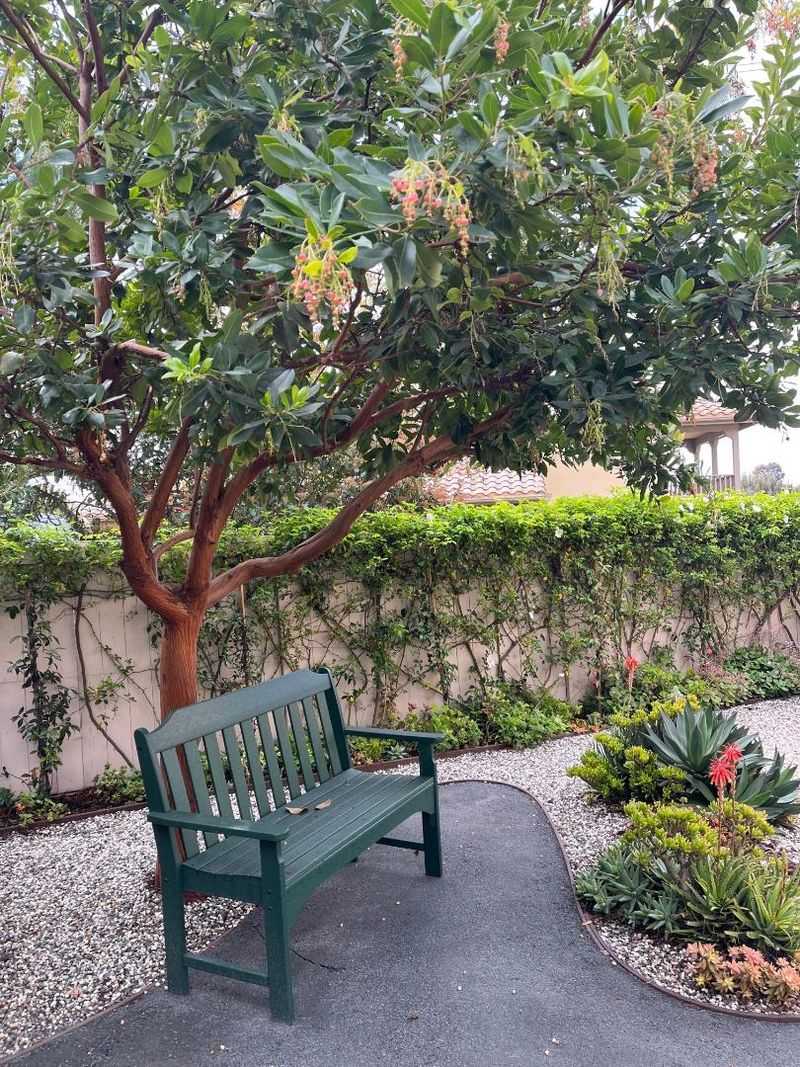
Flowers and fruit at the same time? That quirky habit makes the strawberry tree (Arbutus unedo) a conversation piece.
Small white bells and red, bumpy fruit share the branches every fall.
Its thick, leathery leaves can resist heat and drought, and many California fire-wise plant lists include it. The fruit is edible, though mealy, so most people leave it for birds.
Choose a compact variety like ‘Compacta’ for spots near patios. Give it good drainage and occasional summer water, and it will stay tidy with very little pruning.
4. Catalina Cherry
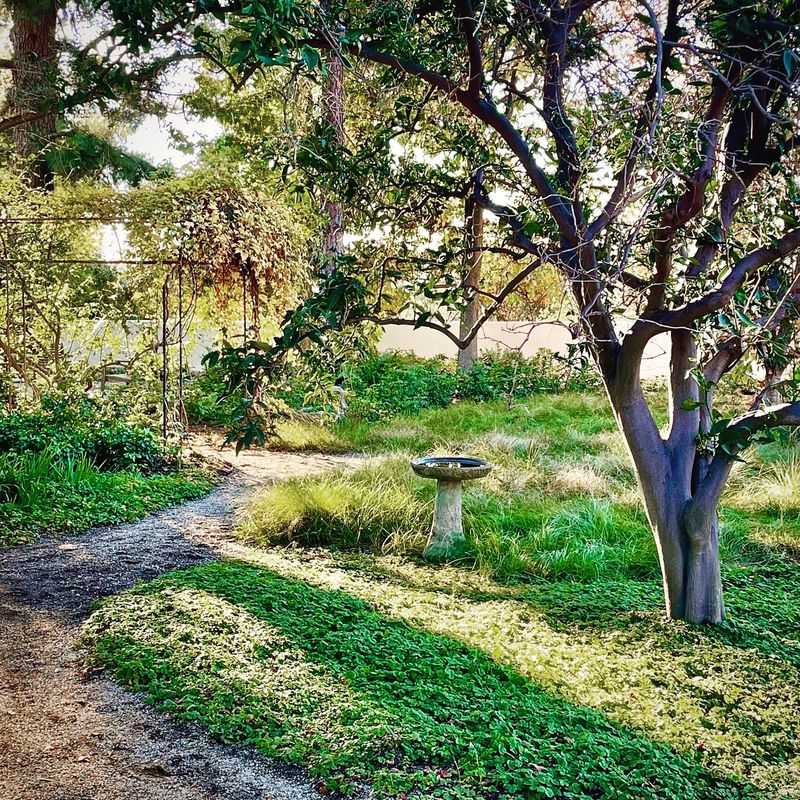
Off the coast of Los Angeles, Catalina Island grows a cherry tree that shrugs off drought. Catalina cherry has shiny, holly-shaped leaves that stay green all year and can resist burning when kept healthy.
Birds go wild for its dark summer fruit, so expect visitors. Fallen cherries can be messy near patios, so place it over mulch or groundcover rather than pavement.
It can reach 30 feet, so give it room, ideally at least 15 feet from the house. A fall planting lets it build roots before its first dry summer.
5. Carob Tree
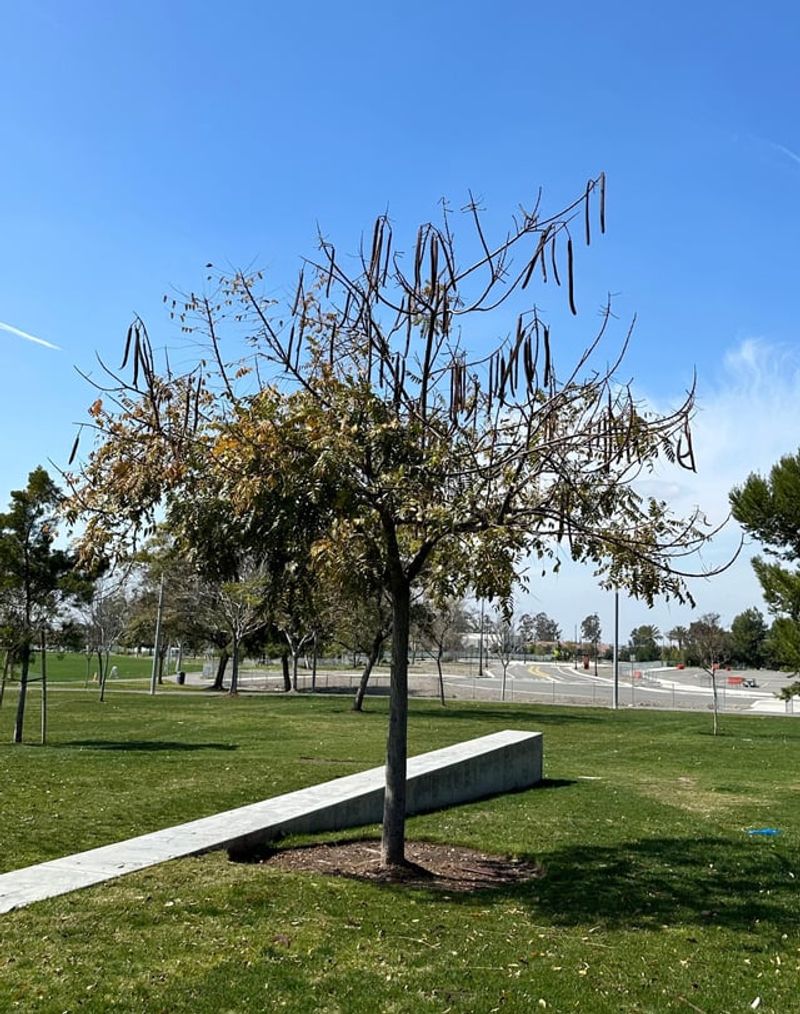
Inland valley heat can bake a yard, and carob was made for it. Originally from the Mediterranean, it has thick evergreen leaves that hold water and often appear on fire-resistant planting lists for hot regions.
Its dense canopy creates real shade that can cool a west wall. The tradeoff is pod drop, so pick a male or seedless selection if you want less cleanup.
Roots spread wide, so keep it away from foundations and pipes. With deep, infrequent watering, carob can thrive on rainfall alone in many areas once mature.
6. Valley Oak
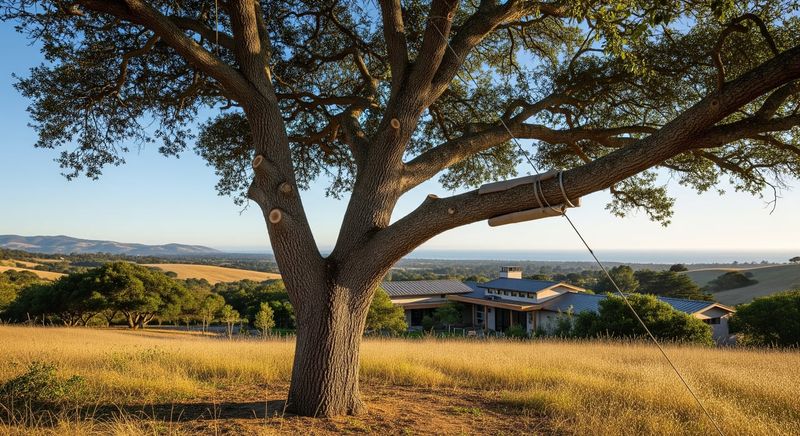
Few trees support more life. A single valley oak can host hundreds of insect species, which feed nesting birds all spring.
Deciduous oaks with high, open canopies may carry less fire risk than dense evergreens, especially when lower limbs are trimmed. Leaf litter should be cleared near the home before summer.
Valley oaks grow huge, so they belong 30 feet or more from the house on larger lots. Plant acorns or small saplings in fall, and avoid summer watering near the trunk once established.
7. Pomegranate
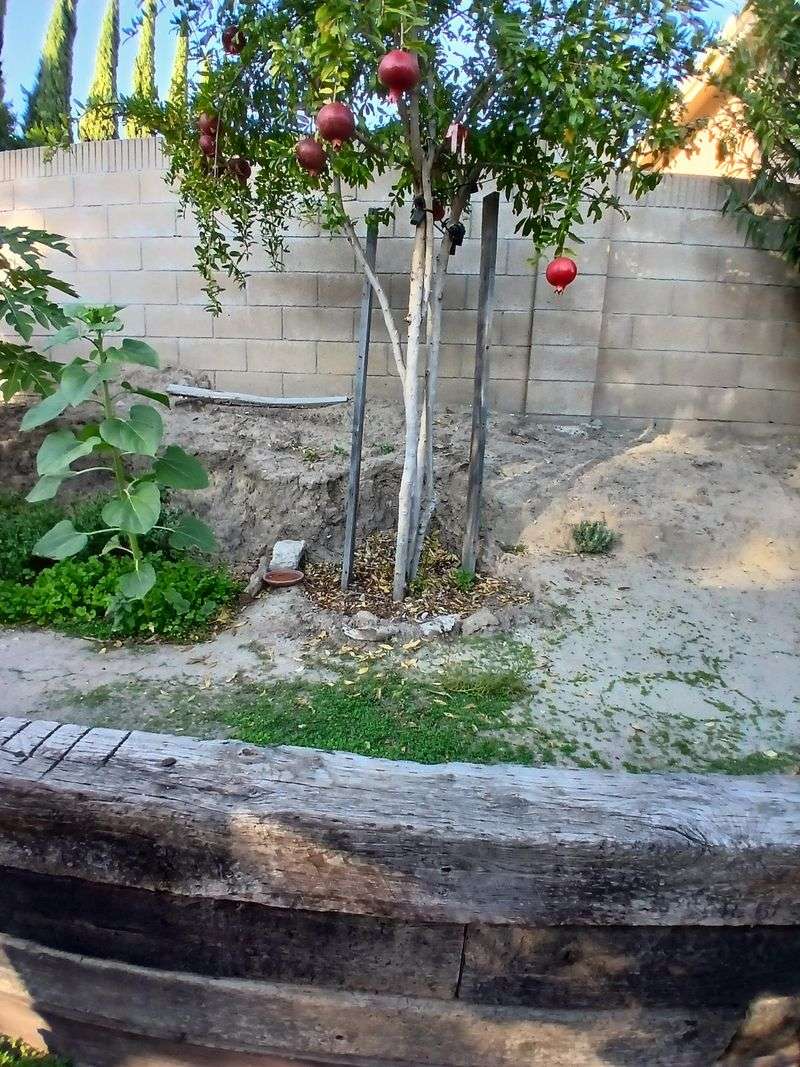
Here is one you can eat from. Pomegranate trees produce juicy fruit each fall and keep fleshy, moist leaves through the growing season.
Many fire safety guides mention fruit trees as lower-risk choices when irrigated, since watered orchards can slow flames. Pomegranate handles heat and poor soil better than most fruit trees.
Keep it 10 feet from walls and drip-water it in summer. Varieties like ‘Wonderful’ suit most California zones.
8. Bigleaf Maple
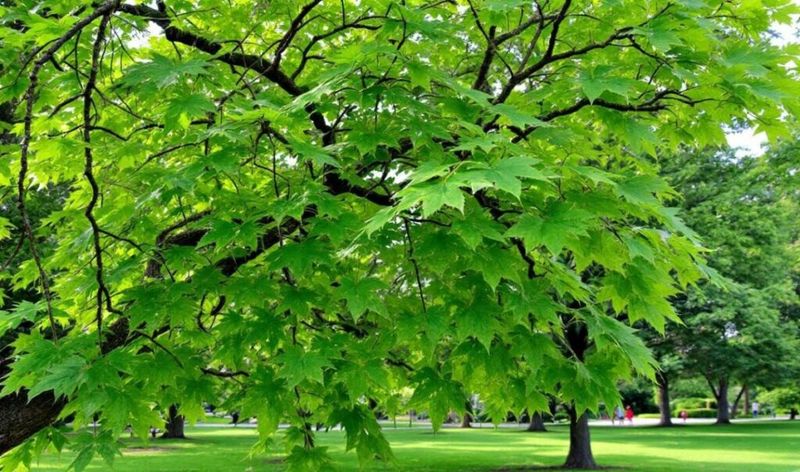
Got a cooler, moister corner? Bigleaf maple, native to streamsides across Northern California, has huge soft leaves full of water.
Broadleaf trees like this one can be harder to ignite than conifers, though fallen leaves need autumn cleanup. It grows quickly and offers deep summer shade.
Skip it in hot, dry inland spots, since it prefers regular moisture. In foothill and coastal yards, it can be a lush buffer when kept well spaced.
9. Desert Willow
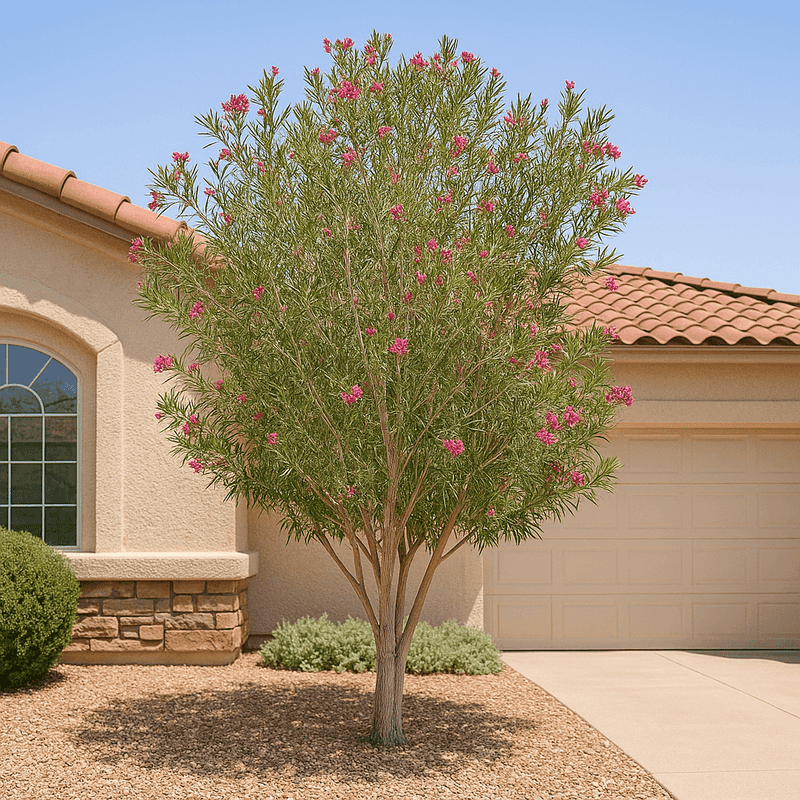
Hummingbirds treat desert willow like a buffet. Its orchid-like pink flowers bloom all summer, even during heat waves.
Thin leaves and an airy shape mean low fuel, and it is deciduous, so wind-blown embers have less to catch in winter. It is a strong choice for Southern California and desert-edge communities.
Growing 15 to 25 feet, it fits small yards. It needs little water, and sterile varieties like ‘Bubba’ skip the seed pods.
10. Citrus Trees
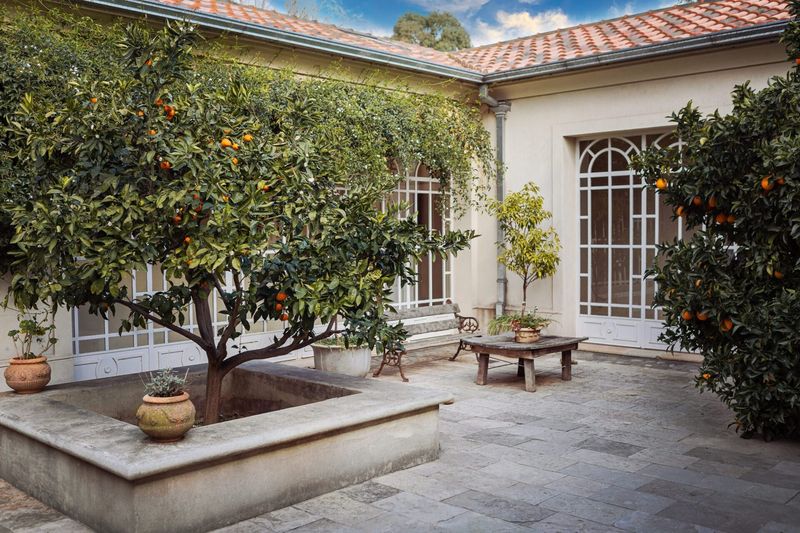
Grandma’s backyard lemon may be one of the safer trees near your home. Watered citrus keeps thick, juicy leaves that can resist flames better than many ornamentals.
Dwarf varieties of Meyer lemon, mandarin, and kumquat stay compact enough for spots near patios. Keep dead twigs and fallen leaves cleared, and maintain drip watering through summer.
Plant in fall in coastal areas, but wait until early spring where frost hits. Either way, you get fruit, fragrance, and a more fire-wise yard.