
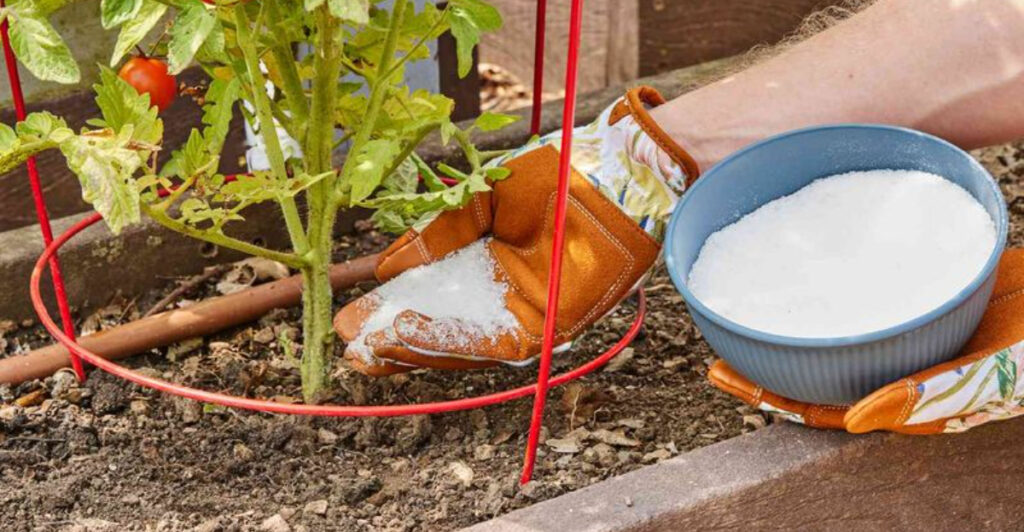
Epsom salt has become a popular gardening supplement, especially for tomato plants. However, understanding its proper use is crucial to avoid pitfalls.
Here are 10 surprising dos and don’ts when using Epsom salt for tomatoes.
1. Use for Magnesium Deficiency
Have you noticed your tomato plants exhibiting yellowing leaves between the veins? This could be a sign of magnesium deficiency—a problem Epsom salt can address. By replenishing magnesium levels, Epsom salt aids in restoring the plant’s health. Sprinkling it around the soil ensures the roots absorb this crucial nutrient. However, moderation is key; overuse can lead to negative effects, disrupting the plant’s balance. Always observe your plants closely for positive change.
2. Mix Into Soil Before Planting
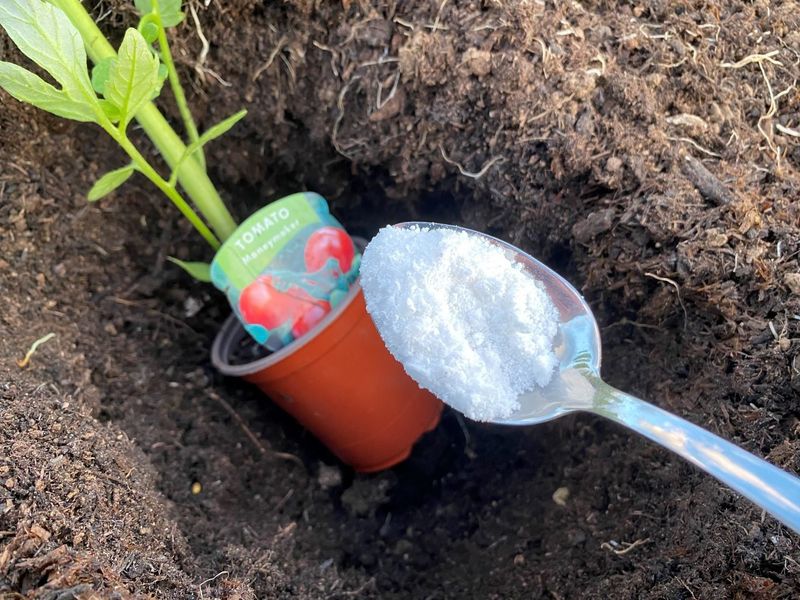
Preparing the soil adequately before planting tomatoes can set the stage for a fruitful harvest. Adding 1–2 tablespoons of Epsom salt to each planting hole can provide the roots with a much-needed magnesium boost. This little preparation step supports healthy plant growth right from the start. It acts as a preventive measure against potential nutrient deficiencies. Ensure even distribution and avoid clumping for optimal effectiveness.
3. Use as a Foliar Spray
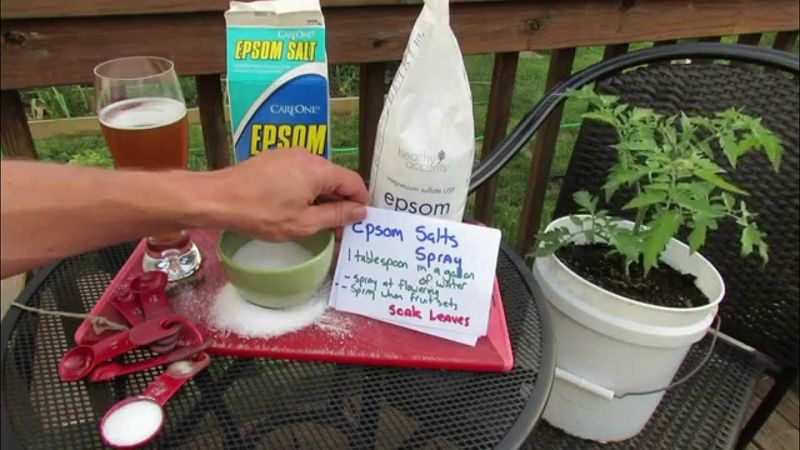
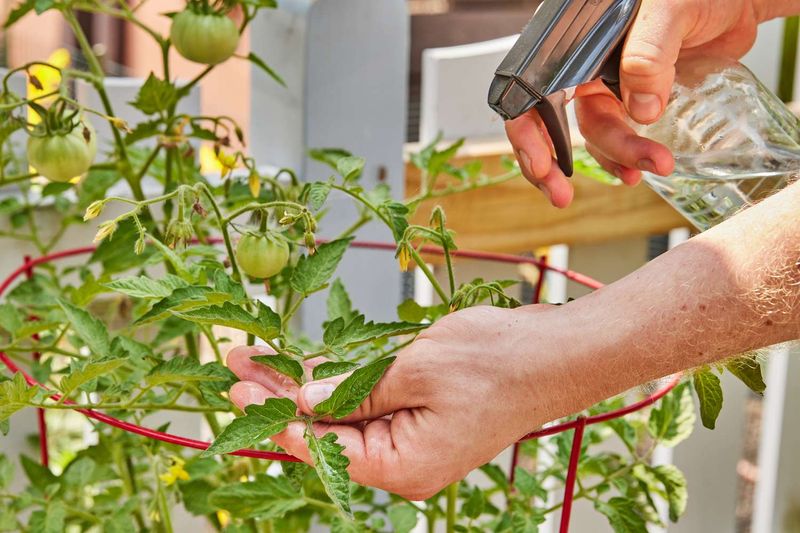
Epsom salt can be used as a foliar spray to tackle specific deficiencies in tomato plants. Mix 1 tablespoon of Epsom salt per gallon of water and spray directly onto the leaves. This method allows for quick absorption, providing timely nourishment. However, it should be used sparingly, only a few times per season. Keep an eye on the plants after spraying to monitor any improvements or adverse effects.
4. Combine with Soil Test
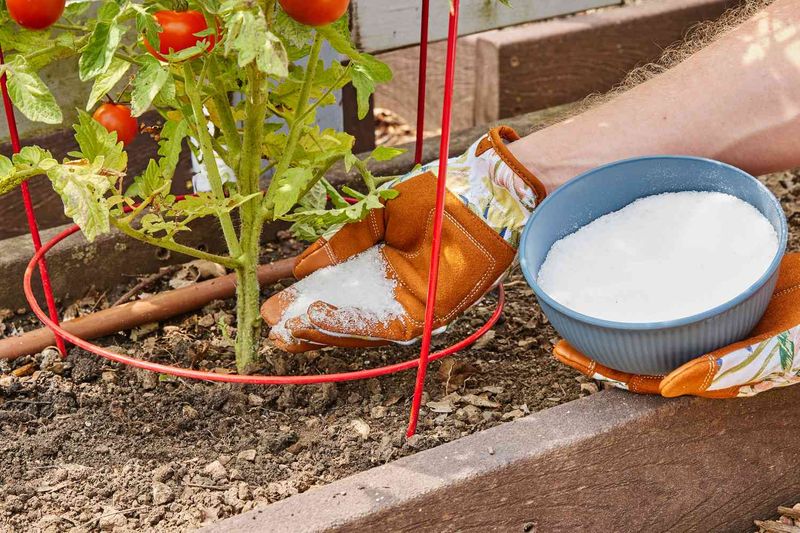
Before reaching for Epsom salt, it’s wise to test your soil. A detailed soil test reveals the exact nutrient composition, helping you determine if magnesium is lacking. Epsom salt should only be used if a deficiency is evident. Overusing can lead to detrimental effects, like nutrient imbalance. Taking the time to assess the soil thoroughly ensures that you’re not adding unnecessary supplements.
5. Apply During Flowering
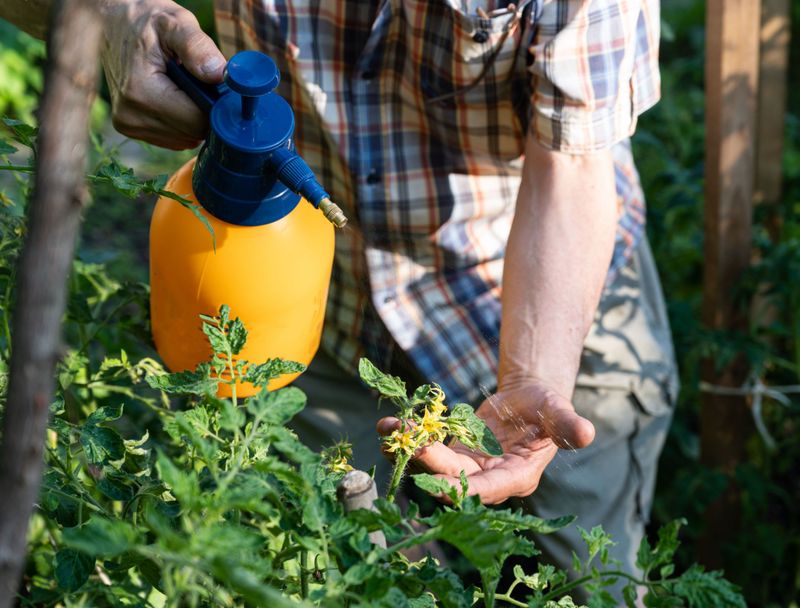
The early flowering stage of tomatoes is crucial for blossom set and fruit development. Applying Epsom salt during this period can support these processes by enhancing nutrient uptake. Only apply if you’ve confirmed a magnesium deficiency, as excess magnesium can harm the plant. This targeted approach helps in achieving healthier and more abundant fruiting, ensuring a successful harvest.
6. Don’t Use as a Cure-All
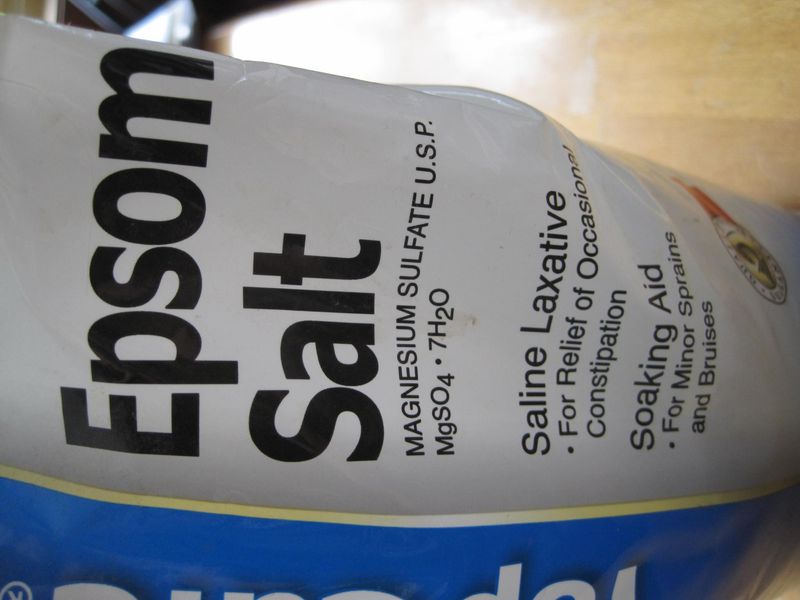
While Epsom salt is beneficial for specific deficiencies, it’s not a universal solution. It addresses only magnesium and sulfur deficiencies, lacking key nutrients like nitrogen, phosphorus, or potassium. Using it as a catch-all fertilizer could lead to more harm than good. Understanding its limitations is essential; it’s just one tool in a gardener’s arsenal. Always consider the plant’s overall health and specific needs before application.
7. Don’t Overapply
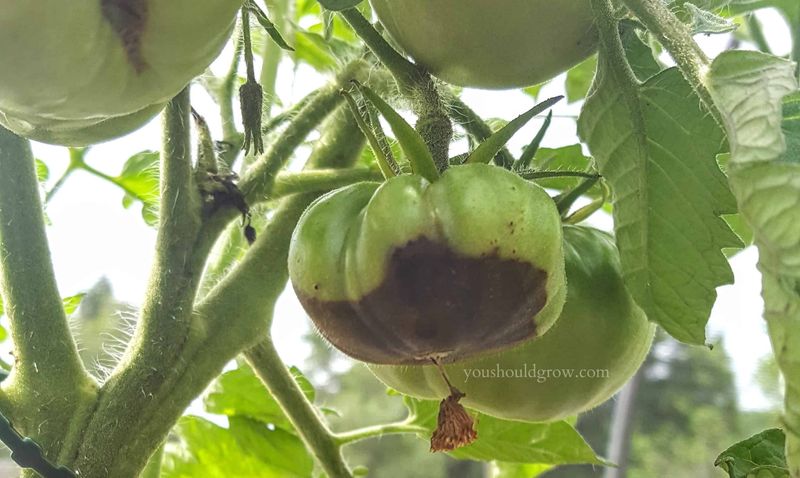
Applying too much Epsom salt can backfire by hindering calcium absorption, which may cause blossom end rot—a notorious tomato issue. Balance is crucial when using supplements. Overuse can disrupt the nutrient equilibrium within the soil, leading to potential plant stress. Monitoring the amount you apply can save your tomatoes from unnecessary challenges. Remember, less can often be more in gardening.
8. Don’t Ignore Other Deficiencies
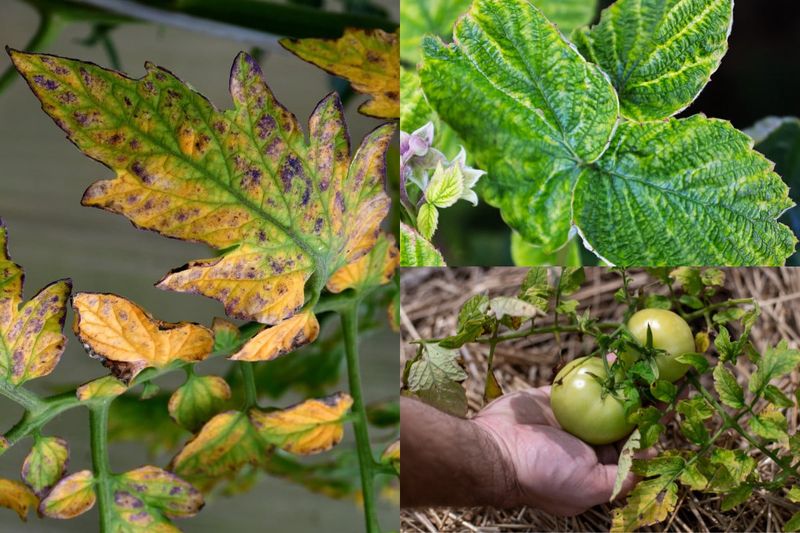
If your tomato plants are struggling, don’t immediately assume it’s a magnesium issue. Other factors like poor watering practices, calcium deficiency, or root damage could be the culprits. Epsom salt won’t solve these problems. A comprehensive approach to plant care involves diagnosing and treating the correct issue. By understanding and addressing the real cause, you can prevent unnecessary treatments.
9. Don’t Use Without Reason
It’s tempting to use Epsom salt proactively, but doing so without a confirmed need can lead to nutrient imbalances and salt buildup. Only consider applying it if there’s a clear indication of magnesium deficiency. Random applications may disrupt the soil’s natural composition, causing more harm than good. Thoughtful and reasoned use ensures your plants receive the care they truly need.
10. Don’t Expect Miracles

Epsom salt is often hyped as a magical solution for bigger, tastier tomatoes, but it’s not a magic bullet. While it can assist with specific deficiencies, it won’t transform your tomatoes overnight. It’s a supplement that plays a role in a balanced nutrient plan. Realistic expectations and consistent care are key to nurturing thriving plants. Turn to Epsom salt for support, not miracles.