
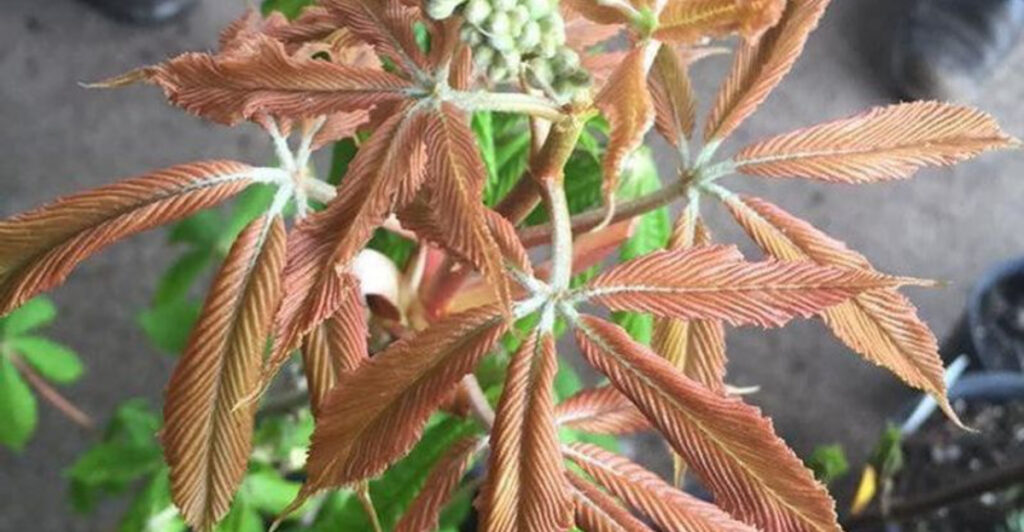
Explore the unique charm and benefits of growing Aesculus x neglecta ‘Erythroblastos’, an eye-catching tree that brings vibrant color and intrigue to any garden space.
From its dazzling spring foliage to its compact size suitable for small gardens, this hybrid buckeye offers a range of appealing features.
Discover why this plant is a favorite among gardeners seeking something truly special.
1. Its Spring Foliage Looks Like a Watercolor Painting
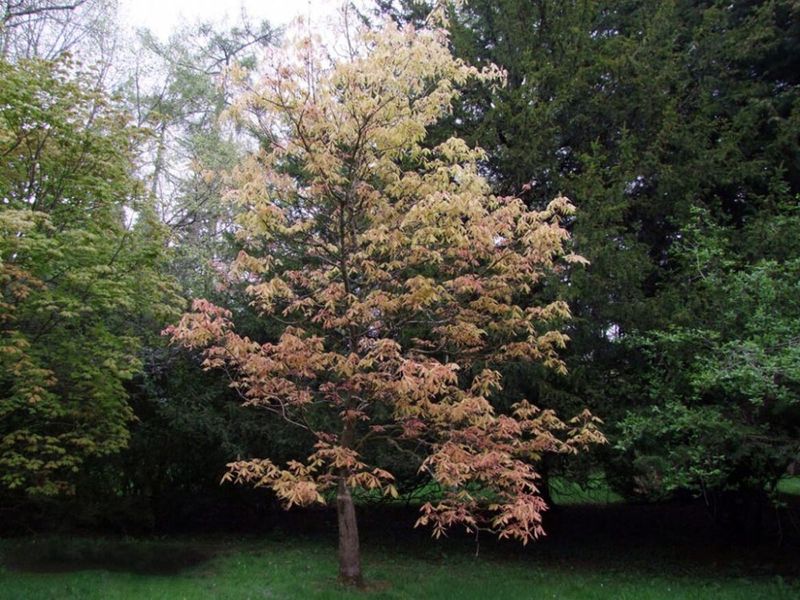
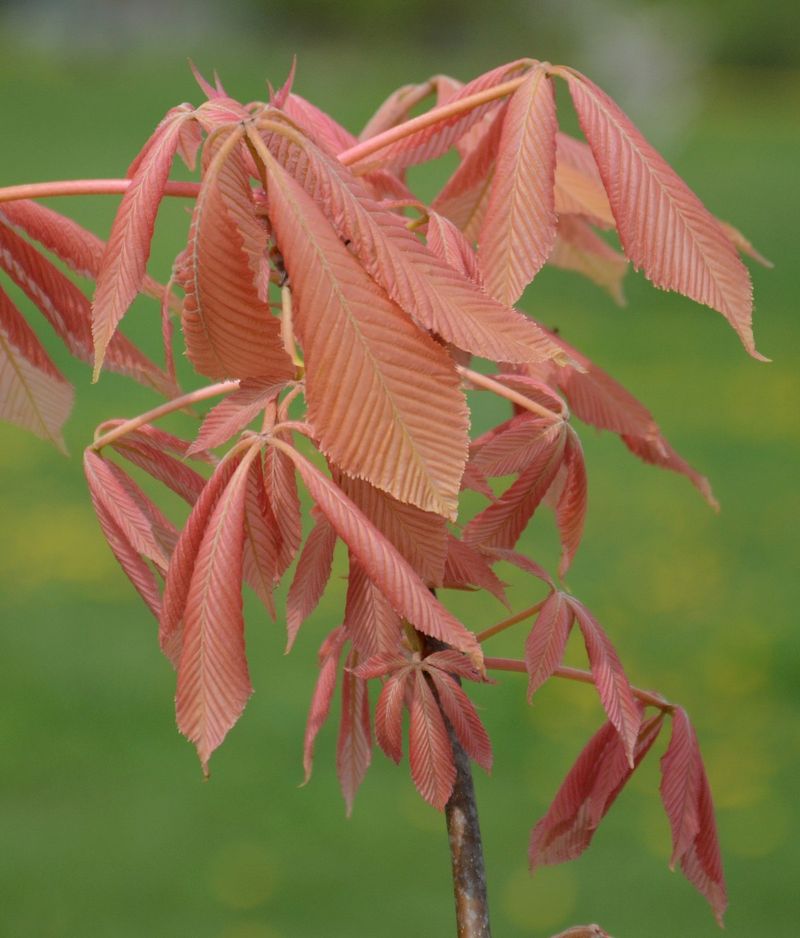
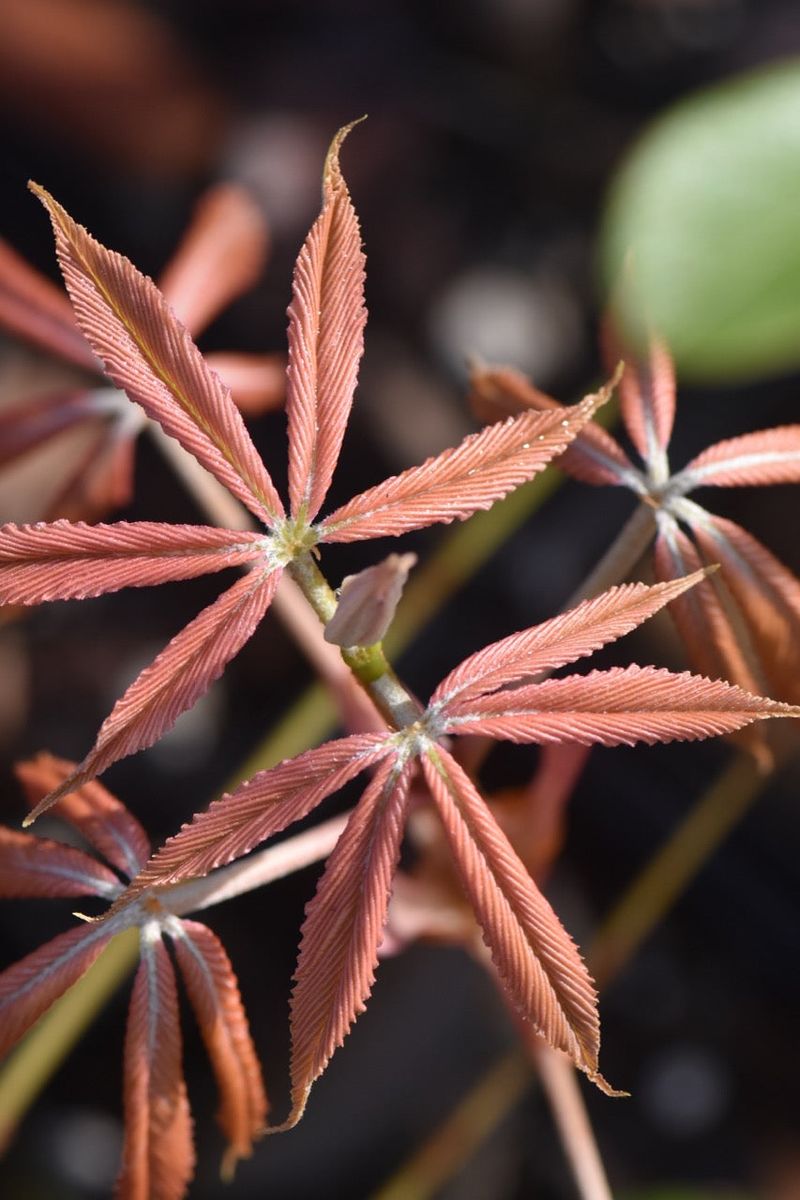
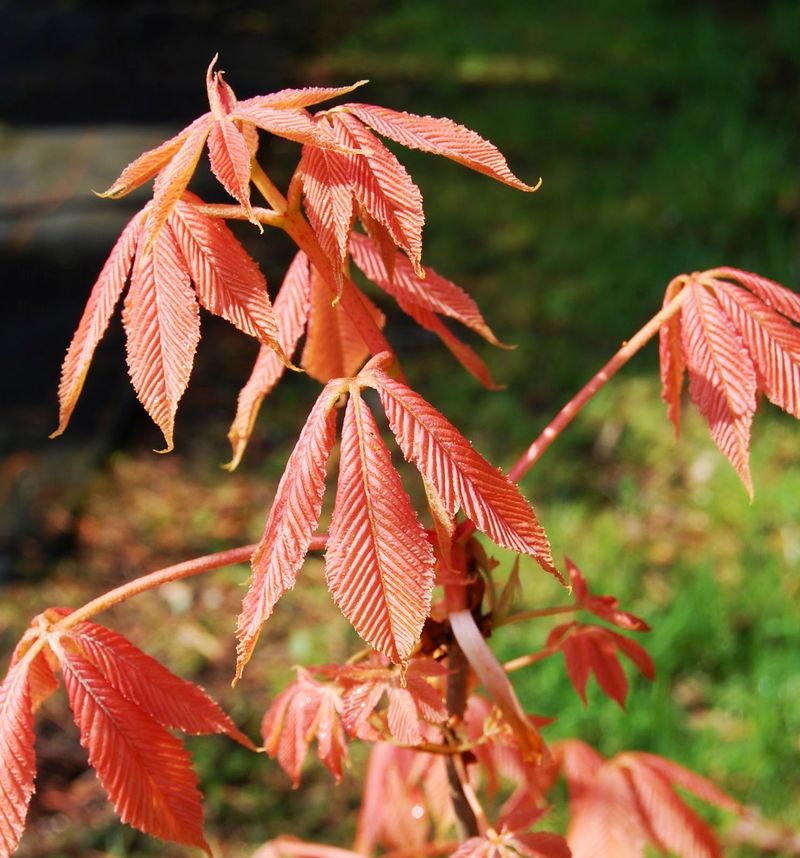
In early spring, Aesculus x neglecta ‘Erythroblastos’ unveils its new leaves in an array of coral-pink, salmon, and yellow hues. The vibrant colors create a stunning, watercolor-like effect that captures attention even before most plants have started to leaf out. This natural spectacle offers a visual treat, making it a standout feature in any landscape. The glowing appearance of the leaves casts an enchanting spell, turning your garden into a work of art. With its surreal beauty, this tree becomes a focal point, drawing admiration from all who pass by.
2. A Compact Tree Perfect for Small Gardens
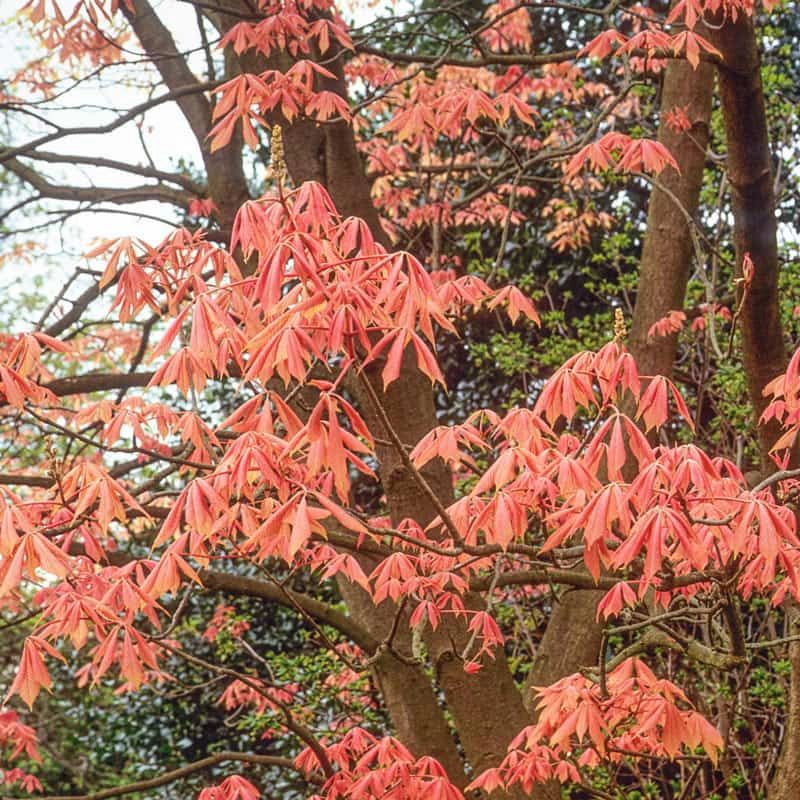
Unlike some of its larger relatives, the ‘Erythroblastos’ remains manageable in size, growing to about 15–25 feet. This makes it an ideal choice for urban gardens, cottage landscapes, and curated arboretums where space is a premium. Its compact stature doesn’t compromise on beauty, offering lush foliage and a charming presence that complements a variety of garden styles. Whether you’re working with a small backyard or designing a cozy outdoor space, this tree provides an excellent solution without overwhelming the area. It fits perfectly, bringing nature’s elegance into tighter confines.
3. The Foliage Changes Color Throughout the Season

One of the enchanting aspects of ‘Erythroblastos’ is its foliage, which transforms throughout the year. After its dramatic spring display, the leaves mature to a soft yellow-green, providing a soothing contrast against darker foliage plants. As autumn approaches, the leaves shift once more, adopting warm golden tones that herald the season’s change. This dynamic transformation keeps the visual interest alive year-round, making it an adaptable addition to any garden. The tree’s ability to change with the seasons ensures a fresh and evolving landscape, enriching the garden’s overall aesthetic.
4. Unusual but Easy to Grow
Despite its exotic and striking appearance, ‘Erythroblastos’ is surprisingly easy to cultivate. This hybrid buckeye thrives in well-drained soil, preferring partial shade to full sun, and requires little more than room to grow. Its low-maintenance nature is perfect for gardeners of all experience levels, offering beauty without the burden of extensive care. Even with its unique and rare look, it adapts well to different environments, making it a viable option for diverse landscapes. Growing this tree brings a touch of the extraordinary into your garden, without the usual challenges of exotic species.
5. Attracts Pollinators with Its Subtle Spring Flowers
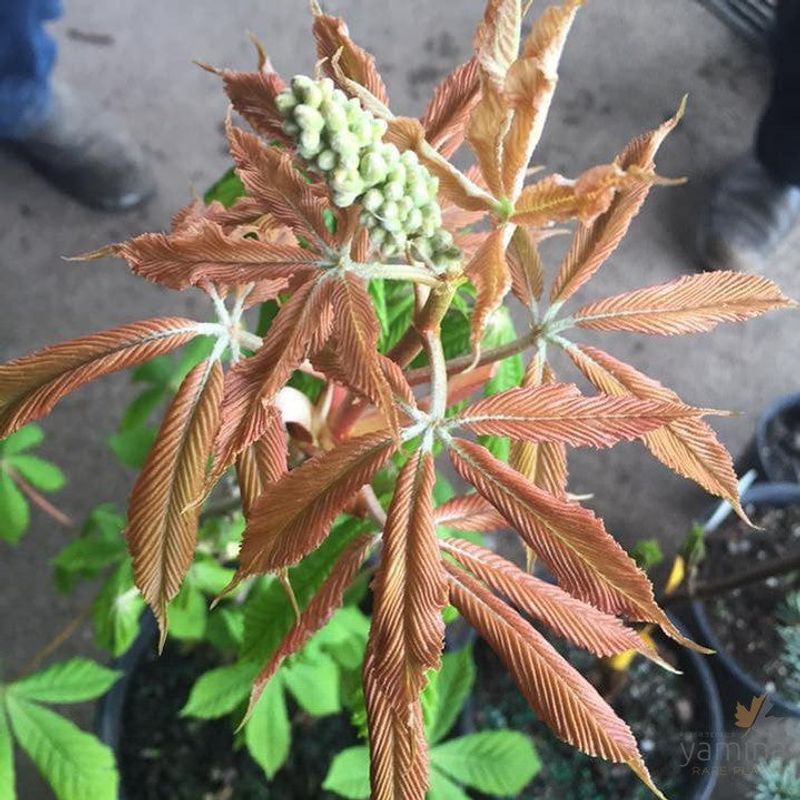
While the foliage often takes center stage, the spring flowers of ‘Erythroblastos’ add another dimension of charm. Tall spires of creamy-yellow blooms appear in mid to late spring, subtly enhancing the tree’s allure. These tubular flowers are not just visually pleasing; they play a crucial role in supporting local ecosystems by attracting pollinators like bees and butterflies. This interaction promotes biodiversity, making your garden a vibrant and lively habitat. Embracing this buckeye means fostering a connection with nature, contributing to the well-being of essential pollinator populations.
6. It’s a Conversation Starter—Few People Grow It!
With its unique characteristics and relative rarity, ‘Erythroblastos’ becomes a true conversation starter in any garden. Unlike more common trees, it offers something different and intriguing, setting your landscape apart. Most gardeners and plant enthusiasts have never encountered this particular buckeye, making it a prized possession for those who appreciate unique botanical treasures. Its presence not only enhances the visual appeal of your outdoor space but also invites curiosity and admiration from guests. Choosing this tree reflects a distinctive taste and a willingness to embrace the uncommon.
7. Non-Invasive and Great for Woodland Edges
Unlike some ornamental trees that can become invasive, ‘Erythroblastos’ maintains a harmonious existence within its environment. It’s particularly well-suited for woodland edges, where it adds beauty without disrupting the local ecosystem. This tree integrates seamlessly with surrounding vegetation, enhancing the natural landscape rather than overpowering it. Its gentle growth habit ensures it won’t outcompete native plants, making it a responsible choice for maintaining biodiversity. By planting ‘Erythroblastos’, you support sustainable gardening practices, creating a balanced and integrated garden space that respects nature’s delicate harmony.