
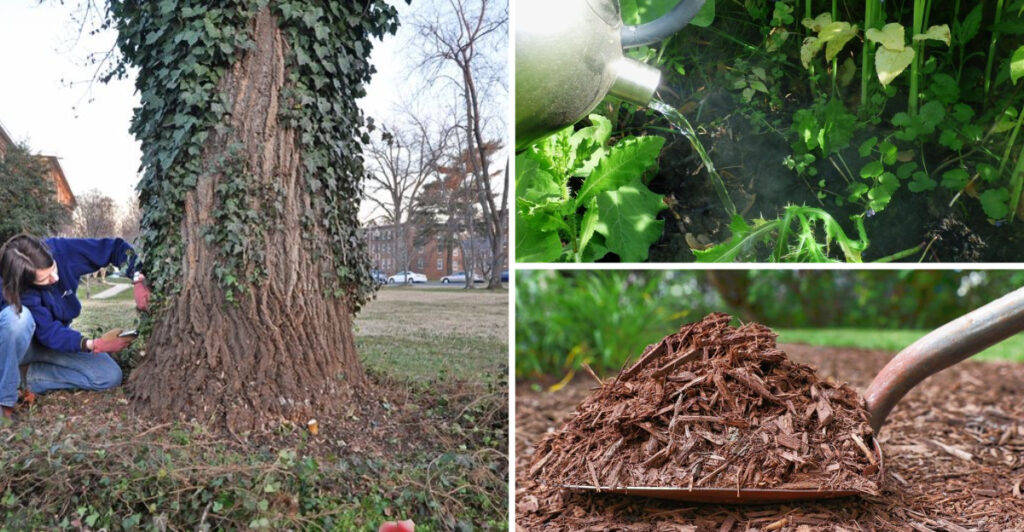
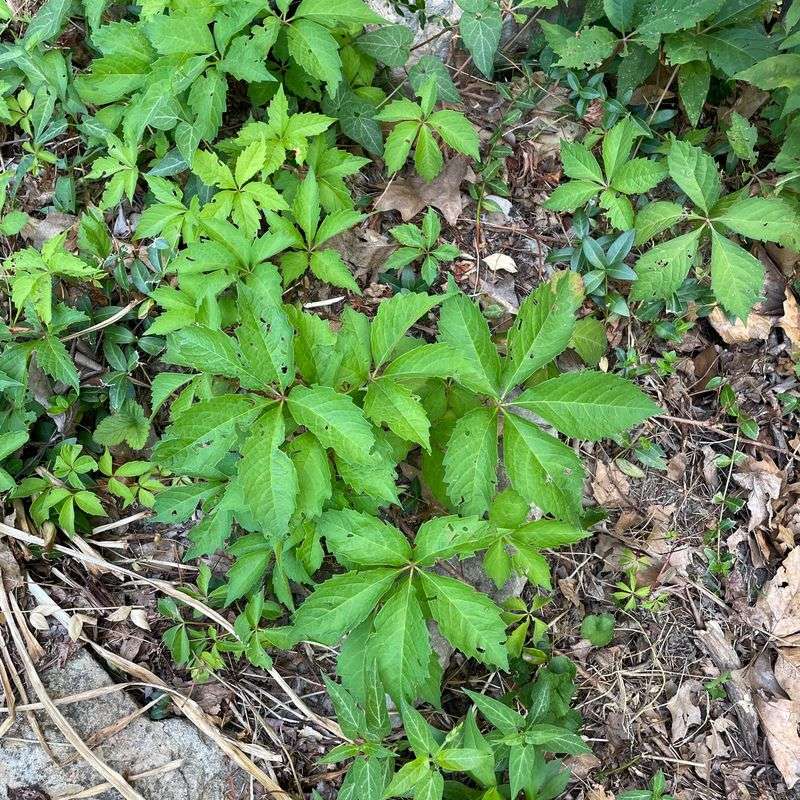
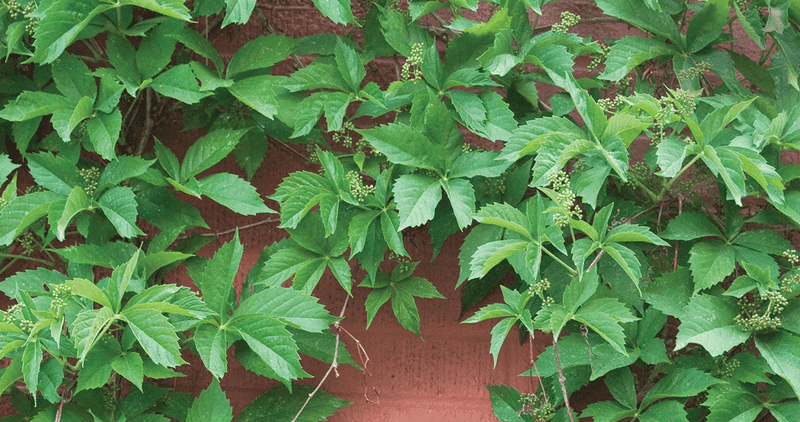
Virginia Creeper, known for its vibrant foliage, can become an invasive nuisance in gardens and landscapes. This guide explores fourteen proven strategies to effectively eliminate Virginia Creeper and restore your outdoor spaces. Whether you prefer natural remedies or chemical solutions, our comprehensive list ensures a method that suits your preferences and needs. Explore each unique approach and find the perfect solution to tackle this persistent vine. With patience and persistence, you can reclaim your garden from the clutches of Virginia Creeper.
1. Manual Removal by Hand
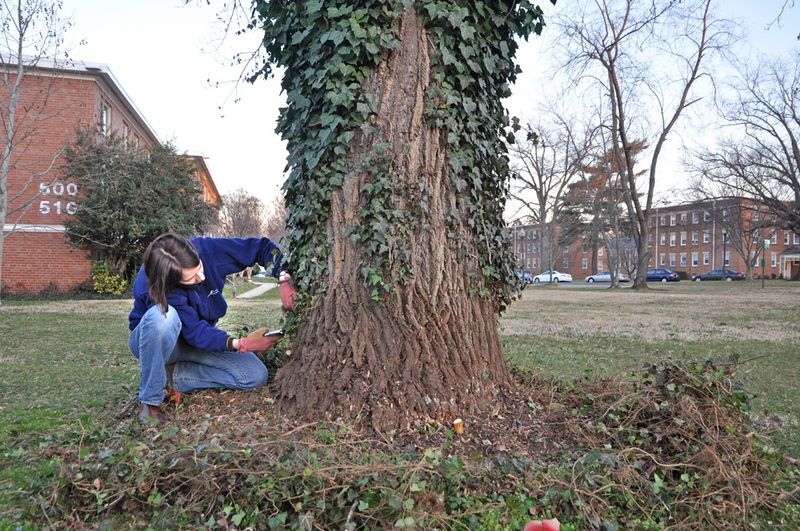
Have you ever experienced the satisfaction of pulling weeds by hand? Manual removal is a hands-on approach to tackling Virginia Creeper. Begin by wearing sturdy gloves to protect your skin from irritation. Carefully pull the vine from the ground, ensuring you remove all roots to prevent regrowth.
This method is labor-intensive but highly effective, especially in small areas. It allows you to control the spread with precision. Consider using a trowel or shovel for stubborn roots. Manual removal connects you with your garden, offering a personal touch to weed control.
Search for “manual removal of Virginia Creeper” to visualize the process.
2. Boiling Water Treatment
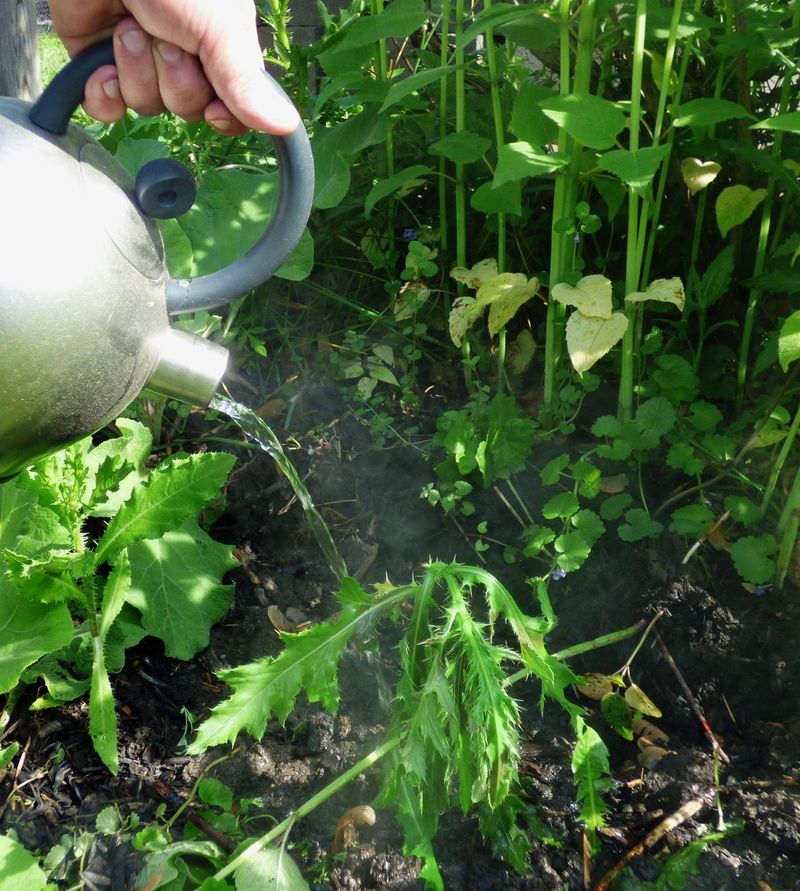
Imagine the simplicity of using boiling water to eliminate Virginia Creeper. This eco-friendly method works by pouring hot water directly onto the plant’s roots. The heat effectively kills the roots, preventing new growth.
Boiling water is a natural alternative to chemicals, making it perfect for those who prefer organic gardening. Repeat the process several times for persistent vines. Always exercise caution to avoid burns and protect desirable plants nearby.
This method is especially suitable for small infestations. Search for “boiling water treatment for weeds” to see how it works in action.
3. Mulching to Smother Growth
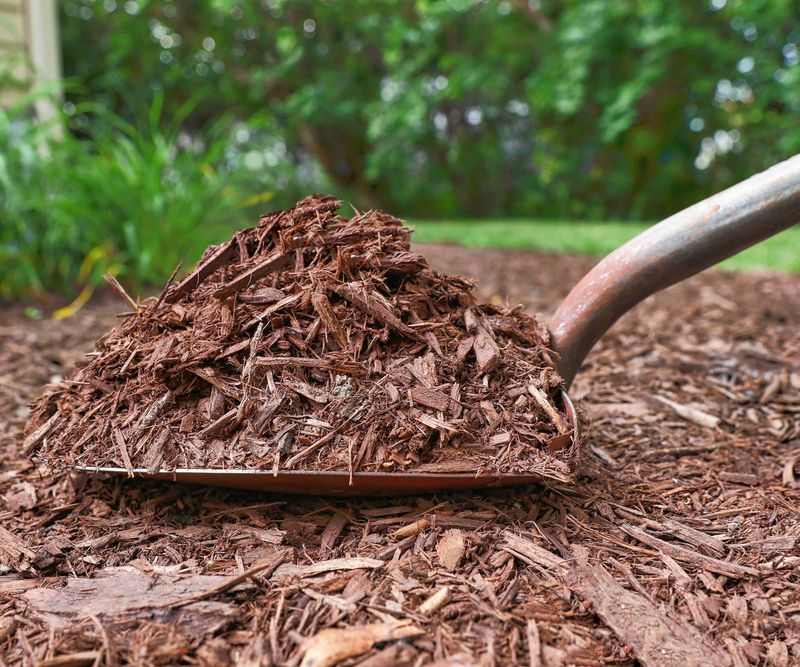
Who knew mulch could be a gardener’s best friend? By applying a thick layer of mulch, you can suffocate Virginia Creeper. This method prevents sunlight from reaching the plant, inhibiting its growth.
Choose organic mulches like wood chips or straw for added soil benefits. Mulching not only controls weeds but also conserves soil moisture and improves soil health. For optimal results, ensure the mulch layer is at least three inches thick.
It’s a passive yet highly effective approach. Search for “mulching to prevent Virginia Creeper growth” to explore this method further.
4. Vinegar Spray Solution
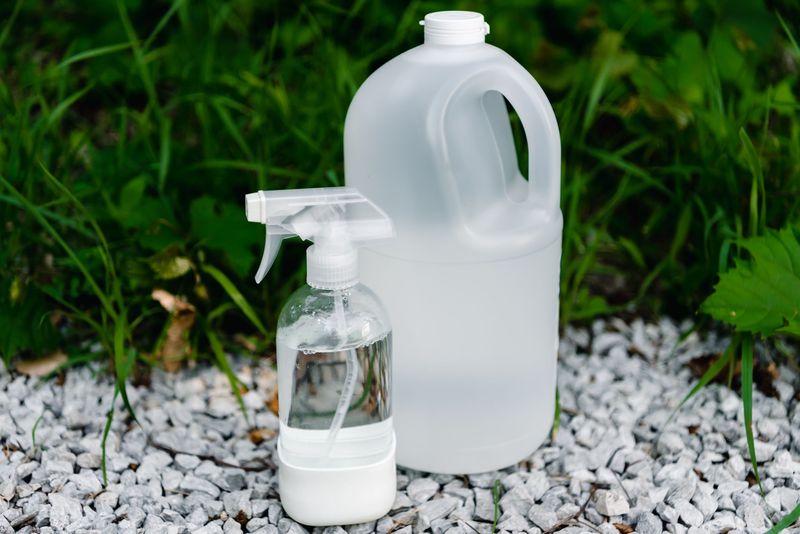
Vinegar, a staple in every kitchen, can double as a potent weed killer. A vinegar spray solution is a natural and economical choice for Virginia Creeper eradication. Mix equal parts water and vinegar in a spray bottle.
Apply directly to the leaves on a sunny day. The acetic acid in vinegar dries out the foliage, leading to plant death. Be cautious, as vinegar can harm other plants. Use it selectively and repeat the application as necessary.
For visual guidance, search “vinegar spray for Virginia Creeper” to see its application.
5. Salt Application
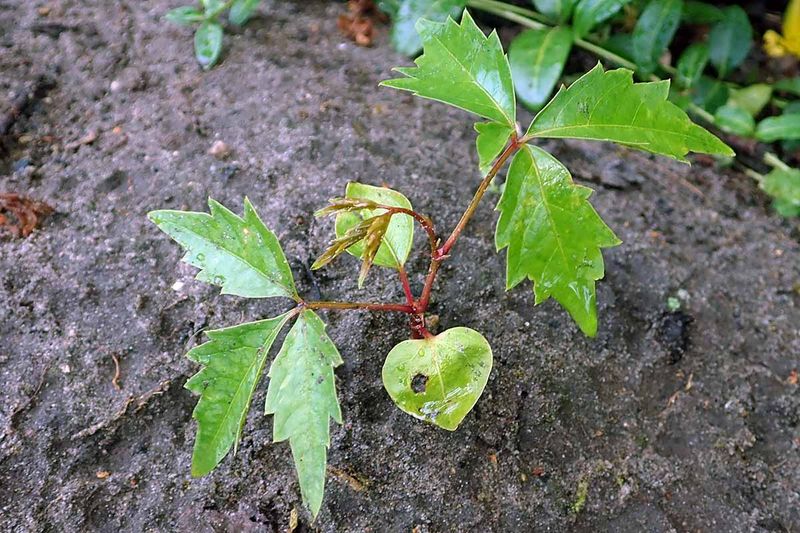
Who would have thought salt could combat Virginia Creeper? Salt dehydrates the plant, making it an effective natural herbicide. Dissolve salt in water and apply it directly to the vine’s base.
This method works best in areas where other vegetation isn’t present, as salt can harm wanted plants. It’s a cost-effective option but requires careful application to avoid soil damage. Use sparingly and repeat if necessary.
Curious about salt’s effects on weeds? Search “salt application for Virginia Creeper control” for more insights.
6. Herbicide Application
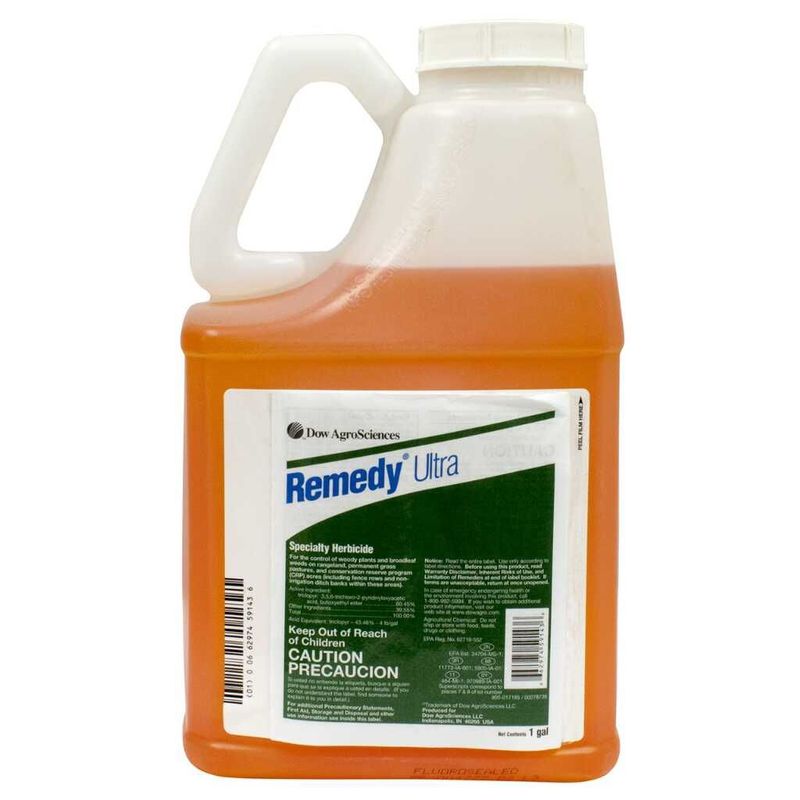
Chemical herbicides offer a powerful solution for Virginia Creeper, especially in extensive infestations. Choose a product labeled for broadleaf weeds and follow the manufacturer’s instructions closely.
Apply on a calm, dry day to prevent drift onto desirable plants. Herbicides work by interfering with the plant’s growth processes. For persistent vines, multiple applications may be necessary.
This method provides rapid results but should be used with caution to protect the environment. Search “herbicide for Virginia Creeper removal” to find suitable products.
7. Solarization Technique
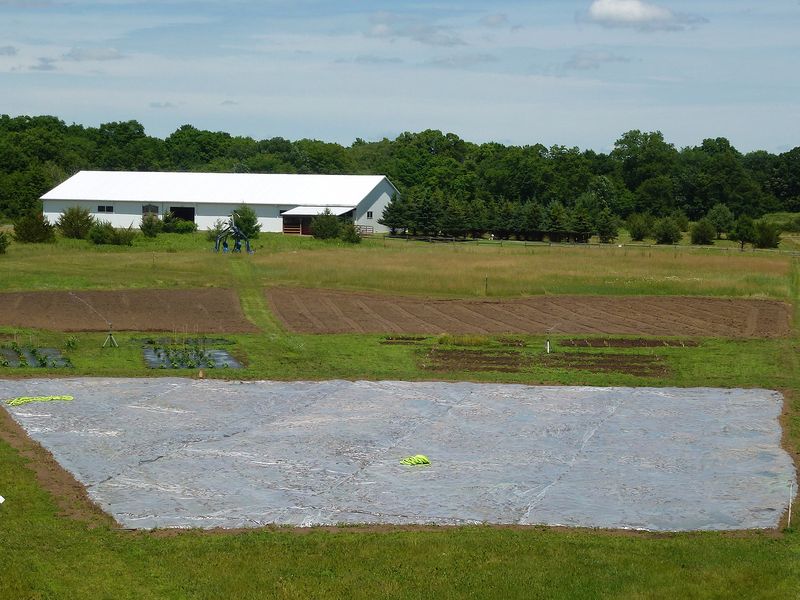
Have you considered harnessing the sun’s power for weed control? Solarization involves covering the infested area with clear plastic. The sun’s heat becomes trapped, raising the soil temperature and killing Virginia Creeper roots.
This method is eco-friendly and chemical-free, ideal for organic gardeners. It requires sunny weather and several weeks to be effective. Ensure the edges of the plastic are secured to prevent heat loss.
To visualize this process, search “solarization for weed control” and explore its benefits.
8. Ground Cover Suppression
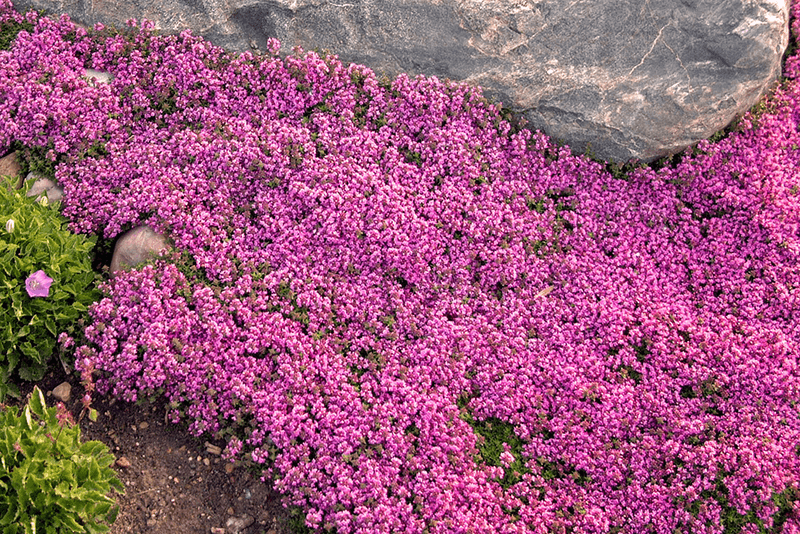
Using ground cover plants to suppress Virginia Creeper offers a natural solution. Plant dense ground covers like clover or thyme in affected areas. These plants compete for resources, while their coverage shades out the creeper.
This method promotes biodiversity and requires minimal maintenance once established. Ground covers enhance soil health and prevent erosion, adding beauty to your garden. Choose native species for the best ecological balance.
For inspiration, search “ground cover suppression for Virginia Creeper” to see this method in action.
9. Baking Soda Application
Baking soda, a common household item, can aid in Virginia Creeper control. Sprinkle it directly onto the plant’s leaves and around the base. Baking soda raises the pH level, disrupting plant growth.
This method is safe for the environment and simple to apply. It’s best for small infestations and requires repeated applications for effectiveness. Baking soda won’t harm the soil, making it a gentle alternative to harsh chemicals.
Search “baking soda for Virginia Creeper removal” to learn more about its application.
10. White Vinegar and Salt Combination
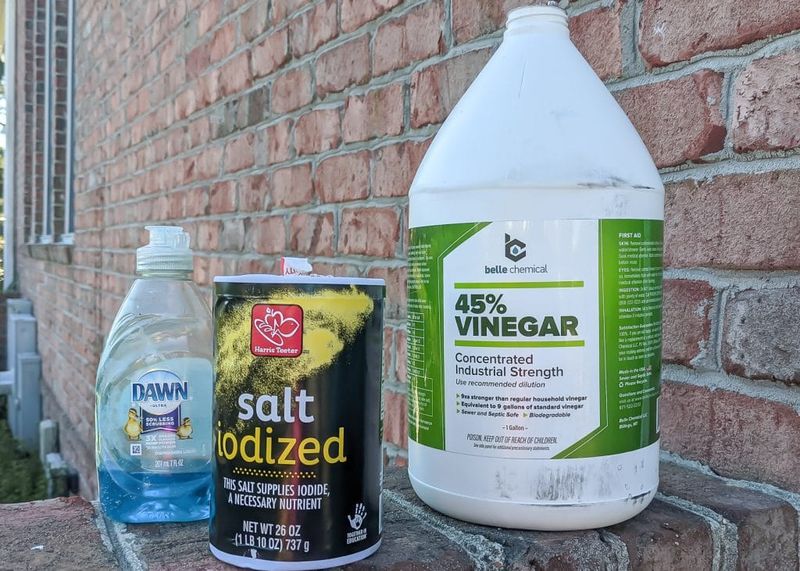
Combining white vinegar and salt creates a potent solution against Virginia Creeper. Mix the two and apply them using a spray bottle directly on the foliage. This combination enhances the drying effect, leading to plant death.
Use caution, as this mixture can affect surrounding plants. It’s ideal for isolated infestations needing a strong response. Repeat applications might be necessary for stubborn cases.
For more on this approach, search “white vinegar and salt for weed control.”
11. Using Borax
Borax, often found in laundry rooms, also works as a herbicide. Sprinkle it directly onto Virginia Creeper, focusing on the leaves and roots. Borax’s boron content disrupts the plant’s nutrient uptake.
Exercise caution, as boron can accumulate in the soil, affecting other plants. Use sparingly and only in areas where no other vegetation is desired. This method is effective for small patches requiring targeted attention.
Search “using Borax for Virginia Creeper removal” to discover more about this technique.
12. Flame Weeding
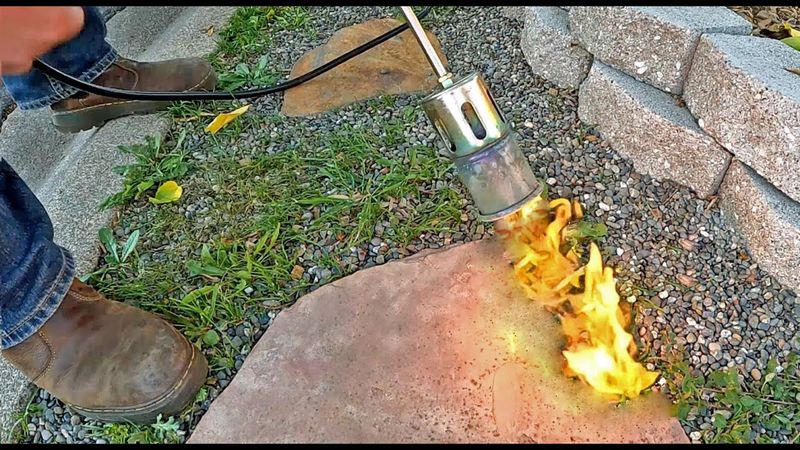
The idea of flame weeding may sound bold, but it’s an innovative approach to Virginia Creeper removal. Using a flame weeder, apply heat directly to the plant. This causes the cells to burst, resulting in plant death.
Flame weeding is best for mature vines and should be used with caution to prevent fires. It’s a chemical-free option that requires precision and safety awareness. Avoid using in dry conditions or near flammable materials.
Search “flame weeding for Virginia Creeper” to explore this daring method.
13. Cultivation and Regular Monitoring
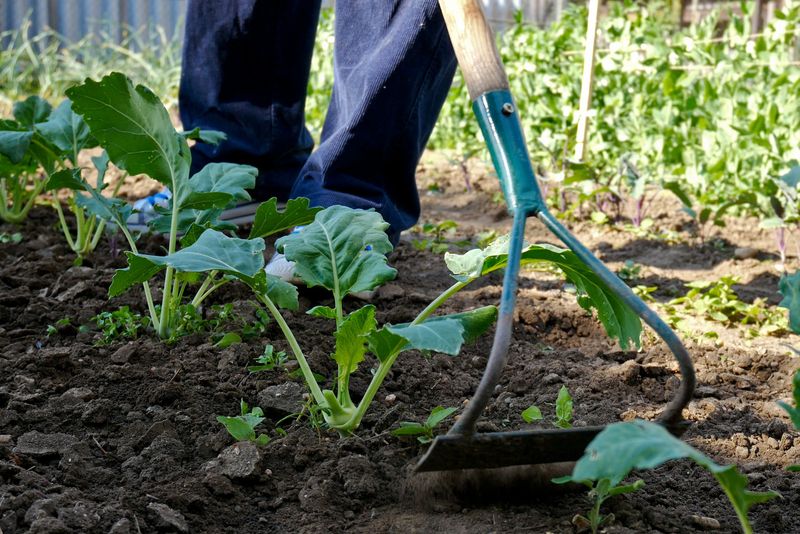
Cultivation, combined with regular monitoring, provides a proactive approach to Virginia Creeper control. Regularly till the soil to disturb the roots and prevent establishment.
Pair this with vigilant monitoring to catch new growth early. Consistent effort over time leads to successful management. This method enhances soil health and encourages beneficial organisms.
Search “cultivation and monitoring for weed control” to learn more about maintaining your garden’s integrity.
14. Pruning and Regular Maintenance
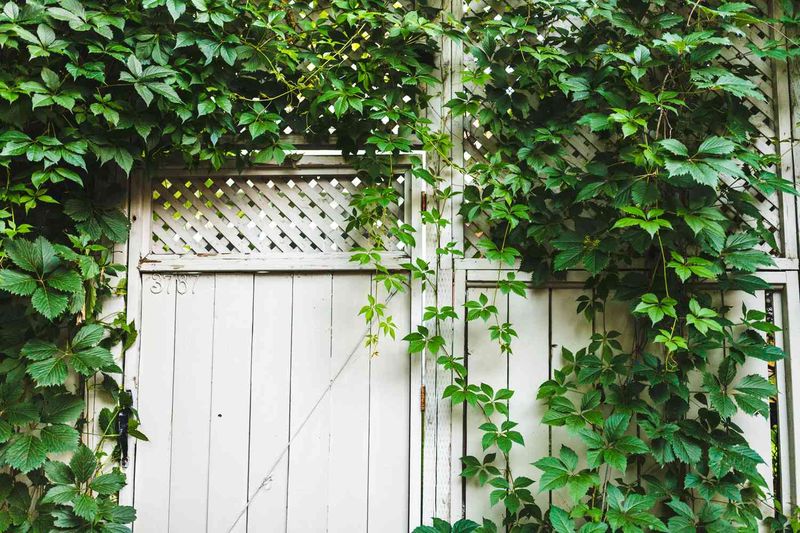
Regular pruning and maintenance keep Virginia Creeper in check. Using sharp shears, trim the vines to prevent them from overtaking your garden. Focus on cutting back the plant to its base, disrupting its growth cycle.
Pruning not only controls spread but also encourages healthier plant development. Consistent maintenance prevents reestablishment and boosts garden aesthetics.
Search “pruning Virginia Creeper” for more tips on managing your garden effectively.