
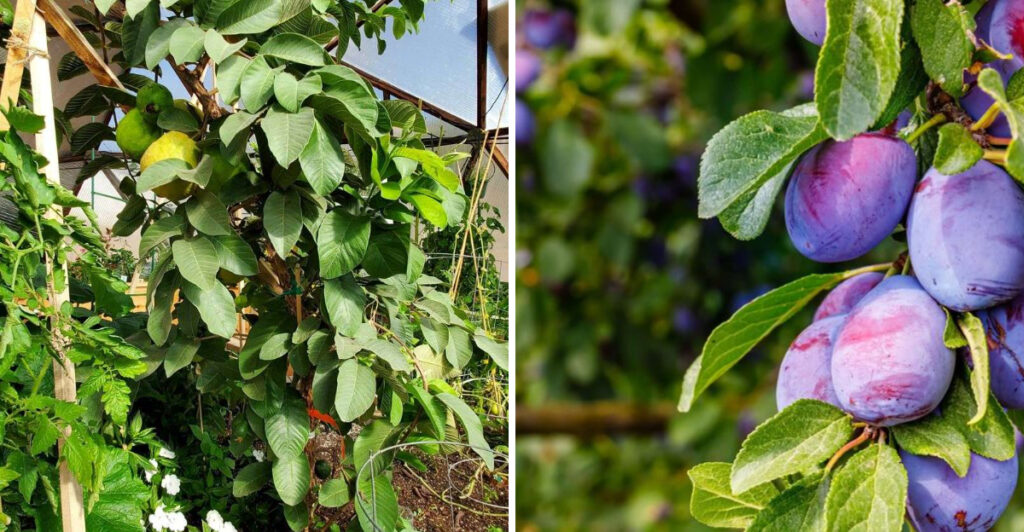
Exploring the fascinating world of fruits and their adaptability to climate conditions reveals surprising insights. While some fruits struggle to develop their full flavors in cooler regions, others flourish and produce bountiful harvests.
This guide delves into six fruits that remain stubbornly unripe in chillier zones, alongside six varieties that embrace and thrive in such environments.
1. Mango
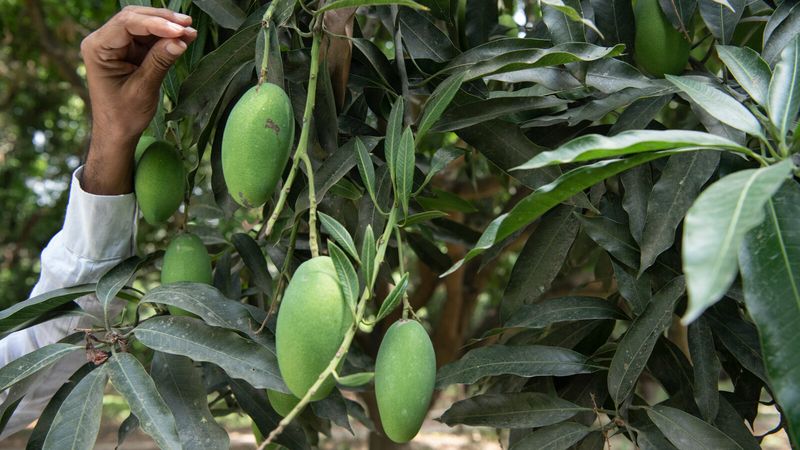
Mangoes, often heralded as the “king of fruits,” require abundant sunshine and warmth to mature. In cooler climates, their growth slows significantly, leaving them unripe and often sour. These tropical fruits are native to South Asia, thriving in hot, humid conditions.
When planted in regions with lower temperatures, their vibrant colors remain muted, and their sweetness is compromised. The lack of consistent warmth affects their overall development.
For those in cooler areas yearning for mangoes, greenhouse cultivation might be a solution, although it seldom replicates the natural tropical taste.
2. Papaya
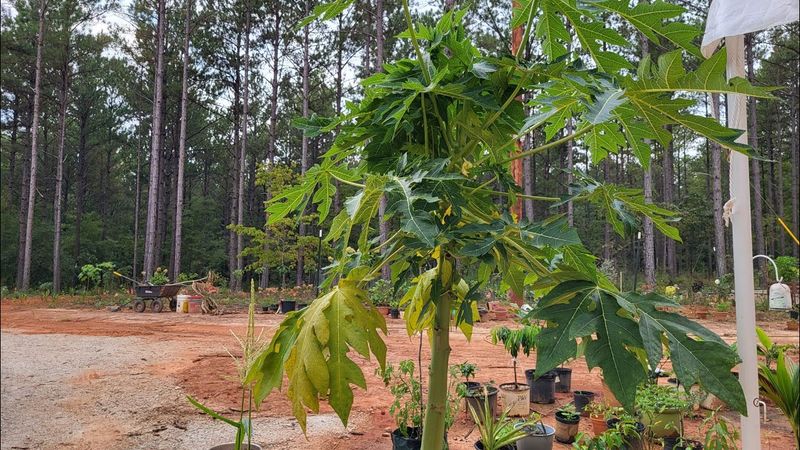
Papayas, known for their buttery texture and sweet flavor, struggle when temperatures drop. These fruits are accustomed to tropical and subtropical climates, where sunlight and warmth are plentiful. In cooler environments, papayas fail to ripen fully, often remaining hard and bland.
Their susceptibility to frost makes them a challenging crop outside their preferred zones. The contrast between their typical sunny habitat and a cooler one is stark.
Gardeners attempting to cultivate papayas in cooler climates may need to utilize heated greenhouses to mimic ideal growing conditions.
3. Banana

Bananas are synonymous with tropical warmth, where they grow rapidly and ripen to perfection. In cooler climates, these fruits face a stark challenge. Without the necessary heat, bananas remain stunted and green, unable to develop their characteristic sweetness.
The banana plant’s need for consistent warmth and humidity hinders its cultivation in cooler regions. These conditions prevent the full expression of their flavor and texture.
For those determined to grow bananas in cooler air, indoor planting with controlled temperatures might offer a slim chance at success.
4. Pineapple
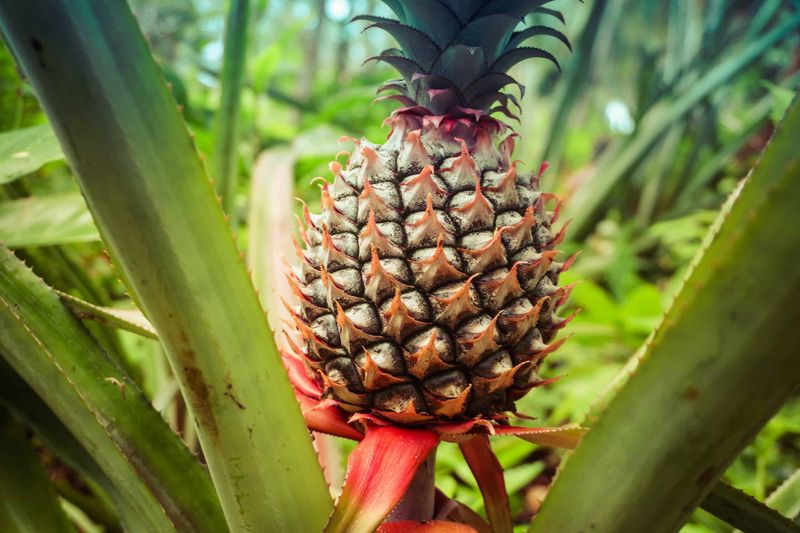
Pineapples are tropical by nature, basking in the sun’s rays to grow and ripen. In cooler climates, they face a significant hurdle. Without sufficient warmth, pineapples struggle to mature, often remaining undersized and tart.
Their preference for hot, sunny environments makes them unsuitable for cooler regions where the sun’s strength is diminished.
Cultivating pineapples in these areas requires extra effort, such as indoor planting or using heated greenhouses, to simulate warmer conditions and encourage ripening.
5. Guava
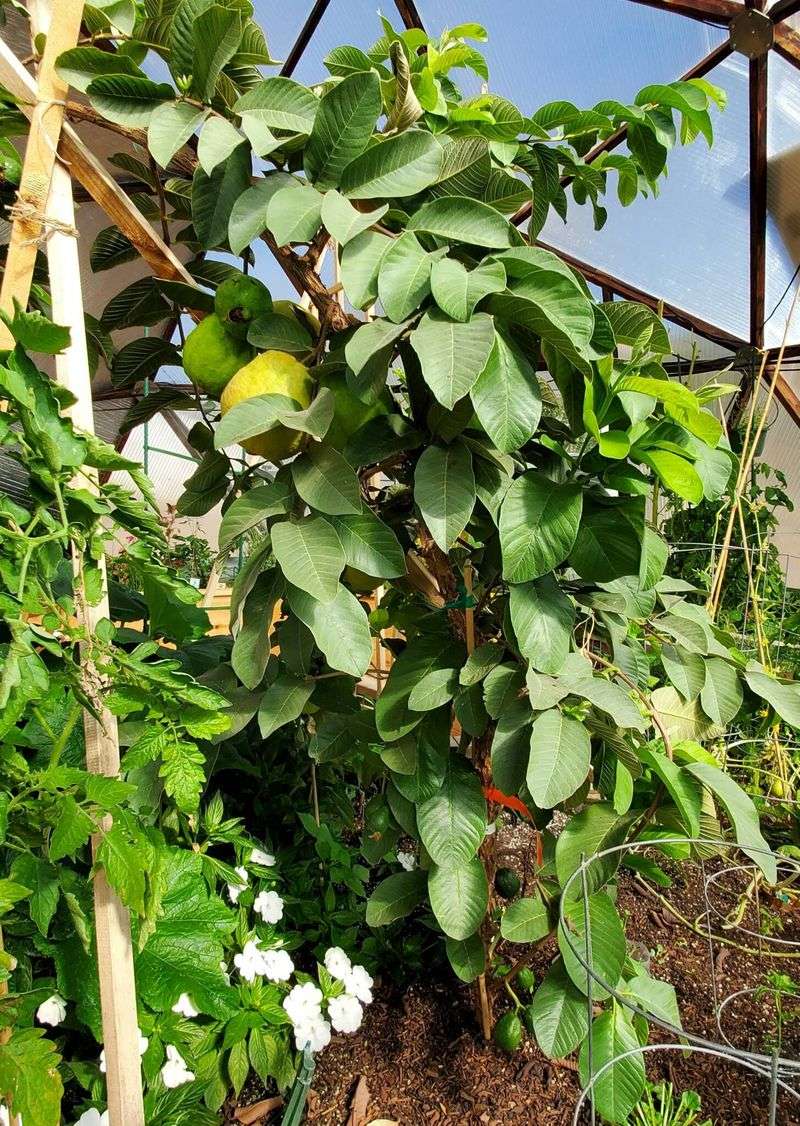
Guavas, with their sweet, fragrant aroma, thrive in tropical and subtropical climates. In cooler regions, these fruits face challenges in maturing. The reduced heat levels result in guavas that are often hard and lacking in flavor.
Without the warmth they crave, guavas remain green and unappealing. The cool climate fails to develop their sugars, preventing the full expression of their potential.
For those in chillier areas, cultivating guavas demands extra care and often involves greenhouse conditions to achieve any level of ripeness.
6. Avocado
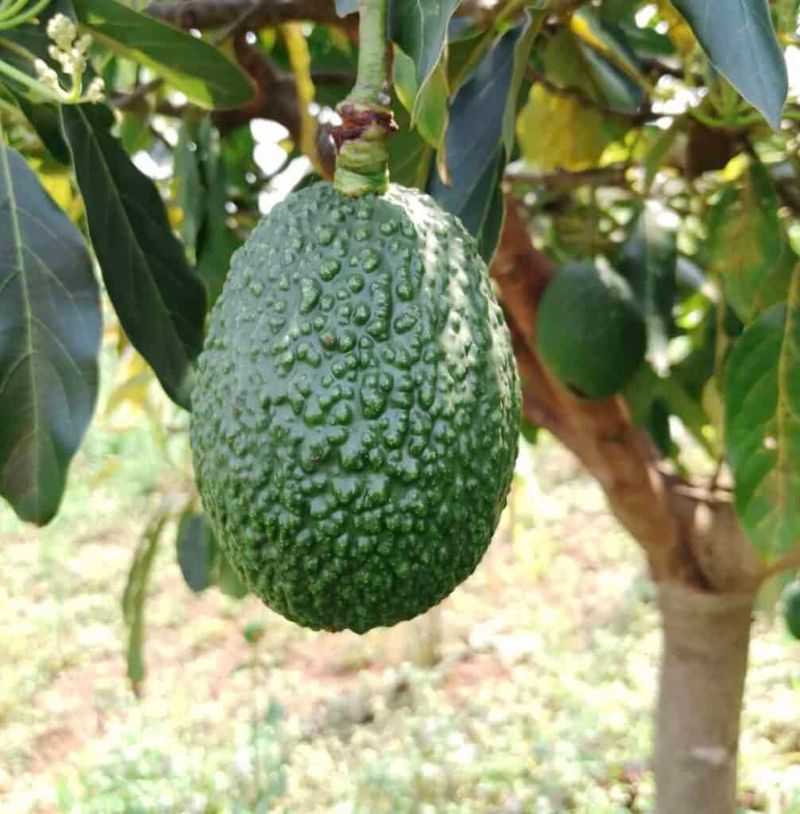
Avocados, with their creamy texture and mild taste, are native to warm climates. In cooler environments, they often remain unripe, struggling to achieve their full buttery potential. The lack of warmth impacts their growth and maturation.
These fruits prefer conditions with abundant sunshine and warmth, which are necessary for their development. In chillier zones, avocados can be disappointing due to their inability to ripen properly.
For those attempting to grow avocados in cool climates, using heated spaces or greenhouses may help in nurturing their growth, albeit with limited success.
1. Apples
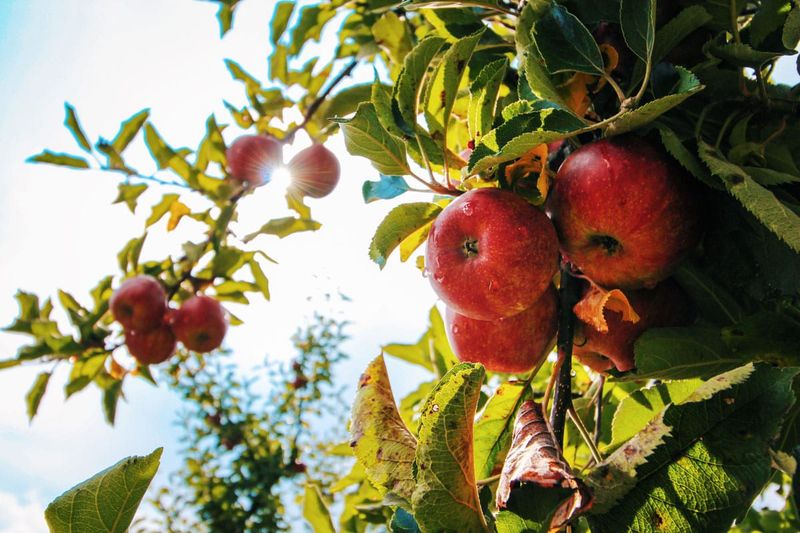
Apples, cherished for their crisp texture and sweet-tart flavor, thrive beautifully in cooler climates. These fruits are synonymous with autumn, when the air turns brisk and the leaves change color.
The chill in the air enhances their flavor, making them juicier and more aromatic. Apples are remarkably adaptable, growing well in regions where other fruits might struggle.
For those in cooler areas, apple trees offer a reliable and rewarding harvest. Their ability to flourish in such climates makes them a staple in many gardens and orchards worldwide.
2. Cherries
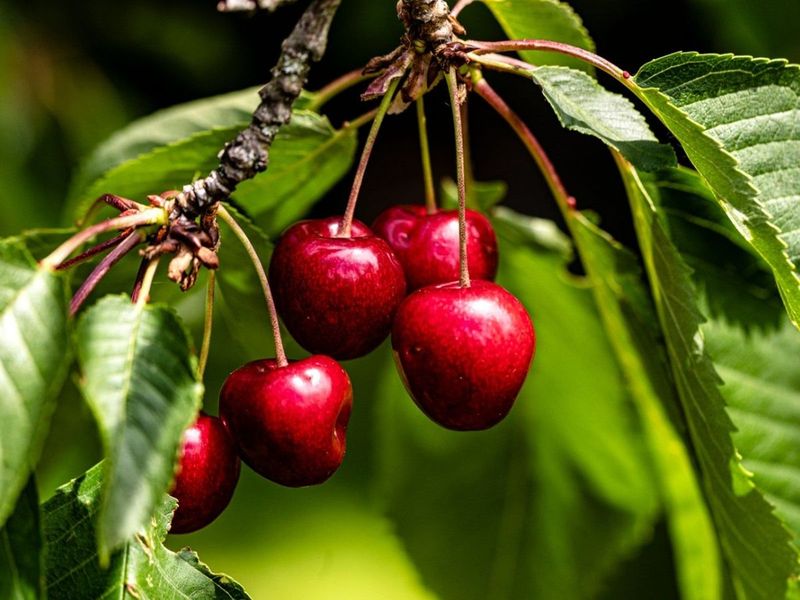
Cherries, with their glossy skin and juicy flesh, are perfectly suited for cooler climates. These fruits love the brisk air, which helps develop their characteristic tartness.
The transition from spring to summer is when cherries truly shine, as the cool nights contribute to their rich color and flavor. They are a delightful addition to any garden in temperate zones.
For gardeners in cooler regions, cherries offer a bountiful and satisfying harvest. Their affinity for such climates makes them a popular choice for those seeking vibrant and flavorful fruits.
3. Pears
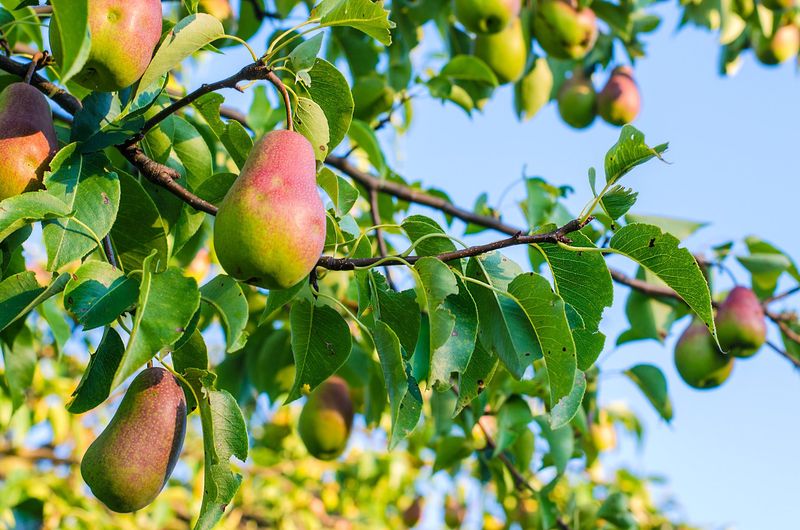
Pears, with their delicate sweetness and juicy texture, thrive in cooler climates where other fruits may falter. The crisp air and gentle sunshine of these regions create the perfect environment for pears to develop.
As autumn approaches, these fruits come into their own, offering a refreshing and flavorful harvest. Pears’ adaptability to cooler temperatures makes them a reliable choice for growers in such zones.
For those cultivating fruit in chillier climates, pears are a rewarding option, providing a delicious and plentiful yield season after season.
4. Plums
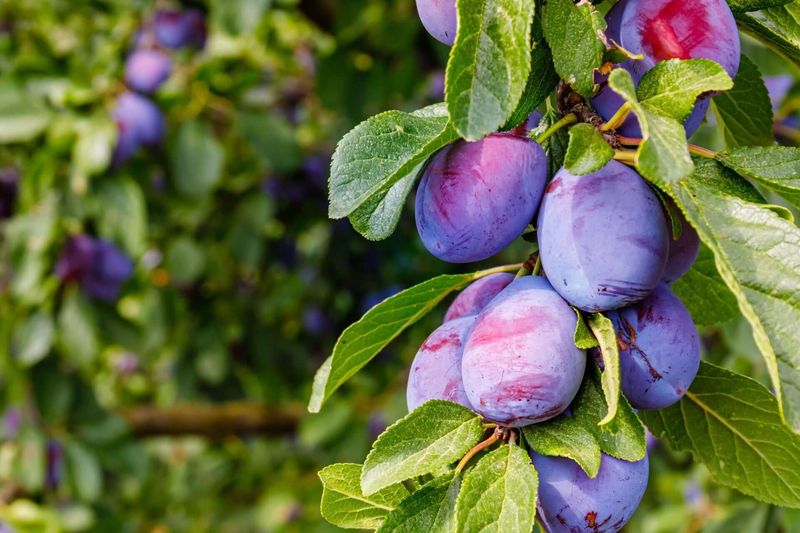
Plums, with their juicy bite and sweet flavor, flourish in cooler climates, enjoying the brisk air and gentle sun. These fruits develop beautifully under such conditions, offering a rich and delicious yield.
The cool climate allows plums to mature slowly, enhancing their taste and texture. As a result, they are a favored choice among growers in temperate regions.
For those in cooler areas, plums provide a reliable and fruitful harvest. Their ability to thrive in these climates makes them a beloved addition to gardens and orchards alike.
5. Raspberries
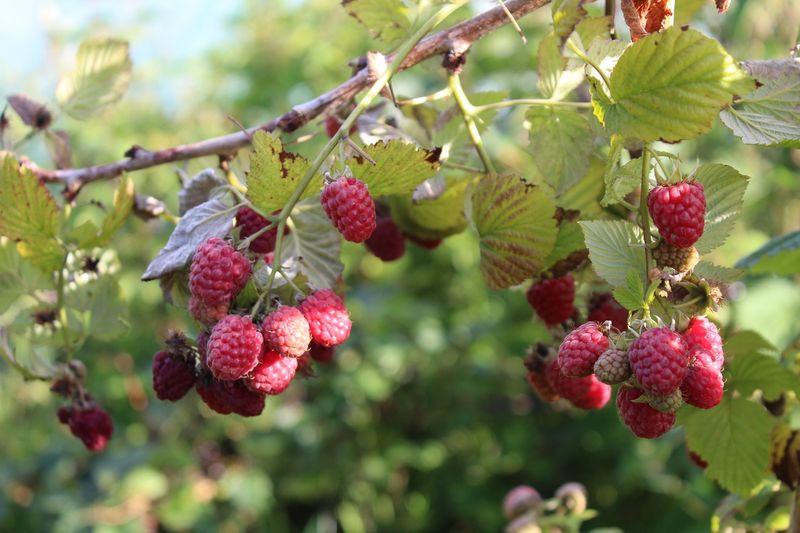
Raspberries are synonymous with summer in cooler climates, where they ripen beautifully under the mild sun. Their tart and sweet flavor makes them a beloved fruit in such regions.
These berries prefer the cool air, which enhances their color and taste, resulting in a rewarding harvest. Their ease of cultivation adds to their appeal for home gardeners.
For those in cooler climates, raspberries offer a delightful and bountiful yield. Their love for these conditions makes them a cherished fruit, perfect for pies, jams, and fresh enjoyment.
6. Blackberries
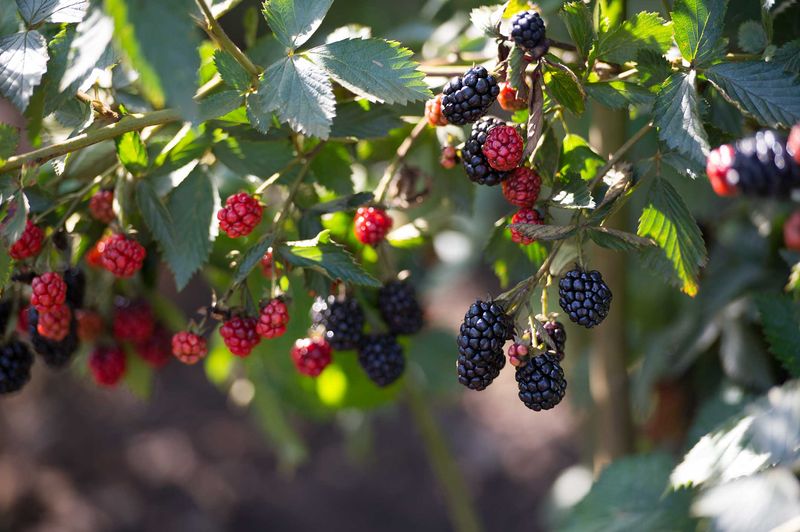
Blackberries thrive in cooler climates, offering a robust and fruitful harvest. These berries are known for their rich, sweet flavor, which develops beautifully in temperate regions.
The cool air and gentle sunlight contribute to their plumpness and juiciness, making them a favorite among growers. Blackberries are easy to cultivate, providing a rewarding experience for gardeners.
For those in cooler areas, these berries represent a delicious and abundant yield. Their resilience and adaptability make them an ideal choice for cultivating in such climates.