
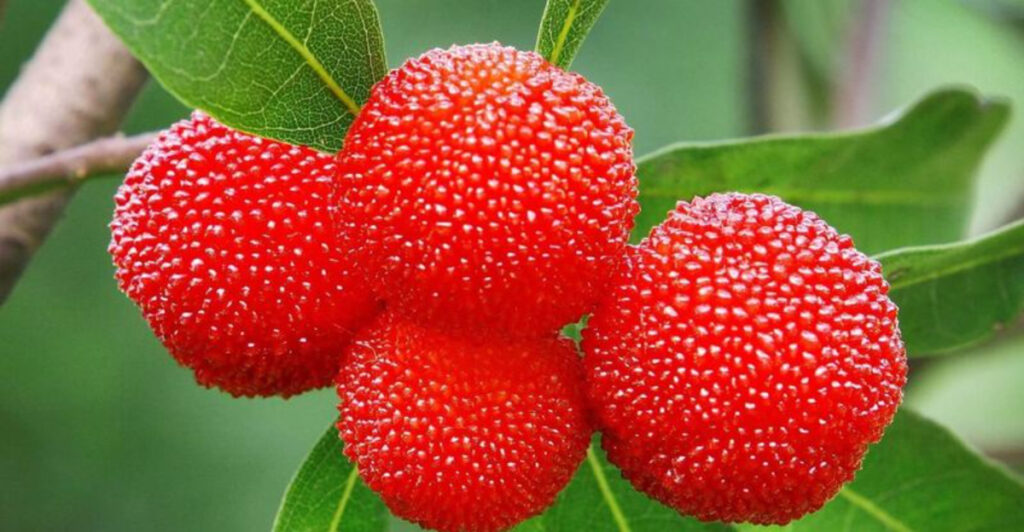
Discover a world of vibrant red berry shrubs to invigorate your garden’s landscape. These 25 remarkable shrubs add a splash of color, wildlife attraction, and seasonal beauty.
Perfect for gardeners seeking a dynamic and lively outdoor space, each shrub offers unique characteristics that make it stand out. From the festive winterberry to the versatile sumac, explore this diverse collection that promises not only visual appeal but also ecological benefits.
Whether you’re a seasoned gardener or a novice enthusiast, these shrubs provide endless opportunities for creativity and discovery.
1. Winterberry (Ilex verticillata)
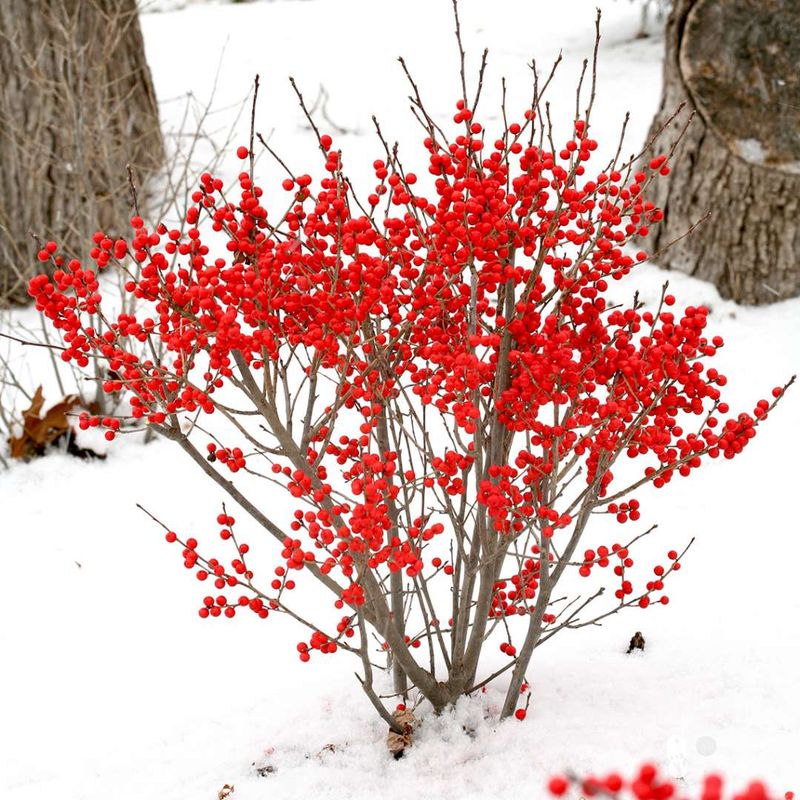
Winterberry, with its vivid red berries, brings warmth to the coldest winter days. The striking contrast of its berries against the barren winter landscape creates a picturesque scene. Often used in festive decorations, winterberry is a favorite among gardeners for its resilience and beauty. Its adaptability to various soil types makes it a versatile choice for any garden. As the leaves drop in autumn, the berries stand prominent, capturing the essence of winter’s charm.
2. Red Chokeberry (Aronia arbutifolia)
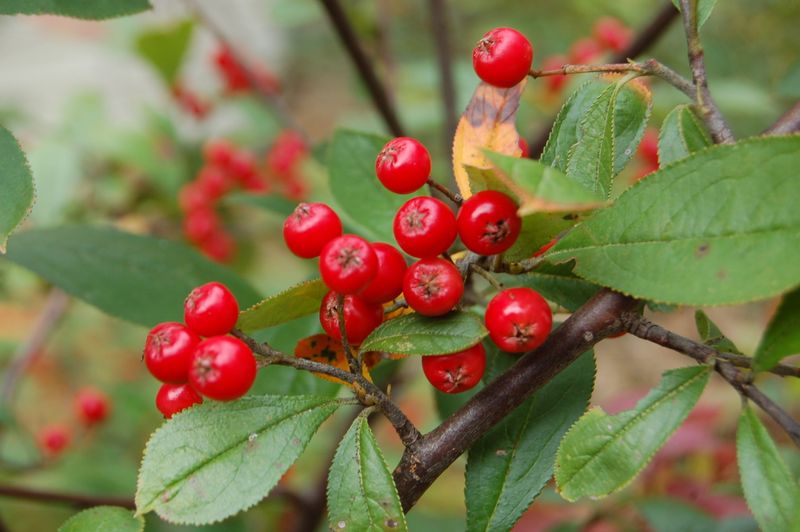
The red chokeberry offers a burst of color with its glossy red berries and stunning fall foliage. Known for its adaptability, this shrub thrives in diverse environmental conditions, from wetland edges to dry soils. It’s not just the visual appeal that makes red chokeberry special; its berries are a vital food source for wildlife. The fiery autumn leaves create a seasonal spectacle, making it a desirable addition to any garden.
3. American Cranberrybush (Viburnum trilobum)
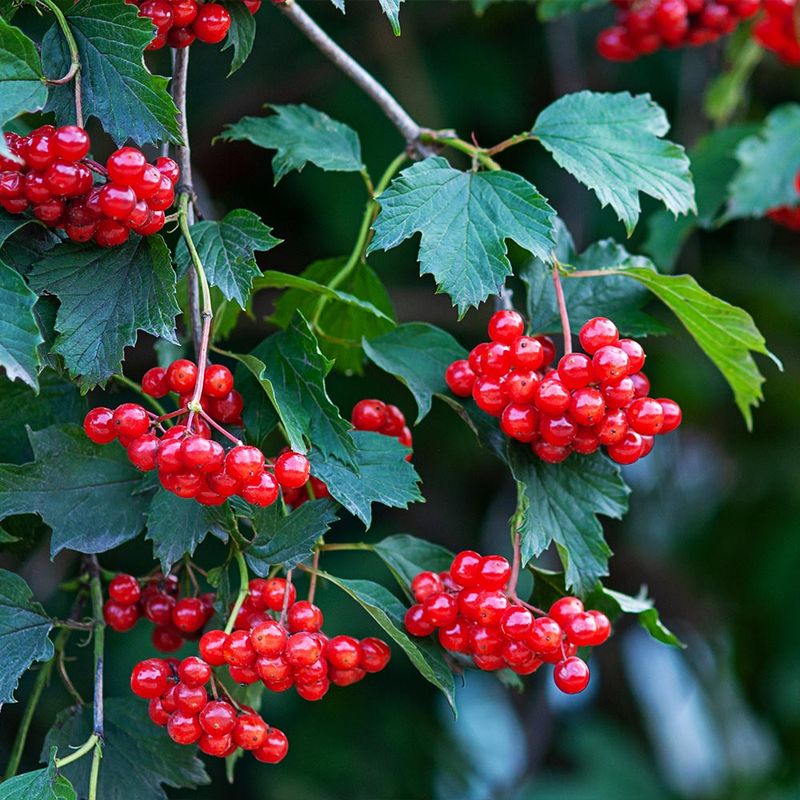
American Cranberrybush dazzles with clusters of bright red berries that entice both birds and onlookers alike. Its lush green leaves provide a beautiful backdrop, complementing the colorful berries. This shrub is not only ornamental but also beneficial for wildlife, offering food and shelter. With its ability to thrive in various conditions, the American Cranberrybush is a versatile choice for gardeners seeking a splash of color and ecological benefits.
4. Nandina (Nandina domestica)
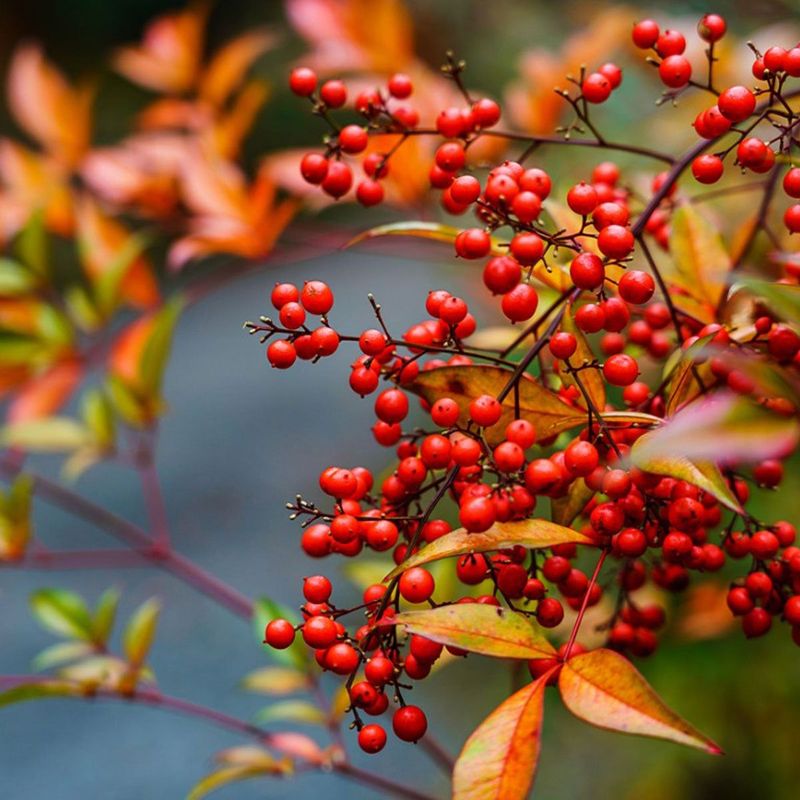
Known as heavenly bamboo, Nandina adds a touch of elegance with its delicate leaves and red berries. This evergreen shrub features a blend of green foliage, white flowers, and vibrant berries, creating year-round interest. Its graceful appearance makes it a popular choice for borders and containers alike. Beyond aesthetics, Nandina is low-maintenance, thriving with minimal care. Its berries, though not edible for humans, provide a feast for birds.
5. Cotoneaster (Cotoneaster horizontalis)
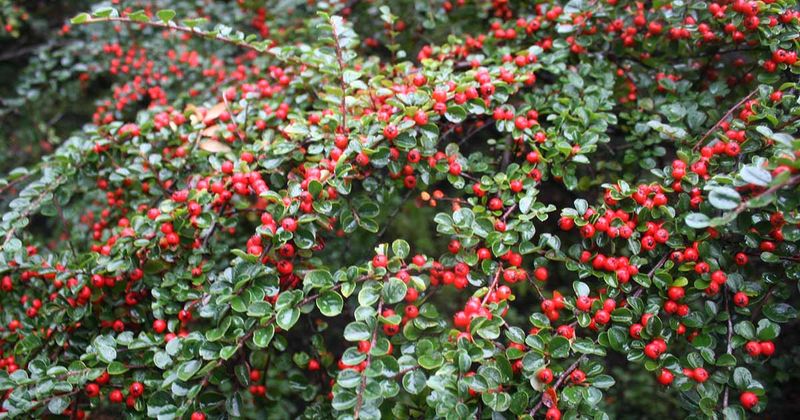
Cotoneaster is a sprawling beauty, known for its cascading branches and vivid red berries. Often seen draping garden walls, it offers a lovely display of color and texture. Cotoneaster’s small, glossy leaves and occasional flowering buds add to its charm. Ideal for covering slopes or creating informal hedges, this shrub is both practical and visually appealing. The berries attract birds, providing an added dimension to this versatile plant.
6. Holly (Ilex aquifolium)
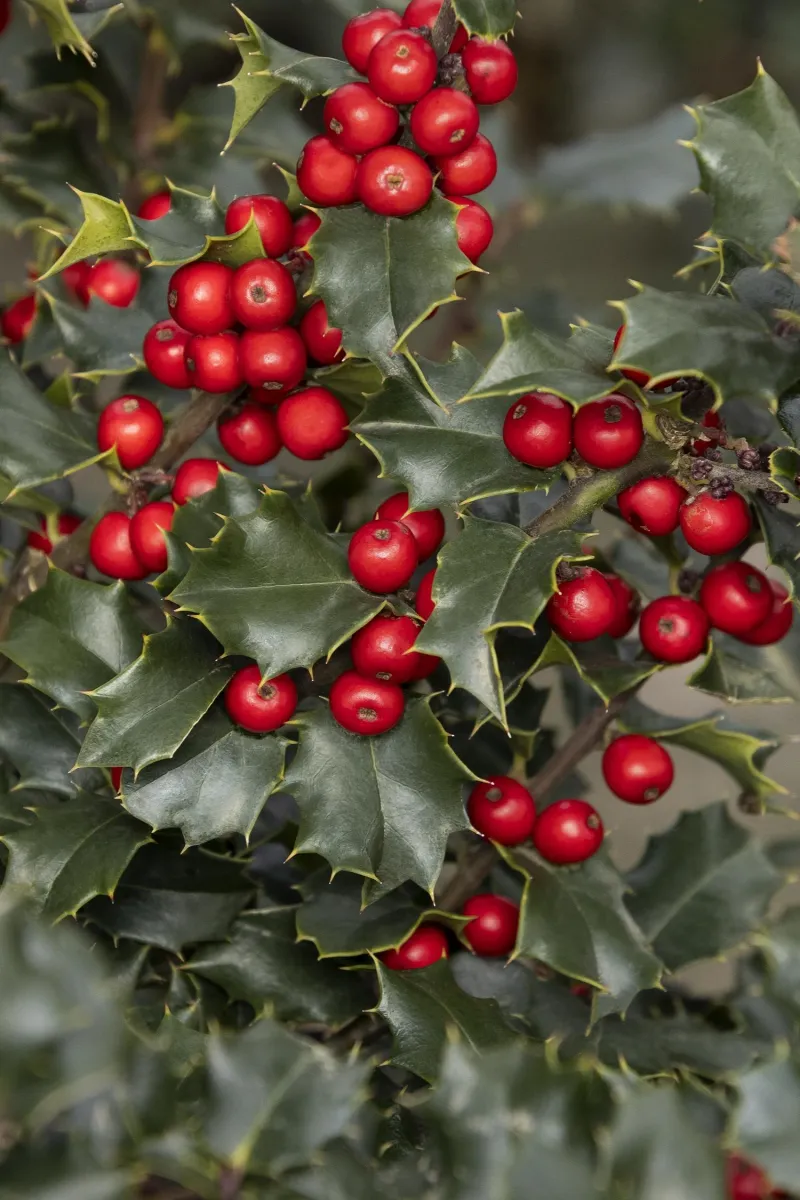
Holly, with its iconic red berries and glossy green leaves, is synonymous with festive cheer. It’s a timeless classic found in holiday decorations and winter landscapes. Beyond its ornamental value, holly provides shelter and food for various bird species. This evergreen shrub is a staple in many gardens, offering year-round beauty and resilience. Its robust nature makes it a perfect choice for hedges or standalone specimens.
7. Barberry (Berberis thunbergii)
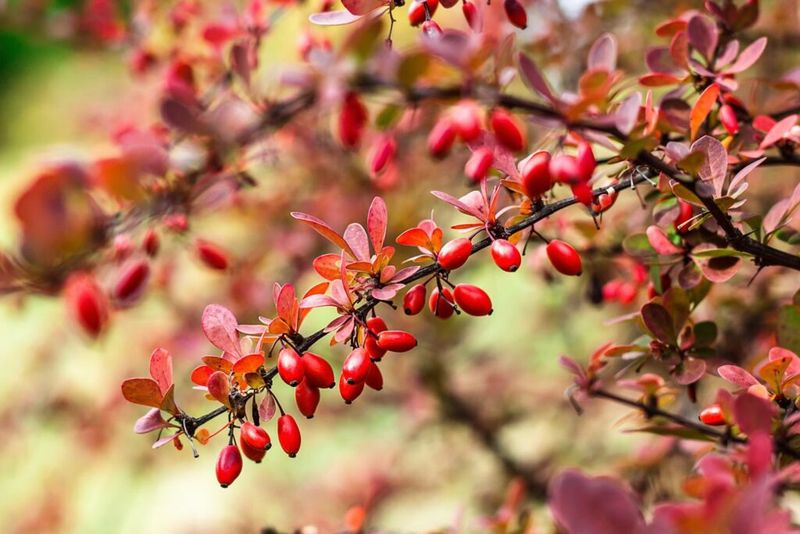
Barberry stands out with its sharp, thorny branches and clusters of small red berries. This hardy shrub is appreciated for its vibrant fall foliage and unique texture. Barberry’s dense growth makes it an excellent choice for privacy hedges or security plantings. While the berries are not for human consumption, they attract birds, adding life to any garden. Its adaptability to various conditions ensures its popularity among gardeners.
8. Pyracantha (Firethorn)
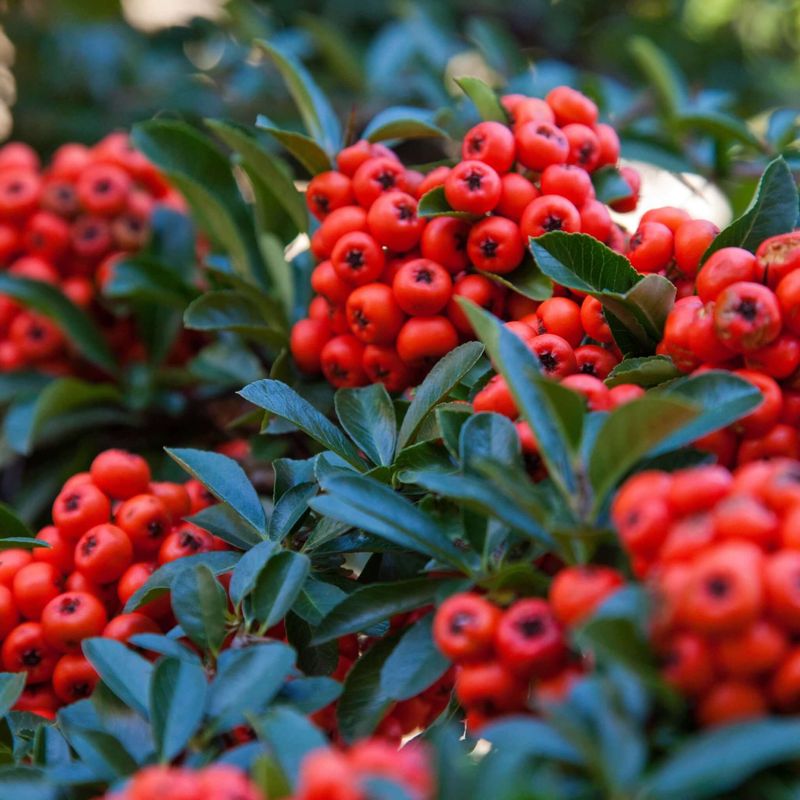
Pyracantha, known as firethorn, is admired for its stunning display of red berries and glossy leaves. This shrub’s sharp thorns serve as a natural deterrent, making it ideal for security planting. Its dense foliage and prolific berry production offer year-round interest. Pyracantha’s versatility allows it to be trained against walls or used as an impactful hedge. Beyond aesthetics, it serves as a vital food source for birds during winter.
9. Red Currant (Ribes rubrum)
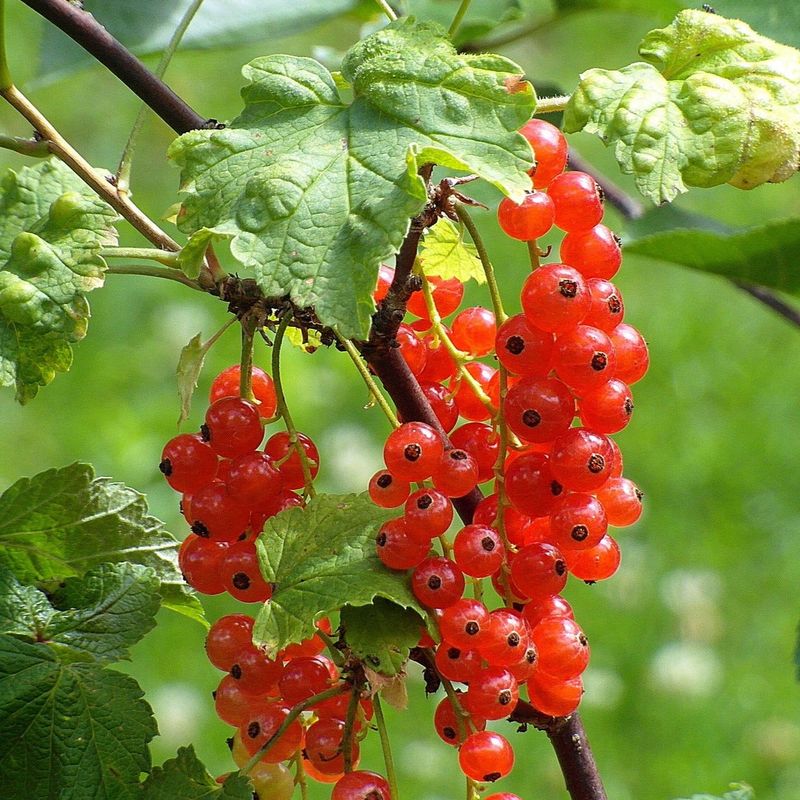
The red currant brings a touch of brightness with its translucent red berries and lush green leaves. These berries, while tart, are prized for culinary uses, from jams to desserts. This compact shrub fits well in small gardens or mixed borders. Its appeal extends beyond aesthetics, as it supports local wildlife. With a history of cultivation, red currant is a cherished addition, offering both beauty and bounty.
10. Highbush Cranberry (Viburnum opulus)
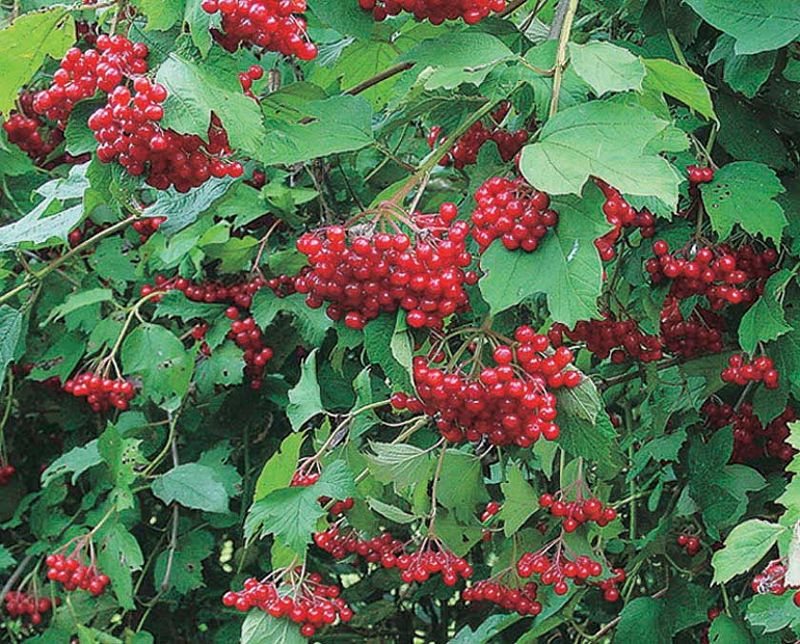
Highbush cranberry, with its clusters of vibrant red berries, decorates any garden with elegance. Though not a true cranberry, its fruit is a culinary delight, often used in sauces and jellies. The shrub’s lush foliage and ornamental berries make it a gardener’s favorite. It thrives in various environments, offering both beauty and ecological benefits. Birds and wildlife flock to its berries, ensuring a lively garden scene.
11. Coralberry (Symphoricarpos orbiculatus)
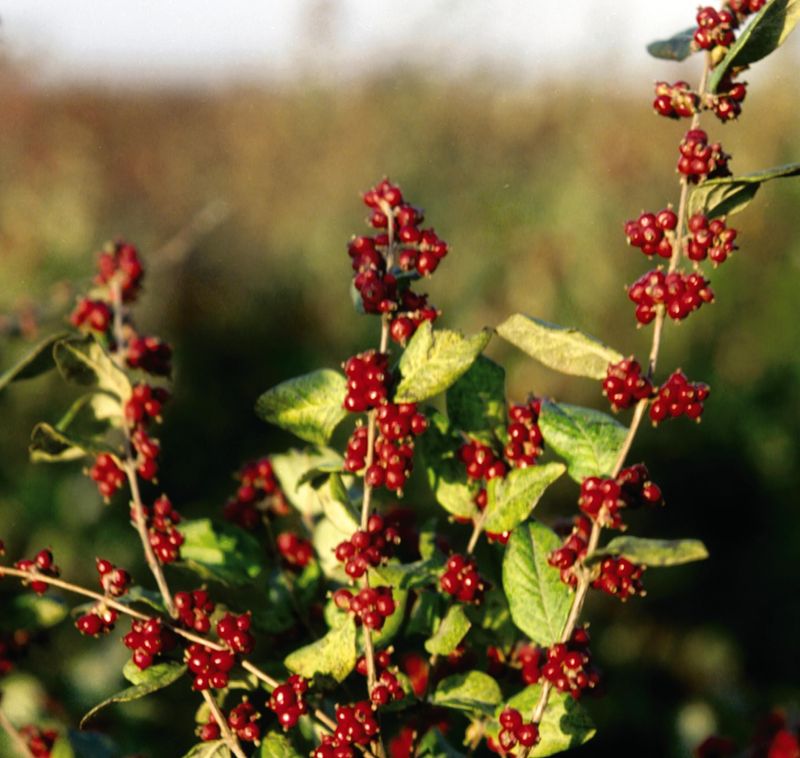
Coralberry, with its intriguing clusters of small red berries, adds a touch of charm to any garden. This low-growing shrub is ideal for ground cover or borders. Its berries persist through the winter, providing visual interest during the colder months. While not suitable for human consumption, they attract birds and wildlife. Coralberry’s resilience and adaptability make it a practical choice for gardeners seeking low-maintenance beauty.
12. Elderberry (Sambucus racemosa)
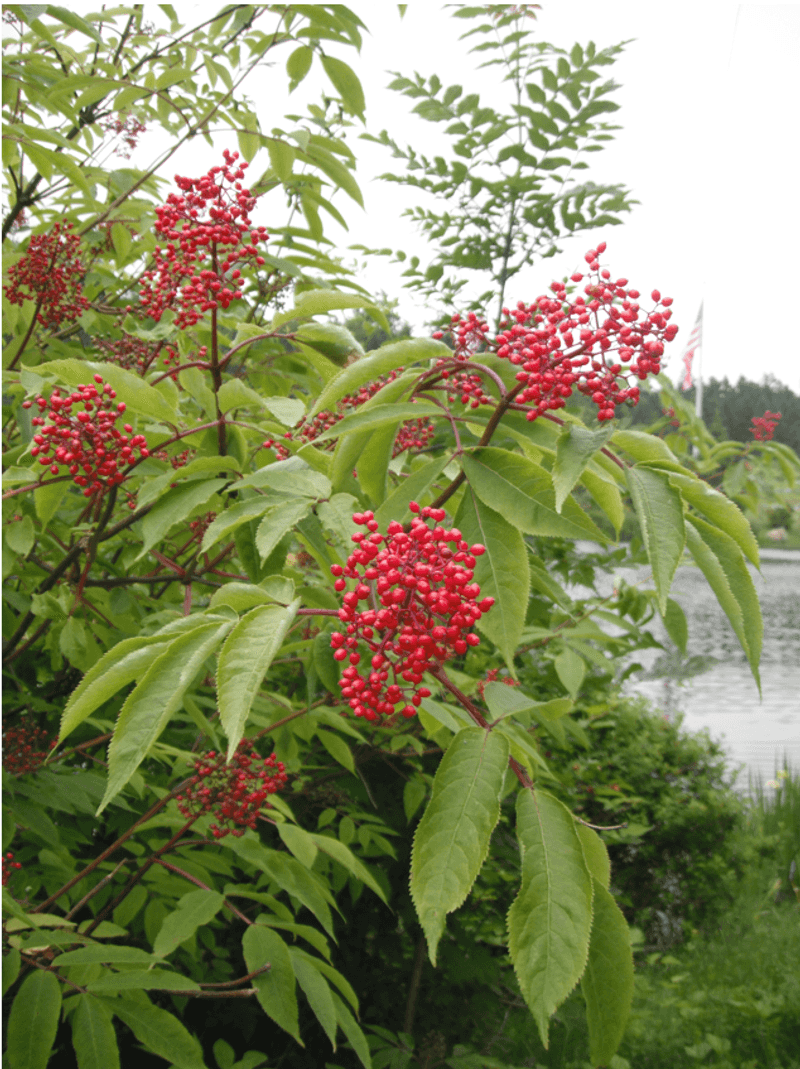
Elderberry, known for its medicinal qualities, offers more than just beauty. Its clusters of red berries and fern-like leaves create an attractive contrast. Elderberry is a favorite among herbalists, with its berries used in traditional remedies. Gardeners appreciate its low-maintenance nature and ecological benefits. The shrub’s vibrant display and beneficial qualities make it a popular addition to both ornamental and functional gardens.
13. Toyon (Heteromeles arbutifolia)
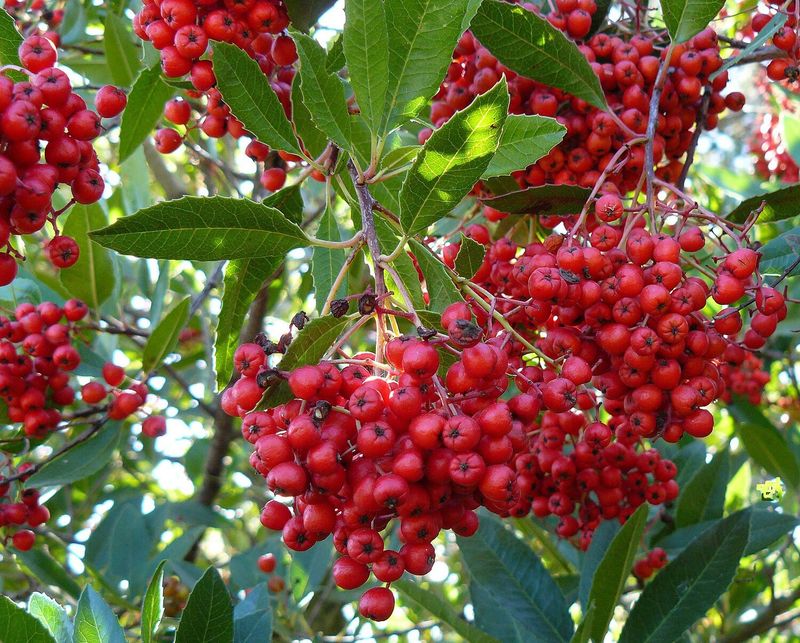
Toyon, often called California holly, offers a brilliant display of red berries and glossy green leaves. Native to California, this shrub thrives in sunny climates and dry soils. Its berries are a vital food source for native wildlife, including birds and mammals. Toyon’s ornamental appeal and drought tolerance make it a beloved choice for xeriscaping. As a symbol of California’s natural beauty, it’s an essential part of regional gardens.
14. Dogwood (Cornus alba, red-berried variety)
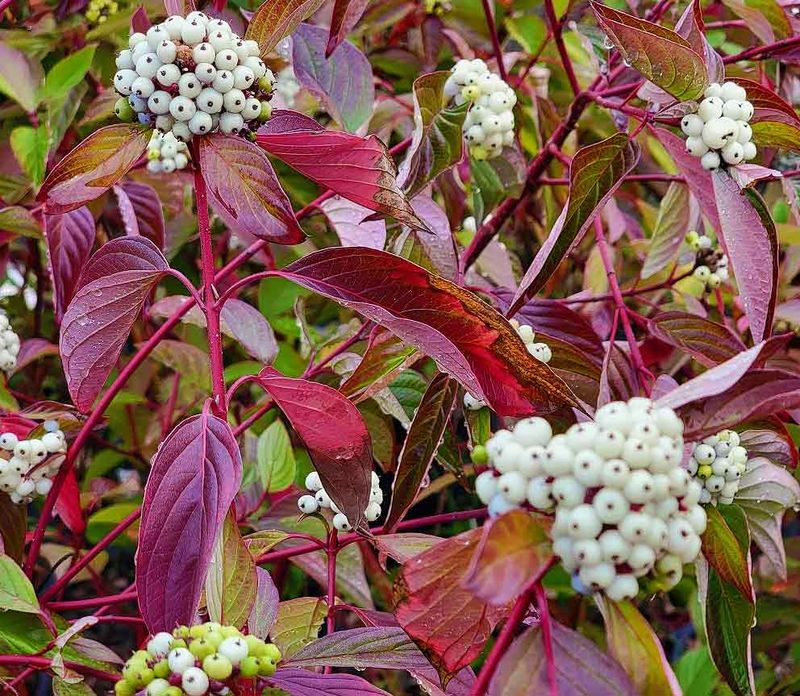
The red-berried variety of dogwood captivates with its vibrant berries and variegated leaves. Known for its striking appearance, this shrub adds color and texture to any landscape. Dogwood’s adaptability to different environments makes it a versatile choice for gardens. Its berries attract birds, adding life to the garden year-round. The shrub’s stunning red stems in winter provide additional interest, ensuring it remains a focal point throughout the seasons.
15. Gooseberry (Ribes uva-crispa, red-fruited types)
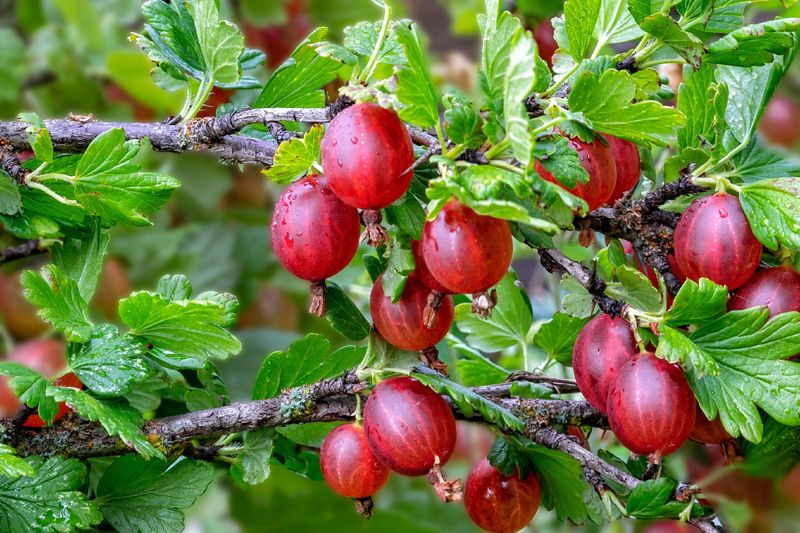
Red-fruited gooseberry offers a delightful treat with its sweet and tangy berries. The shrub’s thorny branches provide a natural barrier, making it suitable for security planting. Gooseberry’s small, flavorful berries are a favorite for fresh eating or culinary creations. Its hardy nature and adaptability to various soils make it a popular choice among gardeners. The shrub’s unique appearance and delicious fruit ensure it remains a cherished garden addition.
16. Snowberry (Symphoricarpos albus, red-berried cultivars)
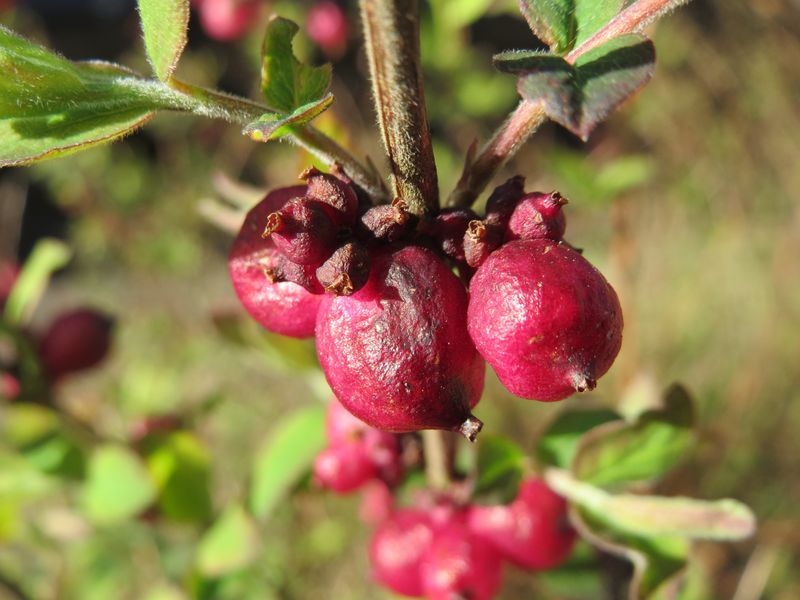
Red-berried snowberry surprises with its delicate beauty and resilience. This shrub’s small, glossy leaves and vivid red berries create a striking visual. Snowberry’s ability to thrive in challenging conditions makes it a versatile choice for various landscapes. The berries, while not edible, attract wildlife, adding dynamic life to the garden. Its understated elegance and ecological benefits make snowberry a favorite among gardeners seeking simplicity and charm.
17. Spicebush (Lindera benzoin)
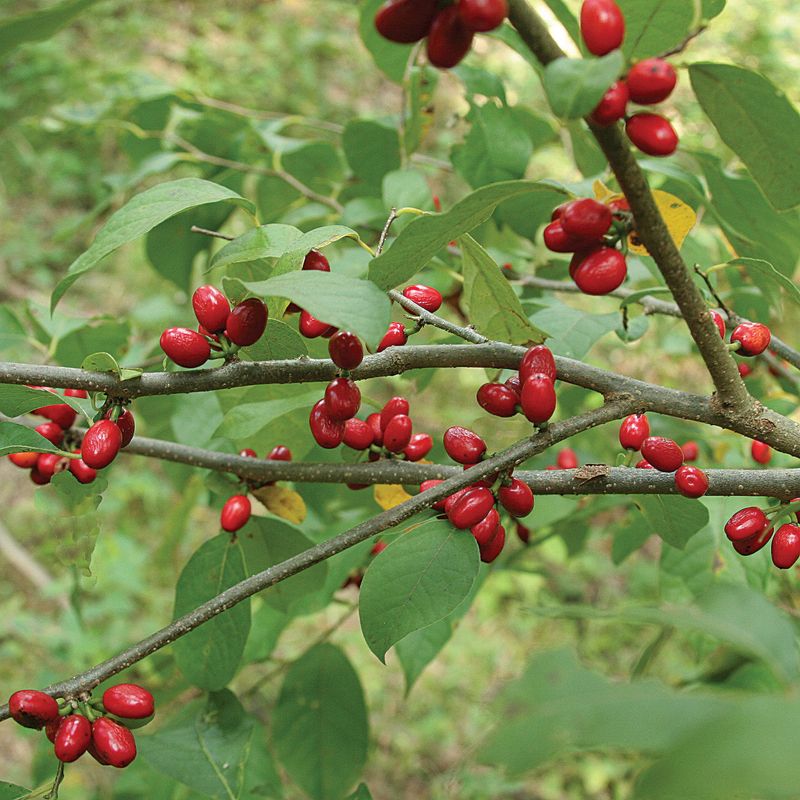
Spicebush enchants with its aromatic leaves and bright red berries. This native shrub is cherished for its ecological benefits, supporting butterflies and other wildlife. Spicebush’s fragrant leaves offer a sensory delight, while its berries provide seasonal color. Ideal for woodland gardens, it thrives in shaded environments. The shrub’s captivating allure and ecological significance make it a beloved choice for nature enthusiasts and gardeners alike.
18. Buffaloberry (Shepherdia argentea)
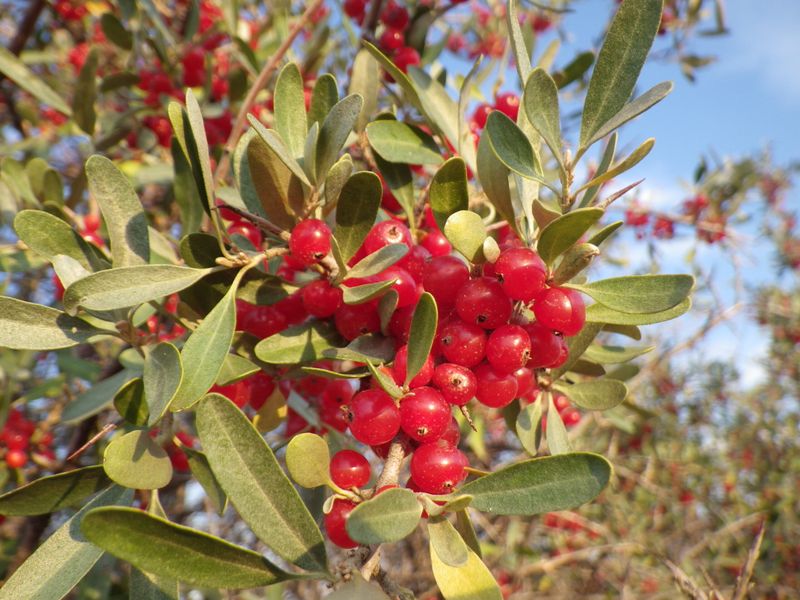
Buffaloberry, with its striking red berries and silver-grey foliage, stands out in any landscape. This resilient shrub thrives in harsh conditions, from dry prairies to rocky soils. Its berries, though tart, are valued for traditional culinary uses. Buffaloberry’s unique appearance and adaptability make it a valuable choice for challenging environments. Its role in supporting local wildlife further enhances its appeal among conservation-minded gardeners.
19. Inkberry (Ilex glabra, red-berried cultivar)
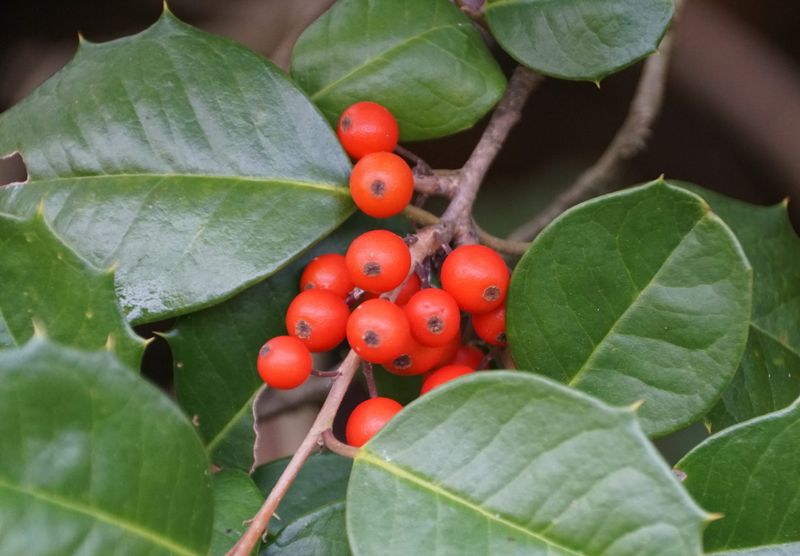
This red-berried variety of inkberry captivates with its glossy foliage and vibrant berries. Often used in coastal gardens, inkberry thrives in sandy soils and salt spray. Its evergreen nature and dense growth make it ideal for hedging and privacy screens. Inkberry’s berries offer seasonal interest, adding color to the winter garden. Its adaptability and low-maintenance requirements ensure its popularity among coastal gardeners seeking year-round beauty.
20. Beautyberry (Callicarpa dichotoma, red-berried variety)
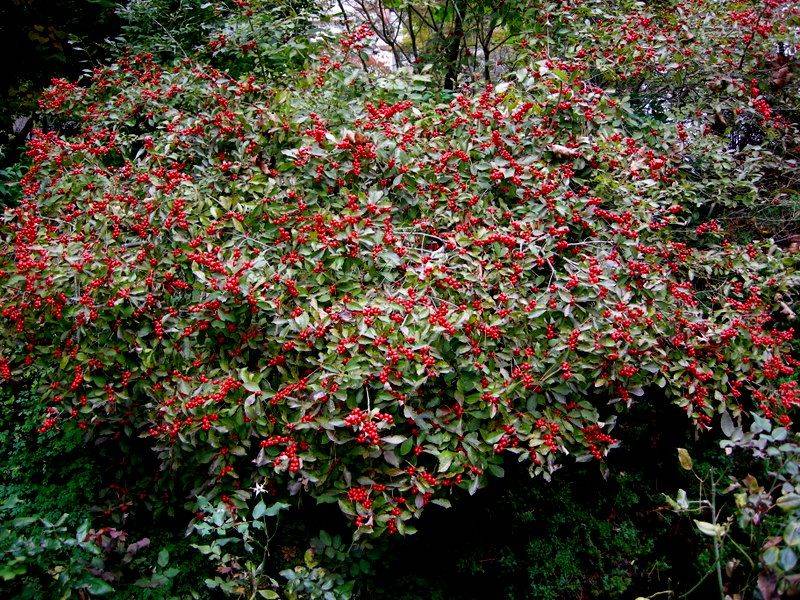
Red-berried beautyberry enchants with its striking berries and graceful form. The shrub’s arching branches create a lovely, flowing appearance. Beautyberry is admired for its vibrant display, which brightens autumn gardens. Its berries attract birds, providing a dynamic and lively garden scene. The shrub’s adaptability to various conditions and its aesthetic appeal make it a popular choice for gardeners seeking a unique and colorful addition to their landscapes.
21. Japanese Skimmia (Skimmia japonica)
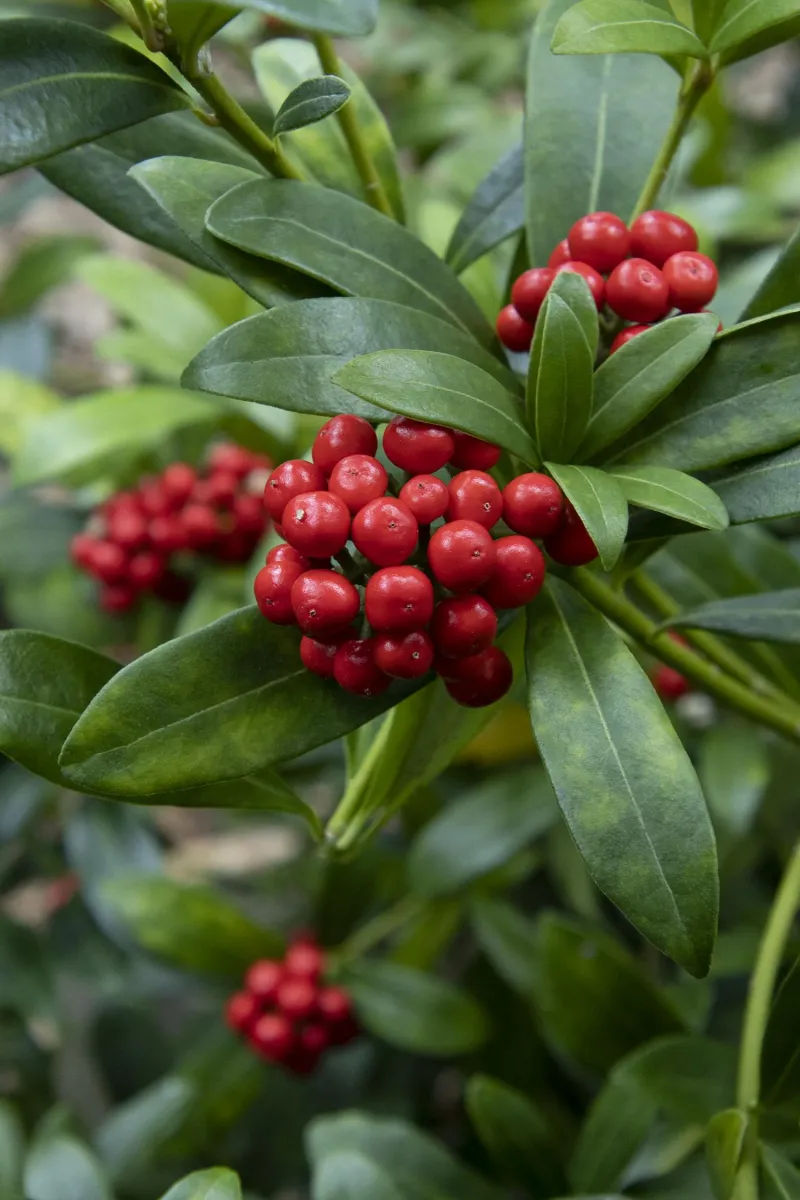
Japanese Skimmia offers a touch of elegance with its glossy leaves and bright red berries. This evergreen shrub thrives in shaded areas, making it ideal for woodland gardens. Its fragrant flowers add another layer of beauty, enhancing its ornamental value. Skimmia’s berries attract wildlife, supporting local ecosystems. The shrub’s compact form and low-maintenance nature make it a favorite for both novice and experienced gardeners seeking charm and functionality.
22. Bayberry (Myrica pensylvanica, red-berried type)
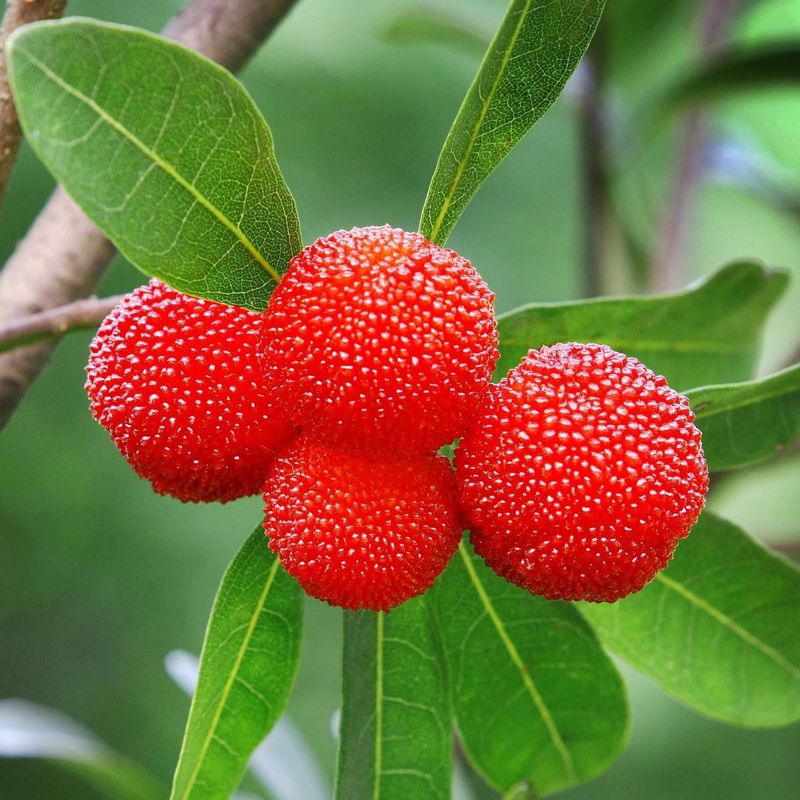
Red-berried bayberry offers a delightful mix of fragrance and color. This shrub’s aromatic leaves and vibrant berries create a sensory experience. Often found in coastal gardens, bayberry thrives in sandy soils and salt-laden air. Its resilience and ecological benefits make it a valuable addition to coastal landscapes. The shrub’s berries support local wildlife, while its aesthetic appeal enhances garden beauty, ensuring its place among beloved coastal plants.
23. Alpine Currant (Ribes alpinum)
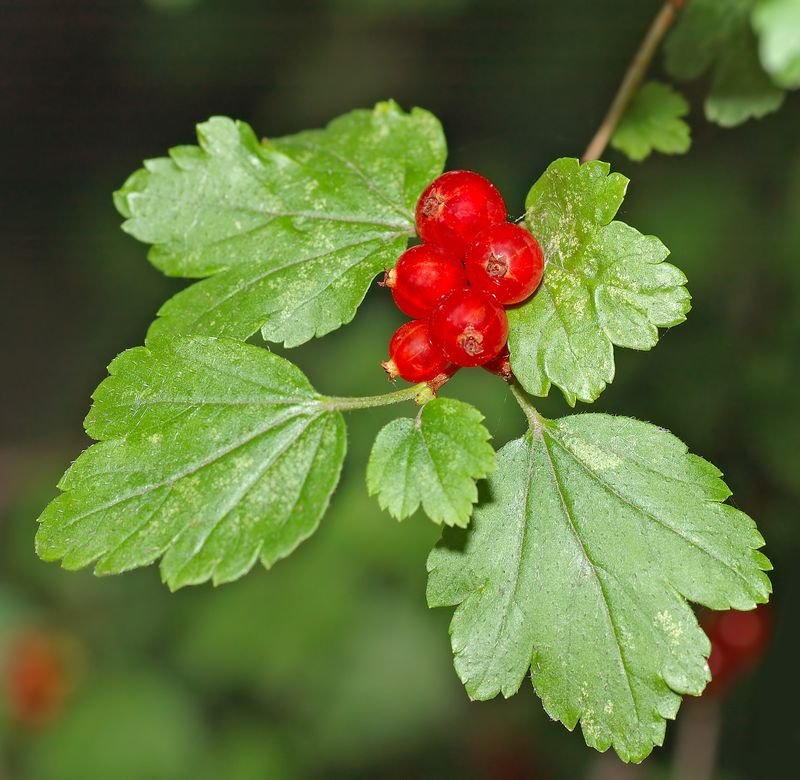
Alpine currant brings a touch of the mountains with its compact form and red berries. This hardy shrub thrives in challenging conditions, from rocky soils to high altitudes. Its berries, while not commonly consumed, add visual interest to the landscape. Alpine currant’s versatility makes it a suitable choice for rock gardens or mixed borders. Its understated beauty and resilience ensure its popularity among gardeners seeking a touch of alpine charm.
24. Virginia Creeper (Parthenocissus quinquefolia)
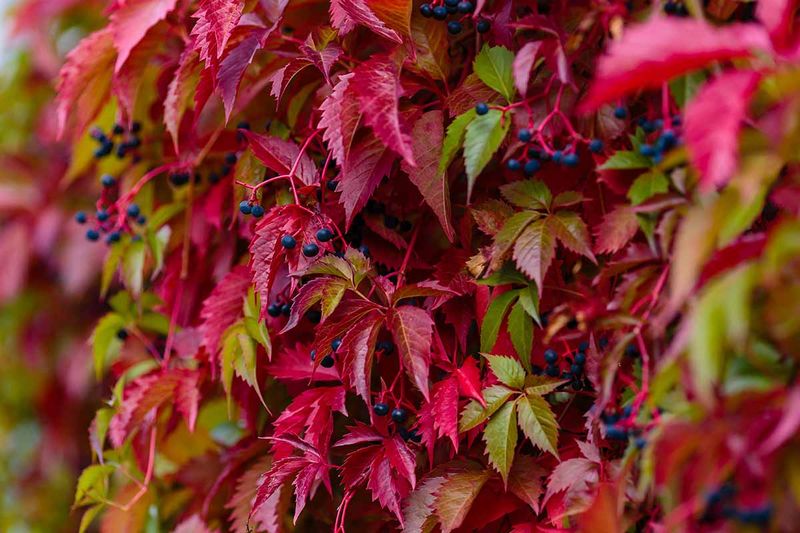
Virginia Creeper, though technically a vine, is often used as a shrubby ground cover or climber. Its red berries and vibrant autumn leaves create a stunning display. This versatile plant is ideal for covering walls, fences, or trellises. Virginia Creeper’s adaptability and vigorous growth make it a popular choice for gardeners seeking quick cover. Its berries attract wildlife, adding dynamic life to the garden. With its seasonal beauty, it remains a cherished addition to landscapes.
25. Sumac (Rhus typhina)
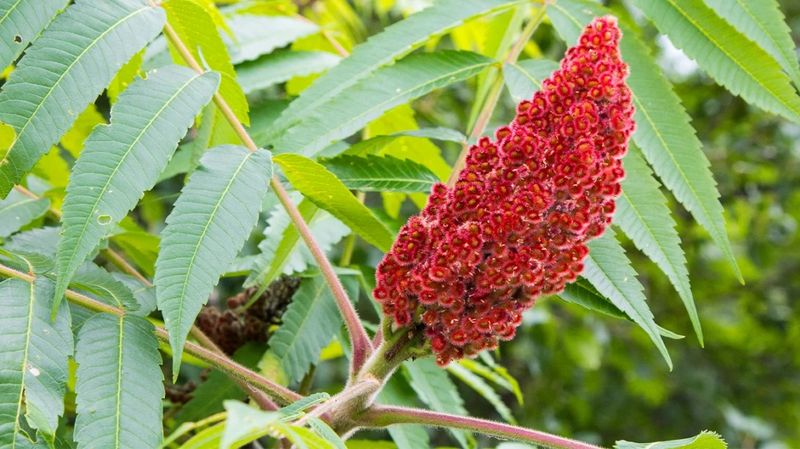
Sumac captivates with its clusters of red berries and fern-like foliage. This hardy shrub thrives in various conditions, from open fields to roadside plantings. Sumac’s brilliant fall color and unique texture make it a standout in any landscape. Its berries are a vital food source for wildlife, supporting local ecosystems. The shrub’s versatility and striking appearance ensure its popularity among gardeners seeking a bold and beautiful addition.