
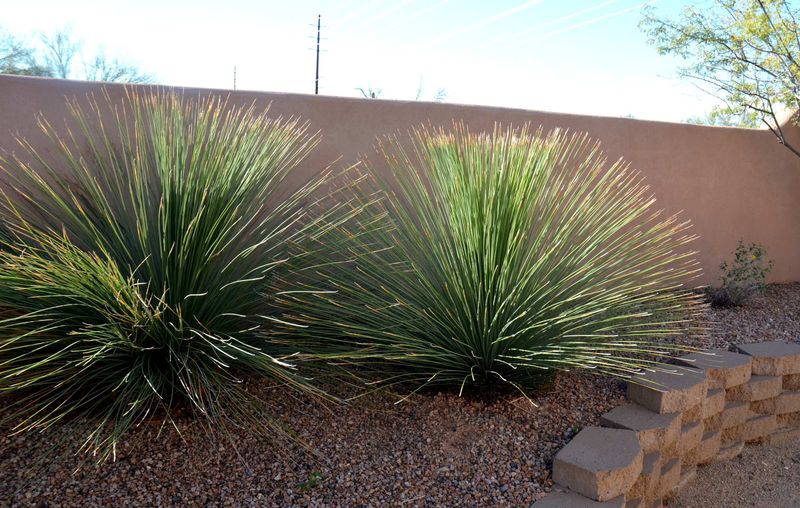
Some porch corners look flat no matter how many pots you add. Texas sotol (Dasylirion texanum) is a native evergreen with a bold, spiky shape that can give a bed real structure.
Once established, it needs less water than many common landscape plants. It also has sharp leaves and some site needs, so where you plant it matters a lot.
Texas Sotol Can Anchor a Porch Bed with Sculptural Form
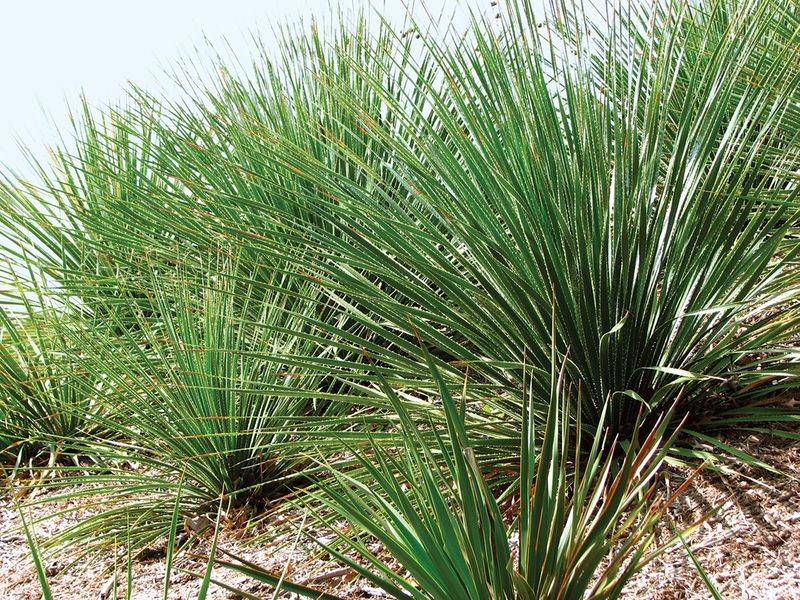
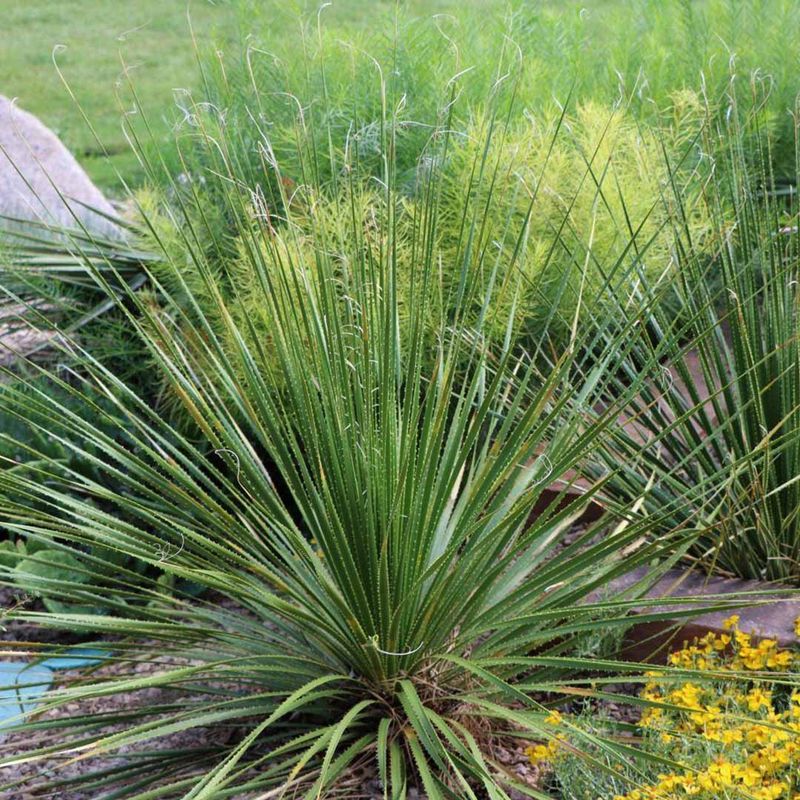
Picture a rounded burst of slender green leaves, each one ending in a fine point, sitting in the corner of a plain foundation bed. That is the look of Texas sotol (Dasylirion texanum), and it explains why gardeners use it as a focal point.
Its form is bold and sculptural, and it stays green all year.
According to Austin’s plant guide, sotol is evergreen, rated low-water, and grows about 3 to 4 feet tall and wide. It suits sun or part shade.
That mature footprint is a helpful number when you measure a corner, because the plant needs room to spread its leaves without crowding a wall or a neighbor.
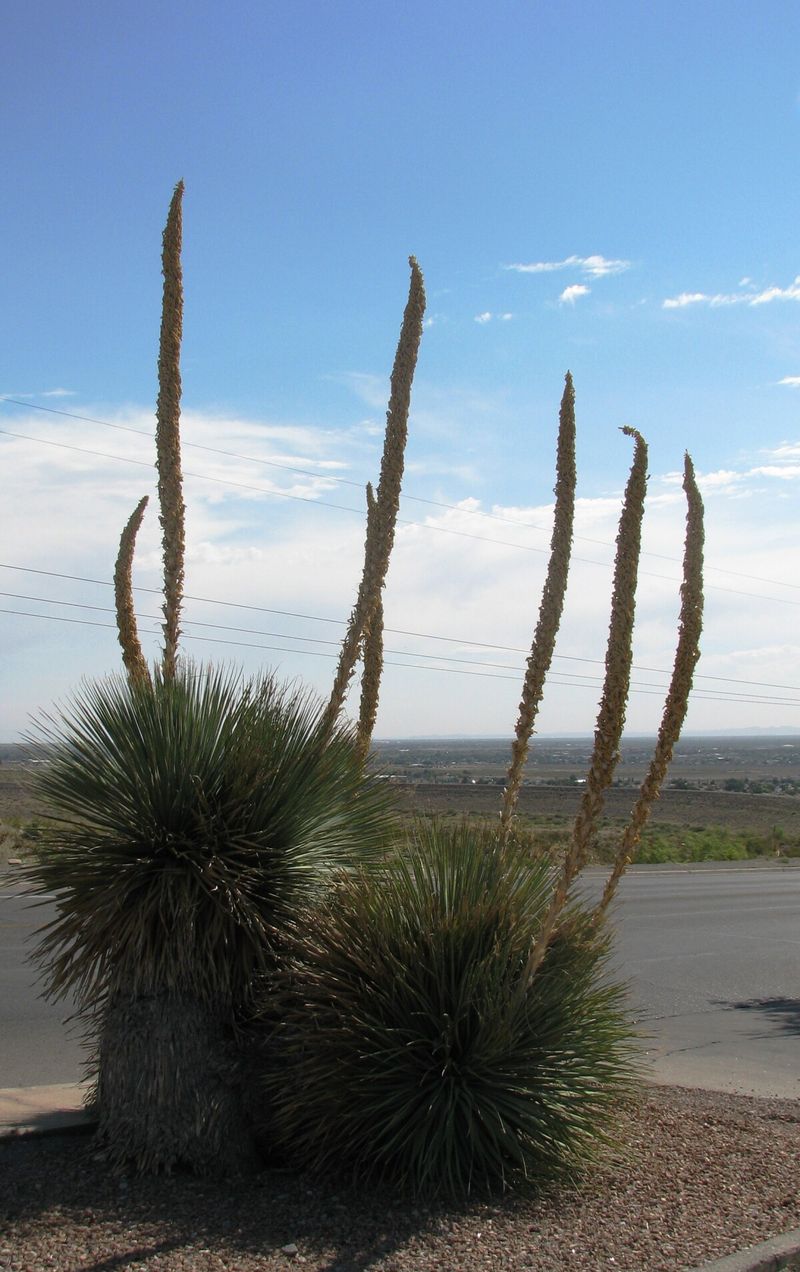
Sotol may also send up a tall flower stalk that rises well above the foliage, as noted in Denver Botanic Gardens’ plant record. Treat a stalk as a bonus if it happens, not as something to count on in any given year.
The plant’s water advantage is real but specific. The low-water rating describes an established plant, so a new sotol still needs care at first.
Think of sotol as a structural anchor surrounded by lower, softer plantings, rather than a plant you can put in and forget.
Match the Site to Sotol’s Light, Drainage, and Region
Before you buy, stand in the corner you have in mind and check three things: light, drainage, and where in Texas you live. Sotol wants sun or part shade, and Austin’s guide pairs that with well-drained soil.
Drainage is the test many beds fail. After a heavy rain, see whether water pools in that corner for hours.
If it does, consider raising the bed with gravelly, fast-draining soil or choosing a different spot.
Light is easier to read. A corner that gets strong sun for much of the day, or bright light with some afternoon shade, fits the plant’s listed range.
A deeply shaded spot under a dense tree does not.
Being native to Texas does not mean sotol suits every Texas yard. TPWD’s description of Edwards Plateau limestone shrubland places it in particular settings, including dry, rocky parts of that region and the Chihuahuan Desert systems.
Heavy clay and soggy, humid spots are a different story.
So match your yard to the plant’s home conditions. If your soil is rocky and drains quickly, sotol has a good start.
If you are in a wetter, clay-heavy area, ask a local native plant nursery or your county extension office whether it is worth trying.
Keep Sharp Leaves Away from Steps and Walkways
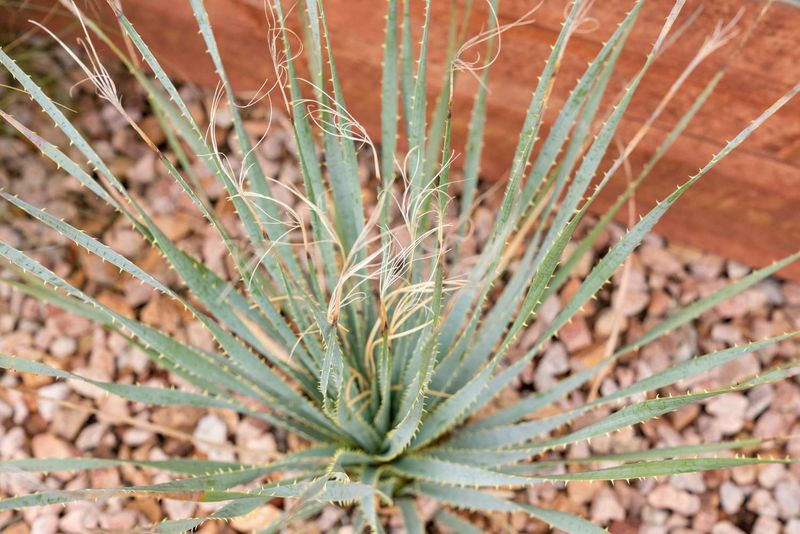
Sotol’s leaf edges are sharp, and that one fact should drive your placement. Austin’s plant guide says it is not pedestrian-friendly and needs space.
A water-wise plant guide from Colorado Springs Utilities also advises keeping it away from walkways.
That rules out the spot right beside the porch steps. It also rules out a narrow path to the door and any route where people brush past with grocery bags or a stroller.
A better choice is a set-back corner of the bed, where the plant’s full 3 to 4 foot spread can open up with room to spare. Walk the route you and your guests actually use, including the side where visitors step off the porch, and keep the sotol well outside it.
Think about children and pets, too. If kids play near the front yard, pick a corner they have no reason to visit, or skip sotol altogether.
Pruning is not a fix. Trimming leaves does not remove the sharp edges, and it can spoil the shape that makes the plant worth growing.
Solve the hazard with distance instead.
Fall Is Usually a Favorable Time to Plant in Texas
Autumn is when many Texas gardeners get back outside. Texas Parks and Wildlife Department says fall is usually the best time to plant in Texas.
That makes it a sensible season to add a sotol to your list.
Usually is the key word. Good timing helps, but it does not guarantee a plant will thrive.
Soil, drainage, and the weather that follows still matter.
TPWD also points out that new plants need time and water to establish. That applies to a sotol just like anything else you put in the ground.
A plant sold as low-water is still a new arrival with a small root system for its first months.
The agency advises checking local conditions during drought. If your area is under a dry spell or tighter water rules, call your water provider or local nursery before you dig.
You may decide to wait or plan carefully for how you will water.
A practical fall routine looks like this: choose the site, confirm drainage, and buy a plant that fits your space. Then plant on a day when you can follow up with establishment watering.
Provide Establishment Water Within Local Rules
A new sotol is not a no-water plant. It needs moisture while its roots settle in, and you have to give it within the rules that apply where you live.
Austin Water’s general approach, described in its irrigation brochure, is to water more often at first. As plants establish, you cut back on frequency and water more deeply.
For a few new plants, it suggests applying water directly where it is needed rather than running a whole system.
In practice, that could mean watering the root zone of one sotol by hand or with a slow soaker, instead of spraying the whole bed. It keeps water where the plant can use it and lowers waste.
Here is the catch. Watering rules are set locally, not statewide.
Days, times, and allowed methods differ from one utility to the next, and they can change during drought.
The San Antonio Water System offers an example. Its landscape variance page notes that a new landscape may involve high water use, so conditions apply.
Other utilities may handle this differently, and neither Austin’s nor San Antonio’s guidance applies to everyone.
Before you plant, check your own provider’s current restrictions. Ask whether hand watering is allowed, on what days, and whether any exemption or variance exists for new plantings.
Choose Sotol Only When the Corner Fits
Sotol earns its spot when the corner fits: a region and soil it suits, good drainage, and plenty of distance from foot traffic. You also need to be able to water it through establishment under your provider’s rules.
Its lower water demand, as Austin’s guide rates it, applies once it is established.
Your next step is simple. Assess the site, then read your utility’s current rules, such as the San Antonio Water System’s variance guidance if you live in its service area, before you buy.
A good sotol looks like it was always meant to be there.