
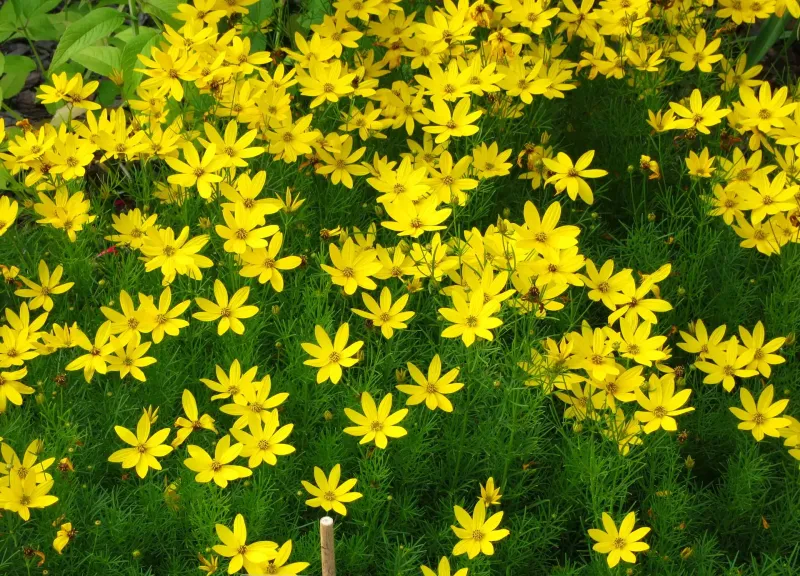
Most North Carolina gardens hit a wall in August, when the heat and humidity cause flower after flower to fade and quit. One native perennial, hairy coreopsis, keeps producing yellow blooms well into that stretch, making it a genuinely useful plant for full-sun spots across the state.
It grows wild in the Coastal Plain, Piedmont, and Mountains, so it is already adapted to conditions that send other perennials into early dormancy. If your summer garden needs late-season color without a complicated care routine, this plant deserves a close look.
A strong North Carolina native for August color
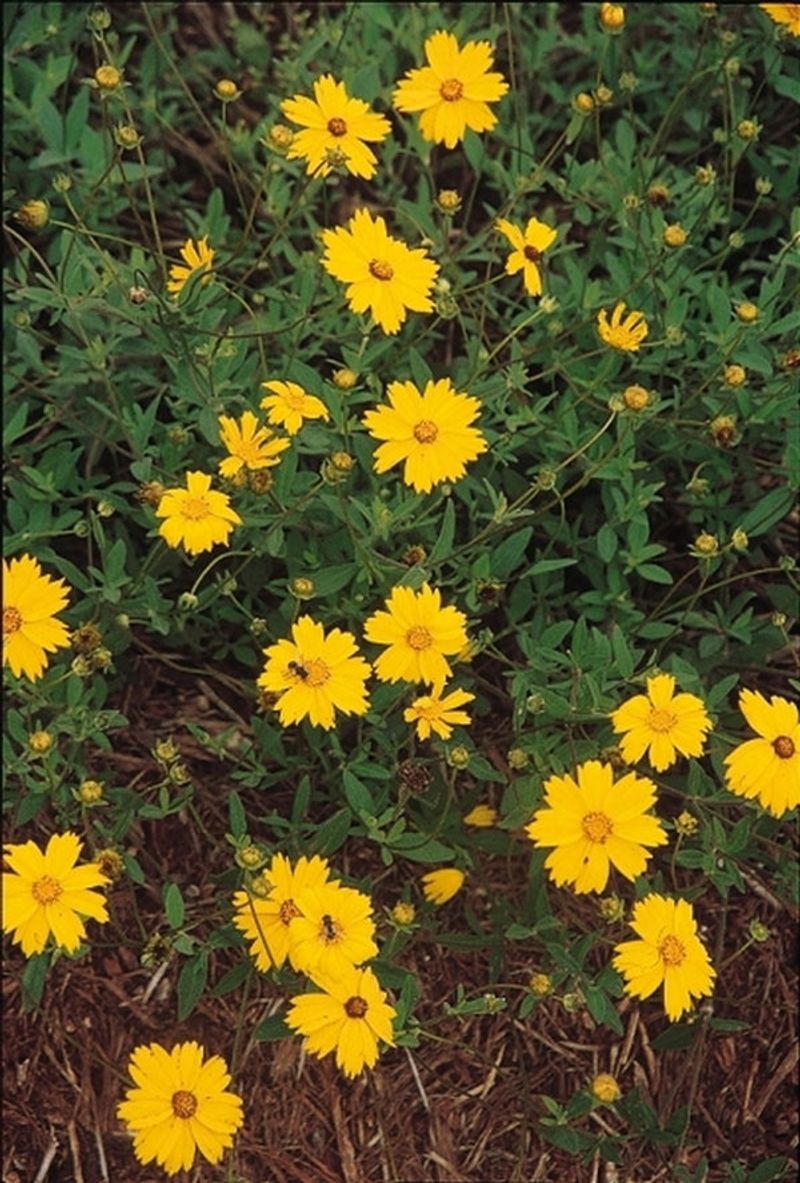
Hairy coreopsis, known scientifically as Coreopsis pubescens and sometimes called star tickseed, downy tickseed, or simply tickseed, earns its place in NC gardens through a combination of native toughness and late-season staying power. NC State Extension lists it as a perennial native to the Coastal Plain, Piedmont, and Mountains of North Carolina, meaning it has adapted over time to the full range of conditions that NC gardeners actually deal with, from sandy coastal soils to the red clay of the Piedmont and the cooler slopes of the Mountains.
What makes this plant a practical pick for August is the combination of traits it brings to a full-sun site. NC State Extension specifically notes that Coreopsis pubescens tolerates drought, heat, and humidity, the exact trio that collapses so many ornamental perennials by midsummer.
Add a long summer bloom period that runs from June through September, and you have a plant whose flowering window aligns directly with the part of the season when most gardeners are desperate for color.
The North Carolina Native Plant Society also includes Coreopsis pubescens among its recommended full-sun native species, reinforcing its standing as a regionally appropriate choice. Calling it a strong, underappreciated option for hot NC gardens is fair.
Calling it the objectively best or most underrated perennial in the state is a stretch no plant record can support, because that kind of ranking depends on individual site conditions, design goals, and personal priorities. What the evidence does support is treating hairy coreopsis as one of the more reliable native candidates when your primary goal is late-summer color in a sunny, well-drained spot.
What its June-through-September bloom window really means
NC State Extension lists Coreopsis pubescens with a flowering period of June through September. For a North Carolina gardener focused on August color, that range is genuinely encouraging, but understanding what it does and does not promise will help you set realistic expectations before the plant goes in the ground.
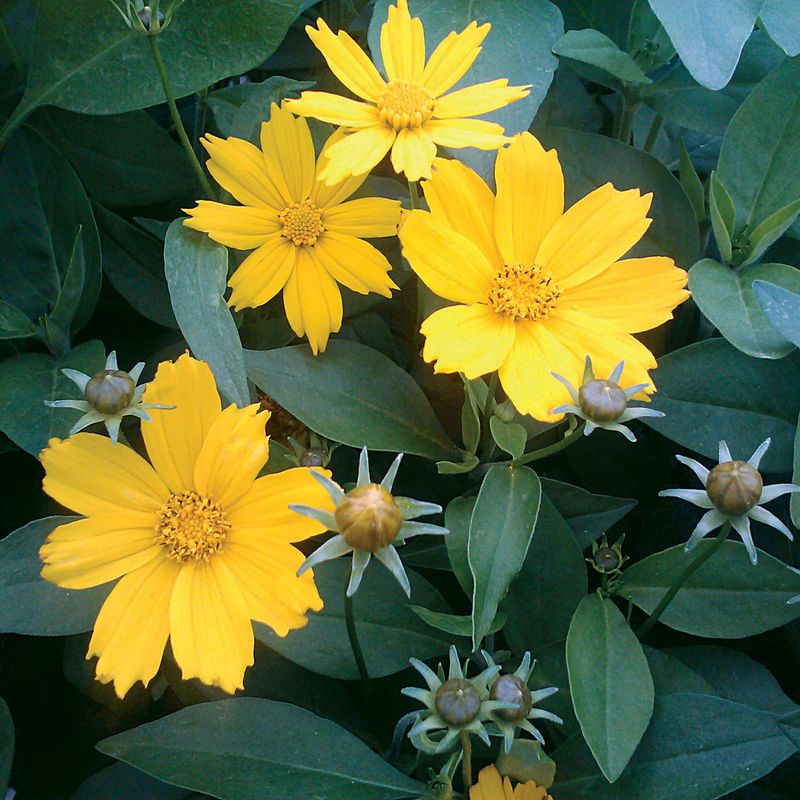
The flowers themselves are yellow, roughly two inches across, and feature the notched petals typical of the coreopsis family. They appear in clusters above the foliage and catch the eye even from a distance.
NC State describes the species as having a long summer bloom period, and the June-through-September window directly supports the idea that this plant can still be producing flowers when August arrives.
What that range does not mean is that every plant will be uniformly covered in open blooms every single day from the first of June to the last day of September. Bloom density and timing shift with rainfall, soil drainage, how well the plant established after planting, competition from neighboring plants, and whether spent flowers have been removed regularly.
A plant that skipped regular deadheading or sat in compacted soil through a dry stretch may show thinner bloom in August than one that received attentive early care.
Think of the June-through-September listing as a documented seasonal window rather than a nonstop performance guarantee. Within that window, a healthy, well-sited hairy coreopsis can carry flowers into and through August under suitable conditions.
That is the honest and useful version of the promise this plant makes.
Choose full sun and well-drained soil
Matching hairy coreopsis to the right site is where late-summer performance is either secured or lost. NC State Extension is clear on the two non-negotiable requirements: full sun and well-drained soil.
Full sun means at least six hours of direct sunlight daily, and for a plant that evolved in open, sunny habitats across North Carolina, that threshold is not a suggestion. Partial shade tends to produce leggier growth and thinner flowering, and deep shade will not support the plant at all.
On the soil side, NC State lists dry to medium moisture and well-drained, rocky or sandy soil as the preferred conditions. That profile fits naturally into the kinds of sites that frustrate gardeners trying to grow thirstier plants: slopes, raised beds, gravel gardens, and spots with thin topsoil over fast-draining subsoil.
If your site matches that description, hairy coreopsis is likely to feel at home there.
Poorly drained or compacted soil is a different story. The NC State Extension Gardener Handbook on native plants advises matching species to site conditions, testing soil when there is uncertainty about drainage or fertility, and correcting compaction before planting.
Critically, the guidance recommends amending the entire planting area rather than only the hole itself. Backfilling a planting hole with rich, loose soil while leaving surrounding compacted clay intact can actually trap water around the roots, which is the opposite of what this plant needs.
A quick drainage check before planting saves a lot of frustration: dig a hole about a foot deep, fill it with water, and watch how fast it drains. If water is still sitting there an hour later, the site needs improvement or a different plant.
Hairy coreopsis is forgiving of lean, dry soil, but it will not tolerate wet feet, especially through the heat of a NC summer.
Native status does not eliminate establishment watering
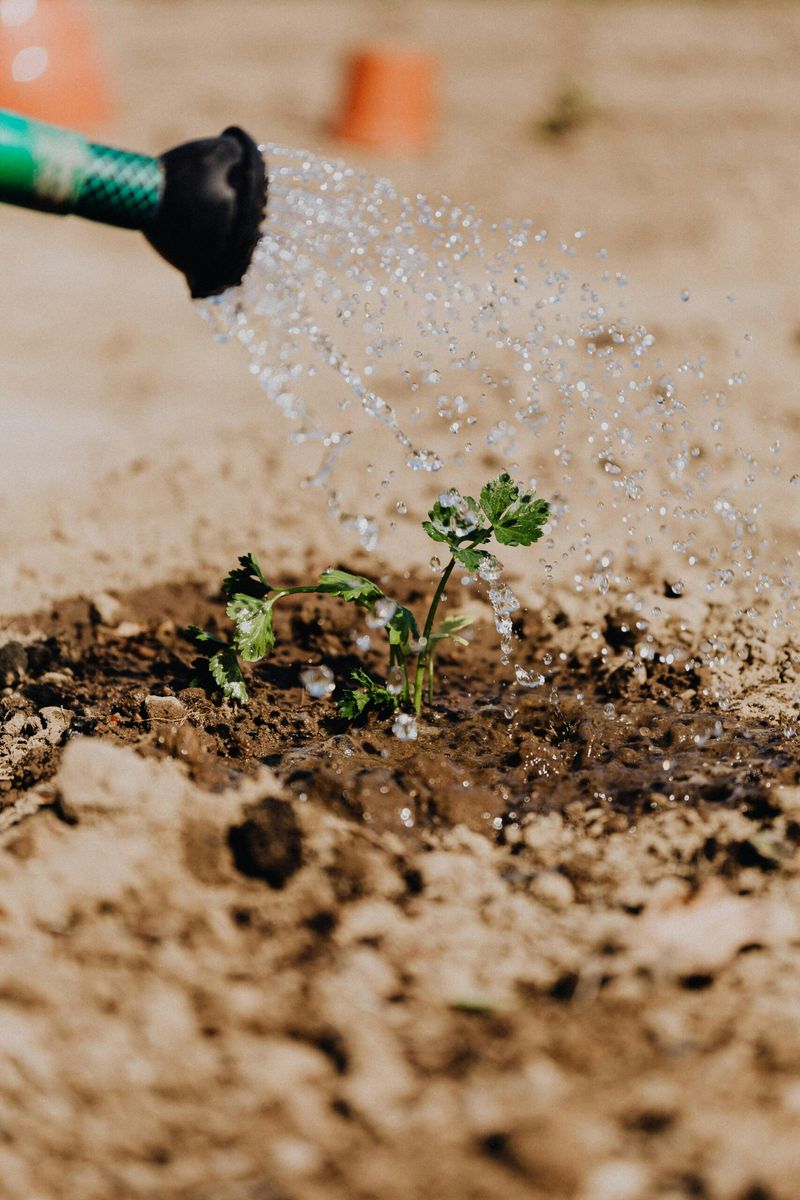
One of the most common mistakes with native plants is assuming they can be planted and immediately left alone. Hairy coreopsis is native to North Carolina, which means it is well suited to the state’s climate over the long run, but a newly planted specimen has not yet put roots into the surrounding soil.
Until it does, it is just as vulnerable to drying out as any other newly planted perennial.
NC State Extension’s native plants guidance is direct on this point: keep newly planted natives well-watered for the first several weeks while roots establish. In practical terms, that means checking soil moisture regularly and watering before the plant shows visible stress.
Wilting in the afternoon heat during that first stretch after planting is a warning sign, not a normal adjustment.
Location adds another layer of consideration. Plants near buildings, driveways, or paved walkways sit in microclimates that are hotter and drier than open garden beds.
Heat radiating off a brick wall or concrete surface can stress even an established plant during a dry stretch, so those spots may need supplemental water beyond the establishment period.
Mulch is one of the most practical tools for supporting a new planting. Applying roughly two to three inches of mulch over the root zone conserves soil moisture, moderates temperature swings, and suppresses weeds that would otherwise compete with the young plant.
The one consistent rule is to keep the mulch pulled back from direct contact with the stems. Mulch piled against the base of a plant traps moisture against the crown, which can encourage rot, especially during a humid NC summer.
A small gap of a few inches between the mulch ring and the stem is all it takes to avoid that problem.
Use simple maintenance to support the late-summer display
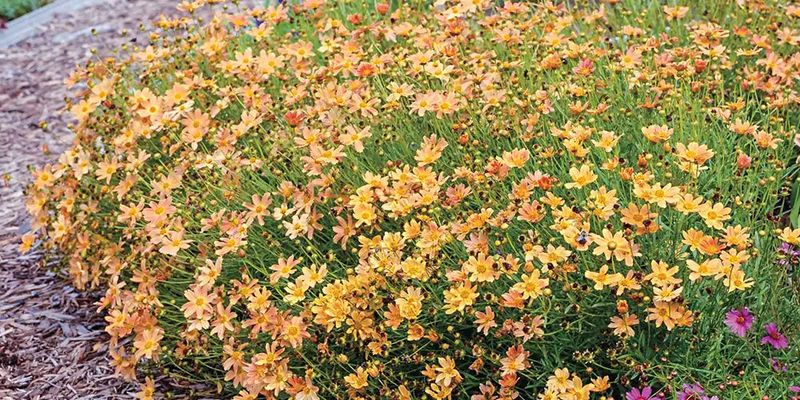
After hairy coreopsis gets through its establishment period, the care routine becomes straightforward, though it is not entirely hands-off. Removing spent flowers, a practice called deadheading, is one of the most effective things you can do to keep the plant producing blooms into late summer.
NC State Extension recommends deadheading to prolong the flowering period, and in a plant with a June-through-September bloom window, a few minutes of regular cleanup can meaningfully extend what you see in August.
Growth habit is the other thing to plan for. Under good conditions, hairy coreopsis reaches approximately two to four feet tall and about two feet wide.
That size places it comfortably in the middle or back of a mixed border, where it can rise above lower-growing plants without blocking the view entirely. If the stems sprawl outward during summer, cutting the plant back is a reasonable option that can tighten the shape and sometimes encourage a fresh flush of growth.
Heat tolerance is a real asset of this species, but it does not replace ordinary attention to the plant’s condition. A plant that is drought-tolerant once established can still look ragged if it goes weeks without rain during a severe dry spell, especially near a south-facing wall or pavement.
Checking in periodically, deadheading consistently, and trimming back sprawling stems when needed are the practical steps that turn a tough native plant into a reliable late-summer performer rather than just a survivor.
Pair pollinator value with realistic expectations about lifespan
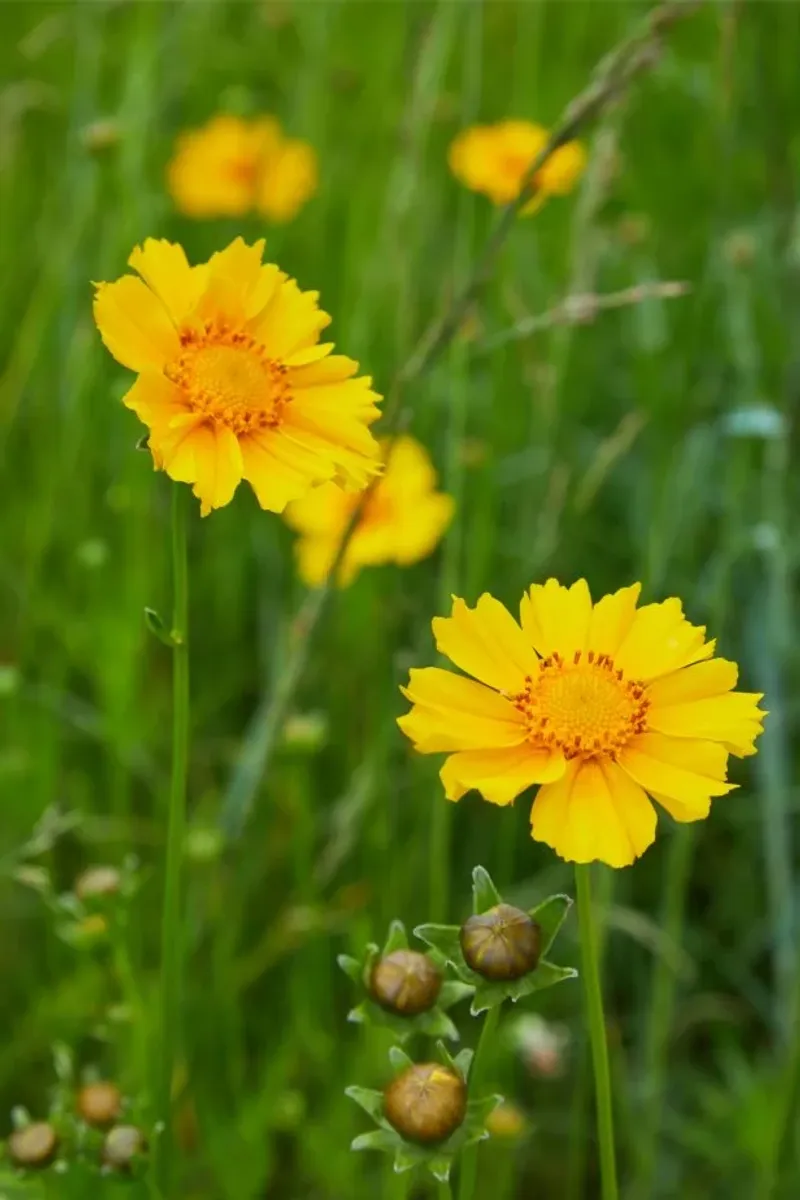
Beyond the late-summer color, hairy coreopsis brings real ecological value to a North Carolina yard. The flowers attract butterflies and other pollinating insects, giving the plant a role in the garden that extends well past aesthetics.
For homeowners who want to support native pollinators, a plant that blooms from June through September provides a reliable food source during a period when many other flowering plants have already peaked and faded.
NC State Extension notes the species’ value for attracting butterflies and pollinating insects, which fits naturally into a stewardship-minded planting approach. Placing hairy coreopsis near other native plants that bloom at different times can help create a longer overall season of support for pollinators in the yard.
One practical note: the plant’s attraction to pollinators does not extend to pest control. There is no evidence that planting hairy coreopsis reduces ticks, mosquitoes, or other household pests, so that is not a reason to choose it.
The lifespan question is worth addressing plainly. NC State describes Coreopsis pubescens as short-lived, which means gardeners should not expect it to anchor a border for decades without attention.
You may find that individual plants need to be replaced after a few years. Whether self-seeding or division will reliably maintain your planting is not something the available sources confirm for this specific species, so planning for the possibility of replanting is the more honest approach.
That short-lived nature is not a disqualifying flaw, but it is a practical reality to factor into your garden planning from the start.
Consider the compact cultivar and avoid a look-alike mix-up
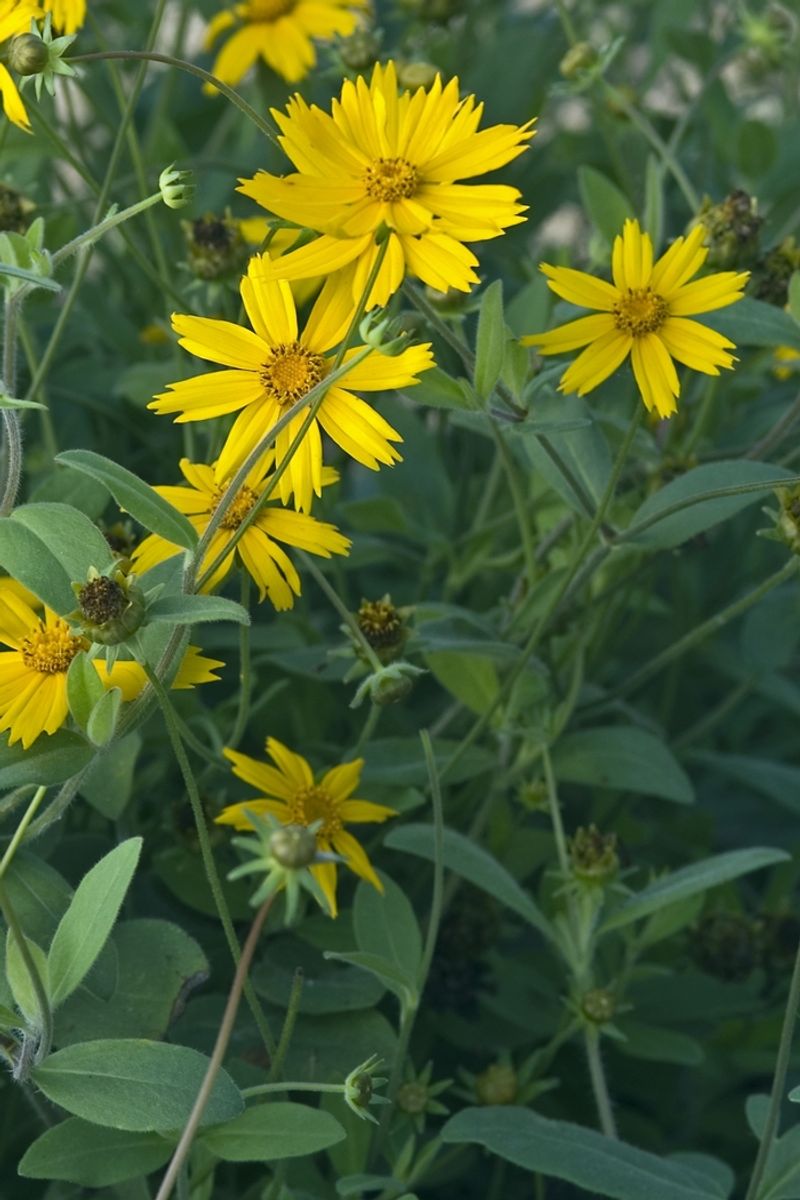
Gardeners working with smaller beds or front-of-border placements have a cultivar worth knowing about. ‘Sunshine Superman’ is a more compact selection of Coreopsis pubescens, growing to approximately 10 to 12 inches tall rather than the species’ two-to-four-foot range. NC State Extension lists ‘Sunshine Superman’ as retaining the full-sun, well-drained-soil, heat-tolerant, and humidity-tolerant characteristics of the species, and it is described as more floriferous, meaning it tends to carry a higher density of blooms relative to its size.
The tradeoff is winter hardiness. ‘Sunshine Superman’ is described as less winter-hardy than the straight species, which matters for gardeners in the NC Mountains or in areas that see harder freezes. If you are in the Piedmont or Coastal Plain, that limitation may not be a significant concern in most years, but it is worth keeping in mind when choosing between the cultivar and the species.
Neither is interchangeable with the other in every situation, and neither is universally superior. The right choice depends on the scale of your planting, your winter conditions, and whether bloom density or plant height is the higher priority.
A separate and more consequential mix-up to avoid involves threadleaf coreopsis. That plant is currently listed by NC State as Anacis verticillataCoreopsis verticillata, formerly classified as , and it is a different species entirely.
NC State’s listing for threadleaf tickseed gives it a bloom period of May through July, which means it typically finishes flowering before August arrives. If your primary goal is late-summer color, threadleaf coreopsis is a weaker match for that target, regardless of how widely available it is at local nurseries.
Confirming the species name and bloom period before purchasing prevents a common and frustrating substitution.
Choose it as a dependable candidate, not a guaranteed August solution
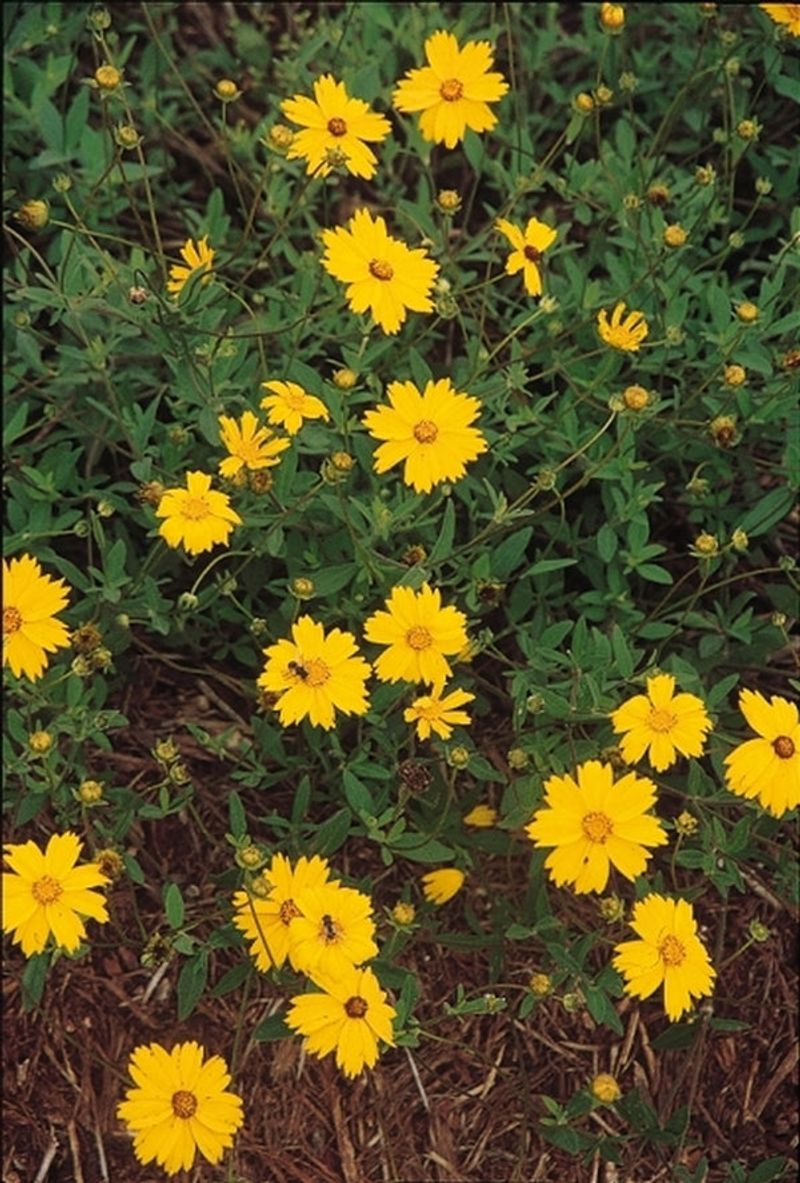
Hairy coreopsis, Coreopsis pubescens, is a well-supported choice for NC gardeners who want a full-sun native perennial with a documented June-through-September bloom range and tolerance of the heat, humidity, and drought that define a North Carolina August. NC State Extension’s plant record gives it a clear factual foundation as a native species suited to all three of the state’s main regions.
Choosing it wisely means accounting for the full picture. Establishment watering during the first several weeks after planting is necessary regardless of the species’ long-term drought tolerance.
Local microclimate matters, particularly near heat-reflecting pavement or buildings. NC State Extension’s native planting guidance reinforces the importance of site matching, soil preparation, and ongoing attention during the establishment window.
Deadheading and occasional cutting back are part of keeping the plant productive rather than ragged. And because the species is short-lived, replanting or renewal may be part of managing it over time.
None of those realities diminish what hairy coreopsis offers. They simply clarify the terms of the agreement between gardener and plant.
A strong late-summer candidate with a June-through-September bloom window is a genuinely useful thing to have in a NC garden. A promise of flowers every single day through August is something no plant, native or otherwise, can reliably deliver.