
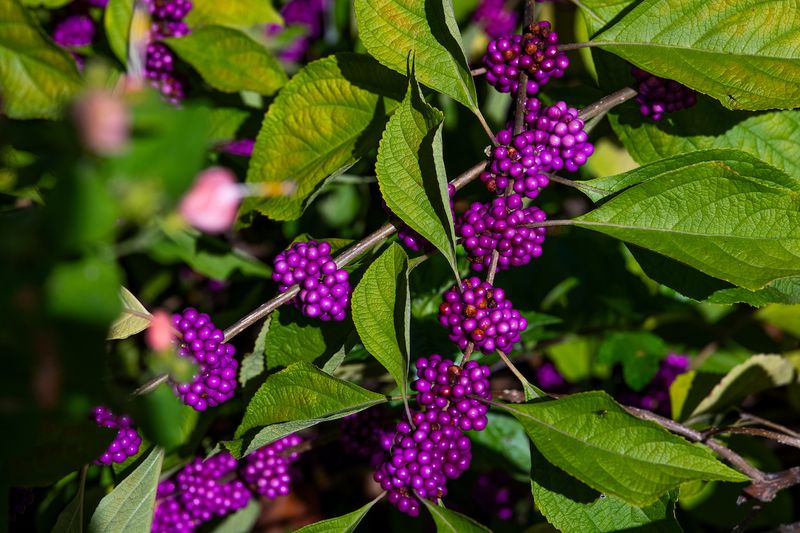
A Texas-native shrub called American beautyberry has caught the attention of gardeners and researchers alike, thanks to a finding that compounds pulled from its leaves can repel certain ticks in laboratory tests. That is genuinely interesting science, but it tells a narrower story than headlines sometimes suggest. Understanding exactly what was tested, and what was not, helps Central Texas homeowners make smart choices about both their garden plantings and their real tick-prevention routine.
American beautyberry is the plant behind the question
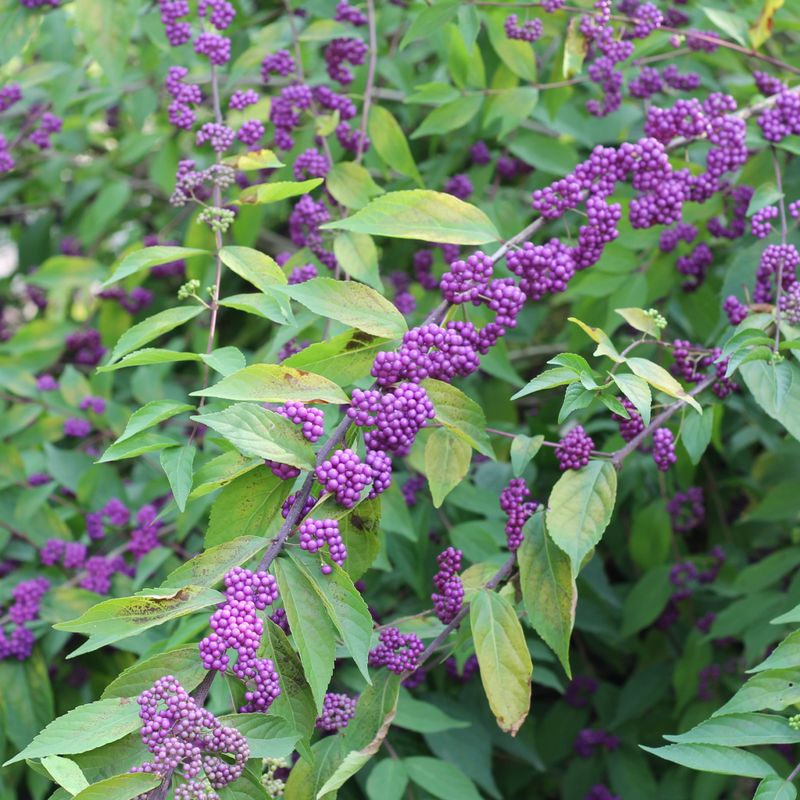
American beautyberry, known botanically as Callicarpa americana, is a sprawling deciduous shrub that earns its name every fall when it produces tight, jewel-bright clusters of purple berries strung along its arching stems. Few native plants put on a comparable show in October and November, which is part of why Central Texas gardeners seek it out. According to Plants of the World Online, its native range covers the eastern half of Texas and extends across much of the southeastern United States, making it a genuinely regional plant rather than an imported ornamental.
The shrub grows quickly to six or eight feet, with broad, slightly rough leaves that release a noticeable scent when brushed or crushed. Birds, especially mockingbirds and cedar waxwings, rely on the berries as a fall and winter food source, and the flowers attract native bees and butterflies earlier in the season. Planting beautyberry in a Central Texas yard contributes to local food webs in ways that a purely decorative exotic simply cannot.
What this article examines is a specific laboratory finding connected to those aromatic leaves. Researchers isolated compounds from beautyberry foliage and tested them against ticks under controlled conditions. The results were intriguing enough to generate ongoing scientific interest. As Central Texas Gardener notes, beautyberry performs best in filtered or partial shade with supplemental water during establishment and dry spells, so it rewards gardeners who choose its site thoughtfully rather than treating it as a tough-it-out plant for any exposure.
The USDA research tested leaf compounds, not a shrub
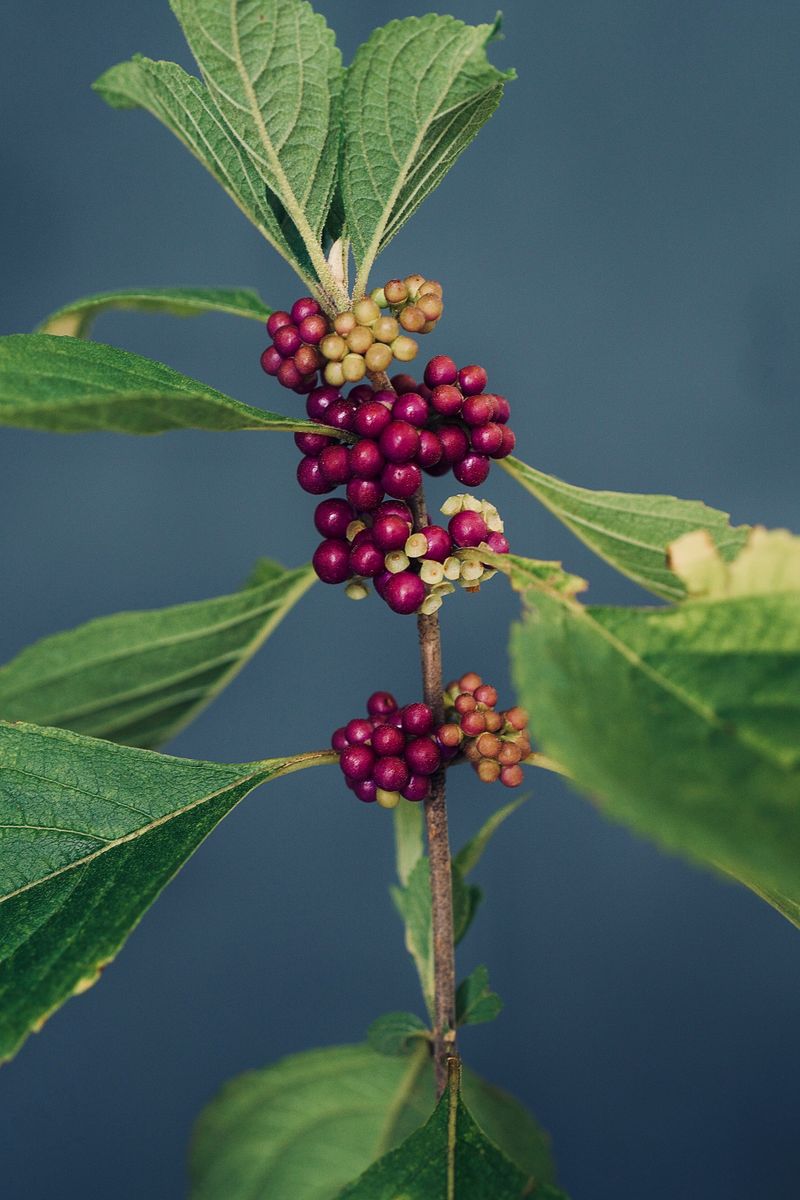
USDA Agricultural Research Service scientists did not place a beautyberry bush beside a porch and count ticks. Instead, they extracted two compounds from beautyberry leaves, callicarpenal and intermedeol, and applied them at measured concentrations to treated materials. Host-seeking nymphs of blacklegged ticks and lone star ticks were then introduced under controlled laboratory conditions to measure how many avoided the treated surfaces.
The strongest result came from the blacklegged tick tests. According to the Carroll et al. USDA study, callicarpenal and intermedeol both showed repellency against blacklegged tick nymphs at levels the researchers described as comparable to DEET in those particular assays. That is a notable laboratory finding, and it explains why the research attracted attention beyond academic journals.
The lone star tick results told a different story. At one tested concentration, callicarpenal repelled only 20% of lone star tick nymphs, and intermedeol repelled 40%. Those figures are substantially weaker than the blacklegged tick numbers, and they matter in Texas because lone star ticks are common across much of the state. The USDA ARS publication record for this research confirms that the team called for further evaluation of these compounds rather than recommending beautyberry as a tick-control tool.
Calling for further evaluation is scientific language for “the finding is promising but not yet ready for practical application.” The study established that specific isolated compounds, applied at specific concentrations in a laboratory setting, can affect tick behavior. It did not establish what a living shrub releases into the air around a porch, how far those compounds travel, or whether outdoor concentrations would ever approach what was used in the bioassays.
Why an extracted compound cannot protect a porch
A compound tested in a laboratory bioassay and a shrub growing in a garden bed are separated by several steps that science has not yet bridged for beautyberry. The USDA researchers applied callicarpenal and intermedeol at known, controlled concentrations directly to a test surface. A living plant does not work that way. Nobody has measured how much of either compound a growing beautyberry releases into the surrounding air, how that amount changes with temperature or humidity, or how far the compounds disperse before becoming too dilute to matter.
That gap is not a minor technical detail. It is the difference between a compound that repels ticks in a lab and a shrub that keeps ticks off a porch. The Carroll et al. study itself does not claim landscape protection, and no subsequent published research appears to have closed that gap for beautyberry specifically. Researchers studying tick chemosensory biology have confirmed that ticks can respond to plant-derived volatile compounds, as reviewed in a 2020 MDPI chemosensory study, but identifying that ticks have the sensory machinery to detect such compounds is not the same as proving that a planted beautyberry deploys enough of them to redirect tick movement across a yard.
Claims that beautyberry disrupts tick navigation or creates a repellent barrier around a patio go beyond what the evidence supports. Ticks arrive on deer, birds, rodents, and pets, and they wait in leaf litter and tall grass rather than marching across open ground toward a scent source. University of Maryland Extension states plainly that it is not aware of studies showing that placing particular plants in a landscape effectively repels ticks. That conclusion applies equally to beautyberry and to rosemary, lavender, or any other plant sometimes promoted as a yard-scale tick deterrent.
The lone star result matters in Texas
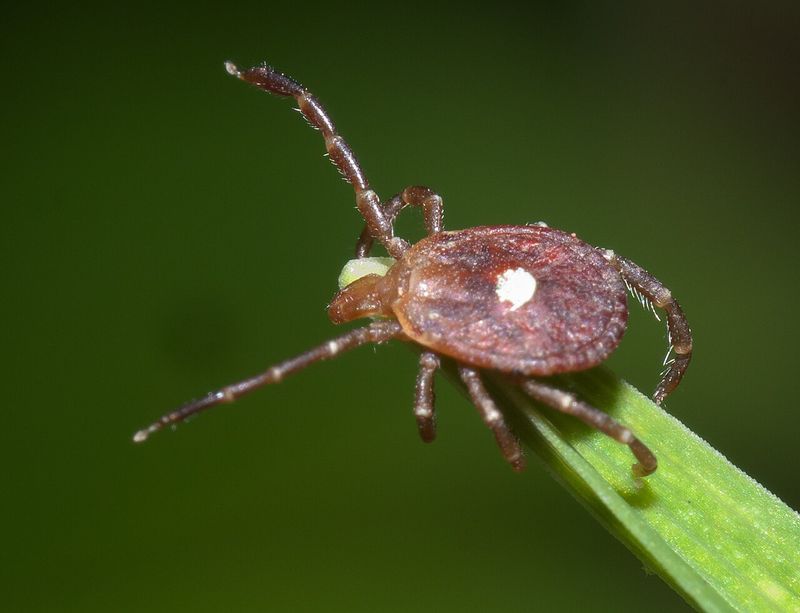
Texas gardeners reading about beautyberry and ticks should pay close attention to which tick species showed the stronger laboratory response, because it is not the one most commonly encountered across the state. The USDA bioassays produced DEET-comparable repellency figures against blacklegged tick nymphs, a finding that sounds reassuring until you check the Texas tick picture.
A surveillance study tracking tick submissions from Texas from 2014 through 2021, published in CDC Emerging Infectious Diseases, found that lone star ticks were the most frequently submitted species, representing 48.9% of the human-encounter submissions in that dataset. That proportion does not mean every Central Texas yard harbors more lone star ticks than blacklegged ticks, and submitted specimens are not a complete census of what any individual reader is likely to find. Regional vegetation, wildlife, and microhabitat all influence which species are present in a given spot. Still, lone star ticks are an important species in the Texas tick-risk picture, and the surveillance pattern reinforces that point.
The beautyberry laboratory results against lone star tick nymphs, 20% repellency for callicarpenal and 40% for intermedeol at one tested concentration, are much weaker than what was reported for blacklegged nymphs. Transferring the stronger blacklegged-tick result to the Texas yard context would mean applying the more impressive number to a situation where the relevant species showed a substantially different response. That kind of species-level distinction matters when you are deciding how much practical weight to put on a single laboratory finding. The science is worth knowing, but it does not translate directly into protection against the tick species most often biting people in Texas.
Choose a planting site for beautyberry’s real benefits
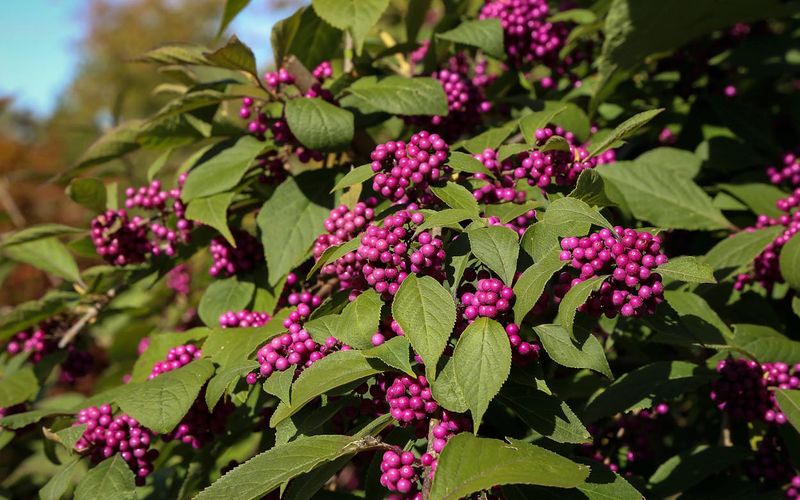
Planting American beautyberry in a Central Texas garden makes plenty of sense, as long as the reasons are honest ones. The fall berry display alone justifies the space. Branches become almost entirely hidden under dense whorls of metallic purple fruit from late summer into November, and that color reads from across the yard in a way that few native plants can match. Cedar waxwings, American robins, and mockingbirds work through the berry clusters quickly once they ripen, so the shrub functions as a bird feeder that you never have to refill.
Getting the site right matters more than many gardeners expect. Central Texas Gardener recommends filtered sun or partial shade for Central Texas plantings and notes that plants in harsh full sun or without adequate moisture can decline. A spot beneath a high canopy, on the east side of a structure, or along a shaded fence line typically suits it better than a south-facing bed baked by afternoon sun. During the establishment year, plan on supplemental watering, particularly through summer dry spells and any extended drought periods.
Once established, the shrub tends to be resilient, but resilient does not mean maintenance-free in the Texas Hill Country. Severe multi-week droughts can stress even established plants, especially those in full exposure. Pruning in late winter encourages vigorous new growth and a fuller berry display the following fall, since the fruit develops on new wood. Its native range spans moist woodland edges and stream margins across the Southeast, which hints at its preference for situations with some protection and periodic moisture rather than exposed, dry conditions.
The berries are the headline attraction, and the leaf chemistry is interesting science, but those are two separate things.
Use habitat management to reduce tick encounters
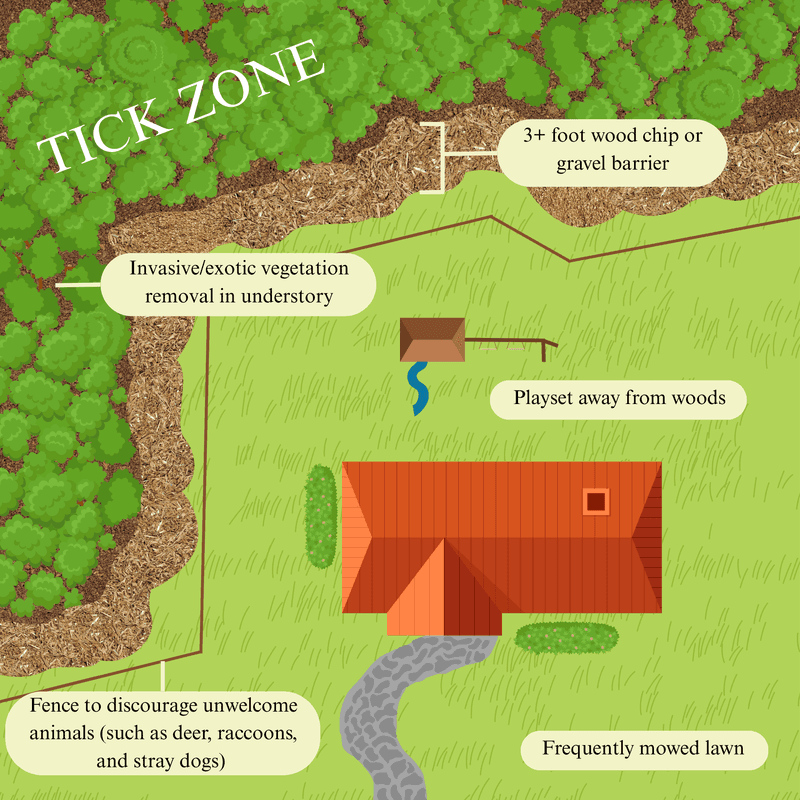
Beautyberry’s laboratory story is worth knowing, but your most reliable tick-risk reduction comes from changing the conditions ticks need to survive and reach you. Ticks do not thrive in open, sunny, dry areas. They concentrate in leaf litter, tall grass, dense brush, and the shaded transition zones where a lawn meets a wooded or weedy edge. Removing those conditions near the places your family and pets spend time has a measurable effect on exposure that a single ornamental shrub cannot replicate.
Start at the edges of your yard. Clear leaf litter from around porches, patios, and play structures, since decomposing leaves hold moisture and provide cover for both ticks and the small mammals that carry them. Mow grass regularly and cut back brush or weedy growth along fences and property lines. CDC tick prevention guidance specifically recommends placing a three-foot-wide barrier of wood chips or gravel between your lawn and any adjacent woodland or brushy area, which discourages tick migration into recreational spaces.
Wildlife management is part of the equation too. Deer and rodents are primary hosts for ticks at different life stages, and yards that attract deer, feral cats, or high populations of mice and rats tend to have more tick pressure. Removing bird feeders temporarily during peak tick season, securing compost bins, and not leaving pet food outdoors can reduce the rodent activity that sustains tick populations close to your home.
Stone or brick patios kept clear of adjacent leaf debris are less hospitable to ticks than a porch surrounded by thick plantings or litter. Keeping furniture and play equipment away from shaded brushy edges, even by a few feet, reduces the chance of a tick dropping or questing onto a person. None of these steps guarantee a tick-free yard, but together they shift the odds in your favor in a way that no single plant species can.
Layer personal, pet, and clothing protection
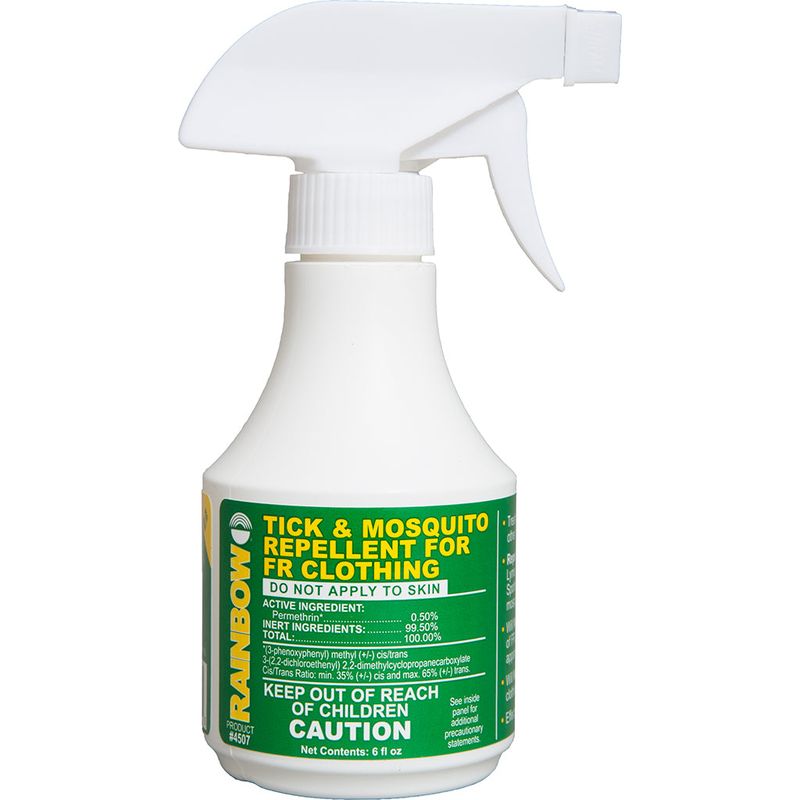
Habitat management reduces tick pressure around your home, but the moment you or a pet steps into brushy or wooded areas, personal protection becomes the front line. EPA-registered repellents applied according to label directions are the standard recommendation for skin-applied protection. Products containing DEET, picaridin, IR3535, or oil of lemon eucalyptus have been evaluated for both safety and effectiveness through the EPA registration process, which is a meaningful distinction from untested botanical sprays.
Clothing treatment with permethrin adds another layer. Permethrin bonds to fabric fibers and remains effective through multiple wash cycles. Treating pants, socks, and shoes before yard work or trail time kills ticks on contact before they reach skin. Light-colored clothing also makes it easier to spot ticks before they attach, which matters because ticks typically need several hours of attachment to transmit most pathogens.
Pets deserve equal attention. Dogs and cats that roam outdoors can carry ticks inside and deposit them on furniture, carpets, and sleeping areas even if the pet itself is not bitten. Year-round tick prevention products recommended by your veterinarian, whether topical, oral, or collar-based, protect the pet and reduce the number of ticks entering the home. CDC guidance recommends checking pets after every outdoor outing and removing any attached ticks promptly.
After any outdoor time in tick-prone areas, showering within two hours and performing a full-body tick check are habits worth building. Run fingers through hair, check behind ears, under arms, around the waist, and behind knees. A beautyberry shrub in the garden bed cannot replace any part of this routine. Planting it is a fine choice for many reasons, but it belongs in the ornamental garden category, not the personal-protection category.
Do not turn beautyberry into a homemade repellent
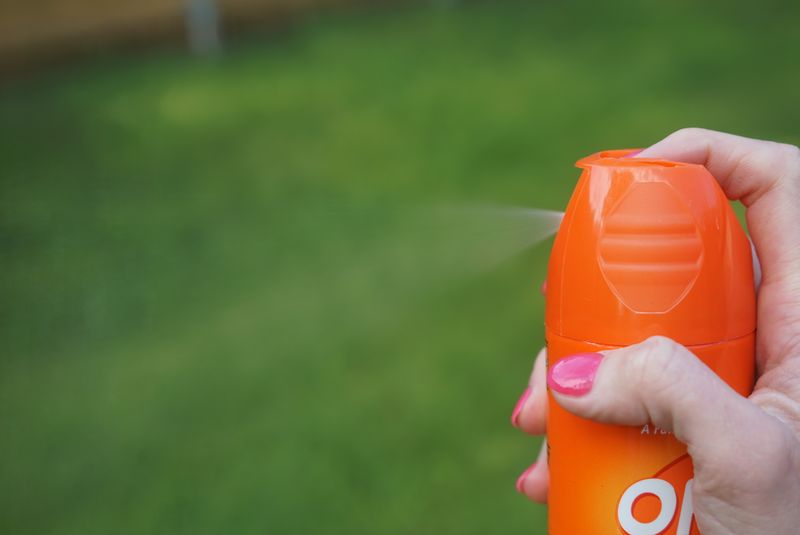
A reasonable question follows from the laboratory finding: if beautyberry leaves contain compounds that repel ticks, why not crush a few leaves and rub them on your skin before a hike? The short answer is that the pathway from an interesting isolated compound to a safe, effective skin-applied product involves testing that has not been done for raw beautyberry leaf preparations. Traditional use of a plant and a controlled laboratory result are not the same as a standardized dose, a demonstrated duration of protection, or a confirmed safety profile for skin contact.
The EPA registration process for skin-applied repellents exists precisely to evaluate those questions. As explained by EPA guidance on repellent regulation, registration indicates that a product has been reviewed for both safety and effectiveness. Many products sold under the “minimum-risk” pesticide exemption have not been evaluated for effectiveness at all, meaning an ingredient name on a label does not guarantee the product works.
A CDC-published review of minimum-risk tick products found highly variable field performance among botanical options. Cedarwood-based products, for example, showed minimal or short-lived suppression in some evaluations, and active-ingredient names alone were not reliable predictors of how a product performed. That variability, documented in this CDC review of minimum-risk tick products, illustrates why a natural ingredient source does not guarantee consistent protection.
Crushed leaves, homemade tinctures, and untested botanical sprays carry the added risk of skin irritation or sensitization, and their concentration of active compounds is entirely uncontrolled. The responsible path is to treat the beautyberry finding as a lead for future product development, appreciate the shrub for what it demonstrably offers in the garden, and rely on CDC-recommended protection measures for actual tick prevention.
Plant beautyberry for the garden, not for a tick promise
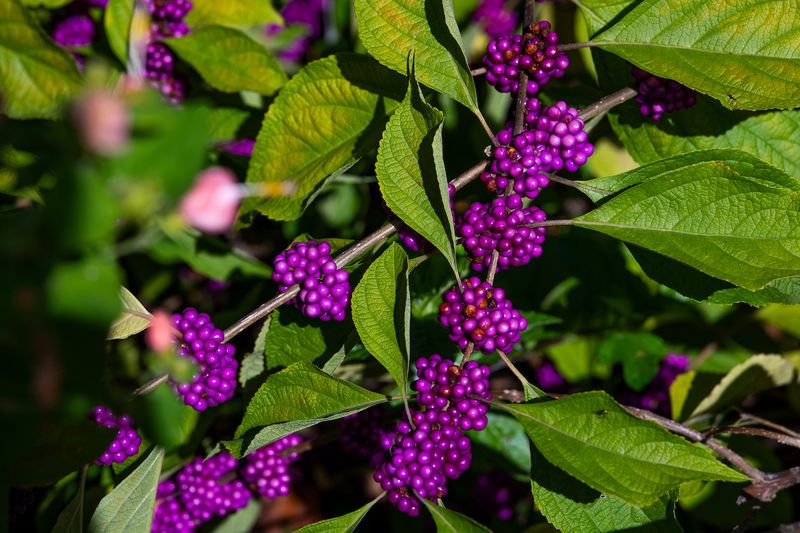
American beautyberry earns a spot in a Central Texas garden on its own merits. The fall berry clusters are genuinely spectacular, the plant supports birds and pollinators, and its Texas-native status means it fits the regional ecology in ways that imported ornamentals do not. Those are good enough reasons to plant one in a shaded garden bed, no tick research required.
The leaf compound findings from the USDA beautyberry study are a legitimate scientific lead, and they may eventually contribute to new repellent formulations. Right now, though, they describe what isolated compounds did in a controlled assay, not what a shrub does in a garden. Treating the laboratory result as a substitute for habitat management, registered repellents, pet protection, or tick checks would leave real gaps in your prevention strategy.
Your actual tick defense comes from the layered approach outlined in CDC tick prevention guidance: clearing the habitat ticks need, using registered repellents, protecting pets, and checking everyone after time outdoors. Beautyberry is a beautiful native shrub with an interesting scientific footnote. Let it be both of those things, and let the proven prevention measures do the work of keeping ticks away.