
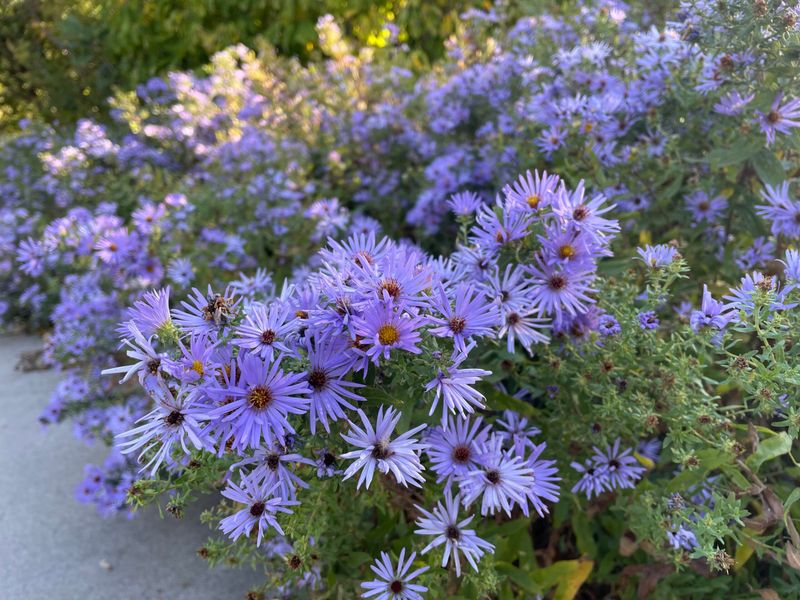
Late fall can leave a North Carolina yard looking tired, with summer flowers faded and few blooms left. Aromatic aster is a native perennial that fills part of that gap with blue-purple flowers.
It keeps its color going from late summer until the first frost, which makes it a handy plant for the end of the season. It also comes with a surprising twist about how rare it is in the wild.
Aromatic aster carries color toward the first frost
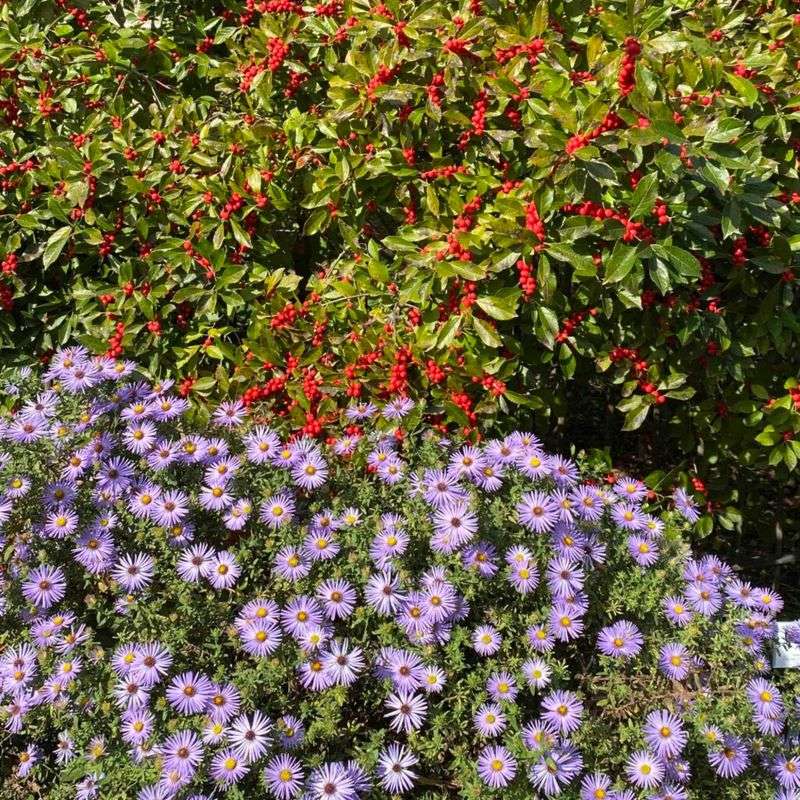
Some plants quit when the nights turn cold. Aromatic aster (Symphyotrichum oblongifolium) keeps going longer than most.
According to NC State Extension’s plant profile, it blooms from late summer until the first frost, and it is one of the last flowers still blooming before a heavy frost.
That detail matters, because it is easy to oversell this plant. Aromatic aster gives you color up to the first frost, not after it.
Once a hard frost arrives, plan on the flowers wrapping up for the year.
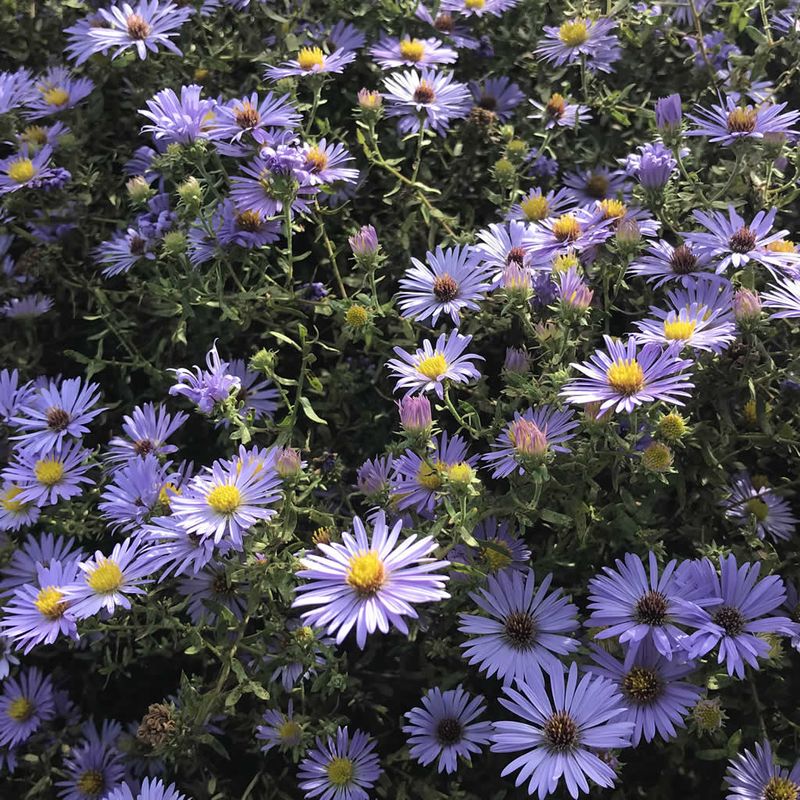
So the real payoff is a longer run of color into autumn, when many beds are fading. The small daisy-like flowers are blue-purple with yellow centers, and they show up when many other perennials have finished.
When does that first frost happen? It depends on where you live and on the year.
A gardener near the coast, one in the Piedmont, and one in the mountains will not see the same date, and even one yard can vary from year to year. The State Climate Office’s Freeze Date Explorer shows historical freeze dates for specific locations, so you can see what is typical near you.
Treat the bloom window as a range, not a calendar promise. The rest of this article covers where the plant comes from, where to put it, and how to handle it responsibly.
What “North Carolina native” means for this aster
Calling a plant native to North Carolina sounds simple, but it can mislead. Native to the state does not mean it grows naturally everywhere in the state.
For aromatic aster, the natural range is very small.
The state flora, Vascular Plants of North Carolina, documents the species at only several locations in Madison County, in the mountains. It describes the plant as very scarce in North Carolina.
The conservation listing backs that up. The 2024 rare plant list from the NC Natural Heritage Program gives aromatic aster a state status of T and a rank of S1.
Why does this matter when you shop? Seeing the plant at a garden center or in a catalog does not tell you it is common in the wild.
Nursery availability and natural abundance are two separate things.
This does not mean you should skip it. It means you can enjoy it as a garden plant while treating the wild populations with respect.
Pick it for how it performs in a suitable yard, not because you assume it belongs in every part of the state’s natural landscape.
Give its mound sun, drainage, and room
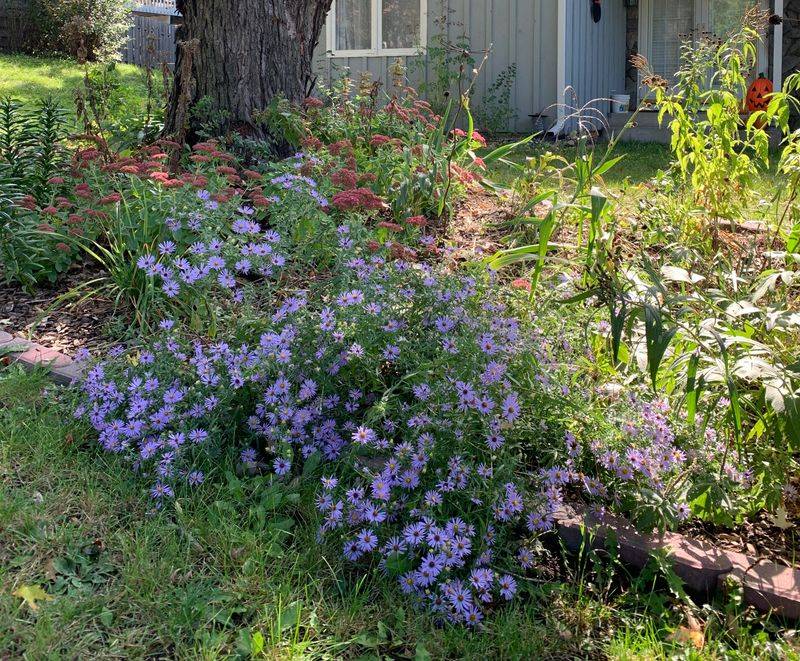
Picture a rounded, bushy mound of foliage that turns into a cloud of blue-purple flowers in autumn. That is aromatic aster.
Crush a leaf between your fingers and you will smell the aroma that gives the plant its name.
NC State Extension lists a mature size of up to about three feet tall and three feet wide, so leave space. Setting it too close to a walkway or a small neighbor means constant trimming later.
For site, the profile recommends full sun and well-drained soil. It also lists tolerance of clay, loam, or sand, and of moist to occasionally dry conditions.
That flexibility helps in North Carolina, where soils range from sandy coastal ground to heavy red clay.
Soggy spots are the ones to avoid. If water sits after rain, choose a different location or improve drainage first.
Do not count on this plant staying put. It can spread by stolons, which are creeping stems, and by wind-dispersed seed.
That makes it low maintenance, but not no maintenance.
Check the base of the plant each season and pull or move extra shoots that wander. Give it a spot where a little spreading is welcome, such as a naturalized border or a meadow-style bed.
Asters extend forage as the season winds down
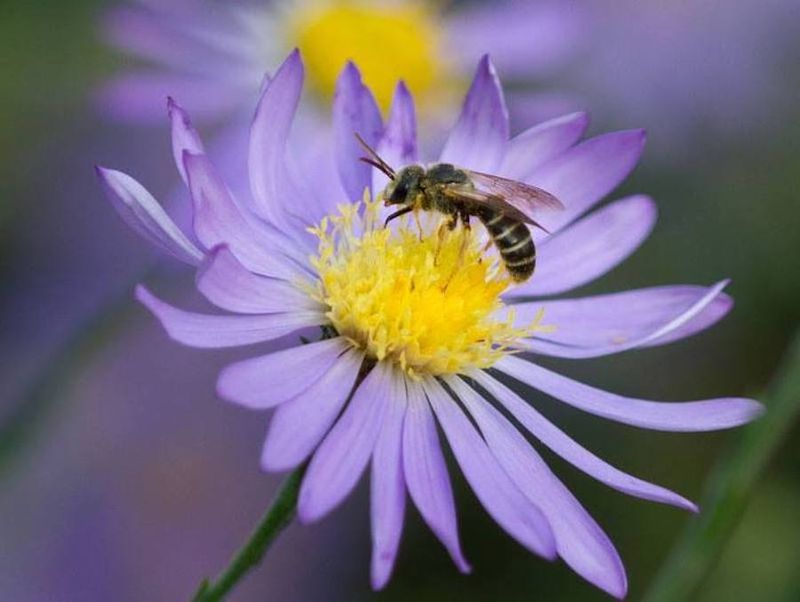
Flowers in late fall are more than decoration. When most summer blooms are gone, any plant still flowering can provide forage for pollinators.
That is a big part of why gardeners look at asters.
NC State Extension identifies Symphyotrichum asters as supporting specialized bees and describes aromatic aster as a pollinator plant. Another source, NC Cooperative Extension’s The Aster Effect, notes that native asters extend fall color and provide resources for pollinators and wildlife.
Think of it as habitat and food value rather than a guarantee. Which insects show up depends on your neighborhood, your nearby plantings, and the weather that year.
One yard may see plenty of activity, while another sees less.
You can improve the odds a little. Plant aromatic aster in a sunny spot where the flowers are easy to reach, and group it with other native plants that bloom at different times.
A steady run of blooms from spring to fall gives pollinators more to work with.
Skip the sprays on and near the plant if you want visiting insects to be safe. Even a modest patch adds useful late-season food to a yard.
Leave some stems standing through fall cleanup
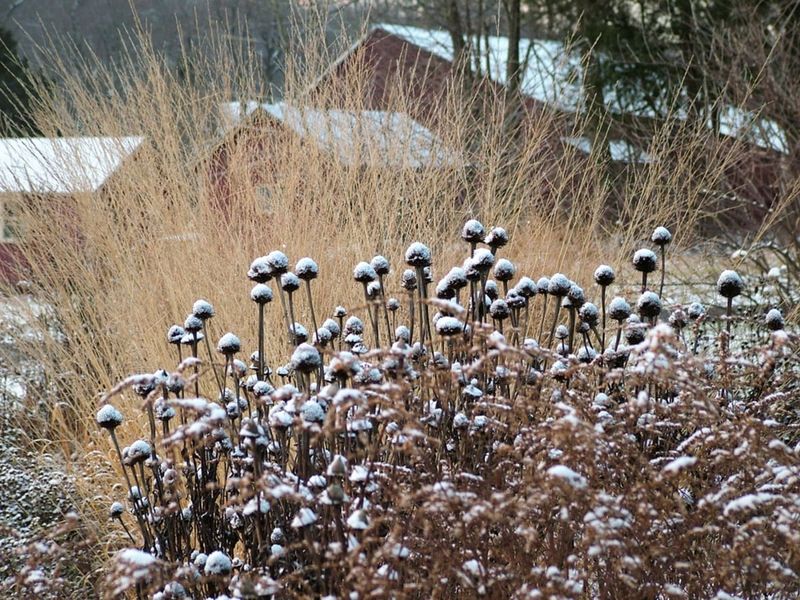
Cleanup day is when many gardeners reach for the shears and cut everything to the ground. With aromatic aster, a gentler approach helps wildlife.
NC State Extension advises leaving 12 to 24 inches of dead stems standing, because native bees nest in them.
In practice, that means trimming the plant to about knee height instead of scalping it. Those leftover stems can serve as nesting spots through the colder months.
There is a trade-off. Standing stems look less tidy than a bare bed, and some neighbors or homeowner associations may notice.
If appearance matters, tuck the plant behind lower evergreens or mulched edging so the stubble blends in.
You can also tidy in other ways. Rake leaves out of the bed, pull weeds, and remove any unwanted spreading shoots, while keeping the stems upright.
Resist the urge to haul the cut stems away in bags if you remove the taller portions. Stacking them loosely in a back corner is one option for a low-effort pile.
Next spring, you can trim the old stems back as new growth appears.
Choose nursery-propagated plants, not wild specimens
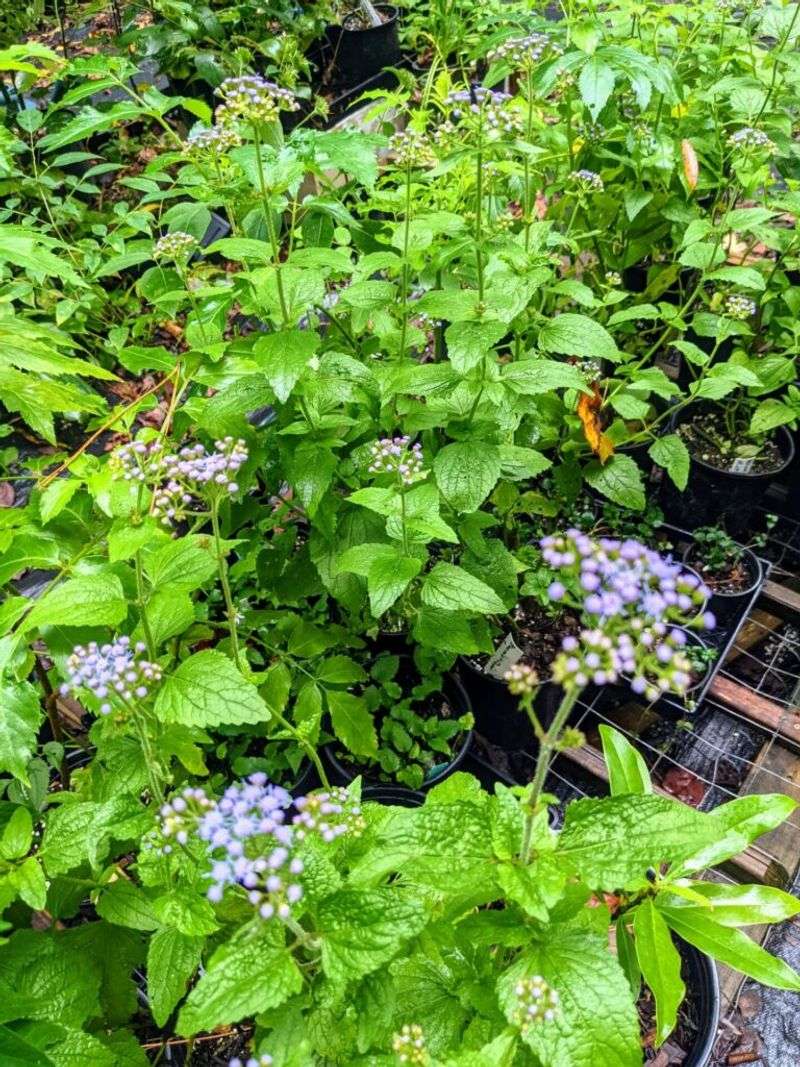
Because aromatic aster is so scarce in the wild here, how you get it matters. The state flora records only several natural locations in Madison County.
Taking plants or seed from those places could hurt the very populations that make the species special.
So do not dig wild plants, and do not collect seed from natural populations. Buy nursery-propagated plants instead, which are grown for sale and take no pressure off wild stands.
The North Carolina Native Plant Society keeps a list of native plant nurseries. It is a good starting point for finding growers who sell propagated native plants.
Not every nursery on that list will carry aromatic aster, so call ahead or check inventory before you drive.
When you shop, ask a few simple questions. Was the plant grown from nursery stock?
Is it the true species, Symphyotrichum oblongifolium? Staff at native nurseries are usually glad to answer.
If one source is sold out, try another or ask when new stock arrives. Fall plant sales and spring native plant events can be good chances to look.
A little patience keeps your garden on the right side of conservation.
Use it for the late-season gap it can actually fill
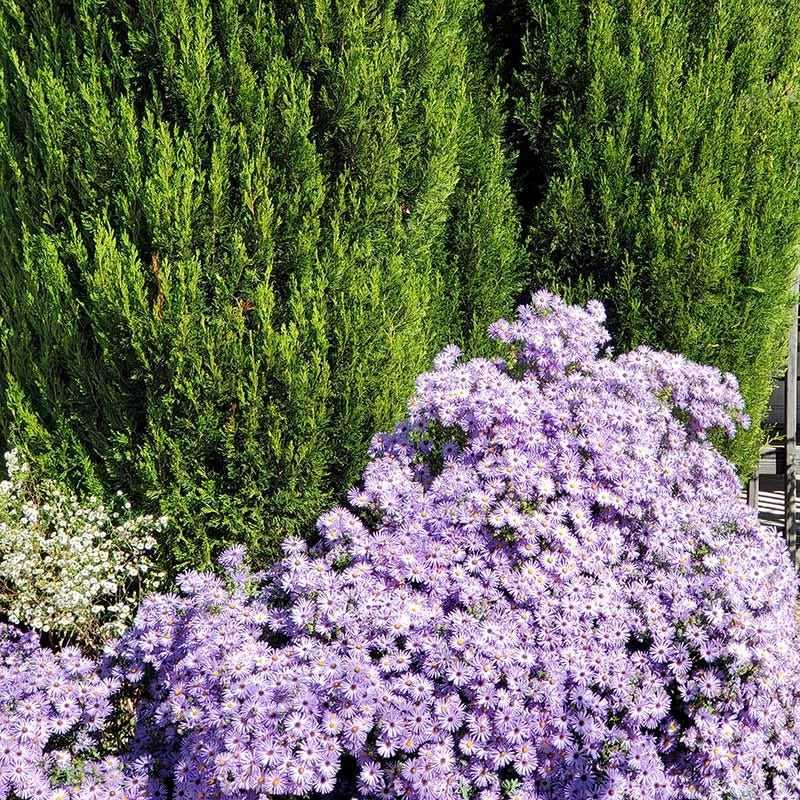
Aromatic aster is a good pick when you want blue-purple color that runs up to the first frost, not past it. Give it sun, drainage, and room to spread, buy it from a nursery that propagates its plants, and leave some stems for bees.
Check the NC State plant profile and the native plant nursery list before you plant.
Some of the best garden plants simply buy you a few more weeks of color.