
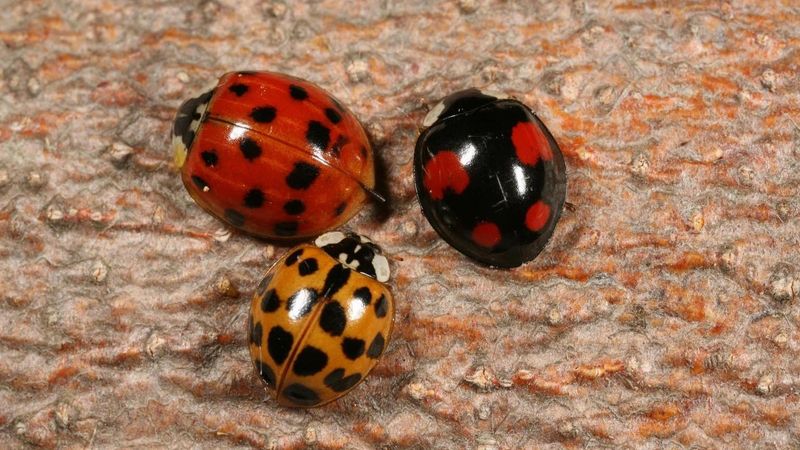
Some fall afternoons, a sunny wall suddenly looks crowded with small orange beetles. Many of them may be multicolored Asian lady beetles, a lady beetle species that sometimes looks for winter shelter around houses.
Most are harmless outdoors, but a few can slip inside through tiny gaps. A little prep work and a few simple habits can help keep them out of your living space.
The Asian lady beetle is one kind of lady beetle
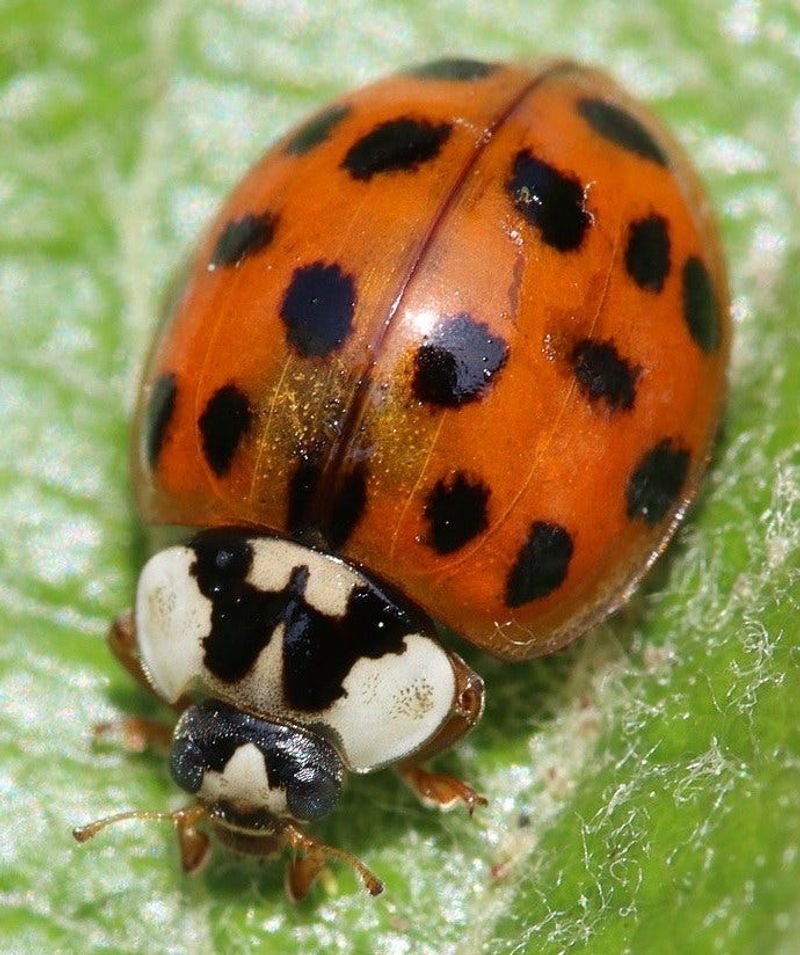
Despite what the old headline idea suggests, the beetles on your siding are not a separate group from “real” ladybugs. The multicolored Asian lady beetle (Harmonia axyridis) is one species within the lady beetle family, and it happens to be nonnative in the U.S.
The useful distinction is between this species and the many other lady beetle species, not between lady beetles and something else.
One helpful clue is the pale area just behind the head, called the pronotum. On this species it often carries a dark M- or W-like mark.
Virginia Cooperative Extension notes that these beetles can be hard to tell apart by looks alone.
Treat that mark as a hint, not a verdict. University of Minnesota Extension explains that color and spot count vary widely, and some individuals have no spots at all.
A beetle with a similar mark is not automatically this species, and a beetle without a crisp M can still be one.
Why they may gather on sunny walls
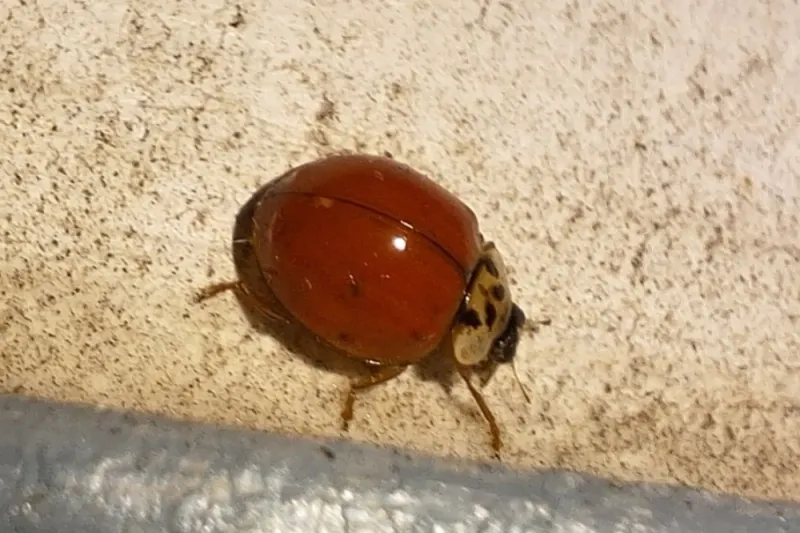
Come fall, adult beetles start hunting for sheltered spots to wait out the cold months. Sunlit building surfaces, often those facing south or west, can attract them as they search.
Some then crawl into cracks and gaps and end up inside the house.
Sunshine is only part of the picture. Wall color, contrast with the surroundings, and nearby trees or fields may also play a role, so a shady wall can still collect a few visitors.
Timing is where Southern readers should be careful. UF/IFAS Extension explains that the overwintering flight comes later the farther south you go, with examples ranging from October in Michigan to November through January in north Florida.
Local weather shifts it further.
That means a northern calendar will not fit Florida or Texas. Think of this as a seasonal possibility to watch for in your own area, not a swarm happening everywhere at once.
University of Kentucky Entomology describes the same pattern of beetles gathering on buildings, then moving into gaps.
Indoor beetles are usually a nuisance, not a damaging infestation
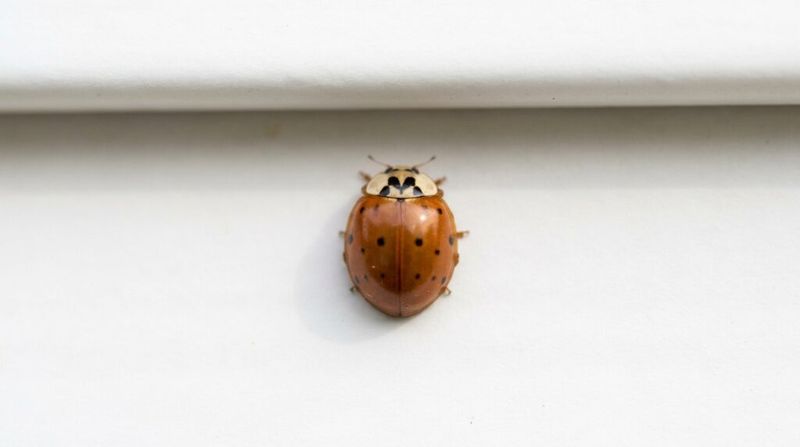
Finding beetles on a windowsill is annoying, but it helps to keep the risk in perspective. According to University of Kentucky Entomology, they do not reproduce indoors, and they do not damage wood, food, or clothing.
Think of them as temporary guests waiting for warmer weather.
Occasionally a beetle will pinch or bite, and now and then it may break the skin. The effects are generally minor, so there is no need to treat them as attackers.
The more common mess comes from the beetles themselves. When disturbed, they can release a foul-smelling yellow fluid that may stain walls, curtains, and fabric.
Brushing them off a surface or squashing them can leave marks and an odor behind.
A calm, gentle approach works best. Move slowly, avoid crushing them, and save the removal for the method covered in a later section.
Close entry gaps before local flight activity
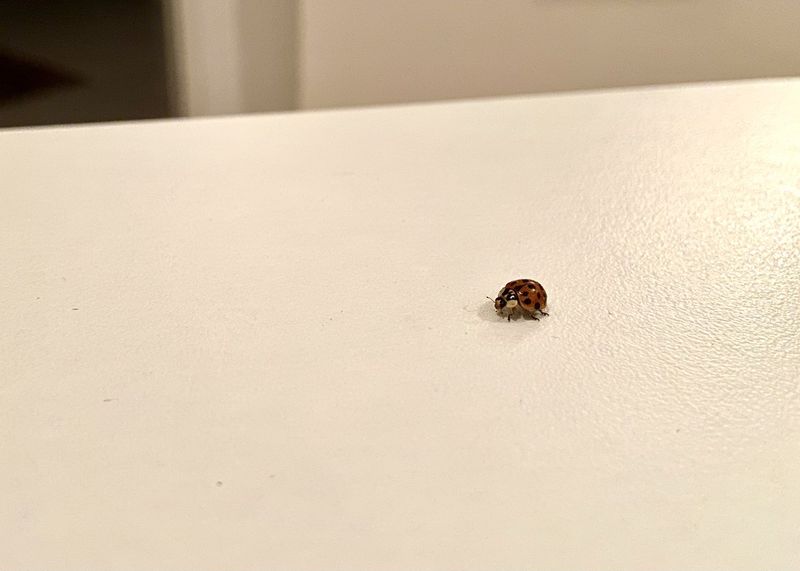
Keeping beetles out beats chasing them once they are in. Walk around your house and look closely at caulking and gaps around windows, doors, siding, fascia, utility lines, vents, and any other openings.
University of Kentucky Entomology notes that beetles can squeeze through gaps as small as about 1/8 inch.
Start with these quick wins:
Reseal cracked caulk, patch torn window and door screens, and fit door sweeps or thresholds along the bottom of exterior doors. Check attic vents and soffits too, since they are easy to overlook.
Timing matters. Aim to finish repairs before local fall activity begins, which for many homes means summer or earlier.
Because the season starts later in warmer parts of the South, watch for beetles gathering on your own walls rather than relying on a set date.
University of Minnesota Extension lists exclusion as the main preventive step. It can reduce how many beetles get inside, though it may not stop every one.
Vacuum indoor beetles carefully
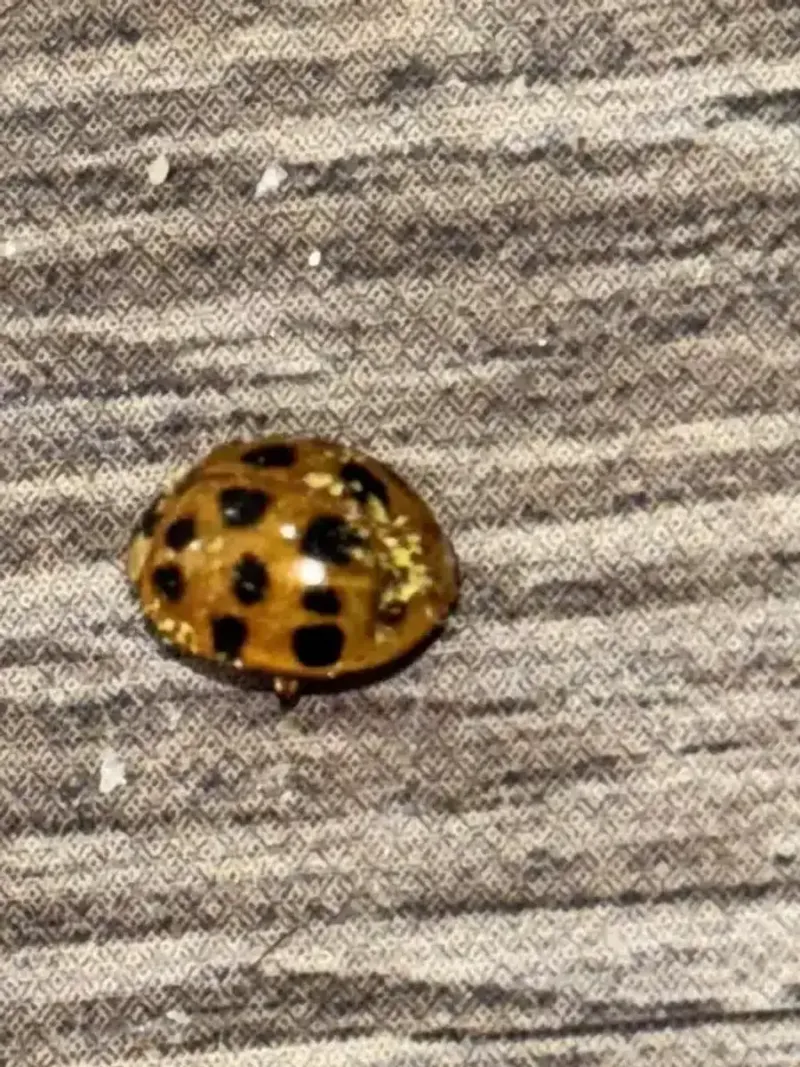
Once a few beetles are inside, a vacuum is the practical tool. With a bagged vacuum, suck them up, then seal the bag and throw it away or empty it outdoors, as suggested by University of Minnesota Extension.
For a bagless model, Penn State Extension describes securing a nylon stocking inside the hose so the beetles collect in it. Take the stocking out when you are done and dispose of the beetles.
Handle everything with care. Secretions can smell and stain, so empty the container away from the living areas and wash your hands afterward.
Allergic reactions have been reported in some people, as described in a PubMed-indexed medical study. That does not mean everyday contact causes allergies for most people.
Anyone with a known sensitivity should skip handling the beetles and ask someone else to do the vacuuming.
Indoor sprays rarely solve the problem
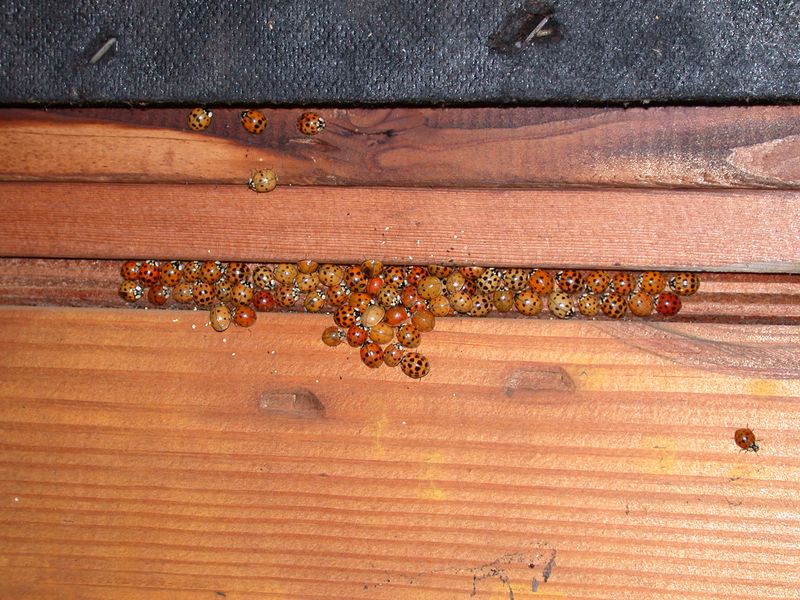
It is tempting to reach for a fogger or spray, but they usually do not provide a lasting fix. Beetles tucked inside wall voids may keep emerging for weeks, so you can clear the room and still see new ones tomorrow.
University of Kentucky Entomology says indoor treatments often fail to stop further emergence.
Sealing remains the main preventive step. Do not spray into wall voids, and avoid using pesticides without a clear reason.
Some homeowners add an exterior pesticide barrier as a possible supplement to sealing. Penn State Extension covers these options.
Use a product only where its label permits and follow the label directions exactly.
Outdoors, these beetles eat aphids and other soft-bodied pests, so there is no need to wage war on them in the yard. The goal is a home with tight seams, not an empty garden.
A well-sealed house does more than any can of spray ever will.