
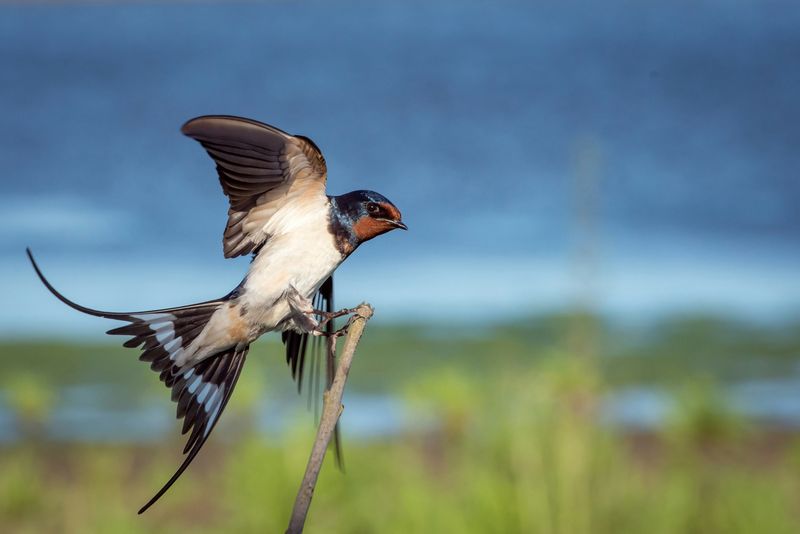
Many Texas gardeners hope one native plant can bring in graceful Barn Swallows and cut down on mosquitoes. It is a nice idea, but the facts are a bit different.
Native plants, swallow habitat, and mosquito control are three separate jobs, and each one works in its own way. Here is what each can do for your yard this season.
What native planting can—and cannot—promise
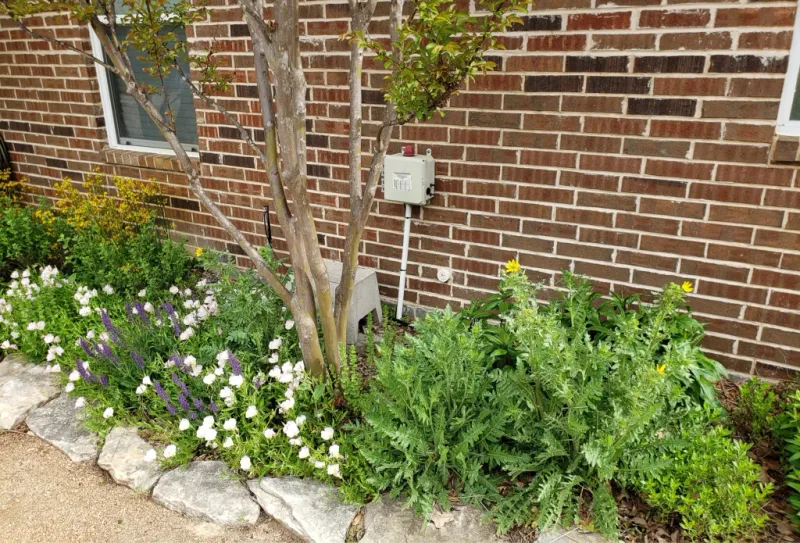
Here is the honest starting point: no native Texas plant has been shown to reliably bring Barn Swallows to a yard or to clear out mosquitoes. The sources reviewed for this article name no such plant, and no study has tested a plant against swallow visits directly.
That does not make native gardening pointless. Texas groups like the Native Plant Society of Texas encourage native beds because the plants suit local soils and climate, and Texas A&M AgriLife describes how a varied planting can support pollinators and other insects.
Supporting insects is not the same as attracting Barn Swallows. According to Cornell Lab of Ornithology, these birds catch their food in flight, often over open areas and water, and they need a nesting spot and mud nearby.
A flower bed addresses none of those needs directly.
So think of it as three separate tools. Native plants can make a lively, resilient garden.
Swallow habitat depends on nesting and foraging conditions. Mosquito reduction comes from managing the water where mosquitoes breed.
Mixing them up leads to disappointment, while keeping them apart gives you realistic wins.
Barn Swallows catch insects in open air
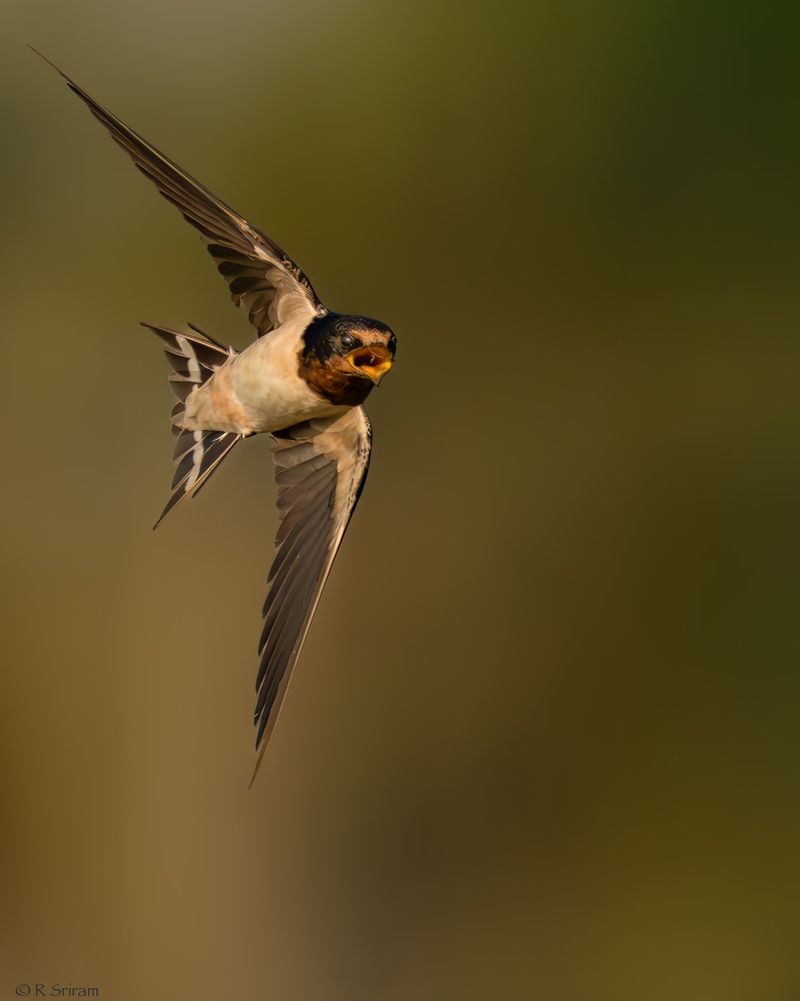
Watch a Barn Swallow for a minute and you will see why it is hard to lure with a plant. It snatches insects out of the air, swooping and turning over open ground and water, according to Cornell Lab of Ornithology.
Fields, ponds, lawns, and pastures are typical hunting grounds.
That flying style shapes what a swallow wants from a property. It needs room to move and flying insects to catch overhead, not a particular shrub to perch in or a flower to visit.
The sources reviewed do not show that any particular flower bed attracts Barn Swallows. They also do not rank open space against other yard features, so there is no reliable recipe for a swallow-friendly layout.
No arrangement of plants, lawn, or patio can promise a visit.
A practical way to use this is simply to observe. Spend a few evenings looking at the sky over your yard and nearby fields, ditches, or ponds.
If swallows already skim through the area, you have a clue that the neighborhood suits them. If they never appear, that is not a sign your garden is failing.
Weather, nearby water, and surrounding land all play a part, and most of those are beyond a single yard.
Enjoy them if they come, and keep your gardening goals focused on things you can control.
Mosquitoes are possible prey, not proven pest control
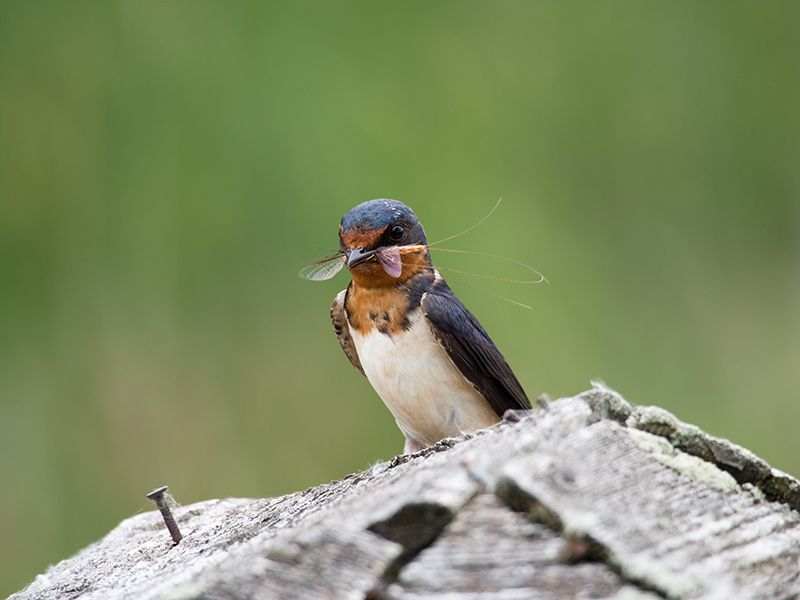
Barn Swallows eat a wide mix of flying insects. Cornell Lab of Ornithology lists mosquitoes among possible prey, but that is one name on a long menu.
Being on the menu does not mean mosquitoes are a favorite food, or that swallows keep them in check.
A field study offers a useful reality check. Researchers at Vancouver International Airport found a mix of insect orders in swallow diets and strong selection for ants and their relatives.
The birds selected against Diptera, the group that includes mosquitoes and many other flies.
Keep the limits in mind. That study covered one place and one season in Canada, so it is not a diet estimate for Texas.
It simply warns us not to assume mosquitoes make up a big share of what swallows eat.
Other research points the same way: DNA work on a declining aerial insectivore describes a broad and flexible diet. Birds that eat many kinds of prey are not tuned to one pest.
The sources also do not measure mosquito reduction from Barn Swallows in home yards. A swallow overhead is a pleasure to watch, but it is not a substitute for dumping water and other proven mosquito steps.
Choose native plants for local conditions and insect support
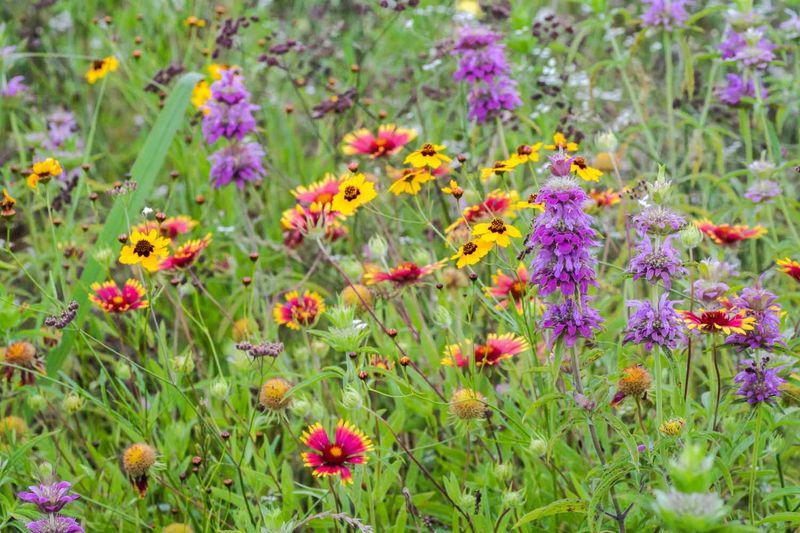
If you want a garden that hums with life, start with plants that fit your spot. Texas spans several ecoregions, from Piney Woods to Hill Country to Trans-Pecos, and soil, sun, and rainfall vary widely.
Native Plant Society of Texas guidance encourages matching plants to your site rather than copying a list from another region.
Variety matters too. Texas A&M AgriLife supports growing a range of plants so something is blooming through the warm season.
Staggering bloom times, with spring, summer, and fall flowers, gives pollinators and other insects steady food.
A practical approach is to pick several natives that suit your sun and soil, group them in drifts, and check that early, mid, and late bloomers are all present. Plants adapted to Texas heat also tend to need less water, which helps under watering restrictions.
Now the caveat. Research such as a study of native plants and an insectivorous bird points to possible food-web benefits for that bird in its own setting.
That cannot show a Barn-Swallow-specific effect in Texas yards.
Plant natives because they support insects and suit your site. Treat any swallow visit as a bonus.
Nesting needs extend beyond the garden
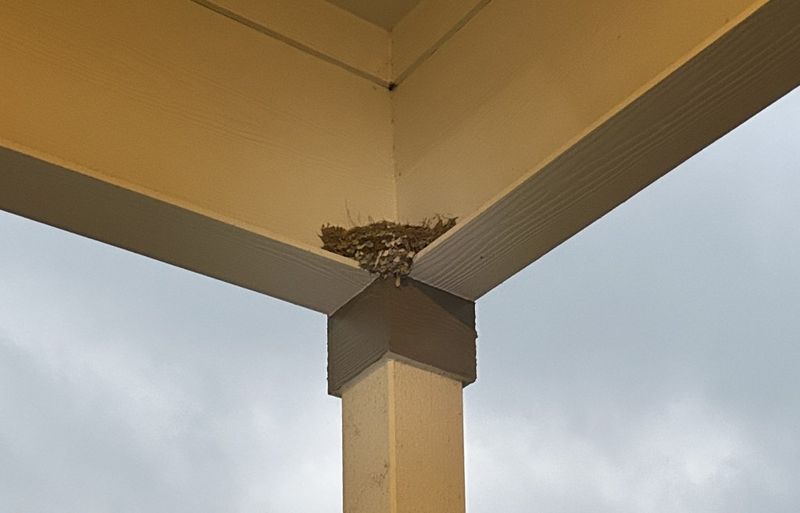
Gardens only cover part of the picture. According to Cornell Lab of Ornithology, breeding Barn Swallows typically use open space for foraging, a ledge or similar structure to hold a mud nest, and a nearby source of mud.
Look at your property with those three needs in mind. Do you have sheltered ledges, such as under eaves, porches, or bridges?
Is there a muddy edge near a pond, creek, or other wet spot? Is there open ground nearby for hunting?
Those factors, not a plant list, shape whether a property can work.
If you want to make room for nesting swallows, Texas Parks and Wildlife describes sheltered nesting shelves as one option. It is an option, not a guarantee, and conventional nest boxes are not a substitute.
Placement near buildings deserves thought, since nests can mean droppings below. A shelf in a spot where debris is easy to manage can keep things tidy.
Whether swallows ever use it depends on weather, nearby food, and the neighborhood. Offer the habitat, stay patient, and do not count on a plant to do the work.
Manage standing water to reduce mosquitoes
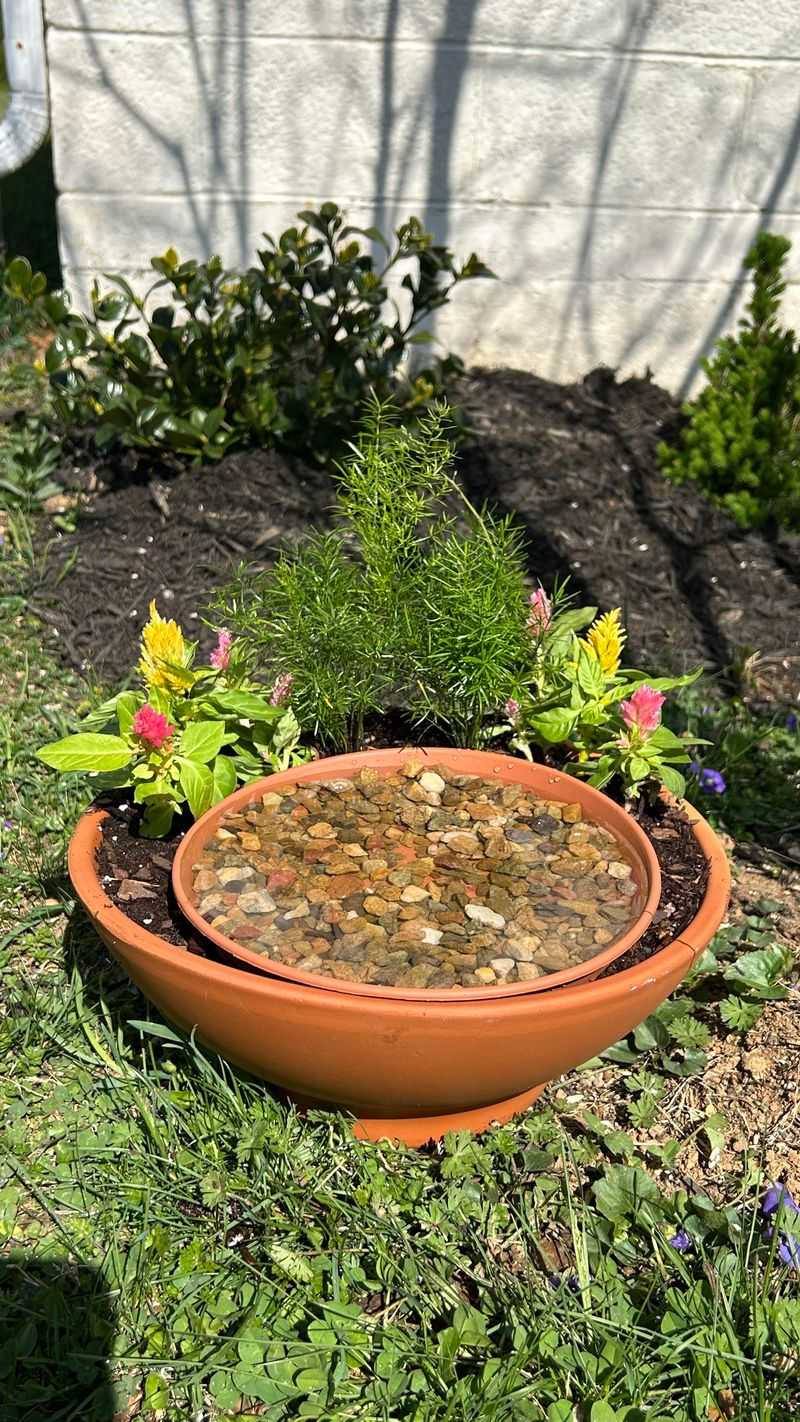
When the goal is fewer mosquitoes, the most direct step is to deal with the water they breed in. CDC guidance says to empty and scrub, cover, turn over, or discard containers that hold water, and to do it every week.
That list includes birdbaths and flowerpot saucers, two items common in wildlife-friendly Texas yards. Scrubbing matters because it removes eggs stuck to the sides of a container, not just the water.
Walk your yard once a week and check the usual suspects: buckets, plant saucers, birdbaths, toys, tarps, wheelbarrows, and old tires. Tip out what you can, flip what you can, and cover or throw away what you do not need.
In hot Texas weather, a quick weekly routine is easier to keep than a big cleanup now and then. Pick a day, such as when you water the garden, and make the check part of it.
Birds are welcome in the yard, but they do not replace these steps. Attracting swallows or any other bird is no stand-in for removing breeding water.
Welcome wildlife without relying on it for pest control
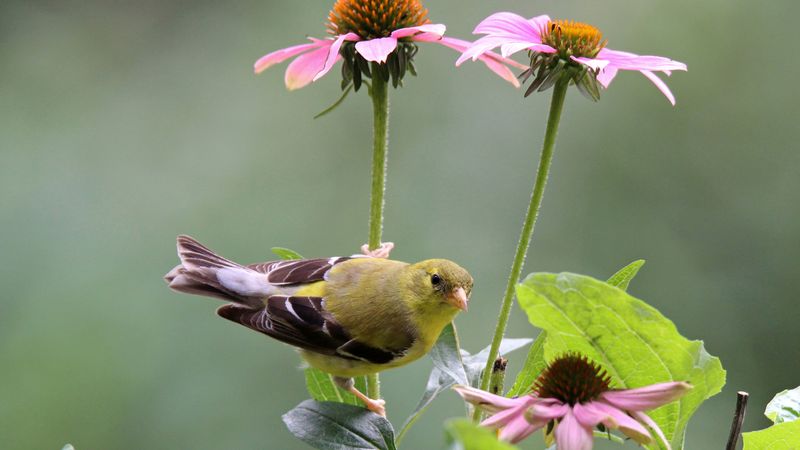
Plant natives that fit your ecoregion and site, offer swallow habitat only if it suits your property, and tip out standing water every week. Each step does its own job, and none needs to be oversold.
Nesting swallows can leave droppings and debris near buildings. Before disturbing any birds or nests, read the U.S.
Fish and Wildlife Service guidance on swallow conflicts and check which wildlife rules apply.
A swallow skimming your lawn at dusk is a gift, not a mosquito crew.