
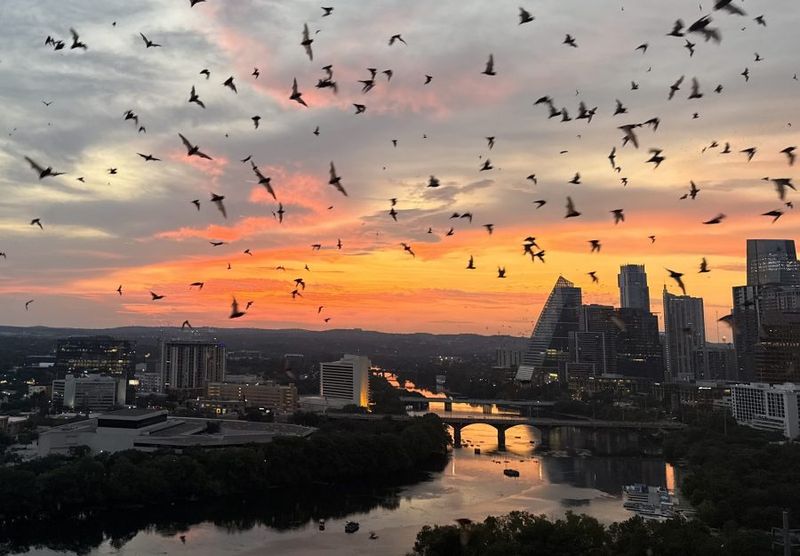
Summer evenings on a Central Texas patio can turn miserable fast once the mosquitoes show up. Bats swooping overhead look like they should be solving that problem, and it is tempting to believe that more bats automatically mean fewer bites.
The reality is a little more complicated, and understanding it can actually make your yard better for both wildlife and your own comfort. Read on to learn what bats can and cannot do for mosquito control, and how to attract them for the right reasons.
Bats can eat mosquitoes, but they do not guarantee a bite-free patio
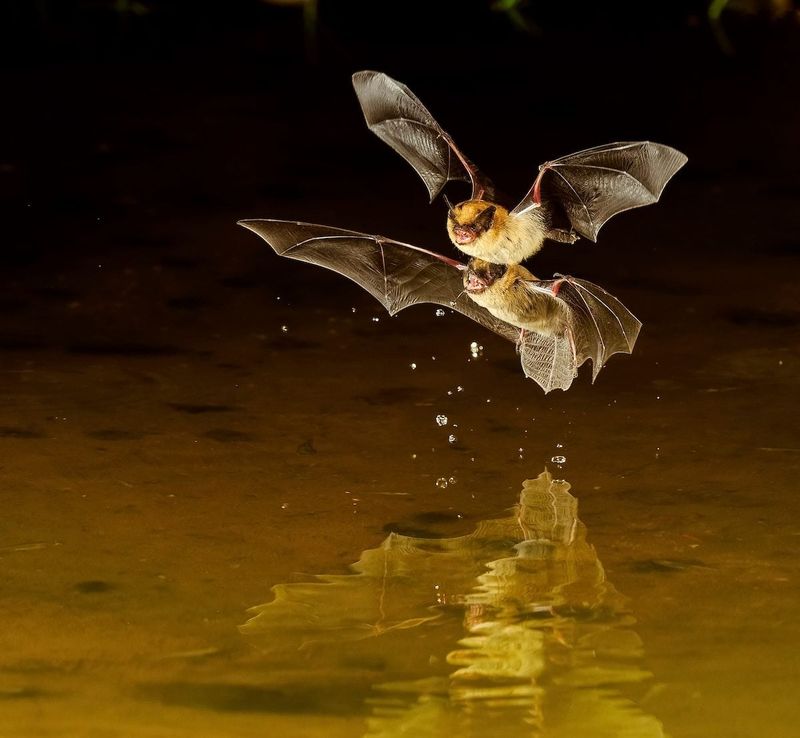
Watching bats dart through a summer sky feels like free pest control, but the connection between bat activity and fewer mosquito bites on your patio is much weaker than most people expect. Researchers have confirmed that some bat species do consume mosquitoes.
A peer-reviewed study on mosquito consumption by insectivorous bats found measurable mosquito intake in several species, and a southeastern U.S. guano study detected DNA from 17 mosquito species across three bat species, including some that carry arboviruses. Both research teams were careful to note that detecting mosquito consumption is not the same as proving that bats reduce the number of mosquitoes biting people nearby.
That distinction matters for any Central Texas homeowner thinking about putting up a bat house. University of Florida/IFAS guidance on bats as insect pest managers concludes that most bats eat only small quantities of mosquitoes and are unlikely to control large mosquito populations on their own, even though large colonies can reduce overall flying insect numbers in an area.
No published research establishes a reliable, measurable drop in backyard biting rates tied to bat presence.
A bat house is genuinely worthwhile as a roosting habitat and a conservation project. Bats face pressure from habitat loss, white-nose syndrome, and declining insect diversity, so providing a well-designed roost supports local wildlife in a meaningful way.
What a bat house cannot do is function as a dependable mosquito-control device. Treat it as a contribution to your local ecosystem, and pair it with the water management, barriers, and repellents that more directly protect your patio.
Central Texas bats usually hunt a broader insect menu
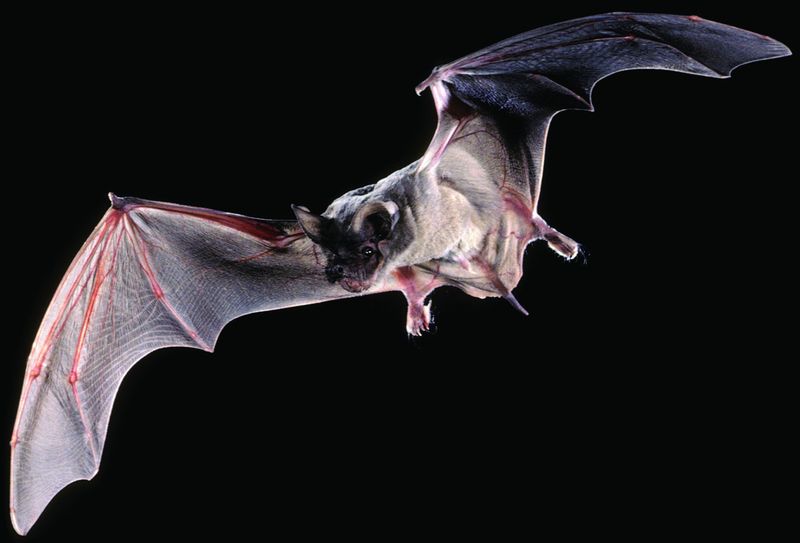
Texas is genuinely remarkable bat country. Texas Parks and Wildlife Department notes that Texas hosts 32 of the 47 bat species found in the United States, and the Mexican free-tailed bat is by far the most common of them.
Bracken Cave near San Antonio shelters one of the largest bat colonies on earth, and the Congress Avenue Bridge in Austin draws crowds every summer evening to watch millions of free-tails spiral into the night sky. That visibility has made bats synonymous with mosquito control in the public imagination.
The reality of what those bats are actually eating is more nuanced. National Park Service research on Brazilian free-tailed bat feeding habits reports that guano analysis rarely, if ever, turns up evidence of mosquito consumption in this species.
Moths, beetles, and other larger flying insects make up the bulk of the diet. Mexican free-tailed bats are also high-altitude hunters capable of foraging many miles from their roost, which means the bats visible above your yard may be passing through rather than systematically clearing insects from your patio area.
Published research on bat insect pest management reinforces this point: bat species vary considerably in diet, and the ones most likely to consume mosquitoes tend to be smaller, slower-flying species that forage close to water and vegetation rather than the high-speed free-tails that dominate the Central Texas sky. Seeing bats overhead on a summer evening is exciting and ecologically meaningful, but it does not tell you much about what is happening to the mosquito population around your lawn chairs.
Choose a bat house that gives local bats a usable roost
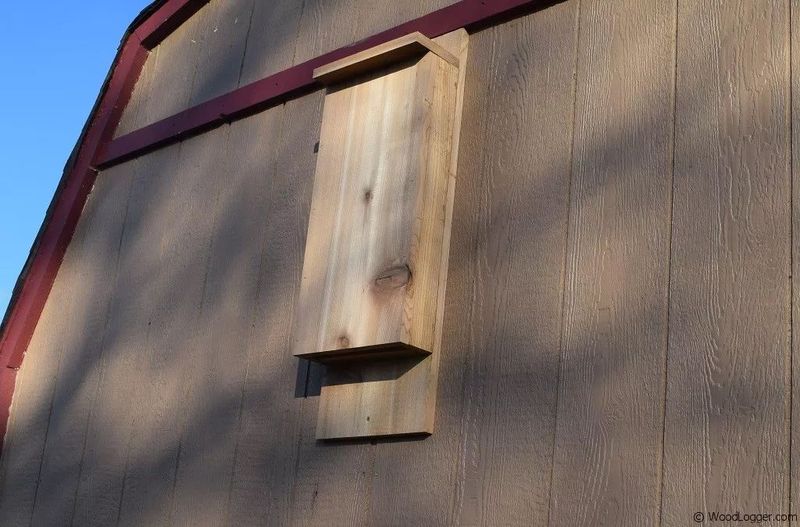
Picking the right structure is where a bat-friendly project either succeeds or stalls. A well-built bat house needs weather-resistant materials, narrow roosting chambers that mimic natural crevices, and interior surfaces that are roughened or lined with plastic mesh so bats can grip securely.
Smooth wood interiors cause bats to slide and fall, which quickly makes a house useless no matter how well it is placed. Texas Parks and Wildlife Department offers a Texas-adapted small bat house design that accounts for the state’s climate and the species most likely to use a backyard structure.
Size and chamber count matter more than most buyers realize. Single-chamber houses sold at garden centers are often too small and too poorly ventilated to attract a stable colony.
Multi-chamber designs hold more bats, retain heat more evenly, and give occupants room to shift positions as temperatures change through the day. University of Florida/IFAS guidance on effective bat houses recommends chambers between three-quarters of an inch and one inch wide, with landing areas that extend below the entrance so bats have room to approach and cling before entering.
Bat Conservation International’s bat house resources make clear that even a perfectly built house may sit empty for a season or more. Occupancy depends on whether suitable bat species are present locally, whether existing roosts are already meeting their needs, and whether your specific installation hits the right combination of temperature, placement, and surrounding habitat.
Set expectations accordingly: this is a roosting opportunity you are creating, not a colony you are manufacturing.
Use height, open flight space, and careful shade to improve the odds
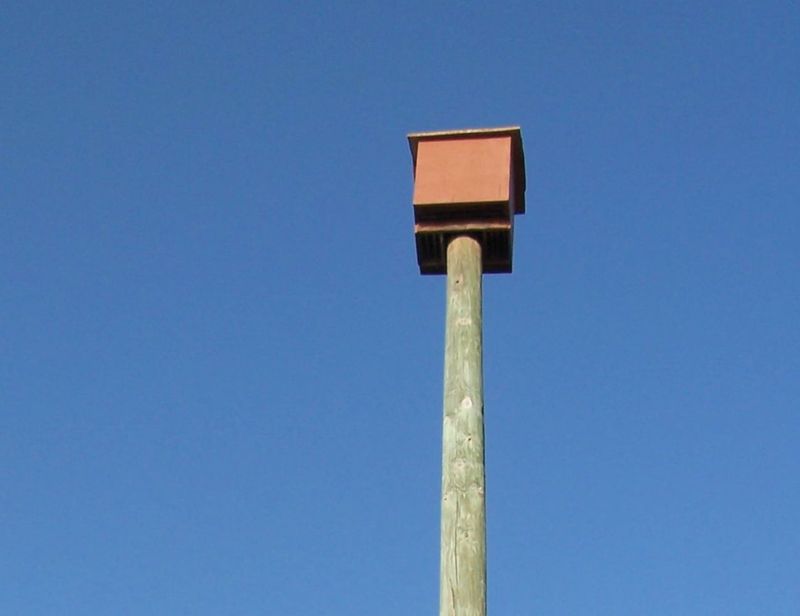
Placement is the variable that homeowners most often underestimate, and getting it wrong can keep a bat house vacant for years. The house needs to go high enough that bats have clear, unobstructed space below the entrance to approach, drop, and fly away without hitting fences, tree branches, or structures.
UF/IFAS guidance recommends roughly 12 to 15 feet above ground for installations in the southeastern United States, and Bat Conservation International advises at least 12 feet of open space beneath exits. A pole mount in an open area typically outperforms a house tucked against a building or hung in a tree canopy.
Heat management is the piece of placement advice that differs most sharply in Central Texas compared to cooler regions. Bats need warmth to maintain their body temperature and raise pups successfully, but a house that bakes in relentless afternoon sun through a Texas July can reach temperatures lethal to the colony inside.
Automatically choosing black paint or pointing the house directly into the southwestern sky without any shading option is not the right call here. The goal is a house that reaches the mid-80s to low 90s Fahrenheit during the day without spiking dangerously higher, and the right color and orientation depend on your specific microclimate.
A practical solution that bat conservation guidance on habitat support and BCI both recommend is installing two houses with different sun and shade exposures within about 100 meters of each other. Bats can then shift between them as temperatures rise and fall through the season, giving the colony a thermoregulation option that a single house cannot provide.
Proximity to open water and natural foraging areas also improves the appeal of any installation, since bats that can drink and hunt close to their roost face less daily energy cost.
Build a yard that supports bat foraging without promising mosquito control
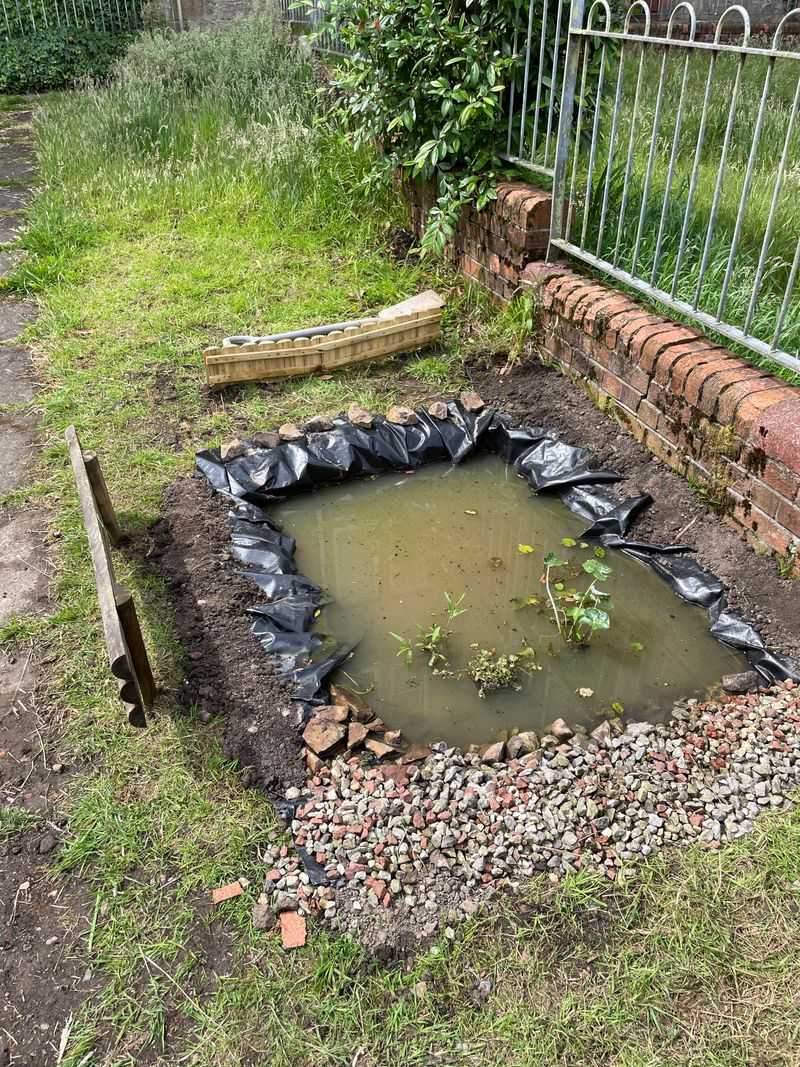
The landscape around a bat house shapes whether local bats find the location worth visiting at all. Conservation guidance on supporting bat habitat points to native vegetation and reduced insecticide use as the most broadly useful measures a homeowner can take.
Native plants support a wider range of insects than exotic ornamentals do, and those insects are what bats are actually hunting. Cutting back on broad-spectrum pesticides keeps that insect community intact and available as a food source.
Open water nearby helps considerably. A pond, a creek, a retention area, or even a consistently maintained water feature gives bats a place to drink on the wing and often concentrates the flying insects they pursue.
Keep vegetation at the edges of any water feature rather than clearing it completely, since emergent plants provide insect habitat that benefits the whole food web. Avoid assuming that a specific list of flowering plants will reliably attract mosquito-eating bats to your yard; the research supports native vegetation as a general habitat measure, not as a targeted bat-luring strategy.
Timing the installation before the spring roost-search period, roughly late winter through early spring in Central Texas, gives bats the best chance to discover the house while they are actively looking for new roosts. UF/IFAS bat house guidance and Bat Conservation International both note that a house installed in summer or fall may not be discovered until the following year.
A vacant house after one season is not necessarily a sign that something is wrong; local bat populations, existing roosts, and habitat conditions all influence occupancy on their own schedule.
Avoid attraction tricks, unsafe handling, and badly timed exclusions
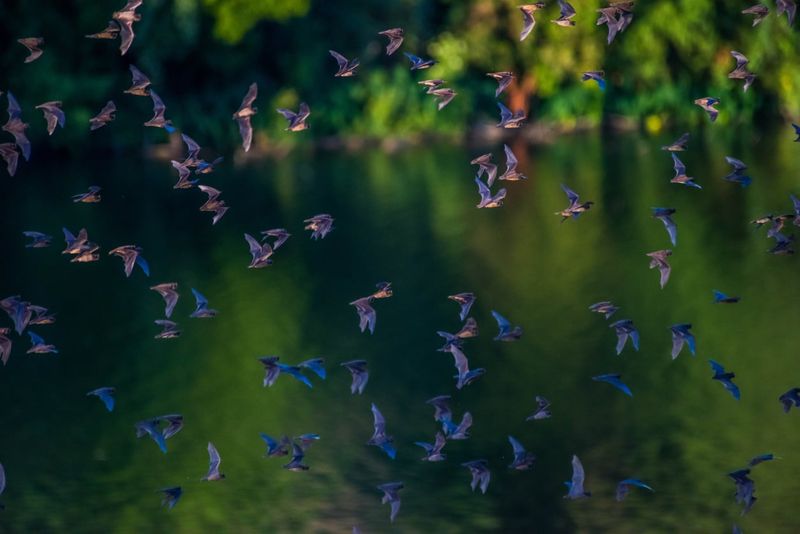
Some popular advice about attracting bats is not just ineffective but potentially unsafe. Spreading guano beneath a new bat house, playing recorded bat calls, or attempting to capture and relocate bats from another location are methods that sound plausible but have not been shown to work.
UF/IFAS guidance on bats in and around homes is direct on this point: none of these approaches reliably draws bats to a new roost, and handling or relocating bats can be illegal and dangerous. The same source makes clear that a bat house will not lure bats out of an attic.
If bats have roosted inside a building and you want them gone, that requires a separate, properly executed exclusion process, not a bat house placed nearby as an alternative exit.
Timing any exclusion work correctly is critical in Texas. Texas Parks and Wildlife Department regulations and published bat house guidance both caution against sealing bat entry points from May 1 through August 15, because young bats that cannot yet fly may be trapped inside and will die.
Florida has a different legal exclusion window, and that timeline should not be applied to Texas situations.
Direct bat contact deserves serious attention. Most bats do not carry rabies, but a bat bite can be tiny and easy to miss, and CDC guidance on preventing rabies from bats recommends seeking medical advice after any direct contact with a bat.
Never handle a bat with bare hands under any circumstances. Finally, accumulated guano beneath a bat house should not be casually disturbed.
CDC/NIOSH guidance on Histoplasmosis prevention warns that disturbing bat or bird droppings can release Histoplasma spores, and cleanup of significant accumulations requires appropriate respiratory protection and controls.
Use direct mosquito controls to protect the patio
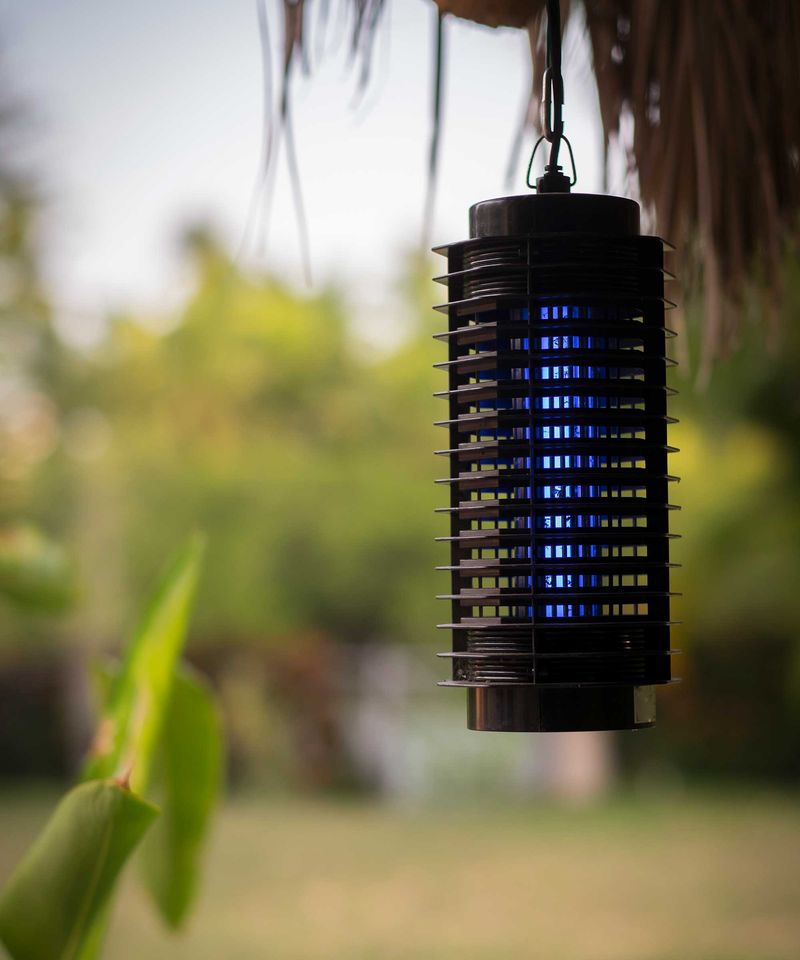
Whatever happens with your bat house, the steps that most reliably reduce mosquito bites around a Central Texas patio are well established and have nothing to do with wildlife. CDC guidance on mosquito control at home puts water management first: empty and scrub any container that holds standing water at least once a week.
Saucers under potted plants, buckets, toys, clogged gutters, birdbaths, and pool covers are all common mosquito nurseries. Scrubbing matters because mosquito eggs can stick to container walls and survive even after you dump the water.
Stored water that cannot be dumped should be covered with a tight lid or fine mesh that mosquitoes cannot penetrate. For water features, low spots, or containers that cannot be removed or reliably covered, EPA-registered larvicides such as Bti (Bacillus thuringiensis israelensis) can kill mosquito larvae without harming birds, bats, or most beneficial insects when applied according to the product label.
Bti is available as dunks or granules at most garden centers and hardware stores in Texas.
Physical barriers and airflow make a meaningful difference too. Repaired window and door screens keep mosquitoes out of living spaces, and keeping doors closed at dusk reduces indoor exposure.
A box fan or oscillating fan aimed across a seating area is surprisingly effective because mosquitoes are weak fliers and struggle against even modest airflow. UF/IFAS mosquito control guidance notes that predators alone cannot consume every mosquito, which is why barriers and repellents remain essential.
When spending time outdoors, use an EPA-registered repellent containing DEET, picaridin, IR3535, or oil of lemon eucalyptus as directed on the label, and wear long sleeves and pants when mosquito pressure is high. These steps work whether or not a bat ever visits your yard.
Treat a bat house as a wildlife investment, not a summer promise
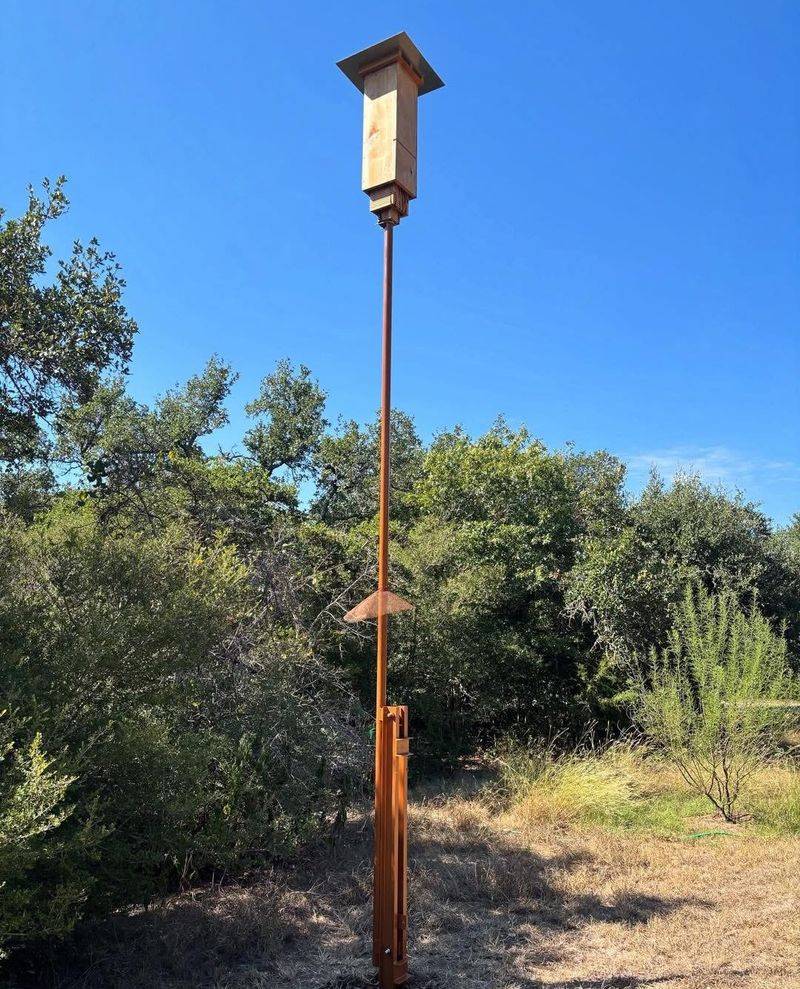
A bat house installed thoughtfully in Central Texas can provide genuine roosting habitat for native species that face real pressure from habitat loss and disturbance. Research on bats as insect predators confirms their ecological value as broad consumers of night-flying insects, even when the mosquito-control effect specifically remains unproven at the backyard scale.
If supporting local wildlife, contributing to insect diversity, and adding a living element to your yard appeal to you, a well-sited bat house is a worthwhile project.
For actual mosquito protection on summer evenings, the reliable path runs through weekly water removal and scrubbing, covered or treated standing water, screens, fans, protective clothing, and EPA-registered repellent. These measures work independently of whether your bat house ever gets occupied.
Combine them with a bat-friendly yard and you get the best of both outcomes: a habitat that supports Central Texas wildlife and a patio that is actually usable after dark.
Bats are worth having around, just not for the reason the popular story usually tells. Their real value is ecological breadth, not targeted pest control, and a yard that welcomes them is richer for it.