

Florida evenings should feel relaxing, not like a mosquito buffet. Bats can help because many local species eat flying insects after dark, including mosquitoes, moths, beetles, and midges.
A garden that gives bats safe flight paths, water, shelter, and steady insect activity has a better chance of becoming part of their nightly route. Here are seven practical yard features that make mosquito hunting easier for bats without turning your garden into a high-maintenance project.
1. Open flyways between trees and garden edges
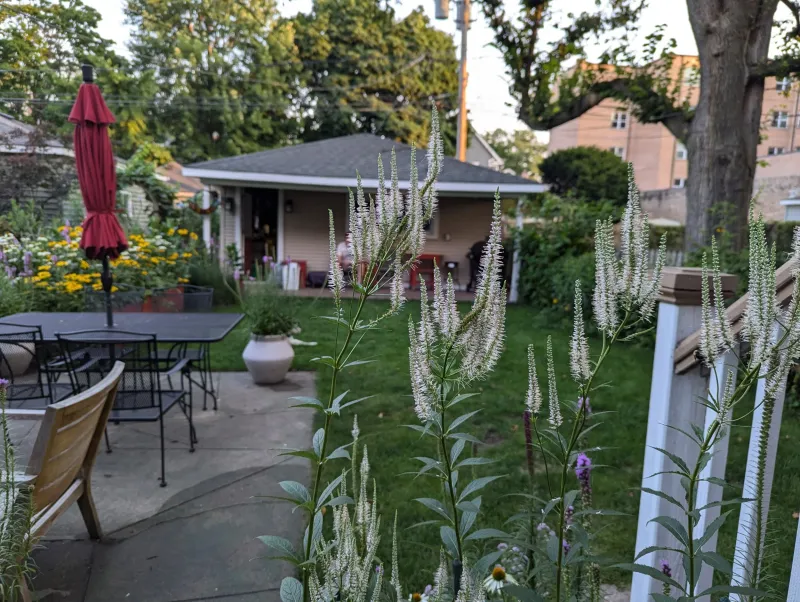
Right at sunset, bats do not want to zigzag through a cluttered maze of branches, wires, and tall shrubs. They hunt best when they can sweep through open pockets of air, turn quickly, and follow insects along edges where lawns, ponds, hedges, and tree lines meet.
In a Florida garden, that often means keeping a few clear flight lanes between canopy trees and lower plantings. You do not need a bare yard.
In fact, bats benefit from layered habitat, but a narrow mowed path, open side yard, or uncluttered space beside a fence can become a useful feeding route.
Edges matter because mosquitoes and other tiny flying insects often gather where humidity, shade, and plant cover overlap. A live oak with open space below it, a native shrub border beside turf, or a garden bed near a lanai screen can all create insect-rich zones that bats can patrol.
Trim only what blocks movement, especially low dangling branches near common flight paths. The goal is not a manicured look, but a yard with enough room for fast, quiet, nighttime turns.
2. A clean water source with safe access

A shallow pond can feel like a problem if mosquitoes are breeding in it, but moving, well-managed water can also turn into a nightly bat stop. Bats drink on the wing, skimming close to the surface and scooping water with quick, practiced movements.
Florida heat makes water especially valuable. During long warm seasons, bats lose moisture while flying and feeding, so a dependable water source can help keep them returning to the same part of the neighborhood.
Safe access is the key. A birdbath tucked under thick shrubs is not very useful for bats because they need open air above and around the water.
A small pond, rain garden basin, or wide container water garden with a clear approach can work better, especially if it is not crowded by tall plants on every side.
Keep mosquito larvae from turning the feature against you. Use a small recirculating pump where practical, refresh birdbaths often, and consider mosquito dunks labeled for outdoor water use that contain Bti, following the package directions.
Bti targets mosquito larvae and is commonly used in wildlife-minded yards when applied correctly.
3. Night-blooming and evening-scented plants
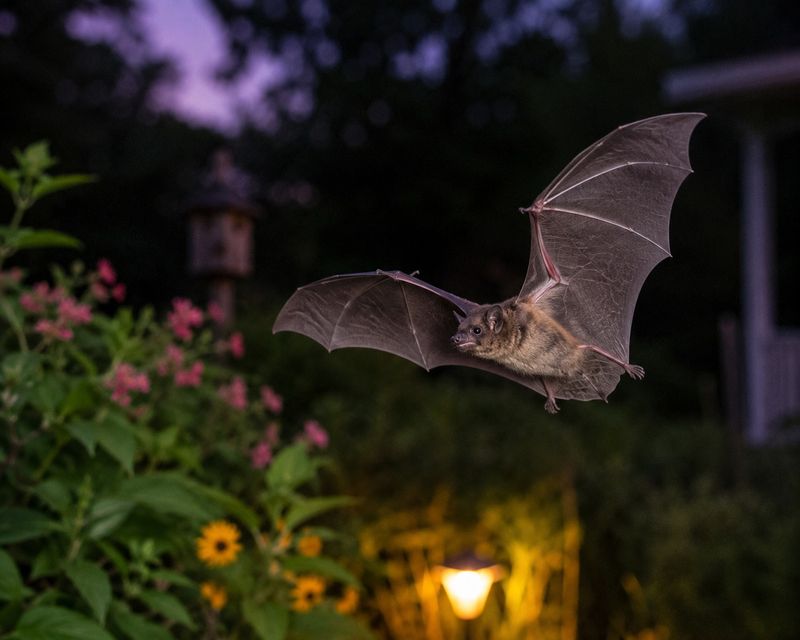
When flowers start working the night shift, the whole food web changes. Evening-scented and night-blooming plants draw moths, beetles, small flies, and other insects, which can make a garden more interesting to bats even if mosquitoes are only part of the menu.
For Florida yards, choose plants carefully and avoid invasive choices. Native or Florida-Friendly options are usually the safer starting point because they fit local heat, sandy soil, and seasonal rain patterns better than fussy ornamentals.
Fragrant white or pale flowers can be especially active at dusk because they are easier for nighttime insects to find. Depending on your part of Florida, gardeners may look at native shrubs, vines, and perennials that support evening insect activity while still fitting the site conditions.
The trick is to plant for a steady insect buffet without creating a messy yard. Place evening-interest plants near open flyways, along back borders, or around a patio edge where you want more wildlife activity but still want the space to look intentional.
Skip broad-spectrum insect sprays around these beds. Spraying away every moth and gnat also removes the food that keeps bats checking the garden after dark.
4. Low or shielded outdoor lighting
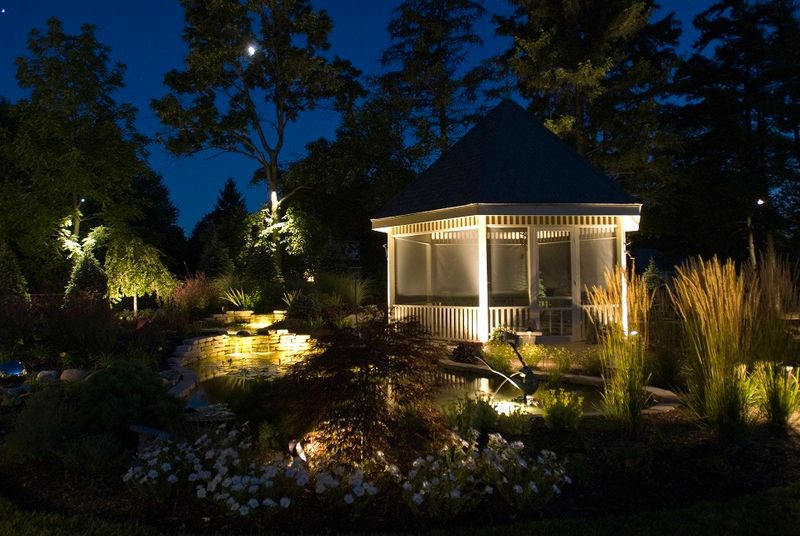
Bright white lights can turn a good bat corridor into a no-go zone. Some insects gather around bulbs, but many bats avoid harsh lighting because it exposes them to predators and makes travel routes feel less safe.
Florida homes often have porch lights, pool lights, security lights, and landscape uplighting all running at once. That glow may look pretty from the kitchen window, but it can flatten the dark pockets bats use while moving between roosts, trees, water, and feeding areas.
A better setup is simple: use warm-colored bulbs, aim fixtures downward, and add shields so light lands where people walk instead of spilling into the canopy. Motion sensors are helpful because they give you safety when needed without flooding the yard all evening.
Keep at least one side of the garden darker if you can. A shadowed fence line, pond edge, or tree border gives bats a comfortable route while still letting you enjoy your patio.
Less glare can also improve the garden for moths, fireflies, and other night creatures. That makes the yard feel calmer and can support the insect activity bats rely on for hunting.
5. Roosting options away from busy doors
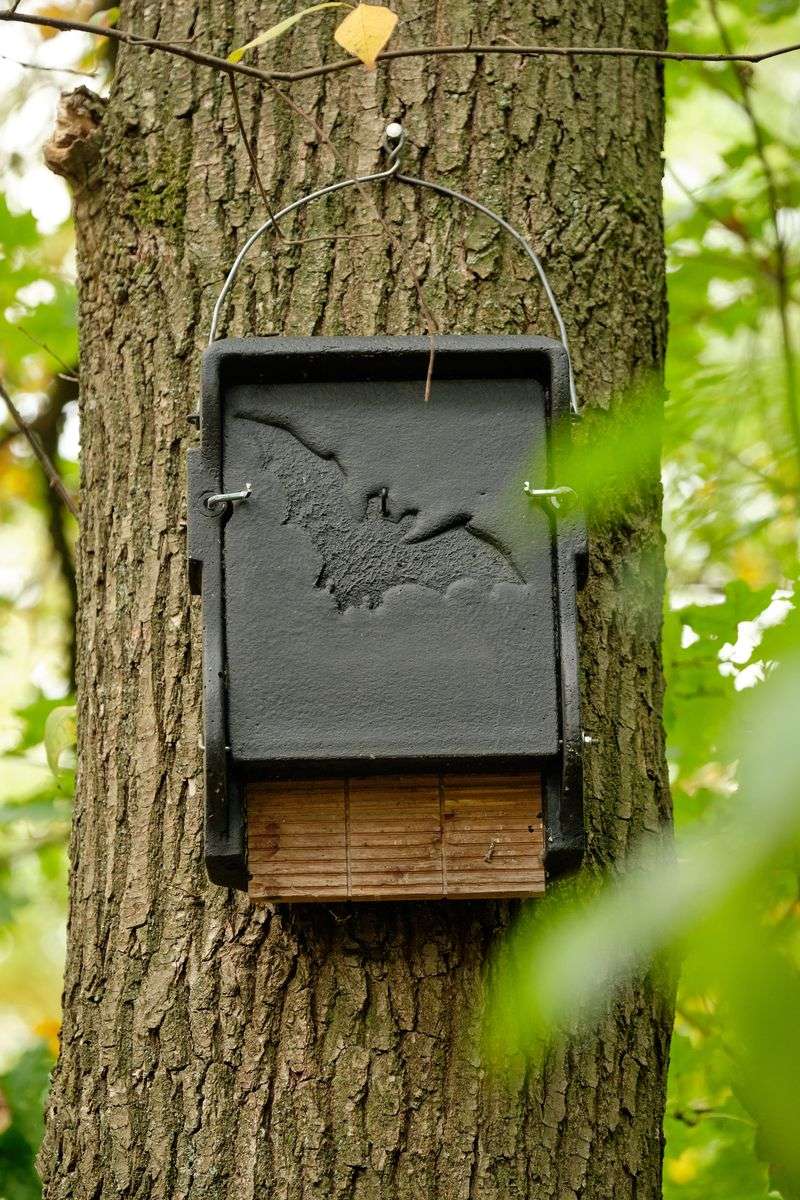
A bat that has to commute from far away may still visit your block, but nearby shelter makes a garden much more convenient. Roosting spots give bats a place to rest during the day, raise young in season, and launch into feeding routes as the light fades.
In natural Florida settings, bats may use tree cavities, loose bark, palm fronds, bridges, or building crevices. In a home landscape, a well-placed bat house can help, but placement matters more than decoration.
Mount bat houses high, usually on a pole or building where they get suitable sun exposure and a clear flight path beneath. Avoid putting them right beside a busy doorway, low over a patio, or in a spot blasted by bright lights.
Bats need calm access, and homeowners need a placement that keeps droppings away from daily foot traffic.
Florida humidity and storms also matter. Choose a sturdy design, install it securely, and inspect mounting hardware before hurricane season.
Do not handle bats, and never seal a suspected roost in a building without following proper exclusion timing and local guidance.
A good roost will not guarantee bats overnight, but it gives them one more reason to keep your garden on their map.
6. Chemical-light pest management

One heavy spray night can undo weeks of wildlife-friendly progress. Bats need insects, and gardens treated often with broad-spectrum pesticides may become poor feeding areas because the flying insect population drops or becomes contaminated.
A chemical-light approach does not mean ignoring pests. It means using the least disruptive method first, especially in Florida where warm weather can keep pest cycles moving for much of the year.
Start with basics that help plants stay resilient: choose the right plant for the site, avoid over-fertilizing tender growth, water deeply but not constantly, and remove badly infested leaves when that is enough. For mosquito pressure, dump standing water from saucers, buckets, tarps, bromeliad cups near living areas, and clogged gutters.
When treatment is needed, target the problem instead of fogging the whole yard. Spot treatments, larval mosquito control in water, and timing sprays away from peak bat activity can reduce harm.
Always follow the label, because Florida heat, rain, and sandy soil can affect how products move and how plants respond.
A garden with fewer blanket sprays usually has more moths, midges, beetles, and other small prey. That wider menu can help bats find enough food to make return visits worthwhile.
7. Layered native habitat that holds insects
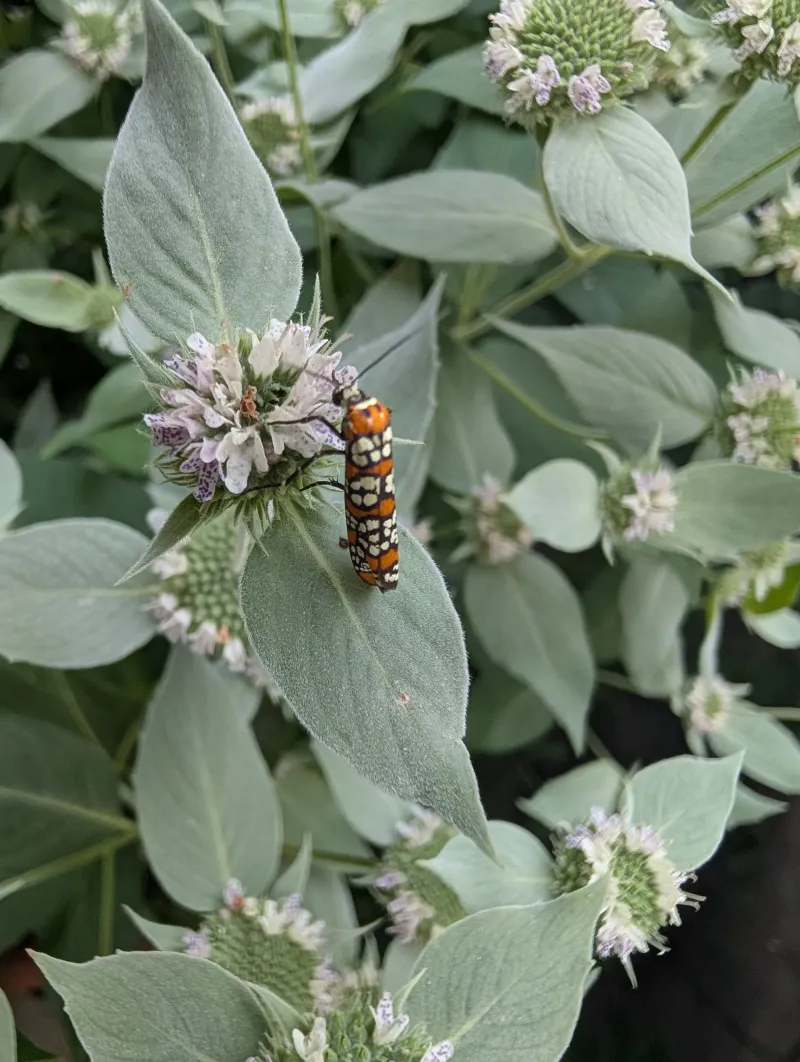
A flat lawn may be easy to understand, but it does not offer much for nighttime hunters. Layered habitat, with canopy trees, understory shrubs, grasses, groundcovers, and leaf litter in the right places, supports far more insect life than turf alone.
Florida native plants are especially useful because many local insects have long-standing relationships with them. More insect variety does not mean a yard is out of control.
It means the garden has the base of a food chain that can support birds by day and bats by night.
Think in zones. A sunny front bed might use tough Florida-Friendly flowering plants, while a back corner can hold shrubs, pine straw, fallen leaves, or a small brushy area where insects shelter.
In sandy soil, mulch helps moderate moisture and temperature, which also helps small invertebrates survive dry spells.
Storm readiness still counts. Keep large limbs maintained, avoid piling debris against the house, and choose plants that suit your wind, salt, flood, or drought conditions.
UF-IFAS plant guidance and local extension resources are helpful when picking species for your county.
The payoff is a yard that looks intentional in daylight and stays alive after sunset. For bats, that steady movement of insects through layered plantings can be the difference between a quick pass and a nightly hunting stop.