
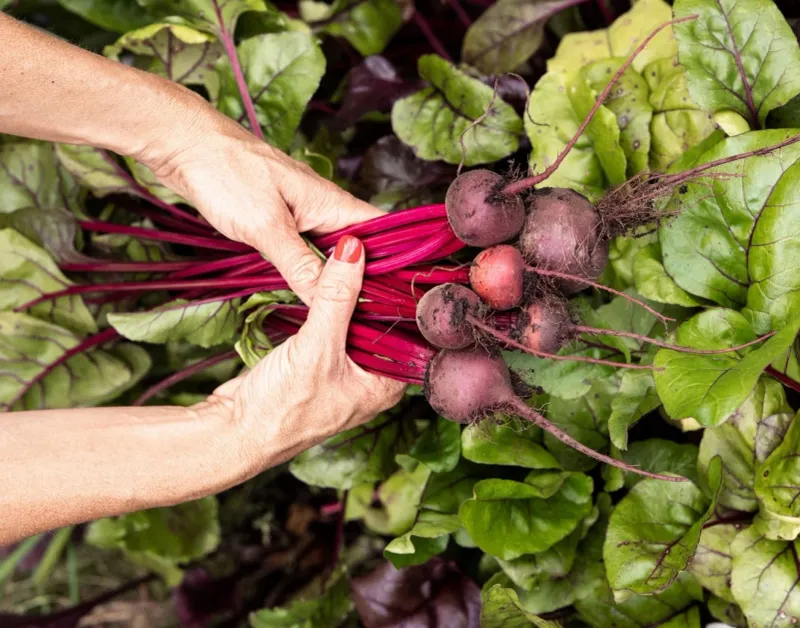
You pull up a beet expecting a plump, ruby root and find a skinny little marble under a huge crown of leaves. It feels like a failure, but the cause is not always obvious.
Nitrogen can play a part, yet so can spacing, heat, soil, and timing. Here is how to sort through the clues and build a better bed for the next planting.
Small roots have more than one possible cause
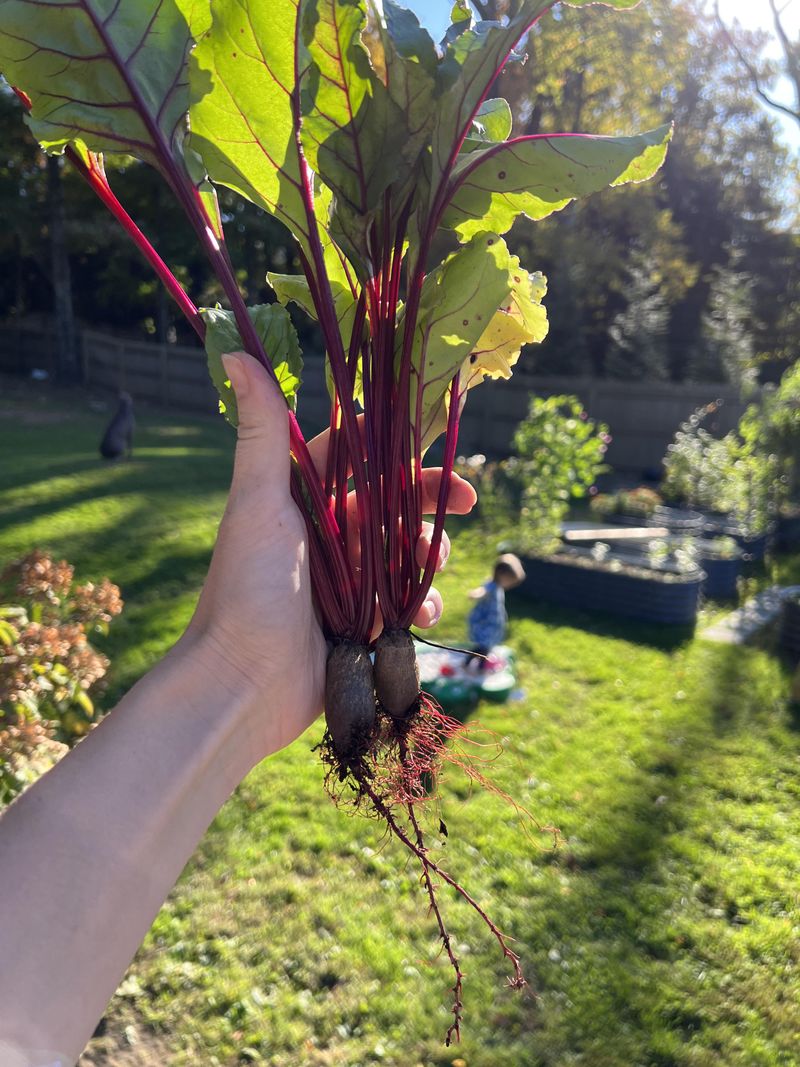
Before blaming fertilizer, look at the calendar. Beet size depends on the variety and how long it grew.
Utah State Extension and UGA Extension describe usable or mature beets over roughly 50 to 80 days, depending on variety and conditions. A marble-sized root pulled at week five is not proof of a nutrient problem.
Crowding, heat, weeds, heavy or compacted soil, and uneven watering can also hold roots back. Any of these can leave a plant with healthy-looking leaves and a stalled root.
Timing matters too, and it changes across the South. UF/IFAS gives different beet planting windows for North, Central, and South Florida, and Texas A&M AgriLife notes beets can grow through winter in many South Texas areas.
Check your local extension office for dates rather than trusting one calendar for every yard.
Nitrogen can favor leafy growth, but it is not a root shortcut
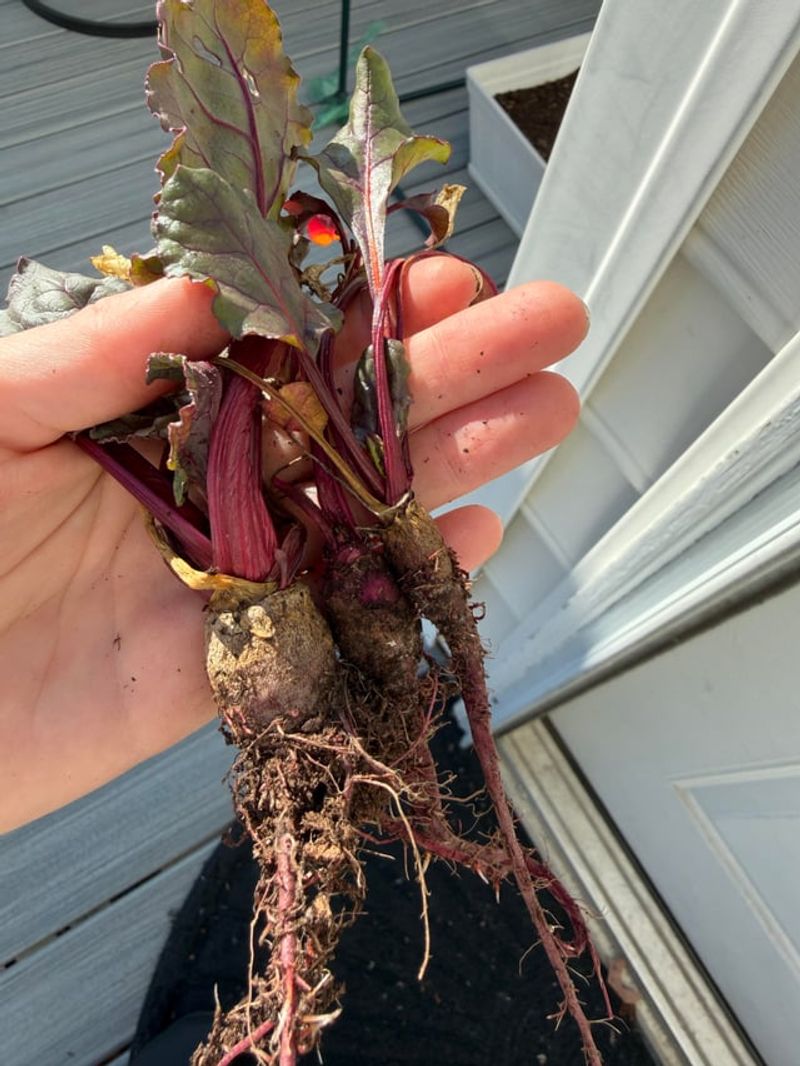
Extra nitrogen can push plants toward lush tops, so it is a reasonable suspect. Still, leaves alone cannot confirm it.
The research on table beets is mixed.
In one field study, higher nitrogen increased shoot growth, but raising the rate from 320 to 480 kg N/ha did not significantly increase root yield. Another trial found that both leaf area and root yield rose as nitrogen rates went up.
The practical meaning is that beets need nitrogen, but adding more does not reliably grow bigger roots. Those trial rates are for research fields, not backyard beds.
Nebraska Extension’s sugar beet guidance also cautions that excess nitrogen can promote leaf growth, but its rates and commercial setting do not carry over to home gardens.
Thin clustered seedlings to give roots room
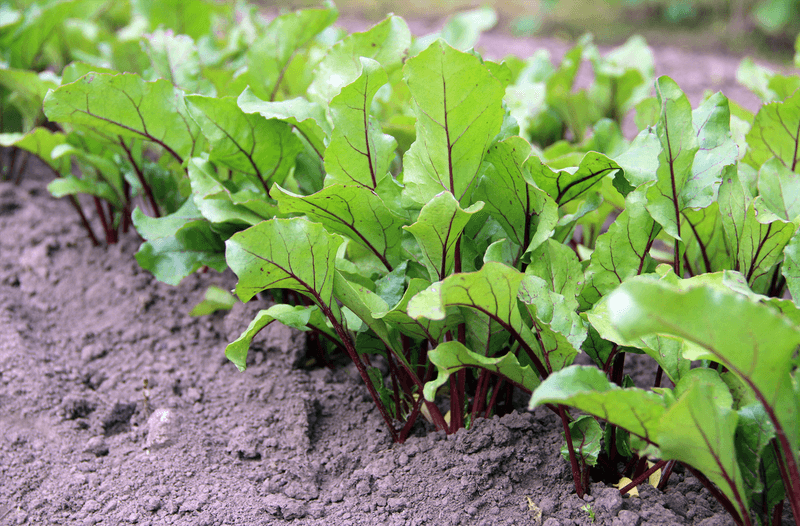
Each beet “seed” is really a dried cluster that can sprout several seedlings. If they all stay, they compete for space, water, and light.
Thinning is often necessary.
Extension spacing advice varies. Illinois Extension suggests 1 to 3 inches, Texas A&M AgriLife suggests 2 to 3 inches, and Utah State suggests 3 to 4 inches.
Start with your seed packet, since the variety and the root size you want both matter. Snip extra seedlings at the soil line with scissors so you do not disturb neighbors.
Thinning helps, but it will not solve heat, poor soil, or timing problems on its own.
Improve the bed’s soil and moisture conditions
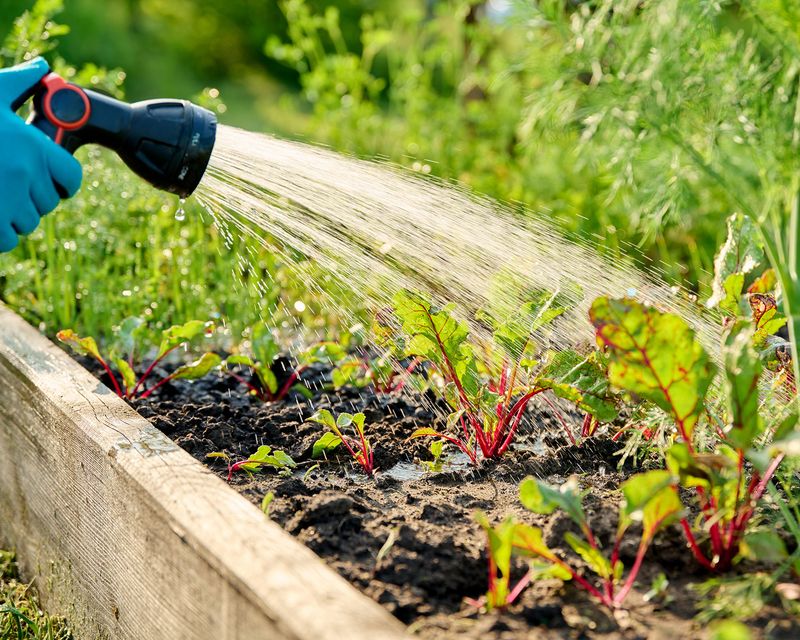
Roots swell best in loose, well-drained soil. Tight clay and compaction make it harder for them to expand, so loosen the bed before planting and break up clods and crusts.
A raised bed or added compost may help in heavy ground.
Weeds compete with young beets, especially early on, so keep them pulled. Mulch can help limit weeds and keep the surface from drying out.
Water matters as well. Texas A&M AgriLife and Illinois Extension both point to soil quality and consistent moisture for root crops.
Aim for reasonably even watering instead of cycles of dry spells and soaking.
No single condition explains every undersized harvest, so treat these as a checklist, not a diagnosis.
Use soil tests and local guidance to plan fertilizer
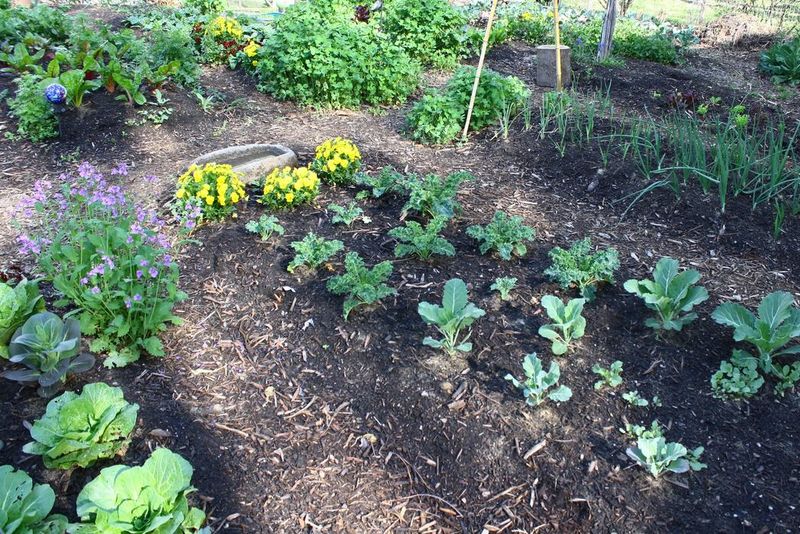
Next season, skip the habit of adding heavy nitrogen or fresh manure. Illinois Extension cautions that fresh manure or high nitrogen can promote excessive leafy growth.
That does not mean beets need no nutrients.
A soil test is the best starting point. Texas A&M AgriLife advises checking other possible causes before adding fertilizer, and it does not treat a high-phosphorus product as a default remedy for roots.
Know the limits of testing, too. Nitrogen moves through soil, and as Virginia Tech Extension explains, not every program measures it.
A test will not prove what caused this year’s small roots.
Use your results and your county extension office’s advice to choose amendments and amounts, instead of a fixed rate from a label or a article.
Harvest usable roots and greens this season
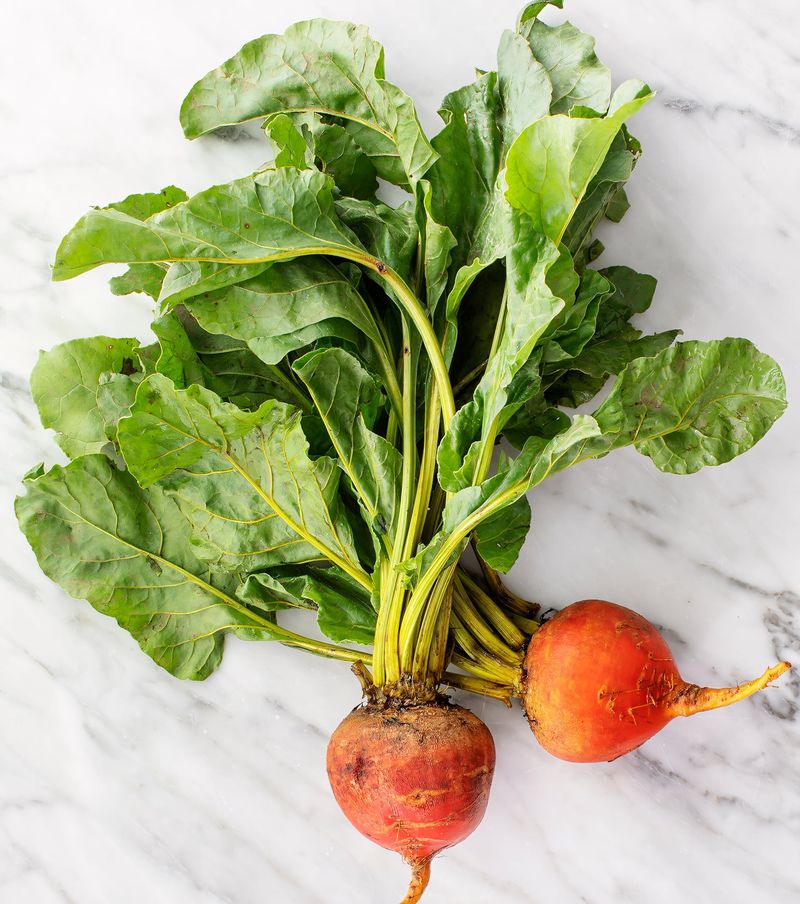
For the beets already in the ground, pick what is useful. Texas A&M AgriLife says young beet tops can be eaten as greens and roots can be harvested at golf-ball size or larger.
Sauté the leaves, and roast or pickle the small roots.
Resist the urge to feed the bed in hopes of plumping roots. Nothing in the sources shows that late fertilizer reliably enlarges undersized roots.
Then jot down your planting date, variety, spacing, and watering while it is fresh. Those notes will guide next season’s thinning, soil test, and measured feeding, which can improve conditions without promising a particular root size.
A small beet still makes a fine supper, and a good note-taking habit makes the next crop smarter.