
Your potted plants spent all summer soaking up sun on the porch, and now cooler nights mean it is time to move them indoors. The trouble is that tiny bugs often ride along, hiding under leaves, in the soil, or deep inside the pot.
Once inside your warm house, with no birds or wasps to eat them, these pests can multiply fast and spread to your other plants. A quick check before moving day can save your pepper plants, herbs, and favorite tropicals from a long winter fight.
1. Aphids
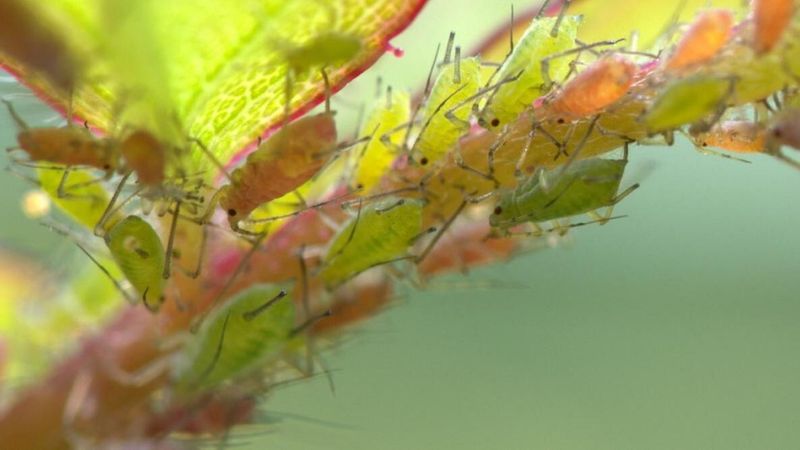
Picture a cluster of tiny green or black dots crowded along a fresh pepper shoot. Those dots are aphids, and they are the most common freeloaders on porch plants heading indoors.
A single female can give birth to live young without a mate, so a handful in October can become hundreds by Thanksgiving.
Look closely at new growth, flower buds, and the undersides of leaves. Curled or puckered leaves are a strong clue.
You may also spot shiny, sticky honeydew on leaves or the floor beneath the pot, sometimes with ants marching up the stem to collect it.
The good news is that aphids are soft-bodied and fairly easy to knock back. Start with a firm spray of water from the hose, aimed at leaf undersides, a few days before moving the plant.
Follow up with insecticidal soap, which can reduce populations when it coats the bugs directly.
Repeat treatment every five to seven days for a couple of weeks, since new babies keep appearing. In Florida and Texas, where plants may sit outside well into November, give yourself time to treat outdoors first.
Pruning off the worst-infested tips can also help you start the indoor season with a cleaner plant.
2. Spider Mites
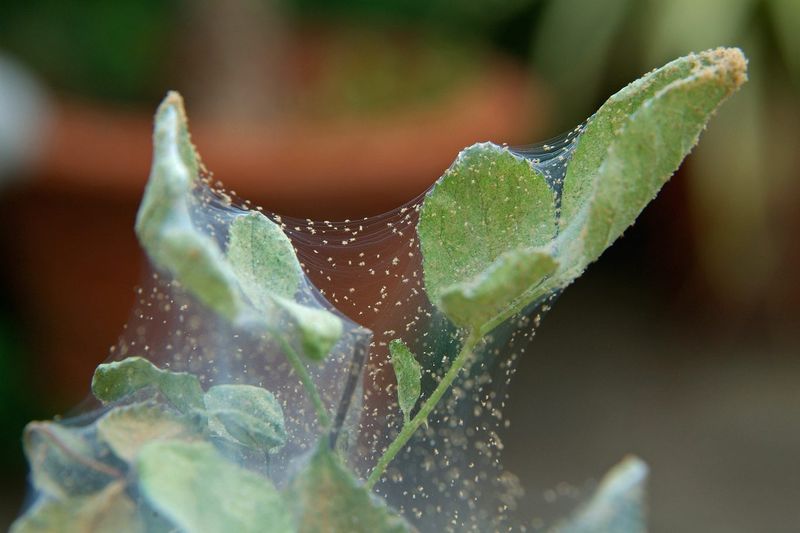
Here is a pest you will probably notice by the damage long before you see the culprit. Spider mites are smaller than a period on this page, yet they can turn a lush tomato or hibiscus pale and speckled within weeks.
Hot, dry Southern summers are their favorite party, and dry indoor winter air keeps the celebration going.
Watch for leaves with tiny yellow or white freckles, a dusty look, or fine webbing near stems and leaf joints. For a quick test, hold a sheet of white paper under a branch and tap it.
If little specks start crawling, you have mites.
Because they thrive in dry conditions, a strong shower of water can knock many of them off and slow them down. Insecticidal soap or horticultural oil may help, but coverage matters, especially on leaf undersides where colonies hide.
Badly webbed plants are tough to rescue, so consider whether a heavily infested annual is worth bringing in at all. Healthier plants can come indoors after two or three treatments spaced a week apart.
Once inside, raising humidity with a pebble tray and keeping them away from heating vents can make your home less inviting to any survivors.
3. Mealybugs
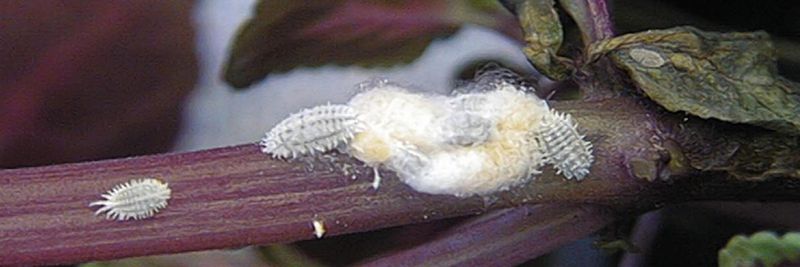
Ever spotted what looks like a tiny tuft of cotton wedged in a leaf joint and brushed it off as lint? Take a second look.
Mealybugs wear a waxy white coat that protects them, and they love tucking into tight spots on hibiscus, citrus, succulents, and herbs like rosemary.
These slow-moving sap suckers weaken plants over time, causing yellowing leaves, stunted growth, and that familiar sticky honeydew. Some kinds even live on roots, so it pays to peek at the soil line and drainage holes too.
Their waxy coating shrugs off plain water sprays, which is why the classic fix is a cotton swab dipped in rubbing alcohol. Dab each cluster directly, and the alcohol helps break through that protective layer.
For larger plants, insecticidal soap or neem oil can reduce numbers when applied thoroughly.
Patience is your best tool here. Eggs hide in cottony masses, so plan on checking and treating every week for at least a month.
Keep any plant with mealybugs separated from your other houseplants, because the crawlers can wander across touching leaves. A clean-looking plant at moving time is a great start, but keep watching through winter.
4. Scale Insects
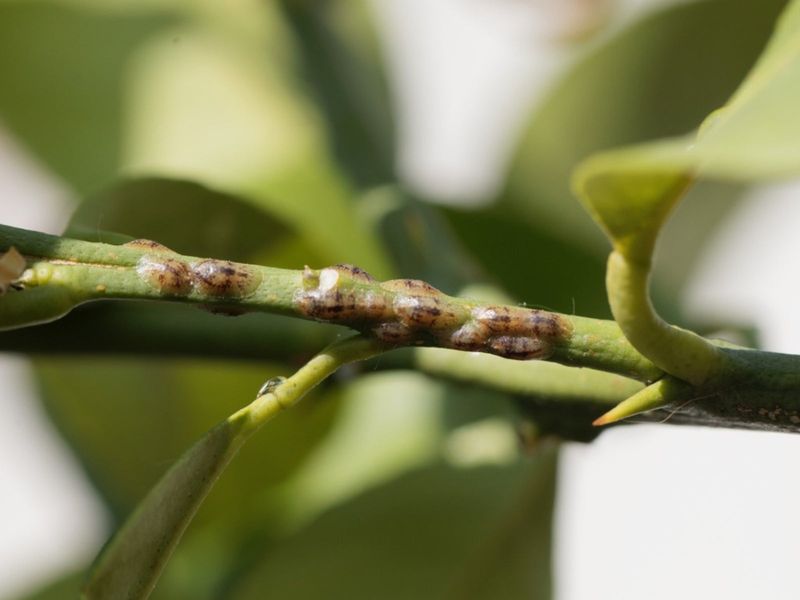
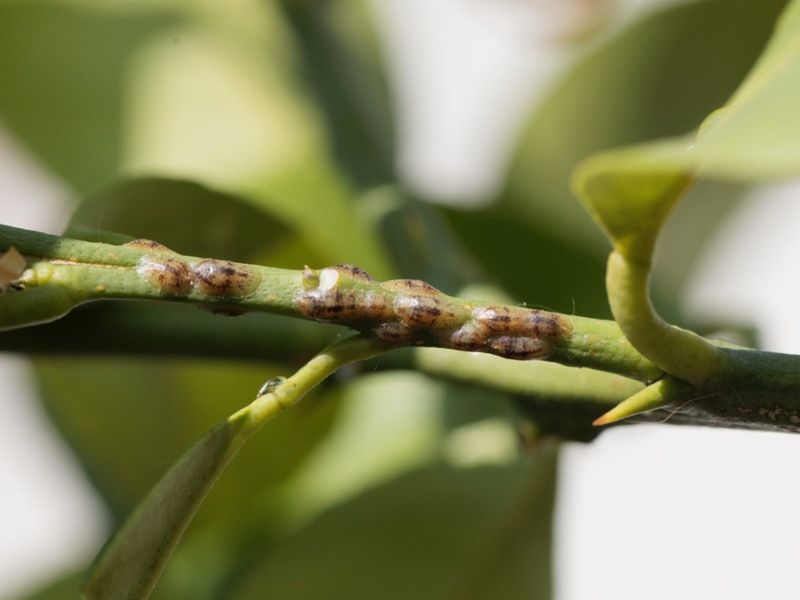
Scale insects are masters of disguise. They look like small brown, tan, or gray bumps stuck to stems and leaf veins, so many gardeners mistake them for part of the plant.
Potted citrus, bay laurel, ficus, and palms are frequent targets in Southern yards.
A simple test settles it. Gently scrape a bump with your fingernail.
If it pops off and leaves a clean spot, it was probably scale. Other warning signs include yellowing leaves, branch dieback, honeydew, and the black, sooty mold that grows on that sticky film.
Adults sit under a hard shell, which makes them tricky to treat. Scraping or wiping them off with a soft brush or alcohol-dampened cloth works well on smaller plants.
Horticultural oil can smother many of them, and it tends to work best against the young crawlers before their shells harden.
Check your potted Meyer lemon or kumquat carefully, since a few hidden scales can quietly multiply all winter. Treat outdoors on a cool, cloudy day, because oils can scorch leaves in strong Texas or Florida sun.
Expect to repeat the process, and inspect stems again a month after bringing the plant inside.
5. Whiteflies
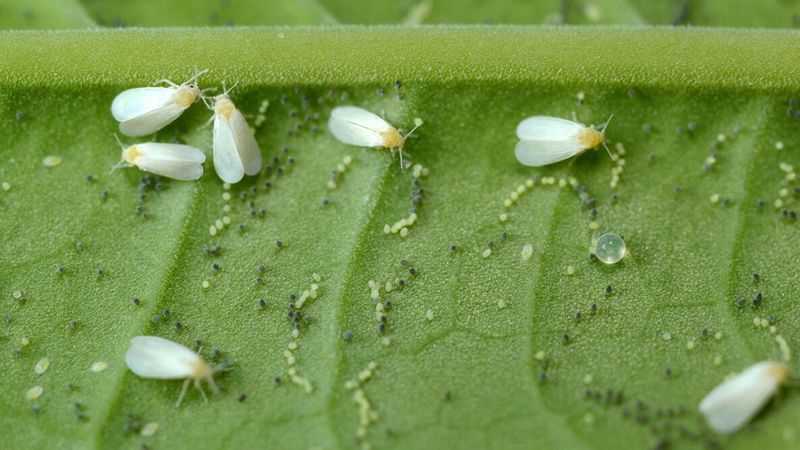
Give your potted tomato or hibiscus a gentle shake. If a little cloud of white specks flutters up like snow, whiteflies have moved in.
Florida gardeners know these pests well, since mild weather lets them breed nearly year-round.
Whiteflies are not true flies but tiny sap-sucking relatives of aphids. Adults are easy to see, but the real trouble lies with the flat, pale nymphs glued to leaf undersides.
Heavy feeding leads to yellowing, leaf drop, and sticky honeydew that invites sooty mold.
Yellow sticky traps hung near the plant can catch many adults and also show you how bad the problem is. To go after nymphs and eggs, flip the leaves and spray insecticidal soap or neem oil directly onto the undersides.
A handheld vacuum used in the cool morning, when adults are sluggish, may also pull a surprising number away.
Indoors, whiteflies can hop from plant to plant quickly, especially in a sunny window crowded with pots. Keep treated plants apart for a few weeks and keep a sticky trap nearby as an early warning.
If counts stay high, removing the most damaged leaves often speeds recovery.
6. Fungus Gnats
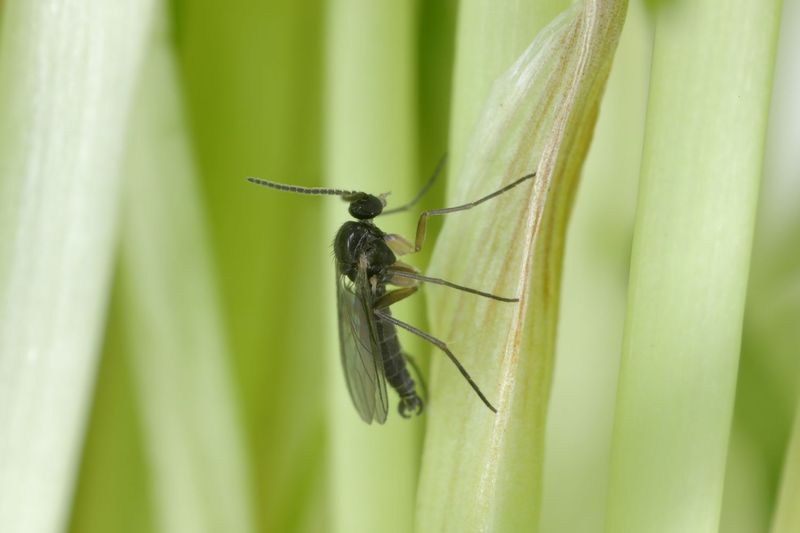
Most pests on this list chew or suck on leaves, but fungus gnats are all about the dirt. The adults are tiny, dark flies that zip around your face and windows, mostly harmless but endlessly annoying.
Their larvae live in moist potting soil, feeding on organic matter and sometimes tender roots of seedlings and young plants.
Pots that stayed soggy after summer rainstorms are prime nurseries. Before moving plants in, poke a finger into the top inch of soil.
If it smells musty or stays wet for days, gnat larvae may already be settling in.
The simplest fix is letting the top inch or two of soil dry out between waterings, which can interrupt their life cycle. Yellow sticky stakes catch flying adults.
A product containing Bti, a natural soil bacterium, can be added to water and may help reduce larvae without harsh chemicals.
Some gardeners scrape off the top layer of old soil and replace it with fresh mix or a thin layer of sand. Also, cut back on watering once plants are inside, because they use far less water in lower winter light.
Less moisture usually means fewer gnats bothering everyone at the dinner table.
7. Ants
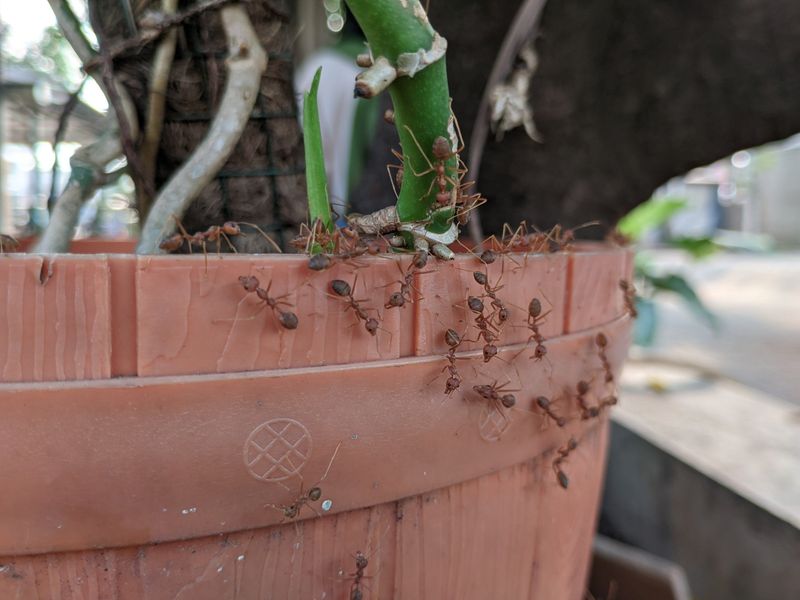
One Houston gardener carried a big pot of basil into her kitchen and woke up to a trail of ants marching across the counter. They had built a nest right in the root ball.
Ants love the shelter of a pot, especially ones sitting on warm patios for months, and fire ants are a real concern across Florida and Texas.
Ants usually signal another problem too. Many tend aphids, mealybugs, and scale like tiny farmers, protecting them in exchange for sweet honeydew.
Seeing ants on stems is a good reason to look harder for those sap suckers.
Check drainage holes and the soil surface for activity, then try the soak test. Submerge the pot in a bucket or tub of water just over the soil line for 15 to 20 minutes.
Many ants will flee to the surface, where you can rinse them away. Wear gloves, since fire ants can sting.
For heavy nests, repotting into fresh soil may be the cleanest fix. Afterward, keep pots raised on feet or saucers away from walls so new scouts have fewer easy routes in.
Treating the honeydew producers can also make the plant less attractive.
8. Slugs, Snails, and Other Pot Dwellers
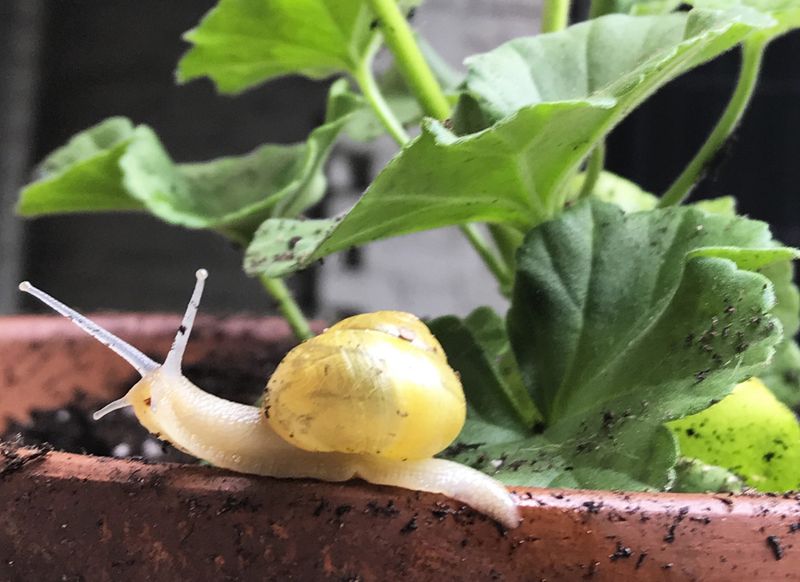
Lift up a pot that has sat on a damp patio all summer and you might find a whole neighborhood underneath. Slugs, snails, pill bugs, earwigs, millipedes, and even the occasional small frog or lizard love that cool, shady hideout.
Cute or creepy, most of them do not belong in your living room.
Slugs and snails chew ragged holes in leaves overnight and leave shiny slime trails behind. Earwigs nibble tender growth, while pill bugs and millipedes mostly eat decaying matter but can crawl out across your floors.
In humid Gulf Coast areas, the population under one pot can be surprisingly large.
Start by checking the bottom of every container and its saucer. Scrape off any snail eggs, which look like small clusters of pearly beads.
The same water soak used for ants can flush out many soil dwellers, and a quick rinse of the outside of the pot clears hitchhikers clinging to the rim.
Finally, set plants in a quarantine spot like a garage or spare room for two weeks before joining the rest. That pause lets hidden critters reveal themselves.
Combined with your other checks, it gives your plants their best shot at a calm, pest-light winter.