
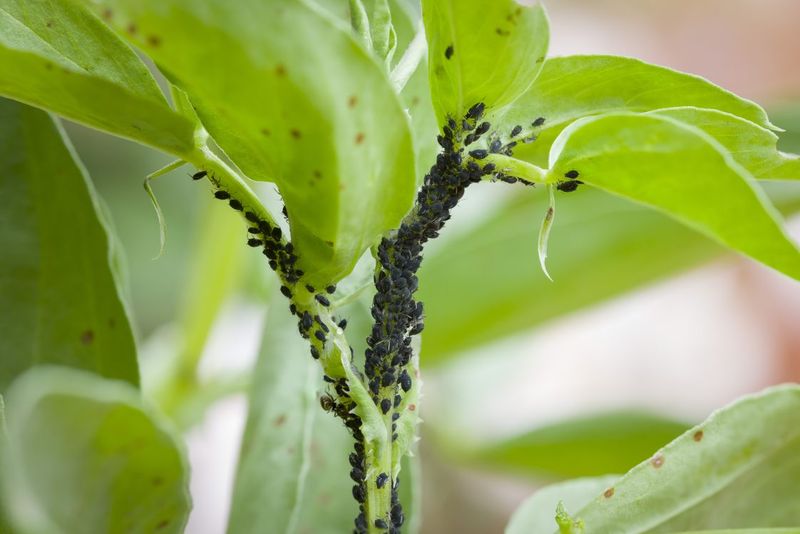
Spotting a cluster of aphids on your roses or tomatoes can feel like a five-alarm emergency, but reaching for the spray bottle right away may do more harm than good. Aphids are genuine plant-feeding pests, yet a small, stable colony can sometimes provide food for the ladybugs, lacewing larvae, and other beneficial insects already living in your garden. Understanding when to wait, when to watch, and when to act is the difference between protecting your plants and accidentally wiping out the insects that help keep pest populations in check.
A few aphids do not automatically require an emergency response
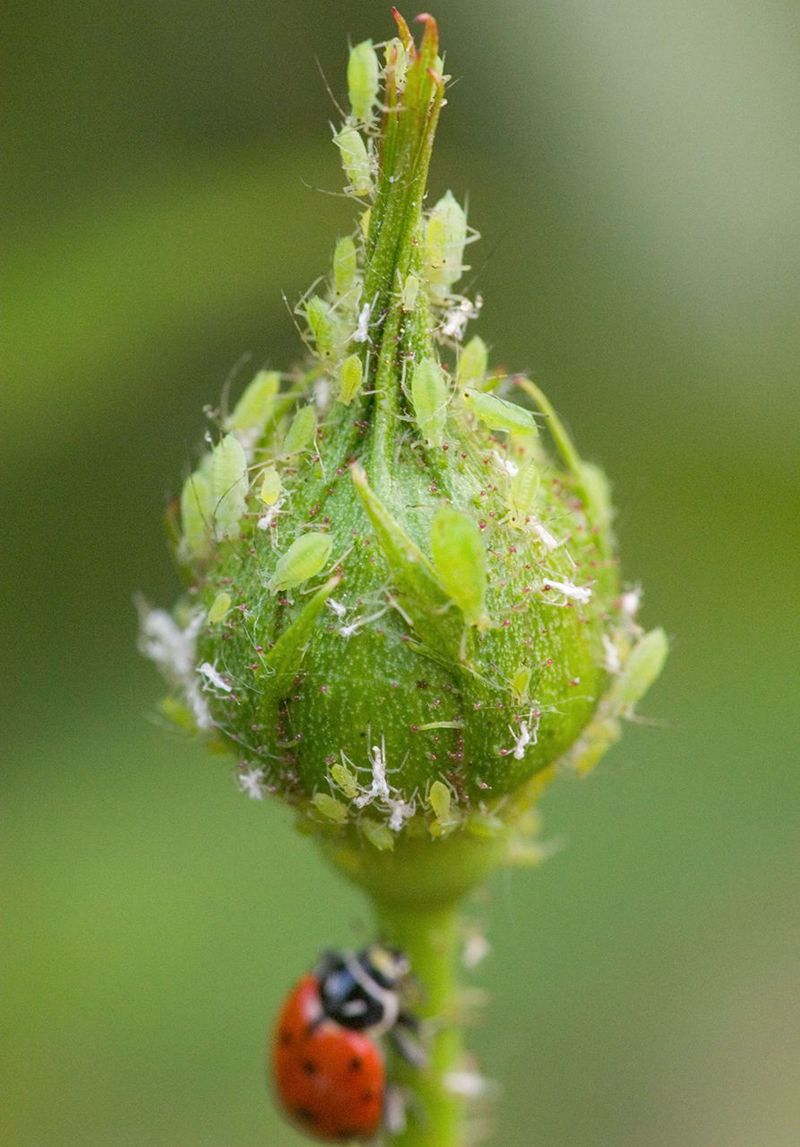
Reaching for a spray the moment you spot aphids is an understandable reaction, but most established ornamental plants can tolerate a modest aphid presence without serious harm. Aphids are plant-feeding pests, full stop, yet the level of feeding that actually damages a plant depends on the plant’s age, overall health, and how fast the colony is growing. A few aphids on a mature, well-watered rose are a very different situation from the same insects on a seedling or a plant already struggling with heat or drought.
Before acting, take a moment to assess what you actually see. UC IPM guidance on aphids notes that low to moderate populations on many ornamentals often cause little visible injury, while heavy infestations can distort young shoots, damage buds, reduce flower quality, and generate sticky honeydew that leads to sooty mold. Check for curled or distorted leaves, stunted shoot tips, and any dark, powdery coating on foliage. Look at whether the colony appears to be stable, shrinking, or actively spreading to new growth.
Tolerance here means active monitoring, not neglect. University of Minnesota Extension recommends evaluating plant condition and aphid trends together rather than treating on sight. A small colony that is not distorting growth, not smothering buds, and not causing honeydew problems on a healthy, established plant may not need immediate intervention, especially if you plan to check it again in a day or two.
Aphids can support natural enemies without guaranteeing control
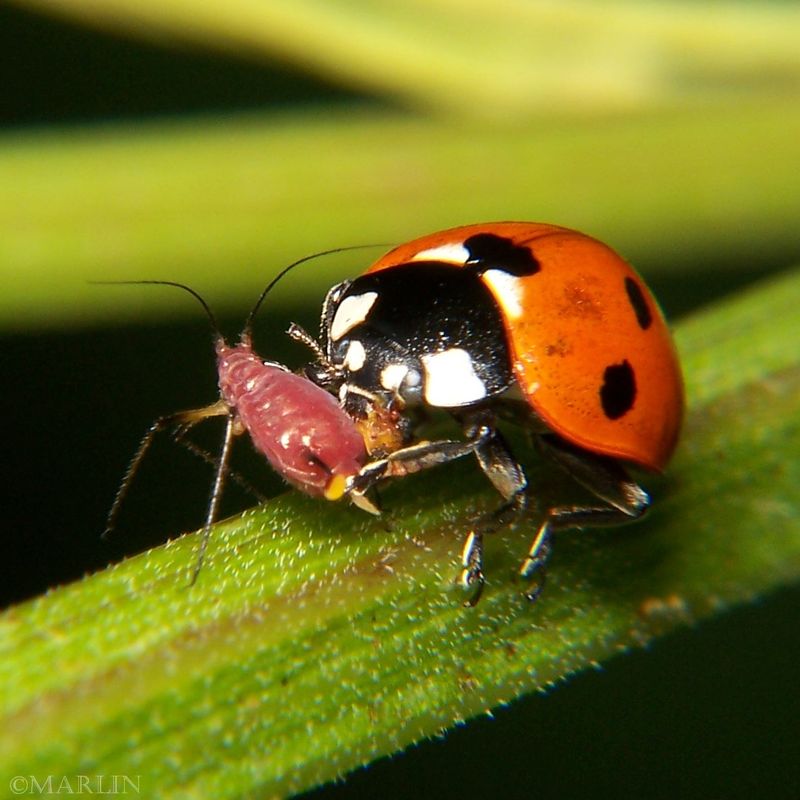
Aphid colonies can serve as a food source or host for several naturally occurring beneficial insects, and that relationship is worth understanding before you spray. Lady beetles consume aphids as both adults and larvae. Lacewing larvae are active aphid hunters, though adult green lacewings generally feed on honeydew, nectar, and pollen rather than on the aphids themselves. Syrphid-fly larvae, which look like tiny pale caterpillars, also feed on aphids, and several species of tiny parasitoid wasps lay their eggs inside living aphids, eventually killing them.
Penn State Extension guidance on natural enemies confirms that predator and parasitoid populations often rise in response to rising prey availability, which supports the idea that an aphid colony can help sustain these insects locally. Research published in peer-reviewed ecology journals, including a study examining predator-prey dynamics in aphid systems, finds that predator abundance tends to track aphid abundance over time.
That pattern, however, does not translate into a promise. Whether natural enemies actually suppress an aphid infestation in your specific garden depends on aphid species, plant species, local weather, the existing predator population, whether ants are tending and protecting the colony, and whether recent pesticide use has reduced beneficial insect numbers. Predators may arrive only after aphid numbers have already climbed, and their presence is a sign of activity, not confirmation that control is on the way. The food-resource relationship is real; guaranteed, timely, whole-bed protection is not.
Let the plant and the damage trend set your action point
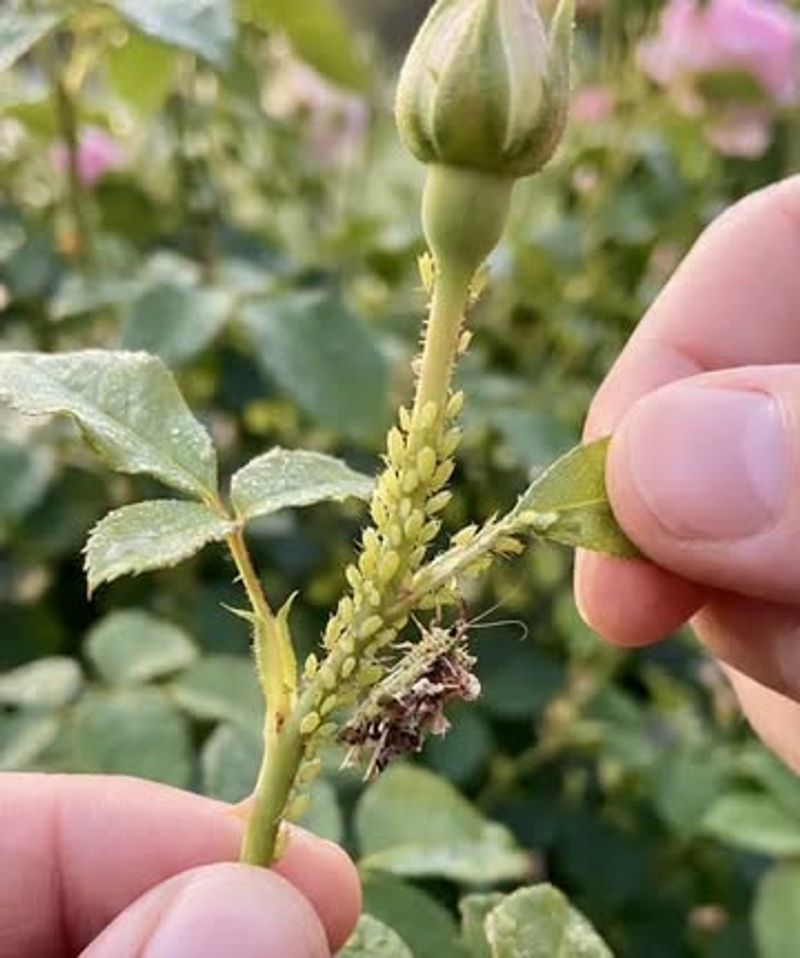
No single aphid count applies to every plant in every garden. A handful of aphids on a well-established rose that is actively blooming presents a different risk than a rapidly expanding colony on a cucumber seedling or a hydrangea that is already stressed from poor drainage. The right action point shifts with the plant’s age, condition, and the specific problems aphids can cause for that species.
UC IPM guidance on roses identifies heavy aphid infestations as a cause of bud distortion, reduced flower size, and honeydew accumulation, while noting that low populations often cause little lasting harm to established plants. On vegetable crops, the stakes can be higher. Utah State University Extension points out that some aphid species transmit plant viruses in susceptible vegetable crops, making a rising population on cucumbers or peppers a more urgent concern than the same population on a mature ornamental shrub.
Action triggers worth watching for include worsening leaf curl or shoot distortion, damaged or failed buds, abundant honeydew producing visible sooty mold, a plant that is visibly weakening, and any situation where aphid-transmitted viruses are a realistic threat to a susceptible crop. It also helps to know what not to borrow: commercial soybean aphid thresholds are built around large-scale yield economics and do not translate to home roses, tomatoes, cucumbers, or hydrangeas. Use your specific plant’s condition and the direction aphid numbers are moving as your guide.
Inspect twice a week for natural-enemy activity and aphid trends
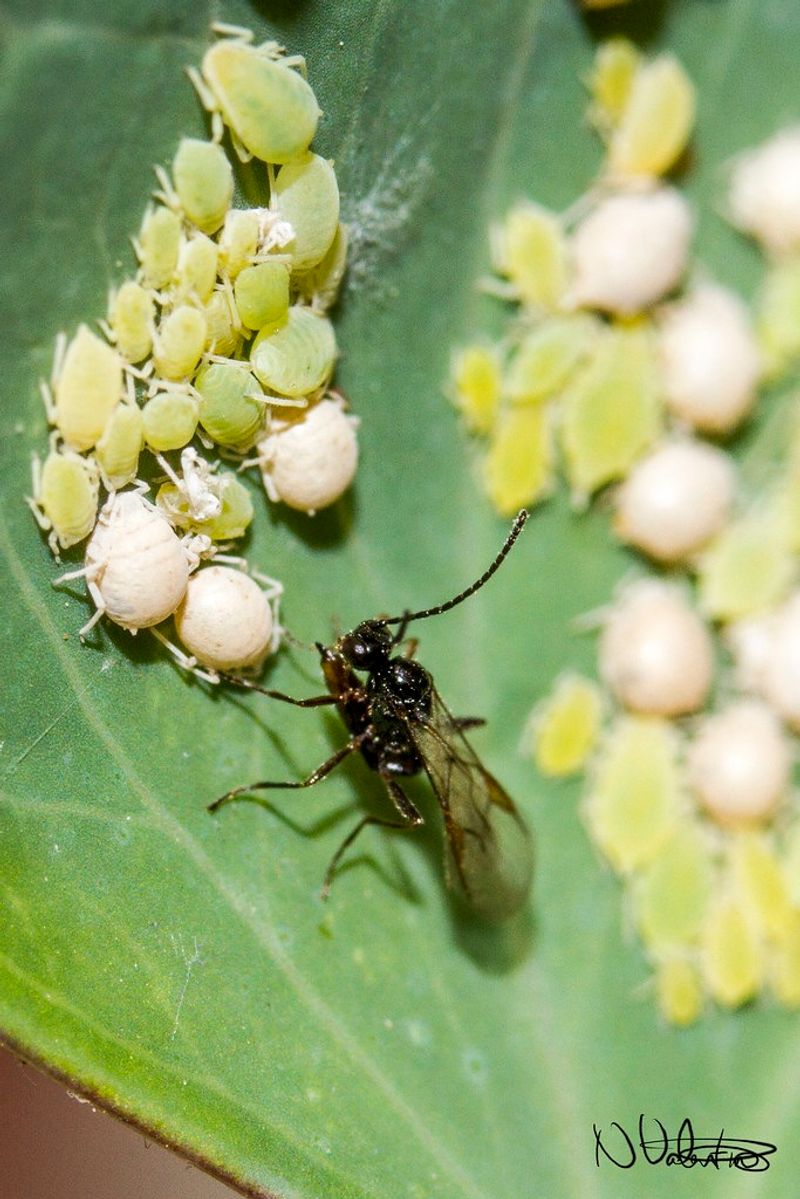
Turning the reframe into a real routine means getting close to your plants on a regular schedule. During periods of rapid shoot growth or when you have already spotted aphids, check young shoot tips and the undersides of leaves at least twice a week. These are the spots where aphid colonies concentrate and where natural enemies tend to show up first.
Know what you are looking for beyond the aphids themselves. Lady beetle larvae look like tiny, dark, alligator-shaped insects with orange or yellow markings. Lacewing larvae are pale, elongated, and move actively among aphid clusters. Syrphid-fly larvae are small, legless, and greenish or pale, often seen feeding directly in the colony.
Parasitized aphids, called mummies, are a key sign of parasitoid wasp activity: look for swollen, crusty, bronze, brown, or golden aphid bodies that no longer move, sometimes with a small, round emergence hole where the adult wasp has already exited. UC IPM’s aphid resource describes mummies as one of the clearest visible indicators that parasitoid wasps are working in your garden.
Finding mummies or predator larvae tells you natural enemies are present and active, but it does not confirm that the aphid population is heading downward. Compare what you see across successive inspections: are aphid numbers on new growth higher, lower, or roughly the same as they were two days ago? Is the plant putting out healthy new shoots, or is new growth curling and stunted? Tracking the trend, rather than reacting to a single snapshot, gives you the information you need to decide whether to wait or act.
Protect resident predators before buying or spraying anything
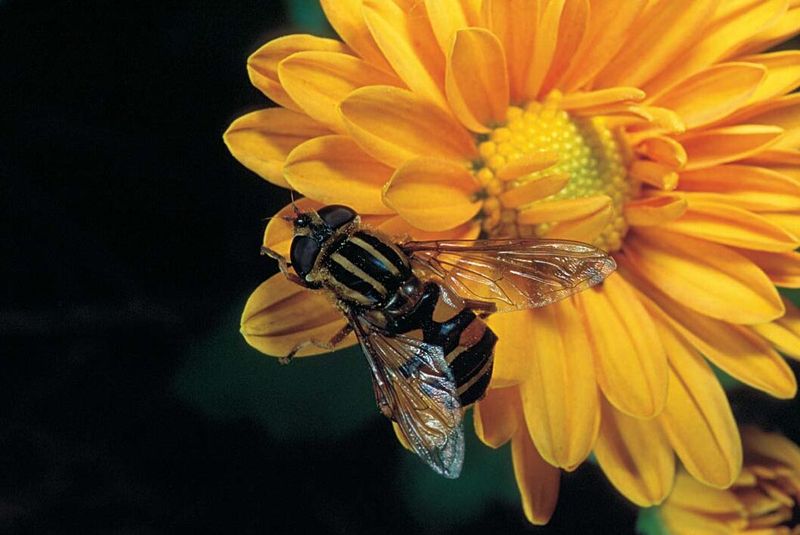
The most reliable aphid predators are the ones already living in your garden, and keeping them there starts with what you choose not to do. Broad-spectrum insecticides, including organophosphates, carbamates, and pyrethroids, can kill lady beetles, lacewing larvae, and parasitoid wasps alongside the aphids you are targeting. Losing those predators can remove a layer of natural control that would otherwise help keep aphid numbers in check over the rest of the season. UC IPM’s biological control resource emphasizes that conserving existing natural enemies is generally more effective and dependable than attempting to introduce new ones.
Flowering plants can play a supporting role by providing nectar and pollen for adult beneficial insects. USDA Agricultural Research Service work on conservation biological control found that flowering habitat, including sweet alyssum planted near lettuce, can enhance the activity of naturally occurring enemies. That said, flowers alone do not guarantee aphid suppression; they support adults that may or may not be present, and predator larvae still need prey to develop.
Ants are an important complication to watch for. When ants collect honeydew from an aphid colony, they may actively chase off or interfere with lady beetles and other predators that would otherwise reduce aphid numbers. University of Wisconsin-Madison horticulture guidance notes that managing ant access with appropriate barriers, baits, or sticky traps around plant stems can sometimes improve the effectiveness of resident natural enemies, though the right approach depends on your plant and situation.
Purchased convergent lady beetles are a tempting shortcut, but UC IPM’s convergent lady beetle page reports that roughly 90 to 95 percent of released beetles may disperse within the first 24 to 48 hours. For a small home garden, conservation of the predators already present is almost always the more practical path.
Use physical control first when the plant needs immediate help
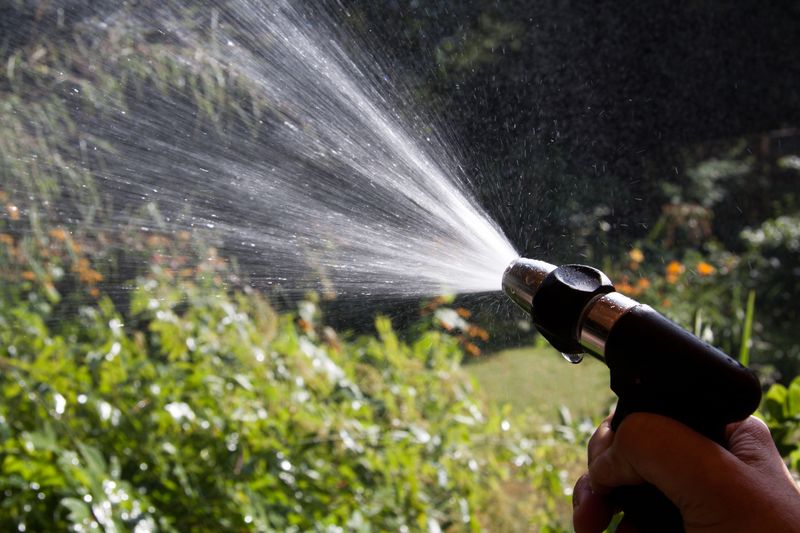
When a plant is showing real signs of distress and you need to act without waiting for natural enemies to catch up, physical controls offer a useful first step that does not compromise the predators already in your garden. On sturdy, well-established plants such as roses, a strong stream of water directed at aphid colonies, especially on shoot tips and leaf undersides, can dislodge large numbers of insects quickly. UC IPM guidance on roses and insects recommends this approach as a practical way to reduce aphid numbers on established ornamentals while avoiding chemical exposure.
Pruning is the other physical option worth knowing. Aphids inside tightly curled or rolled leaves are largely out of reach for predators, water sprays, and contact insecticides alike. Removing and disposing of heavily infested, curled shoots or leaves eliminates a sheltered aphid refuge and can reduce colony size more effectively than spraying foliage that the spray cannot fully penetrate. UC IPM’s main aphid resource supports pruning infested growth as a complementary tactic alongside water sprays.
Neither approach is a permanent fix. Aphids that were not dislodged, eggs already on the plant, and new arrivals from surrounding plants can rebuild a colony within days. Physical controls work best as part of an ongoing monitoring routine rather than as a one-time solution, and they are less appropriate for fragile seedlings, water-stressed plants, or newly transplanted specimens where rough handling could cause additional stress.
Treat carefully when aphids keep increasing or damage matters
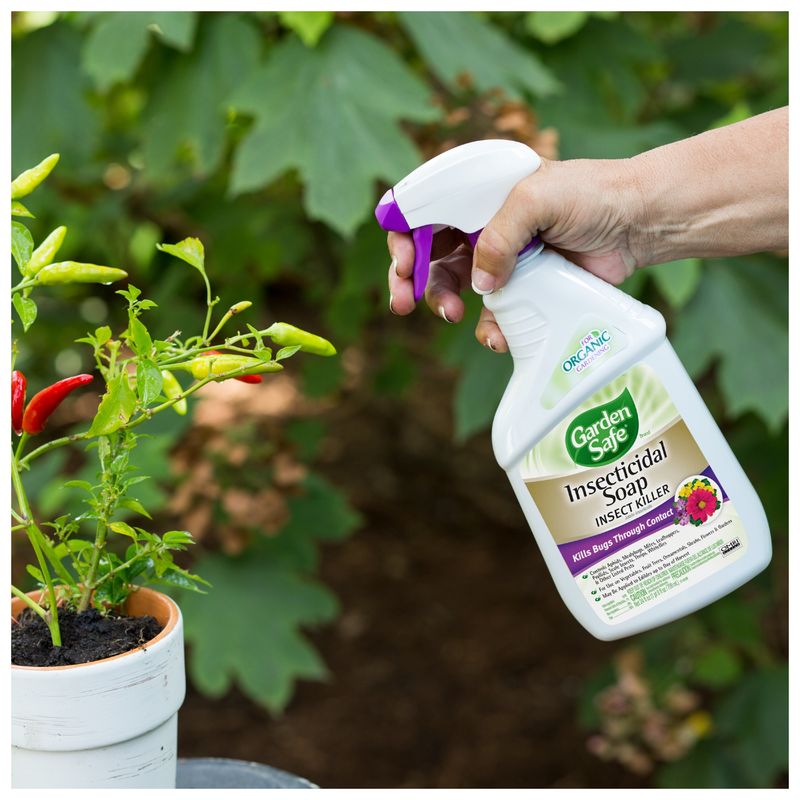
When monitoring confirms that aphid numbers are climbing, physical controls have not been enough, and plant damage is real or worsening, a targeted insecticide application may fit your situation. Registered insecticidal soap and horticultural oil are two options that generally leave less persistent residue than broad-spectrum conventional insecticides, making them a better fit for an IPM approach where protecting natural enemies matters. Utah State University Extension guidance on vegetable aphids recommends insecticidal soap as a lower-risk option when treatment becomes necessary.
Both products work strictly by contact. They must coat the aphids directly to be effective, which means thorough coverage of leaf undersides, shoot tips, and any curled foliage where colonies are hiding is not optional. A light pass over the top of the plant will not reach the insects doing the damage. Keep in mind that these products can also kill beneficial insects they directly hit, so applying them carefully and only where aphids are concentrated reduces unnecessary harm to predators nearby.
Registered insecticidal soap is not the same as household dish detergent. Dish soap formulations vary widely and can damage plant tissue; only products specifically labeled as insecticidal soap are appropriate for garden use. UC IPM’s aphid resource and EPA pesticide safety guidance both require following the product label completely. That means checking that your specific plant and pest are listed on the label, avoiding applications to water-stressed plants, not spraying when temperatures will exceed 90 degrees Fahrenheit within four hours, testing sensitive plants on a small area first, and accounting for drift, runoff, and exposure risks to children, pets, and pollinators.
No soap or oil product is universally safe, and label compliance is not optional.
Balance plant protection with the natural control already present
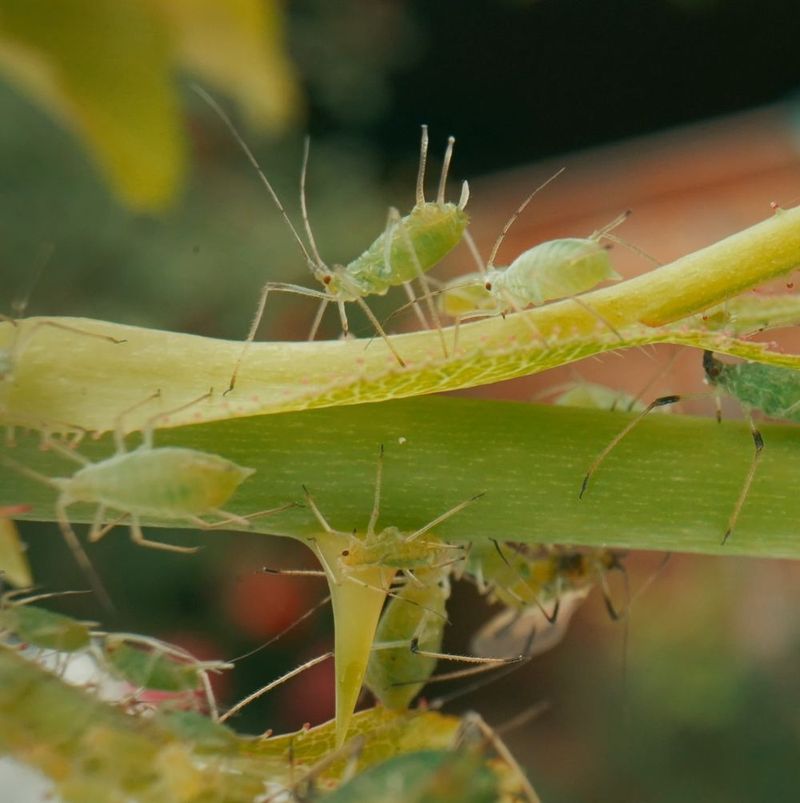
A clear decision rule makes the whole monitoring process easier to act on. When a colony is small and stable, the plant looks healthy, and you are seeing signs of natural-enemy activity such as mummies or predator larvae, tolerating that colony while continuing to watch is a reasonable choice. When trends are uncertain, keep checking every couple of days rather than assuming things will resolve on their own.
Act promptly when aphids are increasing on new growth, distorting buds or shoots, visibly weakening a young or stressed plant, generating honeydew or sooty mold at a level that bothers you, or when you have a susceptible crop where aphid-transmitted viruses are a plausible concern. UC IPM’s biological control guidance and Utah State University Extension both support this graduated approach: conserve natural enemies first, monitor consistently, and treat when plant health or crop-specific risks justify action.
The goal is not to eliminate every aphid or to guarantee that natural enemies will handle everything. A garden managed with that kind of balance tends to be more resilient over a whole season than one where every pest sighting triggers a spray.