
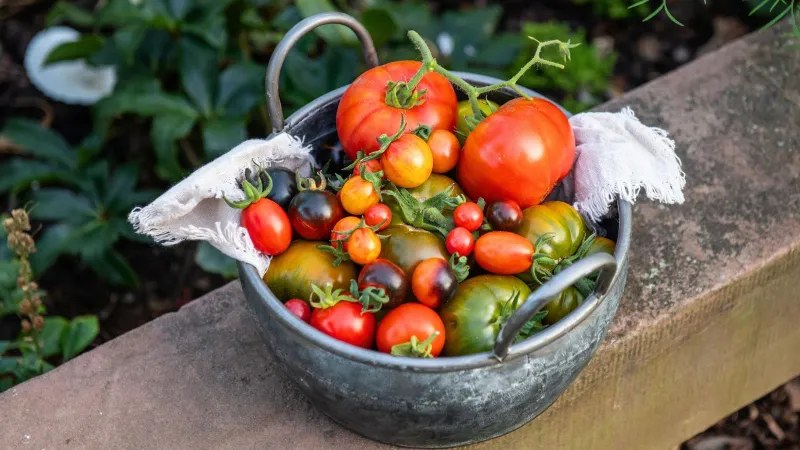
Every summer, gardeners across the South plant tomatoes with high hopes, then scratch their heads when the harvest comes up short. Social media is full of tips promising that one cheap kitchen ingredient will double your yield, and it’s tempting to grab something from the pantry and give it a try.
The honest answer is that no single scrap from your kitchen reliably guarantees a bumper crop, but finished compost made from kitchen materials is a genuinely useful soil amendment when handled correctly. This article replaces the one-ingredient shortcut with a practical, evidence-based plan that Southern gardeners can actually use.
No single kitchen ingredient guarantees a big tomato harvest
Tomato yield is the result of several factors working together, not one magic scrap from your pantry. Sunlight, soil fertility, water consistency, planting timing, cultivar choice, temperature, pest pressure, and disease management all influence how many tomatoes end up in your basket.
Pull any one of those levers the wrong way and the harvest suffers, regardless of what you sprinkle around the roots.
The kitchen ingredient most worth your attention is finished compost, and even that label needs unpacking. Compost is not one ingredient – it is the product of a managed process that combines fruit and vegetable scraps, dry leaves, and other suitable materials over weeks or months.
CSU Extension guidance on using compost describes it as a soil amendment that can improve structure and water retention, not a precision fertilizer or a guaranteed harvest trigger.
Raw banana peels, loose coffee grounds, eggshells, baking soda, and Epsom salt are frequently promoted as tomato boosters, but UC Master Gardener research debunking common garden remedy myths makes clear that these materials do not independently produce major harvest gains. What follows is a practical plan – soil testing, appropriate fertilizing, steady moisture, smart timing, and safe composting – that addresses the real factors limiting your plants.
Finished compost improves the root environment slowly
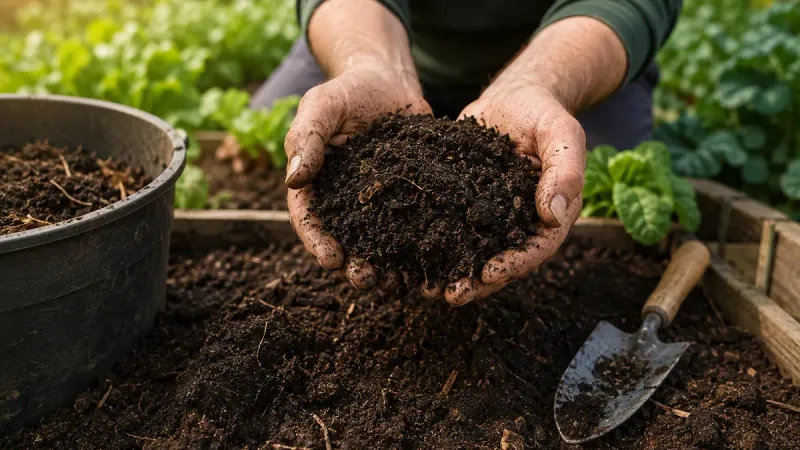
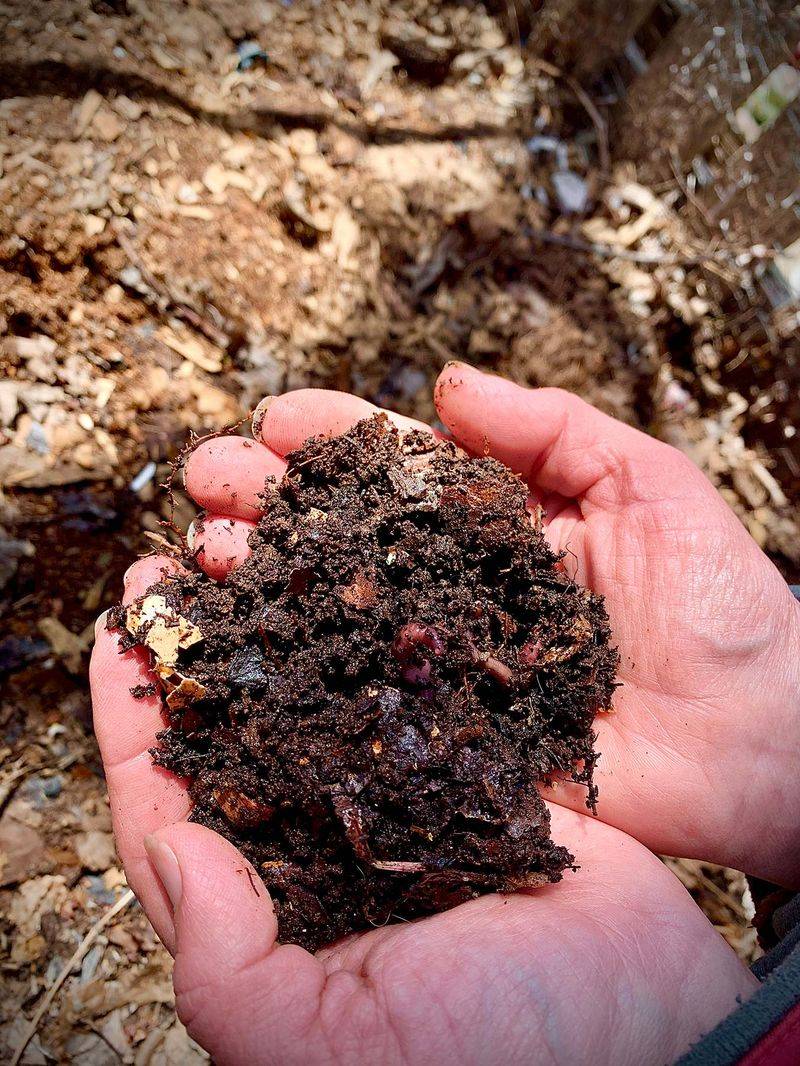
Fully finished compost looks like dark, crumbly soil and smells earthy rather than rotten. When mixed into the top several inches of your garden bed before planting, or applied as a topdressing around established plants, it can gradually improve how your soil holds water and how roots spread through it.
Those physical improvements matter in Southern gardens, where sandy soils drain too fast and clay soils can become waterlogged.
Where compost falls short is in precise nutrition. Its nutrient content varies depending on what went into the pile and how long it was allowed to process.
Nitrogen, phosphorus, and potassium are present in compost, but they are released slowly as soil microbes break down organic matter further. A tomato plant setting fruit in July cannot wait weeks for nutrients to become available from a recently added amendment.
That slow-release reality means compost works best as a foundation – something you build into the soil before the season begins – rather than as a mid-season rescue. Colorado State University Extension explains that compost supports a fertility program but cannot replace a labeled fertilizer when a measured deficiency needs to be corrected on a specific schedule.
Think of it as improving the environment where roots live, not as feeding the plant directly.
Test soil before adding nutrients or amendments
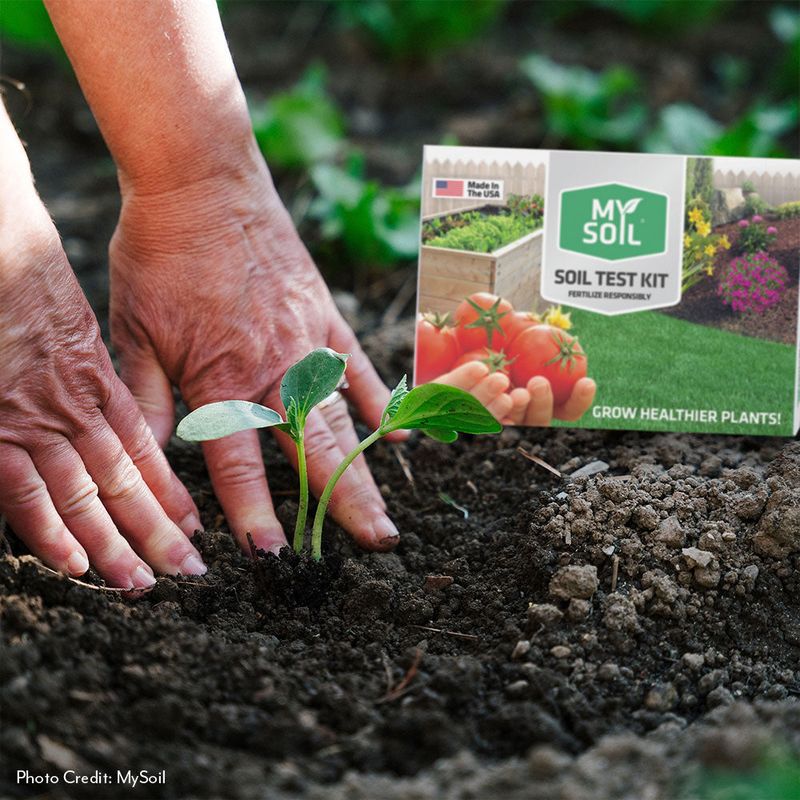
Before you add anything to your tomato bed – compost, fertilizer, lime, gypsum, baking soda, or Epsom salt – get a soil test. Skipping this step is one of the most common reasons home gardeners waste money on amendments that are not needed or, worse, create new problems by pushing a nutrient out of balance.
Your state’s Cooperative Extension service offers affordable soil testing. UGA Extension soil and water testing services are a good example of what is available across the South – you send a sample, and the lab returns a report showing your pH, nutrient levels, and specific amendment recommendations.
Florida and Texas extension services offer similar programs through county offices.
For tomatoes, a soil pH in the range of approximately 6.0 to 6.8 is a reasonable Southern target, as UGA Cooperative Extension’s Georgia Homegrown Tomatoes guide notes. Outside that range, nutrients can become locked up or toxic even when they are physically present in the soil.
Always follow your own test results and local extension recommendations rather than applying amendments by guesswork.
Use labeled fertilizer when the soil and plants need it
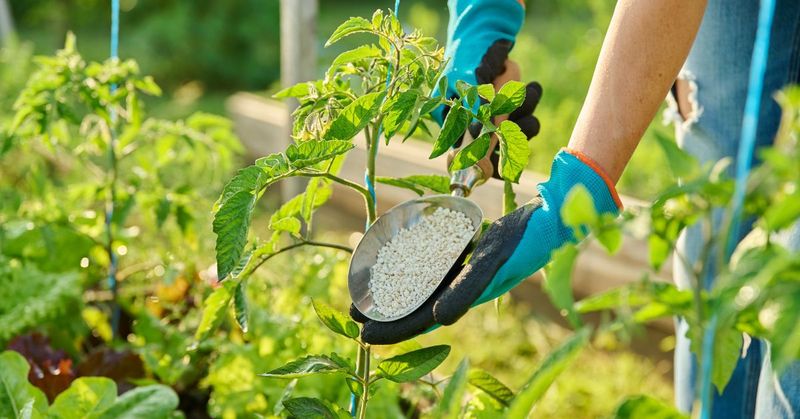
Once your soil test comes back, you have a real basis for feeding decisions. A complete, labeled fertilizer – one that lists nitrogen, phosphorus, and potassium percentages – gives you control over what your plants receive and at what rate.
Compost alone cannot match that precision when a specific deficiency shows up on a report.
UGA Extension’s tomato guide for Georgia recommends applying a starter fertilizer at planting and following up with a side-dressing after the first small tomatoes form, then continuing with additional applications as the season progresses. Texas A&M AgriLife guidance follows a similar pattern, emphasizing a preplant application and a nitrogen top-dressing at first fruit set.
In both cases, rates should match the soil test and the product label – not a general rule of thumb.
Excess nitrogen is a real risk worth taking seriously. Oregon State University Extension’s fertilizer guide explains that too much nitrogen pushes plants toward lush, dark-green leaf growth while slowing or reducing flowering and fruit set.
It can also damage roots through salt buildup and interfere with how plants absorb other nutrients.
More fertilizer does not mean more tomatoes – the right amount at the right time does.
Even moisture matters more than a calcium shortcut
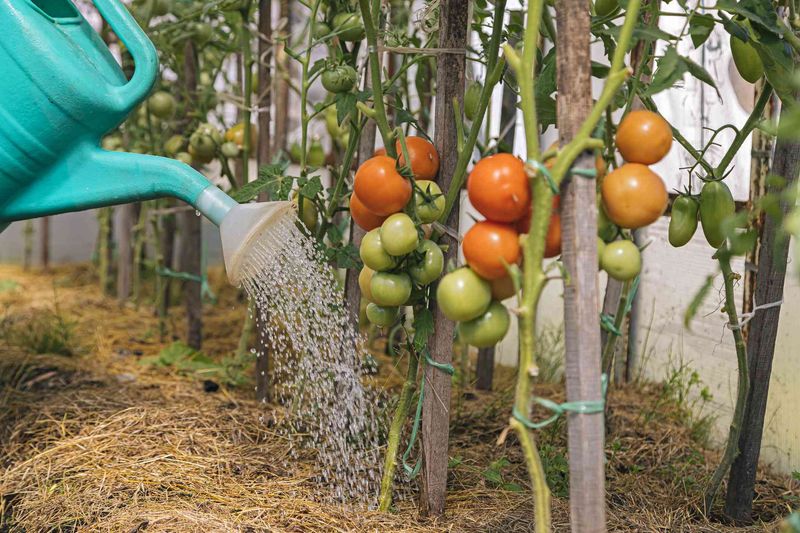
Water consistency is one of the most powerful tools a tomato gardener has, and it is often underestimated. UGA Extension recommends aiming for roughly 1 to 2 inches of water per week as a general starting point, adjusted for your soil type, container conditions, recent rainfall, and summer heat.
Sandy soils may need more frequent watering, while heavy clay holds moisture longer but can become compacted and poorly drained.
Mulching around plants – 2 to 3 inches of straw, wood chips, or similar material – slows evaporation, moderates soil temperature, and helps buffer the wet-dry swings that stress roots. Drip irrigation or soaker hoses deliver water directly to the root zone and keep foliage dry, which reduces the leaf wetness that encourages fungal diseases.
Both strategies are practical upgrades for Southern gardeners dealing with hot, humid summers.
Blossom-end rot is a common problem that looks like a sunken, dark patch on the bottom of developing fruit. Many gardeners reach for eggshells or calcium sprays as a fix, but UGA Extension’s bulletin on blossom-end rot explains that the disorder usually stems from disrupted calcium transport caused by irregular watering, root damage, excess salts, or nutrient imbalance – not simply a shortage of calcium in the soil.
Calcium does not move readily from leaves to developing fruit, as UGA’s commercial tomato production guidance also notes, so foliar sprays are rarely the reliable answer.
Correcting moisture consistency and avoiding overfertilization addresses the actual cause.
Heat, light, and timing can limit fruit set
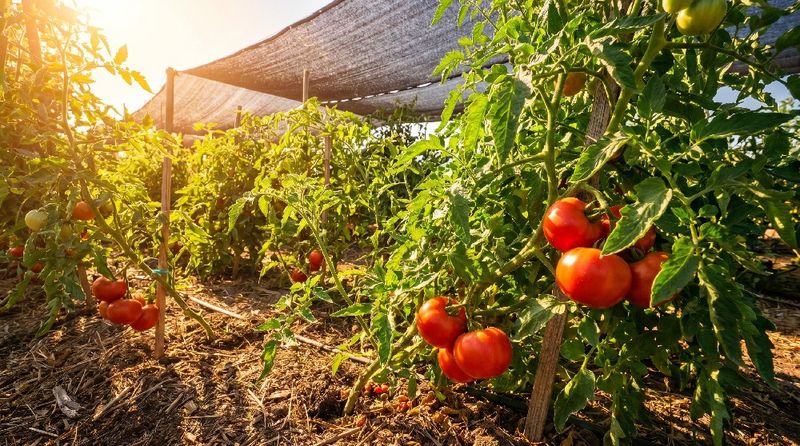
Plenty of Southern gardeners have grown beautiful, well-fed tomato plants that produced very little fruit in the heat of July or August – and assumed something was nutritionally wrong. High temperatures are often the actual culprit.
Tomatoes generally set fruit best when daytime temperatures stay below about 90 degrees Fahrenheit and nights remain above 55. When heat pushes past those thresholds, pollen becomes nonviable and flowers drop without setting, regardless of how well the soil is prepared.
UGA Extension emphasizes planting at the right time for your region, choosing heat-tolerant cultivars suited to Southern conditions, and providing full sun – at least 8 hours of direct sunlight daily. Texas A&M AgriLife similarly stresses appropriate planting dates and cultivar selection as foundational decisions that no fertilizer or amendment can substitute for.
Commercial Florida production data, which sometimes appears in online gardening articles, reflects plastic-mulched, drip-irrigated, intensively managed raised beds – conditions that differ substantially from a typical backyard plot. Applying those yield figures or fertilizer rates to a home garden without adjusting for bed size, soil, and irrigation is likely to mislead.
When fruit set slows during a heat wave, the answer is usually patience and timing adjustments, not more scraps or amendments.
Compost scraps instead of feeding them raw to plants
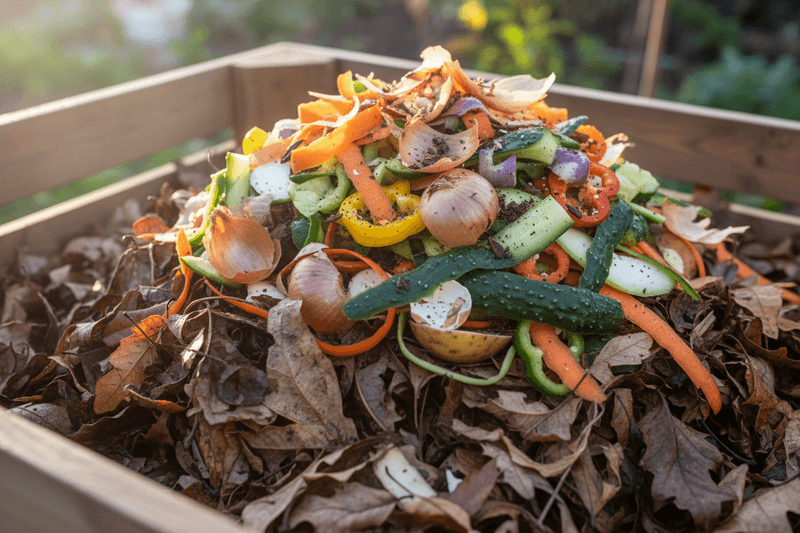
The safest and most productive use of kitchen scraps in the tomato garden runs through a compost bin, not directly into the soil beside your plants. EPA guidance on composting at home lists fruit and vegetable scraps, coffee grounds, crushed eggshells, and dry leaves as suitable inputs for a home compost pile.
When those materials are fully composted – broken down into dark, uniform, earthy-smelling material – they can be worked into garden beds or applied as a topdressing around established plants.
Raw applications of the same scraps create predictable problems. Thick layers of uncomposted coffee grounds can temporarily tie up nitrogen in the soil and may inhibit plant growth, as Ask Extension guidance on coffee grounds explains.
Intact or coarsely crushed eggshells placed in a planting hole break down very slowly and are unlikely to deliver calcium on any timeline that helps a fruiting tomato, according to Ask Extension’s response on soil amendments in planting holes. Banana peels buried beside roots decompose slowly and can attract pests or mold, which UC Master Gardener myth-debunking resources confirm.
Animal-based amendments carry an additional concern. Untreated manure and homemade manure teas can introduce pathogens to edible crops.
FDA guidance on minimizing microbial food safety hazards advises using properly treated materials and minimizing contact between manure-derived amendments and produce.
Stick with plant-based scraps through a proper compost system, and you avoid that risk entirely.
Correct the factors that limit your plants
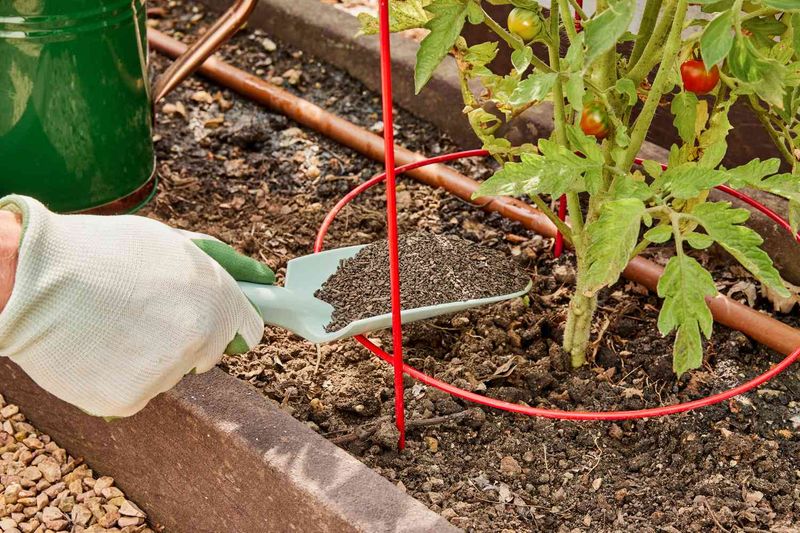
A better harvest comes from correcting the factors that actually limit your plants, and those factors rarely come down to a single missing ingredient. The practical plan looks like this: compost suitable scraps fully before adding them to the soil, get a soil test before applying any amendment or fertilizer, and use a complete labeled product when a specific deficiency is confirmed.
Water deeply and consistently, mulch to hold moisture, and use drip or soaker irrigation when possible.
Choose cultivars suited to your region and plant at the right time for your climate. UGA Extension’s tomato guide and Colorado State University’s growing tomatoes resource both reinforce that full sun, appropriate timing, and cultivar selection are non-negotiable foundations.
Monitor for pests and diseases throughout the season, because a well-fed plant with a serious pest problem still underperforms.
Research on processed eggshell amendments – such as a 2026 Frontiers study using charred and uncharred eggshell materials – and studies on banana peel compost combined with mineral fertilizer used measured rates, processed materials, and controlled conditions. Those results do not translate into a recommendation to toss raw household scraps around your plants.
Healthy roots, balanced soil, and consistent care are what actually move the harvest needle.