
California homeowners who want a wildlife-friendly yard often hear that a messier yard means more lizards, and more lizards means fewer snails chewing through their garden beds. The reality is more complicated, and getting it wrong can create new problems while solving none.
Understanding which habitat features actually support lizards, which pests benefit from the same cover, and where fire safety draws a hard line will help you make smarter choices for your specific yard.
The title’s snail-control promise does not hold up
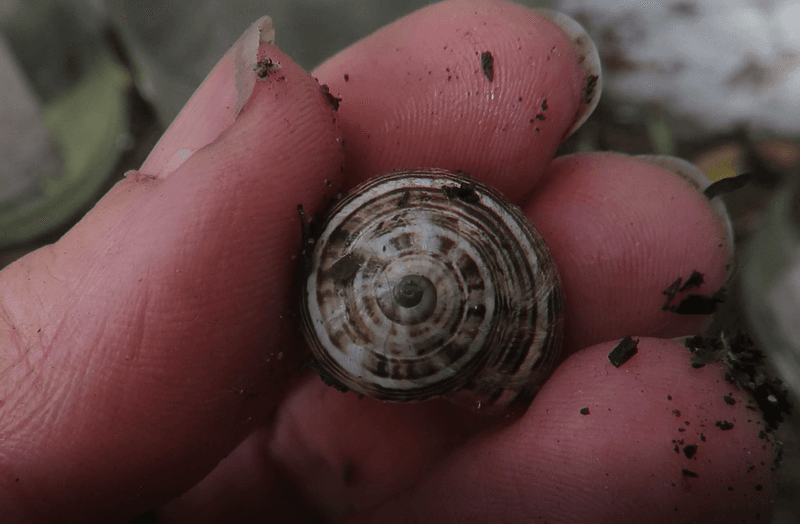
Plenty of garden advice circles the internet claiming that leaving brush piles in your yard will bring in lizards that then eat your snails. The chain sounds logical, but the evidence behind each link in that chain is weaker than the headline suggests.
Retaining habitat features can support lizards in a general way, yet no cited California study demonstrates that preserving a brush pile increases lizard numbers, raises snail consumption, or protects garden plants from snail damage.
The species doing most of the work in that narrative matters a great deal. Western fence lizards are the lizards California homeowners are most likely to see darting across a fence or basking on a warm rock.
California dietary data compiled by OEHHA CalEcotox shows that land snails made up only 0 to 0.5 percent of recorded prey items for western fence lizards, while ants, beetles, termites, flies, grasshoppers, and spiders dominated their diet. Calling them snail predators would be a stretch.
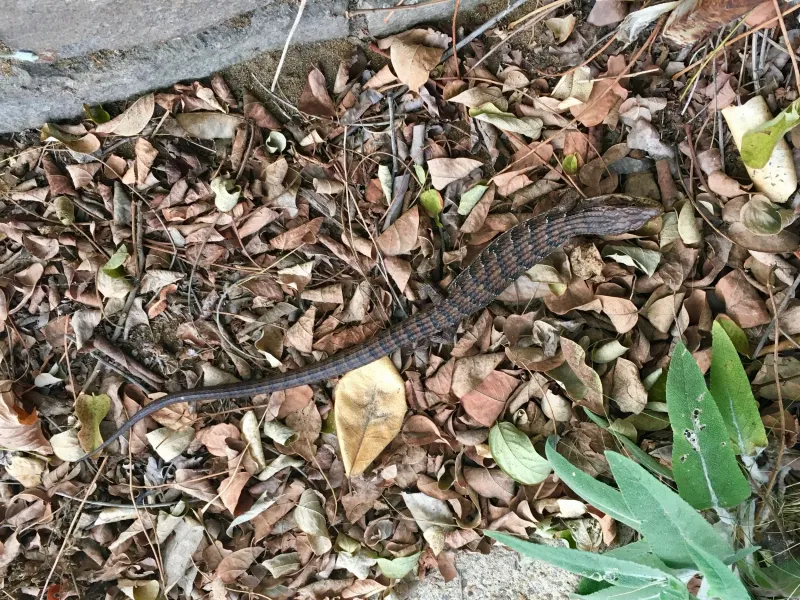
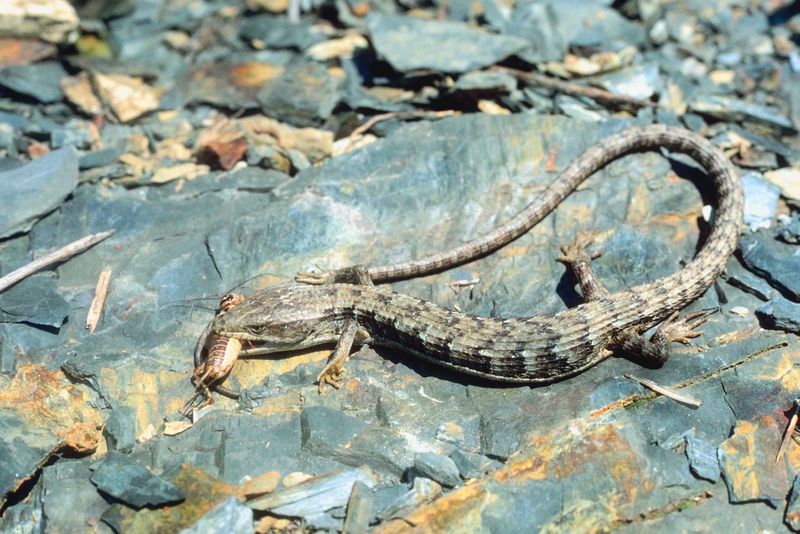
Larger lizards, such as southern alligator lizards, are the species more relevant to snail-eating claims. City of Los Altos Hills habitat information notes that alligator lizards do consume snails, though even for those species the evidence does not establish that a brush pile reliably attracts them or reduces garden damage to a measurable degree.
Lumping all California lizards into one snail-eating category misrepresents how differently these animals feed and move through a yard.
The practical goal worth pursuing is supporting backyard biodiversity in ways the evidence actually supports. Lizards are interesting, ecologically useful animals that belong in California yards.
Framing their presence around snail control, however, sets an expectation the science cannot back up. A more honest and useful target is creating conditions where lizards can thrive, and then managing snails separately with tools that are known to work.
Rock refuges are associated with higher observed lizard occupancy
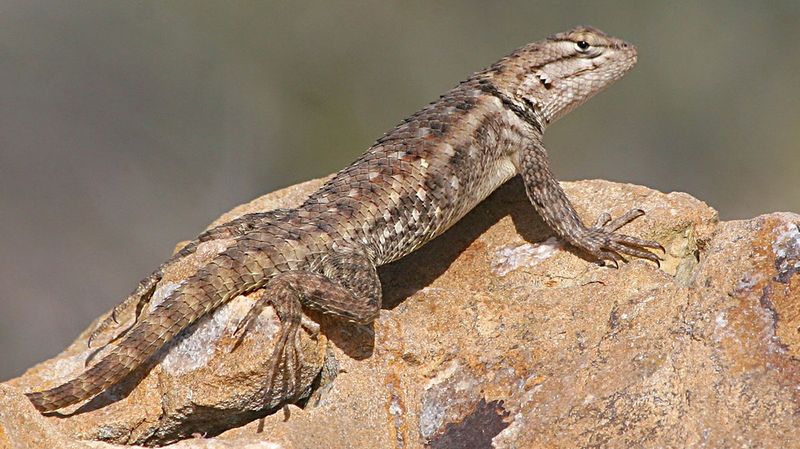
Among the habitat features that California research has actually examined, rocks stand out as the strongest candidate for supporting western fence lizards in urban and suburban settings. A 2022 study published in the journal Diversity looked at western fence lizard populations across urban sites and found a clear pattern: sites with several or abundant rock refuges showed observed occupancy averaging around 90 percent, compared to roughly 62 percent at sites with few or no rock refuges.
That is a substantial gap, and it is the most specific California-based habitat finding available to homeowners right now.
Calling this a proven cause-and-effect relationship would go further than the study supports. Observational research records associations, not controlled experiments.
Sites with more rocks may also differ from low-rock sites in other ways, such as sun exposure, plant cover, or proximity to open space. What the data do show is that rock refuges and higher lizard occupancy tend to appear together, which gives homeowners a concrete, evidence-aligned feature to prioritize.
The reason rocks matter biologically comes down to how western fence lizards use their environment. California Department of Fish and Wildlife life-history accounts describe western fence lizards as users of vertical and elevated structures for basking and perching, including rocks, woodpiles, fences, walls, and tree trunks.
Rocks serve multiple functions at once: they absorb and hold heat for thermoregulation, they offer crevices for quick escape from predators, and they provide a stable, permanent structure that does not shift with wind or decompose rapidly.
None of this connects back to snail control. A lizard occupying a rock refuge is using it to regulate body temperature and avoid danger, not to patrol nearby garden beds for snails.
Supporting lizard occupancy through rock features is a reasonable, evidence-grounded yard improvement, and it should be understood on those terms rather than as a pest-management strategy.
Brush piles can shelter lizards and snails at the same time

Loose debris in a yard does not sort itself neatly into lizard habitat on one side and snail habitat on the other. The same features that make a brush pile attractive to reptiles, including shade, moisture retention, and physical cover, are exactly what brown garden snails seek out during the day.
UC IPM’s guidance on snails and slugs lists boards, stones, debris, dense ground cover, and low vegetation as common daytime hiding places for snails and slugs, which are most active at night or during foggy, overcast conditions.
A brush pile placed near a vegetable bed or a row of seedlings could, in practical terms, give snails a convenient staging area just feet from the plants they damage. The pile may also host both organisms simultaneously without any meaningful predator-prey interaction occurring between them.
CDFW life-history data confirms that western fence lizards rely primarily on insects and other terrestrial invertebrates, so the lizards sheltering in that same pile are not likely to be hunting the snails sharing the space.
This is not an argument for stripping every yard down to bare soil. Logs, branches, and layered vegetation do provide general shelter for a range of beneficial wildlife, including insects, birds, and reptiles.
NC State Extension guidance on reptiles and amphibians supports brush piles as general wildlife-shelter features when placed away from structures and maintained where local rules allow. The key word is placement.
A brush pile tucked into a back corner well away from vegetable beds, seedling trays, and tender perennials poses far less of a snail-staging risk than one sitting three feet from a raised bed.
The tidy-versus-messy-yard debate misses the real question, which is whether a given feature is placed and maintained in a way that serves the yard’s goals without creating new pest pressure. Location, density, and distance from vulnerable plants matter more than the simple presence or absence of debris.
Design deliberate habitat instead of relying on loose debris
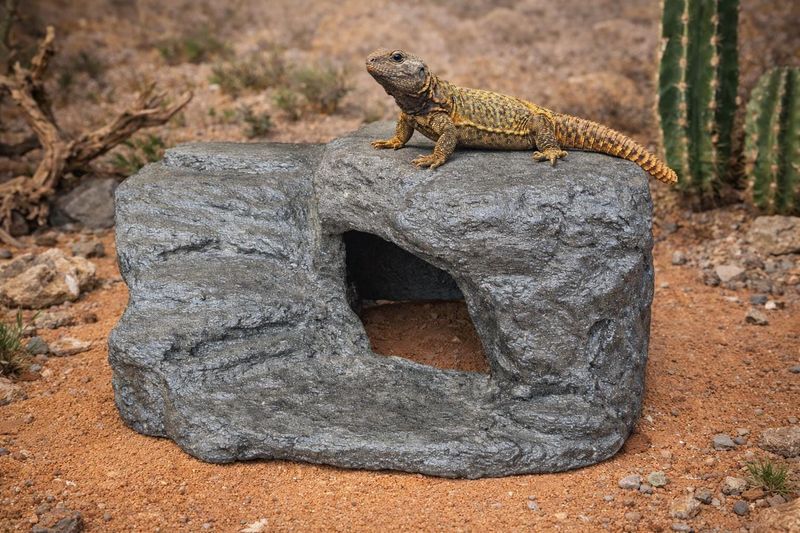
Random accumulation of yard debris is not the same as thoughtful habitat design, and the difference shows up in outcomes. A practical lizard-friendly yard combines a sunny, stable basking surface with nearby features that offer escape cover, shade, and structural variety.
Flat rocks or stacked stone edges in a south- or west-facing spot give western fence lizards the thermoregulation surface they need, while small crevices between rocks or at the base of a wall provide quick retreat when a predator appears.
Vegetation structure adds another layer. Low-growing native or climate-appropriate plants grouped near a basking surface give lizards a short dash to safety without requiring them to cross large open areas.
CDFW habitat descriptions note that western fence lizards use fences, walls, and tree trunks as perching and basking sites, meaning vertical surfaces already present in most yards can serve as habitat without any construction at all. Pairing those existing features with a patch of native ground cover creates a functional corridor that costs nothing beyond plant selection.
If local fire and weed-abatement rules allow a brush pile, NC State Extension reptile and amphibian guidance recommends placing larger logs or branches on the bottom layer and smaller branches on top to create sheltered interior spaces. This approach is described as general wildlife shelter, not as a demonstrated California lizard-habitat method or a snail-control tool.
Keep any such feature compact, stable, and well away from structures, decks, fences, and garden beds where snails cause damage.
The urban occupancy study’s findings reinforce the same principle from a different angle: rock refuges, not loose brush, carry the strongest California-specific association with lizard presence. A small, intentional rock arrangement in a sunny spot is a better starting point than a large debris pile, and it does not create the same snail-staging or fire-risk concerns.
Build habitat deliberately, with a specific feature in a specific location, rather than simply leaving debris in place and hoping for the right outcome.
Protect garden beds with integrated snail management
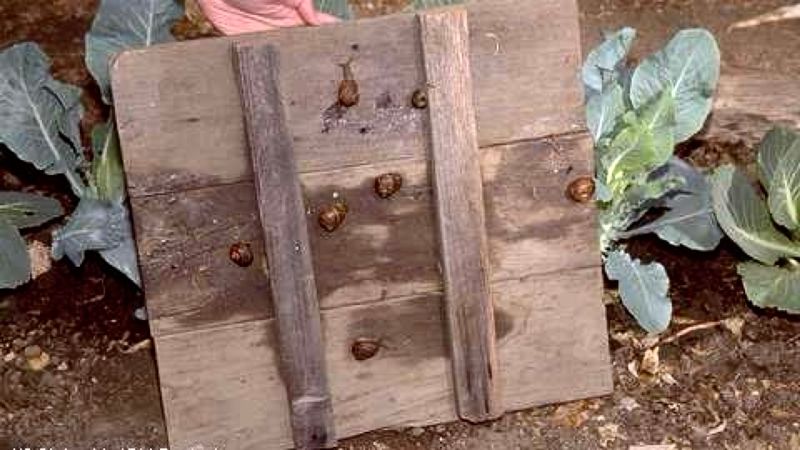
Before spending time or money on any snail-management approach, confirm that snails are actually responsible for the damage you are seeing. Irregular holes with smooth edges and silvery slime trails on leaves or soil are the most useful indicators.
Other chewing insects, caterpillars, and earwigs can produce similar-looking leaf damage, and treating for snails when another pest is responsible wastes effort and may leave the real problem unaddressed.
Once snail damage is confirmed, the placement of any habitat feature becomes a direct crop-protection decision. A brush pile, rock edge, or dense ground cover sitting directly beside a raised bed or a row of seedlings gives snails a sheltered path to the plants you are trying to protect.
UC IPM’s integrated management guidance for snails and slugs recommends reducing or concentrating hiding places near crops as a first step, which means habitat features should be sited well away from vegetable beds, not adjacent to them.
Several nonchemical practices reduce snail pressure without compromising yard habitat elsewhere. Hand-picking snails in the evening or early morning, when they are active, removes them directly from the population.
Traps, such as boards laid near the garden perimeter and collected the following morning, concentrate snails for easy removal. Switching from overhead irrigation to drip systems and watering in the morning rather than the evening reduces the surface moisture that snails need to move and feed.
Choosing plants that snails tend to avoid, including many native California species and Mediterranean herbs, reduces the food source near sensitive beds.
These practices work alongside habitat support rather than against it. A yard that includes a rock refuge in a sunny corner, appropriate vegetation structure, and a vegetable bed managed with drip irrigation and regular hand-picking is doing more to address snails than either approach alone.
Lizards may be part of the yard ecosystem, but counting on them to solve a snail problem is not a plan. Integrated management treats the pest directly while keeping the rest of the yard functional for wildlife.
Treat snail bait as one option within the management plan
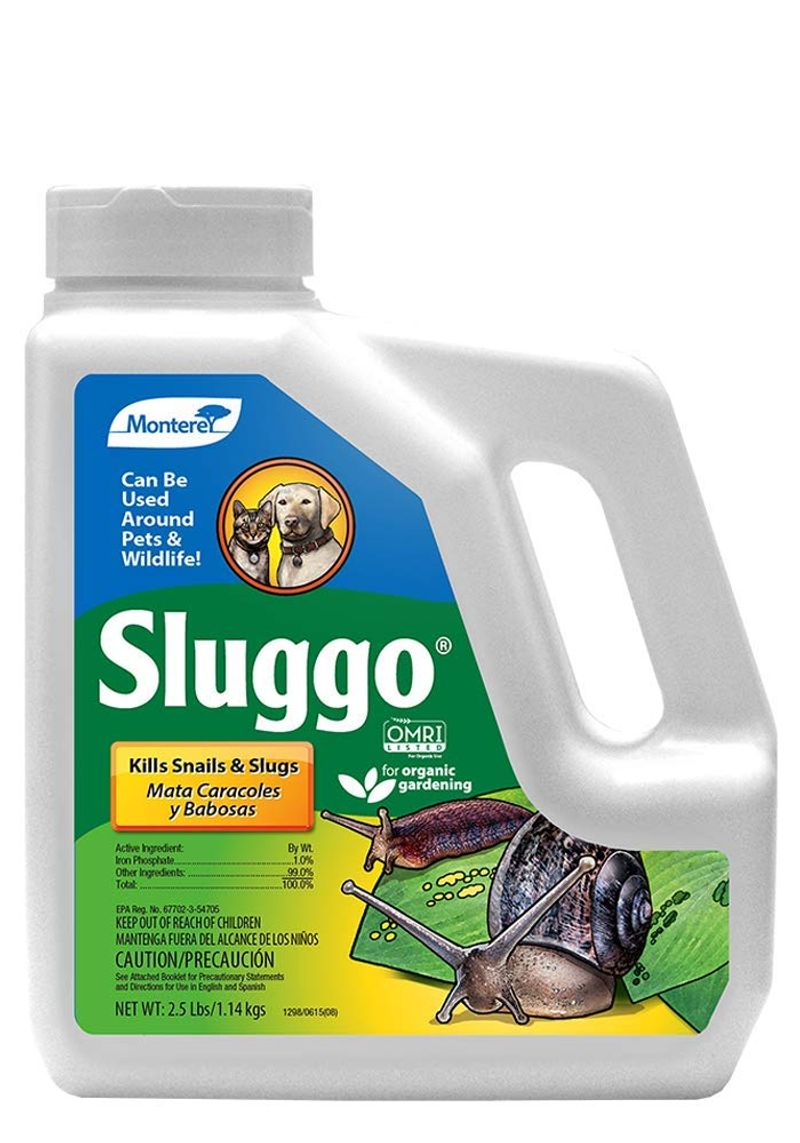
Snail bait is not a last resort, and it is not a first instinct. When nonchemical measures are not keeping damage at an acceptable level, bait can be a reasonable component of an integrated management plan, used alongside hand-picking, trapping, irrigation adjustments, and habitat separation rather than as a standalone fix.
Product choice matters significantly when children, pets, and wildlife share the yard. UC IPM states that iron-phosphate products are generally considered safer around children, domestic animals, birds, fish, and other wildlife than metaldehyde products, and that metaldehyde is particularly poisonous to dogs and cats.
Calling iron-phosphate baits harmless or non-target-safe would overstate the case. Any bait product can affect nontarget organisms, including predatory decollate snails, which are used in some California areas as biological control agents.
Every application must follow the current product label, which is a legal requirement and the most accurate source of safety, rate, and placement information available. Labels change, and online summaries may not reflect the most current guidance.
Read the label for the specific product in hand before each use, store it out of reach of children and pets, and apply only where the label permits. Bait used carefully and in the right context is a practical tool.
Used carelessly, it can harm the animals a wildlife-friendly yard is meant to support.
Defensible space determines where woody habitat can remain

Fire safety is not a preference to weigh against wildlife habitat. In California, defensible-space requirements are legal obligations that override any garden design goal, including the desire to support lizards or other backyard wildlife.
Homeowners in State Responsibility Areas and designated Fire Hazard Severity Zones face specific clearance rules that must be followed regardless of what a wildlife article recommends.
CAL FIRE’s defensible-space guidance identifies the first 5 feet around a structure as the most critical ember-resistant zone, where dead or dry vegetation and combustible materials must be removed or reduced. Loose woody debris, dead branches, and brush piles are precisely the kind of combustible material that creates ignition risk in this zone and in the wider clearance areas beyond it.
A brush pile placed against a fence, near a deck, or within a required clearance zone is a fire hazard regardless of its wildlife value.
California Board of Forestry and Fire Protection defensible-space zone requirements extend well beyond the immediate structure, and the Board’s general guidelines for creating defensible space describe specific standards for vegetation spacing, dead material removal, and slope-adjusted clearances. Local jurisdictions, fire protection districts, and municipal weed-abatement authorities may impose stricter rules than state minimums.
What is permissible on a flat coastal lot may not be permissible on a hillside parcel in a high-severity fire zone.
Before retaining any woody debris or building any habitat feature from branches or brush, check with CAL FIRE, your county fire department, your local fire protection district, or your municipal weed-abatement authority. The habitat advice in this article applies only where local rules genuinely allow it.
No lizard habitat feature is worth a structure fire or a code-enforcement action, and there are evidence-supported alternatives, particularly rock refuges and basking surfaces, that carry none of the same fire risk.
Choose selective habitat, not a promise of snail control
A workable action sequence for California homeowners starts with fire rules and works outward from there. Check your local defensible-space requirements before placing any woody material in the yard.
If a brush pile conflicts with those rules, skip it entirely and focus on rock refuges, basking surfaces, and appropriate vegetation structure, the features with the strongest California-specific association with lizard presence.
Where local rules do allow limited cover, keep it compact, stable, and well separated from vegetable beds and seedling areas. Confirm any snail damage with a slime-trail check before treating, then combine habitat placement with the nonchemical IPM measures that address snails directly: hand-picking, trapping, drip irrigation, and snail-resistant plant choices.
Add bait only when needed, choose iron-phosphate products when children or pets are present, and follow the label every time. UC IPM notes that natural enemies of snails rarely provide satisfactory control on their own, so lizard habitat and integrated pest management need to run in parallel, not in sequence.
The rock-refuge occupancy data and CAL FIRE’s defensible-space standards together point toward the same conclusion: selective, intentional habitat beats indiscriminate debris, and safety beats aesthetics. A yard that offers lizards a warm rock and a patch of native cover, while keeping garden beds protected and fire clearances met, is a genuinely functional ecosystem, and that is a more honest and achievable goal than any brush pile promising snail-free tomatoes.