
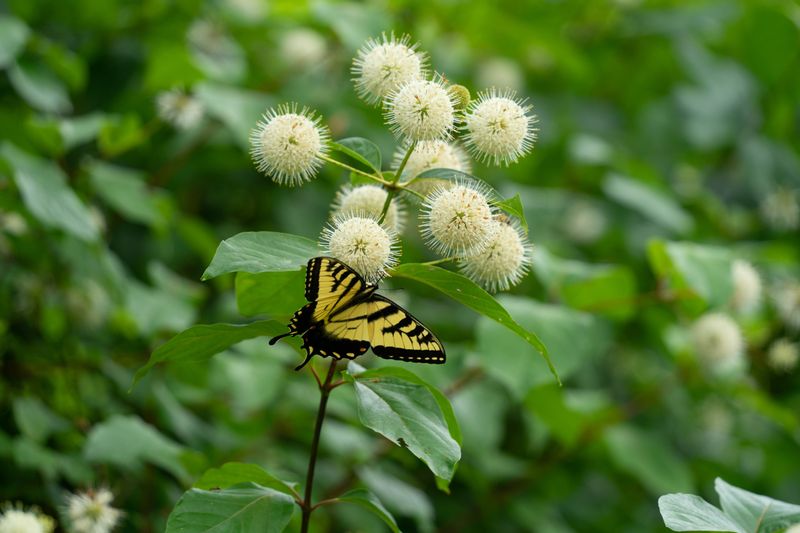
Swallowtails and other butterflies need nectar, and the shrub you plant decides what is on the menu. Butterfly bush is a common pick, but it is not native to North Carolina.
Buttonbush is a native shrub with round, spiky white blooms that suits wet spots where many plants struggle. Here is how the two compare, where each fits, and how to plant a native option this fall.
What the evidence says about butterfly bush in North Carolina
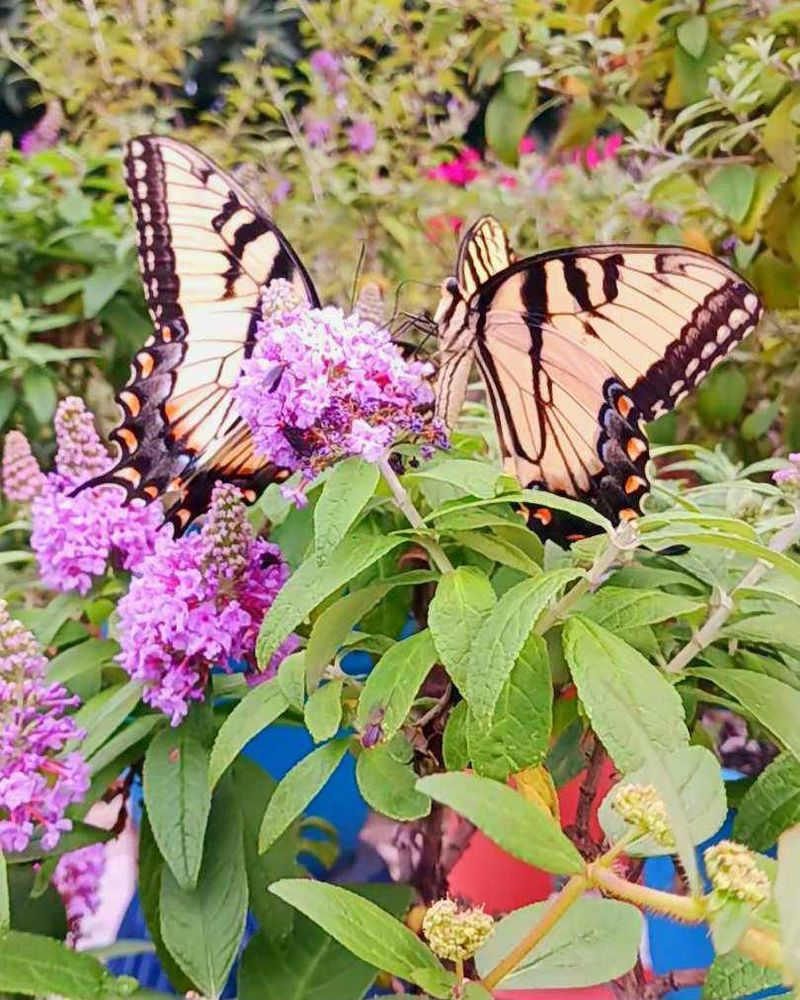
Adult butterflies do visit butterfly bush for nectar. The catch is what happens after they mate and lay eggs.
NC State Extension’s plant profile says native butterfly caterpillars cannot feed on its leaves, so it works as a snack bar for adults but not as a nursery.
Its invasive status depends on where you live. The NC Invasive Plant Council shun list includes it for the Mountains and Piedmont, but not the Coastal Plain.
It is not listed as invasive statewide, and it is not banned anywhere in North Carolina.
Escaped plants are a separate matter from the council’s listing. The North Carolina Flora database records escaped plants mostly in the southern Mountains and a few lower Piedmont counties, and calls the species rare to locally uncommon.
Nothing in these sources shows that butterfly bush is widespread in home gardens or pushing out other plants.
So the reason to look elsewhere is practical and modest. If you want a shrub that is native and also offers nectar, you have good choices.
One of the best for damp ground is buttonbush.
Buttonbush offers native summer nectar, not a proven butterfly-count advantage
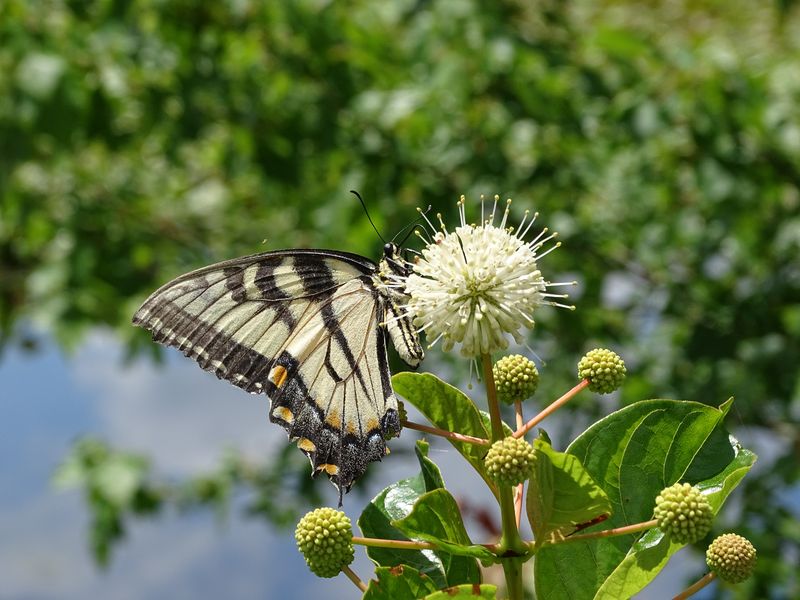
Picture a white pincushion covered in tiny tubular flowers, and you have buttonbush. According to NC State Extension, it is native to every part of North Carolina and feeds butterflies and other pollinators.
Flowers show up mainly from June through August, and eastern tiger swallowtails are among the visitors.
Here is the honest part. No North Carolina comparison shows that buttonbush draws more adult butterflies than butterfly bush.
A garden experiment, published in Insect Conservation and Diversity, found that butterfly numbers and species counts rose with the number of flowering plants, not with whether plots were native or exotic. It was not a buttonbush trial, so it cannot crown a winner.
Nectar is also only half the story. The North American Butterfly Association says buttonbush is not butterfly caterpillar food.
Moth larvae do use it, but moths are a different group from butterflies.
The case for buttonbush is simple. It is a true local plant, it blooms in the heart of summer, and it gives adults a reliable nectar source in places where other shrubs sulk.
Match buttonbush to a moist site with room to grow
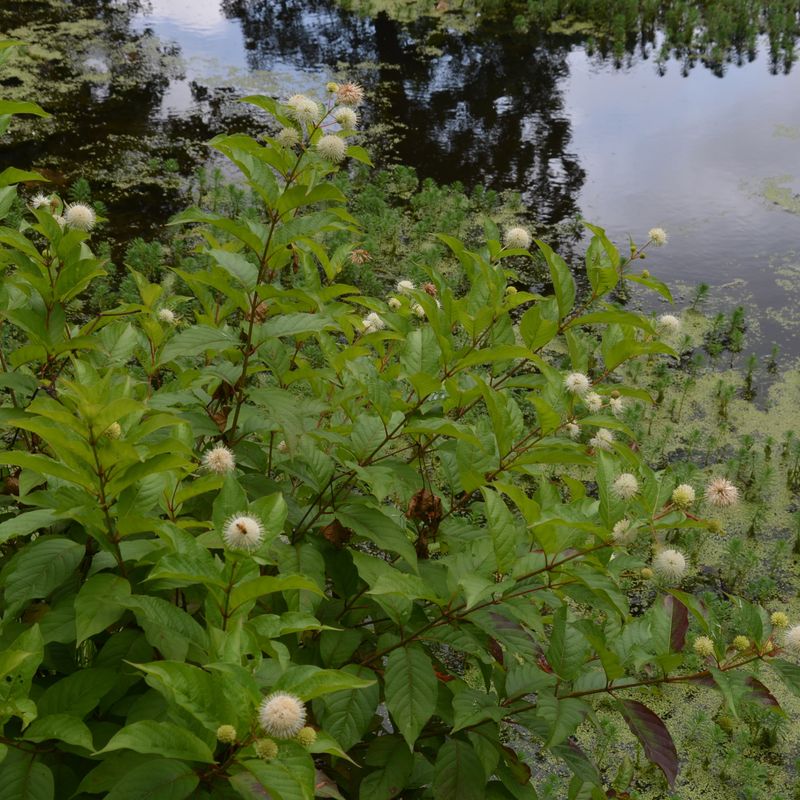
Before you buy, walk your yard after a good rain. Buttonbush wants moist to wet soil, and spots where water lingers, such as a low corner, a pond edge, or a rain garden, are its natural home.
Light is more forgiving. NC State Extension says it grows in full sun to partial shade.
Flowering can be poor in dry soil or deep shade, so a plant that lives but never blooms is a clue that the site is off.
Leave space, too. A mature shrub typically reaches about 5 to 8 feet tall and 3 to 6 feet wide.
Setting it a few feet from a walkway or fence saves you from heavy pruning later.
If your beds are dry, skip the struggle. Buttonbush is not a fit for every yard, and forcing it into sandy, fast-draining soil usually means extra watering and few flowers.
A different NC native shrub or perennial that likes dry ground will serve butterflies better there.
Build habitat with nectar plants and caterpillar host plants
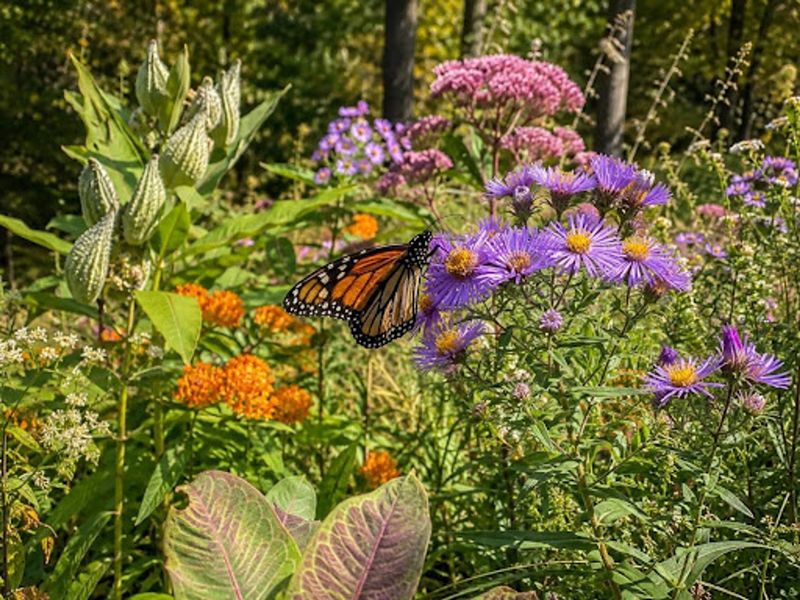
Think of a butterfly garden as a restaurant and a nursery. Adults sip nectar from flowers like buttonbush.
Caterpillars need specific leaves to eat, and each butterfly species has its own short list of acceptable plants.
Buttonbush fills the restaurant role. NABA says it is not butterfly caterpillar food, so do not count on it for the nursery side.
Add verified host plants, such as milkweed for monarchs, and check each butterfly you hope to attract.
Planning helps. NC State Extension’s backyard butterfly guide points to four needs: sun, shelter, host plants, and adult nectar plants.
Stagger bloom times so something is flowering from spring into fall, and let buttonbush carry the summer stretch.
Shop smart as well. Buy nursery-grown natives instead of digging plants from the wild, which protects natural populations and gives you healthier, easier-to-establish plants.
Plant in fall or early spring, and keep fall separate from bloom time
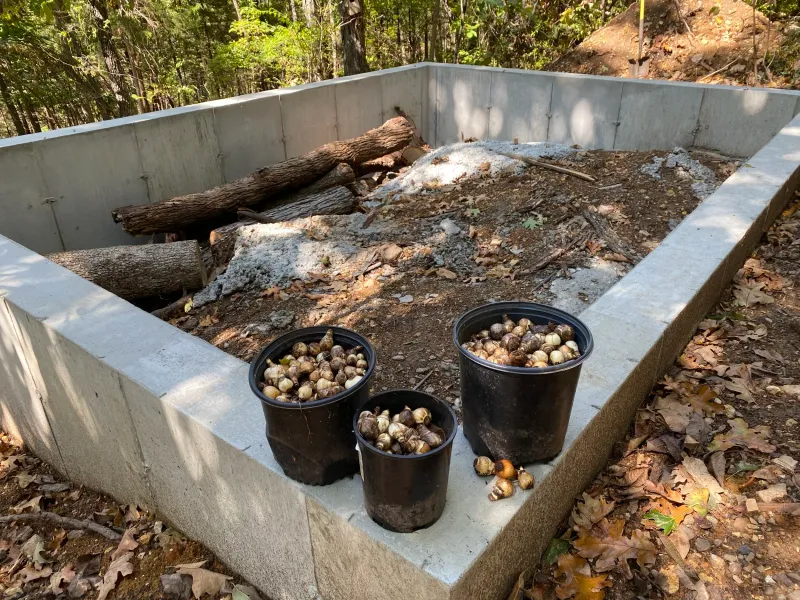
Fall gets a lot of credit among gardeners, and for woody plants it earns it. The NC State Extension Gardener Handbook notes that container-grown plants generally establish with less watering when planted in late fall or early spring.
A local extension office also lists native plants to put in during fall. Fall is a favorable window, not the only one.
Do not expect autumn flowers from a fall planting. Buttonbush blooms mainly in summer, as the NC State plant profile lists.
Planting time only decides how well the shrub settles in, so the show comes the following June.
Aftercare is short. Water new plantings during dry spells, and since buttonbush likes moisture, check the soil often in its first season.
Spread 2 to 3 inches of mulch around the plant, and keep it clear of the stems and crown.
Miss the fall window? Early spring works too.
Pick whichever fits your calendar and your soil, and follow the same watering and mulch routine.
Choose buttonbush for the right site, then add host plants
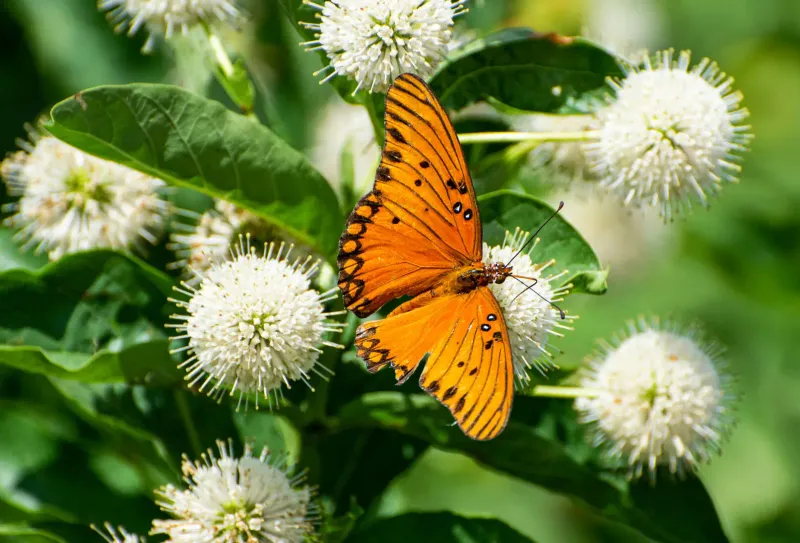
Here is the rule of thumb. If your yard has moist soil and room for a shrub up to 8 feet tall, buttonbush is a strong native pick for summer nectar.
Then add verified caterpillar host plants, following the NC State backyard butterfly guidance, so the garden feeds butterflies at every life stage.
The sources back this choice. They do not show that butterfly bush is crowding gardens or that buttonbush pulls in more butterflies.
A native shrub in the right wet spot, with host plants beside it, does quiet and useful work.