
Collards are one of North Carolina’s most beloved vegetables, but getting them to taste tender and mild instead of tough and sharp depends heavily on when you put them in the ground. Heat can push cool-season crops toward bitterness and bolting, so the timing of your fall planting shapes the conditions your plants grow through.
Starting collards at the right point in late summer or early fall gives them a real chance to establish before summer fades and mature as cooler weather settles in. Planting timing matters a lot, but it works alongside cultivar choice, moisture, maturity, and harvest habits, not instead of them.
Why cooler growth usually gives collards a better flavor chance
Collards belong to the cool-season family of vegetables, and that classification carries real consequences for flavor. NC State Extension’s collard greens guide recommends growing them in early spring or fall precisely because sustained heat puts these plants under stress.
When temperatures stay high for extended periods, cool-season crops can bolt and develop stronger, less pleasant flavors in their leaves.
Heat-related bitterness and bolting are related problems, but they are not the same thing. A plant can produce sharp or unpleasant-tasting leaves without ever sending up a visible flower stalk.
Bolting specifically describes the shift toward reproductive growth, where the plant redirects energy from leaf production to flowering and seed development. UF/IFAS guidance on bolting explains that when this happens, vegetables can turn bitter as the plant’s priorities change.
But bitterness can also appear without full bolting, driven by cultivar genetics, plant maturity, water stress, or the plant’s natural brassica compounds.
Research on Brassica crops shows that glucosinolate profiles and sensory bitterness vary by cultivar and growing conditions, which means there is no single temperature at which every collard plant reliably turns bitter. Growing conditions matter, but so does the variety you choose, how much water the plant receives, how long it stays in the ground before harvest, and whether it has been stressed by insects, disease, or drought.
Planting timing is an important lever because it arranges the growing calendar so plants mature during cooler months rather than fighting through peak summer heat. NC State’s vegetable gardening handbook notes that cool-season crops become stressed as temperatures rise.
Starting your fall crop at the right time gives collards a better chance to develop good flavor, but it does not guarantee it. Cultivar, moisture, maturity, and harvest timing all shape the final result alongside the planting date you choose.
Start the fall crop before frost, not when frost arrives
The single most useful action a North Carolina gardener can take for fall collards is straightforward: get transplants in the ground during late summer or early fall, well before consistently cold weather arrives. NC State’s collard greens publication specifically recommends setting out transplants in late summer for a fall crop.
Plants need weeks to establish a healthy root system, develop strong stems, and size up their leaves before cold weather locks in.
Waiting for the first frost to signal planting time is a common mistake. Frost may improve the flavor of some leafy vegetables later in the season, and UGA Extension’s winter gardening guide describes collards as especially flavorful after frost or during colder weather.
But that observation applies to harvest conditions, not planting signals. A plant that goes into the ground after the first frost has missed its window to establish properly before cold weather tightens its grip.
Chasing a brief cool spell mid-summer carries similar risks. A few cooler days do not mean the season has shifted permanently.
Planting during a short temperature dip and then watching the heat return can stress young transplants that have not yet built enough root depth to handle it. The better approach is to use your region’s recommended planting window and the expected seasonal trend rather than reacting to a single week’s weather.
NC State’s vegetable gardening handbook places many Piedmont fall plantings in August, which keeps enough growing time ahead of consistently cold conditions for collards to mature with decent leaf quality. Starting early enough to establish is the goal.
Frost can be a pleasant bonus for flavor later, but it is not the starting gun for planting.
Match the planting window to your North Carolina region
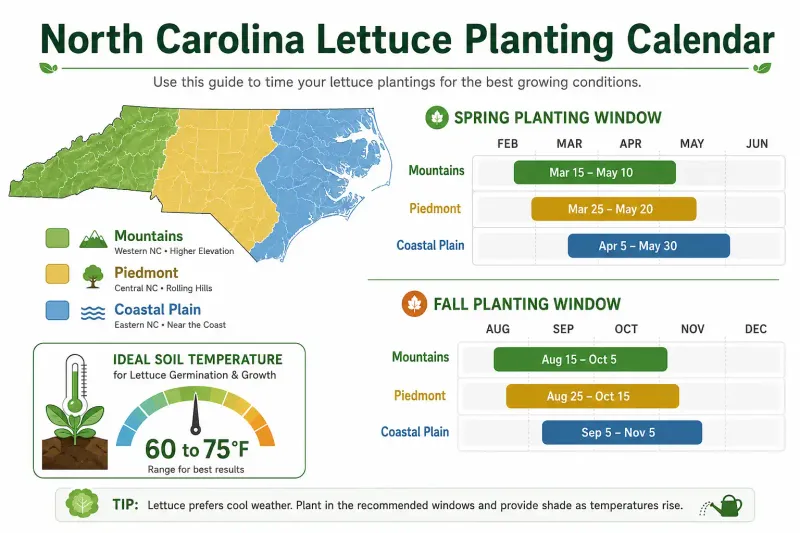
North Carolina stretches across three distinct growing regions, and the right planting window shifts meaningfully from one to the next. Gardeners who apply a single statewide date to their fall collard planting are likely to be either too early or too late for their actual conditions.
NC State’s vegetable gardening handbook places much of the Piedmont’s fall garden planting in August, with shorter-season leafy greens potentially delayed toward about September 1 where local conditions allow.
Coastal Plain gardeners generally have a longer warm season and can often push their planting window roughly 7 to 14 days later than Piedmont timing. The coast stays warmer into the fall, so an August planting that works well in Raleigh may land too early in Wilmington or Greenville.
Gardeners in the western part of the state face the opposite situation: elevation brings earlier frosts and a shorter window between summer heat and hard cold, so western NC gardeners typically need to plant roughly 10 to 20 days earlier than Piedmont timing to give collards enough time to develop.
The NC State Eastern North Carolina Planting Calendar offers region-specific planting dates that can help you anchor your timing to local conditions rather than a rough national estimate. Even within a region, the practical planting date shifts based on several factors worth thinking through before you put transplants in the ground.
Days to maturity for your chosen variety matters a great deal. A variety that takes 60 days to reach harvest needs to go in the ground 60 days before your preferred harvest window, accounting for your expected first frost date.
Transplants also establish faster than direct-seeded plants, so gardeners starting from seed in the garden should push their planting date earlier by roughly two weeks compared to those setting out established starts. Elevation, nearby structures that trap or release heat, and local microclimates can all shift your practical window by a week or more in either direction.
Treat the regional ranges as informed starting points and adjust for what you observe in your own yard each season.
Help young plants cross the last stretch of summer heat
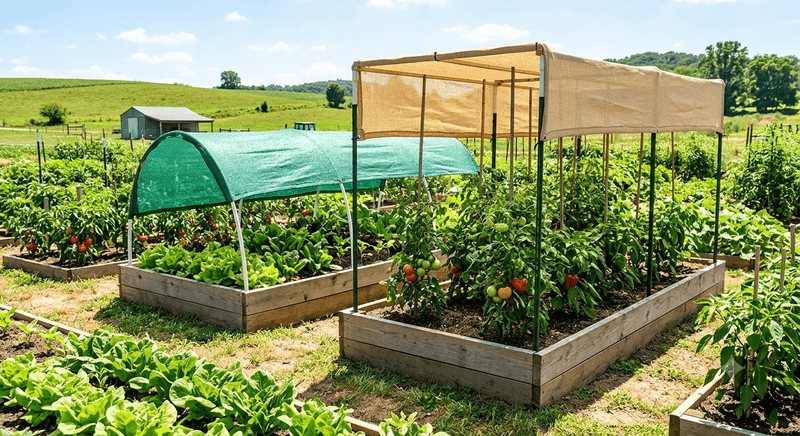
Getting the planting date right is only the first step. Young collard transplants set out in late summer still face several weeks of warm weather before temperatures ease, and how you support them through that stretch affects whether they establish well or struggle into fall.
Soil preparation is where this support begins.
NC State’s collard greens guide recommends fertile, well-drained soil with a pH of approximately 6.0 to 6.5, adequate nitrogen, and organic matter worked into the bed before planting. Collards that run short on nutrients during establishment are more likely to show stress, and stressed plants are more vulnerable to heat, pests, and disease.
A soil test before planting tells you what amendments your specific bed actually needs rather than requiring you to guess.
Consistent moisture during establishment is equally important. Young transplants have limited root depth and dry out faster than mature plants, especially when afternoon temperatures are still climbing.
Mulching around the base of each plant after transplanting helps on two fronts: it slows moisture loss from the soil surface and moderates soil temperature during the hottest part of the day. A 2- to 3-inch layer of straw or shredded leaves works well for this purpose.
NC State’s community food gardening handbook supports organic matter and good soil structure as foundations for healthy collard growth.
Temporary shade cloth can reduce heat and solar stress on newly transplanted starts during the hottest weeks. NC State’s Growing Food guide identifies shade cloth as a useful tool for protecting crops from intense heat and solar intensity.
The key word is temporary. Shade cloth left over plants as temperatures climb can trap heat at plant level and create more stress than it relieves.
Check under the cloth on warm afternoons and remove or prop it open when conditions warrant. These practices encourage steady growth through the transition period; they improve the odds of a healthy crop but do not promise any particular flavor outcome on their own.
Respond differently to heat stress, bolting, and cold
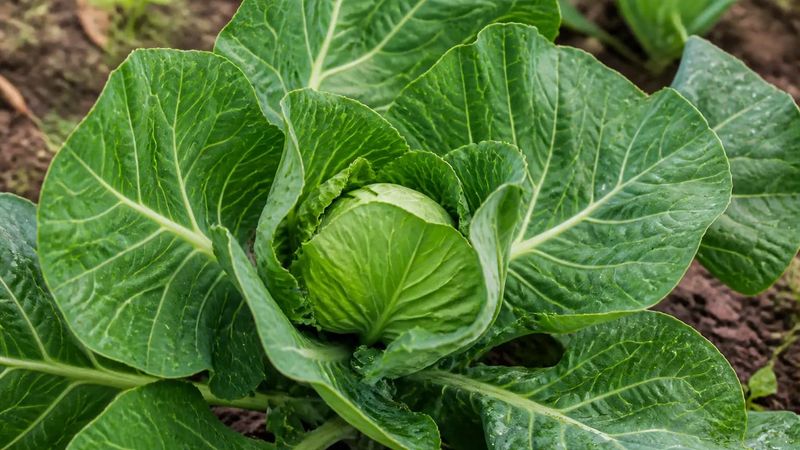
Several different problems can reduce collard quality, and treating them as the same issue leads to the wrong response. Rising heat is one trigger, but it works differently than bolting, and cold brings its own complications.
When temperatures stay elevated for extended periods, cool-season crops including collards can become stressed, and that stress can contribute to stronger or more bitter leaf flavor. Bolting, the process of shifting energy toward flower and seed production, is a related but separate event.
UF/IFAS explains that bolting redirects plant energy away from edible growth, which can make leaves tougher and less palatable. A plant can taste sharp or unpleasant without showing a flower stalk, and a plant can bolt without having been through an obvious heat spike.
Cold can also trigger premature flowering in some brassicas. University of Maryland Extension documents low-temperature-induced bolting in collards and related crops under prolonged cold conditions.
This is one reason that planting too early in the season, especially in western NC where cold arrives sooner, can create its own problems. When a flower stalk does appear, removing it may redirect some energy back toward leaf production in certain vegetables, but the reviewed sources do not support a promise that a bolted collard will fully recover its original tenderness or flavor.
Treat stalk removal as a management step worth trying, not a reset button.
Row cover and shade cloth are both useful tools, but they serve different purposes and carry different risks. Shade cloth reduces heat and solar load on plants during warm weather.
Row cover, by contrast, is better suited to two specific jobs: excluding insect pests and providing limited frost protection. NC State’s insect pest guide identifies row covers as a barrier against egg-laying diamondback moths, a real threat to collards in North Carolina.
NC State’s season extender guidance puts row cover’s frost protection at roughly 4 to 5 degrees Fahrenheit. Both covers must be monitored closely.
Row cover retains heat, and leaving it sealed over plants during a warm stretch can raise temperatures inside to damaging levels. Ventilate or remove covers when afternoon heat builds, and replace them as cooler nights return.
Choose a suitable cultivar and harvest before leaves toughen
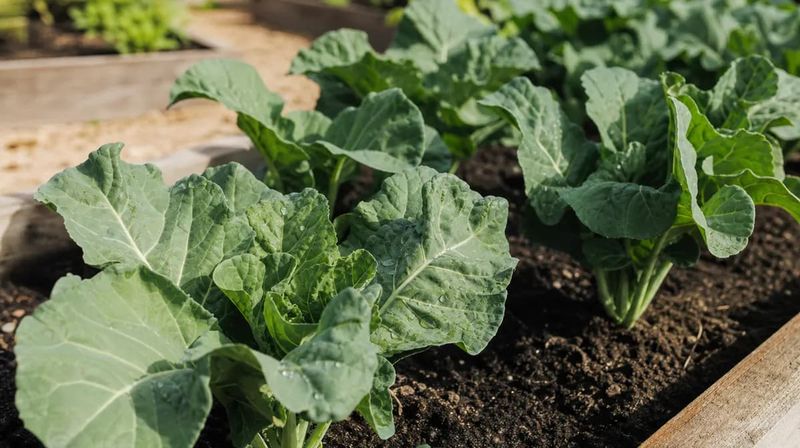
Planting on time into well-prepared soil sets up a good growing environment, but two more decisions shape whether the leaves on your plate actually taste good: which variety you grow and when you pick it.
NC State’s collard greens guide lists Vates, Carolina Improved Heading (sometimes listed as Morris), Georgia Southern, Blue Max, and Heavi Crop as varieties that have performed consistently in North Carolina conditions. These are not interchangeable.
Cultivar descriptions from the Cucurbit Genetics Cooperative show meaningful differences in cold tolerance, heat tolerance, leaf texture, and growth habit across named collard varieties. Some handle lingering summer warmth better than others; some hold quality longer into winter.
Choosing a variety rated for your region’s conditions gives you a better starting point, but no variety is immune to heat stress, bolting, pest pressure, or the effects of drought.
Harvest timing and technique matter just as much as variety selection. The UGA Extension collard harvest guide recommends removing the lower or outer leaves first while leaving the growing crown intact.
Harvesting this way keeps the plant productive and allows younger leaves to continue developing from the center. The guide identifies leaves under about 10 inches as especially desirable, describing them as more tender and mild than the large, older leaves lower on the stalk.
Letting leaves grow too large before picking increases the chance they will be tough or strong-flavored regardless of how well the rest of the season went.
Frost is worth mentioning here because UGA Extension’s winter gardening guide describes collards as most flavorful after frost or in colder weather. Some gardeners notice a milder, slightly sweeter quality in leaves harvested after a light frost.
That improvement is real for some crops in some seasons, but frost will not reliably reverse leaves that are already tough from overmaturity or stressed from bolting. Think of cool-weather harvest as a possible bonus, not a correction for earlier growing problems.
Use timing to stack the odds in favor of good flavor
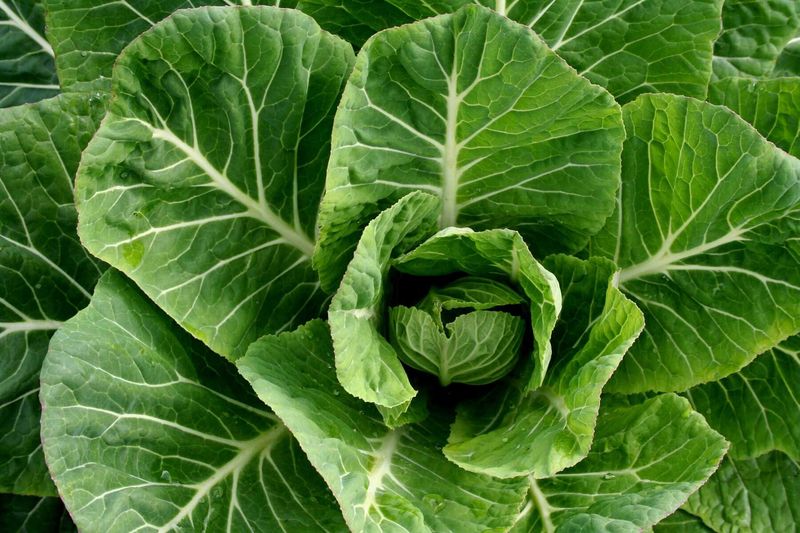
Every practical step covered in this article connects back to the same core sequence. Find your region’s recommended planting window using NC State’s vegetable gardening guidance, then count backward from your expected first frost using your chosen variety’s days to maturity.
Set transplants in fertile, well-drained soil with a pH near 6.0 to 6.5, mulch around the base, and water consistently through the first few weeks while summer heat is still present.
Use temporary shade cloth to reduce heat stress on young plants during the warmest stretch, and monitor row cover closely if you deploy it for pest exclusion or late-season frost protection. Harvest outer leaves early and often, keeping leaves under about 10 inches for the best texture and mildness.
Remove covers before they trap heat, and stay alert to signs of bolting as weather fluctuates.
NC State’s collard greens resource anchors the whole approach: collards grow best in cool seasons, and your planting date is the primary tool for arranging those conditions. Timely fall planting gives your crop a genuinely better chance to mature with good flavor, but cultivar, weather, moisture, plant stress, bolting, and harvest timing all shape the final result.
Good collard flavor is less a single decision and more a season-long conversation between the gardener and the growing conditions they help create.