
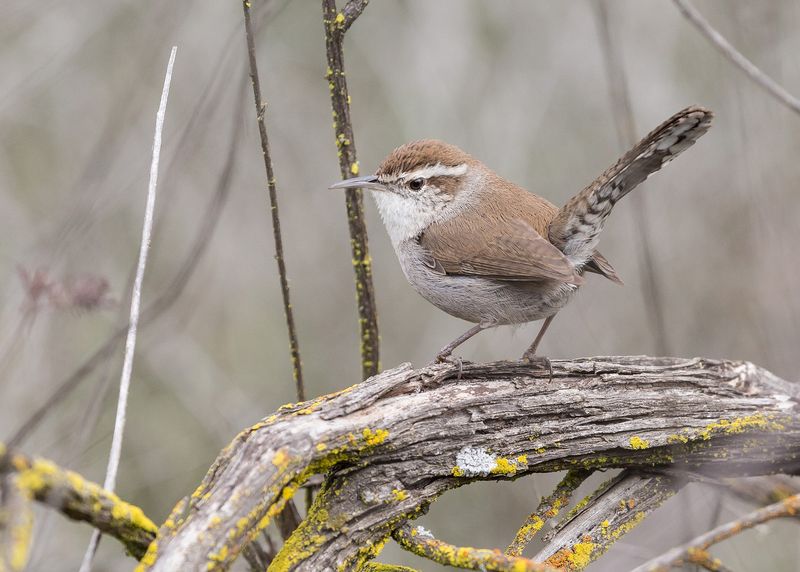
A small brown bird with a cocked tail and a bold white eyebrow stripe sometimes pokes around rose canes in California yards, and it is easy to assume it is cleaning up every pest in sight. That bird is almost certainly a Bewick’s Wren, and while it does eat insects and spiders, the science does not back up the idea that it reliably removes scale or spider mites from your roses.
What can genuinely drive a wren away from your yard is working around an active nest without checking first. Understanding what this bird actually does, and what one pruning habit can cost it, puts you in a much better position as a California gardener.
The wren in your roses is a visitor, not a guaranteed pest-control crew
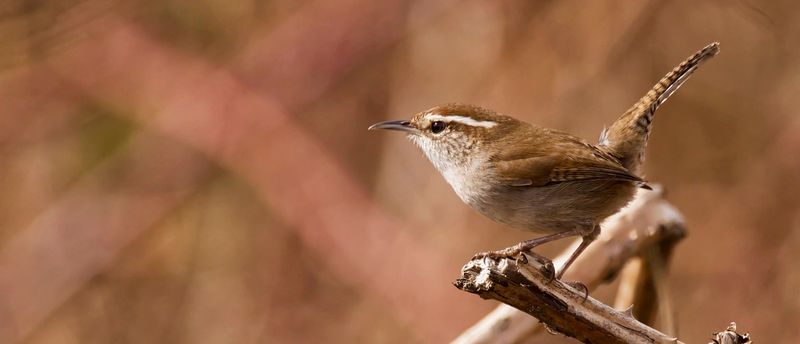
Spotting a small, energetic bird flitting through your rose bed is genuinely exciting, especially when you know it eats bugs. The bird you are probably watching is a Bewick’s Wren, one of California’s most recognizable suburban songbirds.
You can confirm the ID by its long tail, often held upright or slightly cocked, and the clean white eyebrow stripe that runs from the bill back across the head. Cornell Lab of Ornithology’s identification guide notes that in Southern California, Bewick’s Wrens can be confused with other brown wrens, so that white stripe and tail posture are the details worth checking.
Bewick’s Wrens forage in shrubs, bark crevices, branches, and leaf litter across a wide range of California habitats, from chaparral and open woodland to hedgerows and suburban plantings. Their documented diet spans beetles, ants, wasps, true bugs, caterpillars, grasshoppers, flies, and spiders, with nestlings receiving mostly caterpillars, spiders, grasshoppers, and insect pupae.
That is a broad menu, and it makes occasional foraging among rose canes entirely plausible.
Where the story needs adjusting is at the next step. A bird eating insects in your yard is not the same as a bird controlling a specific infestation on a specific plant.
Audubon’s species account describes a wide-ranging forager that covers multiple shrubs, trees, and ground areas within its territory. No wren settles onto one rose bush and works through every pest on it.
The practical takeaway is that a Bewick’s Wren in your garden is a welcome presence, but it is a visitor with a large territory, not a stationed pest-control crew.
Why scale and spider mites are different problems
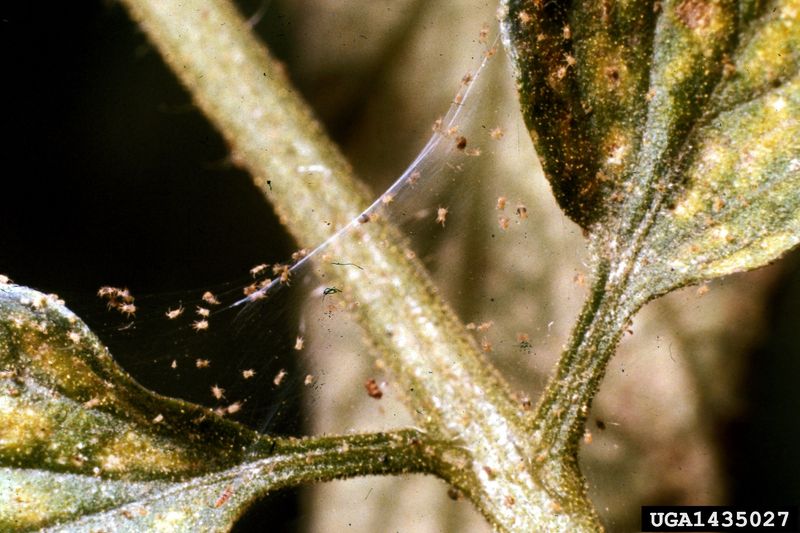
Scale insects and spider mites get lumped together as “rose pests,” but they are very different organisms, and that difference matters when you are deciding what can realistically control them. Armored scale insects spend most of their lives anchored under a hard protective cover on canes or leaves.
Spider mites are so small that most gardeners first notice the fine webbing or stippled leaf damage before they ever see the mites themselves.
UC IPM’s scale guidance identifies parasitic wasps, predatory beetles, lacewings, and other arthropods as the documented natural enemies that keep scale populations in check. For spider mites, UC IPM’s mite management page points to predatory mites, predatory insects, and other arthropod enemies as the primary biological controls.
Birds do not appear on either list as meaningful contributors to infestation suppression.
A Bewick’s Wren foraging near your roses might pick off a caterpillar or a beetle it spots on a cane. That is genuinely useful, and the bird is welcome for it.
But the wren is not equipped to locate armored scale beneath its protective cover or to find spider mites too small to see without magnification. UC IPM’s rose pest overview makes clear that responsible management of these two pests depends on monitoring, identification, cultural practices, conservation of arthropod predators, and appropriately labeled treatments when necessary, not on hoping a bird will handle it.
Treating the wren as a stand-in for that process leaves your roses unprotected.
A brushy California yard gives Bewick’s Wrens more to use
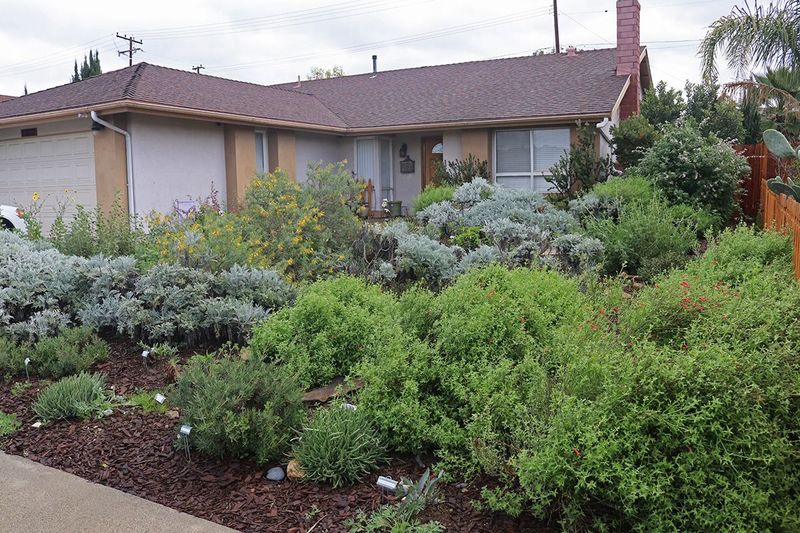
Supporting Bewick’s Wrens in your yard does not require turning your rose bed into a wildlife preserve. What the bird actually needs is a mix of cover and open foraging space, and most California homeowners can provide that without giving up a well-tended garden.
Cornell’s life history account describes the species thriving in brushy areas, thickets, scrub, open woodland, chaparral, and suburban plantings, especially where the landscape has some structural complexity rather than a completely uniform, clipped surface.
Native shrubs along a fence line, a modest brush pile tucked in a corner, or a hedgerow at the yard’s edge can all contribute. Cornell’s overview page notes that native shrubs and suitable cover may help make a yard more usable for the species.
These additions serve multiple purposes at once: they reduce the need for irrigation once established, support native insects, and provide the kind of layered habitat that a foraging wren can actually navigate.
One thing worth avoiding is the assumption that habitat improvement will direct wrens specifically to your rose bed or guarantee pest suppression there. A Forest Service account of Bewick’s Wren ecology describes birds with territories that span many plants and structures.
A wren may pass through your roses regularly if the surrounding yard offers cover, but it will also spend time in your neighbor’s oak, along a fence, or in a brush pile, and that is exactly how a healthy, wide-ranging insectivore is supposed to work. The payoff from habitat support is a more ecologically functional yard, not a targeted rose-pest service.
A nest box works best before nesting begins
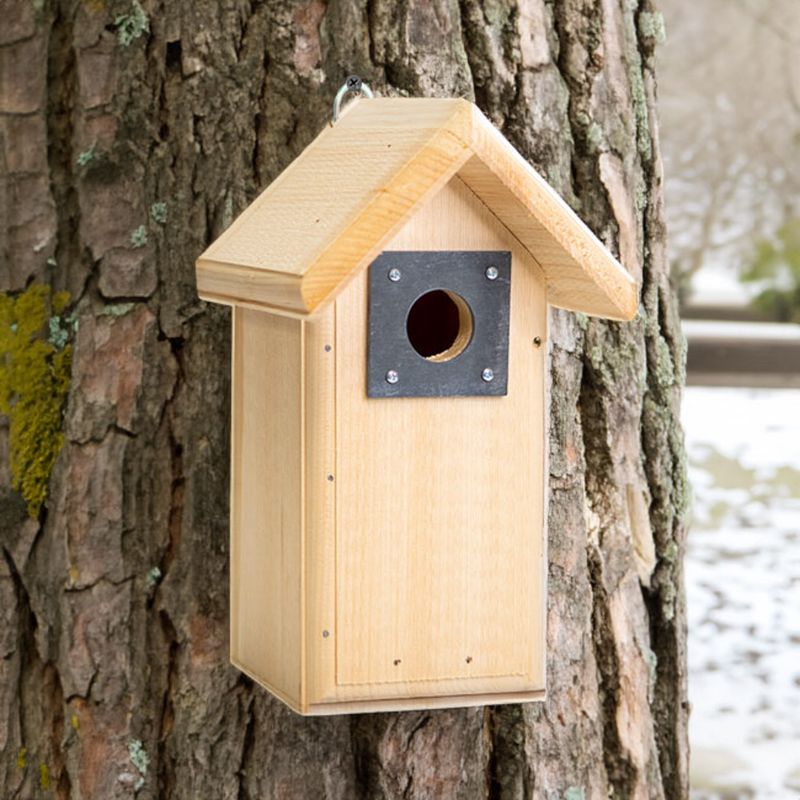
Putting up a nest box is one of the most direct things a California homeowner can do for Bewick’s Wrens, and getting the details right matters more than most people realize. NestWatch’s Bewick’s Wren box specifications call for a 1 1/8-inch entrance hole, roughly 8 inches of interior depth, and a 5 1/2-by-5 1/2-inch floor.
Placement should be 3 to 6 feet off the ground, near a woodland edge, a tree, or shrub cover that gives the birds a short, sheltered flight path to the entrance.
Cornell recommends installing the box well before breeding season begins and adding a predator guard to the mounting pole or post. A baffle or cone guard below the box makes a real difference because nest predation by raccoons, cats, and snakes is a documented cause of box failure, not just a theoretical concern.
Getting the box up in late fall or early winter gives wrens time to find it and consider it before they start prospecting for nest sites.
Timing is where California gardeners need to stay flexible. One Forest Service account reports Bewick’s Wren breeding activity from approximately mid-February through early August, with a peak from mid-May through late June, but that range varies by location, elevation, and seasonal conditions.
Relying on a single calendar date to decide when nesting is over is risky. A better habit is to watch the box directly: adults repeatedly entering, incubation posture through the entrance, or audible nestling calls are all signs that the nest is active, regardless of what month it is.
Box use or avoidance can also depend on predator pressure, competing species, heat exposure at the site, and how well the surrounding habitat suits the birds, so a box that goes unused one year is worth keeping up and reassessing.
The pruning mistake is working around an active nest
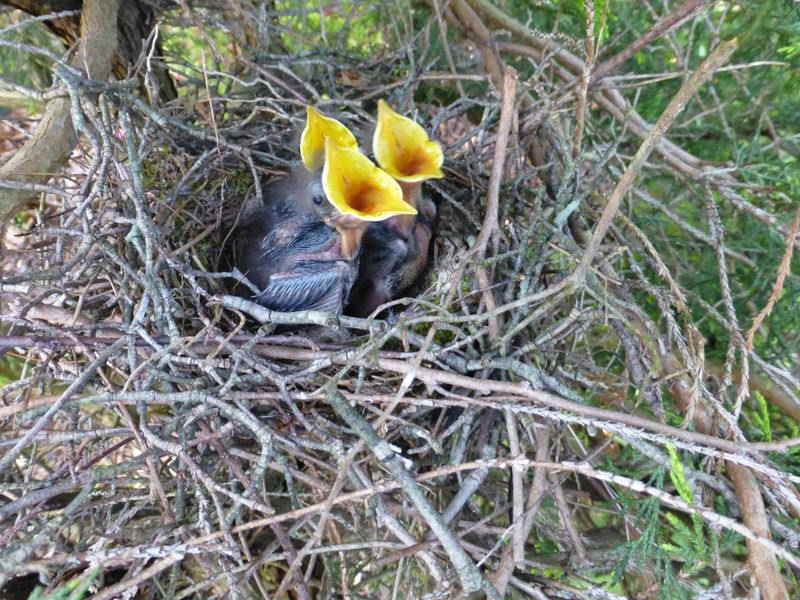
Pruning roses is a normal part of California garden care, and it does not automatically harm Bewick’s Wrens. The problem arises when pruning or vegetation clearing happens directly around an active nest or a nest box that birds are currently using.
That distinction is worth holding onto, because the risk is specific, not general.
NestWatch explains that moving an active nest risks stress, injury, and abandonment, and the same logic applies to cutting away the shrubs and canes immediately surrounding one. Removing nearby vegetation can strip the shelter and foraging habitat the birds depend on, expose the nest to temperature extremes, and make the site feel unsafe.
NestWatch’s code of conduct recommends minimizing disturbance around active nests, which means brief, careful monitoring checks are different from running hedge trimmers or loppers within a few feet of an occupied box.
Before starting any pruning or clearing work, walk the area first. Look for adults repeatedly flying into a box or dense shrub, listen for nestling calls, and check whether nest-building behavior is underway.
Any of those signs means the nest should be treated as active. Audubon California’s bird-friendly trimming guide advises stopping work in the immediate area when an active nest is found and not resuming until the nest is no longer active or qualified wildlife guidance has been obtained.
Active nest protections under California and federal provisions are nuanced: an active nest containing eggs, chicks, or dependent young cannot be destroyed without authorization, while an empty, inactive nest is treated differently. Because nest status is not always obvious from a distance, the conservative and practical approach is to pause work any time the status is uncertain and get a clearer picture before continuing.
No single pruning job will universally empty a nest box, but working around an occupied one without checking first is the specific habit worth changing.
California does not have one universal date after which all pruning is safe. The Forest Service’s account of Bewick’s Wren breeding shows a long season, and other species in your yard may nest at entirely different times.
A pre-work inspection takes only a few minutes and protects both the birds and you.
Protect the bird while you manage the rose
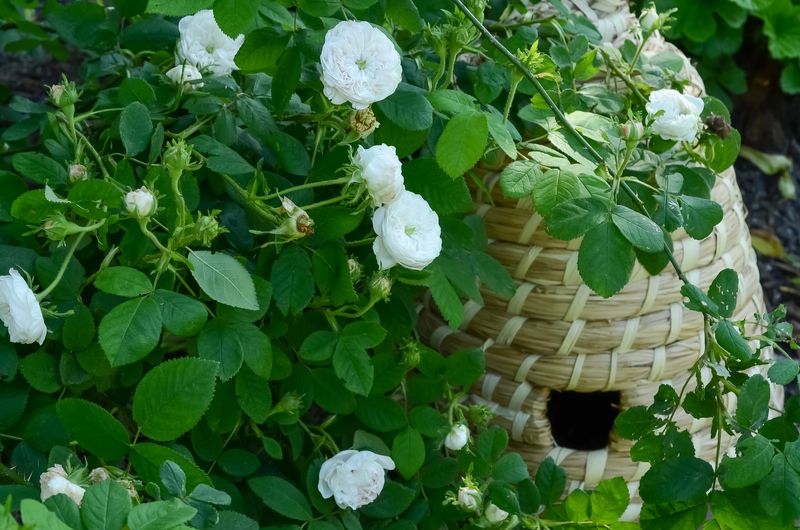
When scale or spider mites genuinely damage your roses, the wrens in your yard are not going to solve it, and waiting for them to try will cost you healthy canes. Responsible management starts with confirming which pest you actually have, because the approach differs.
For spider mites, UC IPM’s spider mite guidance starts with reducing plant stress, since drought- or heat-stressed roses are far more vulnerable. Controlling dust on leaves and directing strong water sprays at leaf undersides, where mites congregate, can knock populations back significantly without any chemical input.
If a treatment is still needed after those steps, insecticidal soap or horticultural oil can be used according to the label, but neither should be applied to a plant that is already heat- or drought-stressed, which is a real consideration during California summers.
Scale management follows a different sequence. UC IPM’s scale page recommends identifying the scale type first, then pruning off heavily infested twigs where that is practical, and conserving the parasitic wasps and predatory beetles that naturally suppress scale populations.
Managing ants that protect scale from their predators is also part of the picture. Horticultural oil applied at the right time and according to the label is an appropriate low-impact option when other steps are not enough.
Across both pests, UC IPM’s rose pest overview is consistent on one point: avoid broad-spectrum or persistent insecticides. Those products can kill the predatory mites, lacewings, and parasitic wasps that are actually doing biological control work in your rose bed.
Some insecticides can trigger mite outbreaks by eliminating the predators that kept populations in check, and systemic products can affect pollinators and beneficial insects well beyond the target pest. If you are trying to support insect-eating birds alongside your roses, broad-spectrum sprays work against both goals at once.
The practical rule is to prune for scale management only after checking for active nests nearby, then follow labeled low-impact treatments if cultural controls are not enough.
The better bargain is a healthy rose garden with room for wrens
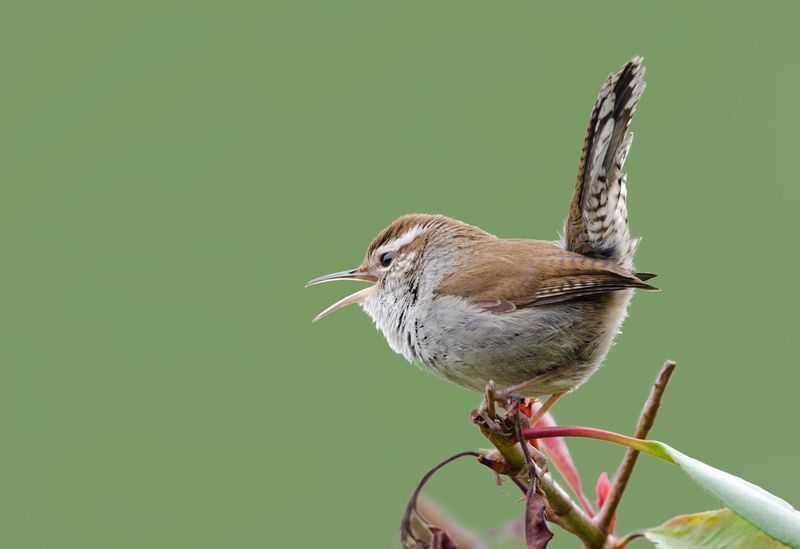
Bewick’s Wrens belong in a California yard, and a gardener who makes room for them is doing something genuinely worthwhile. Preserve brushy cover, keep native shrubs or a brush pile somewhere in the yard, install a correctly sized box with a predator guard well before breeding season, and walk the area before any pruning or clearing work begins.
Those steps cost little and return a more ecologically alive yard.
What those steps do not do is replace a pest management plan. UC IPM’s rose pest guidance is built around monitoring, identification, cultural practices, conservation of arthropod natural enemies, and appropriately labeled low-impact treatments when the situation calls for them.
Wrens can contribute to a diverse, functional yard, but assigning them a pest-control role the evidence does not support sets up your roses for avoidable damage.
If you find or reasonably suspect an active nest during pruning, Audubon California’s trimming guidance and NestWatch’s nest disturbance advice both point to the same response: stop work in the immediate area and wait until the nest is inactive or qualified wildlife guidance is obtained. The pruning habit worth changing is not rose pruning in general – it is cutting or clearing around an active nest without looking first.
Get that one step right, and the wrens and the roses can share the same California yard.