
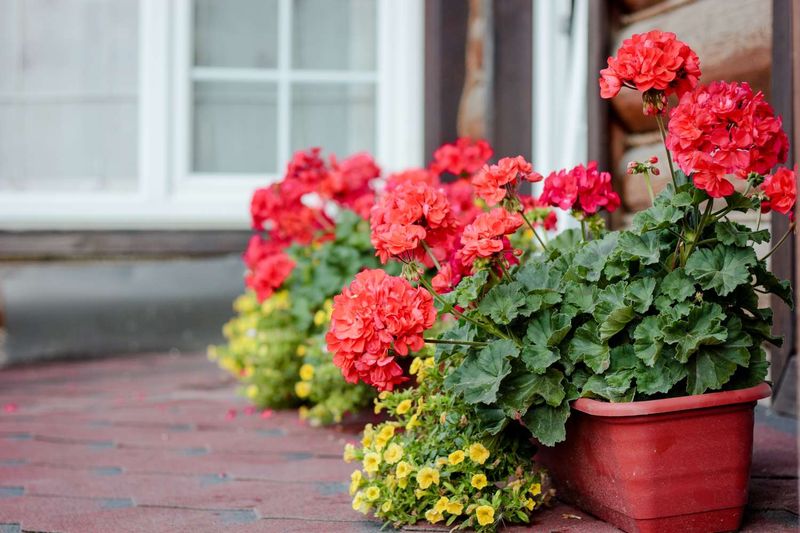
Potted geraniums can look tired by fall, with fewer flowers and leggy stems. A well-timed feeding may help a healthy plant keep growing and blooming a little longer.
It is only one piece of care, though, and it cannot stop a cold snap. Here is how to decide if your pots need food, and what else to check first.
Can a fall feeding help geraniums keep blooming?
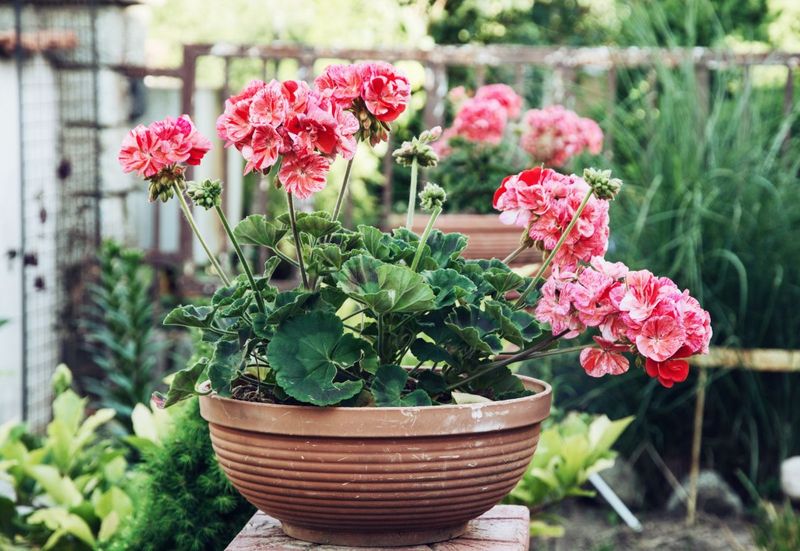
Feeding may help, but it cannot promise a new burst of flowers before frost. A geranium that is actively growing and short on nutrients may respond to fertilizer with steadier growth and continued blooms.
A plant that is stressed by poor light, soggy roots, or cold will not be rescued by food alone.
Florida guidance shows why fall is a useful time to think about feeding. In north Florida, UF/IFAS advice on zonal geraniums suggests cutting plants back and fertilizing in early fall to stimulate new growth.
In southwest Florida, UF/IFAS Extension in Charlotte County describes fall as the season when geraniums get going again.
Georgia is a different story. UGA Extension notes that fall flowering can continue in parts of the state, especially along the coast where frosty nights can be avoided with protection.
So think of feeding as support for a plant that is already willing to grow, not a switch that forces flowers.
Identify the geranium growing in your pot
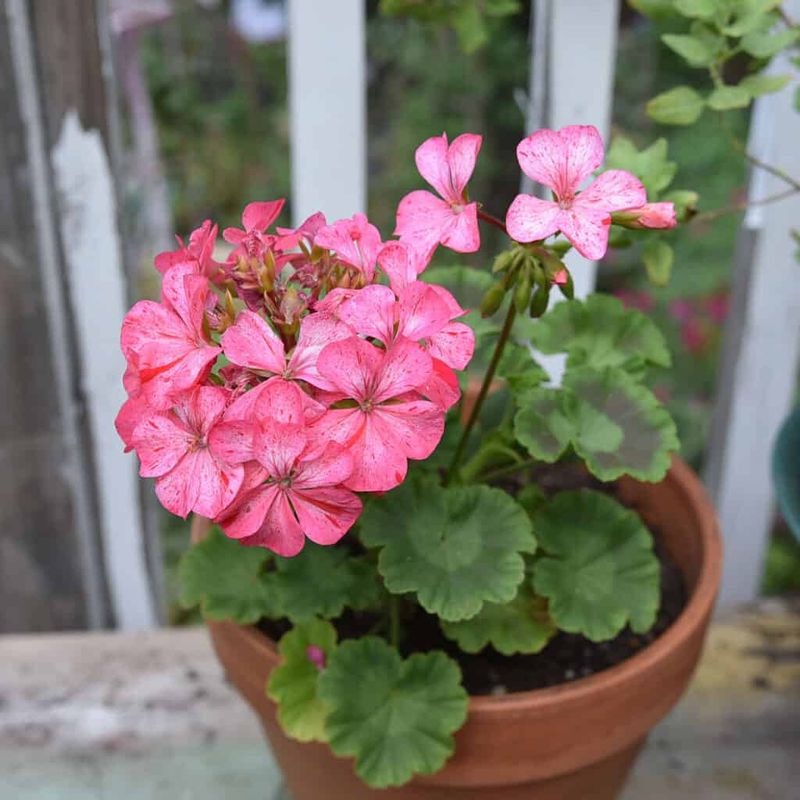
Most of the geraniums sold for pots and porches are really Pelargonium, not the hardy perennial Geranium (cranesbill) that grows in garden beds. The names overlap in everyday talk, but the plants do not behave alike.
Knowing which one you have keeps you from following advice meant for another plant.
Zonal types are the classic bedding plants with round leaves, often marked with a darker band, and tight flower balls. Ivy types trail over the edges of baskets, and scented types are grown mostly for fragrant foliage rather than showy blooms.
Regal, or Martha Washington, types have large ruffled flowers and different temperature preferences from common zonals, as described by Iowa State University Extension.
Check the plant tag or compare your leaves and flowers with photos. If you cannot tell, treat the plant gently and watch how it grows before changing its care.
Feed an actively growing plant by the product label
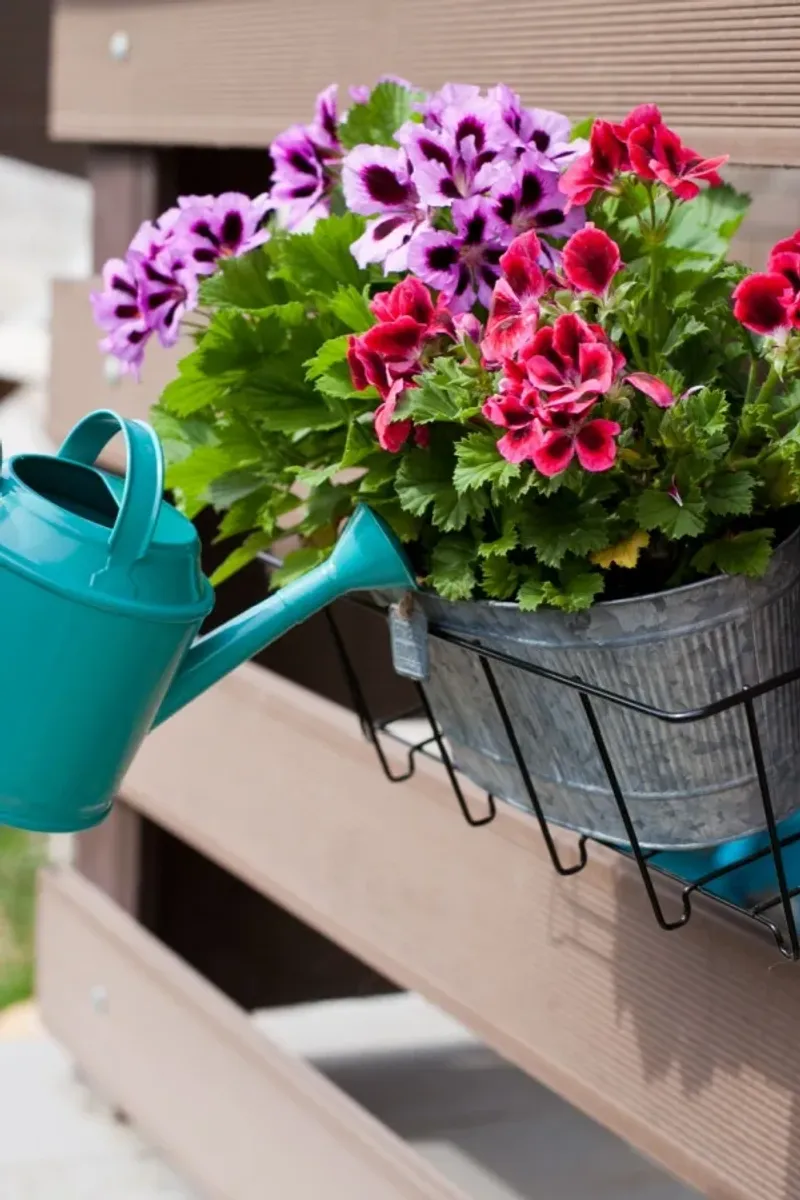
Before you reach for the fertilizer, look at the potting mix. Many bagged mixes and some slow-release products already contain fertilizer, so adding more on top could be too much.
Check the mix label and any earlier feeding you did, then pick one product and follow its directions.
Schedules in extension sources are examples, not rules. Iowa State suggests feeding container geraniums every two to four weeks, while UGA gives different intervals for liquid and dry products.
Nutrients can wash out of pots with repeated watering, which is why container plants may need feeding at all.
Only feed a plant that is actively growing. Never use extra or stronger doses than the label allows, because too much fertilizer can injure plants, as noted by UF/IFAS Extension in Charlotte County.
Extra nitrogen has also been linked to delayed flowering in North Carolina growers’ guidance.
A bloom-booster label is not a guarantee of more flowers, so choose by what your plant and mix actually need.
Check light, watering, drainage, and spent blooms
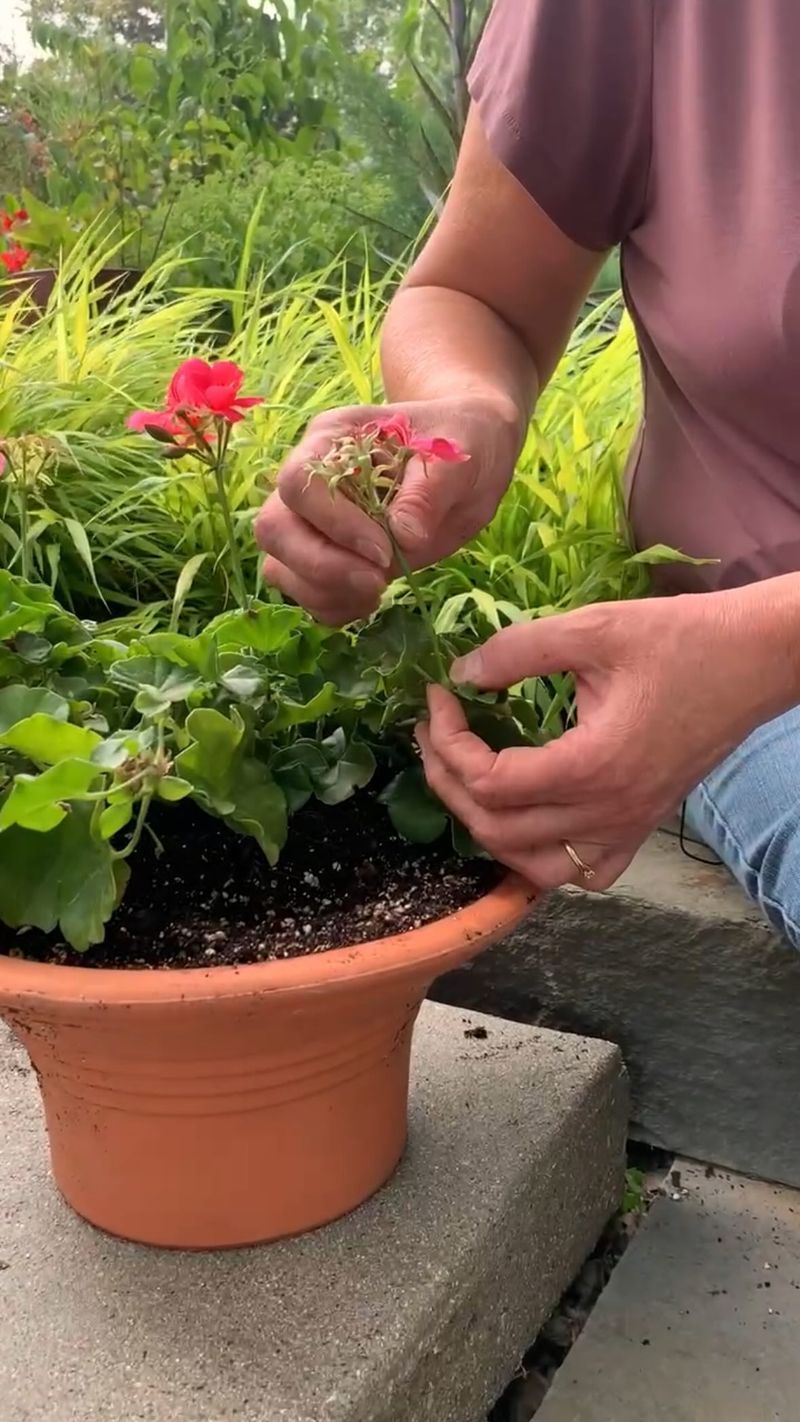
If a geranium is sulking, fertilizer may not be the problem. Few flowers on a plant sitting in deep shade often point to a light issue.
Iowa State notes that too little light can reduce flowering, so try moving the pot to a brighter spot.
Roots need air as much as water. Water when the top of the mix feels dry, and skip the saucer full of standing water.
Poor drainage and overwatering can harm roots, and UF/IFAS Extension cautions against soggy conditions. Yellowing lower leaves with a wet pot are a clue to ease off.
Faded flowers deserve a quick trim. Follow the spent flower stalk down and snap or cut it at the base, which keeps the plant tidy and may encourage more blooms, according to Illinois Extension.
Each of these fixes a different problem. Together they give a plant the best chance to keep flowering, though none is a guaranteed trigger.
Let local conditions set fall expectations
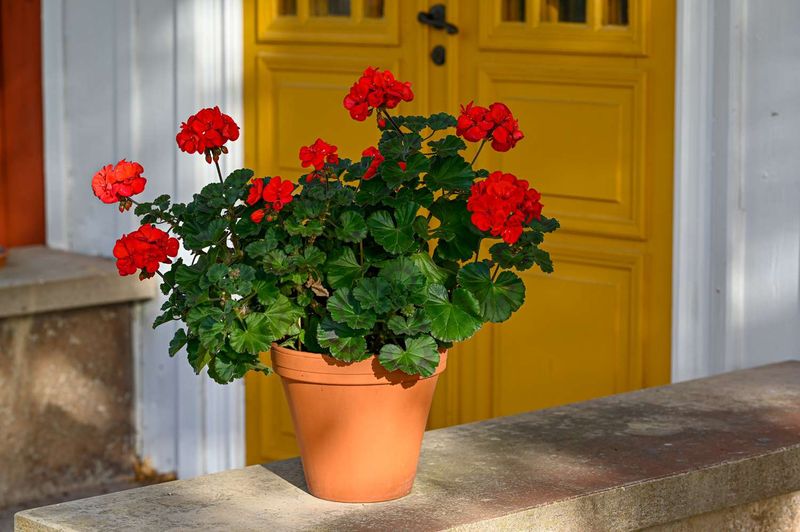
Fall does not arrive on the same day across the South. A gardener in north Florida, a coastal Georgia homeowner, and a Texas container grower each face different nights, sun, and heat.
Using one calendar for all of them would set people up for disappointment.
The cited guidance shows the range. UF/IFAS recommends fall planting in south and central Florida, and says north Florida plants may keep going through winter if brought indoors on cold nights.
In Georgia, UGA Extension says fall flowering can continue in some areas, especially the coast with frost protection.
Texas advice centers on heat. Texas A&M’s seasonal-color guidance lists geraniums as needing shade during the summer months, a reminder that summer exposure can leave plants stressed going into fall.
Watch your own plant. New growth, cooler nights, and healthy leaves tell you more about your flowering window than any regional date.
Protect potted plants before frost threatens
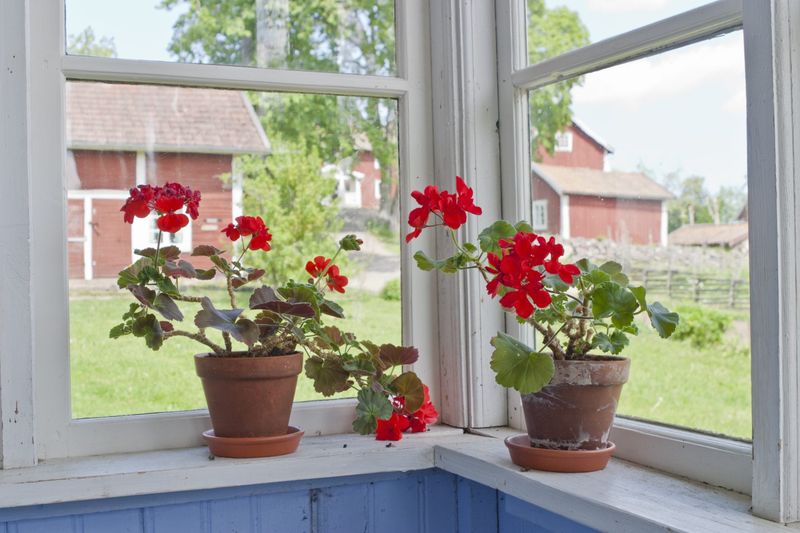
Frost is where fertilizer stops mattering. Outdoor geraniums are not built to keep flowering through a freeze, so the plan is to move them before the cold arrives.
Iowa State says the first hard frost kills outdoor geraniums and recommends bringing potted plants indoors beforehand.
Pots have a built-in advantage because they can be carried. Texas A&M AgriLife Extension advises moving container plants to a protected spot in cold weather, since roots in containers are more exposed.
A bright porch, garage window, or sunroom can work. In north Florida, plants may carry on through winter if brought indoors on cold nights, according to UF/IFAS.
Watch the forecast, and move pots the afternoon before a cold night rather than after it. Check local frost dates, since they vary widely across Florida and Texas.
Food can encourage fall color, but only a warm place can keep it alive.