

Every summer, a new “miracle plant” makes the rounds on social media, promising to clear your porch of mosquitoes without a single spray bottle. This season, catnip has been getting the attention, with claims that it beats citronella and keeps biting insects away just by sitting in a pot.
The reality is more interesting than the headline, and more useful once you understand what the research actually tested. Here is what Florida gardeners need to know before swapping their mosquito plan for a potted herb.
Catnip is the herb behind the claim—but the plant cannot make the promise
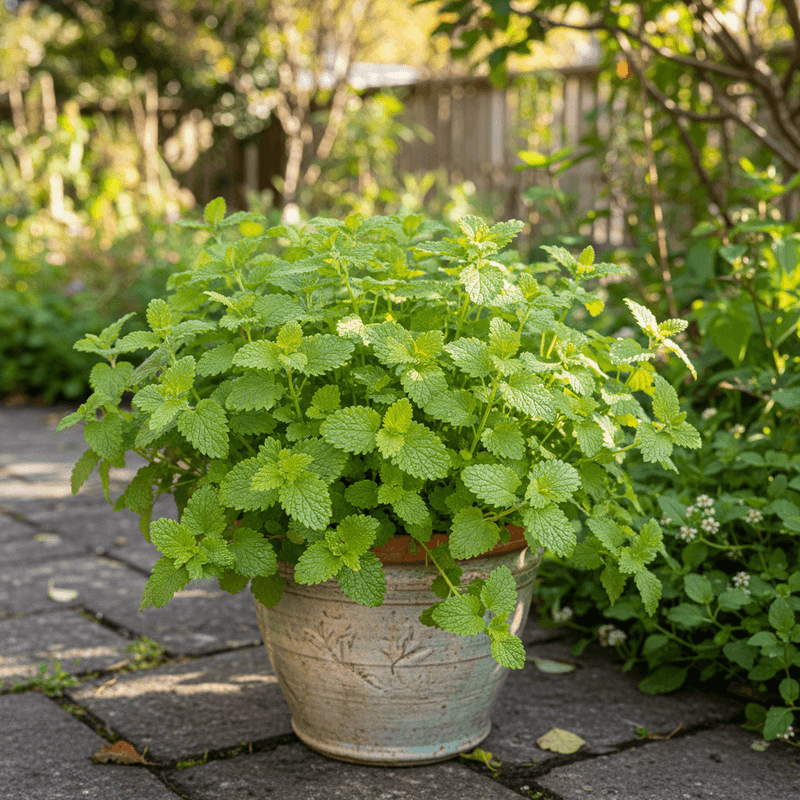
Catnip, known botanically as Nepeta cataria, is the herb most likely behind the viral claim about a Florida herb outperforming citronella on the porch. The plant belongs to the mint family and produces a compound called nepetalactone, which researchers have studied for mosquito-repellent activity.
That much is real, and it is genuinely worth knowing.
Where the story gets complicated is the jump from “this plant contains a promising compound” to “set a pot on your porch and mosquitoes will stay away.” Published research on Nepeta cataria and nepetalactone tests catnip oil, catnip extracts, or isolated compounds under controlled laboratory conditions. Those studies are not measuring what happens when an undisturbed plant sits in a corner of your screened lanai.
The distinction matters enormously for anyone making actual decisions about mosquito protection in Florida. A compound can show real activity in a lab test and still deliver almost nothing useful when it is locked inside a living plant’s tissues.
UF/IFAS experts have specifically cautioned that mosquito-repelling plants generally do little when left intact because the useful compounds are not released at concentrations high enough to matter outdoors.
This article will walk through what the catnip oil studies actually showed, why those results do not transfer directly to a porch, and what catnip’s realistic place in a Florida garden looks like. The original claim that a living catnip plant beats citronella and keeps mosquitoes off a porch is not supported by the evidence, and repeating it would not help anyone stay bite-free through a Florida evening.
What catnip oil studies actually measured
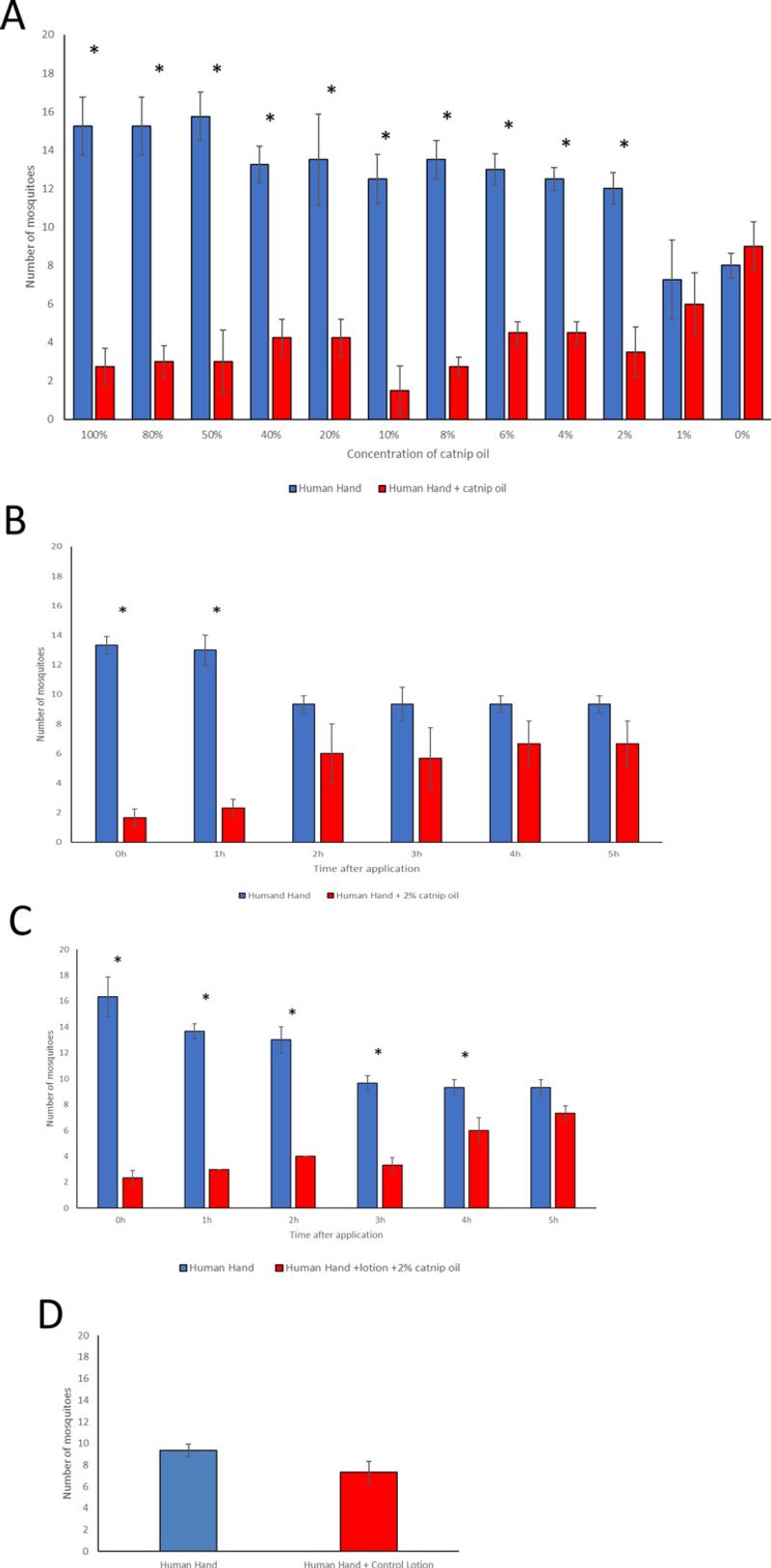
The strongest evidence for catnip as a mosquito repellent comes from studies that tested catnip essential oil, not the living plant. A 2019 study on catnip oil chemotypes found that certain preparations performed comparably to DEET against Aedes aegypti mosquitoes for roughly the first two hours in a laboratory landing-reduction assay.
That is a meaningful result, but it comes with several important conditions attached.
First, the researchers were working with a defined concentration of catnip essential oil applied under controlled conditions. The assay measured landing reduction, meaning how often test mosquitoes landed on a treated surface compared to an untreated one.
Maintaining that level of protection required reapplication, just as it does with most repellents. A two-hour window in a lab cage is also a different situation from a sweaty Florida evening where heat, humidity, and perspiration all affect how long any repellent holds up.
Second, not all studies reached the same conclusion. A human-volunteer study on nepetalactone, the primary active compound in catnip oil, found it less effective than DEET at deterring bites.
That result does not cancel the 2019 finding, but it does show that the outcome depends heavily on which compound is tested, at what concentration, against which mosquito species, and in what kind of test.
Species variation adds another layer. An Australian human-skin study using catnip extract found protection times that ranged from zero minutes for one Aedes species to several hours for a Culex species.
Florida hosts multiple mosquito species, including Aedes aegypti, Aedes albopictus, and various Culex species, so a result from one species in one location should not be read as a promise against every mosquito you will encounter on a July evening in Tampa or Jacksonville.
A potted herb does not deliver a controlled repellent dose
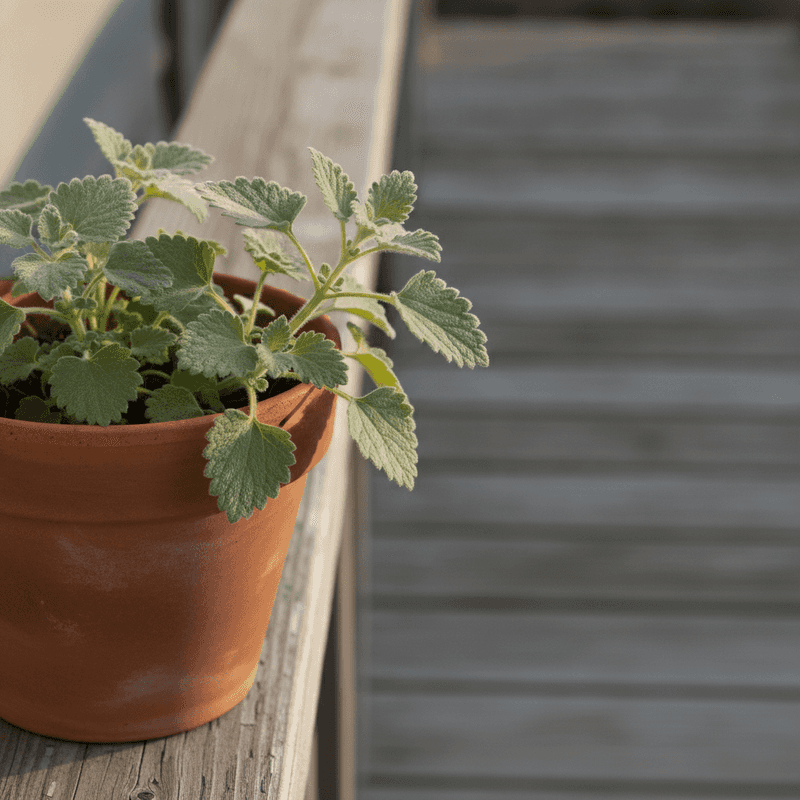
Laboratory results and porch reality sit far apart, and understanding why helps cut through a lot of plant-based mosquito hype. When researchers test catnip oil, they apply a measured concentration to a surface or a volunteer’s skin.
The oil is extracted, refined, and delivered at a dose that produces a detectable effect. A potted catnip plant on your porch does none of that.
An intact plant holds its volatile compounds mostly inside its leaves and stems. Some release happens naturally, but the amount that drifts into the air around your seating area is far below what researchers used in their assays.
UF/IFAS experts have been direct on this point: mosquito-repelling plants generally do not provide meaningful protection when left undisturbed because the compounds simply are not reaching the air at useful concentrations.
Some gardeners try to get around this by crushing or bruising the leaves, which does release more of the volatile oil. Crushed catnip leaves produce a noticeable scent, and that scent contains nepetalactone.
But crushing leaves in a pot is still not the same as applying a formulated product at a known concentration, and there is no validated protection time associated with the practice. The studies that showed two-hour comparable performance to DEET used defined concentrations of refined oil, not a handful of bruised herb.
The practical answer to the article’s central question is this: no reliable evidence shows that a living catnip plant, whether intact or lightly bruised, protects a porch-wide area from mosquitoes. The oil has real research behind it.
The plant, sitting quietly in its pot, does not deliver that oil in a way that translates to the protection the studies measured.
Catnip does not universally beat citronella

“Citronella” is one of those gardening words that gets used for several different things, and the distinction changes the whole conversation. Citronella oil is a concentrated extract with documented repellent activity.
Citronella grass (Cymbopogon nardus or Cymbopogon winterianus) is the plant that oil comes from. Then there are “citronella-scented” geraniums and other marketed “mosquito plants” that smell like citronella but are not the same thing at all.
UF/IFAS has specifically warned that the intact citrosa or citronella-scented plant is not an effective substitute for a concentrated repellent formulation.
Citronella oil itself does work as a repellent, but with limitations. A systematic review of citronella preparations found that protection is generally shorter and more formulation-dependent than DEET, and that adding vanillin to citronella formulations may extend the protection window against Aedes mosquitoes.
That is a real effect, not a myth, just one that requires the right product rather than a plant sitting in a pot.
When researchers compare catnip oil and citronella oil directly, the results are not a clean win for either. A study comparing multiple essential oils found that outcomes shifted with mosquito species and concentration, and that both catnip and citronella showed activity without either being consistently superior across all test conditions.
The evidence does not establish catnip oil as a universal winner over citronella oil, and it certainly does not establish that a living catnip plant outperforms a living citronella grass plant.
For Florida gardeners, the practical takeaway is this: both plants are interesting, both oils have some research support, and neither plant sitting in a pot is a substitute for an actual repellent. Choosing between them for porch decoration is a gardening decision, not a mosquito-control strategy.
Florida growing conditions complicate the easy-herb story
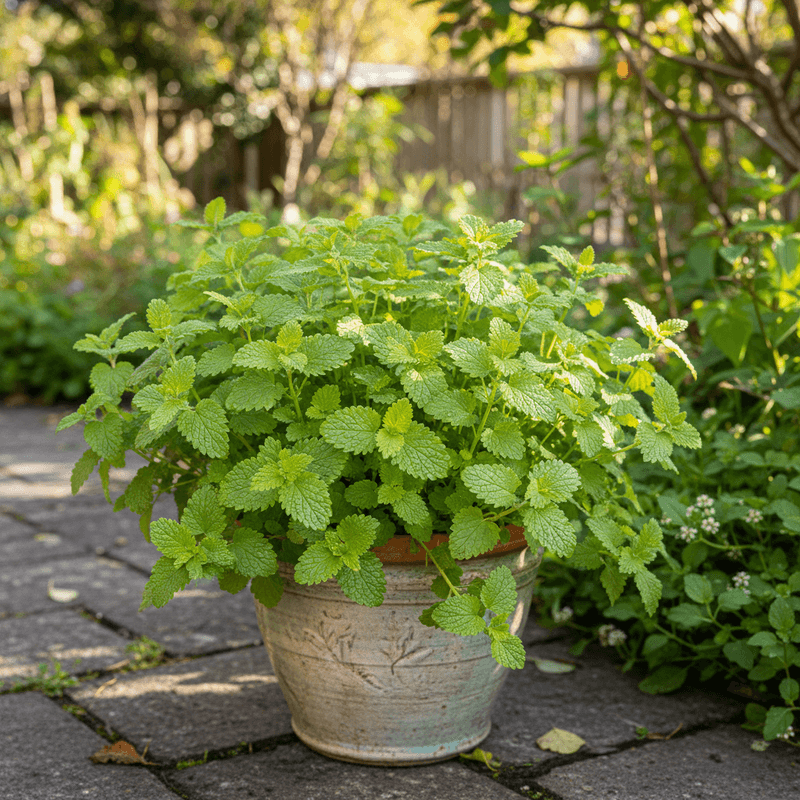
Catnip gets described online as a tough, adaptable herb, and in cooler, drier climates that reputation holds up reasonably well. Florida is a different story.
North Carolina Extension guidance on Nepeta cataria describes the plant as somewhat intolerant of heat and humidity, and recommends afternoon shade in hot, humid climates. That is the opposite of the “thrives anywhere in Florida” framing that tends to travel with the mosquito-repellent claim.
Catnip does prefer well-drained soil and can handle dry spells better than many herbs, which fits Florida’s sandy soil reasonably well. The challenge is the combination of high heat and persistent humidity that defines a Florida summer, particularly from June through September.
A plant that struggles in those conditions is not a set-and-forget addition to your porch; it will need monitoring and probably some afternoon protection to stay healthy enough to be worth growing.
The other complication is the plant’s behavior in the landscape. UF/IFAS material notes that catnip is nonnative to Florida, can spread aggressively if it escapes a container, and reliably attracts neighborhood cats.
On the positive side, the plant does provide pollen and nectar for beneficial insects, so it has genuine value as a pollinator herb if you manage it carefully.
Container culture is the smarter choice for most Florida gardeners who want to try catnip. A pot gives you control over soil drainage, lets you move the plant to afternoon shade when temperatures climb, and prevents the kind of aggressive spreading that can make a nonnative herb a nuisance.
Physical barriers or dedicated raised beds with edging work as alternatives for gardeners who prefer in-ground planting but want to keep the plant contained.
Use catnip as a garden addition, not a homemade skin repellent
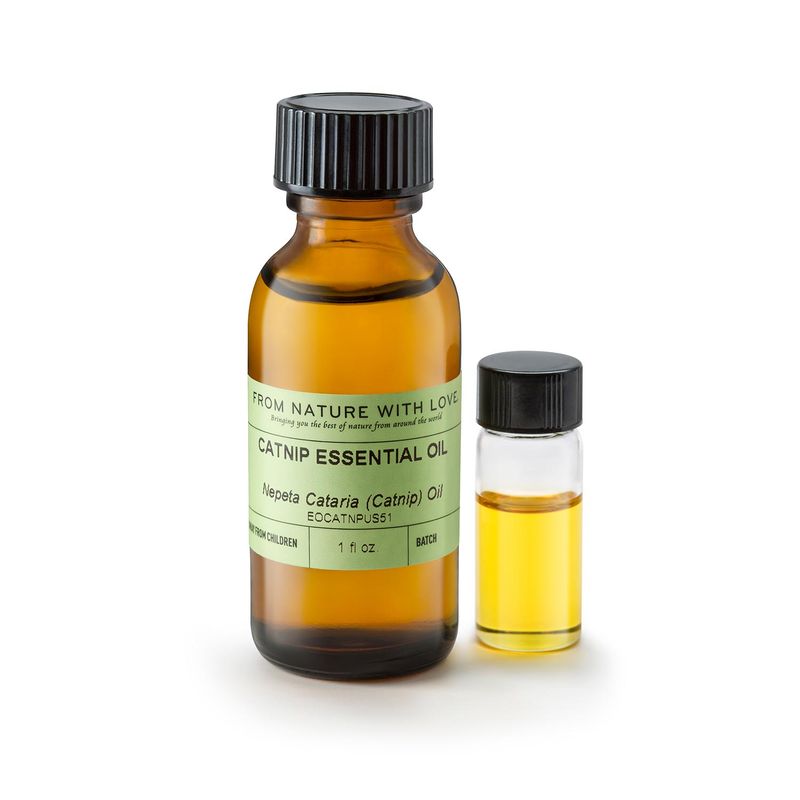
One of the more persistent pieces of advice that travels alongside catnip’s mosquito-repellent reputation is the suggestion to crush the leaves and rub them on your skin. The logic is understandable: the leaves contain nepetalactone, nepetalactone has shown repellent activity in studies, so why not apply it directly?
The problem is that crushed leaves do not deliver a standardized concentration, there is no validated protection time associated with the practice, and skipping directly to a DIY skin application bypasses the safety and efficacy testing that registered products go through.
The EPA lists catnip oil among active ingredients in registered skin-applied repellents, which is a meaningful distinction. That listing applies to products that have been formulated, tested, and approved for use on skin at defined concentrations.
It does not extend automatically to a live plant, a handful of crushed leaves, or a homemade spray made by steeping catnip in water or mixing the essential oil into a carrier. CDC guidance on mosquito prevention directs people to use EPA-registered repellents according to their labels, specifically because nonregistered natural products have uncertain and unvalidated effectiveness.
Pet safety adds another reason to avoid improvised catnip applications. The ASPCA notes that catnip can cause vomiting or diarrhea in cats when ingested in significant amounts.
That is relevant because cats are strongly attracted to the plant and may chew on it if it is within reach. Concentrated catnip essential oil raises the stakes further.
Pet Poison Helpline identifies essential oils as a category of concern for cats, with risks that go beyond what the live plant poses. Never apply essential oils directly to a cat or use them as an improvised flea or mosquito treatment on any pet.
Grow catnip in a container if you enjoy it as a garden herb. Appreciate its pollinator value and the pleasant scent when you brush against it.
Just keep it out of reach of pets that might overindulge, and reach for a labeled, EPA-registered repellent when you actually need mosquito protection.
The dependable Florida porch strategy uses more than plants

Mosquito control in Florida works best as a layered approach, and plants are not the strongest layer. The most reliable starting point is eliminating breeding habitat.
CDC guidance on mosquito prevention recommends emptying or scrubbing water-holding containers at least once a week, including plant saucers, birdbaths, pet bowls, buckets, and any outdoor toys that collect rain. Even a small amount of standing water can support mosquito development in Florida’s warm conditions, so this step matters more than any plant you could set on the railing.
Screens, protective clothing, and a registered repellent round out a practical defense. Long sleeves and pants are less comfortable in Florida heat but highly effective during peak biting hours around dawn and dusk.
An EPA-registered repellent applied according to its label, whether it contains DEET, picaridin, IR3535, or an oil of lemon eucalyptus product, gives you validated protection that no intact plant can match. UF/IFAS has been consistent in positioning habitat management, barriers, and registered repellents as the dependable tools, with plants as a supplementary feature at best.
Catnip earns a reasonable spot in a Florida container garden as a pollinator herb and a sensory-garden plant with an interesting research history behind it. Position it where afternoon shade can protect it from Florida’s peak summer heat, keep it contained so it does not spread, and make sure cats cannot get into it unsupervised.
Just do not count on it to stand guard over your porch. Catnip oil is a legitimate research lead; a potted catnip plant is a pleasant herb that has not been shown to beat citronella, protect a porch-wide area, or replace the tools that actually work.
The best porch evenings in Florida come from combining all of the above, not from betting on a single plant to do a job the evidence never assigned to it.