
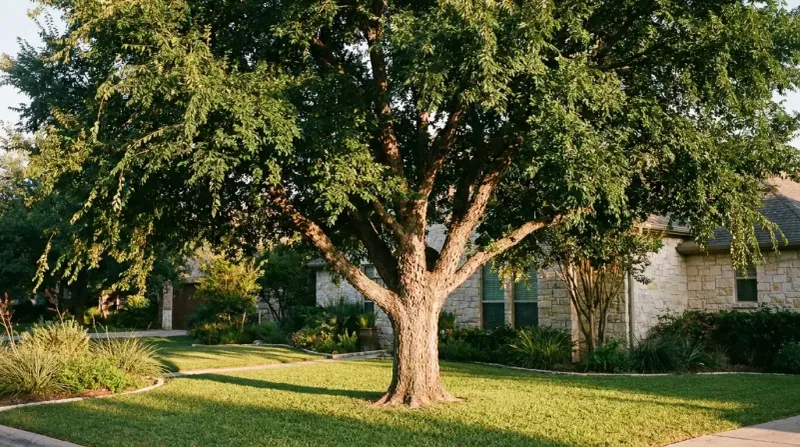
Triple-digit Texas summers make shade feel like a necessity, not a luxury. Many homeowners wonder which native tree could eventually take some of the sting out of those afternoons.
Cedar elm is one credible candidate, but it only works when the tree, the spot, and the timing all line up. Here is how to decide whether it fits your yard and how to plant it well this fall.
Cedar elm is one native shade-tree option
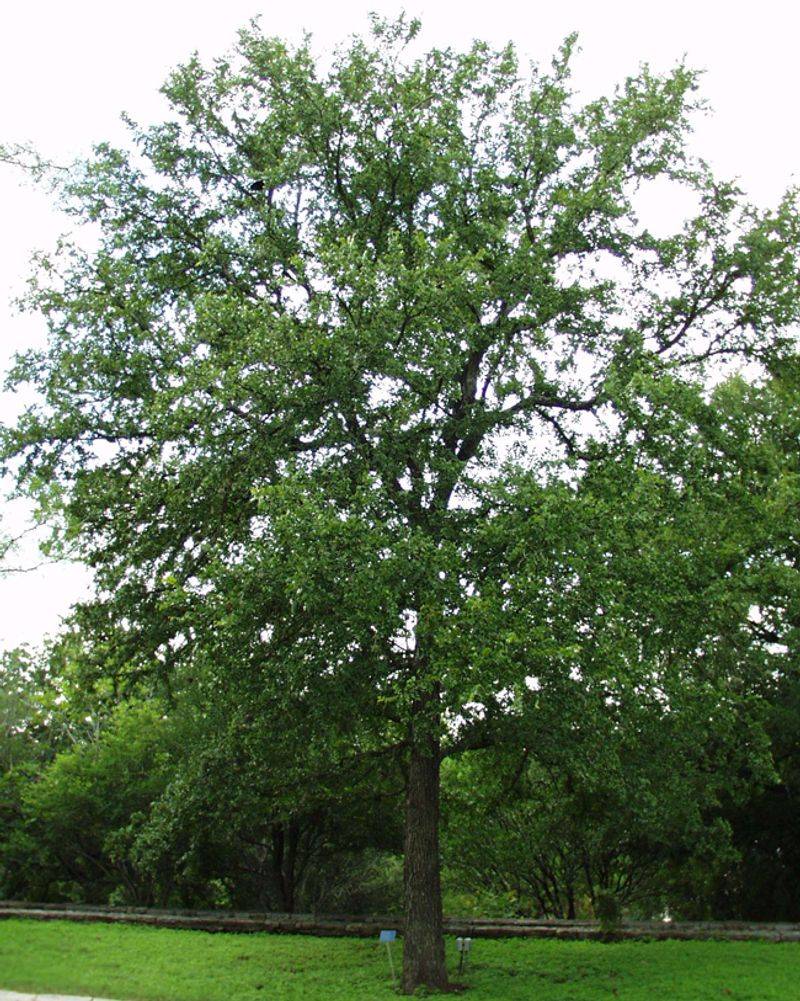
Cedar elm (Ulmus crassifolia) deserves a look from Central Texas homeowners who want a native canopy tree. Texas A&M’s Tree Selector profile describes it as a large Texas-native shade tree that tolerates drought, alkaline soils, and a variety of growing conditions.
Those are useful traits in a region with thin limestone soils, long dry spells, and summers that regularly top 100 degrees.
Still, those traits are reasons to investigate the species, not promises that it will thrive in every yard. A tree that does well in a deep clay lawn may struggle in a compacted new-build lot, and a large canopy tree needs room to grow up and out.
Your soil, drainage, and available space all shape the outcome.
The title you may have seen elsewhere suggested that homeowners are quietly planting one secret tree. There is no reliable evidence of that kind of trend, and no single tree is right for every Central Texas property.
Texas A&M Forest Service guidance on choosing the right tree for the right place points to several regional choices, depending on the site and what the homeowner wants from the tree.
Think of cedar elm as a strong candidate to compare against your yard, not a winner declared in advance. The next sections walk through how shade works, when to plant, how to read your site, and how to get the tree established.
How a mature canopy can shade a house
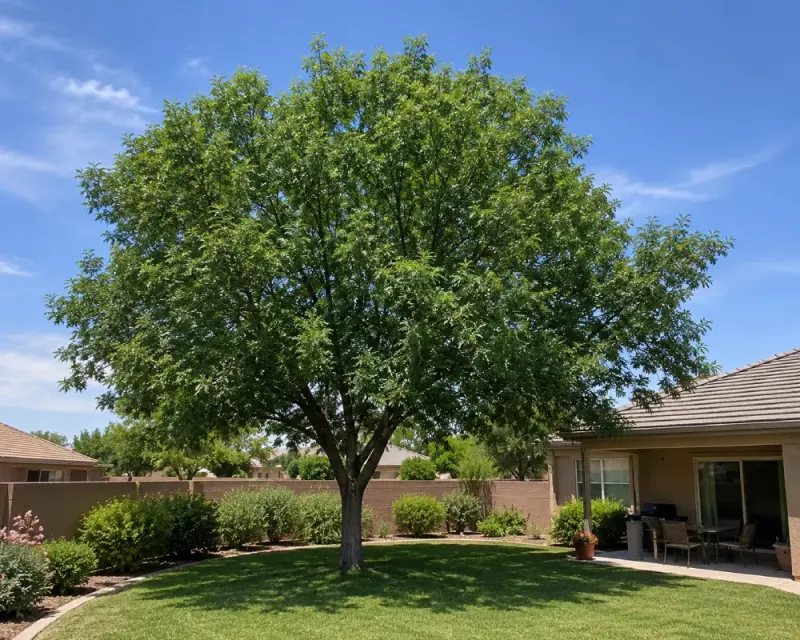
A tree cools a house mostly by blocking sunlight before it hits walls, windows, and roofs. The key word is mature.
A full crown spreads wide enough to throw real shade, while a young sapling mostly casts a small shadow on the lawn.
Research gives a useful starting point for placement. USDA Forest Service research on shade trees and energy identified west-facing exposure as an important target in its studied settings, since afternoon sun is the hardest to handle.
Another Forest Service piece, Energy savings with trees, explains that results depend on species, placement, climate, and the building itself.
Numbers from big studies are context, not a local promise. NIST reported an 18 percent summertime electricity reduction for a 30-year-old tree on the west side of a house in Sacramento.
That was an older tree in California, not a new cedar elm in Central Texas. Likewise, the national Forest Service estimate is an average across communities, not a guarantee for one home.
So walk your yard in the late afternoon and notice where the sun hits the house hardest. Picture where a wide, mature crown would fall, then plan around that spot.
No study gives an energy-saving figure for cedar elm here, so treat any cooling as a possible, longer-term benefit.
Fall is a planting window, not a deadline
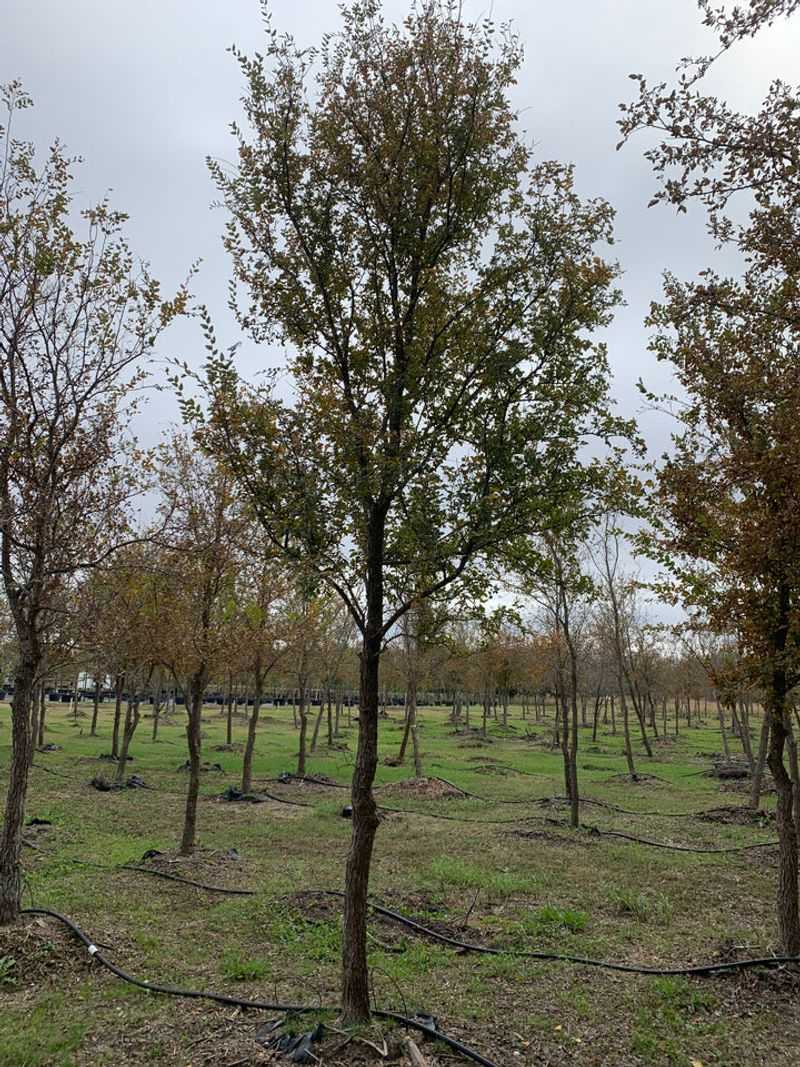
Autumn is a good time to get a tree in the ground, but it is not the only time. Texas A&M Forest Service gives November through early spring as the general Texas planting period.
That gives roots a stretch of mild weather to settle in before the next summer.
The USDA NRCS Texas tree-planting guide says late summer or early fall is optimal in many areas. These two sources are not fighting each other.
They describe slightly different windows because Texas is huge and conditions vary by region and by the type of planting stock, such as container-grown or bare-root trees.
For Central Texas, a practical reading is to aim for the cooler stretch of fall once the worst heat has passed. If September still feels like July, wait.
Planting into extreme heat stresses a young tree and means more watering just to keep it alive.
Use the calendar as a guide, then check the real weather. Ask your nursery what stock they carry and when it does best, and plan your site work ahead of time so you can plant on a mild day.
Match the tree to the planting site
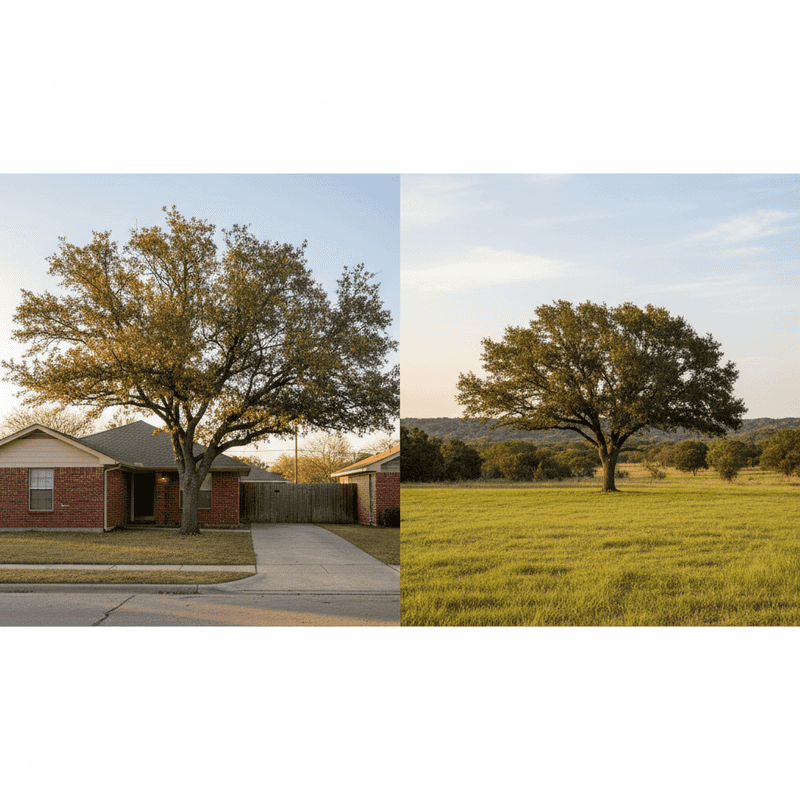
Before you fall for any tree, look hard at the spot. Start with mature height and spread, because a large shade tree needs room overhead and underground.
Ask what the crown will touch in 30 years: roofs, power lines, fences, or a neighbor’s yard.
Then check the ground. Notice whether the soil is shallow and rocky, heavy clay, or compacted, and watch where water pools after a hard rain.
Drainage matters as much as soil type, since roots need both moisture and air.
Call 811 before digging so underground utilities are marked. Texas A&M Forest Service cautions that a poor species and site match can lead to problems such as damaged sidewalks, driveways, or underground utilities.
There is no single safe distance from the house that works for every tree and yard, and no blanket rule about roots and foundations. Instead, weigh the mature size, the root space, and the shade you want to create.
If your goal is afternoon shade on a west wall, the tree has to sit where its crown can actually reach it.
The Texas Tree Selector lets you compare candidates against local conditions. Run cedar elm through it alongside a couple of alternatives before you buy.
Plant carefully to support establishment
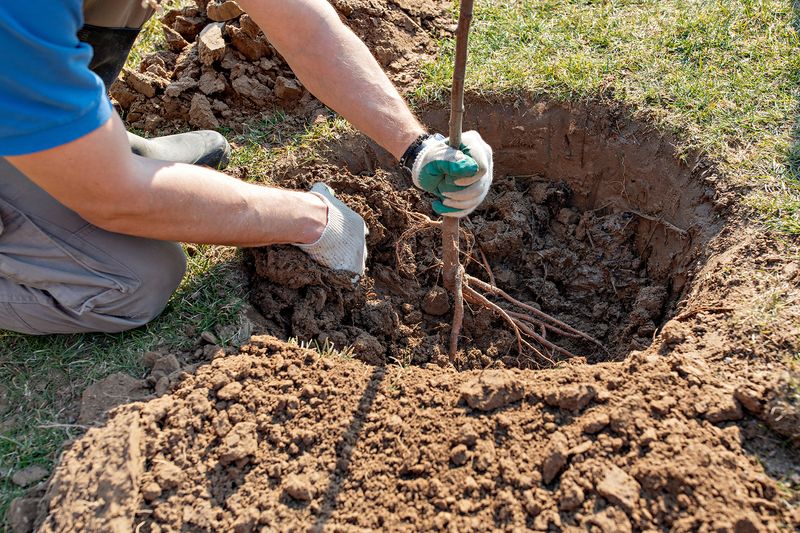
Good planting habits give a young tree its best shot. Texas A&M Forest Service planting guidance lays out a simple sequence you can follow step by step.
First, dig a hole at least twice as wide as the root ball, but no deeper. Set the tree so the root collar, where the trunk flares out, sits flush with or slightly above the surrounding grade.
Planting too deep is a common mistake that can hurt a tree for years.
Next, backfill with the original soil from the hole. Then spread 2 to 3 inches of mulch over the area, keeping it from touching the trunk.
Water thoroughly right after planting.
Skip the fertilizer during the first growing season. The tree needs to build roots before it can use a push of new growth.
The guide recommends watering for at least two years, but the right amount is not the same in every yard. Rainfall, soil type, and sun all change how fast the ground dries.
Instead of following a fixed schedule, push a finger or trowel into the soil a few inches down near the root ball, and water when it feels dry. During a wet stretch, hold off.
Other regional trees may fit different yards
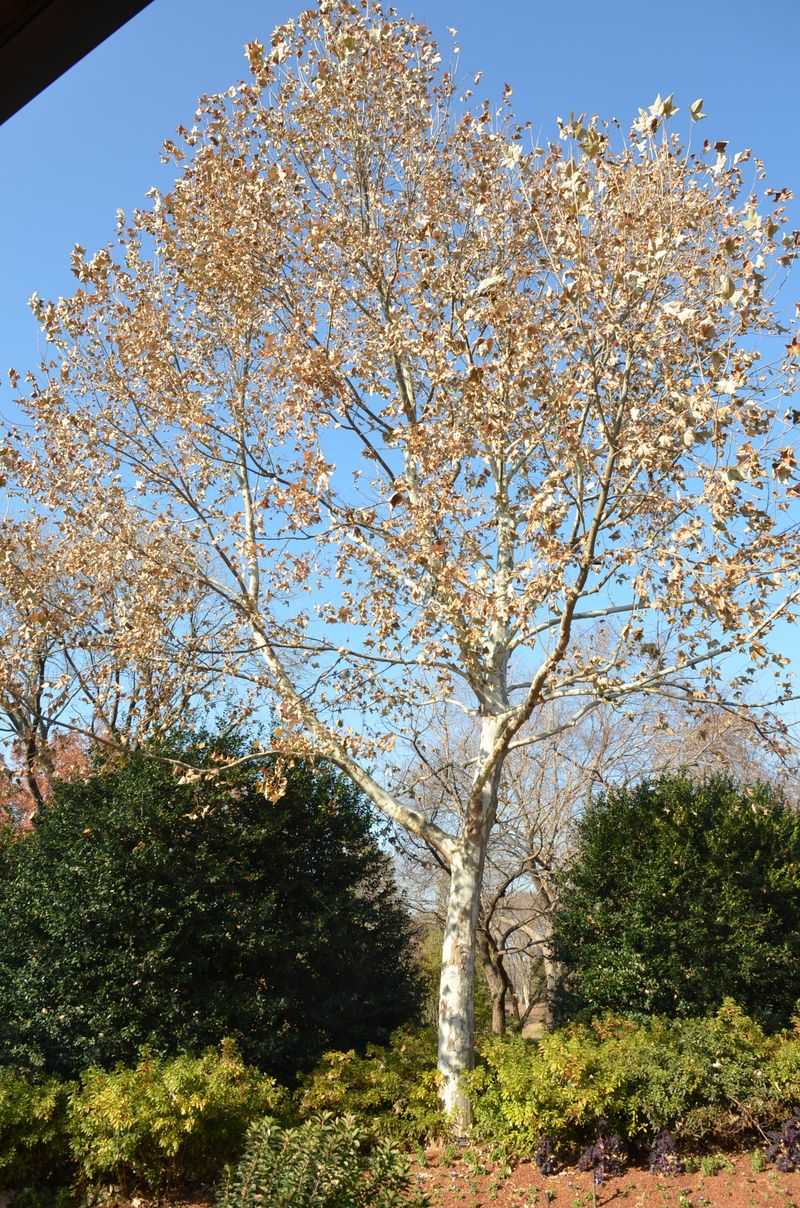
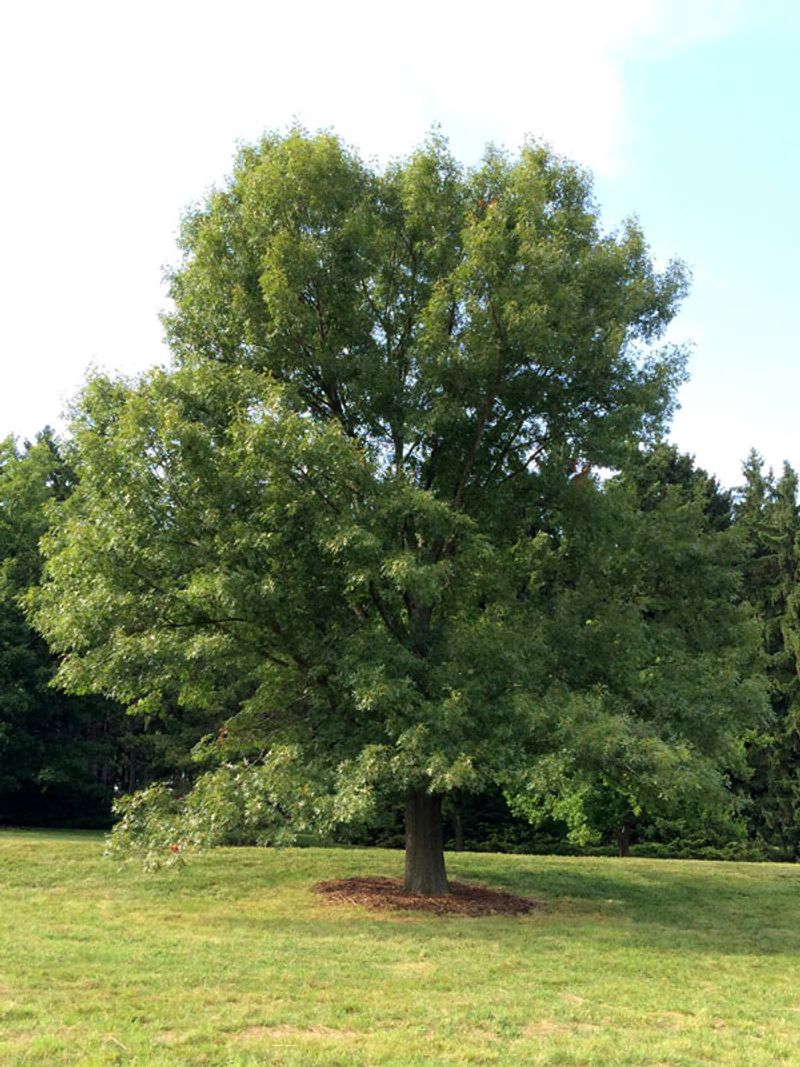
Cedar elm is not the only choice. The same Texas A&M Forest Service resource lists Lacey oak and Mexican sycamore among trees that can do well in Central Texas, depending on the site and your goals.
Some yards simply suit a different tree.
Lacey oak is a Texas-native option, but its Texas Tree Selector profile describes it as slow-growing and possibly hard to find in nurseries. If you want shade sooner, that is worth weighing.
If you can wait and find one, it may suit a tough, dry site.
Mexican sycamore appears on the regional list, but the sources here do not establish it as Texas-native, so it should not be treated as a native pick without checking its range yourself.
If you consider an oak, learn about oak wilt first. Texas A&M Forest Service says all oaks are susceptible, with red oaks most susceptible.
It advises avoiding pruning or wounding oaks from February through June, and painting any wounds immediately.
That warning applies to oaks. It is not a reason to assume every oak carries the same risk, and it does not describe cedar elm, which is not an oak.
Compare each candidate on its own profile, then match it to your yard.
Plan for future shade, not instant relief
Cedar elm is worth considering when its mature size and tolerances match your soil, your space, and what you want the tree to do. Any cooling comes from placement and time, as Forest Service research on trees and energy makes clear.
The best shade tree is usually planted years before you need it.