
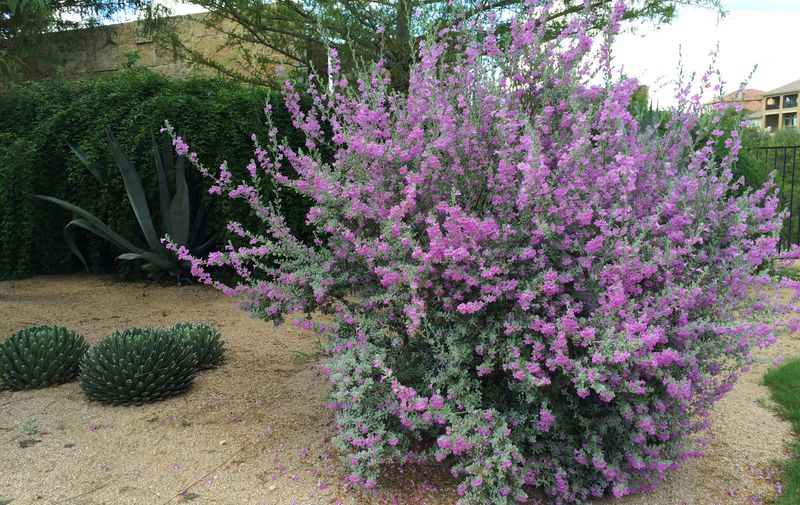
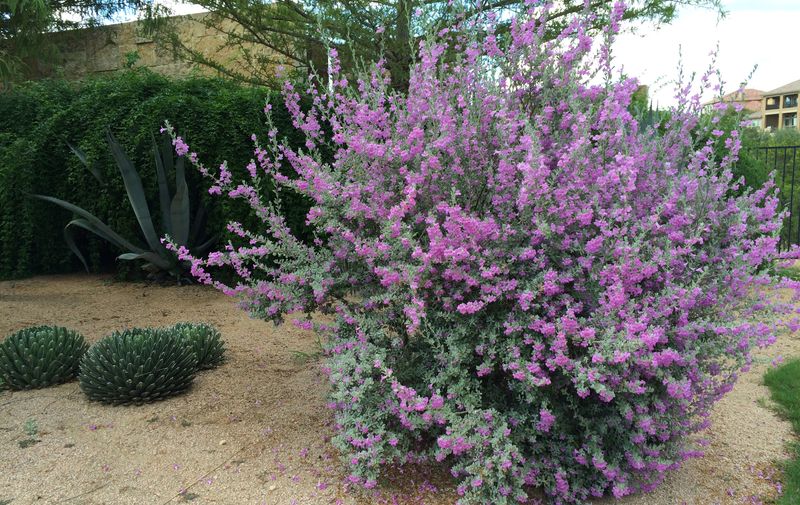
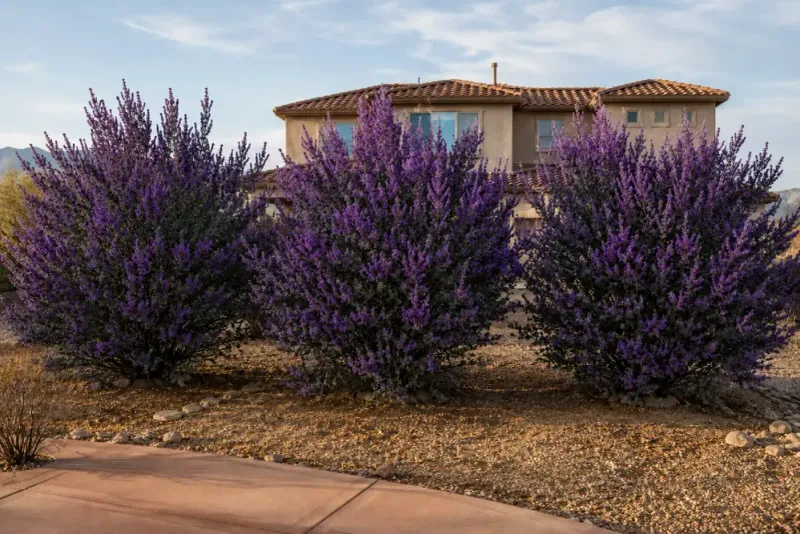
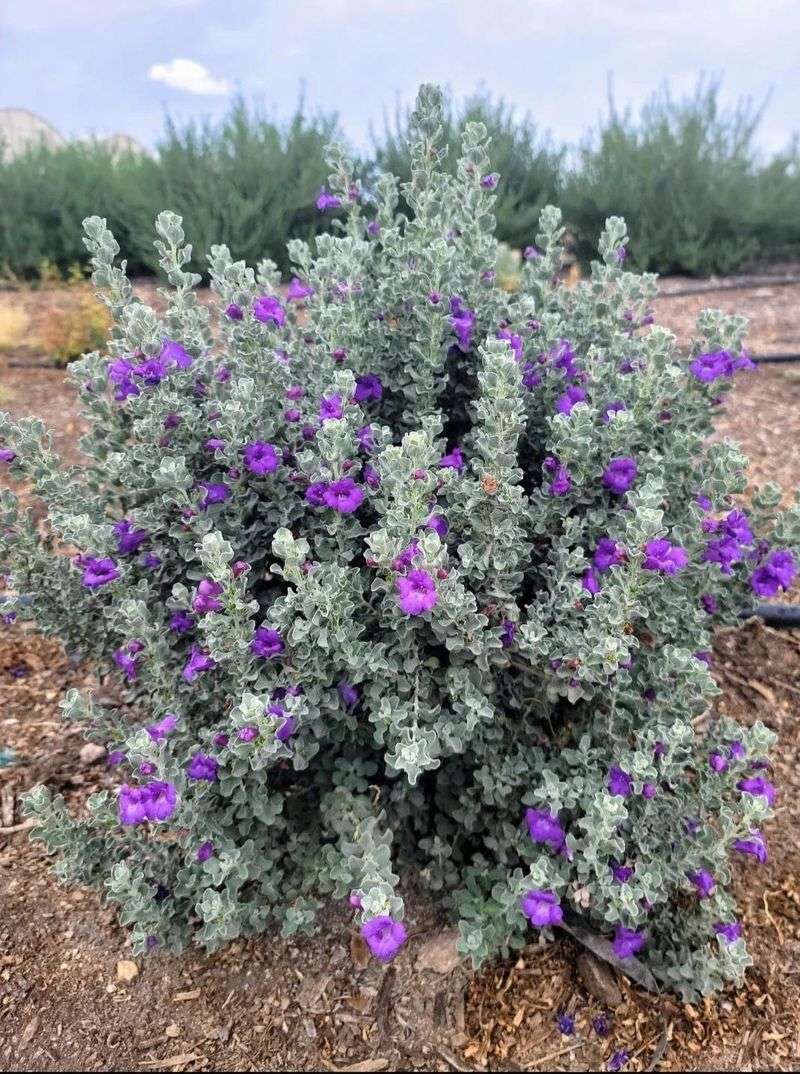
Silvery leaves and purple blooms make cenizo one of the most recognizable shrubs in Texas. Once its roots settle in, it asks for very little from you.
The trick is getting it through its first months the right way. Fall gives you a useful window to start, and a few smart choices now can pay off for years.
Cenizo’s low-maintenance payoff comes after establishment
Gardeners love to say a plant “practically grows itself.” For cenizo, that is shorthand for low routine care after the shrub has settled in, not for zero care on day one.
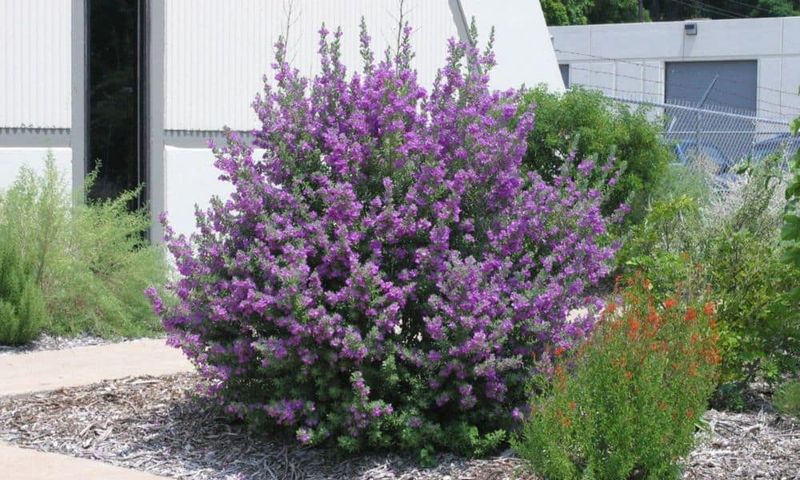
Cenizo (Leucophyllum frutescens), also called Texas sage or Texas ranger, is a Texas native with evergreen-to-semi-evergreen, silvery foliage and purple-to-pink flowers. Texas A&M range plant records describe a shrub that grows up to about 8 feet and does well in poor, well-drained soil, including rocky limestone and caliche sites.
Its appeal comes down to a short list: low water needs once established, little routine maintenance, and good looks through much of the year. The Native Plant Society of Texas also lists dry, well-drained soils as its preferred home.
One quick clarification before you shop. This Texas sage is not culinary sage and it is not a Salvia.
It belongs to a different plant family, so do not expect to harvest it for the kitchen or treat it like a garden salvia.
Think of the first season as the investment. A new cenizo needs attention while its roots spread, and the easy, hands-off reputation arrives after that.
Check whether your yard fits cenizo
Before you buy, walk your yard with three questions: how much sun does the spot get, how fast does water drain, and how much room is there? Cenizo wants full sun and soil that does not stay soggy.
Texas Tech’s plant profile notes it does not tolerate wet feet.
A simple drainage test helps. Dig a hole, fill it with water, and see how long it takes to empty.
If water is still sitting there many hours later, pick another spot or choose a different plant.
Texas native does not mean right for every Texas yard. NPSOT says its native range is concentrated in the Rio Grande Plain, Chihuahuan Desert, and Edwards Plateau, and growing it outside that range may take extra care.
That makes it a strong candidate for sunny, well-drained sites in central, south, and west Texas.
Then think about size. This is not a compact groundcover.
Sources report a mature height up to about 8 feet and a typical spread of 4 to 5 feet, as noted in Texas A&M’s listing.
Cultivars can differ, so read the nursery tag for the mature size of the plant in your hand. Keep it back from walkways, windows, and the corner of a patio where it would need constant trimming.
Fall can give roots a head start, not a guarantee
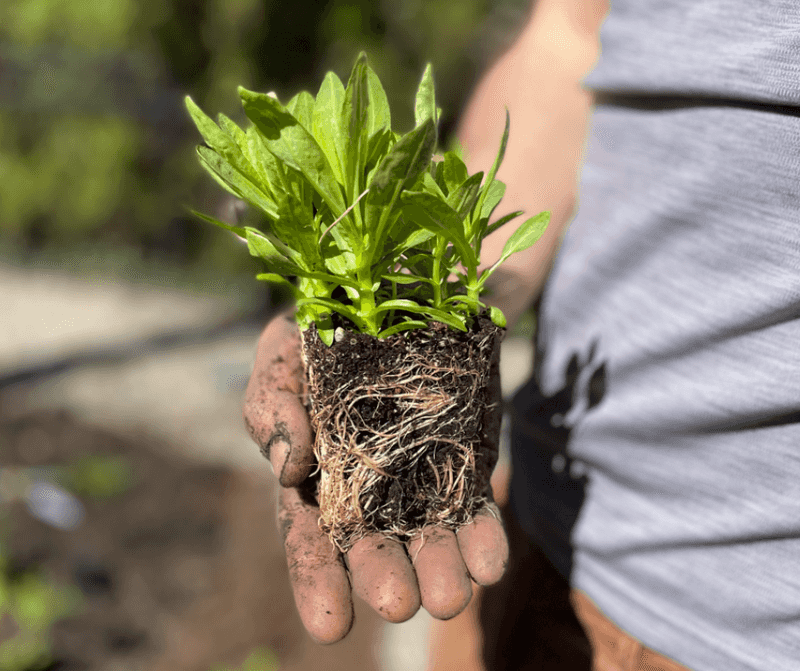
Autumn has a good reputation among Texas gardeners, and there is a reason. Master Gardener guidance for fall planting explains that woody plants set out in fall can grow roots before spring growth and summer heat arrive.
Warm soil and cooler air let roots work without the shrub also having to feed lots of new top growth. Texas A&M AgriLife Extension makes a similar point about fall planting.
Here is the limit on that advice. It is general guidance for woody plants, not a test showing that a fall-planted cenizo will be fully established by next summer.
Nobody can promise a date.
Results depend on your local temperatures, how well the site drains, how much rain falls, and how well you look after the plant afterward. A mild fall in San Antonio and an early cold snap in the Panhandle are very different situations.
So treat fall as a helpful head start. Plant when the worst heat has broken but the soil is still workable, and expect to keep an eye on the shrub well into the next growing season.
Plant cenizo high in a well-drained site
On planting day, keep things simple. Pick the sunny, well-drained spot you already tested and dig a hole that is wide but not overly deep.
Digging too deep can leave the plant sinking into a pocket where water collects.
Set the root ball so the top sits at or slightly above the surrounding soil level. Guidance from a Texas A&M AgriLife horticulturist recommends this approach and cautions against amending the planting hole for large shrubs and trees.
Backfill with the soil you dug out. Amended soil can make the hole act like a bathtub, which is the last thing a cenizo wants.
Gently loosen circling roots if the plant is pot-bound, then fill in around the roots and water to settle the soil and remove air pockets. A Texas AgriLife planting guide for native shrubs covers this basic sequence.
If the soil settles and the plant dips below grade, lift it and add soil underneath. A slight mound is better than a dip.
Check moisture while the new shrub establishes
Drought tolerant describes a mature cenizo. A fresh planting has a small root system and cannot yet reach far for water.
Water thoroughly at planting, then check moisture during dry periods. Texas AgriLife guidance points to checking both the root ball and the surrounding soil, because the two can dry at different rates.
Push a finger or small trowel a few inches down in each spot. If the root ball is dry while the surrounding soil is damp, or the other way around, adjust accordingly.
There is no single schedule that fits every yard. Master Gardener fall planting advice ties watering needs to rainfall, soil type, and plant size.
A sandy bed in a dry week needs more attention than a clay-leaning bed after a soaking rain.
Watch the plant too. Wilting or drooping leaves during a dry stretch is a cue to check the soil.
Soggy soil with drooping leaves is a cue to stop watering and look at drainage.
Aim for thorough soaking when you do water, then let the soil dry back instead of keeping it constantly wet.
Keep care restrained once cenizo is established
Once roots are settled, the best thing you can do is hold back. NPSOT warns that cenizo is susceptible to cotton root rot if kept too wet, and it does not need fertilizer.
Extra water and extra feeding are more likely to hurt than help.
Pruning is optional. A little selective pruning can tidy the shape if you like, but the shrub does not require a routine haircut to do well.
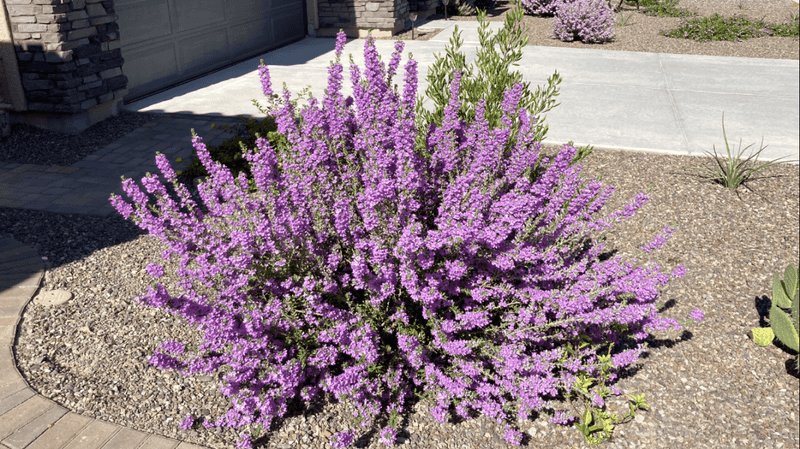
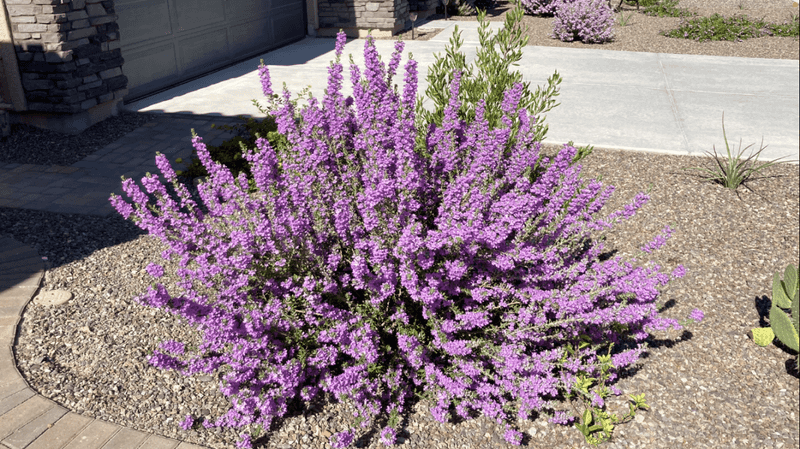
Then there are the flowers. Texas A&M reports a typical May through October bloom period, but blooms come and go and often show up after rainfall.
Do not count on a set display on a set date.
You may hear that cenizo predicts rain. Texas Standard reports that experts found no official research establishing a reliable link, so enjoy the folklore but keep using a real forecast.
The shrub does offer some wildlife value. NPSOT lists nectar for butterflies and other nectar insects and larval-host benefits.
That is a nice bonus, not a replacement for a varied pollinator planting.
Match the plant to the site before you plant
Plant cenizo only where you have full sun, soil that drains, and room for a shrub up to about 8 feet tall, as NPSOT describes. Use fall as a possible head start if local conditions allow, though fall guidance does not guarantee establishment by any date.
Keep checking moisture while it settles, following AgriLife’s planting advice. The easy years come to the gardeners who handle the first one well.