
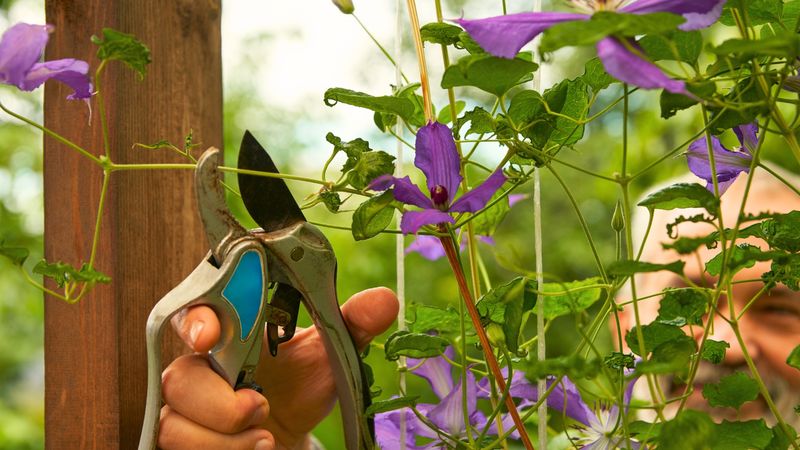
Clematis can leave you scratching your head when the vine looks thin at the bottom or tangled at the top. Many gardeners hear that one quick fall cut will fix it, but that advice can backfire.
The real secret is knowing which type of clematis you have and when its flowers form. Once you know that, you can protect next year’s blooms instead of cutting them off by accident.
What should you do this fall?
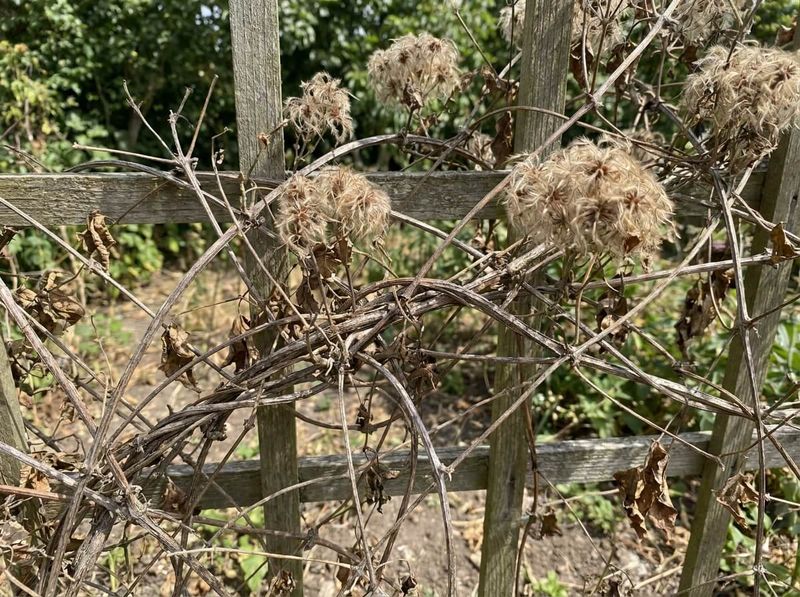
Here is the surprise: the safest fall job for many clematis is to put the pruners down. No single fall cutback makes every clematis fuller or guarantees more flowers next year.
What matters is when your vine makes its flowers. Some clematis bloom on stems grown last year, and a hard cut now can remove those flower buds before they ever open.
Iowa State Extension advises pruning current-season bloomers in late winter or early spring, and waiting until other types leaf out before removing dead wood.
So the first fall task is detective work. Figure out which pruning group your plant belongs to, then follow that group’s timing.
University of Arkansas Extension also ties pruning to the plant’s flowering habit, which is why a blanket fall rule falls short.
Identify the clematis before you prune
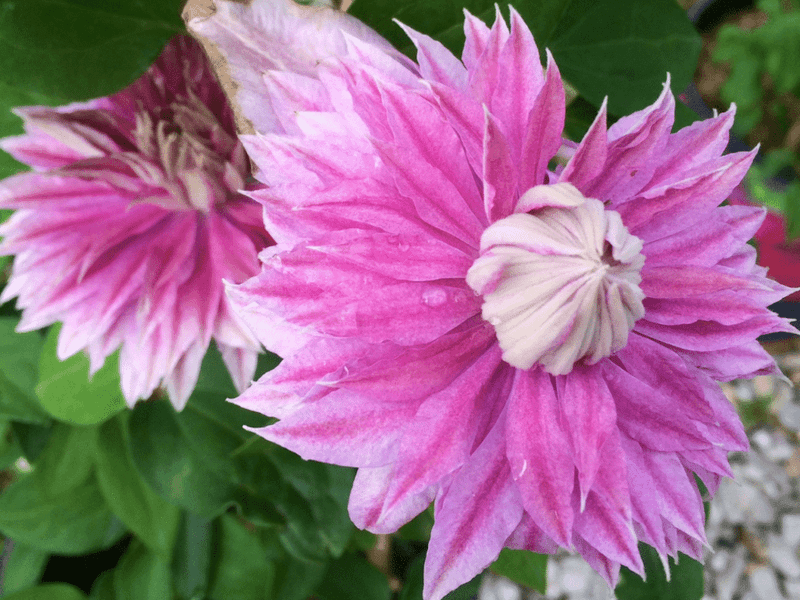
Before any cut, find out what you are growing. Clematis pruning groups are based on flowering behavior, so the variety name tells you far more than the calendar does.
Look for the plant tag, your purchase receipt, or a photo from the nursery.
If the label is long gone, bloom timing can offer a clue. A vine that flowers early in spring on old stems acts differently from one that blooms in summer on fresh growth.
Still, bloom timing alone does not always pin down a variety, so treat it as a hint rather than proof.
The Royal Horticultural Society pruning guide sorts clematis into groups by when they flower and on which wood. Iowa State Extension makes the same point.
Once you know the group, you also know which stems need protecting.
When you truly cannot tell, wait and watch one full season. Note when buds appear and where, then write it on a tag.
Groups 1 and 2 need their older stems
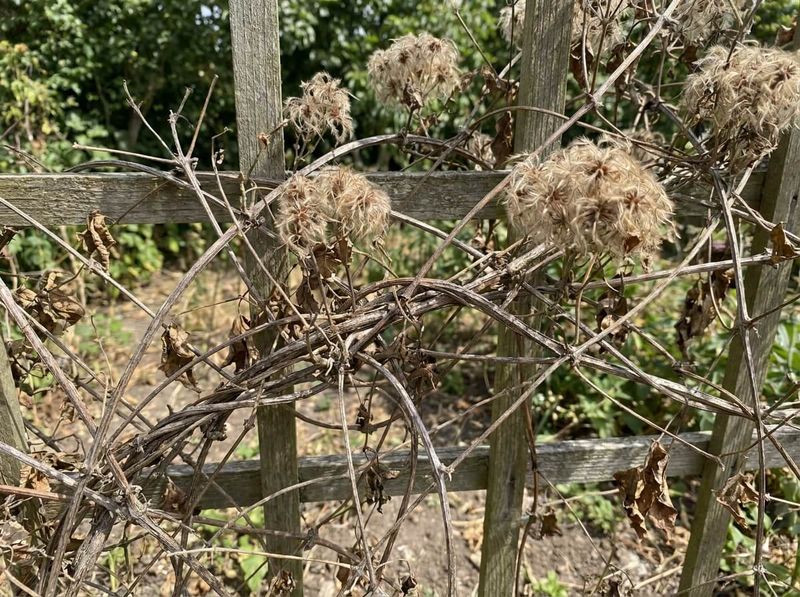
Groups 1 and 2 share one trait: they count on older growth. Their differences show up in how much pruning they tolerate.
Group 1 flowers mainly on last year’s growth. Skip routine hard pruning, remove only dead or damaged stems, and shape after flowering if the vine needs it, as the Royal Horticultural Society describes.
Group 2 blooms on older stems and sometimes flowers again on new growth. A heavy cut can remove the stems carrying the first flush.
Mississippi State Extension recommends light pruning in early spring and again after the first flowering flush.
Fall is a poor time for either group to lose stems. Iowa State Extension notes that cutting old growth in winter can reduce bloom, so wait until the plant leafs out and the dead wood is easy to spot.
A good test is the scratch check. Green under the bark means the stem is alive, so leave it.
Group 3’s hard cut belongs before spring growth
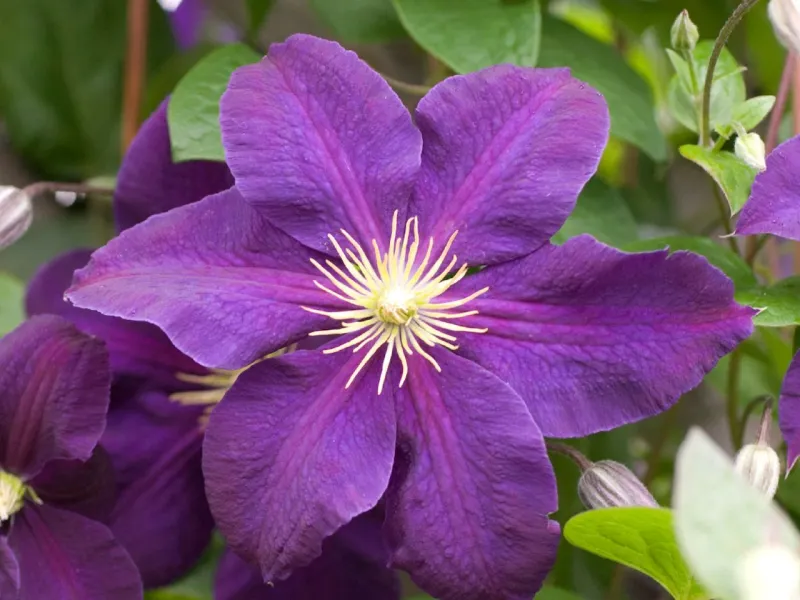
Group 3 clematis flower on the current season’s growth, so they can handle a hard cut. Pruning before new growth starts can prevent a bare, tangled base and encourage flowers lower on the vine.
That window is late winter or early spring, not fall. In much of the South, the right week depends on your local weather, so watch for swelling buds rather than a set month.
A Texas Hill Country garden and a Florida Panhandle yard will not hit that point on the same date.
Cutting heights vary by source. University of Arkansas Extension describes cutting back to about 6 inches in spring, while Mississippi State Extension gives about 12 inches for the examples it covers.
Treat those numbers as examples, not orders. Cut above a healthy pair of buds, and check what your specific cultivar prefers.
Mulch helps keep roots cool
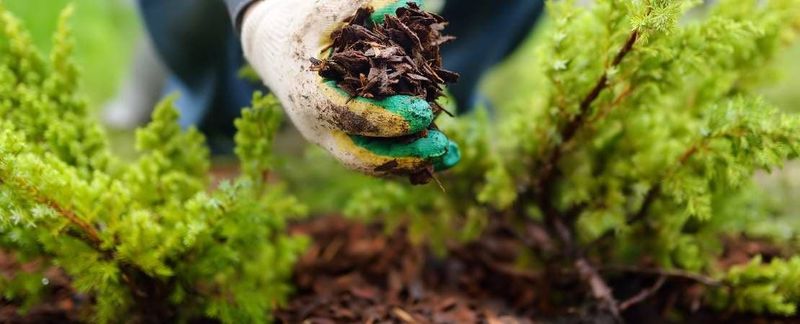
Clematis like their heads in the sun and their roots in cool soil. Mulch can help with that second part, especially in hot Southern summers.
University of Illinois Extension supports a 2 to 4 inch layer to help keep the soil cool, and advises leaving 4 to 6 inches clear around the stem.
That gap matters. Mulch piled against the stem or over the crown holds moisture against the plant, so spread it around the root zone only.
Think of mulch as support for steady root conditions. It is not a fall trick that boosts flower counts, and nothing in the sources shows it guarantees a fuller vine.
Sparse blooms can have more than one cause
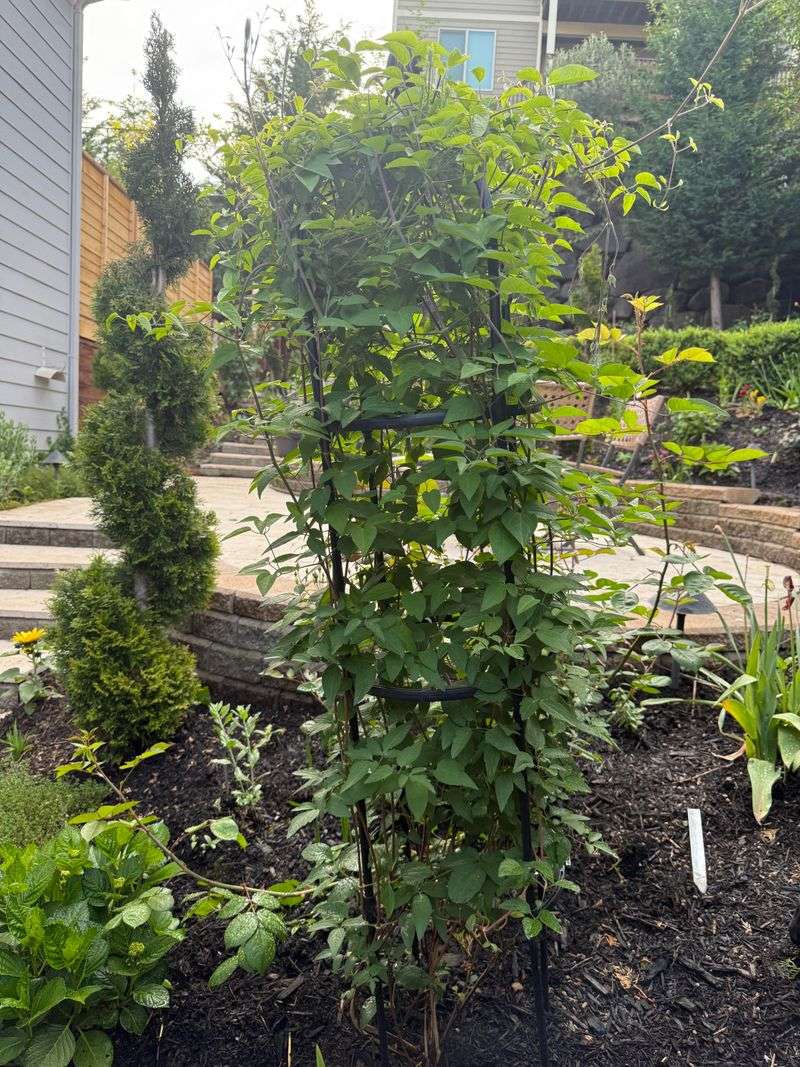
If your clematis looks leafy but flowers are scarce, a missed fall chore is probably not the culprit. Several other causes are far more common.
Documented reasons include too little light, too much nitrogen, incorrect pruning, winter damage, or a plant that is not yet established. Young vines often spend a year or two building roots before blooming well.
Fertilizer is not an automatic fall fix. Ask Extension warns that too much nitrogen can push leaves and stems at the expense of flowers.
Feeding can help in some situations, as another Ask Extension answer on fertilizing clematis explains. Still, an established, healthy vine should not get fed just because the season changed.
Start with the simple checks. Count the hours of sun, recall when you last pruned, and consider a soil test before reaching for a bag of plant food.
Adjust the plan to Southern conditions
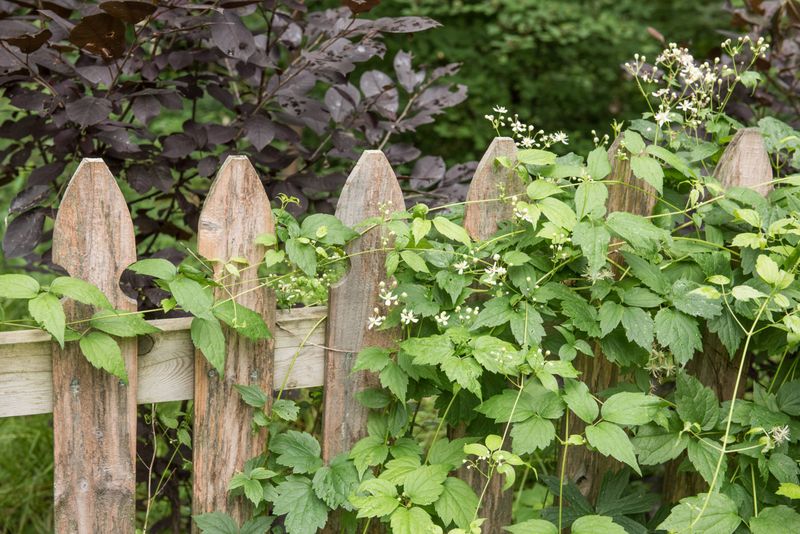
Plant identity and local weather count for more than a fixed date. Mississippi State Extension offers a useful Southern example: Group 1 after bloom, Group 2 lightly in early spring, Group 3 hard in early spring.
It will not match every microclimate or cultivar.
Some guides, like the Royal Horticultural Society, use dates from cooler climates, so do not copy a month straight onto a Texas or Florida yard.
Florida readers should also skip sweet autumn clematis. UF/IFAS lists it as a high invasion risk and does not recommend it.
The native Clematis virginiana is an alternative, though it can be hard to find.
Protect next year’s flowers with a plant-specific plan
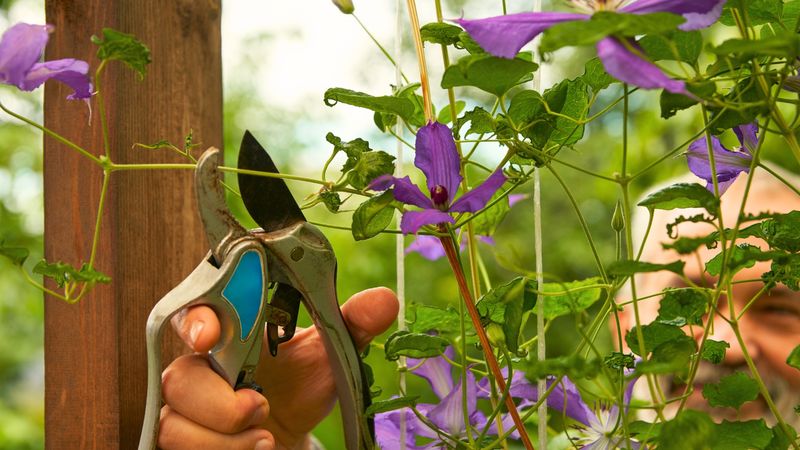
Keep older stems on Groups 1 and 2, schedule Group 3’s hard cut for the weeks before spring growth, and mulch the root zone while leaving the stem clear. Iowa State and Illinois Extension back these steps.
They are sound care, not a promise of a fuller vine. A clematis that knows its group is a clematis you will not cut by mistake.