
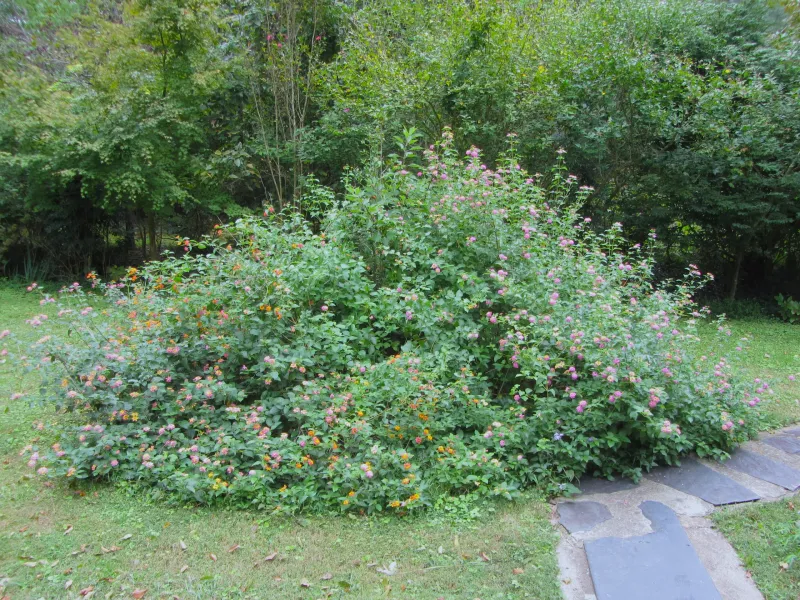
Lantana is a Florida favorite, with clusters of orange, pink, and yellow flowers that butterflies love. But the common, nonnative kind produces fruit that birds eat, and the seeds they drop can sprout far from your yard.
UF/IFAS does not recommend planting it anywhere in the state. Before you pull anything out, learn which lantana you actually have and what your options are.
UF/IFAS warns against common lantana, not every plant with that name
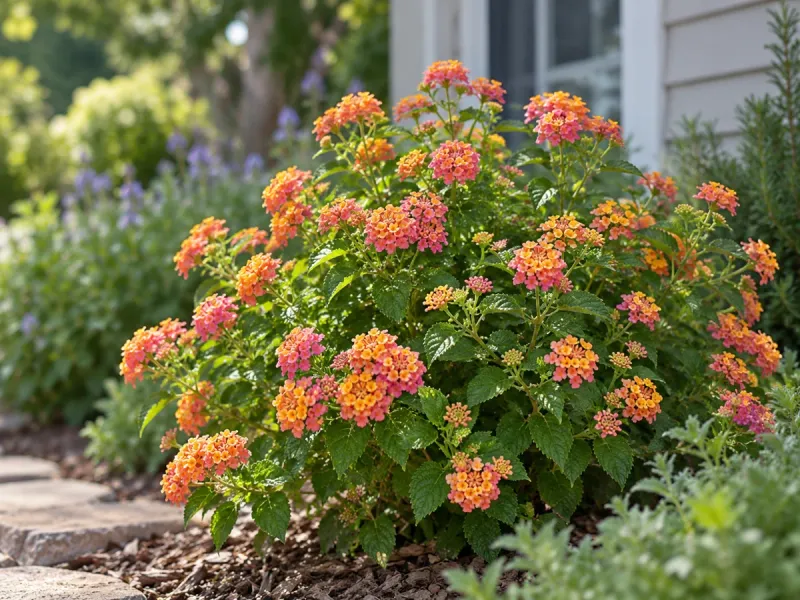
The warning from UF/IFAS is aimed at one plant: common, nonnative lantana. According to the UF/IFAS invasive plant assessment, it is classified as invasive and is not recommended in North, Central, or South Florida.
That covers the whole state, so location does not change the advice for this particular plant.
Names can be confusing here. The current assessment lists the plant as Lantana strigocamara and treats Lantana camara as a commonly misapplied synonym.
Many garden labels, nurseries, and older guides still say Lantana camara, so you can connect the two when you read. The different names do not prove they are different plants in your yard.
Another reason for the concern is hybridizing. As the UF/IFAS plant directory entry explains, common lantana can cross with native Florida lantanas.
That can threaten the genetic identity of native species that are already uncommon.
None of this means every plant sold as lantana belongs in the trash. Florida has native lantana species, and UF/IFAS recognizes specific sterile cultivars that are handled differently.
The practical first step is identifying what is growing in your beds, then deciding what to replace. Ordinary, fruiting common lantana is the plant UF/IFAS wants homeowners to stop planting.
Florida’s lantana bloom season varies by region
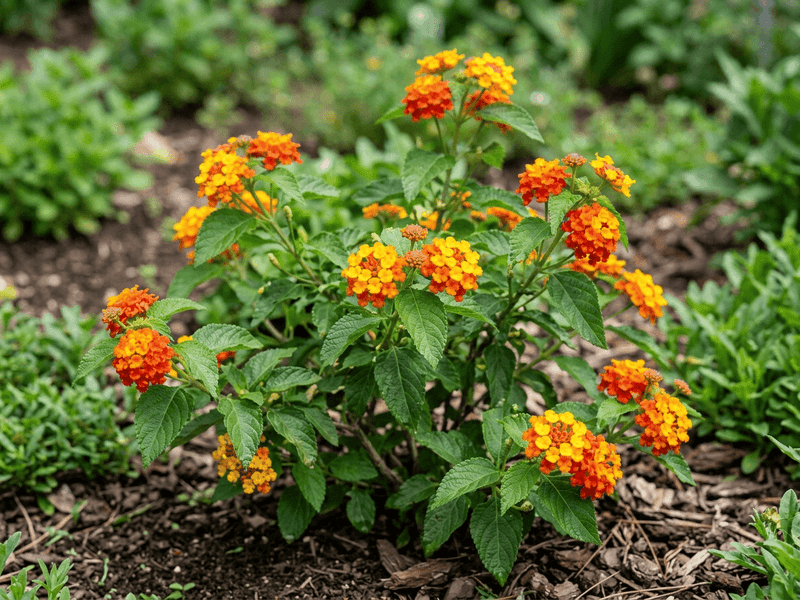
Flowering time depends on where you garden. The UF/IFAS plant directory reports that common lantana flowers year-round in the southern peninsula.
In North and Central Florida, it generally blooms from May through December.
That calendar makes November color believable in many places. A Miami hedge may never stop blooming, while a Tallahassee or Orlando shrub may be in its last stretch of the season before cool weather slows it down.
A separate UF/IFAS homeowner guide notes that flowering may occur almost any time of year.
Still, the sources do not show lantana blooming everywhere in Florida at the same moment. Local weather, cold snaps, pruning, and plant type all change what you see in a given yard.
Flowers are also not the spread problem. The concern comes later, from the fruit.
A bright, busy lantana bed tells you the plant is healthy, not whether it is a fruiting common type or a sterile cultivar.
Birds disperse seeds from lantana fruit
After the flowers fade, common lantana forms small berries. The UF/IFAS homeowner guide explains that birds eat the fruit and spread the seeds.
Birds do not carry the plant itself. They drop seeds in new places, often along fence lines, roadsides, and open ground.
This is how a yard plant can show up beyond your property line. The UF/IFAS directory describes the seeds as bird-dispersed and capable of long-distance dispersal.
Not every bird eats the fruit, though, and not every seed grows into a plant. Success depends on the site, and open habitats are where reproduction is highest.
Fruit safety deserves a clear warning. UF/IFAS materials do not fully agree on toxicity, so the careful approach is to never eat the berries.
UF/IFAS Gardening Solutions points to unripe berries as a particular concern. Keep fruit away from children and pets.
One pasture publication, UF/IFAS Extension AG368, says the berries are not poisonous, while the poisonous landscape plants list treats lantana as a plant to be careful with. When sources disagree, treat the fruit as off limits.
Recognized sterile cultivars differ from common lantana
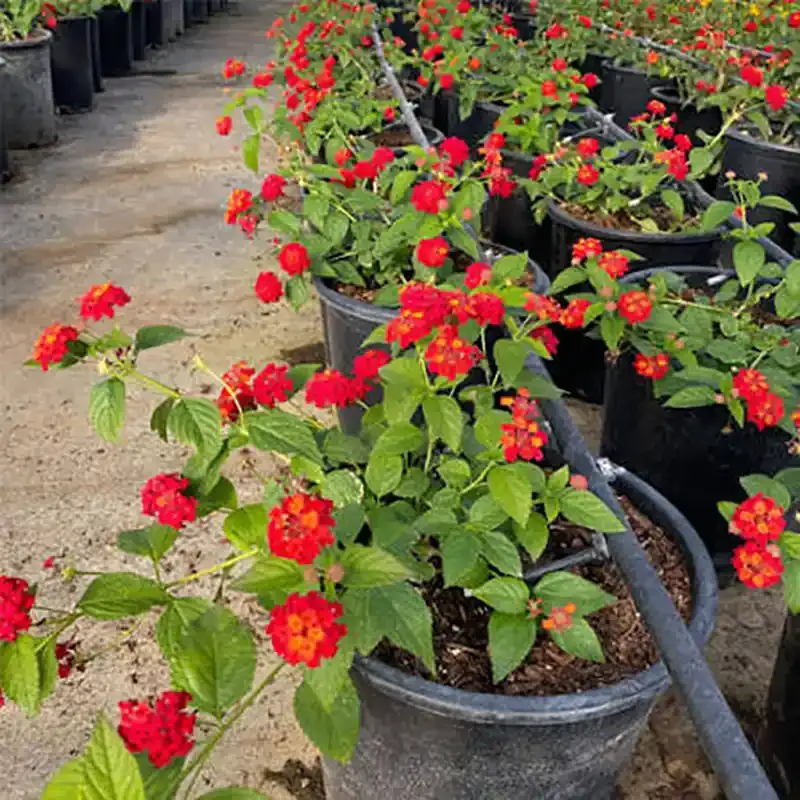
Not every lantana in a garden center is the same plant. UF/IFAS Gardening Solutions explains that certain sterile cultivars cannot produce viable seed or pollen.
Without viable seed, there is nothing for birds to spread.
Among the recognized sterile varieties, UF/IFAS lists ‘Bloomify Red,’ ‘Bloomify Rose,’ and ‘Luscious Royale Red Zone.’ The invasive plant assessment keeps its concern focused on the common, nonnative plant, not on these named selections.
Verification matters. Check the plant tag for the exact cultivar name and buy from a reputable source.
A lantana with no label, or one passed along from a neighbor, should not be assumed sterile just because it looks tidy or has few berries.
Also keep the categories straight. Sterile cultivars are not native species.
They are garden selections that lower the seed risk, while Florida’s native lantanas are separate plants with their own place in natural areas. If you are unsure what you have, the UF/IFAS homeowner guide is a good reference for recognizing the common invasive type before you decide to replace it.
Pineland lantana and buttonsage are native options to investigate
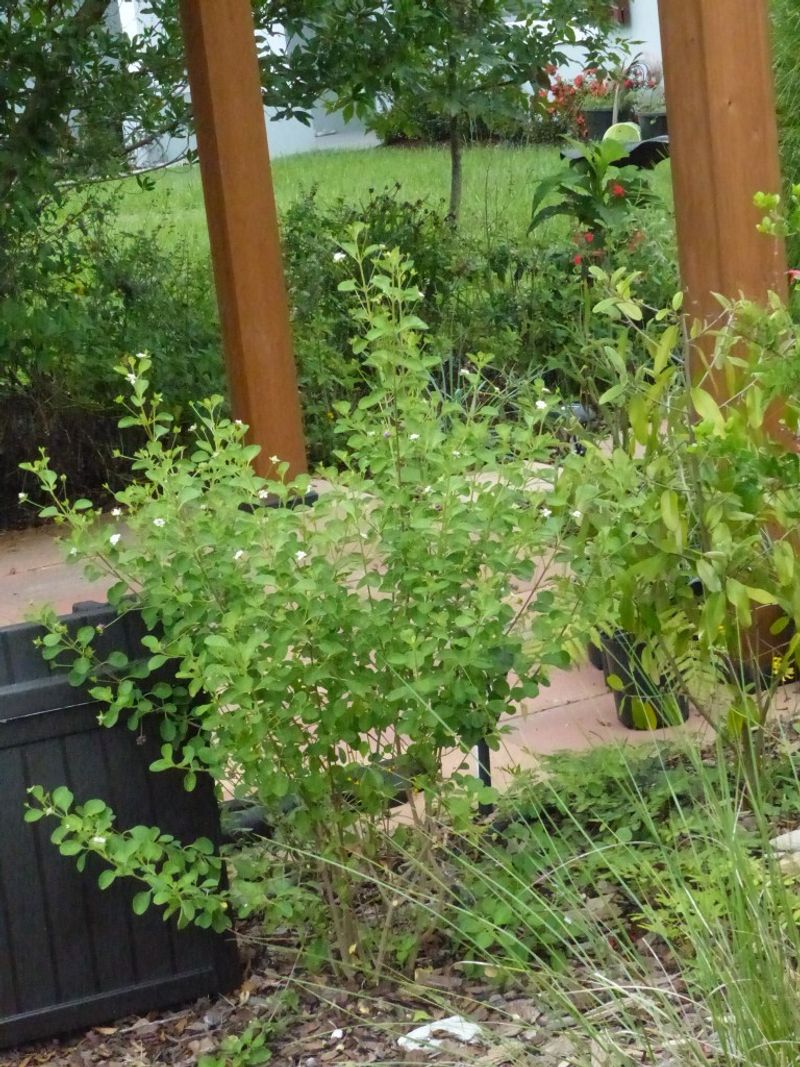
If you want lantana-style color with a Florida pedigree, UF/IFAS points to two native species. They are pineland lantana (Lantana depressa) and buttonsage (Lantana involucrata).
Both appear in the UF/IFAS homeowner guide as alternatives to the invasive common plant.
Treat them as options to investigate, not guaranteed fixes. Neither one is shown to suit every Florida location or garden condition.
Sun, soil drainage, and your region all matter, and a spot that works in a South Florida bed may not suit a North Florida yard. Check local growing conditions before you shop.
Sourcing is the next hurdle. UF/IFAS Gardening Solutions recommends buying from a reliable native nursery so you get correctly identified plants.
It also notes that native lantanas are rare even in parts of their South Florida range, so you may need to call ahead or wait for stock.
Because supply can be limited, plan the swap in stages. Start with one or two natives in the sunniest, best-drained spot, and keep your existing plants until replacements are established.
Plan for regrowth when removing common lantana
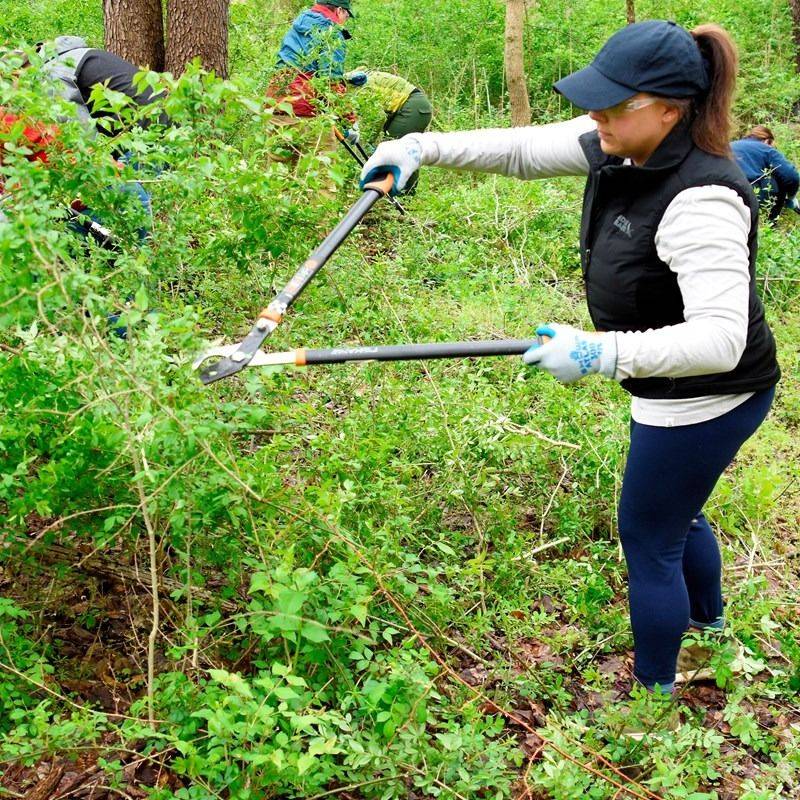
Start by identifying the plant. Check for a cultivar tag and look at whether it sets fruit.
If it is a labeled sterile cultivar or a native lantana, you may not need to remove it at all. Wear gloves, since the foliage can irritate skin.
Seedlings are the easy job. The UF/IFAS homeowner guide says small plants can be hand-pulled, ideally when soil is moist so the roots come out.
Established shrubs are a harder task and are difficult to dig out completely.
Cutting or mowing alone is rarely the end of it. A stump or root crown can regrow, so plan to return and deal with sprouts.
Seeds can also persist in the soil, which is why follow-up monitoring matters. Check the area every few weeks through the growing season and pull new seedlings early.
If you choose chemical control, keep it simple and careful. Follow the product label, protect nearby plants, and note the UF/IFAS caution, found in the plant directory entry, against applying triclopyr ester when air temperature exceeds 85°F.
Much of Florida passes that mark for months, so early mornings or cooler days matter.
Do not burn removed plants as a casual cleanup. Local fire rules and site conditions vary.
Bag fruiting material so seeds do not scatter.
A removed shrub is only half the job. The bare spot is where the next seedling, or your native replacement, gets its start.