
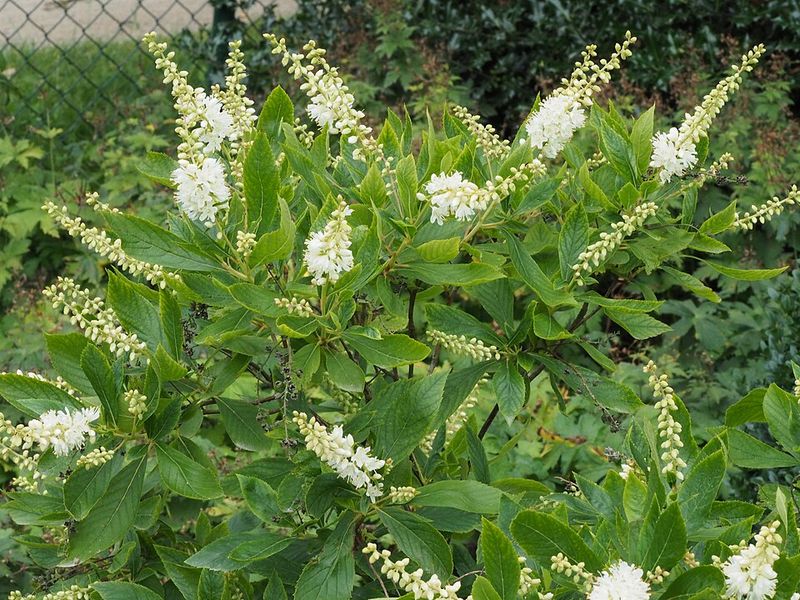
Hydrangeas get plenty of attention in North Carolina gardens, but they are not the only shrub that blooms in summer. Summersweet is a native shrub with fragrant flower spikes that bees and butterflies love.
It can be a good fit for some yards, especially ones with moist soil. Here is how to tell whether your yard is one of them.
Summersweet offers a different kind of summer bloom
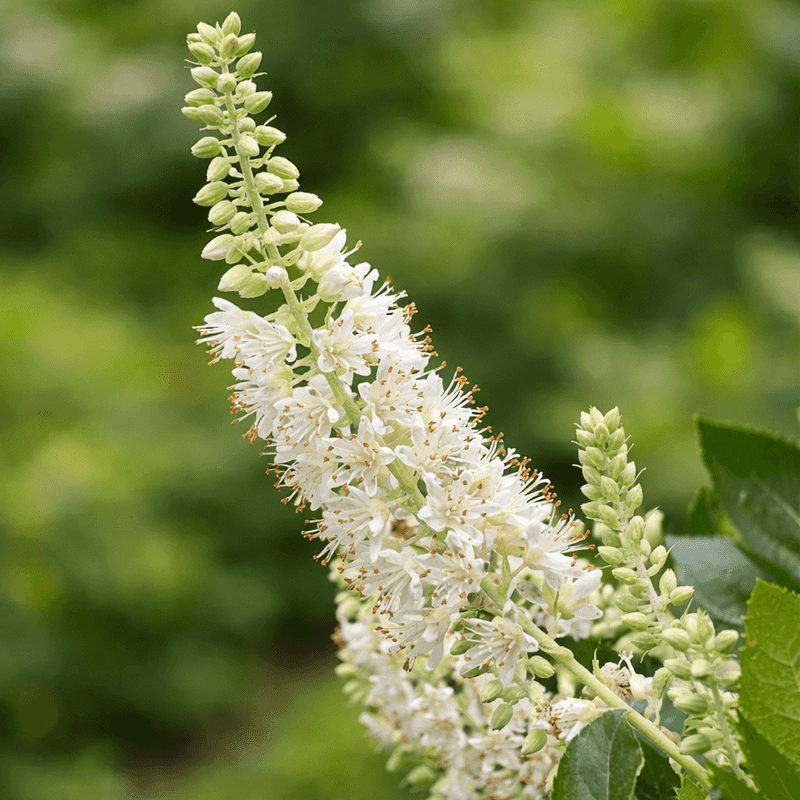
Walk past a blooming summersweet on a warm July day and the scent reaches you before the flowers do. Summersweet, also called sweet pepperbush (Clethra alnifolia), is a shrub native to North Carolina that produces upright spikes of white or pink flowers in summer.
Unlike the big round clusters on many hydrangeas, these blooms are slender and spicy-sweet.
According to the NC State Extension Plant Toolbox, summersweet is considered low-maintenance and is suited to the Mountains, Piedmont, and Coastal Plain. It can also flower in partial shade, which helps in yards where full sun is hard to come by.
That makes it a handy choice for the edge of a wooded lot or a bed that gets dappled light.
Wildlife is a big part of the appeal. The flowers provide nectar and pollen for bees, butterflies, and hummingbirds.
In fall, the seeds can feed birds, so the shrub keeps giving after the blooms fade.
Still, being native and attractive to pollinators does not make summersweet right for every yard. It has real preferences about moisture, it grows into a fairly large shrub, and it needs some care like any other plant.
The next sections walk through those details so you can judge your own space before you buy.
Hydrangea care depends on the variety
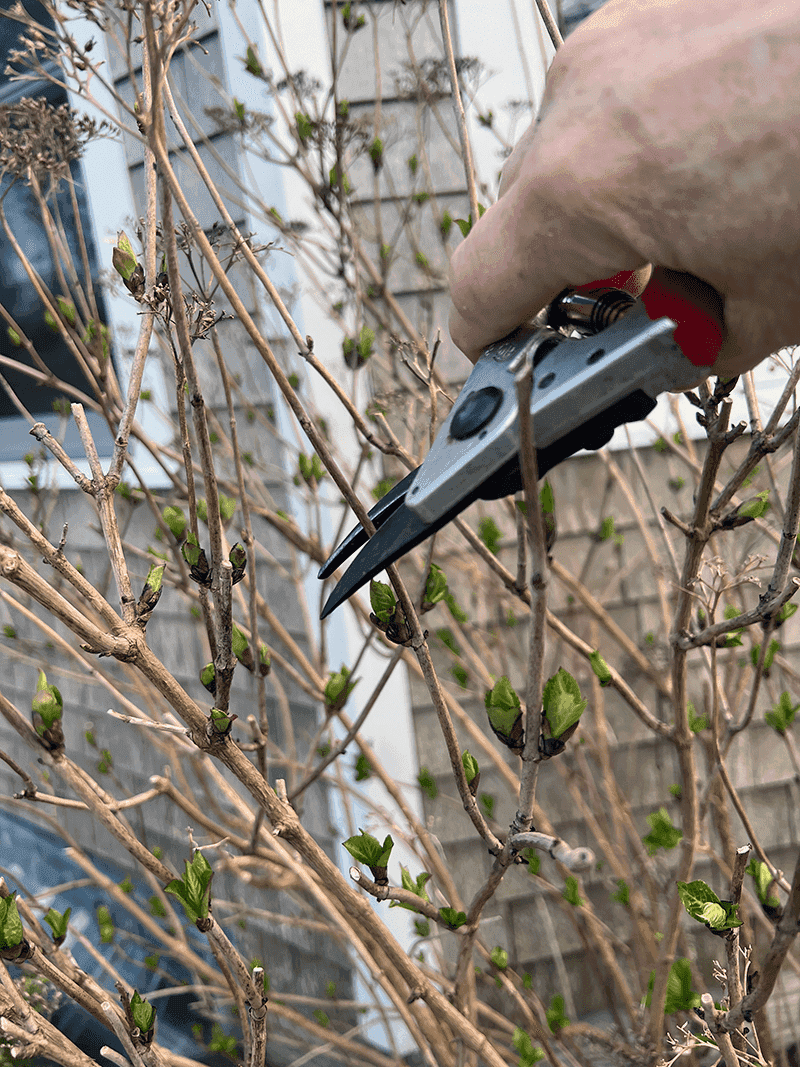
Hydrangeas are not all the same when it comes to upkeep. NC State Extension explains that types differ in when they bloom and whether flowers form on old wood, new growth, or both.
That one detail drives most pruning questions.
If you prune an old-wood type at the wrong time, you can reduce or even wipe out that year’s flowers. Some new-wood types, on the other hand, can be cut back in late winter or early spring without losing blooms.
So a gardener with a forgiving hydrangea may have an easy time, while one with a fussy type may feel like they are guessing every year.
Summersweet works a little differently. Per the NC State Plant Toolbox, it flowers on new growth, which can take some of the timing worry out of pruning.
That does not mean it needs less care in every garden. Site, soil moisture, and shrub size all matter just as much.
Water is another point of comparison. The NC State Extension Gardener Handbook notes that hydrangeas have large leaves, which can make them among the first plants to show drought stress.
That is a clue to watch for, not a rule that every hydrangea needs constant watering.
If you already grow a hydrangea you enjoy, there is no need to replace it. Summersweet is simply another option for a different spot or a different look.
Will your yard keep summersweet moist?
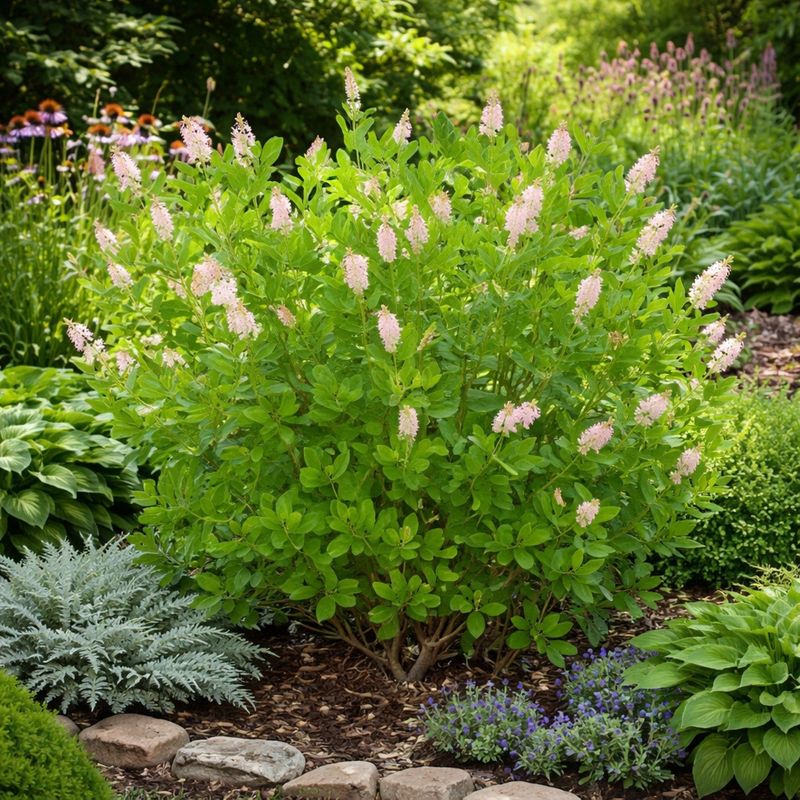
Before you fall for the scent, take a hard look at the soil. Summersweet prefers moist ground, and it does best in partial shade or in a spot where moisture stays steady.
A low area at the base of a slope, the edge of a rain garden, or a bed that stays damp after storms are all good candidates.
Once established, it can handle short dry periods. According to the NC State Plant Toolbox, though, it will not tolerate a hot, dry site.
A sunny strip beside a driveway or a sandy bed that drains in minutes is a poor match, no matter how nice the flowers look in photos.
Here is a simple test. After a good rain, check the spot a day or two later.
If the soil is still cool and damp a few inches down, you are on the right track. If it is dusty and crumbly, the shrub will likely struggle.
Being listed for the Mountains, Piedmont, and Coastal Plain tells you the plant can grow across the state. It does not tell you whether your particular bed has the right conditions.
A Piedmont clay yard that holds water may suit it better than a sandy Coastal Plain lot with fast drainage, and the reverse can also be true.
Look at sun exposure, drainage, and how often the spot dries out in July. Those answers matter more than your county.
Plan for summersweet’s mature size
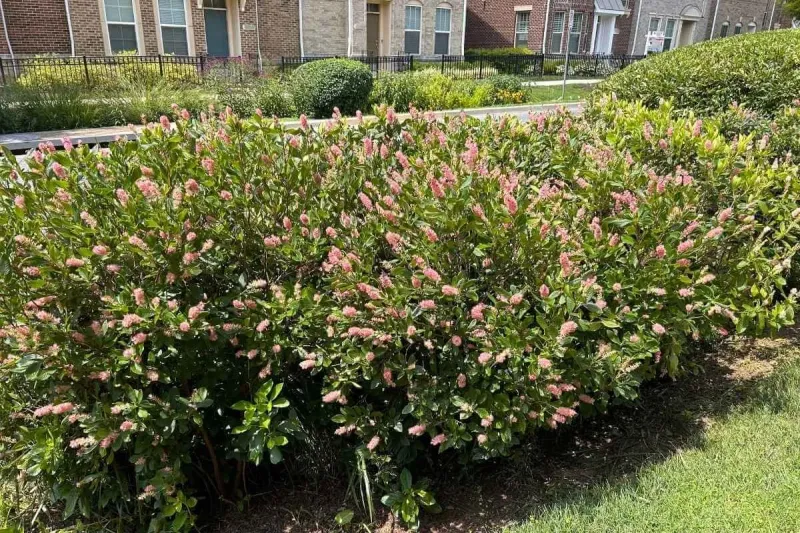
Summersweet is not a tiny plant. NC State gives a typical mature size of 5 to 10 feet tall and 4 to 6 feet wide, according to the Plant Toolbox entry.
Treat that as a planning range rather than a promise, since growing conditions and cultivar can shift the result.
Picture the space it will fill in a few years. A shrub that wide can crowd a walkway, press against a foundation, or block a window if you plant it too close.
Leave room on every side, and measure the spot before you shop.
Another habit to know about is suckering. In suitable conditions, summersweet may send up new stems from the roots and form a small thicket.
In a woodland edge or a naturalized border, that can look lovely. In a tidy, formal bed, you may want to plan for it.
If your space is tight, smaller cultivars exist, but do not assume every one stays compact. Check the listed mature height and width for the exact cultivar on the plant tag or the nursery’s description.
Ask the nursery staff how the plant has performed locally.
A little homework now saves you from moving a established shrub later.
Watering through establishment still matters
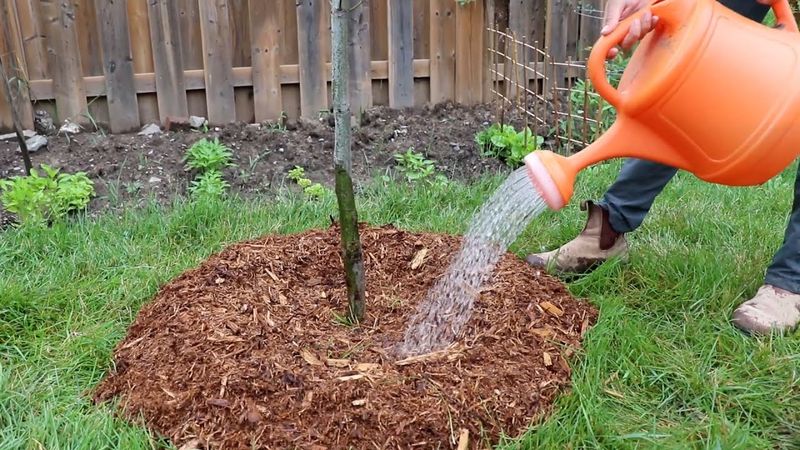
A new shrub has a small root system, and that is where trouble starts. The NC State Extension Gardener Handbook notes that newly installed woody plants can suffer drought stress while their roots settle in.
Summersweet is no exception, even if it likes moist ground.
The general guidance for woody plants is to water deeply and infrequently. A slow soak that reaches down into the root zone encourages roots to grow deeper.
Light, frequent sprinkling tends to wet only the surface.
There is no single schedule that fits every yard. Rainfall, soil type, and temperature all change how fast the ground dries.
Instead of following the calendar, check the soil with your finger or a trowel a few inches down. If it is still damp, wait.
If it is dry, give it a thorough drink.
Mulch is a big help. A layer spread over the root zone helps conserve soil moisture and keeps the ground from drying out as quickly.
Pull it back a bit from the stems so it does not sit against the bark.
Watch the leaves during hot spells. Wilting or browning edges can signal the shrub needs attention.
Establishment is a period of extra care, not a guarantee that you can walk away afterward.
Summersweet can be pruned and flowers on new growth
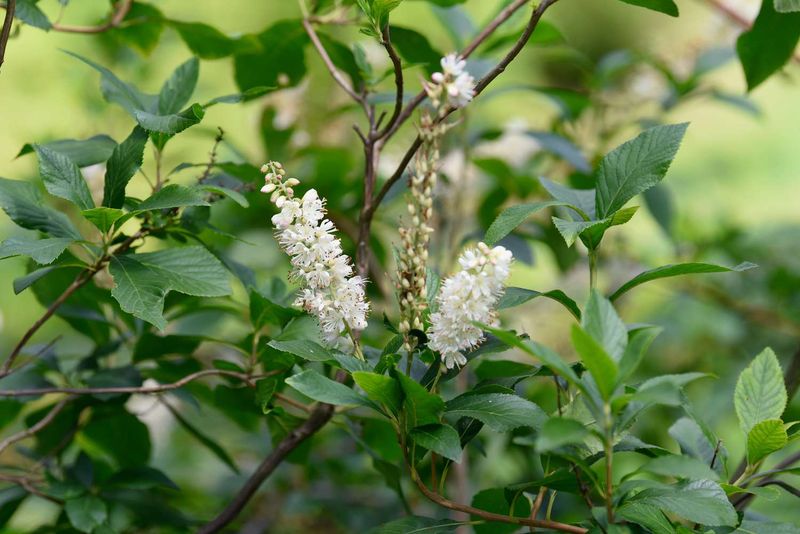
Two facts from NC State are worth keeping in mind. Summersweet can be pruned, and it flowers on new growth, according to the Plant Toolbox.
That is the extent of the guidance, so there is no official rule about how often to prune.
Because the blooms form on the current season’s growth, a trim is less likely to cost you flowers the way a badly timed cut can with some old-wood plants. That may ease one common worry.
It does not turn the shrub into a plant you can ignore.
Think about why you might reach for the pruners. You might want to control its size, remove a damaged branch, or thin out suckers that have spread beyond where you want them.
Those jobs depend on your yard, not on a set annual routine.
Some gardeners will prune lightly now and then. Others with plenty of room may do very little.
Either approach can be reasonable, as long as you are watching how the shrub grows and responding to what you see.
That is the real meaning of low-maintenance here. It describes a plant that asks for occasional attention in the right site, not one that takes care of itself.
Choose summersweet for the site, not as a look-alike
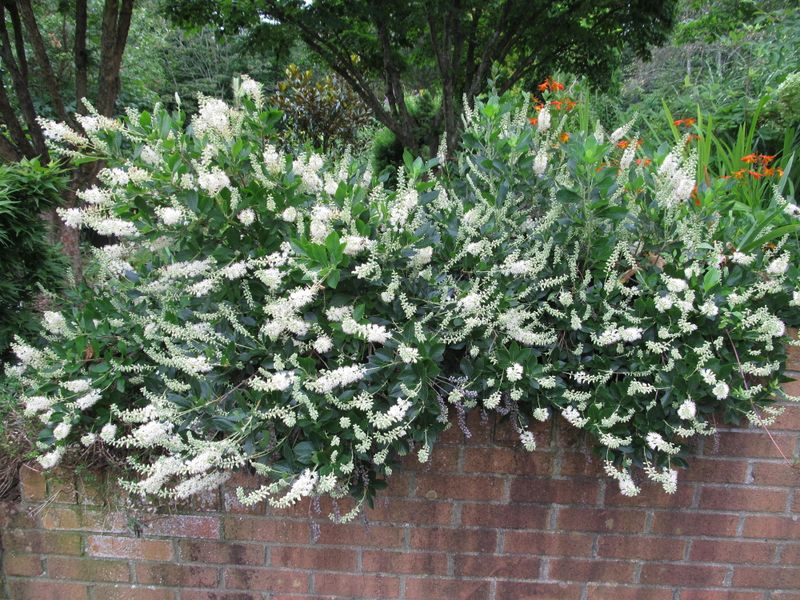
Consider summersweet if you want fragrant summer flower spikes, have room for a shrub that can reach 5 to 10 feet tall, and can keep the soil moist. Its blooms look different from big hydrangea clusters, so think of it as its own plant.
NC State’s profile is a good place to confirm the details.
It may ease some pruning-timing worries, since hydrangea types vary in how they bloom. It is neither a universal replacement nor a no-maintenance plant.
Match the shrub to the spot, and the spot will do most of the work.