
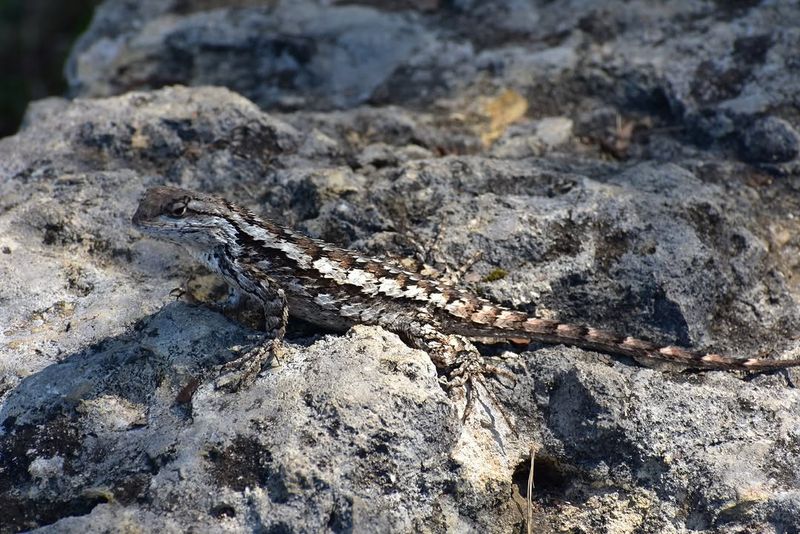
Spot a scaly lizard clinging to your fence post on a hot Texas morning, and it is easy to wonder if it is quietly clearing out the ticks in your yard. The idea sounds great, but the real story is a little more complicated and worth knowing before you skip your tick-prevention routine. Texas spiny lizards are genuine native wildlife worth protecting, though the evidence linking them to fewer ticks does not hold up the way the popular claim suggests.
A Fence-Post Sighting Shows Native Texas Wildlife
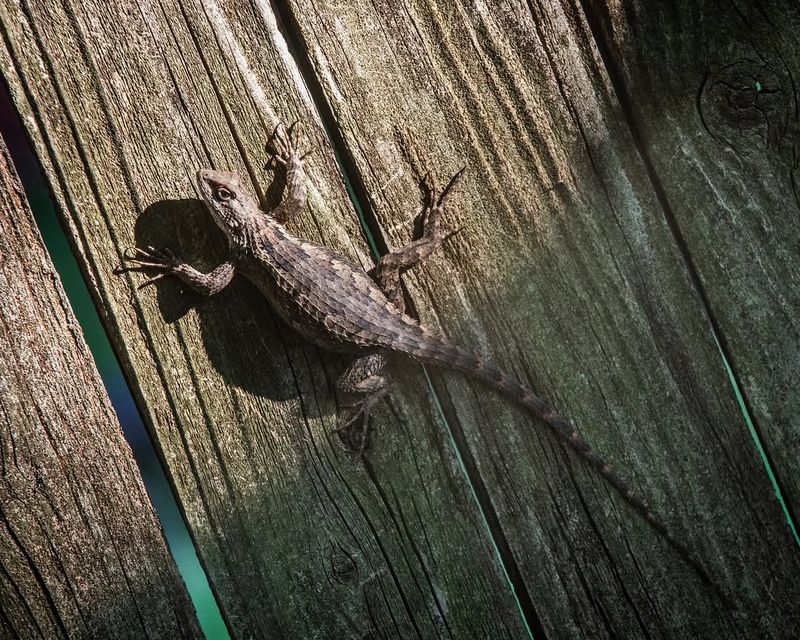
Catching a glimpse of a spiky, gray-brown lizard pressed flat against a cedar fence post is one of those small Texas moments that reminds you the yard is more than grass and flowerbeds. That animal is almost certainly a Texas spiny lizard, Sceloporus olivaceus, a native reptile that has shared the Texas landscape with oak trees, cedar, and limestone rock for a very long time. UT Austin’s Biodiversity Center describes the species as strongly associated with trees, wooden fences, rock walls, and other vertical surfaces where it can bask, watch for prey, and escape predators by scrambling upward.
Adult Texas spiny lizards typically reach six to eleven inches from snout to tail tip. Males show blue-green patches on the belly and throat, and both sexes carry the keeled, pointed scales that give the species its name. The U.S. Fish and Wildlife Service recognizes Sceloporus olivaceus as a native Texas species, and its range runs through much of central and north-central Texas, extending into parts of Oklahoma and northeastern Mexico.
Seeing one in your yard signals that the space offers suitable habitat: trees or structures to climb, open ground to forage on, and enough insects to sustain an active predator. That is genuinely good news for backyard biodiversity. What a sighting does not tell you, though, is anything reliable about the number of ticks in your yard. The lizard’s presence reflects habitat quality, not a measurable pest-control outcome, and keeping that distinction clear matters for how you manage your outdoor space.
The Lizard Eats Arthropods, Not Proven Tick Control
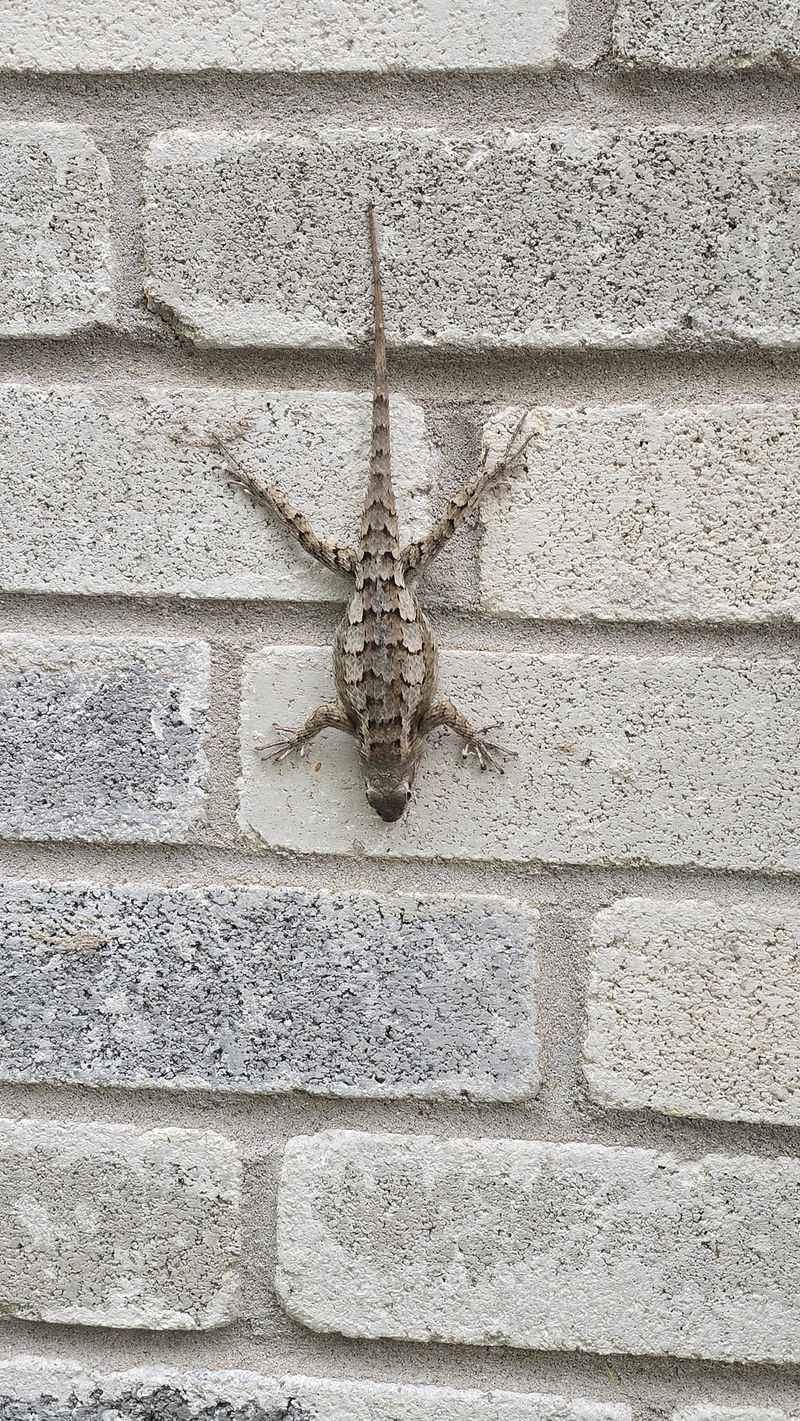
Texas spiny lizards are active hunters during daylight hours, which puts them in the same spaces where insects are moving around on warm Texas mornings and afternoons. Their documented diet reads like a list of common Texas yard visitors: grasshoppers, beetles, cockroaches, and woodlice show up consistently in the species accounts. The University of Michigan’s Animal Diversity Web account for Sceloporus olivaceus describes a diet dominated by insects and other arthropods, which is consistent with what field researchers have observed across the species’ range.
Ticks are technically arthropods, so it is reasonable to wonder whether they turn up on the menu. The problem is that the available research on Texas spiny lizard diet does not establish ticks as a meaningful or regularly consumed prey item. No reliable source reviewed for this article provides a Texas spiny lizard tick-consumption rate, and none documents a measurable reduction in tick abundance in Texas yards that can be attributed to the species. A broad appetite for arthropods is not the same thing as targeted tick predation.
Picture the difference this way: a lizard that eats dozens of grasshoppers and beetles each day is doing exactly what its biology calls for. If it occasionally snaps up a tick along the way, that is opportunistic feeding, not systematic population control. Grasshoppers and beetles are large, active, and easy to detect. Ticks are small, slow-moving, and often tucked into leaf litter or grass stems rather than exposed on open surfaces where a basking lizard hunts.
The foraging habits that make Texas spiny lizards effective insect predators do not automatically translate into meaningful tick removal from a yard environment.
Appreciating the lizard as a hardworking native insectivore is completely warranted. Counting on it to keep ticks out of your yard is a step the evidence simply does not support.
Relevant Tick Research Involves a Different Lizard
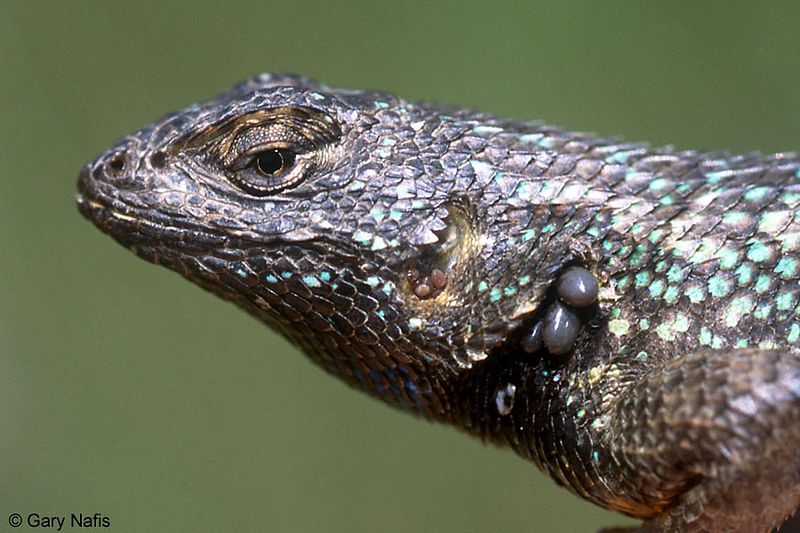
When tick researchers talk about lizards and Lyme disease, the species at the center of that work is the western fence lizard, Sceloporus occidentalis, not the Texas spiny lizard. Western fence lizards live along the Pacific Coast and into the interior West, and they share their range with the western black-legged tick, Ixodes pacificus, which is the primary vector for Lyme disease in California. The research that connects lizards to tick biology grew out of that specific California ecosystem.
What scientists found is that when immature western black-legged ticks feed on western fence lizard blood, a protein in the lizard’s blood can kill the Lyme disease bacterium Borrelia burgdorferi inside the tick. A foundational study published in the Journal of Parasitology documented that western fence lizards carry large numbers of larval and nymphal ticks and that ticks feeding on them are less likely to carry the Lyme bacterium afterward. This is a meaningful ecological finding, but it is specific to that lizard, that tick, and that disease in that region.
Texas has a different set of native lizard species, different tick species, and a different disease landscape. The black-legged tick, Ixodes scapularis, is the species associated with Lyme transmission in the eastern United States, and Texas sits at the edge of its range. A 2012 experimental study in PLOS ONE that built on the western fence lizard work was also conducted in California, using California tick populations and California lizard communities. Neither study examined Texas spiny lizards or Texas tick dynamics.
Transferring conclusions from a California study of western fence lizards to a Texas backyard full of spiny lizards is a species and geography mismatch. The research is real and interesting, but it does not tell us anything reliable about what Sceloporus olivaceus does or does not do to tick populations in a Texas yard.
Tick Ecology Does Not Follow a Simple More-Lizards-Fewer-Ticks Rule
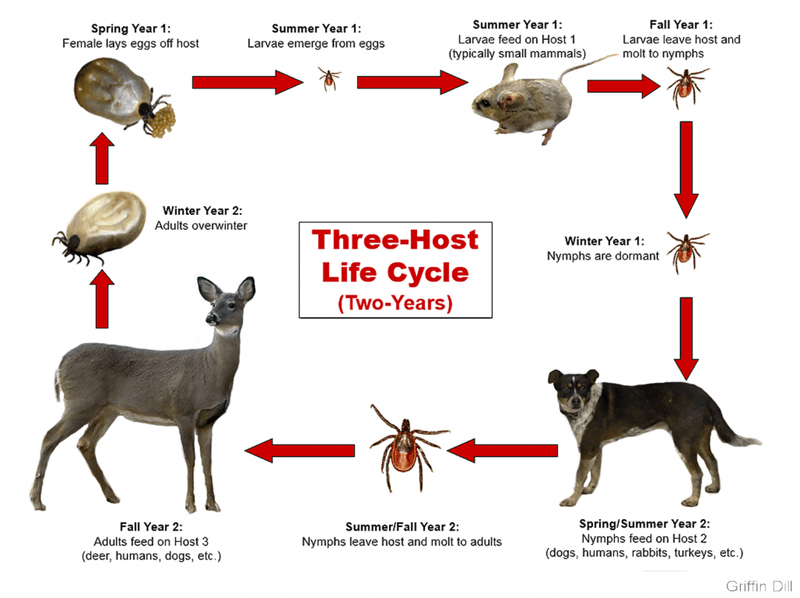
Even in the California ecosystem where the western fence lizard research took place, the relationship between lizard numbers and tick numbers turns out to be more complicated than a simple trade-off. A 2012 experimental study tested what would happen if western fence lizards were removed from plots of land in California. The intuitive prediction might be that fewer lizards would mean more ticks, since lizards were hosting so many of them. What the researchers found was the opposite under those conditions.
When lizards were removed, larval ticks that would normally have fed on lizards had to find other hosts or fail to feed at all. Many larvae did not successfully switch to alternative hosts, so the removal plots showed lower densities of nymphal ticks the following year. The lizards had been acting as a reliable feeding platform for immature ticks, essentially supporting the tick population even as they altered the bacteria those ticks carried. Take away the platform, and fewer ticks completed their development.
This finding does not mean anyone should remove lizards from their property. Disrupting a native predator from its habitat creates its own set of ecological problems, and the experiment was conducted under controlled conditions in California that do not map directly onto a Texas suburban yard. What the study does demonstrate is that host relationships and tick life cycles can produce results that run counter to common sense. The phrase “natural tick pesticide” does not capture how these systems actually work.
For Texas homeowners, the practical lesson from this research is straightforward: tick ecology involves multiple host species, seasonal timing, local tick populations, and land cover conditions that interact in ways no single animal can reliably override. A Texas spiny lizard on your fence is part of a food web, not a self-contained pest-control unit. Managing tick risk requires tools that address those real-world variables directly, which the next sections cover in practical terms.
Support the Lizard as Wildlife, Not as Pest Control
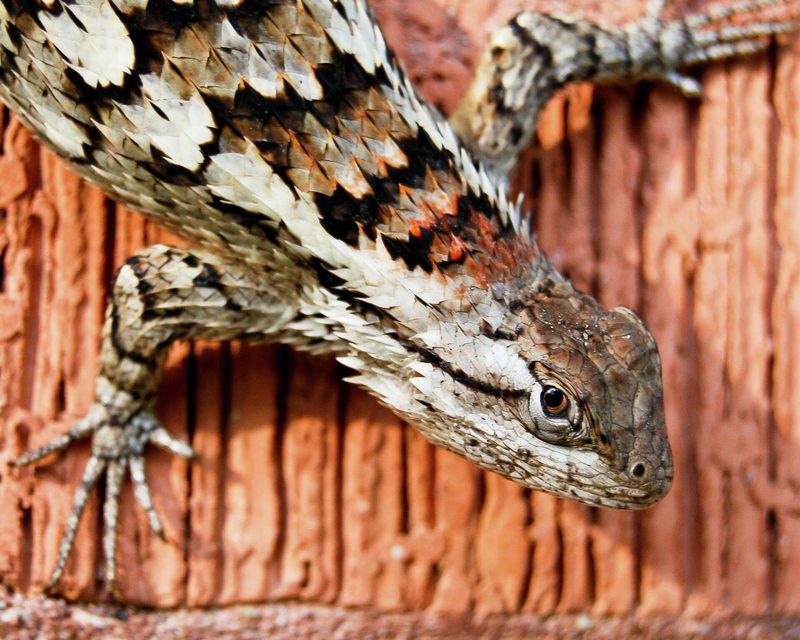
Knowing that Texas spiny lizards do not provide proven tick control does not mean they are less worth having around. As native insectivores, they consume large numbers of grasshoppers, beetles, and other arthropods that can damage plants or simply add to the general insect load in a yard. Supporting them costs nothing and fits naturally into a wildlife-friendly landscape approach.
Texas Parks and Wildlife’s Wildscapes design guidance recommends landscape features like rock walls, brush piles, and logs that provide shelter and basking spots for lizards and other small native wildlife. Retaining mature trees and leaving some rough-barked vertical structures intact gives Texas spiny lizards the climbing surfaces they use for thermoregulation, foraging, and escape. Texas Wildscapes guidance also emphasizes supporting a functioning food web rather than eliminating every insect from the yard, which aligns with leaving native predators like spiny lizards undisturbed.
A few practical habits make a real difference for these lizards. Avoid unnecessary disturbance around fence lines, rock features, and tree bases where they shelter. Limit broad-spectrum insecticide applications when nonchemical alternatives can address a specific pest problem. EPA guidance on pesticide safety advises using nonchemical methods where possible, following product labels exactly, and recognizing that broad spraying can harm non-target wildlife including the lizards you want to keep around.
One thing to avoid entirely is any attempt to capture, relocate, hand-feed, or handle wild Texas spiny lizards. The sources that support lizard-friendly landscaping recommend observation and habitat protection, not collection or translocation. A lizard that stays wild and undisturbed in your yard is doing its job. These habitat choices genuinely support native biodiversity, and that is reason enough to make them, separate from any tick-prevention calculation.
Use Established Steps to Reduce Tick Exposure
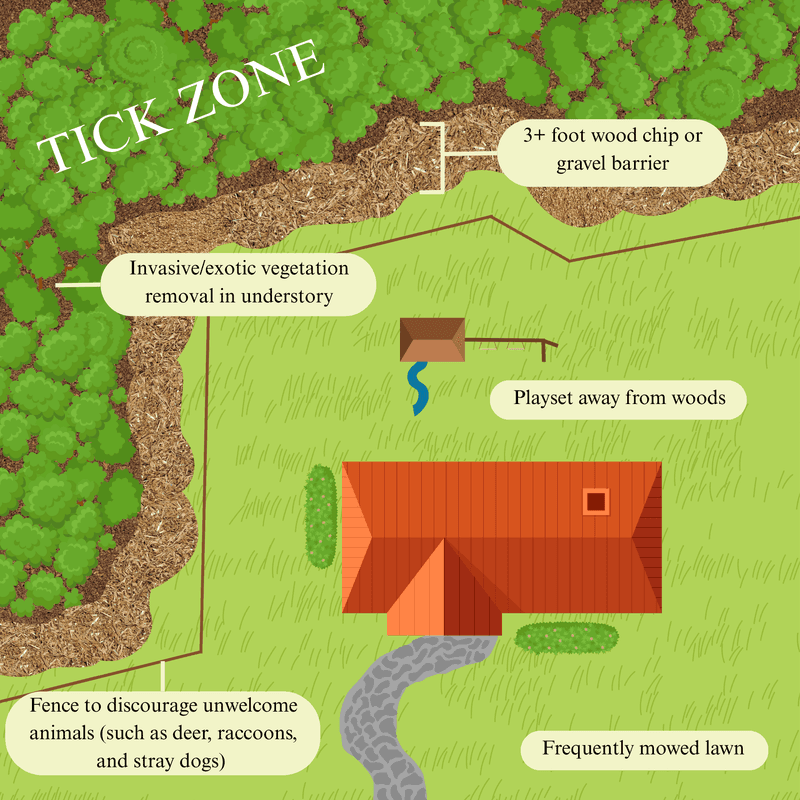
Protecting native lizards and reducing tick risk are separate goals that call for separate strategies. For actual tick-exposure reduction around a Texas yard, CDC tick-prevention guidance points to a consistent set of yard practices: mow grass regularly and keep it short, remove leaf litter from areas where people and pets spend time, clear tall grass and brush away from lawns and play spaces, and create a three-foot-wide wood-chip or gravel barrier between your lawn and any wooded or brushy edge. Keeping patios, play equipment, and seating areas away from brushy margins also reduces the chance of ticks moving into high-traffic zones.
Texas A&M AgriLife Extension guidance on tick control adds that tall weeds and shaded, moist areas frequented by pets deserve particular attention, since those conditions favor tick survival and activity. This is worth keeping in mind when you are deciding where to place wildlife habitat features like brush piles or log stacks. Situating those features away from where children play or pets rest lets you support lizard habitat without adding tick exposure near the areas your family uses most.
Personal and pet protection matters just as much as yard management. Check yourself, your clothing, and your gear after any time outdoors in grassy or wooded areas, and do a thorough check of pets when they come inside. CDC guidance on preventing ticks on pets recommends daily checks and veterinary advice on tick-prevention products. Cats are especially sensitive to some chemicals used in tick treatments, so always get a veterinarian’s recommendation before applying any product to a cat.
Texas tick activity rises during warmer spring and summer months, but ticks do not necessarily disappear once temperatures drop. The Texas Department of State Health Services identifies a range of tickborne diseases relevant to the state, including ehrlichiosis, spotted-fever rickettsioses such as Rocky Mountain spotted fever, tularemia, tick-borne relapsing fever, and anaplasmosis. Lyme disease is also listed but is not commonly acquired in Texas. Keeping that full picture in mind helps you take tick prevention seriously without fixating on just one disease.
Leave the Lizard Alone and Manage Ticks Separately
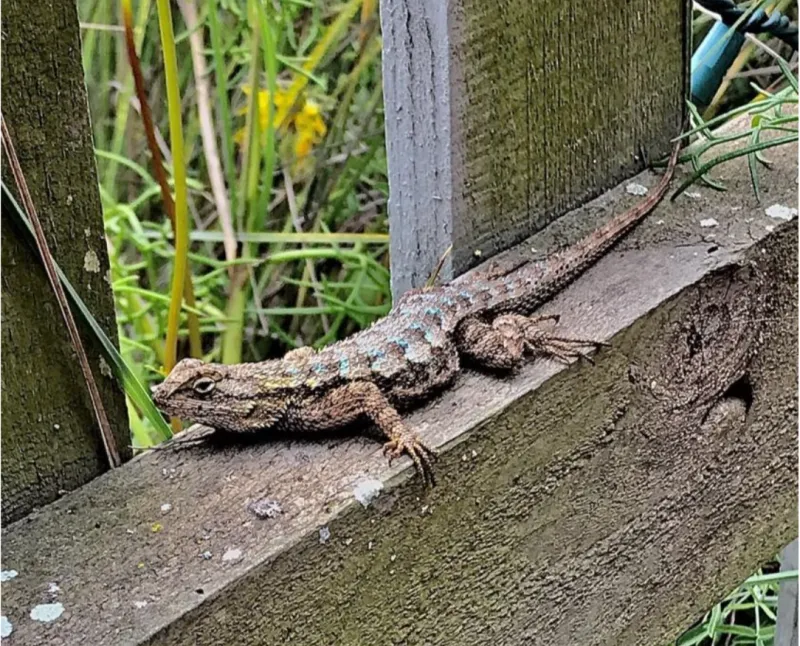
A Texas spiny lizard on your fence post is a native insectivore doing what it has always done in Texas yards, trees, and rock outcrops. Its documented role is as a predator of insects and arthropods, a member of a food web that includes birds, snakes, and the many invertebrates that move through a healthy yard. That role is worth respecting on its own terms, without attaching an unproven tick-control promise to it.
The practical takeaway is clean and manageable. Observe the lizard, leave its habitat features in place where they do not increase tick exposure near lawns and play areas, and continue the yard and personal tick-prevention steps that evidence-based guidance actually supports. Texas Parks and Wildlife’s Wildscapes approach gives you a framework for doing both at once: support native wildlife through thoughtful landscaping while keeping high-traffic family spaces managed for lower pest exposure.
Native wildlife and proven pest control are not the same category, and keeping that distinction clear is what lets you do right by both. A lizard that lives undisturbed in your yard is its own reward.