
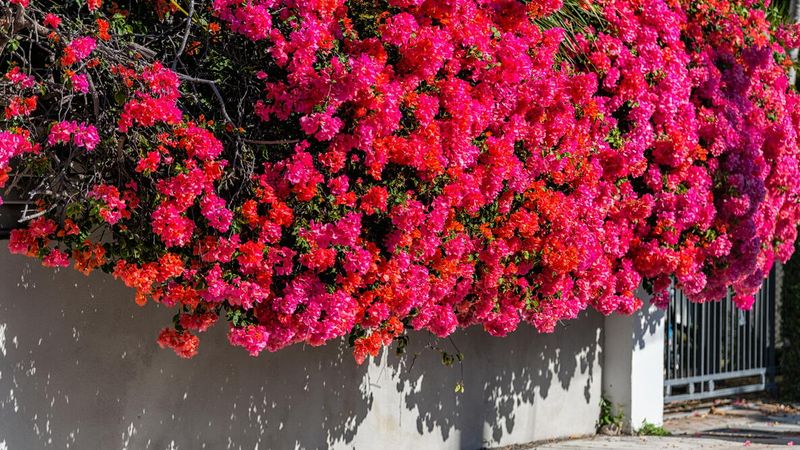
Bougainvillea is one of those plants that stops traffic when it is thriving and drives gardeners crazy when it goes quiet on color. Central Texas summers are brutal, and a lot of well-meaning September care habits, like extra watering or a quick fertilizer boost, can actually work against the plant.
The good news is that a few restrained, focused adjustments can support those vivid bracts through the remaining heat. No single trick guarantees a nonstop show, but getting the basics right gives your plant the best shot at putting on a strong fall display.
Reset the promise: support bract color instead of chasing a bloom guarantee
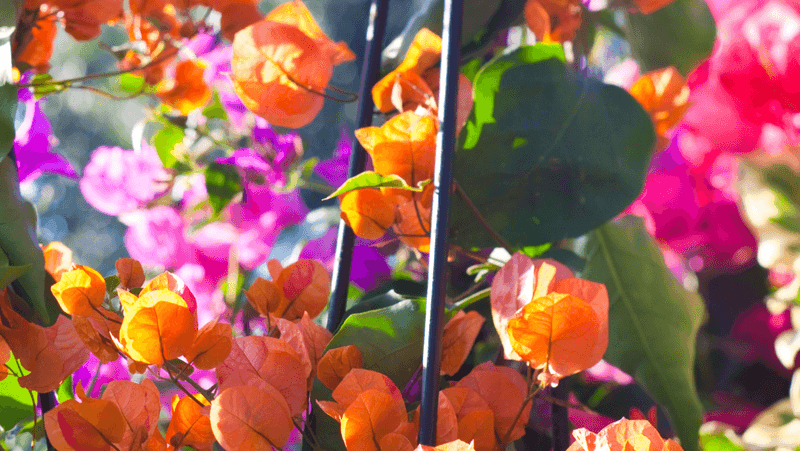
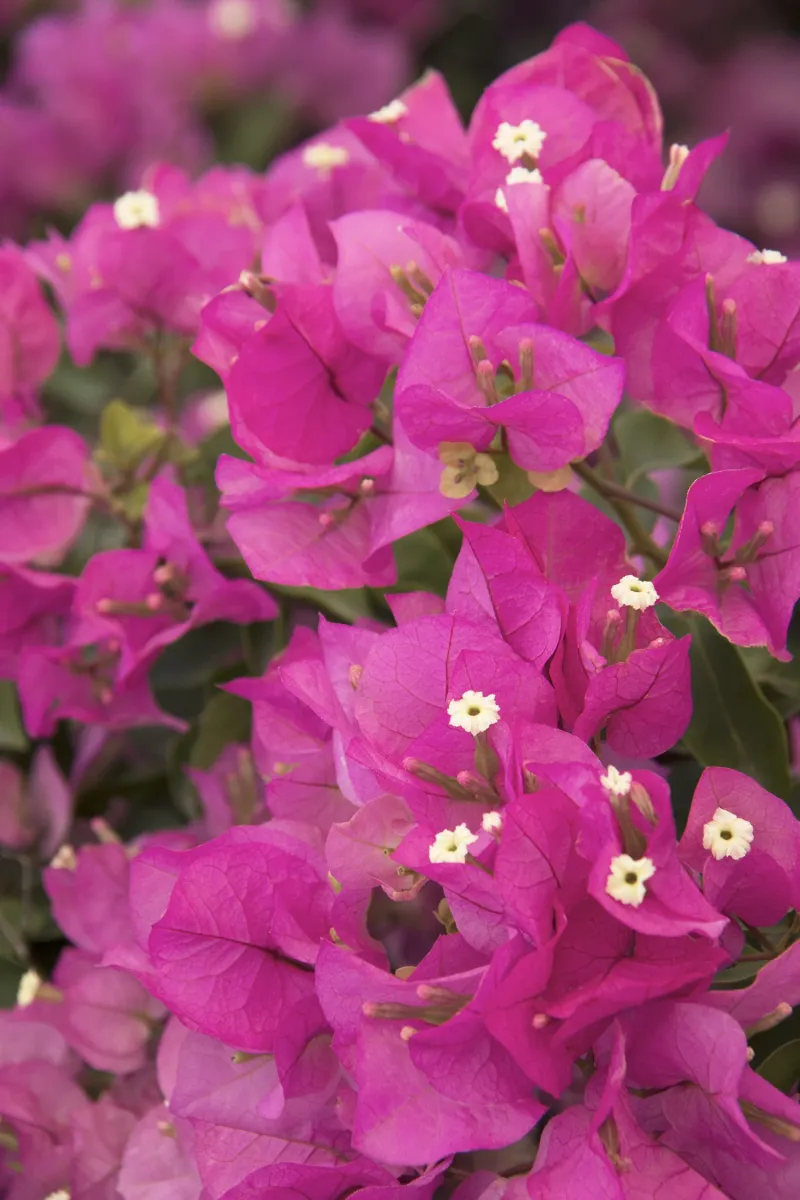
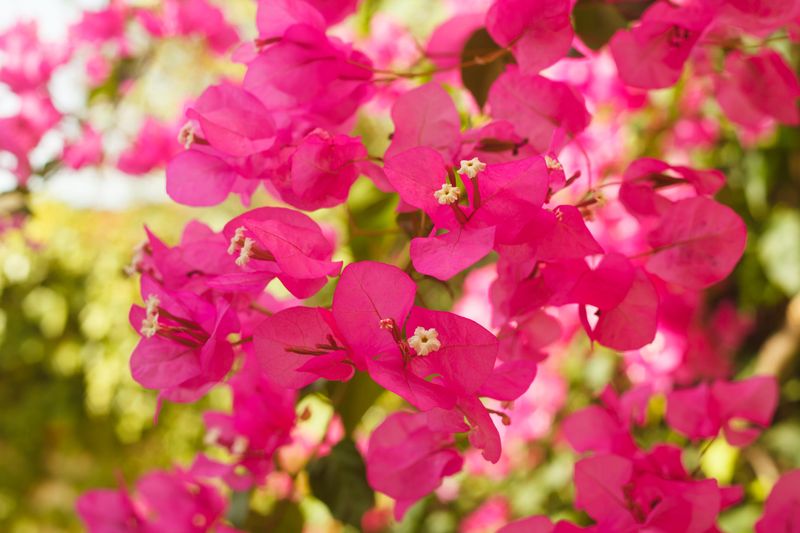
Bougainvillea pulls off one of the best color tricks in the plant world. What most people call the “flowers” are actually modified leaves called bracts, and UF/IFAS Gardening Solutions notes that the true flowers are small and inconspicuous, tucked inside those papery, jewel-toned bracts.
Magenta, orange, red, coral, yellow, white: all of that showstopping color comes from modified foliage, not petals in the traditional sense.
That distinction matters for how you care for the plant in September. Bougainvillea is not a heavy-blooming annual that just needs more inputs to keep pumping out color.
It is a vigorous, woody vine that performs best when conditions align: full sun, controlled soil moisture, restrained fertilizing, and selective pruning. When those conditions come together, colorful bracts follow.
When they do not, the plant may stay perfectly healthy while producing very few bracts at all.
Central Texas heat does not automatically push bougainvillea into color mode. Texas A&M AgriLife Extension recognizes the plant as a heat lover, but heat tolerance is not the same as a bloom guarantee.
Flowering varies with cultivar, plant maturity, light exposure, moisture management, nutrition, pruning timing, and weather. September care can improve the conditions that support colorful bracts through the remaining fall heat, and that is the realistic, practical goal this guide is built around.
Put light first when color starts to fade
Before adjusting water, fertilizer, or pruning, check one thing first: how many hours of direct sun is your bougainvillea actually receiving? Texas A&M AgriLife Extension states that bougainvillea needs at least four hours of direct sun to bloom, and UF/IFAS and NC State both recommend full sun, with roughly six or more hours generally supporting stronger flowering.
That means direct, unfiltered sunlight hitting the plant during the peak part of the day, not bright shade filtered through a tree canopy or the dappled light alongside a fence.
Shade is a surprisingly common culprit in Central Texas landscapes, especially as trees mature and canopies spread over spots that were sunny when the bougainvillea was first planted. A plant receiving fewer than four hours of direct sun may grow vigorously and look healthy while producing almost no colorful bracts.
Adjusting water or adding fertilizer will not fix that problem. UF/IFAS Extension Nassau County confirms that insufficient light is unlikely to be corrected by changes in watering alone, and that light should be addressed before expecting other care adjustments to restore flowering.
For a container plant, solving a shade problem may be as simple as rolling the pot to a sunnier patio or driveway spot. In-ground plants present a harder challenge.
UF/IFAS notes that bougainvillea has a fine, fragile root system, which makes transplanting an established specimen risky and often counterproductive. If a mature in-ground plant is now shaded by a tree that was not there years ago, selective tree limbing to open the canopy above the bougainvillea is usually a better option than attempting to move the plant.
Spend a full day watching where direct sun falls in your yard before making any decisions. Morning sun counts, but the intense afternoon exposure common in Central Texas tends to be where bougainvillea really thrives.
If your plant is already in full sun and still producing sparse color, then move on to moisture, fertilizer, and pruning as the next variables to examine.
Use controlled dryness, not deliberate drought
The single most misunderstood piece of bougainvillea care is the watering recommendation. You may have heard that bougainvillea likes to be kept dry, and there is real truth behind that idea, but the practical application matters enormously.
UF/IFAS Gardening Solutions recommends leaving the soil “a little dry” between waterings, and NC State Extension advises deep watering followed by drying between sessions. The goal is controlled dryness, not deliberate drought.
Here is what that looks like in practice: water your bougainvillea thoroughly, soaking the root zone until water drains freely, then hold off until the top few inches of the root zone have partly dried before watering again. Persistently wet soil and poor drainage can contribute to root problems and suppress flowering.
On the other end, excessive drying carries its own risks. UF/IFAS extension research shows that excessive water stress can cause leaf drop, reduce growth, delay flowering, and damage plant performance.
Letting the plant wilt severely and repeatedly is not a bloom strategy; it is a stress strategy that can backfire.
Research on potted bougainvillea adds useful nuance here. A study on flowering regulation under five water treatments found the most flowers under medium water stress, while both very high and very low stress produced fewer flowers.
That finding applied to potted cultivars under controlled conditions, not every landscape bougainvillea in Central Texas, but it reinforces the principle: moderate, controlled dryness is the target, not maximum drought.
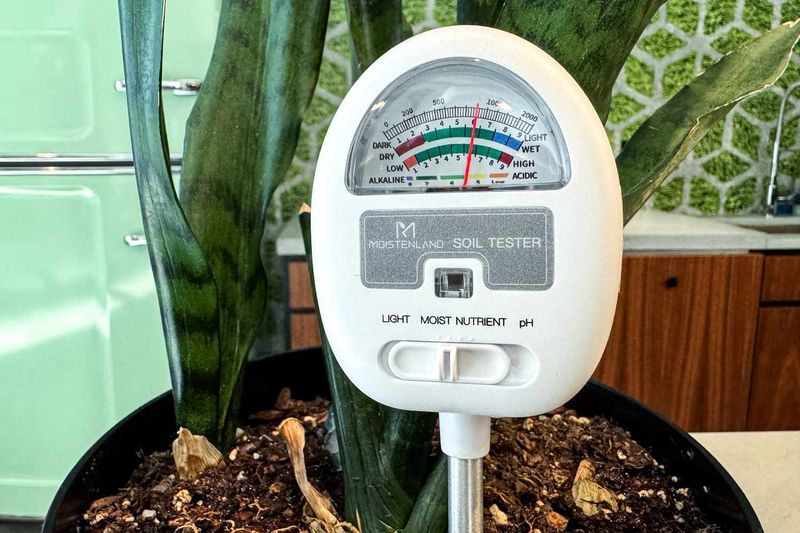
Skip the fixed watering calendar in September heat. Check actual soil moisture by pressing a finger or a moisture probe a few inches into the root zone, and also look at the plant itself.
Slight leaf drooping in the late afternoon is not always a crisis in Texas heat, but persistent, severe wilting earlier in the day is a signal to water. Texas A&M AgriLife Extension emphasizes that water needs vary with rooting depth, soil type, slope, and location, and recommends using plant condition and site factors rather than a calendar alone when scheduling irrigation.
Containers, newly planted specimens, bougainvillea in shallow or rocky Central Texas soils, plants in windy exposures, and plants in spots with uneven irrigation coverage can all dry out faster than an established in-ground plant in deep, well-drained soil. Check those situations more frequently, sometimes every day in a heat wave.
Recent rain changes the equation too: if a strong storm dropped two inches last week, hold back and reassess before resuming your regular schedule.
Hold back nitrogen when the plant is all leaves
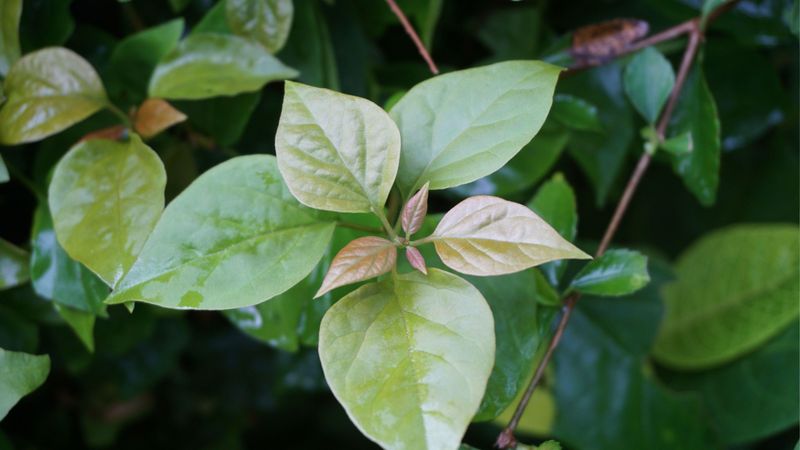
A bougainvillea that is pushing out thick, dark green growth but showing almost no colorful bracts may be getting too much nitrogen. UF/IFAS warns that excessive nitrogen encourages leafy growth rather than blooms, and University of Arizona guidance likewise notes that overfertilizing can discourage flowering.
Nitrogen tells the plant to grow more foliage, which is the last thing you want from a bougainvillea that should be channeling energy into colorful bracts.
The corrective instinct, reaching for a fertilizer bag when the plant looks unimpressive, tends to make this worse rather than better. Do not add fertilizer simply because color is lacking.
If the plant is healthy, green, and vigorous, it likely has enough nutrients to support flowering once other conditions, especially light and moisture, are in order. Adding more nitrogen at that point pushes the plant further toward leafy growth.
If you genuinely suspect a nutrient deficiency, get a soil test before applying anything corrective. Texas A&M AgriLife Extension soil guidance cautions against making amendments without an appropriate diagnosis, and that principle applies directly here.
Routine bloom fertilizer or high-phosphorus products are not a universal fix for sparse bougainvillea color, and the sources do not support treating them that way. A soil test gives you actual data to act on instead of guesswork, and it prevents you from compounding a fertilizer problem by layering on more inputs.
Trim selectively in September and save the hard cut for later
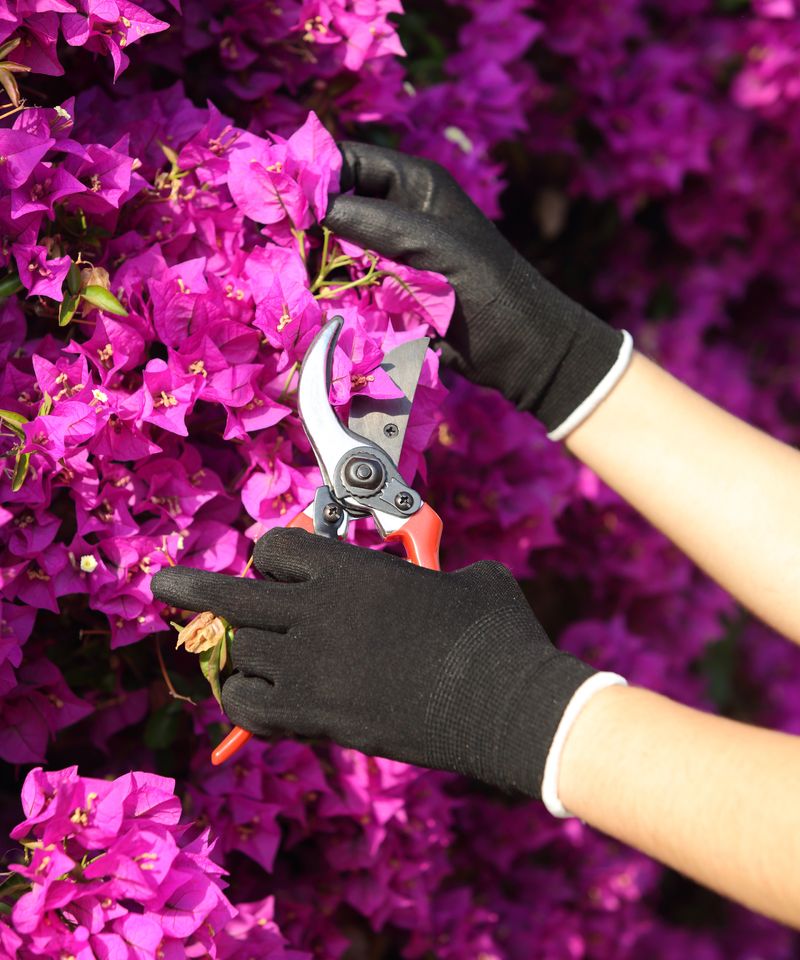
Pruning bougainvillea at the wrong time is one of the fastest ways to lose the colorful bract display you are trying to protect. Hard pruning or shearing in early September removes the very growth that may be carrying developing flowering material, and it triggers a flush of new vegetative shoots that will not have time to mature and set bracts before cool weather arrives.
UF/IFAS identifies late winter or early spring, or the start of the rainy season, as preferred pruning windows and specifically warns that late-summer or early-fall pruning may reduce subsequent flowering.
What is appropriate right now is selective trimming only. If a shoot has grown well past its support, crossed into a walkway, or been damaged by wind or insects, go ahead and remove it.
Cutting back an overly vigorous stem that is pulling the plant out of shape is reasonable. What is not appropriate is shearing the whole plant back by a third or more in hopes of triggering a fresh bloom cycle.
That approach tends to work better in spring and is more likely to delay flowering in a September timeline.
One non-negotiable before you pick up any pruning tool: put on thick gloves and wear long sleeves. UF/IFAS Extension specifically warns about injuries from bougainvillea’s thorns, which are curved, stiff, and effective at catching skin and fabric.
Eye protection is a reasonable addition when working inside a dense plant. Treat the thorns with the same respect you would give a rose with significantly more reach, and position yourself carefully before making any cuts.
After any selective trimming, step back and assess what the plant looks like structurally. A little shaping to keep it within its space is fine.
Aggressive cutbacks should wait until the plant finishes its fall display and you are heading into the late-winter window when major pruning is better timed and less likely to cost you color.
Troubleshoot sparse bracts without piling on inputs
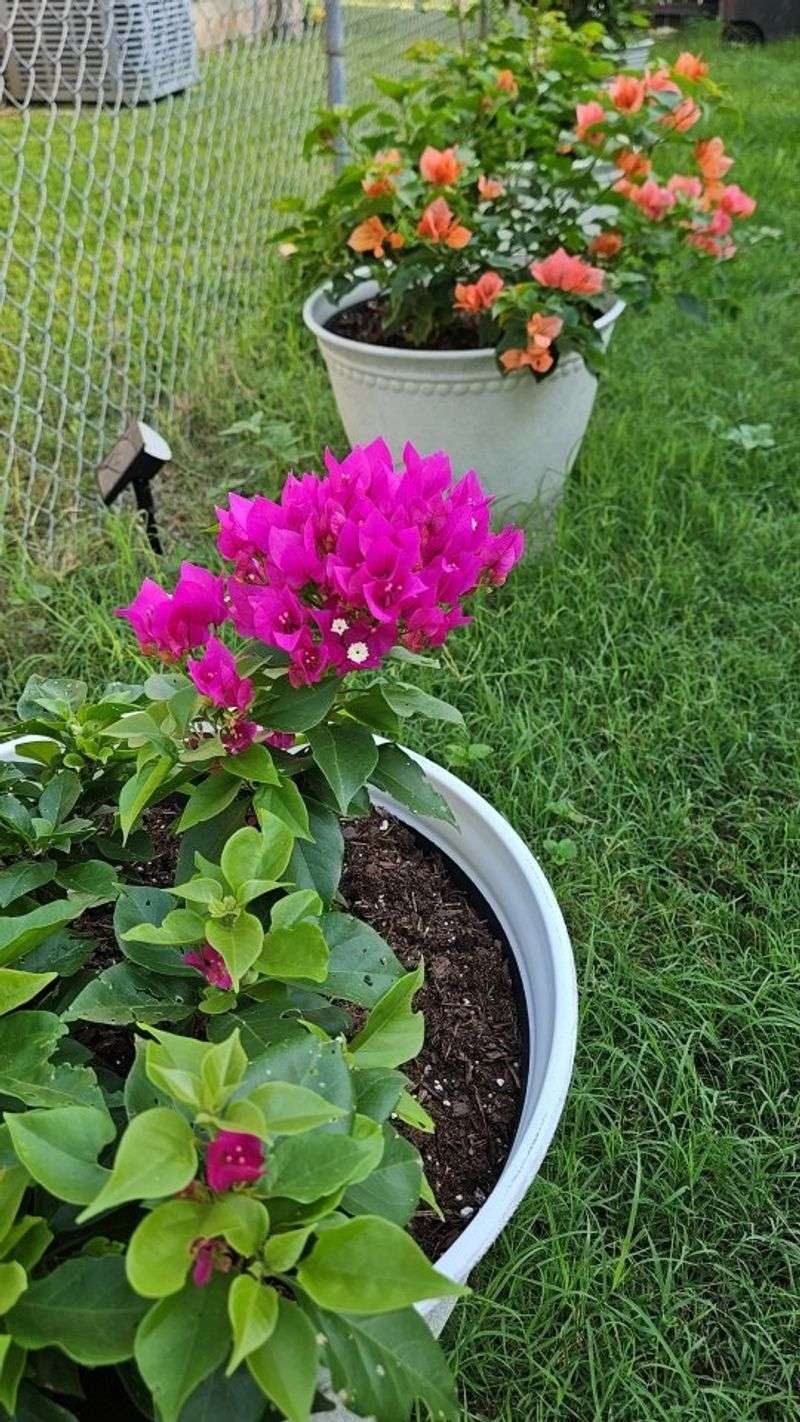
When a bougainvillea is not producing the colorful bract display you expected, the temptation is to do something, add water, add fertilizer, prune it back. Most of the time, the better move is to work through a checklist of possible causes before adding any inputs at all.
Sparse bracts are rarely caused by just one factor, and throwing more resources at the plant without identifying the actual problem can push it further in the wrong direction.
Work through these possibilities in no particular order of guaranteed importance, since the right starting point depends on your specific plant and site. Is the plant receiving at least four to six hours of direct sun daily?
Has the soil been consistently wet, or has the plant experienced severe, repeated wilting? Is drainage poor, leaving the root zone soggy after rain?
Has the plant received a nitrogen-heavy fertilizer recently, or been fertilized more than once this season? Has it been pruned frequently or at a time that removed developing flowering growth?
Is the plant young or newly transplanted, still establishing its root system? Does the cultivar you are growing have a reputation for heavy or light bract production?
UF/IFAS notes that a bougainvillea producing mostly leaves may be in too much shade, receiving excessive water, or getting too much nitrogen, and that its fine, fragile root system can complicate relocation of established plants. Temperature and photoperiod also influence flowering, so a stretch of unusual weather during the season may have disrupted the bract cycle.
One additional issue specific to Central Texas is chlorosis, the yellowing of leaves caused by reduced micronutrient availability in alkaline soils. If your plant’s newer leaves are turning yellow between the veins while the veins themselves stay green, that pattern can point toward an iron or other micronutrient issue.
UF/IFAS Extension Charlotte County identifies alkaline soil as a contributing factor to bougainvillea chlorosis. Before reaching for iron supplements or acidifying products, get a soil test.
Texas A&M AgriLife warns that lowering pH in alkaline Texas soils is difficult and that overapplication of acidifying materials can injure or kill plants. A test tells you whether you have a real deficiency or a different problem wearing a similar mask.
Plan for the freeze that ends the outdoor display
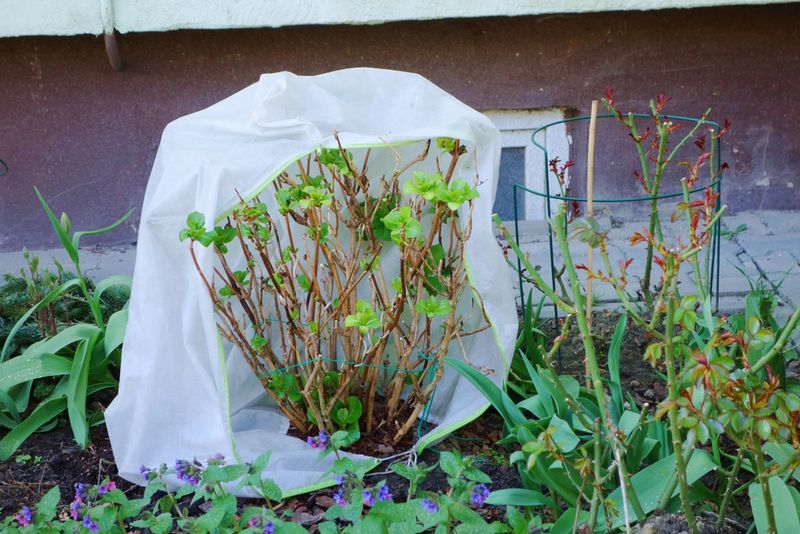
Central Texas fall heat can keep bougainvillea performing well into October and even early November, but freeze risk is a real planning factor that changes the calculus entirely. Bougainvillea is frost-sensitive, and Texas A&M AgriLife’s Earth-Kind plant selection guidance limits unprotected outdoor bougainvillea to extreme southern Texas and recommends winter protection for Central Texas gardeners.
This is not a plant you can treat as a reliably hardy perennial throughout the Austin or Waco area without a plan for cold weather.
Average freeze dates give you a planning window, not a firm deadline. Austin’s average first freeze falls around late November based on long-period climate records, while Waco’s average first freeze is around November 21.
Unusually early freezes do happen in both areas, and a single hard freeze can damage or kill an unprotected bougainvillea. Start watching the extended forecast in October rather than waiting for November.
When a freeze threatens, in-ground plants need protection at the roots and foliage. A thick layer of mulch over the root zone helps insulate the soil, and frost cloth or an old sheet draped over the plant can protect foliage from light freezes.
A hard freeze at or below 28 degrees Fahrenheit for several hours is a different level of risk, and even protected in-ground plants may suffer dieback to the roots. NC State Extension notes that bougainvillea is often grown as a container plant or annual where frost is a concern, and that approach makes particular sense in Central Texas.
Container culture offers real flexibility that in-ground planting cannot. A potted bougainvillea can be moved to a protected garage, covered patio, or indoor space when temperatures drop, then returned to full sun once the freeze passes.
The trade-off is that containers need more frequent moisture monitoring, especially in September heat, and they may need repotting as the plant matures. Cultivar, microclimate, container versus in-ground status, and the specific timing and severity of each freeze all affect how your plant comes through the winter, so stay engaged with the forecast rather than assuming any single strategy will cover every scenario.
Follow a restrained September care checklist
Here is a practical September action plan you can use right now. Confirm that your bougainvillea is receiving at least four to six hours of direct sun daily, and address any shade issues before adjusting anything else.
UF/IFAS recommends watering deeply and then allowing the soil to dry somewhat between irrigations, so check actual soil moisture before watering rather than following a fixed schedule.
Monitor containers, newly planted specimens, shallow-soil sites, and windy exposures more frequently since they dry out faster than established in-ground plants. Skip unnecessary nitrogen applications, and do not reach for bloom fertilizer or high-phosphorus products unless a soil test has identified a specific deficiency.
Avoid hard pruning or shearing; limit any trimming to errant or damaged shoots, and always wear gloves and protective clothing before handling the thorny canes.
As fall progresses, shift some attention to the forecast. Texas A&M’s plant selection guidance recommends winter protection for bougainvillea in Central Texas, so have frost cloth ready and know your plan for containers before the first cold front arrives.
This checklist supports better flowering conditions through the remaining heat rather than guaranteeing a fixed bloom schedule. A well-tended bougainvillea in the right spot is one of the most rewarding plants in a Central Texas yard, and restraint, not excess, is what keeps it that way.