
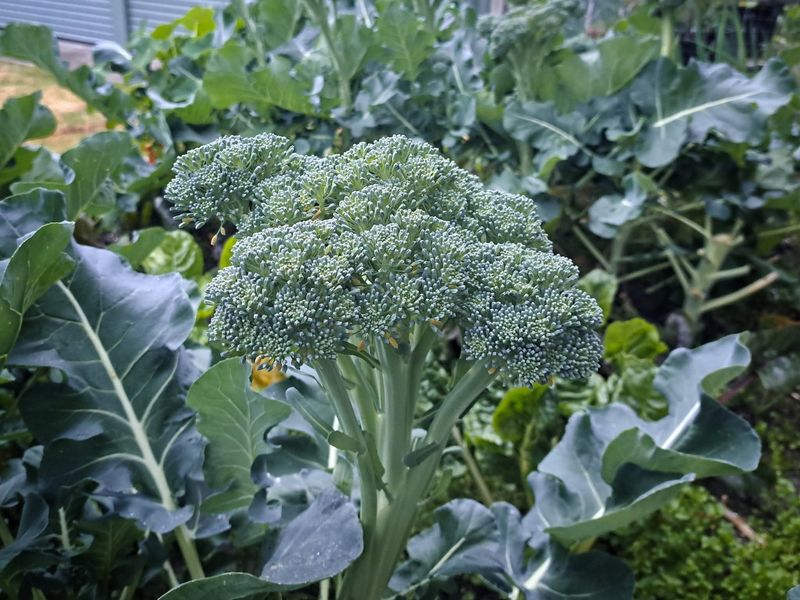
Fall broccoli is one of the most rewarding cool-season crops a North Carolina gardener can grow, but getting a firm, tight head depends on planting at the right time for your part of the state. Heat during the period when the crown forms can lead to loose, uneven, or absent heads, so when you put transplants in the ground matters more than most gardeners expect.
Knowing your regional window and working backward from cooler fall weather gives you a real advantage before the season even starts.
Early August offers a regional benchmark—not a statewide broccoli deadline
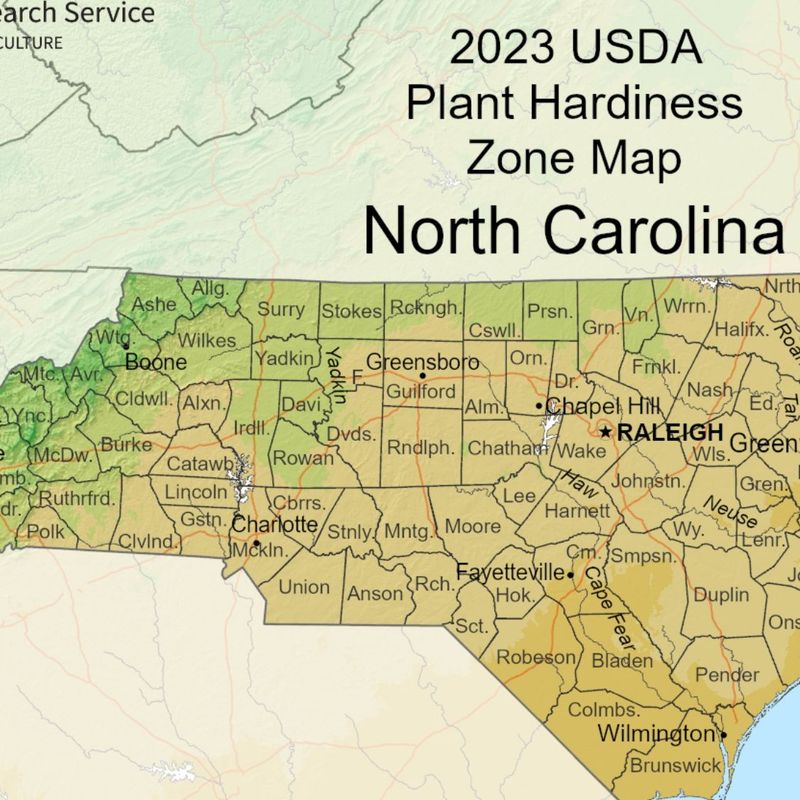
Fall broccoli timing in North Carolina is not a single date that applies to every gardener in every county. The state spans three distinct growing regions, and each one calls for a different approach to the fall planting calendar.
Understanding where you live changes the whole conversation about when to get transplants in the ground.
NC State Extension’s broccoli production guidance identifies an eastern North Carolina fall planting window of roughly August 1 through September 15 for broccoli. For the Piedmont, the general home-garden rule of thumb places many 60- to 80-day fall crops around August 1, making early August a useful benchmark rather than a hard cutoff.
Coastal Plain gardeners may have a slightly later window, while growers in the mountains generally need to start fall crops earlier in the season.
That earlier mountain adjustment comes from a general fall-crop calendar, and it does not override NC State’s crop-specific guidance. The same extension resource notes that fall broccoli is not recommended in western North Carolina, while eastern planting is recommended from August 1 to September 15.
Those are two different kinds of guidance, and flattening them into one statewide deadline misrepresents both.
If you garden in western North Carolina, the practical advice is to skip the Piedmont or Coastal Plain rule and instead contact your local county extension office or look for crop-specific recommendations that account for your elevation and microclimate. The mountain region has its own pest pressures, temperature patterns, and soil conditions that a statewide calendar cannot address reliably.
The reason timing matters so much comes down to where broccoli forms its edible crown. Head initiation and development need to happen during moderating temperatures, not during peak summer heat.
Planting early enough to move that sensitive growth stage toward cooler fall conditions is the goal, regardless of which specific date your region targets. Early August is a useful Piedmont reference point, but your county’s local window is the more reliable guide.
Count backward from cool-weather growth and choose the right transplant
Once you know your regional planting window, the next step is turning that date into an action plan rather than a circled square on the calendar. The key move is counting backward from the period when you expect temperatures to moderate in your area, then subtracting your cultivar’s days-to-maturity estimate to figure out when transplants need to go in the ground.
Days-to-maturity figures on seed packets are not guarantees. They vary depending on whether the count starts at seeding or transplanting, and heat, drought, pest pressure, and cultivar differences all shift the real-world number.
Use the figure as a starting estimate, then adjust based on your local conditions and past experience in your garden.
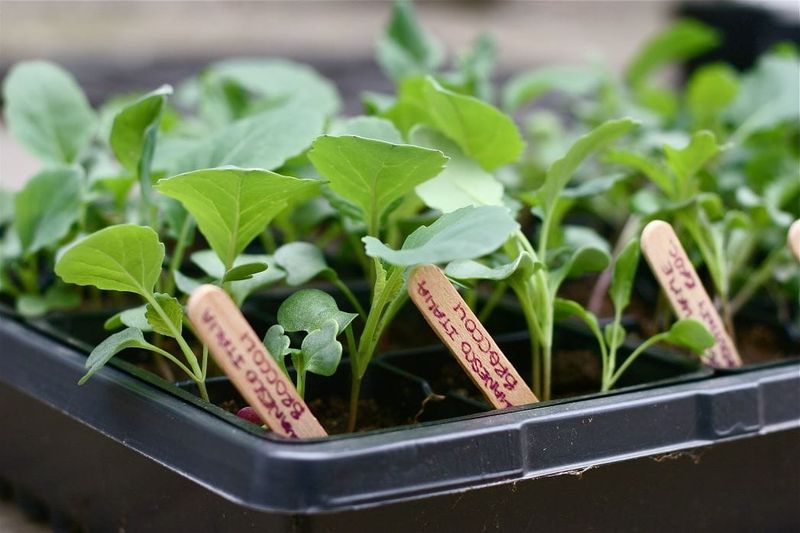
NC State’s production guidance describes transplants as ready for field planting roughly four to five weeks after seeding in commercial systems. For home gardens, a transplant with about four to six mature leaves and a well-developed root system is generally ready to move to the garden without setting the plant back significantly.
Transplant condition matters as much as timing. Oversized, root-bound, or heat-stressed starts are more prone to buttoning, which is the formation of a tiny premature head before the plant has built enough leaf area to support a full crown.
Utah State University Extension’s broccoli guide notes that larger or older transplants carry higher buttoning risk, and that stress from heat, cold, water shortage, low fertility, pests, or disease can also contribute to the problem.
Starting seeds indoors or in a shaded outdoor space about four to six weeks before your target transplant date keeps plants at the right developmental stage when the ground is ready. A compact, healthy, well-rooted start gives the crop its best chance of growing through the summer heat and arriving at head initiation in good condition.
Heat around head initiation can reshape the crown
Broccoli’s edible part is not a leaf or a stem. The crown you harvest is actually an immature flower structure, a tightly packed cluster of flower buds that the plant forms before those buds open into yellow blooms.
That biological fact explains why heat affects head quality so differently than it affects the leafy vegetative growth that comes before it.
Plants can tolerate considerable summer heat while they are building leaves and root mass. The risk sharpens considerably during a roughly 10-day window around flower-bud initiation, when the crown is beginning to organize.
UMass Amherst Extension’s guidance on broccoli and summer heat identifies this period as especially sensitive, noting that sustained high temperatures during flower-bud initiation can produce uneven or poor-quality heads even when vegetative growth appeared normal.
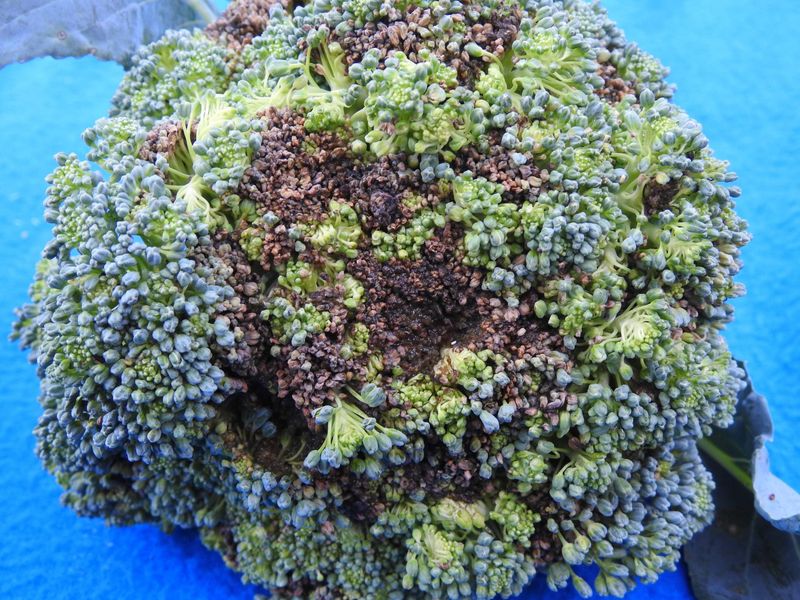
What does heat damage to the crown actually look like? It can show up as loose, open florets that do not form a compact dome, as a small or misshapen head, as an uneven surface with gaps between sections, or in more severe cases as no crown at all.
University of Minnesota Extension notes that approximately 86 degrees Fahrenheit daytime and 77 degrees Fahrenheit nighttime are conditions that can prevent crown formation, while also pointing out that hot weather can cause loose heads, poor flavor, or small heads even when a crown does form. These figures are guidance for understanding risk, not a precise failure threshold that applies equally to every cultivar.
Research published in the Journal of Experimental Botany on high-temperature arrest of inflorescence development in broccoli confirms that heat response varies by cultivar and by the specific developmental stage exposed to elevated temperatures. That variation is why cultivar selection and timing together determine risk, rather than temperature alone.
Heat during head development is one of the most powerful factors shaping crown quality, but moisture, fertility, pest pressure, transplant condition, and harvest timing all play roles too.
Keep transplants growing evenly through summer stress
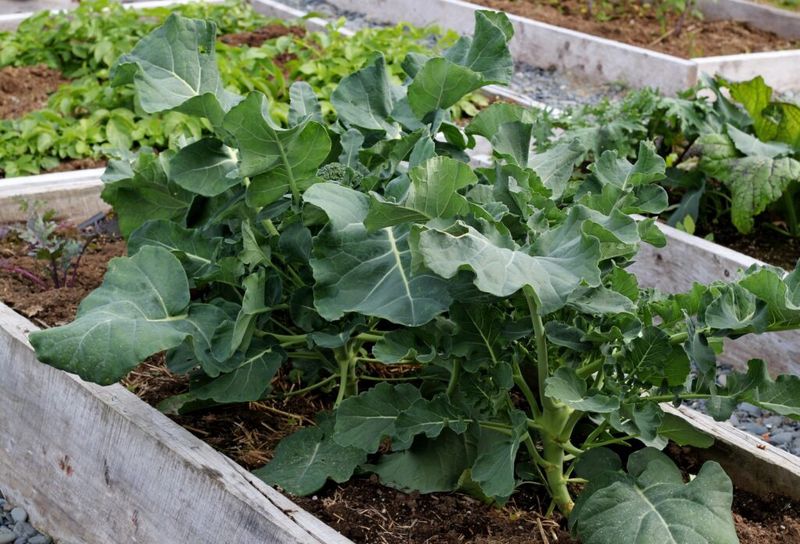
Getting transplants in the ground at the right time is only part of the job. Keeping them growing steadily through August heat requires consistent attention to water, spacing, and occasionally shade, without expecting any single tactic to eliminate the risk of a disappointing crown.
NC State’s broccoli production guidance puts the general water requirement at about 1 to 1.5 inches per week, depending on soil type, cultivar, and growing conditions. Newly transplanted starts often need more frequent attention during their first week in the ground while roots are establishing.
Water stress during that early period can set back root development and leave plants more vulnerable when heat peaks.
Where you put the water matters almost as much as how much you apply. UGA Cooperative Extension’s fall vegetable gardening guidance recommends drip or soaker irrigation because it delivers moisture directly to the root zone while keeping foliage dry.
Wet leaves from overhead watering can increase disease pressure, which is an added problem when plants are already managing heat stress.
Spacing affects both air circulation and crown size. Utah State University Extension places broccoli at roughly 12 to 18 inches apart within rows, with rows spaced about 2 to 3 feet apart.
Crowded plants compete for water and nutrients, and reduced airflow between them can worsen disease conditions.
Temporary shade cloth is a tool worth considering during extreme summer heat, especially for newly transplanted starts. NC State’s community food gardening handbook notes that shade cloth can protect crops from summer heat and solar intensity and that shade may help extend recommended planting windows.
Shade cloth can reduce soil and air temperature around plants, but it is a stress-reduction tool, not a substitute for appropriate timing. A well-timed, well-watered crop under reasonable spacing stands a better chance than a late planting rescued by shade alone.
Match the cultivar to the season and monitor fall pests
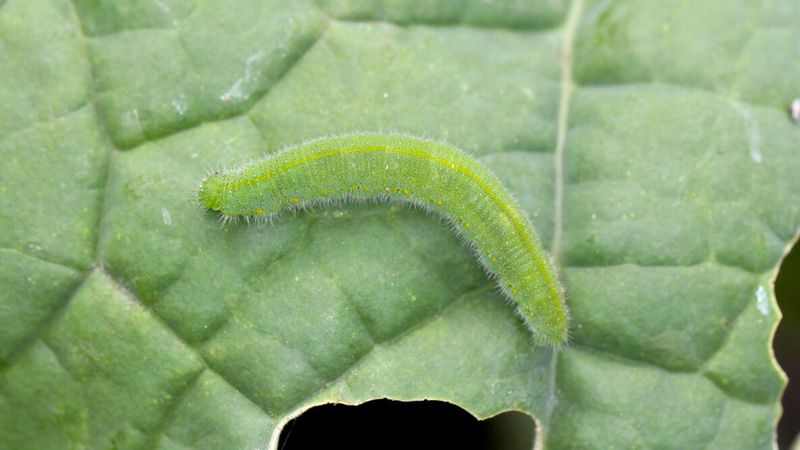
Calendar timing and good transplant care can do a lot, but neither one controls what cultivar is growing in the bed or what insects arrive after transplanting. Both of those factors can shift the outcome as much as the planting date itself.
NC State’s cultivar selection guidance for North Carolina emphasizes that variety choice is especially critical in this state because of narrow planting windows, rapid temperature swings, heat stress, and regional disease pressure. Heat-tolerant cultivars bred or tested for southeastern conditions can reduce the risk of poor head development during warm spells, but no cultivar eliminates that risk entirely.
Matching a variety to your local season and checking whether it has been trialed in conditions similar to yours is a reasonable starting point.
Pest pressure in the fall garden is real and often underestimated by gardeners who associate bugs primarily with spring plantings. NC State’s guide to pests of crucifers identifies cabbageworms, cabbage loopers, diamondback moth larvae, flea beetles, cutworms, and cabbage maggots as common threats to the broccoli family.
Each of these can damage foliage, stunt growth, or compromise the crown if populations build unchecked.
Cabbage maggot receives specific attention in western North Carolina, where it is noted as a particularly significant pest for crucifer crops. For any gardener in that region who does pursue broccoli despite the general recommendation against fall production there, pest scouting from day one is essential rather than optional.
Monitoring starts at transplanting and continues through harvest. Check the undersides of leaves for egg clusters and young caterpillars, look for the ragged feeding holes that flea beetles leave behind, and watch for wilting that can signal root damage from maggots or cutworms.
Managing pest pressure is a risk-reduction practice, not a guarantee of a clean crop, but a plant eaten to the stem cannot form a head regardless of how well timed the planting was.
Diagnose buttoning, loose crowns, and yellow flowers accurately
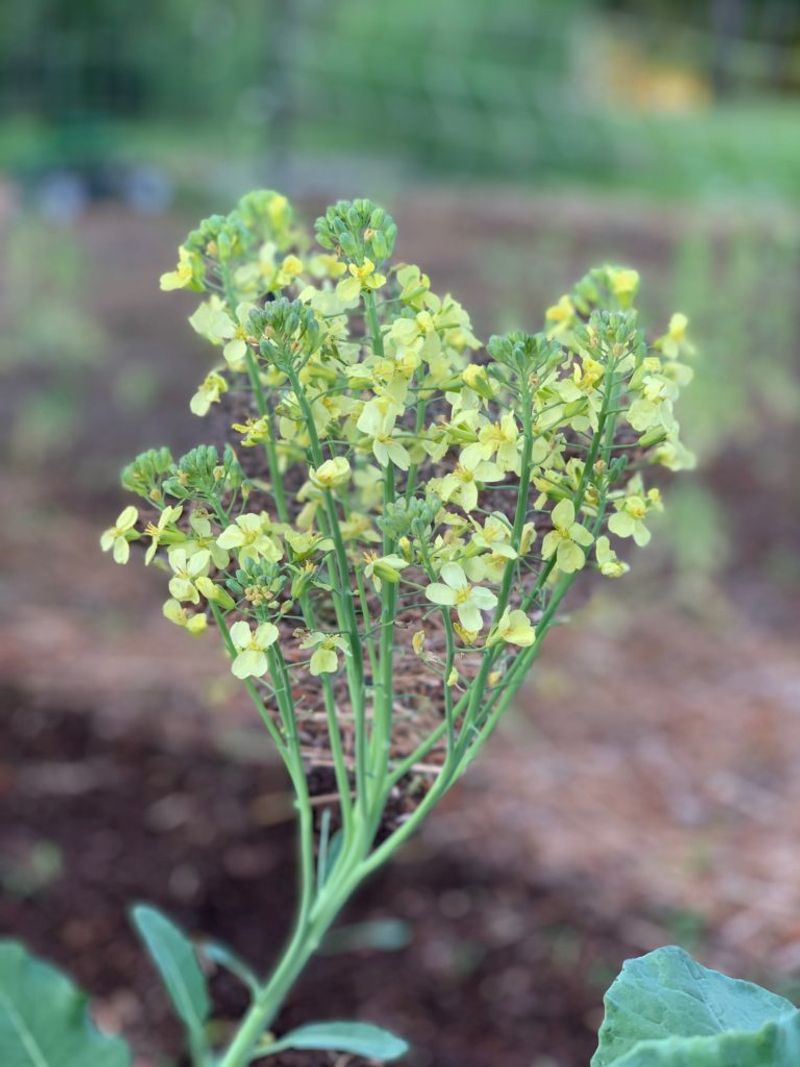
When a fall broccoli crop does not produce the firm, dome-shaped crown you were expecting, the cause is not always the same, and the right response depends on what actually happened. Treating every disappointing head as a single failure type leads to the wrong diagnosis and the wrong fix the following season.
True bolting means the plant flowered prematurely before forming a proper head. That is a specific outcome, and it is different from several other problems that produce similar-looking results.
University of Minnesota Extension’s guide to non-pest issues in cool-season crops draws useful distinctions between premature flowering, buttoning, and heat-related crown problems that gardeners often lump together.
Buttoning happens when a plant forms a tiny, tight head that reaches only a few centimeters across before stalling or beginning to flower. Utah State University Extension links buttoning primarily to transplant stress, whether from age, root binding, heat, cold, drought, low fertility, or pest damage.
A plant that was already under pressure before it went into the ground is more likely to button than one that arrived in healthy condition.
A loose or uneven crown is a different problem. Utah State’s brassica production problems guide describes loose, separated florets as a heat-related quality issue rather than true premature flowering.
The plant formed a crown, but heat during head development prevented the florets from packing tightly together.
Yellow flowers on a broccoli head are often the simplest situation to explain. Broccoli heads are flower tissue, and if the head is not harvested while the buds are still tight and green, those buds continue developing and eventually open into yellow blooms.
University of Minnesota Extension advises harvesting before buds loosen or yellow, because once they open, eating quality declines. Yellow broccoli is not dangerous, but it signals that the best harvest window has passed.
Even a stressed plant that does not produce a large central head may still offer side shoots, small secondary crowns, or edible florets. Cutting the main stem at harvest encourages lateral growth, and those smaller pieces can still provide food from a crop that did not perform perfectly.
Use the local planting window as your practical deadline
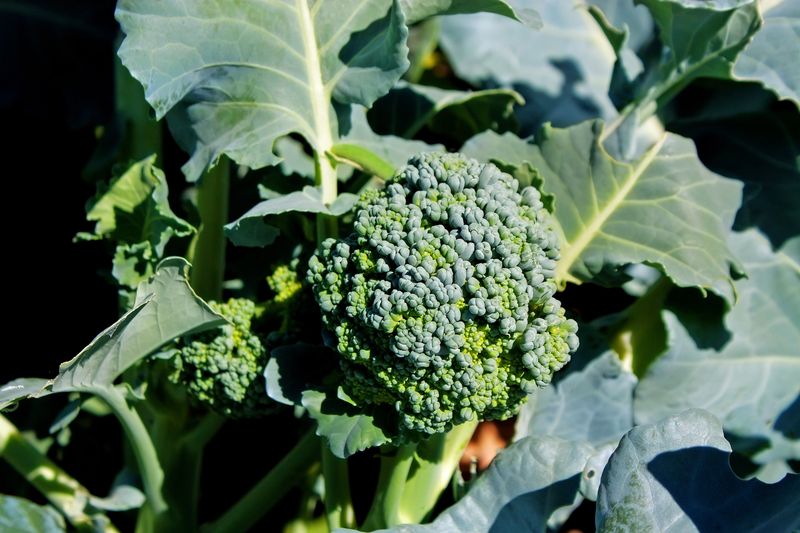
The most useful decision rule for fall broccoli is also the simplest: follow the planting window for your county and region, not a single statewide date. NC State’s broccoli production guidance provides regional windows that account for the real differences between eastern, Piedmont, and Coastal Plain growing conditions, and your local county extension office can refine those further for your specific area.
Transplant healthy, appropriately sized starts early enough that flower-bud initiation is likely to fall during a period of moderating temperatures rather than peak summer heat. Maintain steady moisture, give plants adequate room, select a cultivar suited to your local season, and stay on top of pest monitoring from the day transplants go in.
University of Minnesota Extension notes that even well-managed crops can produce small crowns, side shoots, or edible florets when conditions are not ideal, which means a late or stressed planting is not automatically a total loss.
No single tactic, whether shade cloth, a specific fertilizer, daily watering, or a heat-tolerant variety, will guarantee a tight green crown when weather, cultivar, moisture, pest pressure, transplant condition, and harvest timing all interact. Timely establishment improves the odds considerably, but gardening rarely offers certainties.
The grower who plants on time, tends the crop steadily, and harvests promptly is simply better positioned than one waiting for a perfect season that may never arrive.