

Those squash bugs tucked under a board or a pile of old leaves are not just a fall nuisance. Adult squash bugs spend winter in sheltered spots, and some come back to feed on squash in spring.
A little cleanup now may mean fewer of them near your zucchini later. It will not make your garden bug-free, but it is a smart step with a real payoff.
Adult squash bugs may carry the problem through winter
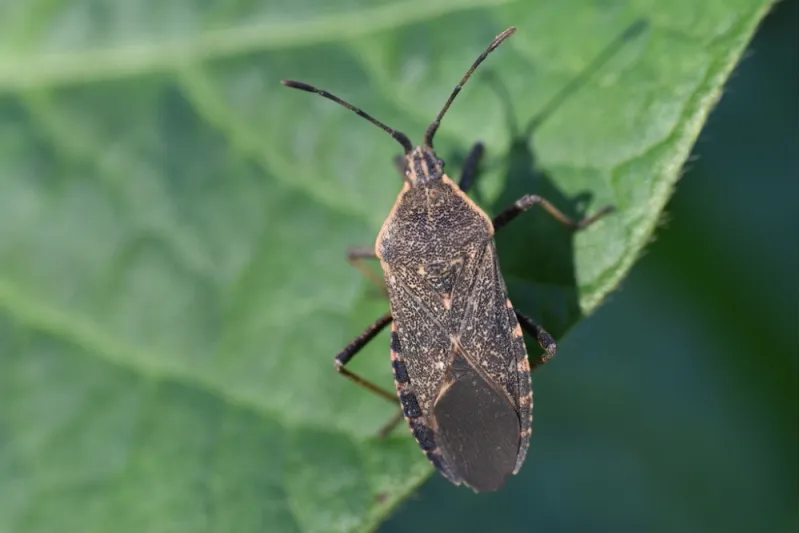
Squash bugs follow a seasonal routine. Minnesota Extension explains that adults are the stage that survives winter, while nymphs die when temperatures drop to freezing.
So not every bug you spot under fall debris will make it to spring.
The survivors look for protected places such as old crop debris, leaves, boards, rocks, and other garden clutter, as described by UF/IFAS. When the weather warms, they move to squash plants to feed and lay eggs.
That is why fall cleanup makes sense. Taking away shelter near your beds may lower the number of adults that start spring close to your zucchini.
Still, adults can also overwinter outside your garden and fly or walk in from nearby areas, so cleanup reduces risk without promising prevention.
Squash-bug feeding can wilt zucchini, but wilt has other causes
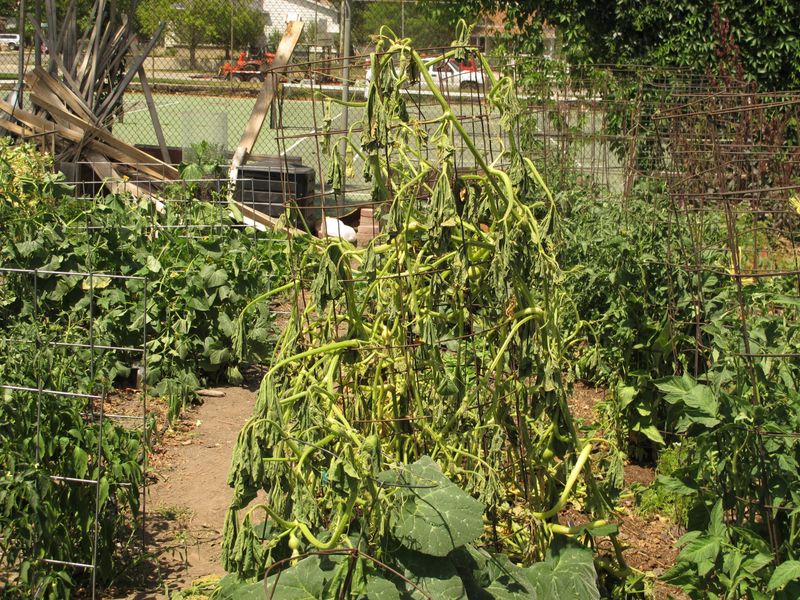
A drooping zucchini vine on a hot afternoon is enough to make any gardener worry. Squash bugs can be one cause.
According to Minnesota Extension, heavy feeding can disrupt the flow of water and nutrients and lead to wilting, and larger, sturdier plants generally tolerate it better than young ones.
Wilt by itself does not tell you the cause, though. Cucumber beetles can spread bacterial wilt, as Delaware Extension notes, and Texas A&M AgriLife says squash-bug injury can be mistaken for Fusarium wilt.
Before blaming any one culprit, look closely for bugs, eggs, and feeding spots on the plant. If you are unsure, your local extension office can help sort it out.
Start fall cleanup with old cucurbit plants and nearby clutter
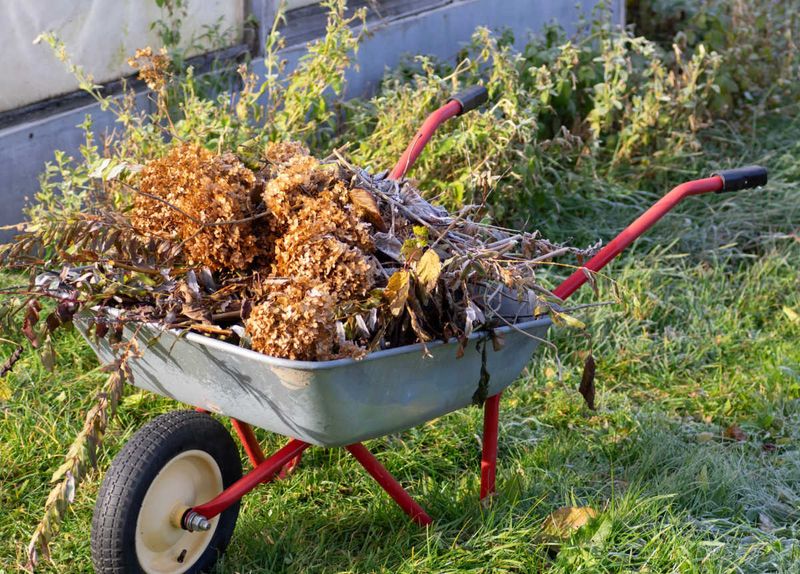
Once your squash stops producing, pull the spent vines and other dead plant material right away. Toss out old squash or pumpkin fruit too, since leftovers give bugs a sheltered spot to sit through winter.
Guidance from UF/IFAS describes this kind of sanitation as a way to cut down overwintering sites.
Next, look around the plants that gave you trouble. Clear unnecessary debris, and check spots such as old boards, stacked pots, and loose rocks that may be sheltering bugs.
Shake out anything you move over a bucket so you can destroy what falls out.
You do not need to strip the whole yard. As University of Georgia Extension frames it, cleanup reduces places to hide and lowers pest numbers, but it is not an infestation-free promise.
Focus on the area right around your squash.
Does mulch need to go?
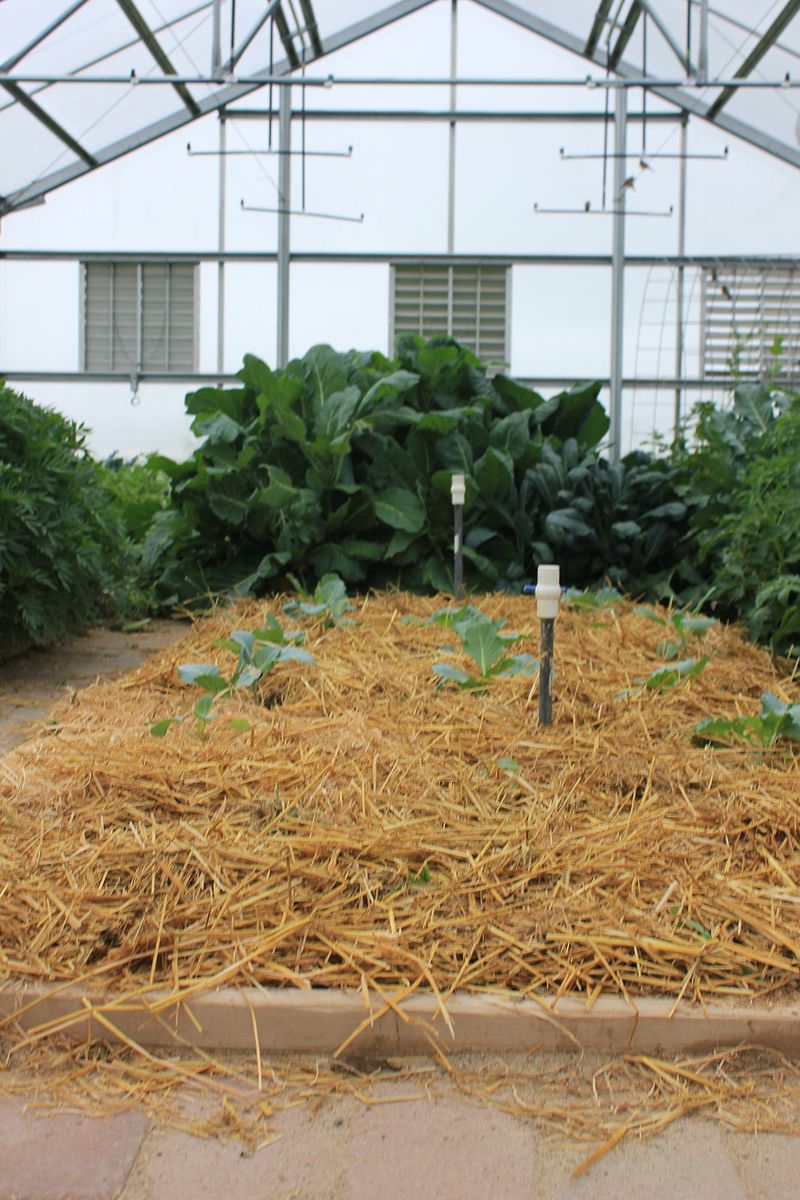
Mulch can give squash bugs a place to hide, but stripping every layer from your garden is not a rule you need to follow. Minnesota Extension singles out straw mulch as something to reconsider when squash bugs are a consistent, severe problem.
There is a tradeoff to weigh. Utah State University Extension points out that mulch also suppresses weeds, conserves soil moisture, and attracts beneficial insects.
In a hot Southern summer, those perks matter.
If squash bugs have hit your beds hard year after year, try pulling straw mulch away from the squash area in fall and lay it back down later. If your problem is mild, keeping your mulch and scouting regularly may be the better call.
A board works only when you check beneath it
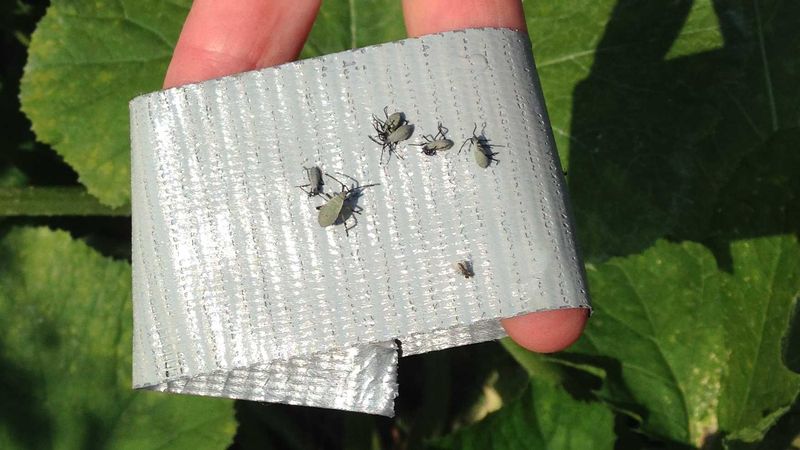
A flat board can work as a simple trap, but only if you use it. Wisconsin Extension describes setting boards near affected plants, then checking underneath in the morning and collecting the bugs found there.
Drop the bugs into soapy water or otherwise destroy them. Delaware Extension lists this among non-chemical options for cucurbits.
A board you forget about becomes a cozy hiding place instead. Come fall, pick up any boards you no longer need near your squash beds.
Any you keep should be checked on a regular schedule.
Spring scouting catches eggs and young bugs early
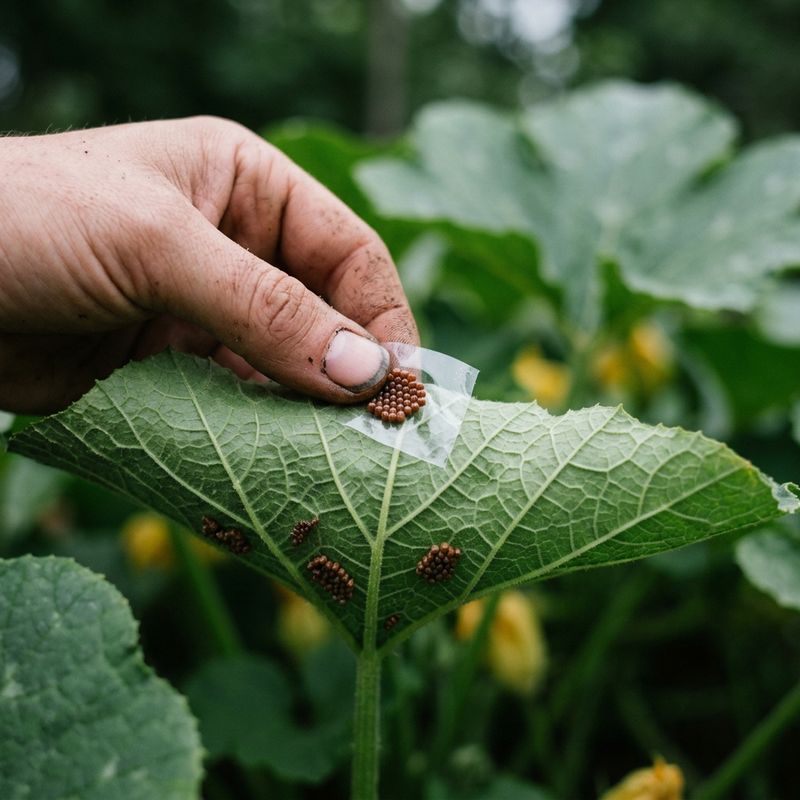
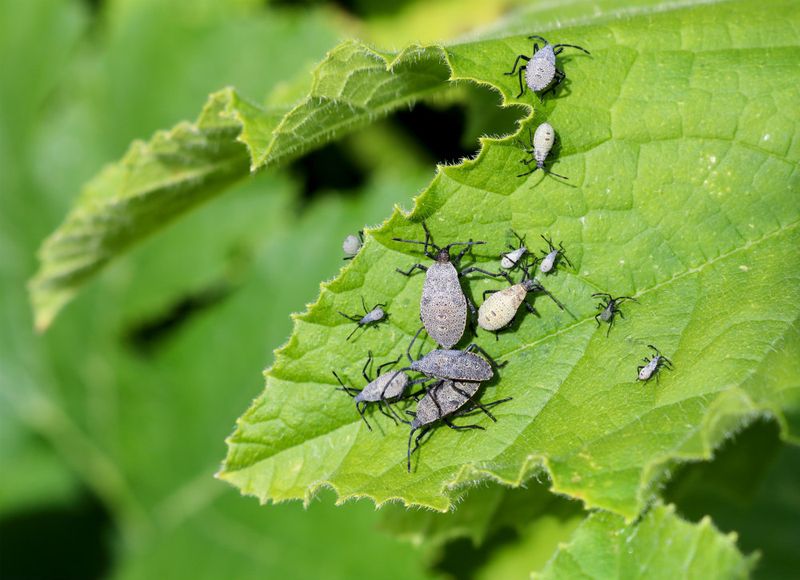
Spring is when your fall effort gets tested. Flip over zucchini leaves and check stems for clusters of bronze-to-copper eggs, then look near the base of the plant for small nymphs.
Minnesota Extension recommends this kind of regular checking.
In a small garden, hand removal is practical. Crush eggs or scrape them off with tape, and drop nymphs and adults into soapy water, a method also listed by Delaware Extension.
This step matters because cleanup lowers risk but does not rule out adults that survived nearby or flew in. A few minutes every couple of days while plants are young can keep a small problem from growing.
Cleanup lowers risk, not guarantees
Pull old cucurbit debris and unneeded shelter in fall, decide thoughtfully about mulch, and start scouting again in spring. University of Georgia Extension presents sanitation as a way to reduce pressure, and Minnesota Extension notes bugs can shelter beyond the garden.
A wilted vine next summer will not prove your cleanup failed, and it will not prove squash bugs caused it. A tidy bed simply gives you better odds.