
Spring weeds can feel like they appear overnight, and many gardeners wonder what they missed. Fall is a smart time to do something about it, but it is not the single cause of those weedy beds.
The leaves piling up in your yard can become a free helper when you use them the right way. Here is how to put them to work, and what to expect from them.
Fall is not a universal weed deadline
Gardeners often hear that weeds all drop their seed in October. The real picture is more mixed.
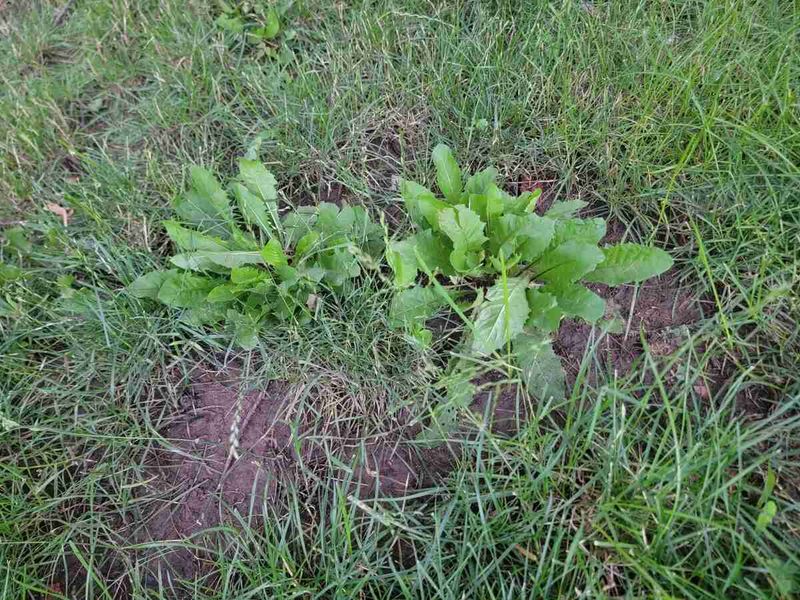
Florida lawn weed guidance sorts weeds by life cycle, and pigweed and crabgrass are summer annuals that grow from spring into summer, while winter annuals sprout in fall and grow through the cool months.
That means your weed calendar depends on which weeds you have and where you live. A Texas Panhandle bed and a South Florida bed will not follow the same schedule.
Cornell weed ecology notes add that some seeds stay dormant, and some spring-sprouting weeds need cold or aging before they can germinate.
So a spring flush may come from seeds that have been sitting in the soil for a long time. Fall prevention can still lower future weed pressure, as UF/IFAS integrated pest management guidance explains, but it will not explain or stop every spring surprise.
Why preventing seed production matters
Every weed that sets seed adds to the soil seed bank, which is the stash of seeds waiting underground. Stopping seed production keeps that stash from growing.
According to UF/IFAS pest management guidance, this can reduce future seed-bank problems over time.
It will not empty the bank, though. Seeds already in the soil, including old dormant ones, are still there and can sprout later.
Think of it as closing the door on new deposits, not clearing out old savings.
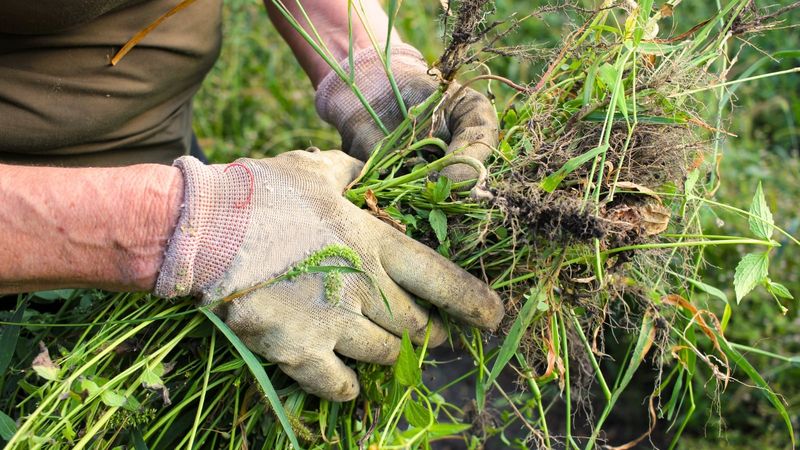
The practical goal is simple: pull or cut weeds before they set seed. The right moment depends on the species, so look for flower buds and early seed heads.
Keep in mind that some seeds can finish maturing even after a weed is pulled, so bag weeds that are already flowering or seeding instead of leaving them on the bed.
Shredded leaves can help suppress annual seedlings
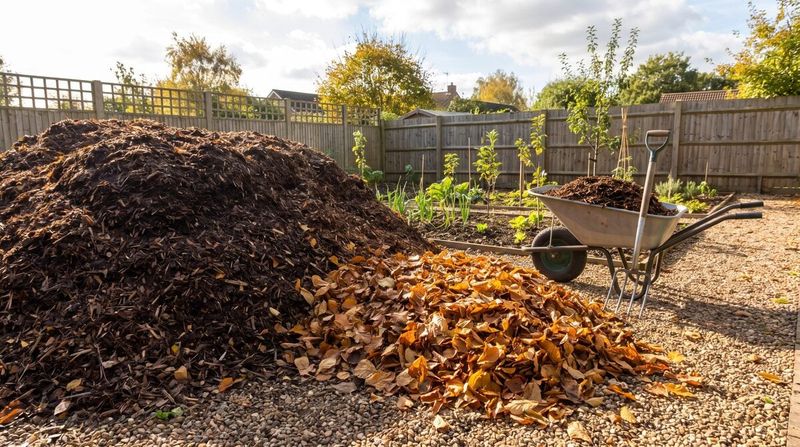
A layer of leaves works by covering the soil. It blocks light and gives small seedlings a tougher path to the surface.
Texas A&M AgriLife describes mulch as a way to reduce weed growth, especially from annual weed seedlings.
Those leaves already falling in your yard make a handy fall project. Rake them up, shred them with a mower or leaf shredder, and spread them over beds you have cleaned up.
Keep your expectations realistic. UF/IFAS weeding advice treats mulch as one part of weed management, not a cure.
Leaves can help suppress some weed seedlings, but they will not sterilize the soil or catch every weed.
Remove established weeds before mulching
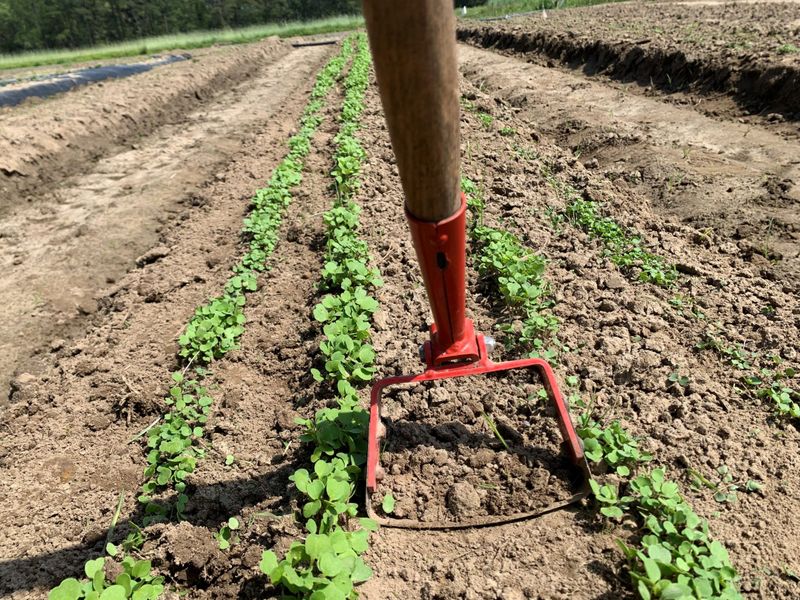
Mulch goes on last, not first. Clear the bed of existing weeds, paying special attention to any that are close to making seed.
Iowa State Extension advises removing established weeds before laying mulch.
The reason is that a mulch layer does its best work against tiny new annual seedlings. A weed that is already large can keep growing or push up through the leaves.
UMass Extension makes the same point, noting that mulch is more effective on new seedlings than on established perennial weeds.
Pull what you can with roots, or cut tops off before seed forms. Some perennials, like the ones listed by UF/IFAS, spread by underground parts and may return, so plan to check the bed again later.
Choose a depth for the planting area
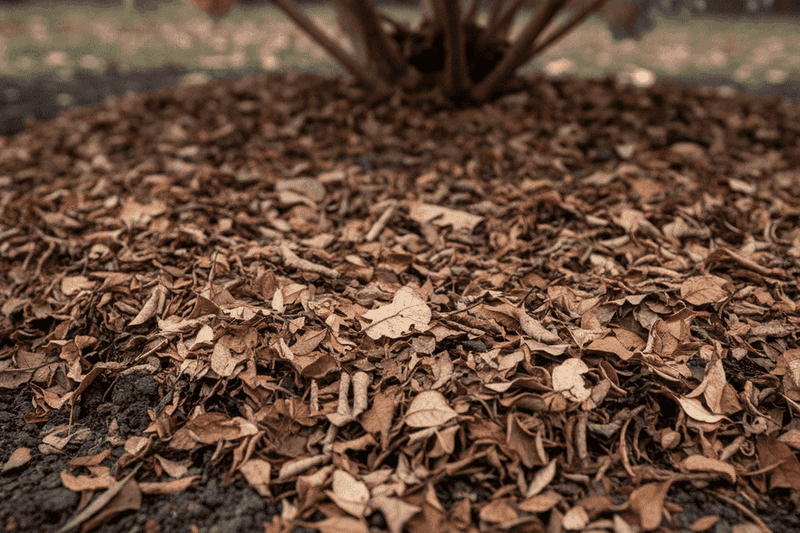
No single depth fits every spot, and the experts do not agree on one number. UF/IFAS suggests 2 to 3 inches in established landscape beds, but 1 inch or less around seedlings and small vegetables or herbs.
Texas A&M AgriLife says a 4 inch layer keeps most annual weed seedlings from coming through. Those are different settings, so pick the one that matches your bed.
Shred the leaves first, since whole leaves can blow away or mat down. UGA Extension recommends shredding and gives 3 to 5 inches for trees, shrubs, and flowers.
Whatever depth you choose, leave a gap of several inches around stems and trunks. Never pile leaves deeply against small plants.
Mulch has limits and needs upkeep
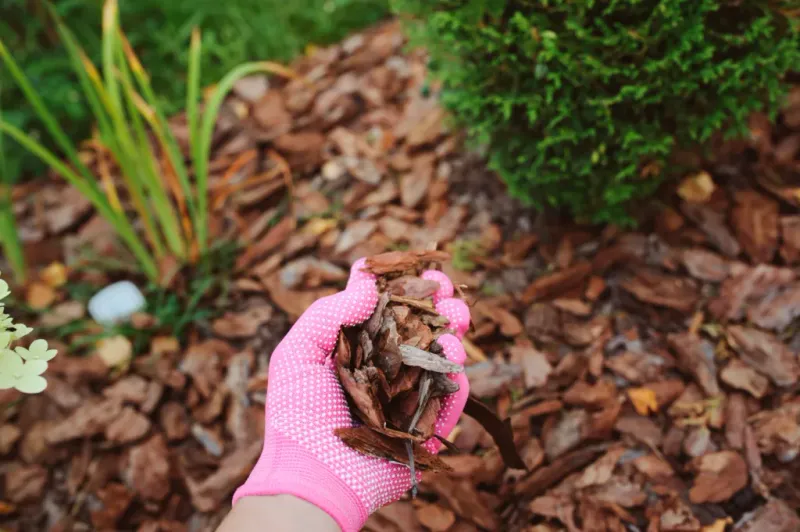
Even a well-laid mulch will let a few things through. Nutsedge and bermudagrass spread by vegetative parts like tubers and runners, as UF/IFAS lists, and leaf mulch does not reliably stop them.
Texas A&M also notes that hard-to-control weeds may come through.
New seeds can blow or wash in and sprout on top of the mulch, or find gaps along edges and around plants. Pull those young weeds early while they are easy to handle.
Leaves also break down, which is how they feed the soil. As they thin out, UF/IFAS notes the weed-suppressing effect can fade and you may need to add more.
Keep this advice to planting beds. Lawn weeds follow their own timing, such as the temperature-based herbicide windows in UF/IFAS lawn guidance, and mulching turf is not the answer.
Make fall care a useful first step
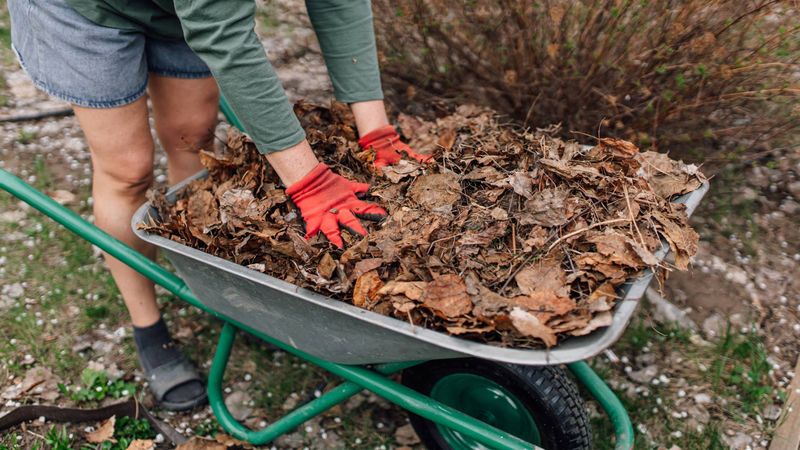
Pull or cut weeds before they seed, spread shredded leaves at a depth that suits each bed, and check the layer as it thins, as UF/IFAS and its landscape bed guidance suggest. That can cut down some weed pressure, though not every weed.
Weeds keep their own schedules, and a few will show up anyway. Think of fall mulching as a head start on spring, not a finish line.