
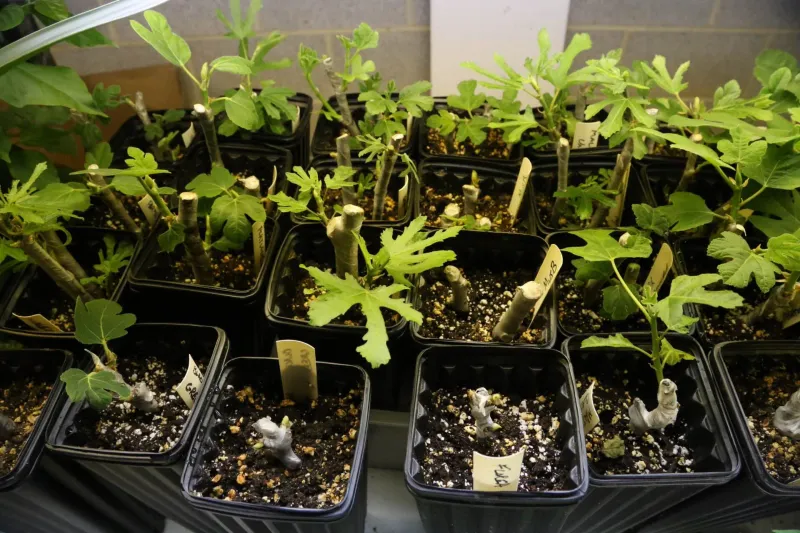
Every time you prune a fig tree, you may be holding the start of a brand new one. Fig cuttings can root from healthy wood, and that means free plants that match the tree you already love.
The catch is that timing and results depend on your local weather and the cutting itself. Here is how to turn pruning scraps into a fair shot at new trees.
Dormancy, not the first frost, sets the useful window
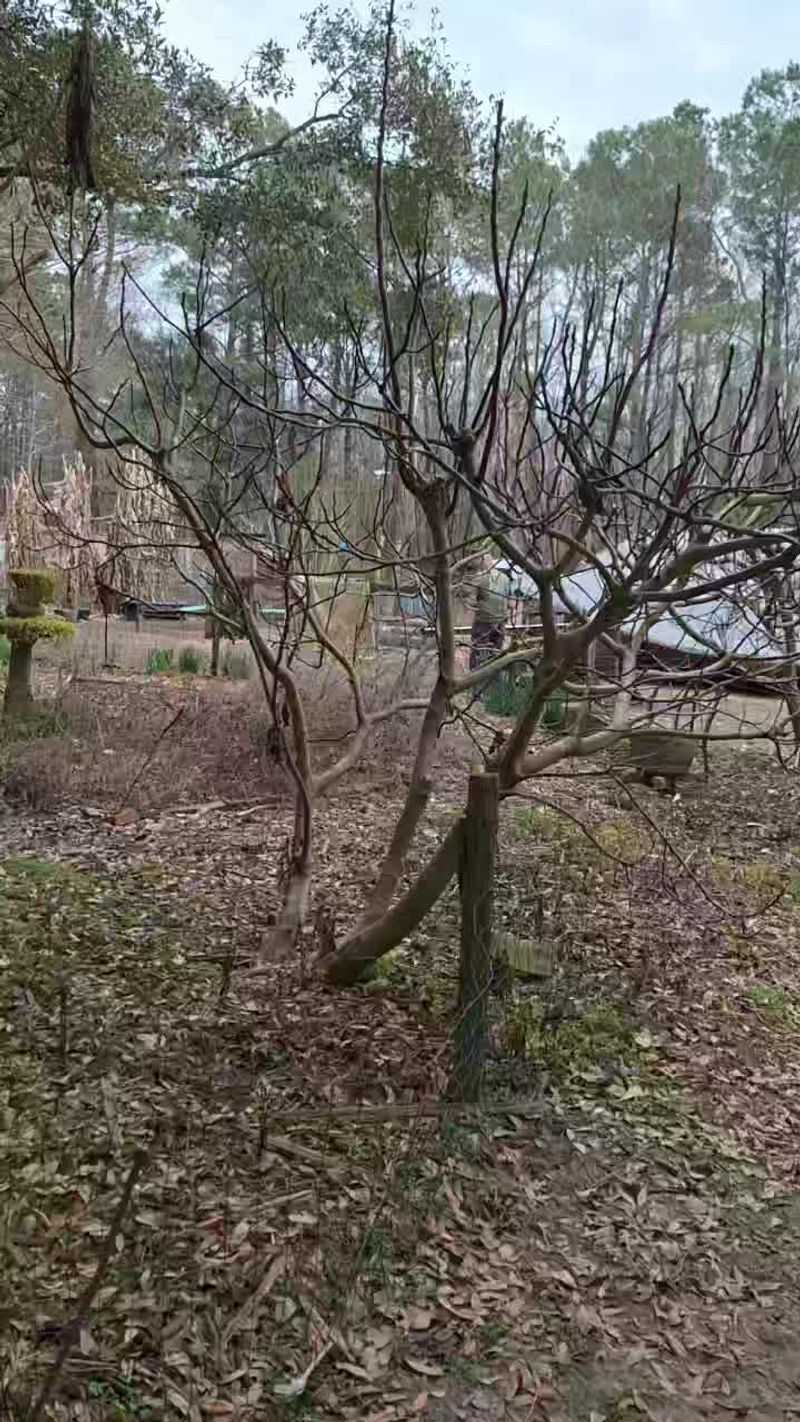
Plenty of articles claim you must take fig cuttings before the first frost. The guidance from Southern extension services does not back up a fixed deadline like that.
What matters most is the wood itself: leafless, dormant stems that are not actively growing.
Alabama Extension recommends leafless cuttings in late winter or early spring, and says they can be kept in the refrigerator if frost is still likely. University of Georgia guidance points to late February for its cuttings.
Neither source treats a pre-frost date as a requirement.
So the calendar on your fridge matters less than your own yard. A gardener in north Florida, a gardener in central Georgia, and one in southern Alabama may all see their figs go dormant at different times.
Watch your tree, wait for the leaves to drop, and plan around your local conditions instead of one date for the whole South.
Choose healthy wood without sacrificing the next crop
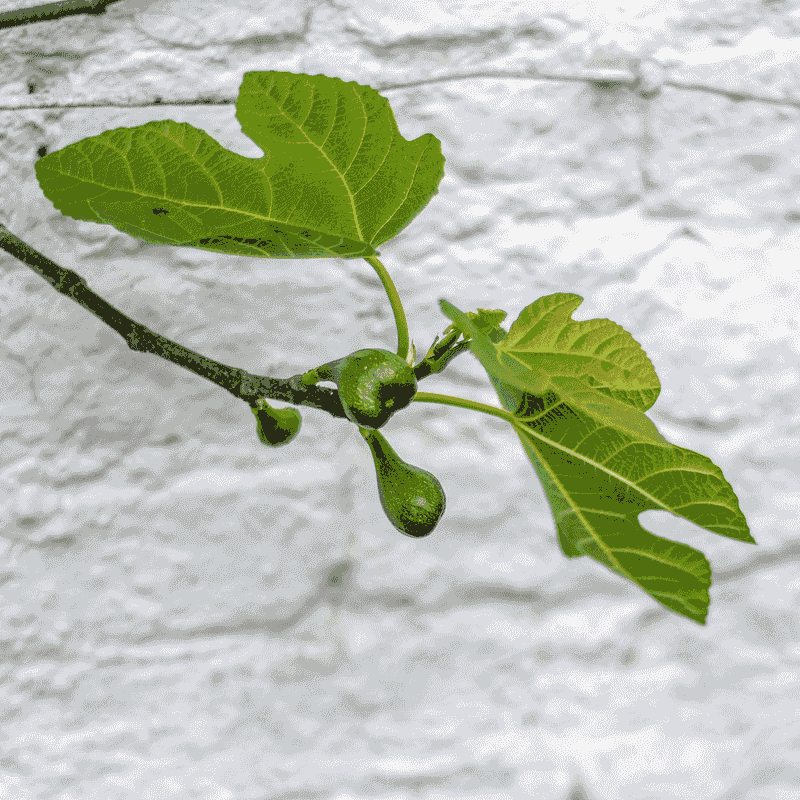
Good cuttings should come from the pruning you were already planning to do. Figs do not need pruning to be productive, and UF/IFAS warns that heavy winter pruning can wipe out the following year’s crop.
Please do not hack back a healthy tree just to collect wood.
Pick sound, leafless stems with no signs of disease or damage. Skip wood from a tree that looks unhealthy, because New Mexico State University notes that fig mosaic virus can spread through cuttings.
There is a nice payoff for choosing carefully. A cutting maintains the parent cultivar, so you get another tree like the one you already enjoy.
Seed-grown figs do not reliably come true to type.
One safety note: fig sap is milky and can irritate skin. Try to avoid contact, wear gloves if you are sensitive, and wash any exposed skin after handling the wood.
Cutting size depends on the method
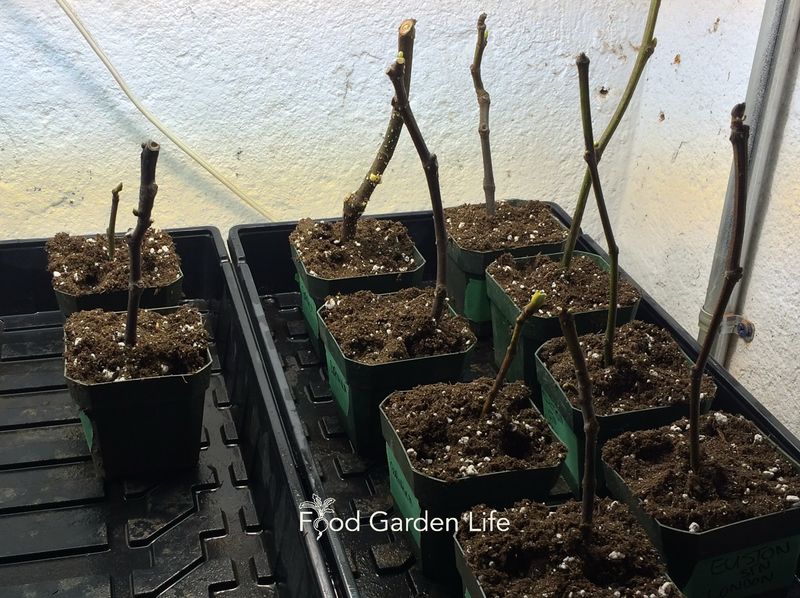
Ask two extension offices how long a fig cutting should be, and you may get two different answers. Both are workable, so think of them as separate recipes rather than one rule.
The University of Georgia recommends cuttings 8 to 10 inches long taken from one-year-old wood. That makes for a longer stem with several buds to work with.
UF/IFAS describes dormant cuttings about 6 inches long and under 1 inch in diameter, with a basal section of two-year-old wood. Notice that the Florida approach includes older wood at the bottom, while the Georgia approach calls for one-year-old wood.
Do not blend the two into a single formula. Pick the guidance that fits where you live or the method you plan to follow, then focus on the part that matters in every case: sound, healthy, dormant wood with plump buds and no damage.
Set the cutting in a clean, airy medium
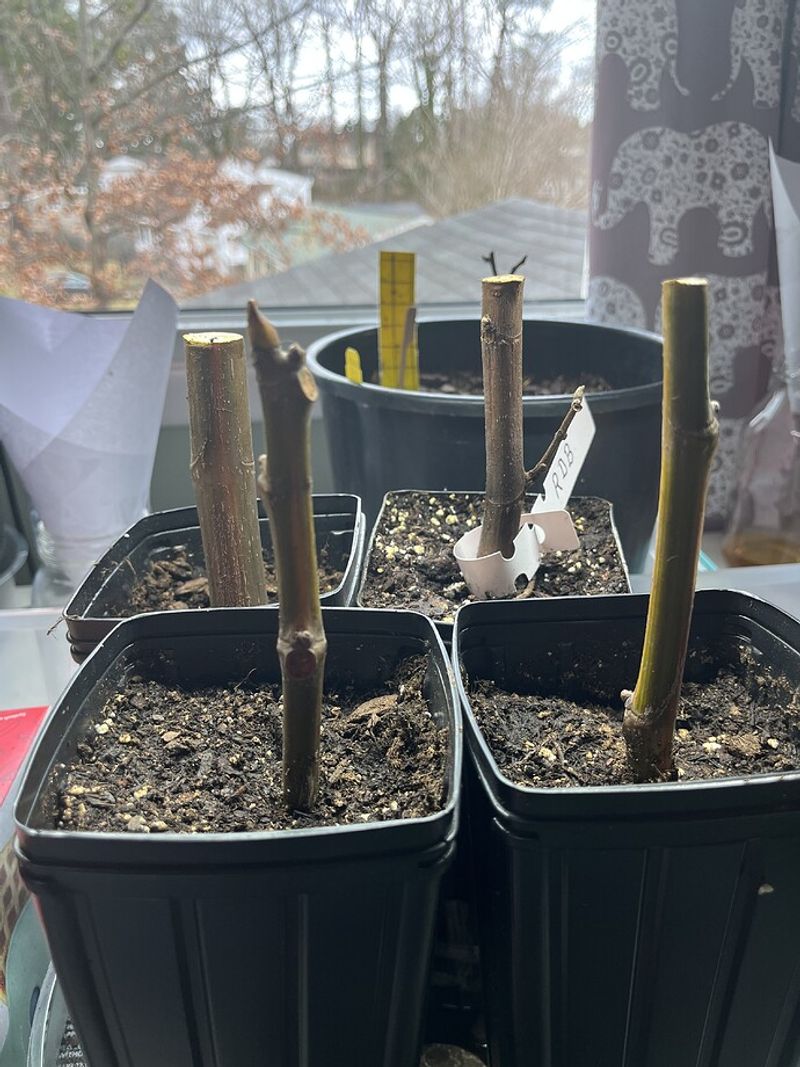
Once your cuttings are cut, the next job is giving them a clean bed. Use a porous, well-drained medium that stays moist without turning soggy.
A waterlogged mix can leave a cutting with no air at the base.
UF/IFAS suggests moist perlite or another porous medium. It also advises placing at least half the cutting below the surface.
Keep track of which end is which. The basal end, the bottom of the stem as it grew on the tree, goes down.
Many gardeners make a flat cut at the bottom and a slanted cut at the top so they can tell them apart later.
What about rooting hormone? It is optional.
UF/IFAS says it can improve rooting efficiency, while the NMSU guide says it is not necessary. You can try it or skip it.
Adapt the rooting setup to the method
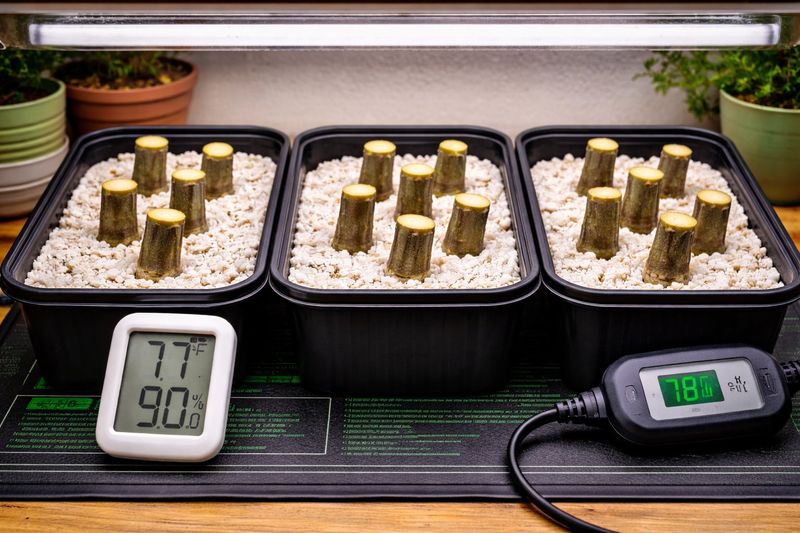
There is no single required temperature or setup for rooting figs. The sources describe different approaches, and each one works within its own method.
UF/IFAS describes callus formation in two to three weeks at 50 to 60 degrees Fahrenheit. Callus is the pale, bumpy tissue that forms at a cut end, and it is a healing step, not finished rooting.
Alabama Extension describes a warmer rooting setup for its method. It also offers refrigeration as an option when frost is still likely, so cuttings can wait until conditions improve.
That refrigeration tip is a choice, not a rule for every gardener. If you are in a mild area and your fig is already dormant, you may not need it at all.
Choose one documented method, follow its conditions, and avoid mixing steps from several.
Check for roots before declaring success
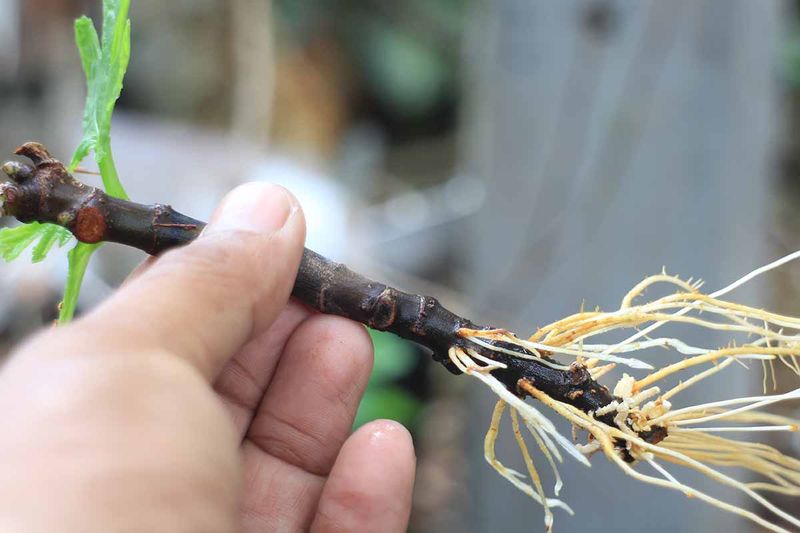
Green leaves look like good news, but they can fool you. Alabama Extension cautions that leaves may appear before roots have developed.
A cutting running on stored energy can leaf out and still fail.
Callus is not proof either. It means the cut end has healed over, and UF/IFAS describes it as an early step.
To know for sure, check for roots, such as by growing in a clear container or carefully loosening the medium.
Rooting time and success rates vary with cultivar and growing conditions. One controlled study of the Dottato cultivar, described in a peer-reviewed paper, reported rooting from 50 percent to 86.8 percent under greenhouse conditions with mist and heated benches.
Those numbers are not a home-garden guarantee or a universal rate.
Treat spring as a checkpoint, not a promise
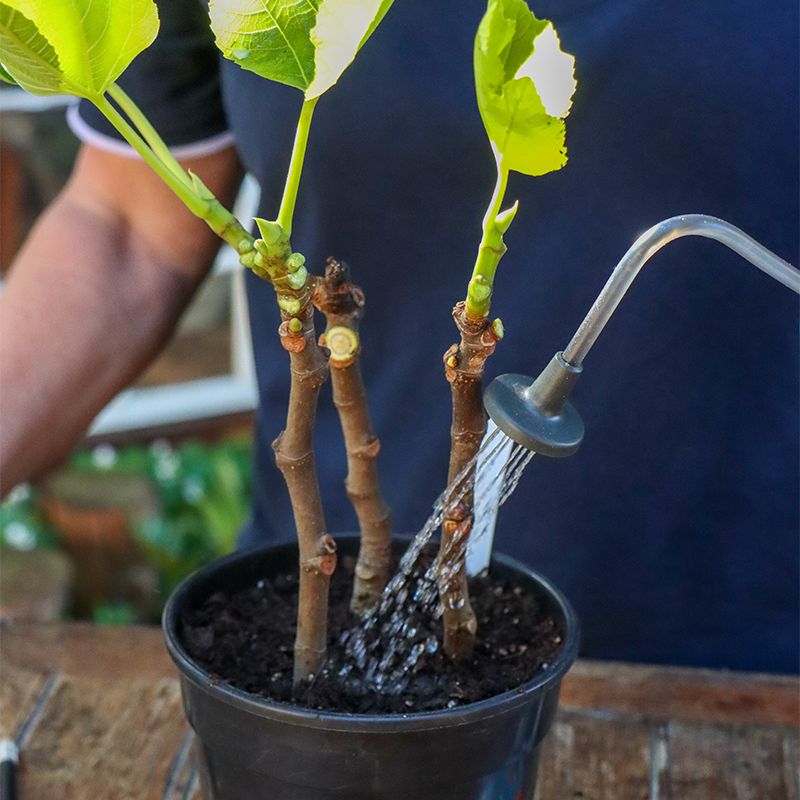
By spring, some of your cuttings may be growing well, some may be slow, and a few may not make it. All of that is normal.
A cutting that has started to grow is not the same as a finished tree ready for permanent outdoor planting.
The University of Georgia gives a useful reality check. Its late-February cuttings make good trees for permanent planting in the fall, not necessarily in spring.
Guidance on timing and aftercare varies, as Ask Extension also shows, so plan to give young plants time.
In practice, that means potting up rooted cuttings, protecting them from hard cold, and moving them out when they are strong and your local weather allows.
Pruning scraps that would have gone to the brush pile can become new plants when conditions cooperate.