
Fireflies make a Florida yard feel alive after sunset, but many neighborhoods have fewer flashes than they used to. The good news is that small yard changes can make your space safer and more useful for them.
Native plants, moist hiding places, and darker nights all work together. Start with these seven simple upgrades that fit Florida soil, heat, rain, and backyard life.
1. Muhly Grass for Soft Nighttime Cover
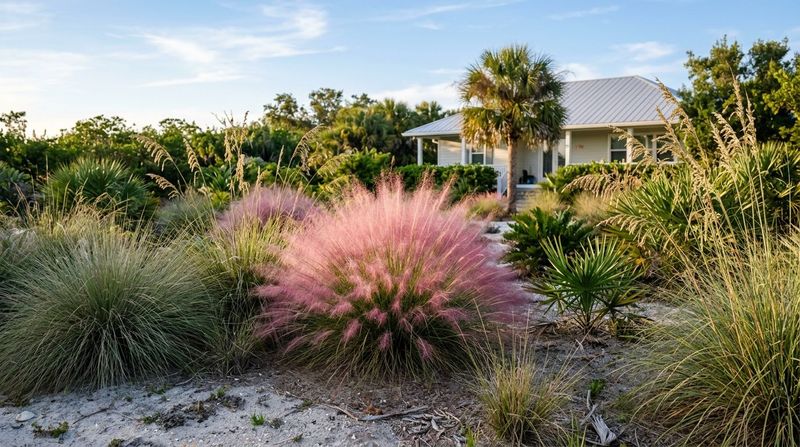
Picture a breeze moving through pink muhly grass while little flashes blink low near the stems. That soft, airy look is more than pretty curb appeal in a Florida yard.
It gives fireflies and other small insects a protected place to rest, hide, and move without crossing bare, exposed ground.
Muhly grass is a Florida native that handles sandy soil once established, which makes it a smart choice for sunny borders, mailbox beds, and the edge of a backyard path. Plant it in groups of three or five instead of one lonely clump.
A small drift creates better cover and looks fuller from the patio at sunset.
Leave the base a little natural instead of grooming it down to bare soil every few weeks. Firefly larvae spend time close to the ground, where they hunt tiny soft-bodied prey such as slugs and worms.
A tidy-but-not-sterile grass planting gives them shade, leaf bits, and safer travel lanes.
Cut muhly back only when it truly needs refreshing, usually before strong spring growth begins. Keep harsh weed killers away from the clumps, and water new plants until roots settle in.
After that, muhly becomes one of the easiest ways to add movement, texture, and firefly-friendly shelter.
2. Frogfruit as a Living Lawn Edge
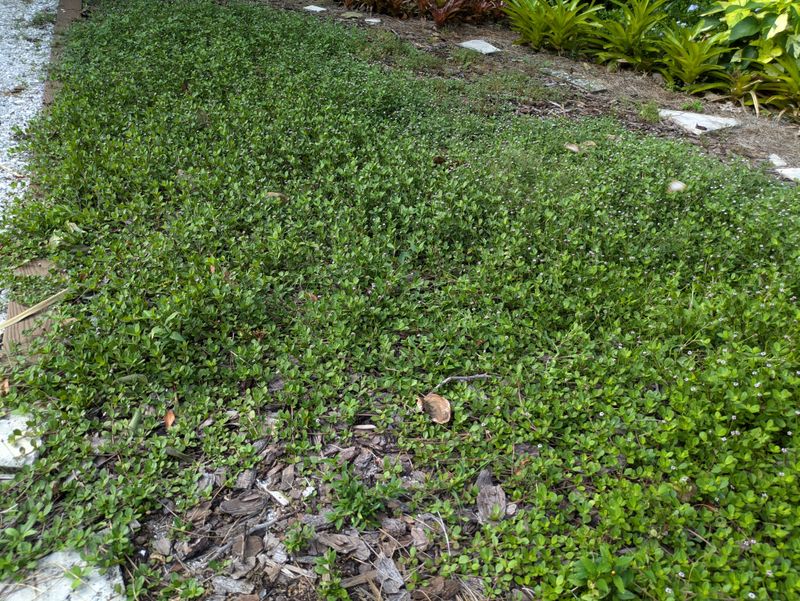
A lawn edge does not have to be a hard line of thirsty turf and mulch. Frogfruit can turn that strip into a low, blooming carpet that still feels neat enough for a front yard.
It is especially useful where grass struggles along sidewalks, under light foot traffic, or near a rain garden.
Frogfruit, also called turkey tangle fogfruit, is native to Florida and spreads close to the ground. Its tiny flowers draw small pollinators during the day, while the mat of leaves helps keep soil cooler and less exposed after dark.
Fireflies benefit from yards that have connected low cover instead of wide open, dry patches.
Use frogfruit as a transition between lawn and planting beds. It can soften the look of a border without blocking views or creating a messy, overgrown feel.
In sandy Florida soil, adding compost at planting time can help it settle in faster, especially during dry spells.
Give it sun to part sun and mow high if it creeps into lawn areas you still use. Avoid spraying broadleaf herbicide nearby, because that can damage the plant and reduce the small insect life that supports a healthy yard.
For gardeners who want a more wildlife-friendly lawn without removing everything at once, frogfruit is a practical first step.
3. Buttonbush Near Damp Spots
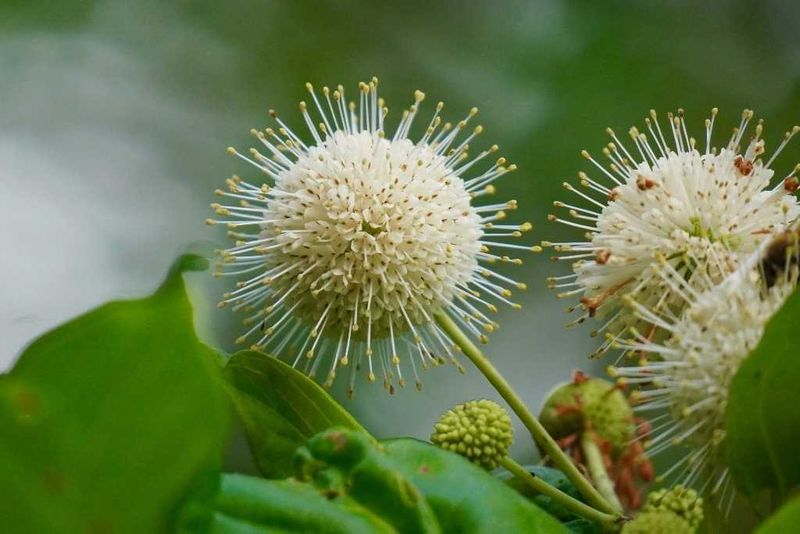
That soggy corner where turf turns thin might be the best firefly spot you own. Buttonbush loves moisture, and in Florida yards it can turn a low, damp area into a wildlife feature instead of a mowing problem.
Its round white blooms look like little pincushions and bring strong visual interest during the warm season.
Fireflies often do better where the ground stays slightly moist, because their larvae need humid cover and a supply of tiny prey. A buttonbush planted near a swale, pond edge, rain garden, or downspout area helps create that kind of pocket.
It also supports pollinators, so the planting pulls double duty in daylight and after dark.
Give buttonbush room, because it can become a large shrub. In smaller yards, place it toward the back of a bed or where it can screen a fence.
It suits natural-style landscapes, but it can still look intentional when paired with mulch, sedges, or a clean curved bed line.
Do not plant it where the soil stays bone dry unless you plan to water. Florida rain can be intense, then disappear for weeks, so watch new plants through their first dry stretch.
Once established in the right damp location, buttonbush turns a problem area into one of the most inviting firefly zones in the yard.
4. Blue Mistflower for Late-Season Nectar
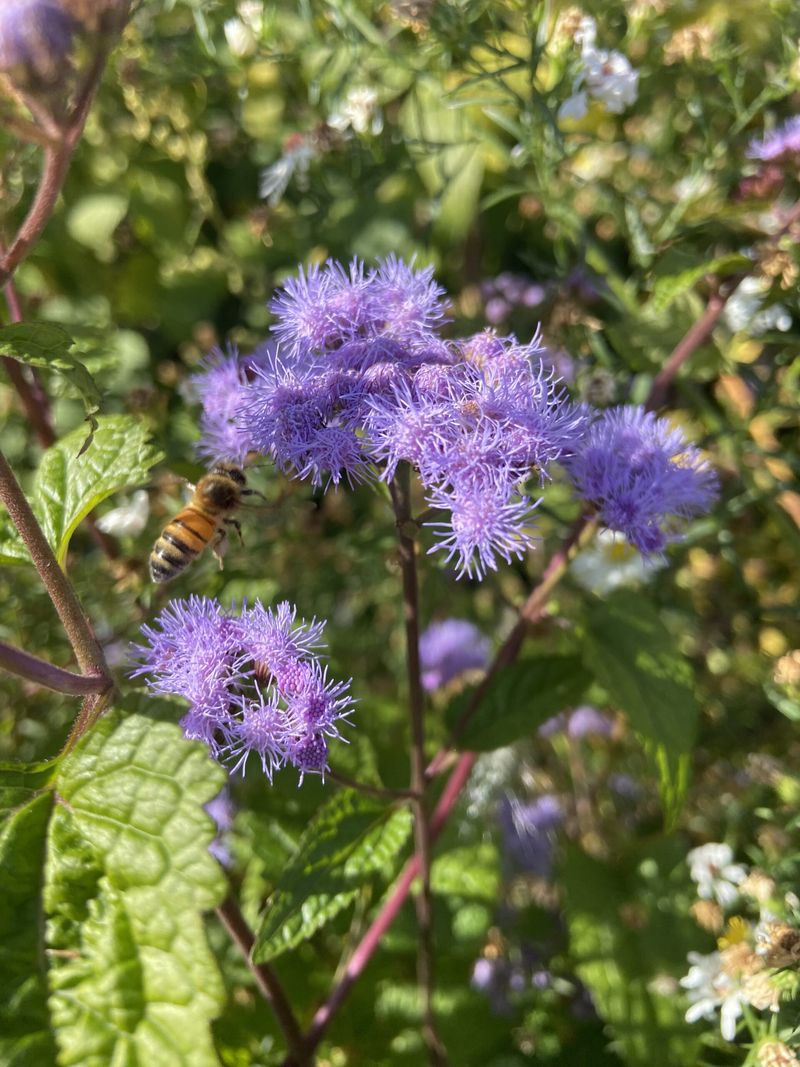
Late in the warm season, blue mistflower brings a cool lavender-blue haze to the garden just when many beds start looking tired. It is the kind of plant that makes a border feel refreshed without needing a formal redesign.
For firefly-focused yards, its biggest value is helping the whole habitat stay active and layered.
Adult fireflies are not all heavy nectar feeders, and different species behave differently. Still, a yard with native flowers tends to support more small insects, better cover, and a richer food web.
Blue mistflower is especially handy because it can bloom when Florida gardeners are shifting from peak summer survival into fall prep.
Plant it in part sun to sun, with a little moisture if your soil is very sandy. It can spread, so place it where a loose colony is welcome, such as along a fence, beside a rain garden, or behind a lower groundcover.
If you like a wilder cottage look, let it mingle with grasses and other natives.
Cutting it back lightly can keep it from leaning too much. Skip insecticides around the patch, even organic sprays used casually, because firefly larvae and their prey live close to the same soil-level world.
Blue mistflower earns its place by keeping the garden lively, colorful, and useful after many summer flowers fade.
5. Goldenrod for a Busy Fall Border
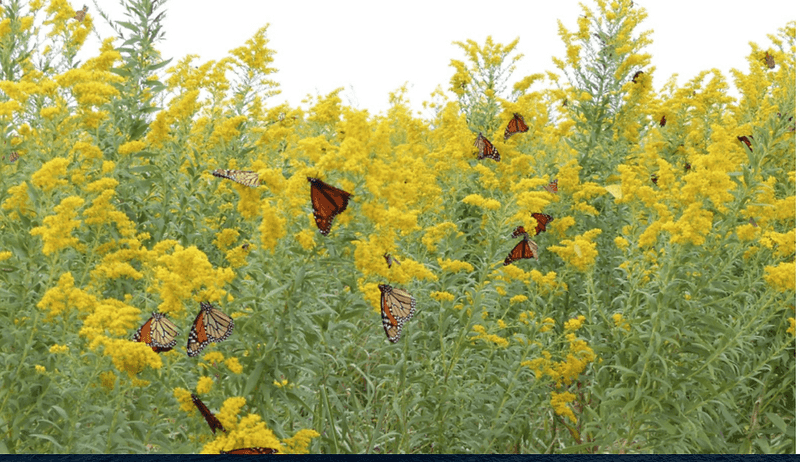
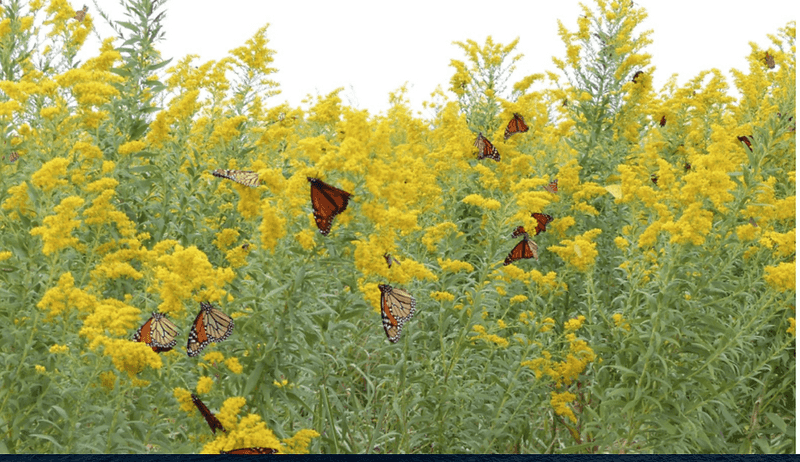
Goldenrod gets blamed for sneezes it usually did not cause. Ragweed is the wind-pollinated troublemaker blooming around the same time, while goldenrod has heavier pollen that attracts insects.
In a Florida yard, that means goldenrod can be a bright fall workhorse instead of a plant to fear.
A sunny patch of native goldenrod adds height, color, and late-season food for pollinators. Fireflies need more than one plant to return, but a diverse border helps rebuild the small backyard ecosystem they rely on.
More native blooms can mean more insect activity, healthier soil cover, and fewer empty spaces where heat bakes the ground.
Use goldenrod where it can stand tall without flopping over a walkway. It looks good along fences, behind shorter perennials, or in a meadow-style corner that is allowed to be a little relaxed.
If your yard has sandy soil, water new plants until established and mulch lightly with leaves or pine straw.
Some goldenrods spread more than others, so choose a species suited to your space and thin clumps if needed. The payoff is a border that shines when many yards are fading into plain green.
Paired with darker nights and pesticide-free care, goldenrod helps make the yard feel alive from afternoon pollinator traffic to evening firefly flashes.
6. Leaf Litter and Pine Straw Mulch Zones
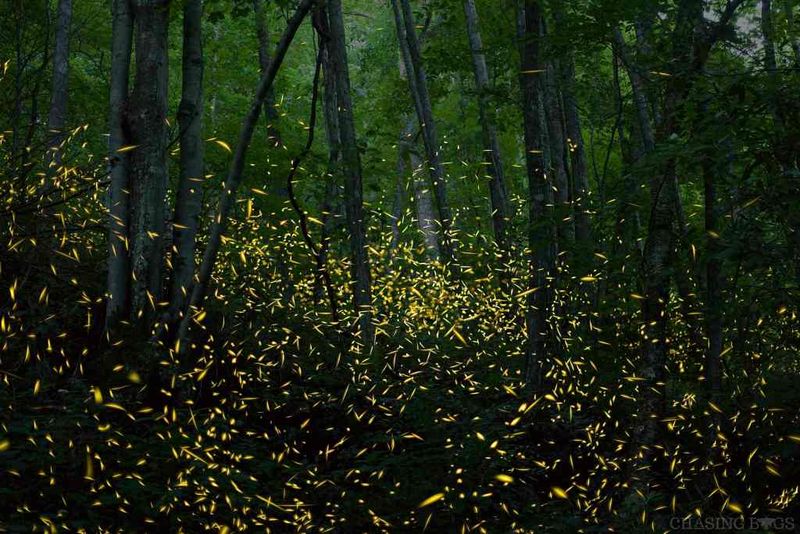
Here is the easiest firefly upgrade, stop cleaning every bed until it looks like a hotel lobby. A thin, natural layer of fallen leaves or pine straw can be one of the most useful parts of a Florida wildlife yard.
It protects the soil, holds moisture longer, and gives tiny creatures a place to hide.
Firefly larvae live on or near the ground, so bare sand and hot exposed mulch do them no favors. In many Florida neighborhoods, sandy soil dries fast after rain.
Leaf litter slows that drying and creates a cooler, softer layer where larvae can hunt and shelter.
The trick is to make it look cared for rather than forgotten. Tuck leaves under shrubs, around native grasses, or in the back half of a bed.
Keep a clean edge along patios and walkways, and avoid piling leaves against the house, tree trunks, or plant crowns.
Pine straw is a practical Florida-friendly option because it settles neatly, lets water through, and suits many native beds. You can also leave small leaf islands under oaks, beautyberry, wax myrtle, or other shrubs.
This habit costs nothing, reduces yard waste, and supports the damp, low-cover habitat fireflies need far better than constant blowing and bagging.
7. Darker Nights With Smarter Outdoor Lighting
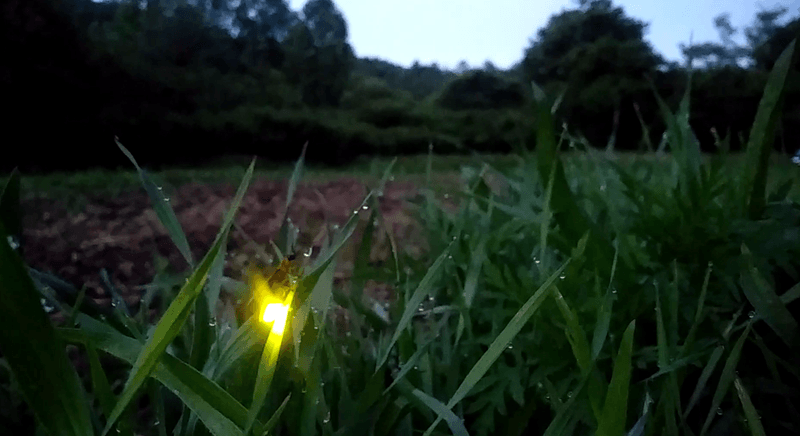
One porch light can wash out a whole firefly show. Fireflies use flashing signals to find mates, and bright outdoor lighting can make that job harder.
If your yard has the right plants but still feels empty at night, light may be part of the problem.
You do not have to sit in total darkness or give up safety. Start by turning off decorative lights when no one is outside, especially during warm, humid evenings when fireflies are active.
Motion sensors, timers, and lower-watt bulbs let you keep useful light without flooding the entire yard.
Warm-colored bulbs are usually a better choice than harsh blue-white lighting. Aim fixtures downward, shield them when possible, and keep bright lights away from damp planting beds, lawn edges, and natural mulch zones.
Solar path lights can be pretty, but too many of them create a glowing runway through the exact areas where fireflies might gather.
Try a simple weekend test. Leave one part of the yard darker for two or three weeks, keep it moist and pesticide-free, then watch from a porch or window after dusk.
In Florida, where outdoor living stretches through much of the year, smarter lighting may be the habit that lets all your plant choices finally pay off.