
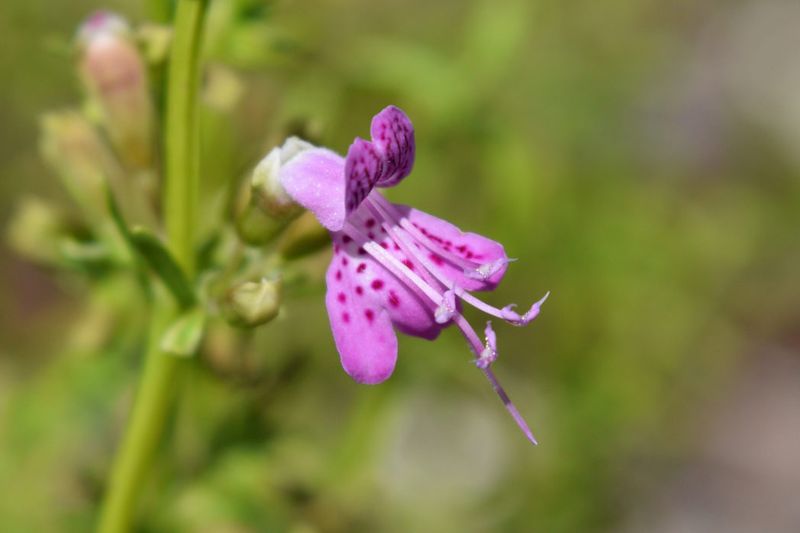
Mexican petunia can look pretty at first, but many Florida gardeners learn the hard way that it spreads where it is not wanted. Once it gets comfortable, it can crowd out better plants and creep into wet spots, ditches, and nearby natural areas.
The good news is that Florida has native flowers that bring color, pollinators, and easier long-term care without the same regret. These seven choices can help a border, rain garden, or sunny bed look full while doing more for your yard.
1. Blue curls
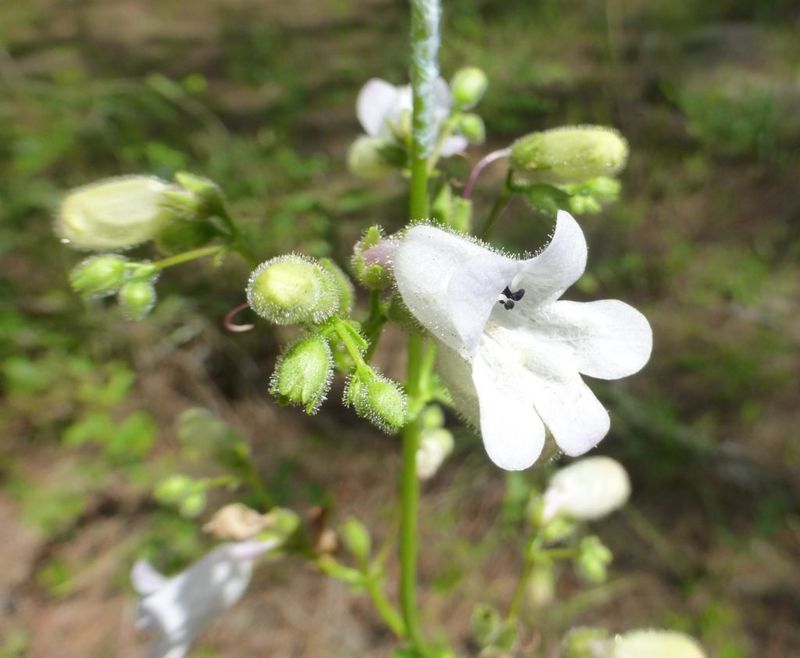
A little sparkle goes a long way in a Florida bed, and blue curls brings that wildflower magic without acting like a bully. The flowers look almost hand-drawn, with tiny purple-blue petals and curled stamens that make pollinators stop and inspect every bloom.
Blue curls is a smart swap for gardeners who liked Mexican petunia for its purple color but do not want a plant marching through the yard. It is native to Florida, handles lean sandy soil, and fits beautifully in sunny cottage-style borders, pollinator strips, and naturalized corners.
Unlike big, dense clumps, blue curls has a light, airy look. That makes it useful near walkways or small front-yard beds where you want movement and color without blocking everything behind it.
Give it full sun and well-drained soil, then avoid overwatering once it settles in. It may reseed in a friendly way, but it is far easier to manage than Mexican petunia, and the payoff is a fluttery patch of blooms that feels right at home in Florida.
2. Spotted beebalm
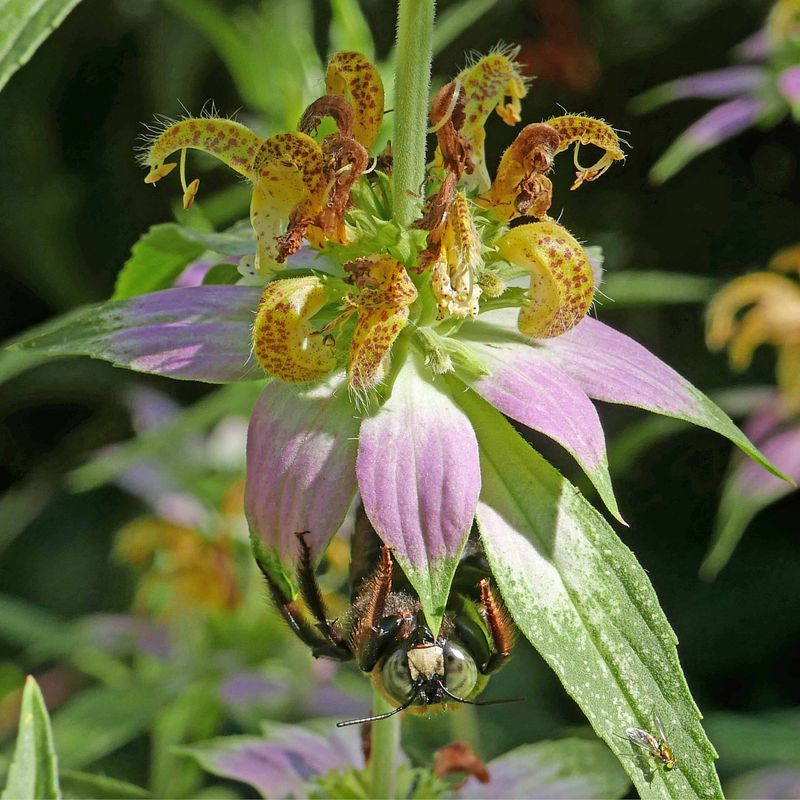
At first glance, spotted beebalm looks like something from a beachside wildflower painting. Its stacked blooms, dotted petals, and soft bracts give it a layered look that stands apart from the flat purple flowers of Mexican petunia.
Florida gardeners who want more wildlife activity often fall for this plant fast. Bees, wasps, butterflies, and other beneficial insects use it heavily, which can make a sunny bed feel alive instead of just decorated.
Spotted beebalm is especially useful in dry, sandy sites where many common bedding plants sulk. That makes it a practical choice for Florida yards with fast-draining soil, low irrigation, and full sun exposure.
Its personality is more meadow than formal hedge, so place it where a relaxed shape makes sense. Try it along a fence, in a pollinator patch, or near a mailbox garden mixed with grasses and other natives.
A bonus for busy homeowners: once established, it does not need pampering. Trim it after flowering if you want a tidier look, or leave some seed heads for a more natural garden style.
3. Stokes aster
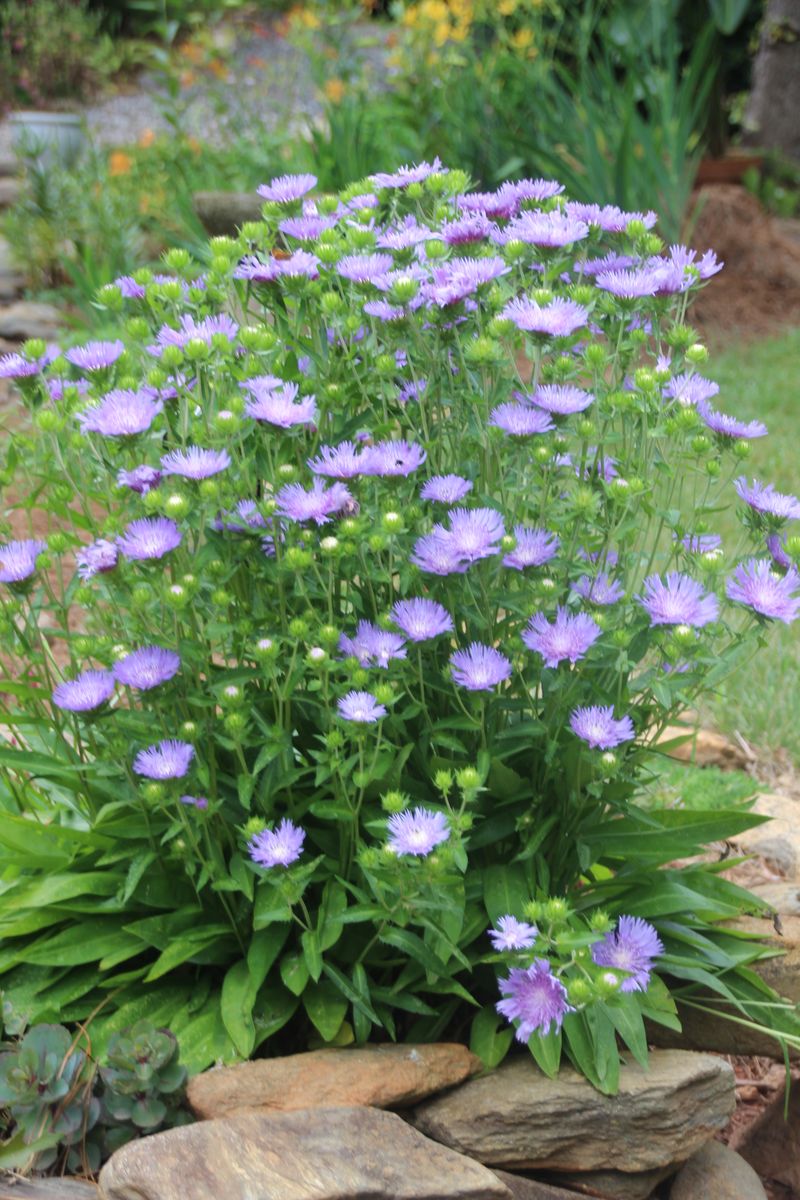
For gardeners who want a cleaner, more polished look, Stokes aster feels like the well-behaved cousin at the family reunion. Its lavender-blue flowers are wide and daisy-like, giving you strong color without the runaway habit that makes Mexican petunia such a headache.
Stokes aster works especially well in front borders, mailbox beds, and sunny foundation plantings. It has enough structure to look intentional, but it still supports pollinators and blends nicely with other Florida-friendly plants.
Moist but well-drained soil is a good target, so it can fit in irrigated beds better than very dry wildflower patches. In Florida, it often appreciates a spot with morning sun and some afternoon relief in hotter inland areas.
What makes this plant different from the wilder options on this list is its tidy garden presence. You can use it where neighbors will see it from the street and still feel like the bed looks cared for.
Deadheading can keep it looking fresh, though it is not a fussy plant once established. If Mexican petunia made your planting look messy over time, Stokes aster offers a calmer, neater kind of purple-blue bloom.
4. Twinflower
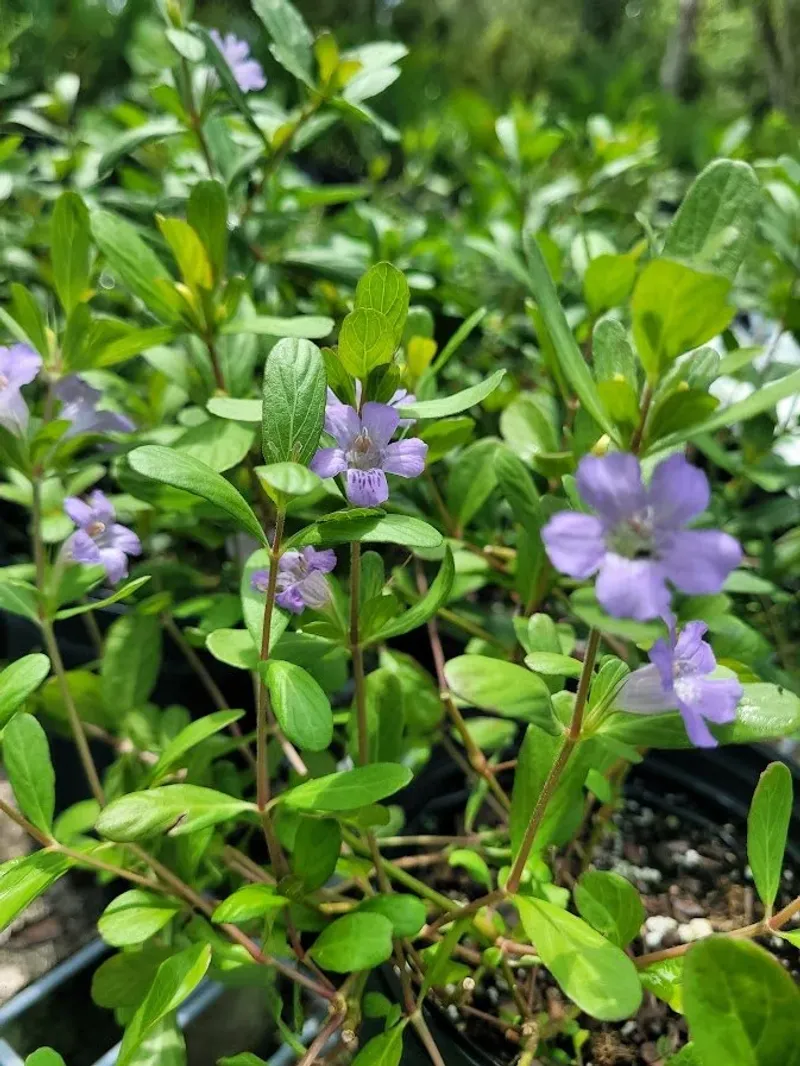
Small spaces need plants with manners, and twinflower is one of those quiet natives that earns its keep. It stays low, fills in gaps, and adds purple blooms without trying to take over the whole bed.
Many Florida gardeners regret Mexican petunia because it spreads from roots and seed into places where it was never invited. Twinflower gives a similar color note on a much smaller scale, making it useful near stepping stones, along bed edges, or under taller native shrubs.
Its flowers are not huge, but they are charming up close. The plant creates a soft green mat that can help reduce bare soil, which is helpful in sandy yards where mulch and soil seem to shift after heavy rain.
Twinflower can handle sun to part shade, though flowering is usually better with brighter light. It is a good choice for gardeners who want a native groundcover that feels more garden-ready than weedy.
Use it as a living filler around coontie, firebush, beautyberry, or native grasses. Instead of one aggressive purple plant dominating the bed, twinflower lets the whole planting work together.
5. Lyreleaf sage
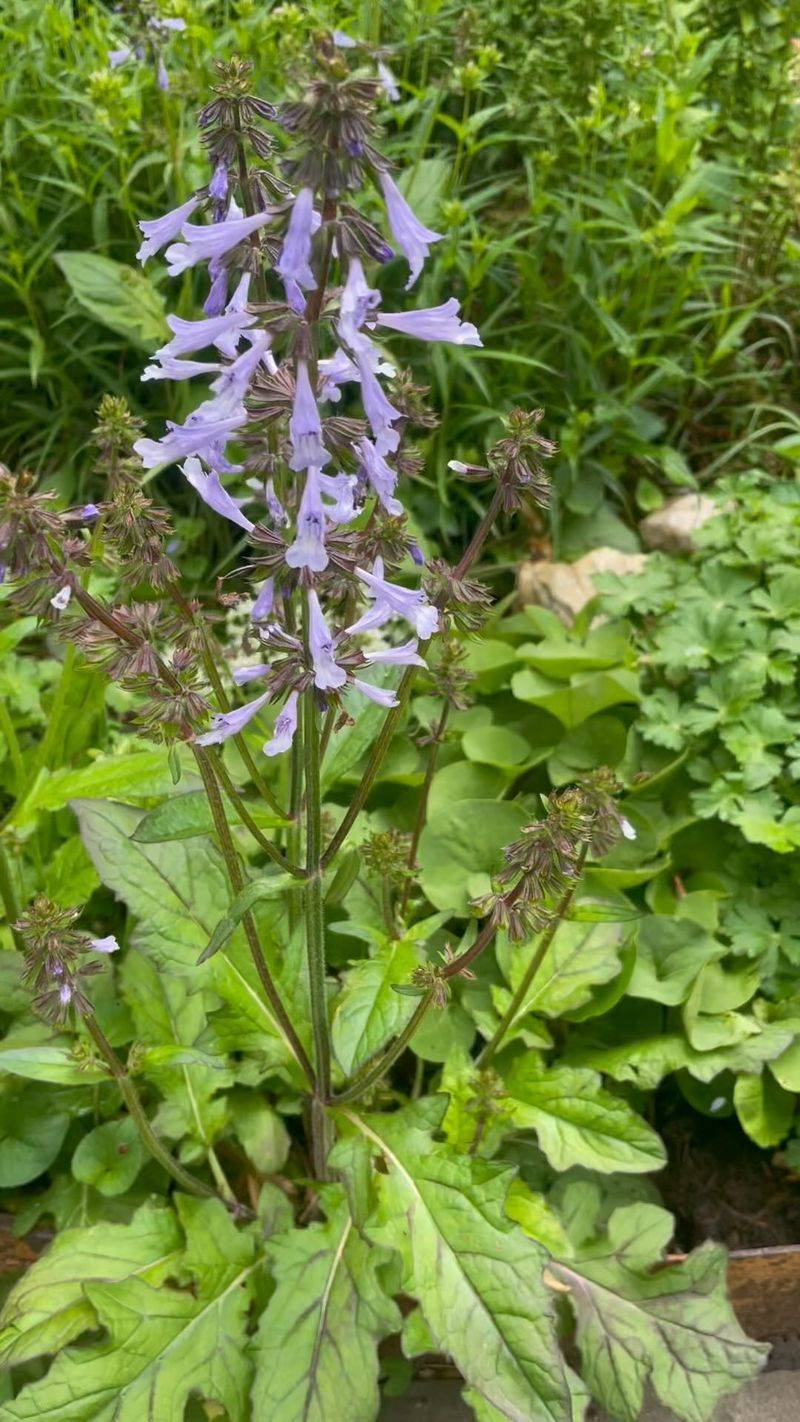
Under trees and along shadier edges, the usual sunny-border plants can start to struggle. Lyreleaf sage steps into those half-lit Florida spots with purple flower spikes and a relaxed ground-hugging base.
Its biggest advantage is flexibility. While Mexican petunia often becomes a problem in moist disturbed areas, lyreleaf sage fits into part shade, open woodland edges, and casual lawn-to-bed transitions where a softer native layer is welcome.
The leaves form low rosettes, and the flower stalks rise above them in spring and early warm-season weather. Some forms have attractive purplish foliage, which adds interest even when the plant is not in bloom.
Homeowners looking to reduce mowing may appreciate it in a mixed native lawn or edge planting. It is not a turfgrass replacement for every yard, but in the right low-traffic area, it can help create a more wildlife-friendly look.
Keep the soil from staying soggy for long periods, especially in heavy rain zones or compacted spots. Once settled, lyreleaf sage brings a casual, natural feel that suits Florida yards better than another patch of invasive spread.
6. Obedient plant
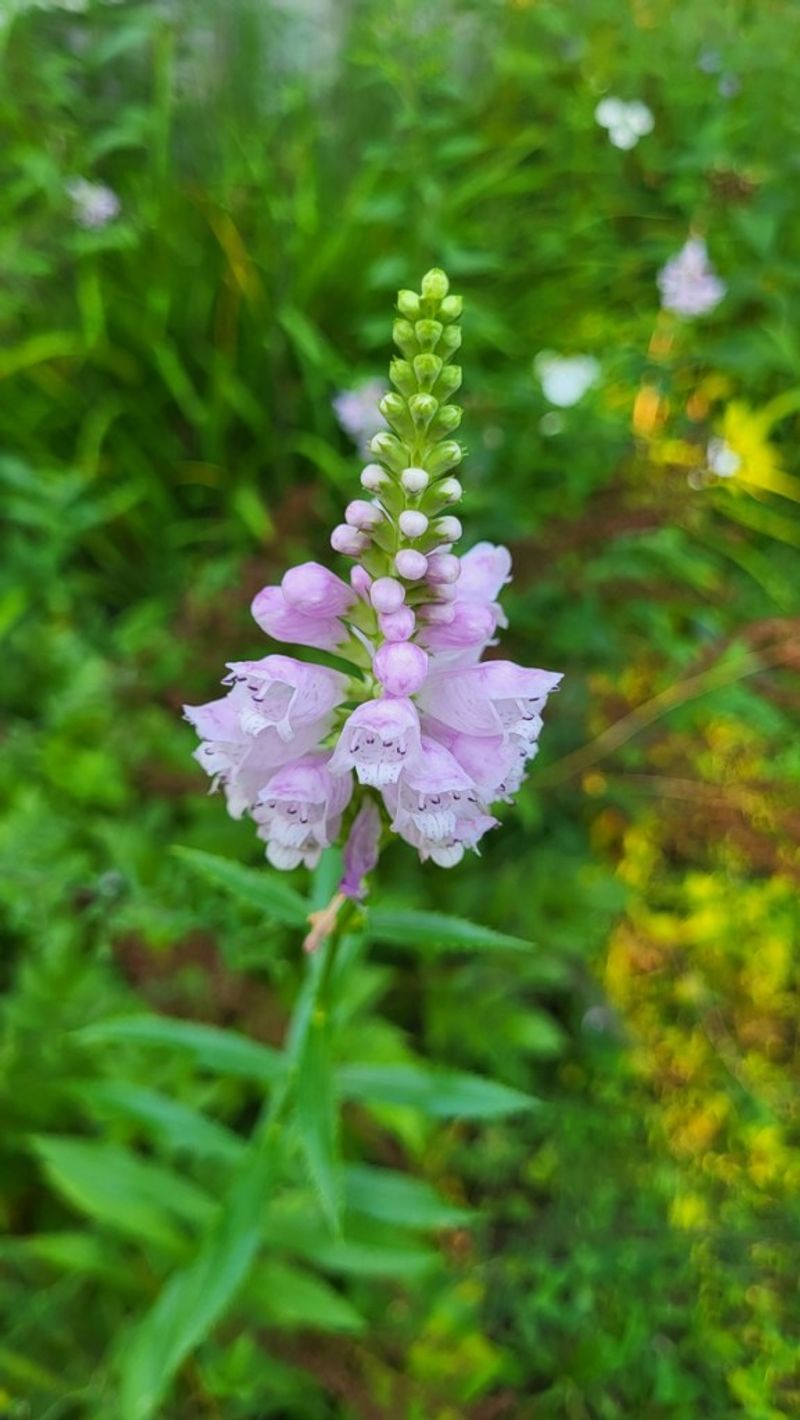
The name makes gardeners smile, but obedient plant still deserves a thoughtful spot. Its pink to lavender flower spikes stand upright and showy, bringing a strong vertical shape that Mexican petunia cannot match.
This native is best for gardeners dealing with moist soil, rain garden edges, or low areas that stay damp after storms. In the right place, it can fill in handsomely and turn a trouble spot into a pollinator-friendly feature.
Because it can spread by rhizomes, placement matters. That does not make it the same kind of regret as invasive Mexican petunia, but it does mean you should use it where a colony is welcome, not squeezed into a tiny formal bed.
Butterflies and bees visit the tubular flowers, and the tall bloom spikes look good behind shorter natives like twinflower or blue curls. It can also soften the edge of a pond, swale, or drainage area when paired with other moisture-loving plants.
If your yard has a soggy corner that keeps defeating ordinary flowers, obedient plant may feel like a problem-solver. Give it room, watch its spread, and it can become a lush native replacement instead of a maintenance battle.
7. Forked bluecurls
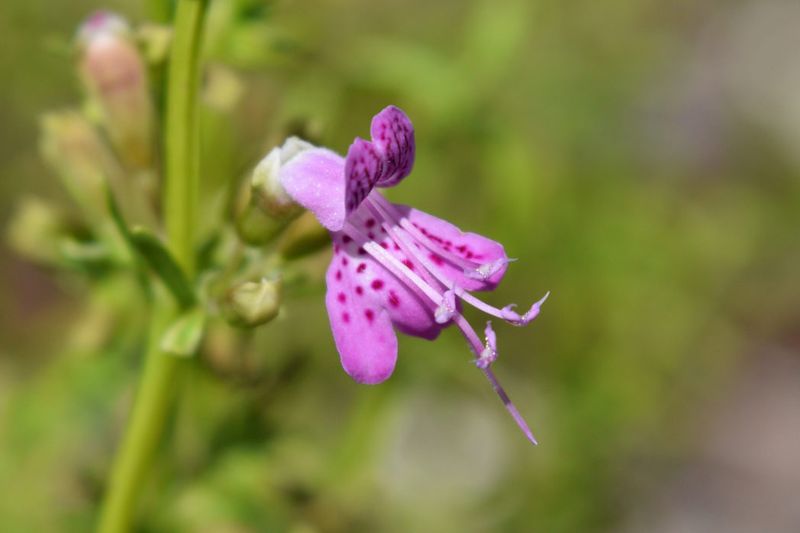
Some flowers look best when they are allowed to act a little wild, and forked bluecurls has that easy roadside-wildflower charm. It brings fine texture, soft blue-purple blooms, and a lively pollinator scene without the heavy clumping look of Mexican petunia.
Gardeners with dry, sunny, sandy areas should pay special attention. Forked bluecurls is adapted to lean conditions, which makes it a good fit for Florida yards where water drains quickly and high-maintenance bedding plants need constant help.
Its delicate stems weave nicely among native grasses, sunshine mimosa, blanketflower, or other drought-tolerant plantings. Instead of forming a stiff block of color, it gives the bed a light, natural rhythm.
One reason it stands out from the rest of this list is its usefulness in low-input wildflower areas. If your goal is a more natural front strip, pollinator pocket, or sunny side-yard planting, forked bluecurls can make the space feel intentional without looking overdesigned.
Leave some spent flowers if you want reseeding, or trim lightly to manage the look. Mexican petunia often leaves gardeners pulling and digging, but forked bluecurls usually asks for much less drama.