
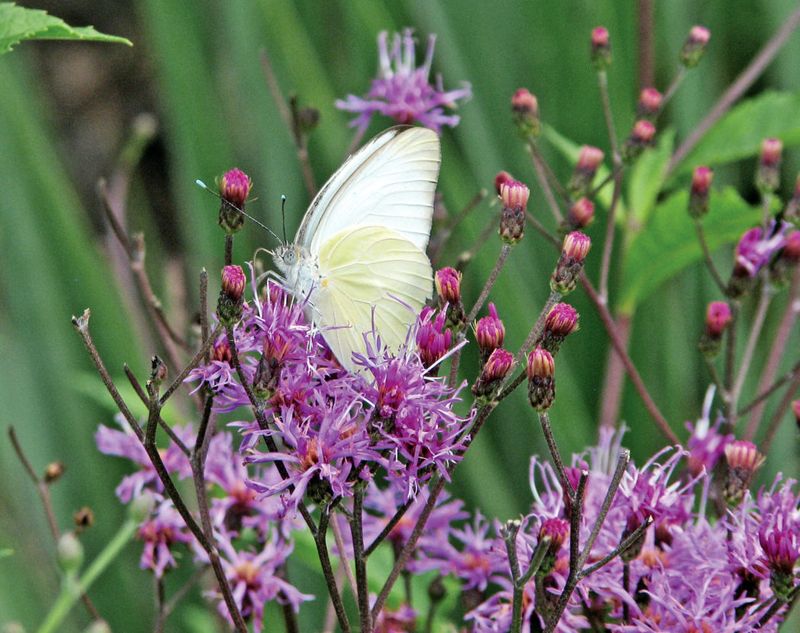
A butterfly garden can look busy in October and empty by January. In Florida, keeping butterflies nearby means offering both food for caterpillars and flowers for adults when the weather cools.
These seven plants give monarchs and zebra longwings more reasons to visit, especially in warm parts of the state. A mix of them works better than a single patch of flowers.
1. Aquatic milkweed
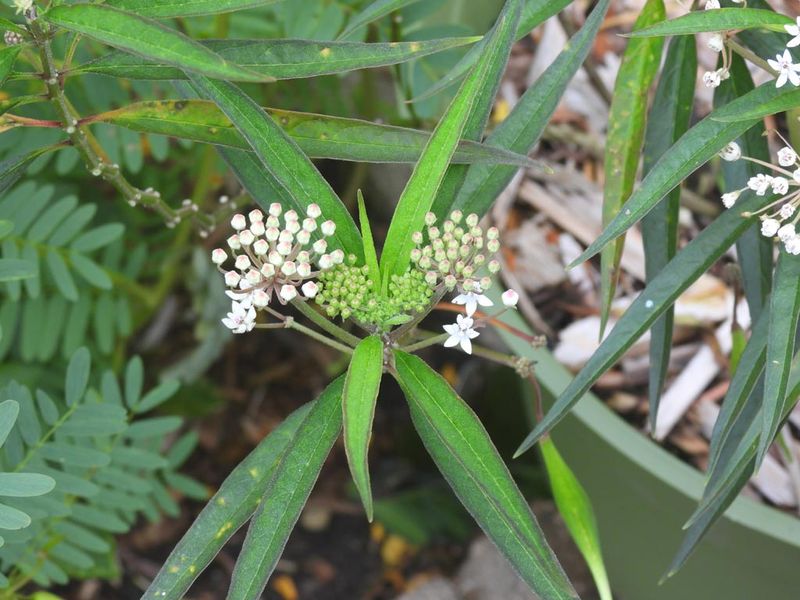
Monarchs need more than a place to sip nectar. Their caterpillars eat milkweed leaves, so a yard without milkweed cannot support the next generation.
Aquatic milkweed, a Florida native, is a useful choice for the damp spots where many other butterfly plants struggle.
Plant it near a rain garden or in a bed that stays consistently moist but is not buried by standing water for long periods. Its small white flowers look modest beside showier blooms, yet the leaves are the main attraction for egg-laying monarchs.
Give plants room for caterpillars to feed, and expect some chewed foliage. That is a sign the planting is doing its job.
In frost-free areas, aquatic milkweed may stay green and support monarch activity through much of winter. Farther north, cold weather can slow growth or knock plants back, so do not count on it as a year-round host everywhere in Florida.
Avoid pesticides, including treatments sold for caterpillars, on or near the plants. If you garden with tropical milkweed, cutting it back in fall helps prevent old growth from remaining in place year-round; native aquatic milkweed offers a different option for a suitable wet site.
2. Corkystem passionflower
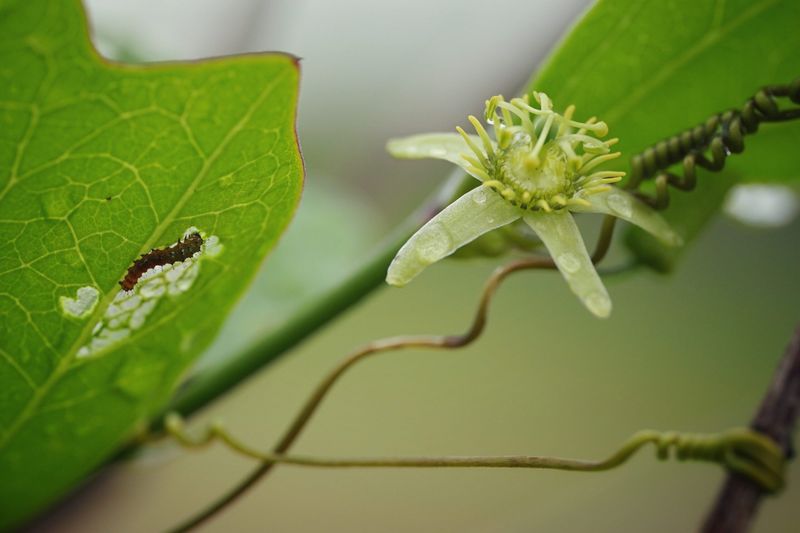
A zebra longwing drifting past your flowers may be looking for a nursery, not lunch. Its caterpillars feed on passionvines, and native corkystem passionflower offers the leaves they need.
The vine has small, easily missed flowers and dark berries, so its value is not measured by how flashy it looks from the sidewalk.
Give it a trellis, fence, or open shrub edge where its thin stems can climb without swallowing prized plants. It suits gardeners who have room for a slightly wild corner and do not mind leaves with bite marks.
Before buying a passionvine, check the botanical name, Passiflora suberosa. Not every vine labeled passionflower plays the same role in a Florida butterfly yard.
Corkystem passionflower can remain leafy during mild winters, particularly in southern Florida. A hard freeze may damage top growth in colder areas, so winter host-plant availability will vary by location and weather.
Leave some fallen leaves and sheltered stems nearby rather than cleaning every corner bare. Zebra longwings often rest together in protected spots overnight, and a layered planting gives them more cover than an isolated vine on an exposed wall.
3. Scarlet sage
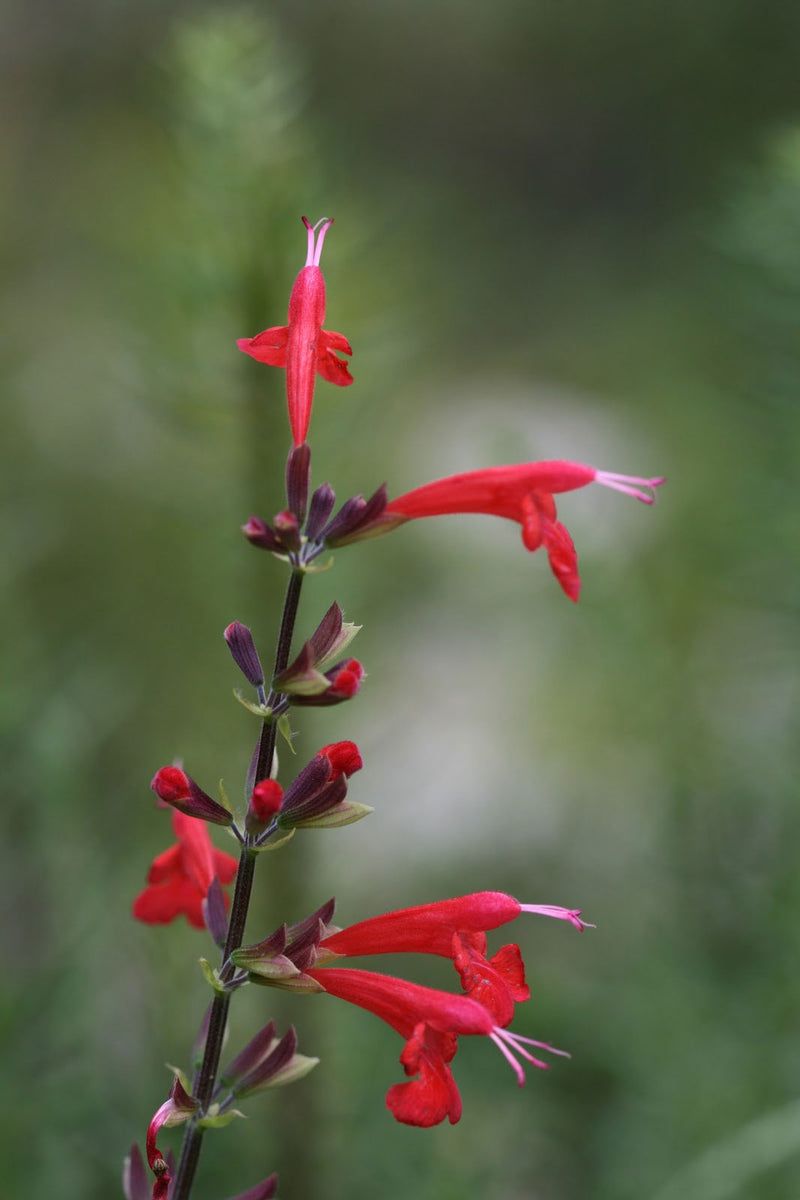
Bright red spikes make scarlet sage easy to spot across a winter border. This Florida native, also called tropical sage, supplies nectar in a compact space and adds color while many summer flowers take a break.
Monarchs and zebra longwings may both visit its blooms, along with other pollinators.
Set several plants together near a path or patio where you can watch the traffic. Scarlet sage grows in sun to part shade and generally prefers well-drained soil, making it a practical fit for many sandy Florida yards.
Water new plants until they settle in, then check the soil before watering again rather than keeping the bed soggy. Removing spent flower spikes can tidy the display, but leaving a few to set seed may bring volunteer plants next season.
Its winter performance depends on the forecast. In southern Florida, flowering can continue through mild stretches; a freeze in northern or central Florida may burn the foliage back.
Keep other nectar sources in the mix so one cold night does not empty the buffet. For a neat-looking entry bed that still helps wildlife, scarlet sage earns its space without needing a large planting area.
4. Beach sunflower
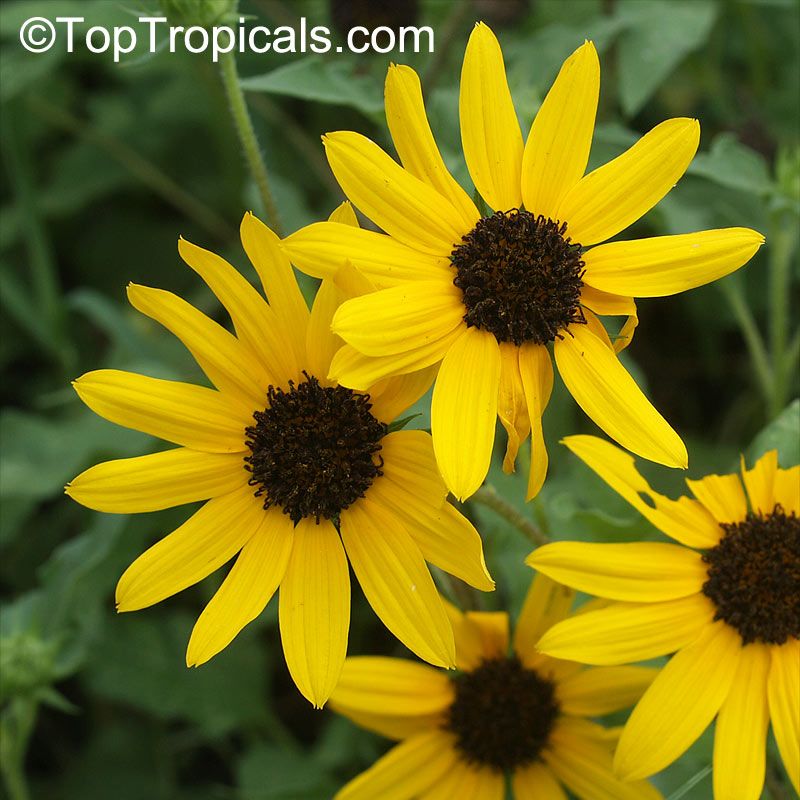
That hot, sandy strip beside the driveway can become butterfly space instead of a bare patch. Beach sunflower spreads low across the ground and produces cheerful yellow flowers, giving a sunny Florida yard color without the look of a formal flower bed.
Adult butterflies, including monarchs, can use its nectar when flowers are available.
Choose a spot with plenty of sun and sharp drainage. Once established, this native is well suited to lean, sandy conditions; rich soil and frequent watering are not the goal.
Let it spill over a bed edge or fill a wide space where its wandering habit will look intentional. Give neighboring small plants some distance so the sunflower does not crowd them.
In frost-free coastal and southern gardens, beach sunflower can flower across much of the year, including winter. Cold snaps may pause blooms or damage growth farther north, and heavy shade will reduce flowering anywhere.
Its role is different from milkweed and passionvine: beach sunflower feeds adult visitors, not their caterpillars. Pairing all three types of plants turns a colorful border into a more complete butterfly habitat.
5. Seaside goldenrod
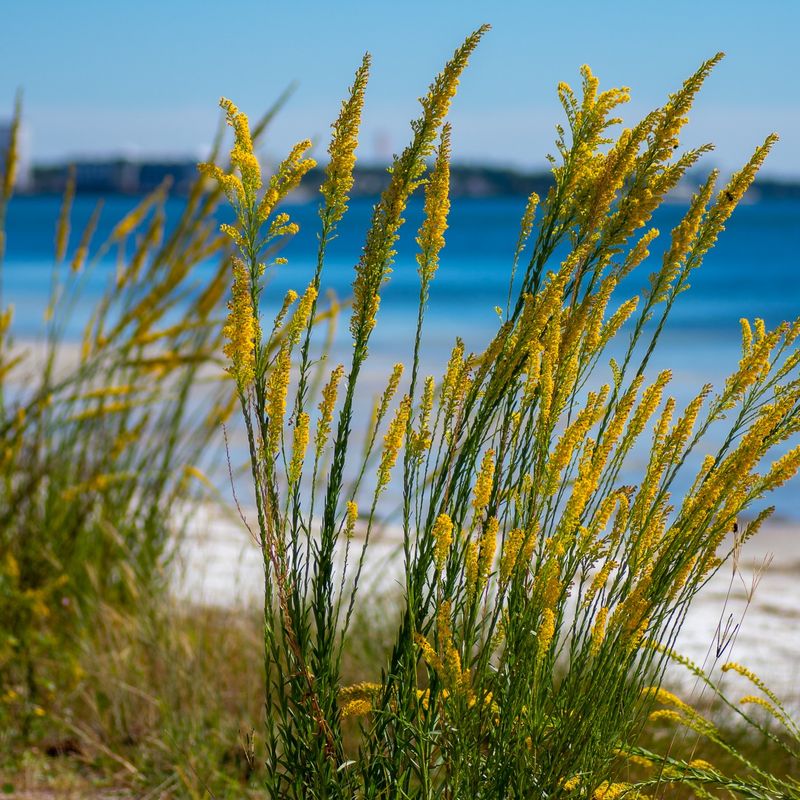
Late in the year, seaside goldenrod brings a burst of gold when a border might otherwise look tired. Its nectar-rich flower clusters can serve migrating or locally active butterflies, including monarchs.
For gardeners near the coast, it is an especially appealing native because it handles sandy soil and salt exposure better than many familiar bedding flowers.
Place it in full sun toward the back of a bed, where its upright stems have room to show. In an inland yard, it can still be useful if the site has good drainage and enough space for a natural-looking clump.
Water while it establishes, then avoid treating it like a thirsty annual. Its bloom period is usually concentrated in fall and can extend into early winter, rather than lasting every week of the season.
That timing is the reason to include it. A garden needs overlapping blooms, not seven plants that peak on the same day.
Keep the goldenrod standing until its flowers have finished, then trim or tidy it as needed. Goldenrod is often blamed for seasonal allergies, but its pollen is carried mainly by insects; wind-pollinated plants are more commonly behind that problem.
6. Spanish needles
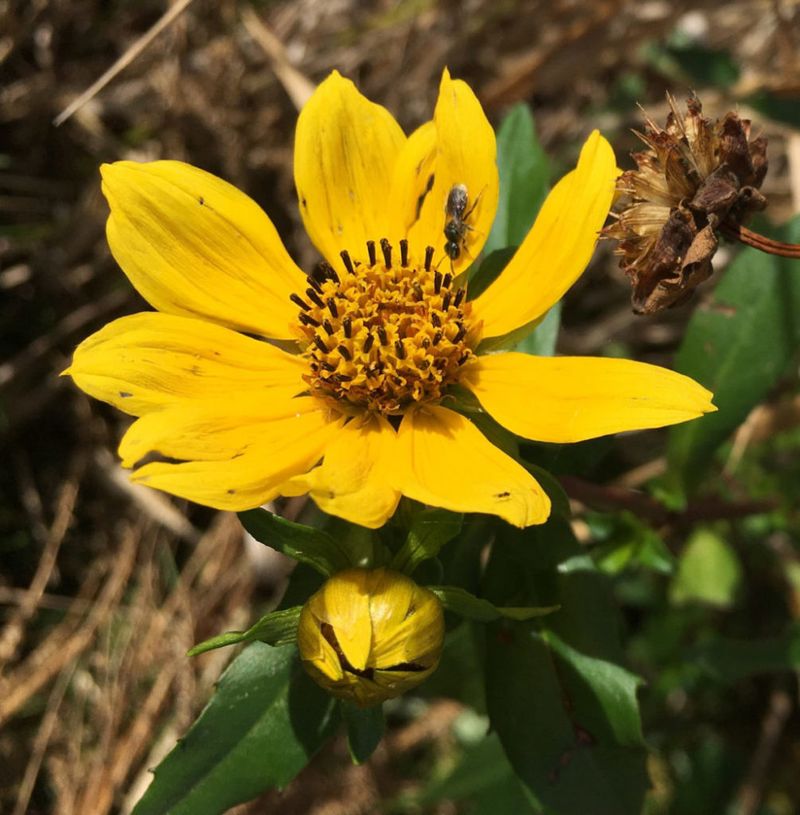
The plant some gardeners pull on sight can be one of the busiest nectar stops in the yard. Spanish needles has small white flowers with yellow centers, and butterflies visit them readily.
In mild Florida weather, it can keep blooming when carefully chosen ornamentals have slowed down.
There is a catch: its seeds cling to clothing and pets, and the plant spreads easily. Instead of letting it take over the front walk, keep a small patch in a back border or another spot you can reach for regular trimming.
Cut flower heads before seeds mature wherever you do not want new plants. That simple boundary lets you keep the nectar while avoiding a yard full of hitchhiking seeds.
Spanish needles works best as part of a mixed planting, not as the whole plan. It provides food for adult butterflies, but monarch caterpillars still need milkweed and zebra longwing caterpillars still need passionvine.
Winter blooms are most dependable during warm spells, particularly in southern Florida; frost can stop growth farther north. If you prefer a polished look, tuck the patch behind taller flowers and treat it as a useful resident rather than a showpiece.
7. Native blue porterweed
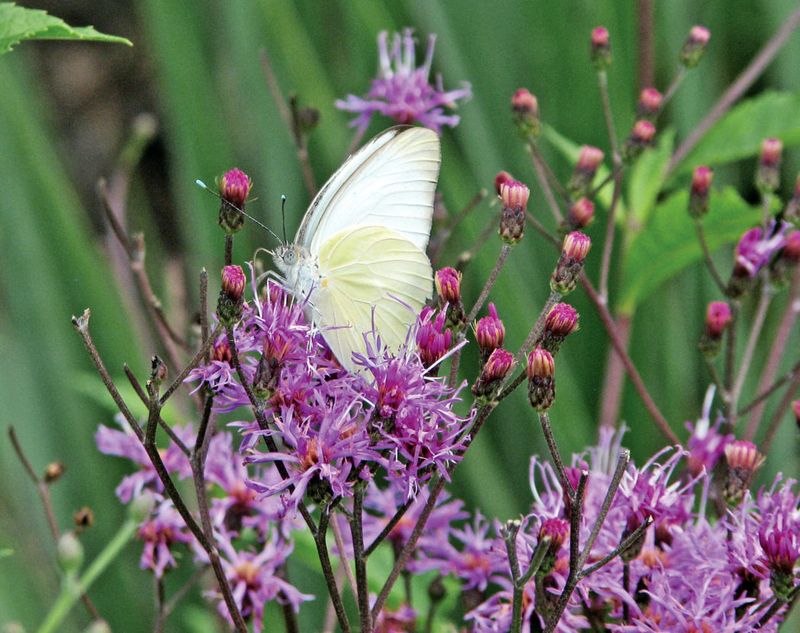
Watch a zebra longwing work a porterweed spike and you may see it pause at one tiny flower after another. Native blue porterweed offers nectar on slender stems rather than in one big bloom, and it fits nicely near a sunny path where those visits are easy to see.
Look for Stachytarpheta jamaicensis on the plant label. Several porterweeds are sold in Florida, and names can be confusing, so checking the species helps you choose the native plant.
Give it sun, well-drained soil, and enough room for its loose, informal shape. It can soften the edge of a butterfly bed without hiding smaller flowers behind it.
In warm southern Florida gardens, native blue porterweed may bloom through much of winter. Freezing weather can damage or kill top growth elsewhere, so do not expect the same January display statewide.
Leave healthy flowering stems in place while butterflies are using them, and trim damaged growth after the danger of frost passes. Alongside milkweed, passionvine, and flowers with different bloom times, porterweed helps make the yard useful across more of the season.
No planting can promise butterflies every winter day, but a yard with food, shelter, and fewer pesticide risks gives them a much better chance to stay nearby.