
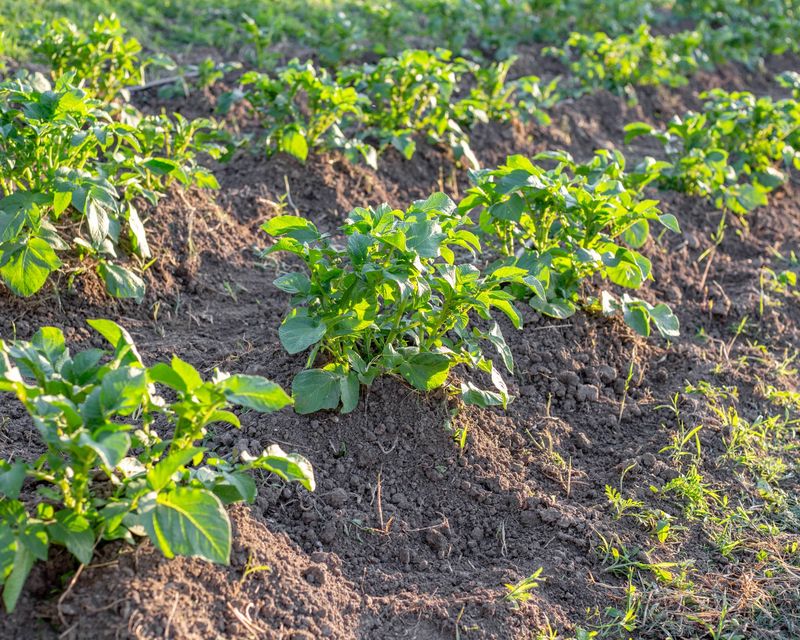
A potato that sees sunlight can turn green, and that is a loss you can often avoid with a quick walk through the bed. Texas and Florida gardeners who grow potatoes in fall have a simple job to do: look at how much soil covers the tubers.
If any are showing, a little soil can help keep light off them. Here is how to check, what to do, and how to handle spuds that already have a green patch.
Light exposure can green potato tubers
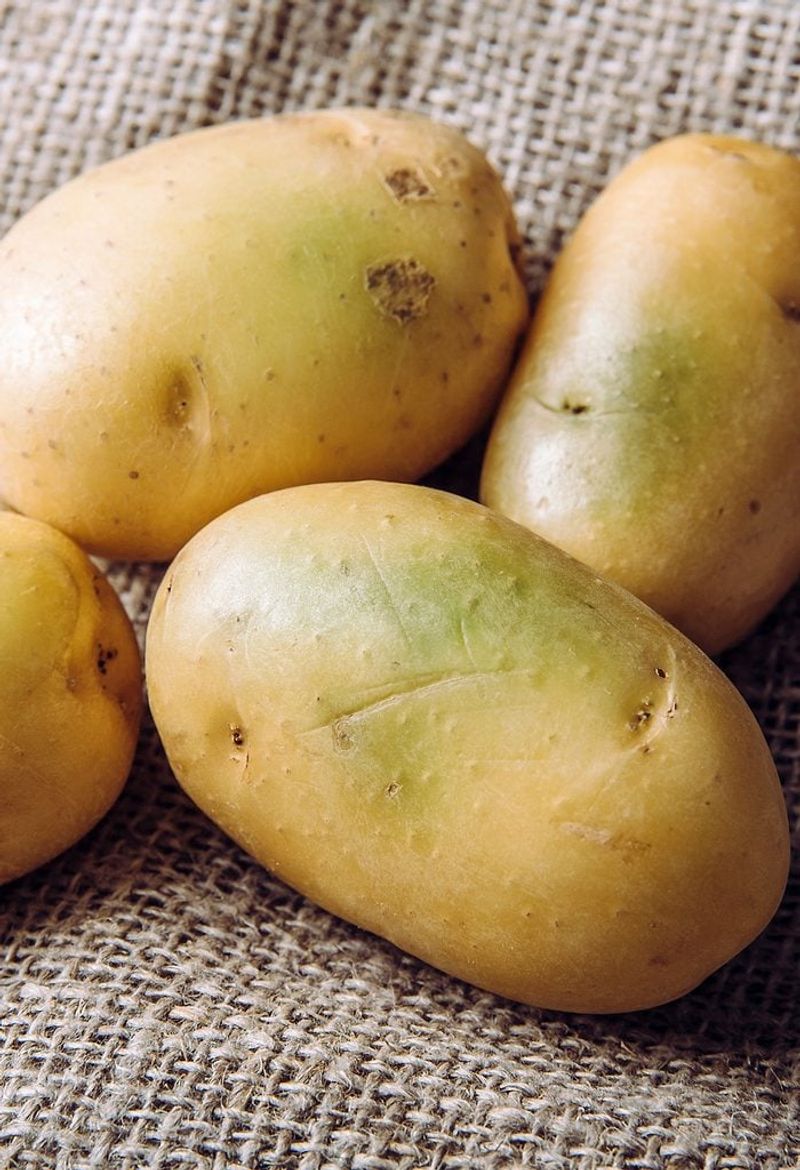
Potatoes that sit in light can start making chlorophyll in their skin. That is the green you see.
University of Alaska Fairbanks Extension explains that chlorophyll itself is harmless.
The trouble is that light can also come with a rise in glycoalkaloids, including solanine and chaconine. Oregon State University Extension notes these compounds can taste bitter and, at high enough intake, cause illness.
Green color is a warning sign, not a lab test. Variety, age, temperature, and exposure all affect how much green and how much glycoalkaloid a potato has, and the two do not match exactly.
The headline idea that fall planting alone pushes tubers up is too simple. Tubers turn green when light reaches them, and that usually happens when seed pieces were planted shallowly or soil has washed or settled away.
A fall bed with good cover may never have the problem.
Check the soil cover around each plant
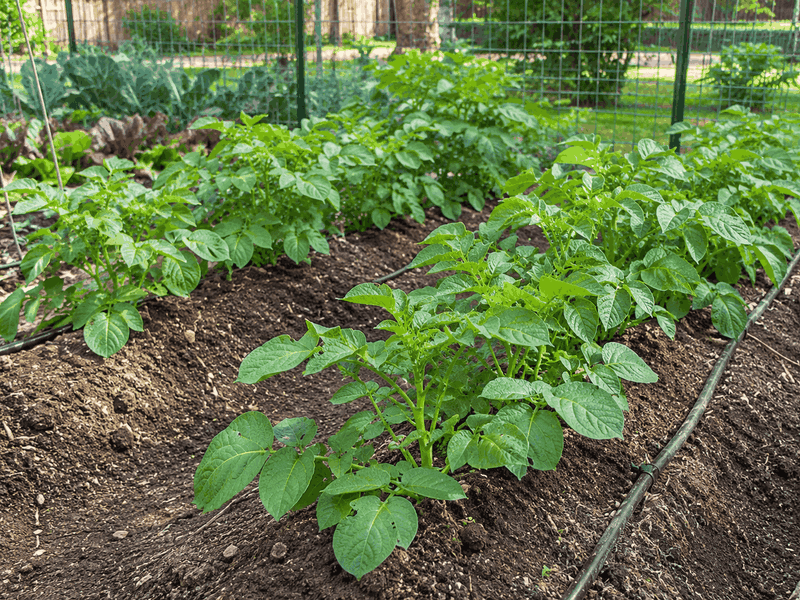
Walk the row and look at the base of each plant. Pale tubers at the surface, cracks in the soil, or bare, slumped ground around the stems tell you light may be reaching developing potatoes.
Shallow planting is a common reason. UF/IFAS notes that tubers may push above the surface when seed pieces go in shallow, so inadequate cover is the main risk to watch.
Heavy rain and watering can also wash soil off the row, so check after storms too.
A tuber showing at the surface does not prove it has turned green. It only means it could.
Gently brush back a little soil if you are unsure. As Alaska extension guidance points out, greening depends on exposure and other conditions.
If cover looks thin, move on to hilling.
Pull soil up and check again as plants grow
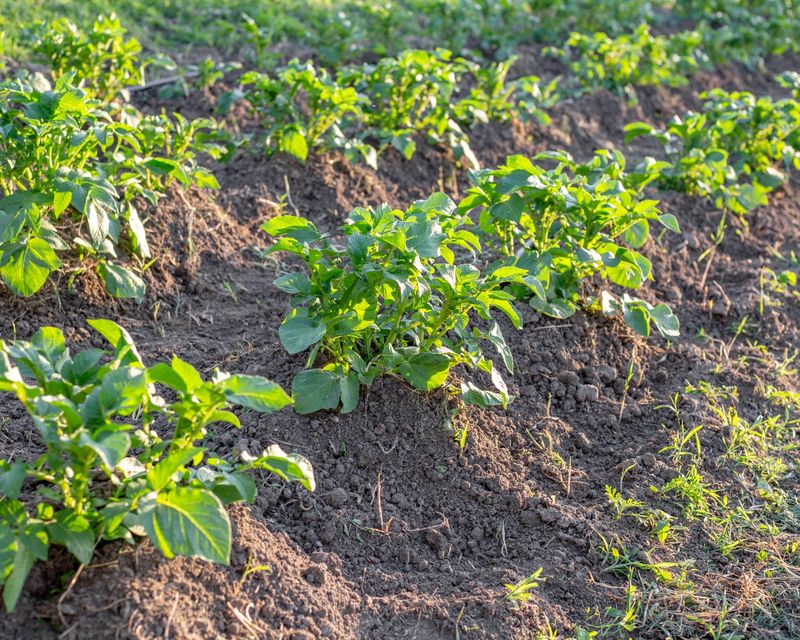
Hilling means drawing loose soil from the sides of the row up around the stems, covering any exposed tubers. Work gently so you do not slice roots or snap stems.
On timing, UF/IFAS recommends adding about 2 to 3 inches of soil when sprouts emerge. Other guidance, such as University of Minnesota Extension, starts when plants are several inches tall and repeats as they grow.
That is why one pass may not be enough. Recheck every week or two, and add soil whenever new tubers or bare ground show up.
Mulch is another option. Colorado State University Extension mentions straw or similar material, and South Dakota State University Extension also covers hilling basics.
Mulch only helps if it is thick enough to block light, so lift a corner and check.
Fall planting dates depend on where you garden
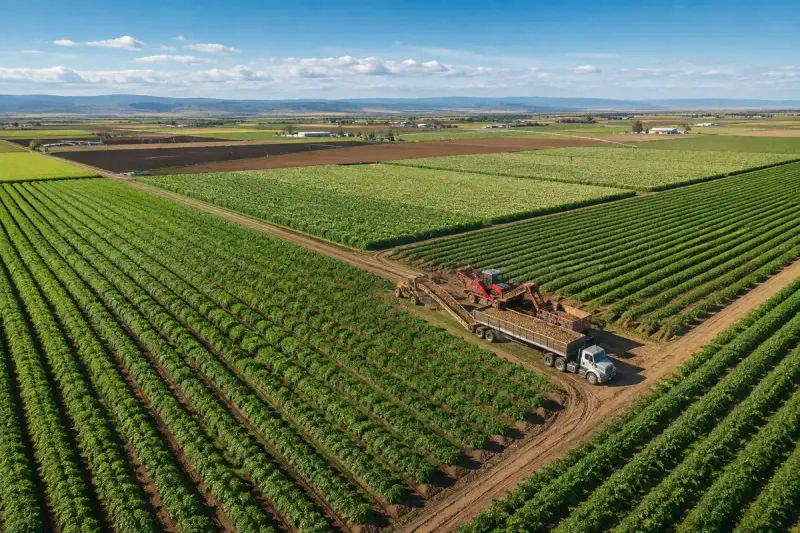
Not every Texas or Florida gardener should plant potatoes in fall, so check your region first.
In Florida, UF/IFAS lists January to February for North Florida, November to February for Central Florida, and October to January for South Florida.
In Texas, Texas A&M AgriLife Extension lists fall potato planting on August 1 in Region II, September 1 in Region III, and October 1 in Region IV. It does not recommend fall potatoes in Regions I and V.
These dates are reference points, not a call to plant now. If your potatoes are already in the ground, use your region’s timing to judge how much growing time remains, then keep checking soil cover along the way.
Handle green potatoes with caution
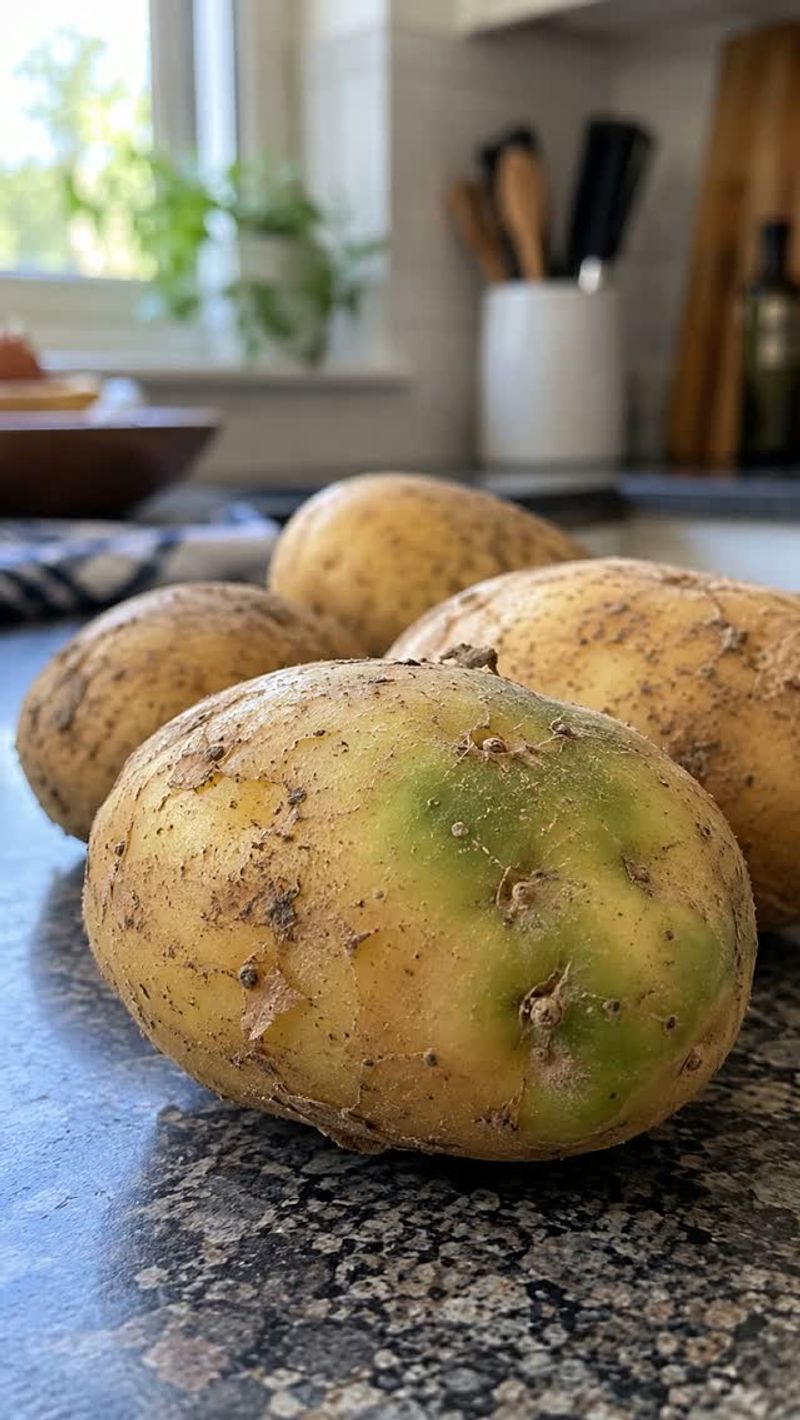
A green potato is not automatically poisonous, and it does not always belong in the trash. What matters is how much green there is and how it tastes.
Guidance from USDA FSIS and Health Canada supports a cautious approach. Discard potatoes with extensive greening or a bitter taste.
For slight, localized greening, cut away the green tissue and peel generously. If any green remains, toss the potato.
Do not count on cooking to fix the problem. Oregon State University Extension describes glycoalkaloids as not reliably removed by ordinary cooking.
Remember too that color is only a clue. Alaska extension guidance notes that greenness does not measure glycoalkaloid content exactly.
When a potato looks or tastes off, skip it.
Keep harvested potatoes out of the light
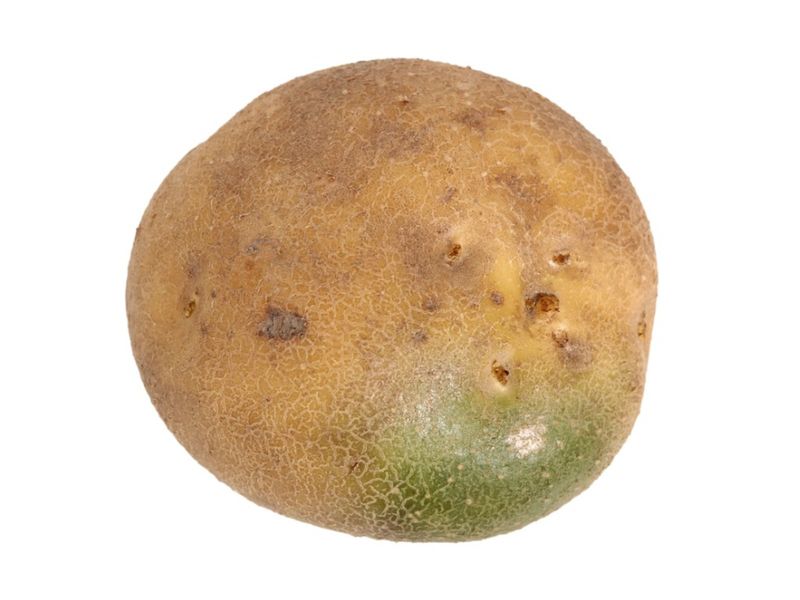
Greening does not stop at harvest. Potatoes can turn green in storage or on a bright store shelf, so a well-hilled bed only covers part of the story.
Once potatoes are dug, brush off loose soil and store them somewhere dark, such as a closed box, a paper bag, or a pantry shelf. Alaska extension and Oregon State both point to light as a cause of post-harvest greening.
Sort as you go. Set aside any with green patches so they do not mix into your cooking pile.
Next season, make soil checks part of your routine, since cover is what shields tubers in the bed. Darkness does the same job in the pantry.